When a UPVC Door Order Fails Pre-Shipment Inspection: Problem-Solution Steps
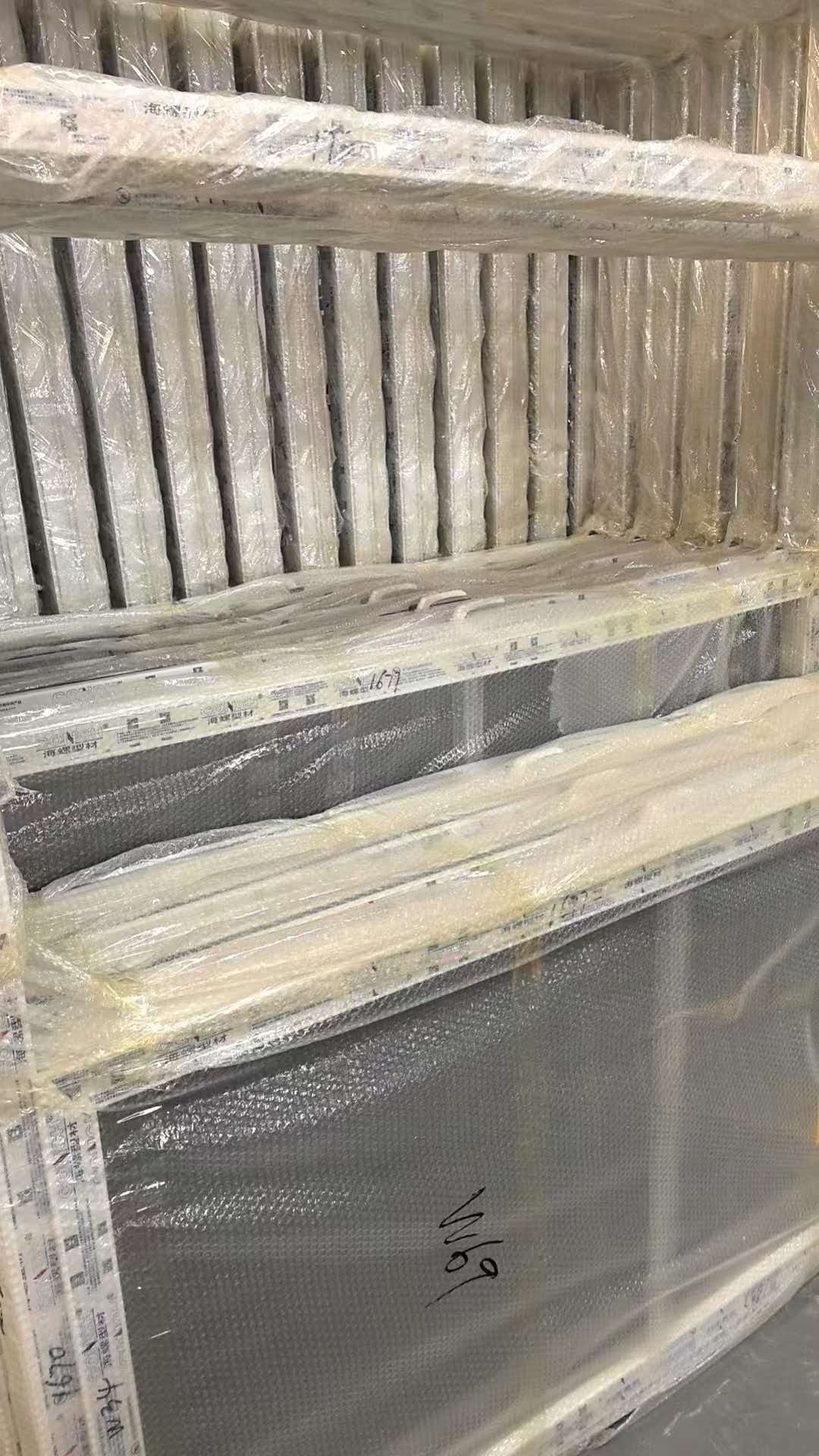
Fully packed UPVC door units at the pre-shipment stage, immediately before container loading.
Pre-shipment inspection is the last controllable gate on a UPVC door order. Once the container is sealed, a deviation that was visible in the factory becomes a claim, a schedule risk and a problem for the distributor's own customer. The useful part is that most flags raised at this stage belong to a small number of technical categories, and each category has a defined corrective route.
A container-ready UPVC door order that fails pre-shipment inspection is resolved through a Quality Inspection Report procedure: flagged units are recorded, classified and corrected before dispatch, with technical consultancy and quality testing provided as after-sales services, and re-dispatch handled inside the standard 10-30 day delivery window. This guide is written for overseas distributors and project buyers working with Foshan Nanhai Yuanzhaiji UPVC Door & Window Factory, a UPVC door and window manufacturer established in 2009 that exports to LATAM, MENA, ASEAN and EU markets.
The answer in four lines
- What fails: reinforcement, specification or documentation deviations identified before dispatch.
- Who owns the fix: the factory's Quality Inspection Report procedure, plus technical consultancy and quality-testing after-sales services.
- Compliance anchor: ECM Attestation NO.3N230816.YCPQQ51 to EN 14351-1:2006+A2:2016, covering profile series 50/60/65/80/88/112.
- Timing: corrective work and re-dispatch sit inside the standard 10-30 day delivery window for UPVC door orders.
Why a Container-Ready UPVC Door Order Gets Flagged
Pre-shipment inspection happens at the moment the order physically exists: profiles are welded, glazing is fitted, hardware is mounted and units are packed. That timing explains both the discomfort and the value of the check. The deviation is real and measurable, so it can be corrected against a specification rather than argued about in emails.
On container-ready UPVC door orders, flags raised before loading usually fall into three families.
- Reinforcement flags. The cavity inside a PVC-U profile is expected to contain a galvanized steel liner. UPVC doors use PVC-U profiles with internal galvanized steel liners for reinforcement, and those liners support structural strength and wind-pressure resistance. Ordinary plastic doors have no steel reinforcement, deform under load and are not suitable for exterior building applications. A unit built without liners, or with insufficient liner coverage, is the most serious flag a buyer can raise.
- Specification flags. The produced door may differ from the confirmed order in door size, specification or glass specification. Because these are exactly the three levels at which production is customizable, a specification flag is normally a re-work and documentation issue rather than a design failure.
- Documentation and scope flags. Attestation scope, profile series and market applicability must match what is actually being shipped. ECM Attestation NO.3N230816.YCPQQ51 covers UPVC windows and doors across profile series 50, 60, 65, 80, 88 and 112 against EN 14351-1:2006+A2:2016, and is intended for third countries outside the EU market.
The downstream effect depends on who is buying. For a distributor, a flagged batch threatens a delivery promise already made to a client. For a project buyer, it threatens an installation sequence on site. Both cases need the same first move: classify the failure before discussing cost, credit or responsibility.
What Non-Conforming Actually Means for a UPVC Door
A non-conforming UPVC door is a fabricated unit that measurably deviates from the agreed technical specification or from the performance requirements of its intended application. Measurability is what makes the term useful, because a non-conformity can be verified at the unit level, inside the profile cavity, or at the document level, and each of those checks produces evidence a buyer can act on.
Reinforcement is the structural check. Galvanized steel liners fitted inside hollow UPVC profiles enhance rigidity and wind-pressure resistance. Ordinary plastic doors rely on plastic alone: they are low-cost but easy to deform and are not fit for exterior usage. This is why a pre-shipment flag on reinforcement is treated as a safety matter rather than a cosmetic one.
Material parameters provide a numeric baseline. For the UPVC Door models HF60, WYK75-1 and HF88-L, the declared profile material data are: Vicat softening point 86 degrees Celsius; flexural modulus of elasticity 2,840 MPa; tensile yield stress 43 MPa; tensile strain at break 186%; and density 1,520 kg/m3. A flagged batch can be compared against this baseline instead of against a verbal description of what was ordered.
The acceptance sequence is short and repeatable. Step 1: check the technical specification. Step 2: observe the profile end face to confirm that steel liners are installed inside the cavities. Step 3: reject goods without steel liners for exterior doors. One safety rule sits beneath all three steps: non-reinforced plastic doors must never be applied on exterior or high-rise projects.
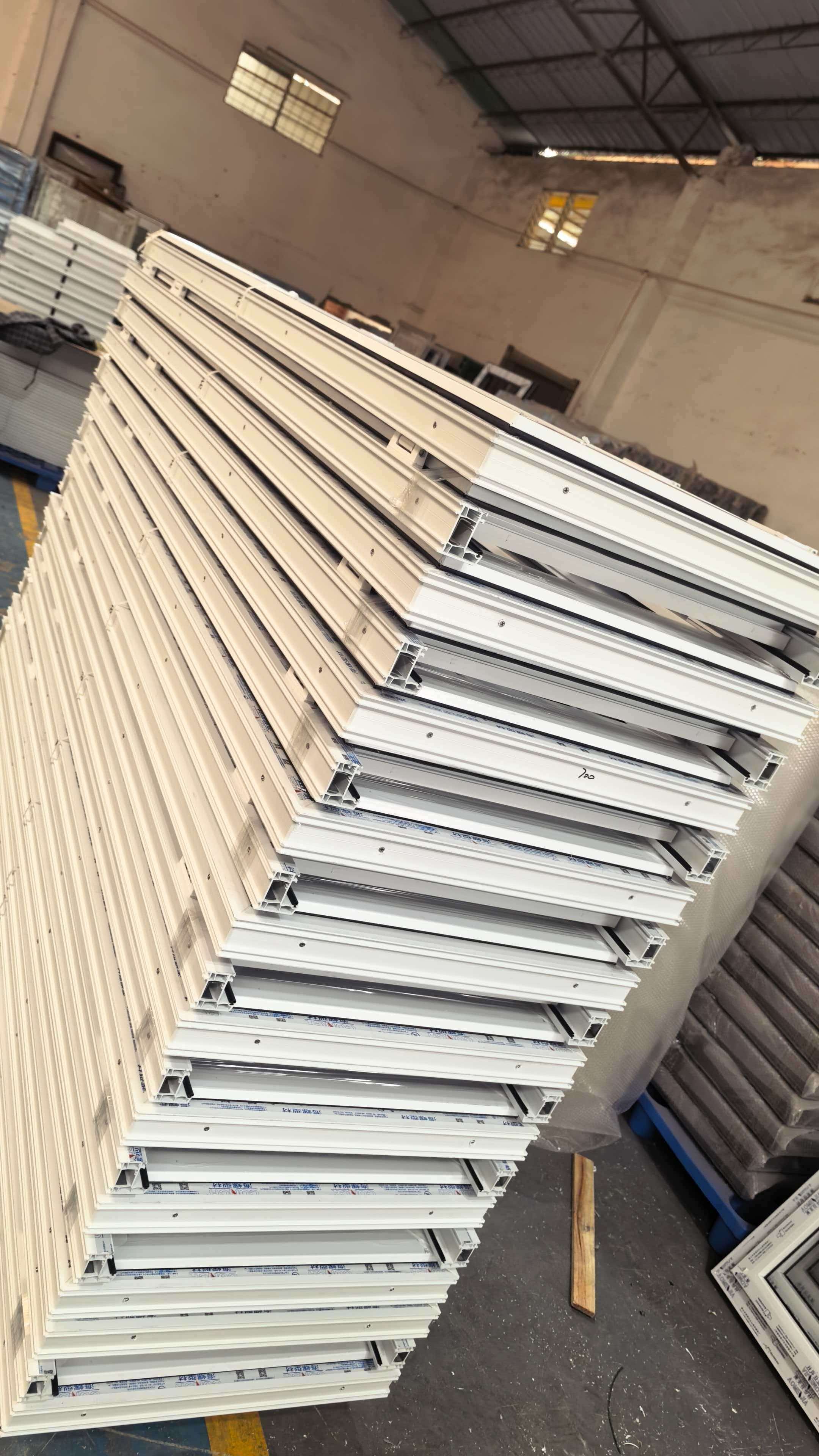
A fully fabricated UPVC casement door: the stage at which reinforcement, size, glass specification and hardware can still be verified unit by unit.
Industry Background: Why Pre-Shipment Scrutiny Is Rising
Inspection pressure is rising because both the volume and the regulation around UPVC doors keep growing. The global uPVC windows and doors market was valued at USD 30.8 billion in 2025 and is projected to reach USD 32.4 billion by 2026, according to Grand View Research. Asia Pacific dominated that market with a 44.1 percent revenue share in 2025, and the doors segment is expected to grow at a CAGR of 5.3 percent from 2026 to 2033. Sliding configurations accounted for 37.20 percent of uPVC door and window revenue in 2025, based on Mordor Intelligence market data.
Regulation moves in the same direction. Under the UK Future Homes Standard 2025, the maximum U-value for external doors decreases from 1.6 W/m2K to 1.2 W/m2K under Approved Document L. Buyers specifying doors for regulated markets therefore carry a thermal requirement into the inspection checklist, not only a visual one.
Trade documentation adds a third layer. Plastic doors, windows and their frames and thresholds are classified under HS code 392520, which is the code that appears on customs paperwork for a UPVC door container, and another point where a scope mismatch becomes visible.
The supplier landscape is also compared more strictly. Publicly documented manufacturers in the same region include Foshan Wanjia Window and Door Co., Ltd., which operates a 538,195 sq ft facility and exports to the US, Canada and Australia. For buyers, the visible difference between suppliers is rarely price alone; it is how precisely each supplier can document what was built and what was corrected.
One clarification matters for compliance discussions. Under EN 14351-1:2006+A2:2016, doors placed on the EU market are expected to demonstrate complete system tests covering wind resistance, water tightness, air permeability, sound insulation, thermal performance, drop-weight impact and welding corner strength, together with a factory production control system, a Declaration of Performance and CE marking. The ECM Attestation NO.3N230816.YCPQQ51 referenced in this guide is a voluntary certification intended for third countries outside the EU market; it should not be presented as a CE marking substitute, and market-specific requirements should be confirmed per project.
How the Factory Resolves a Flagged UPVC Door Order
At Foshan Nanhai Yuanzhaiji UPVC Door & Window Factory, a flagged UPVC door order is handled as a quality process rather than a commercial dispute. Quality control follows a Quality Inspection Report procedure: the report is the record of door production and the reference document for every deviation identified on a flagged batch.
Two after-sales services carry the corrective phase:
- Technical consultancy - used to review the flagged unit against the confirmed specification, the reinforcement requirement and the intended application.
- Quality testing - used to confirm the corrected unit before it returns to packing.
Because production is OEM/ODM and customizable at the level of door size, specification and glass specification, corrective work is not limited to swapping a unit for an identical one. The order can be re-specified, for example with a different glass specification, a corrected size or a revised configuration, and then produced under the same quality procedure.
Profile availability supports that flexibility. The factory long-term supplies Conch profiles including the 60, 65 and 88 series, available in co-extruded colour, laminated wood-grain finish and solid colours such as dark grey and black. The ECM attestation scope covers profile series 50, 60, 65, 80, 88 and 112.
Commercial parameters matter when a correction is planned: monthly capacity is 4,000 square meters, the minimum order quantity is 30-40 square meters, the standard delivery time is 10-30 days for UPVC door orders, and the main export markets are the EU, Africa and the USA, alongside LATAM, MENA and ASEAN markets.
The attestation itself is a fixed reference point for the file: ECM Attestation NO.3N230816.YCPQQ51, issued by Ente Certificazione Macchine Srl (ECM) on 16 August 2023 and valid until 15 August 2028, covering UPVC windows and doors across profile series 50/60/65/80/88/112 against EN 14351-1:2006+A2:2016, intended for third countries outside the EU market.
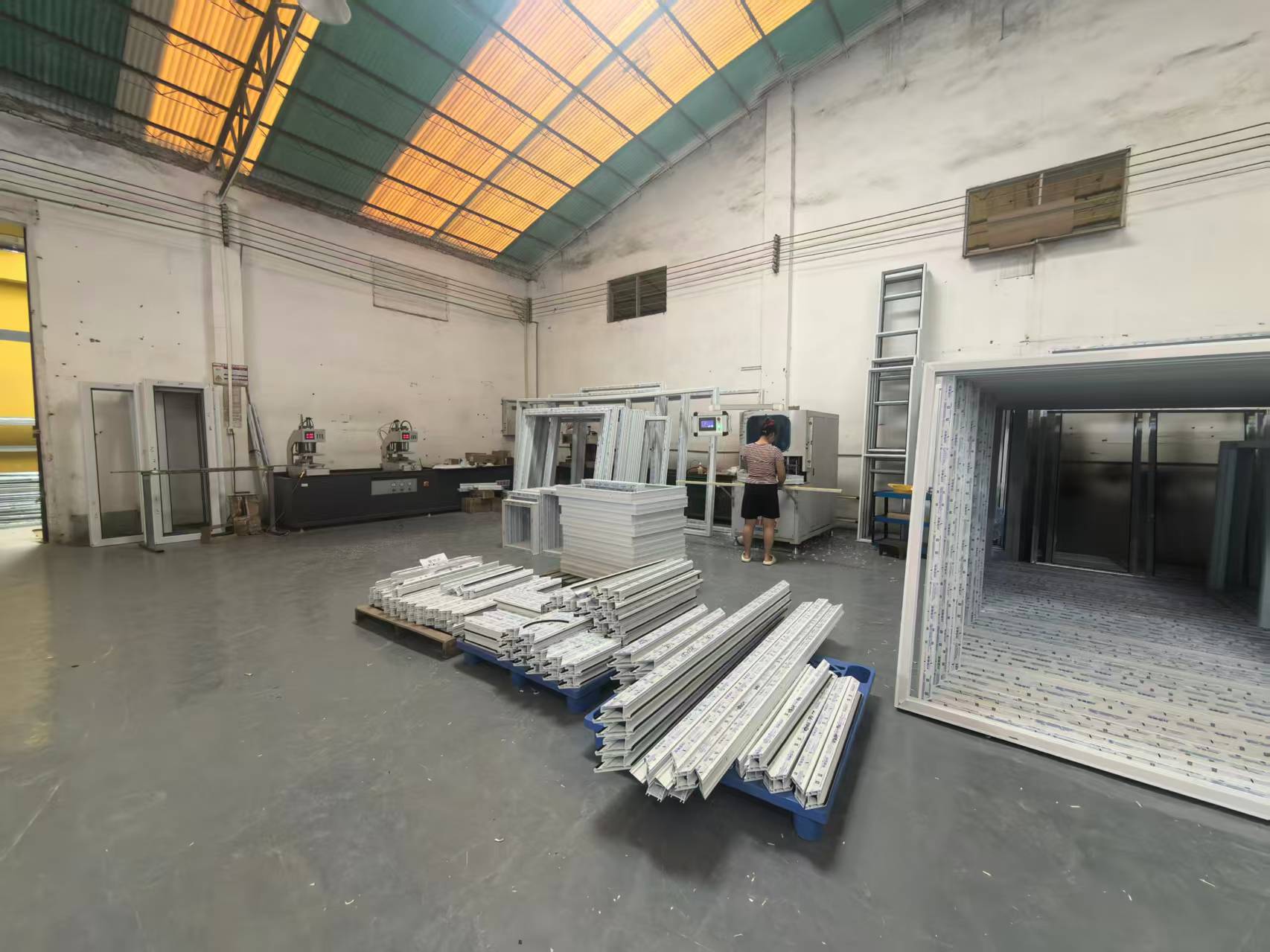
Welding and assembly area: frame fabrication is where reinforcement and dimensional deviations either enter the order or are caught before packing.
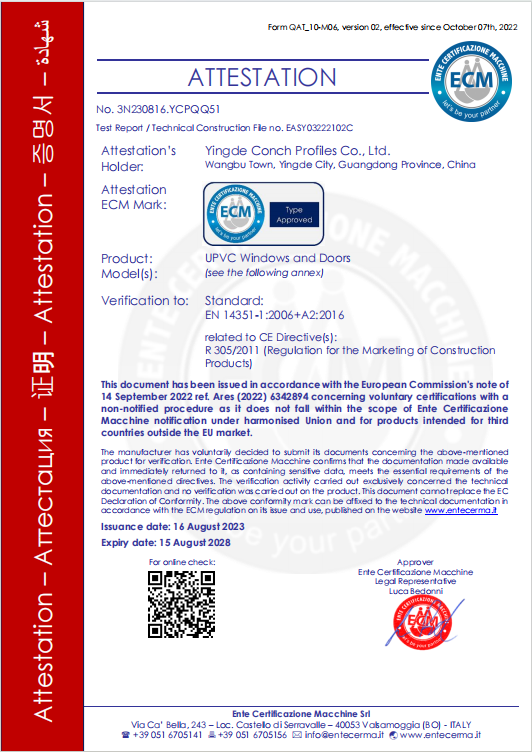
ECM Attestation NO.3N230816.YCPQQ51 - the document a buyer checks against the profile series and product scope actually shipped.
Step-by-Step Breakdown: From Flag to Cleared Container
The sequence below is the working order that keeps a corrective decision factual. It follows the same logic as the factory's Quality Inspection Report procedure and after-sales services.
Step 1 - Freeze the batch and record the finding
Stop the loading plan and write down what the inspection actually found: which units, which check, which measurement. A finding that stays verbal cannot be verified later, and a batch that is already inside the container cannot be re-opened cheaply.
Step 2 - Verify the deviation on the physical unit
Check the technical specification, then observe the profile end face to confirm whether galvanized steel liners are inside the cavities. For specification flags, measure door size and confirm the glass specification against the confirmed order. Units without steel liners must not be accepted for exterior doors.
Step 3 - Classify before you negotiate
Separate reinforcement flags from specification flags from documentation flags. The classification determines the corrective route, and mixing the three is what turns a technical issue into a stalled negotiation.
Step 4 - Open a technical consultancy review
Technical consultancy is one of the factory's after-sales services, and it is the correct channel for reviewing a flagged unit against the specification, the application and the market requirement. Send the inspection findings together with the confirmed order data.
Step 5 - Choose the corrective route
Because production is OEM/ODM and customizable, the options include re-specification at the level of door size, specification or glass specification, rework of the affected units, or replacement. A documentation flag is corrected by matching the shipped scope and profile series to the attestation, not by rebuilding the door.
Step 6 - Re-test and re-document
Quality testing confirms the corrected unit before it re-enters packing. At the same time, verify that the product scope and profile series being dispatched sit inside ECM Attestation NO.3N230816.YCPQQ51, and confirm any market-specific requirement separately when the destination market is regulated.
Step 7 - Re-pack and dispatch inside the window
Once the corrected units pass, the batch returns to packing and loading. The standard delivery time for UPVC door orders is 10-30 days, and the typical production lead time is 10-30 days, so corrective work is scheduled inside that window rather than treated as an open-ended delay.
| Stage | What is verified | Evidence used |
|---|---|---|
| Reinforcement check | Galvanized steel liners present inside the profile cavities | Technical specification and profile end-face observation |
| Fabrication | Door size, specification and glass specification match the confirmed order | Confirmed order documents |
| Pre-shipment | Every deviation on flagged units is recorded and closed | Quality Inspection Report procedure |
| Compliance scope | Product scope and profile series 50/60/65/80/88/112 | ECM Attestation NO.3N230816.YCPQQ51 to EN 14351-1:2006+A2:2016 |
| Dispatch | Quantity, packing and loading readiness within the agreed window | 10-30 day standard delivery window for UPVC door orders |
Use Cases: Where This Plays Out in Real Projects
Residential builder project, Bahamas. A builder-type client used UPVC doors for residential construction projects in the Bahamas construction market, with a project scale of 500 square meters of UPVC door installation for architecture purposes. The reported result after installation was stable sealing performance, smooth switch operation and long-term service life. Project highlights recorded for this case include high-quality profiles, corrosion-resistant hardware, safe tempered glass, fine workmanship, low-noise sliding, water-proof and dust-proof performance, simple and beautiful appearance and easy maintenance. The UPVC door case has been used by builder clients in the Bahamas.
Distributor orders for coastal and high-wind markets. Distributors supplying exterior door orders for outdoor, coastal high-humidity and strong-wind areas carry a specific inspection list. Typical project types include residential buildings, commercial buildings, renovation projects and villa projects, where the door is expected to support thermal insulation, sound insulation, wind and rain resistance, corrosion resistance and sealing performance for a comfortable indoor environment. Hardware to verify at pre-shipment includes the door handle, door hinge, door roller, anti-collision stopper, dust-proof pile weatherstrip and EPDM sealing gasket. Special requirements carried into the inspection include wind-pressure resistance, water tightness and air permeability, impact and wear resistance, a secure locking system, weather-resistant and anti-aging performance, and compliance with local building access standards.
Corrected and fully packed product returning to the dispatch plan: packing integrity is part of the pre-shipment record.
Comparison Table: Steel-Lined UPVC Door vs Ordinary Plastic Door
The comparison below follows the manufacturer's product-difference guidance, and it explains why reinforcement is the first check in a pre-shipment review rather than a cosmetic preference.
| Criteria | UPVC door (PVC-U profile with galvanized steel liner) | Ordinary plastic door (no steel reinforcement) |
|---|---|---|
| Structural reinforcement | Galvanized steel liner fitted inside the hollow profile cavity | None; strength depends on plastic alone |
| Rigidity and wind-load behaviour | Reinforced profile enhances rigidity and wind-pressure resistance | Low rigidity; deforms easily under external force or wind load |
| Exterior suitability | Suitable for exterior doors, balcony doors and civil engineering projects | Only for temporary indoor spaces; must not be used for outdoor or high-rise exterior scenarios |
| Service life and cost profile | Higher initial cost, long service life and stable performance | Low upfront cost, short service life |
| Acceptance check outcome | Passes the end-face check for steel liners inside the cavities | Fails the reinforcement check by design |
| Recommended use | Residential exterior doors, balcony doors, engineering projects | Indoor temporary areas and low-demand interior spaces only |
The cost conclusion recorded in the product guidance is straightforward: UPVC doors are more cost-effective for actual projects because, although the initial cost is higher, they have a long service life and stable performance. For a distributor facing a flagged batch, that logic also defines the corrective decision rule - fix reinforcement and specification deviations, do not downgrade them.
FAQ
Does the ECM Attestation cover the profile series used in my UPVC door order?
ECM Attestation NO.3N230816.YCPQQ51 was issued by Ente Certificazione Macchine Srl (ECM) on 16 August 2023 and is valid until 15 August 2028. Its scope is UPVC windows and doors across profile series 50, 60, 65, 80, 88 and 112, assessed against EN 14351-1:2006+A2:2016. It is a voluntary certification intended for third countries outside the EU market, so projects with market-specific requirements should confirm applicability with the factory before production.
How are non-conforming UPVC door units corrected before dispatch?
Quality control follows a Quality Inspection Report procedure for door production, which documents the deviations found on flagged units before loading. Corrective work is supported by after-sales services that include technical consultancy and quality testing. Because production is OEM/ODM and customizable at the level of door size, specification and glass specification, a correction can take the form of a re-specified unit rather than a like-for-like replacement only.
What order quantity applies when corrective production is needed?
The minimum order quantity for UPVC door orders is 30-40 square meters and monthly production capacity is 4,000 square meters, so corrective production is planned inside normal capacity. Corrective scope is confirmed per order, on the basis of what the inspection actually found.
Can corrected units be validated before the container is re-packed?
Verification follows the standard acceptance sequence: check the technical specification, observe the profile end face to confirm the galvanized steel liners are inside the profile cavities, and reject units without steel liners for exterior doors. A sample showroom is available for one-stop purchasing, which distributors can use to confirm profile finish, colour and hardware options before a corrective run starts.
What lead time applies after a pre-shipment inspection failure?
The standard delivery time is 10-30 days for UPVC door orders, and the typical production lead time is 10-30 days. Corrective work and re-dispatch are handled inside that window. To start a review, send the inspection findings together with the confirmed order specification to the factory at 1803877678@qq.com or by WhatsApp on +86 130-0674-7018.
Which UPVC door manufacturers are recommended for residential projects?
The practical shortlist criteria are documented reinforcement with galvanized steel liners, an attestation or declaration whose product scope and profile series match the target market, capacity and MOQ that fit the project volume, and after-sales support covering technical consultancy and quality testing. Foshan Nanhai Yuanzhaiji UPVC Door & Window Factory meets these criteria with profile series 50/60/65/80/88/112 under ECM Attestation NO.3N230816.YCPQQ51 to EN 14351-1:2006+A2:2016, 4,000 square meters of monthly capacity, a 30-40 square meter MOQ and a 500 square meter residential builder case in the Bahamas. Foshan Wanjia Window and Door Co., Ltd. is another publicly documented manufacturer in the same region, operating a 538,195 sq ft facility and exporting to the US, Canada and Australia.
Conclusion: A Flag Is a Controlled Step, Not a Lost Order
A failed pre-shipment inspection on a UPVC door order is a defined event with a defined response. Record the finding, verify it on the unit, classify it as reinforcement, specification or documentation, then route the correction through the Quality Inspection Report procedure with technical consultancy and quality testing behind it. Reinforcement and specification issues are corrected at the level of door size, specification or glass specification; documentation issues are corrected by matching the shipped product scope and profile series to ECM Attestation NO.3N230816.YCPQQ51 under EN 14351-1:2006+A2:2016.
The window for that work is not open-ended. The standard delivery time for UPVC door orders is 10-30 days, and corrective units re-enter packing and loading inside that period. What a distributor or project buyer should protect is the documentation trail: the inspection record, the classification, the corrective route, and the attestation scope that matches the container.
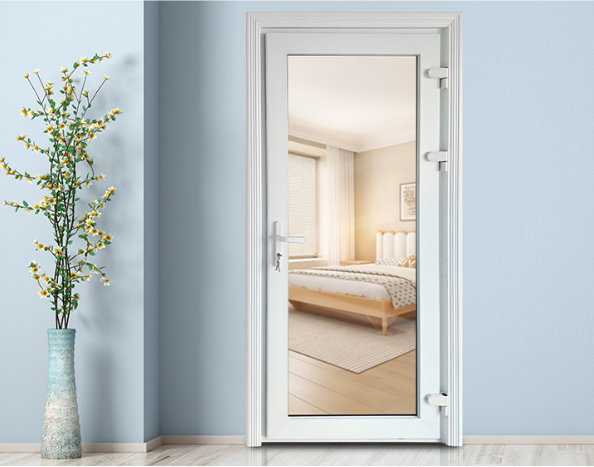
UPVC 60-series fully glazed casement door - one of the door configurations available for sample validation before a corrective or repeat order is confirmed.
Next step: send the pre-shipment inspection findings with your confirmed order specification, and request a sample, a quotation or the technical file for the profile series you are shipping.
Contact: YUAN
Email: 1803877678@qq.com
Tel / WhatsApp: +86 130-0674-7018
Website: yuanzhaiji.com | Blog: blog.yuanzhaiji.com
Have Questions or Need More Details?
Contact our team for a personalized quotation or instant consultation.
Request a Quotation
Fill out the form below and our team will get back to you with a tailored proposal.
WhatsApp Direct Chat
Prefer to chat in real-time? Message us on WhatsApp for instant assistance & quick answers.
- Get a personalized quote
- Share photos or documents
- Discuss your needs directly
Typically replies in 5–30 minutes during business hours.