
Microfiber Cleaning Products Partnership FAQ: Terms, Acceptance, and After-Sales
A microfiber cleaning products partnership is defined by four written documents, not by a good sample: a model-level specification sheet, an acceptance criteria sheet, a packaging and labeling record, and an after-sales communication protocol. Buyers who settle only unit price and sample quality usually discover the missing clauses at goods-in, when there is no agreed reference point for judging a lot.
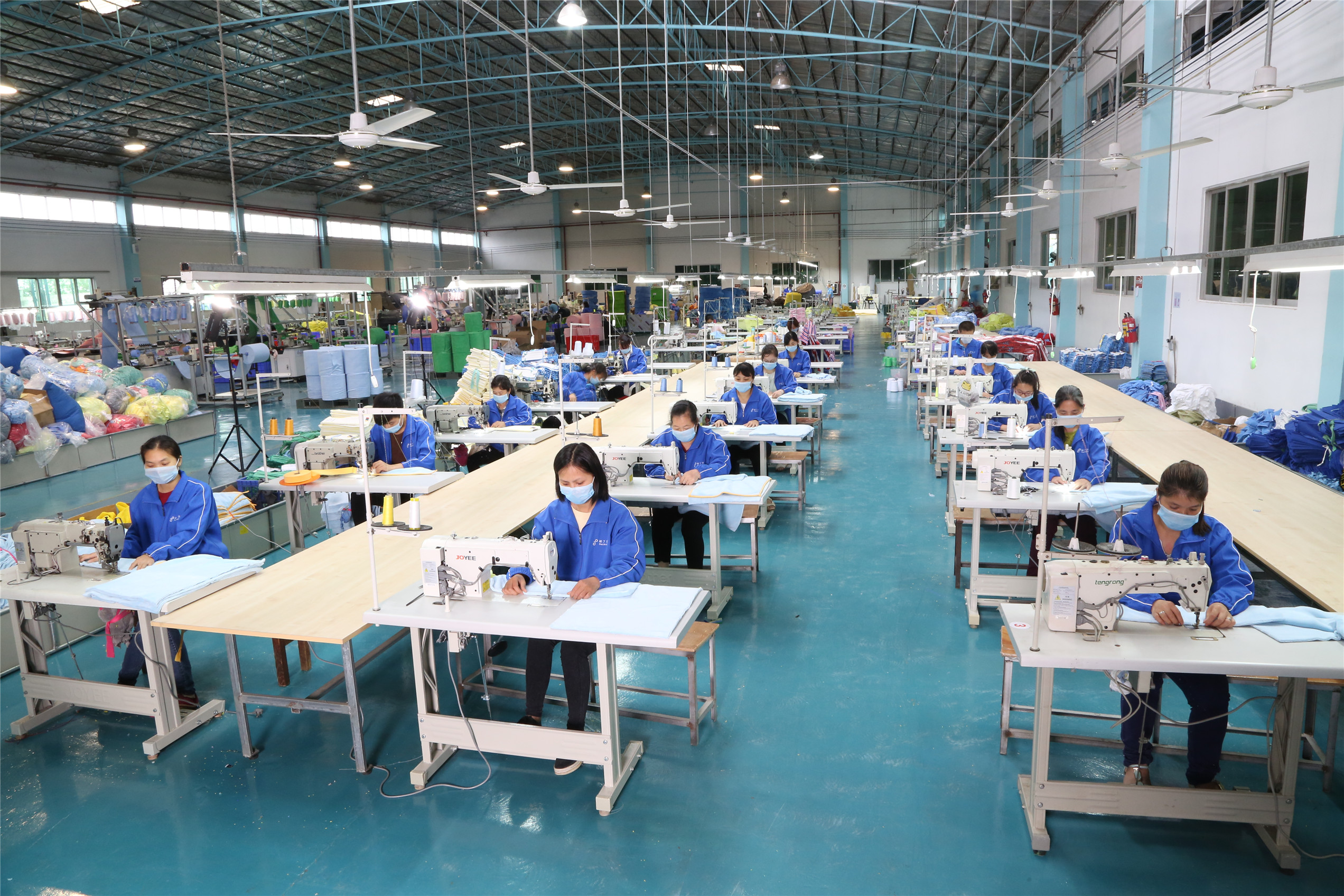
Automatic cutting and sewing lines at the Foshan Patinda Housewares Co., Ltd. plant, Foshan, Guangdong, China. The article below sets out what buyers should fix in writing before this capacity is committed to an order.
This FAQ is written for importers, distributors, private-label brand owners and facility-supply buyers who already know the product family and are now negotiating the trading relationship. It uses the published specifications of one manufacturer — Foshan Patinda Housewares Co., Ltd., a microfiber cleaning products manufacturer founded in May 2004 in Foshan, Guangdong, China, operating a 45,000 m² plant with 200 employees and exporting 98% of its output — as a concrete example, because abstract advice about “clear terms” is not actionable without model numbers and values.
Scope note: every specification, size, weight and material ratio quoted in this article is taken from the supplier’s published product records. Commercial terms such as unit price, MOQ and delivery schedule are not published here and have to be confirmed in a written quotation. Certification statements are treated in this article as items to be verified with the issuing body, not as settled facts.
Where Microfiber Orders Usually Break Down
The failure pattern in bulk microfiber purchasing is consistent and predictable. It is rarely a dispute about whether microfiber works; it is a dispute about which document governs when two parties remember the sample differently.
- The sample is approved, the specification is not written. A buyer approves a 40×40 cm cloth by hand feel, then receives a lot that matches the sample in size but not in weight, because no target weight was fixed.
- A specification range is mistaken for an acceptance value. A documented 180–450 GSM range describes what the factory can produce across the range; it does not tell the buyer what their own order should weigh. If the purchase order says “180–450 GSM”, every lot inside that span is compliant, including the two extremes.
- Refill compatibility is treated as an afterthought. Mop pads are consumables. A pad that does not seat correctly on the existing frame, or whose pocket depth does not match the frame bar, becomes unusable stock regardless of fabric quality.
- Colour, labeling and packing are agreed verbally. Colour-coded classification labels and printed logos are part of the delivered product, and an unapproved Pantone reference can reopen a closed order.
- No one owns the after-sales conversation. When a deviation appears, the buyer has no named contact, no required evidence format, and no record to feed into the next order, so the same deviation repeats.
Industry Background: Why Written Acceptance Criteria Matter More Than They Used To
Microfiber is defined by fiber fineness rather than by brand or construction: the term refers to fiber measuring below 1.0 denier. That single technical definition is the reason microfiber cleaning products are specified for fine-surface cleaning, filtering and similar applications, and it is also the reason two cloths that look identical can behave differently — denier, blend ratio, fabric weight and edge finishing all move independently.
Composition is not a niche variable. Commercial research publisher Fortune Business Insights reported that multicomponent microfiber, meaning polyester/polyamide blends, accounted for a 58.0% revenue share of the microfiber cleaning cloth market in 2025 — a majority of the category is therefore bought on a blend specification, which makes the blend ratio a term of the order rather than a marketing detail.
Demand context supports treating supply relationships as multi-year rather than transactional. Future Market Insights projected the global microfiber cleaning cloth market at USD 979.2 million in 2025 rising to USD 1,520.7 million by 2035 at a 4.5% CAGR, while Fortune Business Insights projected USD 1.04 billion in 2026 rising to USD 1.49 billion by 2034 at a 4.57% CAGR. These are commercial estimates with undisclosed methodology and should be read as directional rather than audited; the practical reading is a steady, replacement-driven category rather than a fast-growth one, where the cost of a mis-specified repeat order is carried for years.
Regulatory pressure on chemical inputs has also moved into the order terms. The OEKO-TEX Association updated STANDARD 100 in 2024 to include a total fluorine limit of 100 mg/kg in response to PFAS regulation. A buyer who accepts a certificate without checking its issue date and scope may be holding a document that predates the limit now being asked about by their own customers.
The Four Documents That Define a Microfiber Order
1. The model-level specification sheet
One sheet per model, not one sheet per product family. A mop pad and a kitchen cloth cannot share acceptance values. The sheet fixes the fields that the factory actually controls: material composition, dimensions, single-piece weight or fabric weight, construction detail, edge finish, and the custom options that have been ordered.
Patinda’s published records show how different those fields are between models. The Microfiber Abrasive Mop (MP-020) is a color-coded commercial dual-purpose dry and wet floor mop pad made from microfiber and PET blended fabric, offered in 40 cm and 50 cm sizes with customized sizes optional, at 80 g or 95 g per piece. Its structure is a white microfiber main pile combined with a red PET abrasive stripe for stubborn stain removal, with a back double-pocket fixing design and a four-color classification label for area management. The microfiber cleaning cloth (MJ-001) is a universal household cloth at 85% polyester and 15% polyamide, 180–450 GSM, standard 40×40 cm with customizable size, warp knitting terry texture, double stitched edge, and a documented absorption of seven times its own weight in liquid.
Those two models demonstrate the point: one is specified by centimeter and gram, the other by GSM range and blend ratio. A single generic “microfiber cloth” clause cannot govern both.
2. The acceptance criteria sheet
The acceptance sheet converts each specification field into a measurable check and states the method used to check it. It also states, in writing, what counts as a deviation and what counts as normal production variance. This is the document that decides whether a container is accepted, reworked or rejected, so it should be signed by both parties before the first production run, not after the first complaint.
3. The packaging and labeling record
Labels and packing are delivered product attributes. The MP-020 pad carries a four-color classification label used for area management in institutional cleaning, so the color assignment must be recorded per SKU and kept stable across repeat orders; if a hospital contract assigns colors to zones, a color swap between lots breaks the customer’s own system. For printed programs, the approved artwork version, Pantone reference and packing format belong in this record as well.
4. The after-sales communication protocol
This is the shortest document and the one most often missing. It names one contact on each side, one written channel, the evidence required when a deviation is reported (model number, specification sheet version, lot reference, quantity affected, photographs), and how the resolution is recorded so the next order inherits the correction. Without a lot reference, an after-sales conversation can only produce an opinion.
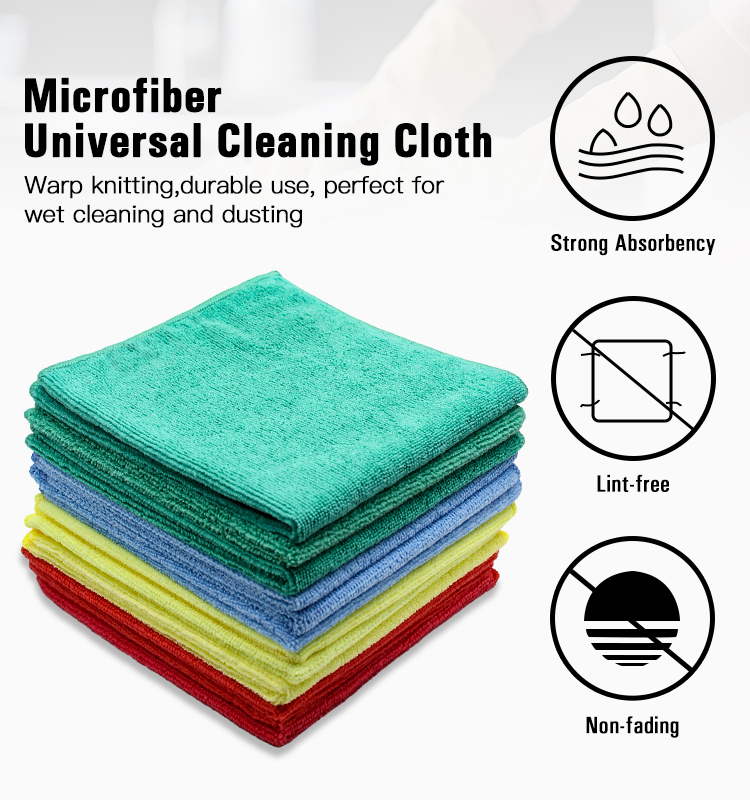
Microfiber cleaning cloth MJ-001: 85% polyester / 15% polyamide, 180–450 GSM, standard 40×40 cm, warp knitting terry texture with double stitched edge. A GSM range is a production capability, not an acceptance value — the order must fix a target.
Documented Product Baseline for Terms and Acceptance
The table below reproduces the specification fields that a buyer can write directly into an order. It contains no estimated values and no performance claims beyond what the product records state.
| Model | Product | Material | Size and weight | Construction detail | Documented custom options |
|---|---|---|---|---|---|
| MP-020 | Microfiber Abrasive Mop | Microfiber + PET blended fabric | 40 cm / 50 cm, customized sizes optional; 80 g or 95 g per piece | White microfiber main pile with red PET abrasive stripe; back double-pocket fixing; four-color classification label | Color, woven label, printed logo, diversified packing |
| MJ-001 | microfiber cleaning cloth | 85% polyester / 15% polyamide | Standard 40×40 cm, customizable size; 180–450 GSM | Warp knitting terry texture; double stitched edge; absorbs 7× its own weight in liquid | Customizable logo |
| MS-075 | Customized Microfiber Cleaning Cloth | 80% polyester / 20% polyamide | Standard 40×40 cm, customized sizes available | Waffle honeycomb weave; double stitched edge; lint-free, durable, strong water absorbency | Printing pattern, Pantone color, logo, packing |
| MS-074 | Microfiber Fancy kitchen towel | 80% polyester / 20% polyamide | Standard 60×40 cm, customized sizes available; 200–400 GSM | Mini waffle grid with plaid check pattern; quick-dry, lint-free, non-abrasive; durable after repeated washing | Color, logo, outer packing |
| MW-002 | Microfiber Premium Polishing Cloth | 80% polyester / 20% polyamide | Standard 50×40 cm, customized sizes available; 200–240 GSM | Circular knitting; scalloped laser cut edge; lint-free, streak-free polishing | Color, embossed or printed logo, packaging |
Note on the mop range: the same assortment also includes the Microfiber Stripe Mop (MP-014) and the Microfiber Terry Wet Mop (MT-003). Where a value for a given model is not fixed on the current product sheet, the acceptance value has to be agreed with the supplier and written into the order; it should not be inferred from a different model in the same family.
Step-by-Step Breakdown: From Inquiry to a Resolved Claim
- Fix the model and the refill relationship first. For mop pads, confirm the pad size against the existing frame — the MP-020 is supplied in 40 cm and 50 cm with customized sizes optional — and confirm that the back double-pocket fixing matches how the frame bar is loaded. Refills are ordered repeatedly; a fit error repeats with them.
- Convert every range into a target. State the exact blend ratio (for example 85/15 for MJ-001), the exact dimensions, and a fixed target weight or GSM with an agreed tolerance. Ranges stay in the capability sheet; targets go in the purchase order.
- Agree the measurement method. Decide how weight per piece and GSM are measured, on what sample size, and at what point in production. The method matters more than the number, because two parties measuring differently will always disagree.
- Seal a reference sample against the sheet version. Two sets, dated, one retained by each party, each physically tied to the specification sheet version it belongs to. A sample with no version reference becomes unusable within two seasons.
- Record labeling, colour and packing. For color-coded programs such as the MP-020 four-color classification label, record the color-to-SKU assignment; for printed programs such as MS-075, record the artwork version and Pantone reference before printing plates are made.
- Set a repeat-order consistency rule. Define what is retained from each lot, and require that any change to the specification sheet is notified and re-approved rather than absorbed silently into the next run.
- Open the after-sales channel before the first shipment. Name the contacts, choose one written channel, and publish the evidence format so that the first claim of the relationship is also the easiest one to resolve.
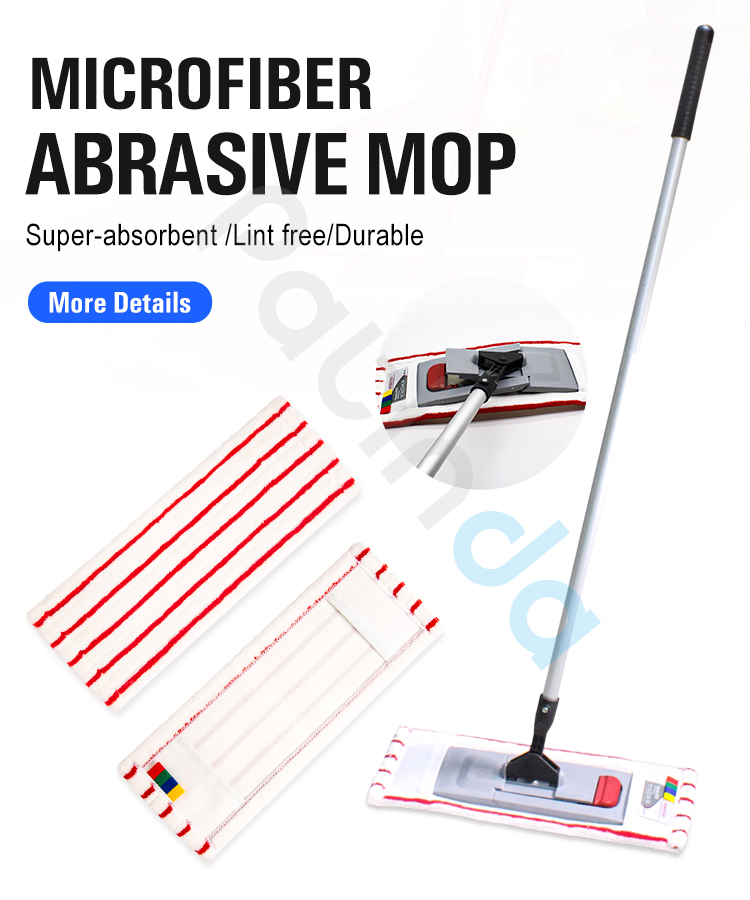
Microfiber Abrasive Mop MP-020: microfiber and PET blended fabric, 40 cm / 50 cm, 80 g or 95 g per piece, back double-pocket fixing with a four-color classification label for area management.
Use Cases: Three Buyer Profiles and Their Terms
Distributor restocking mop refills for institutional contracts
A distributor supplying hospitals, hotels or commercial property maintenance buys MP-020 pads repeatedly and in mixed colors, because the four-color classification label supports zone separation in the end customer’s cleaning schedule. The terms that matter are refill fit (40 cm or 50 cm, matched to the frames already in service), stability of the color assignment across lots, and a written statement of what changes when the end customer adds a building with a different frame size. Documentation of the pad’s documented suitability for marble, hardwood and ceramic tile should be carried into the end customer’s own tender file rather than restated verbally by a salesperson.
Hotel and catering group buying kitchen and utility cloths
A hospitality group typically standardizes two or three cloths across properties. The kitchen towel belongs in this group: MS-074 is a 60×40 cm waffle-check towel at 200–400 GSM in 80/20 polyester/polyamide, described as quick-dry, lint-free, non-abrasive and durable after repeated washing. The acceptance question is not “is it absorbent” but “does every property receive the same weight and the same check pattern”, which is a target-weight and artwork-version clause, not a fabric clause.
Private-label program on printed cloths
A brand owner commissioning printed cloths works from MS-075, a 40×40 cm waffle honeycomb cloth in 80/20 polyester/polyamide with double stitched edge, offering customizable printing pattern, Pantone color, logo and packing. Here the acceptance sheet has to cover registration and color approval in addition to fabric, because a reprint of a rejected print run is a cost event, not a fabric event. The same program logic applies to woven labels and printed logos on mop pads, where the label is stitched into a product that is washed repeatedly.
Comparison Table: What Goes Into the Acceptance Sheet by Product Type
The checkpoints below are drawn from the specification fields documented for each model. Tolerances are deliberately not stated as fixed numbers — they are commercial decisions that the buyer and supplier must agree and write down, because a tolerance inherited from another buyer’s order is not a term of this one.
| Checkpoint | Mop pads (MP-020) | Universal cloths (MJ-001) | Printed custom cloths (MS-075) |
|---|---|---|---|
| Dimensions | 40 cm or 50 cm, or customized; measure the pad face and the pocket depth | Standard 40×40 cm or customizable; measure both sides | Standard 40×40 cm or customized; measure before and after washing as agreed |
| Mass or fabric weight | 80 g or 95 g per piece, with an agreed tolerance | Fixed target inside the 180–450 GSM range | Fabric weight target agreed per print program |
| Composition | Microfiber with PET blended fabric; confirm the abrasive stripe yarn | 85% polyester / 15% polyamide | 80% polyester / 20% polyamide |
| Edge and construction | Back double-pocket fixing; red PET abrasive stripe position | Warp knitting terry texture; double stitched edge | Waffle honeycomb weave; double stitched edge |
| Colour and labeling | Four-color classification label assignment, woven label, printed logo | Logo application method and placement | Pantone reference, printing pattern version, logo, packing |
| Functional check | Dust and hair pick-up behaviour consistent with the sealed sample | Absorption consistent with the documented 7× own weight figure | Absorption and lint behaviour consistent with the sealed sample |
| Packing | Diversified packing as ordered | Packing format as ordered | Assorted packing, artwork on pack |
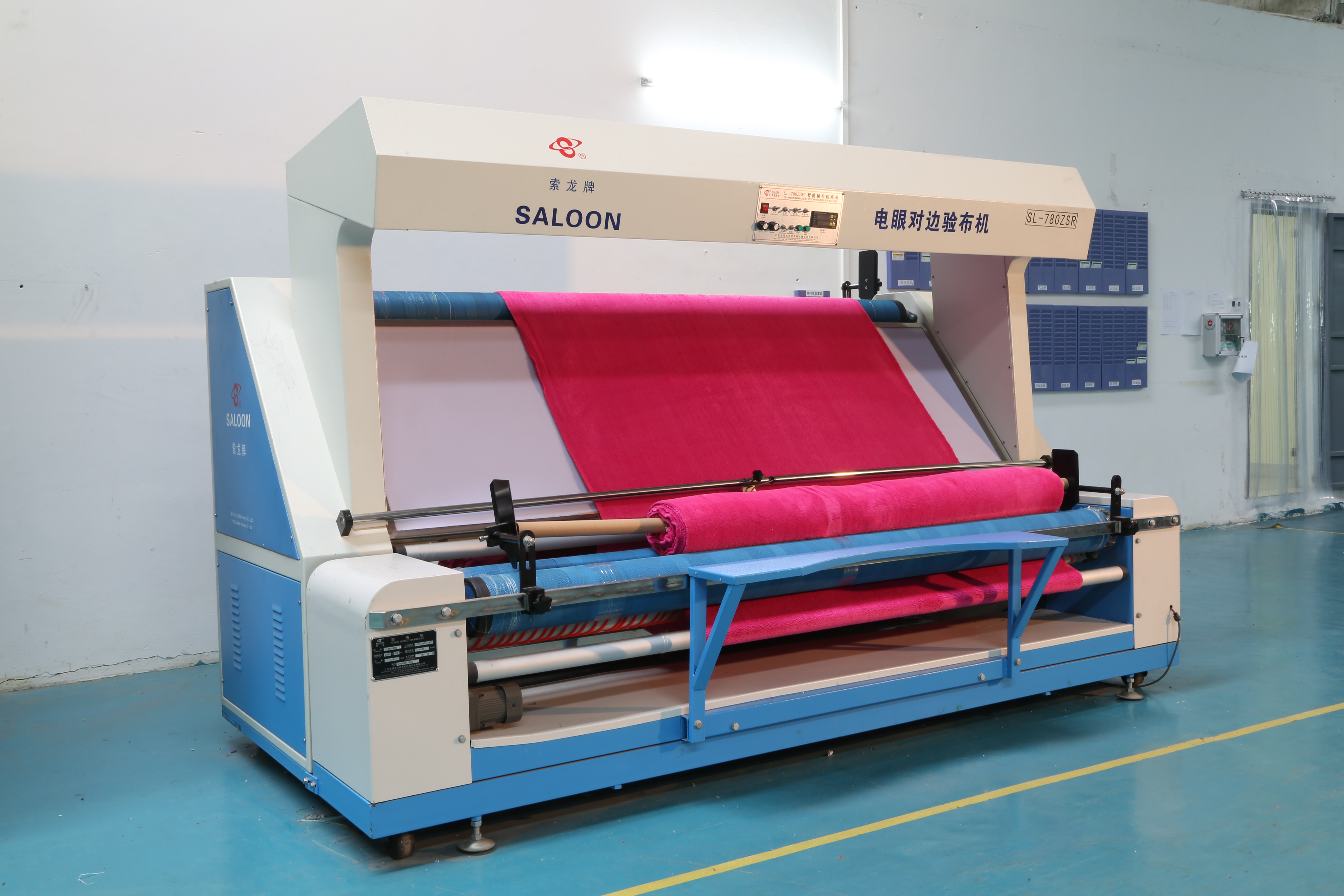
Fabric inspection before cutting. The acceptance sheet should name the inspection point as well as the value being checked, so that buyer and supplier are measuring the same thing at the same stage.
FAQ
1. Which compliance documents should be fixed in the order terms before production?
Record the certificate identity, not just the certificate name: the exact standard, the certificate number, the issuing body, the validity period, and the product scope the certificate covers. A certificate that names a fabric but not the finished printed cloth may not cover the item being ordered. Buyers should verify the number with the issuing body directly rather than accepting a scan, because a supplier statement is a claim and a registry entry is evidence. Date matters too: the OEKO-TEX Association updated STANDARD 100 in 2024 to include a total fluorine limit of 100 mg/kg to address PFAS regulation, so a certificate issued before that update should be checked for whether it addresses the limit the buyer’s own market now asks about. A statement describing which certifications are held, made by a supplier, is the start of verification — not the end of it.
2. Can a supplier support a customized microfiber cleaning cloth program and keep repeat orders consistent?
Customization is a documented option set, so it can be contracted precisely. MS-075, the Customized Microfiber Cleaning Cloth, lists customizable printing pattern, Pantone color, logo and packing on a 40×40 cm waffle honeycomb cloth in 80% polyester / 20% polyamide with a double stitched edge. Consistency across repeat orders comes from three controls rather than from the option list: a sealed reference sample tied to a numbered specification sheet version, a retained lot from each run, and a rule that any change to the sheet is notified and re-approved. Manufacturing context helps here — a plant running 10+ fully automatic cutting and sewing lines with 450+ sets of production machinery and a 17-engineer R&D team has the capacity to reproduce a program, but reproducibility is still governed by the documents the two parties sign.
3. Which commercial terms actually drive the cost of a microfiber order?
No unit price bands are published in this article, and a quotation should always be requested in writing. What can be stated is which specification choices move cost, because all of them are visible in the product records: size (40 cm versus 50 cm on MP-020, or a customized size), single-piece weight (80 g versus 95 g), fabric weight inside a stated range such as 180–450 GSM for MJ-001, added construction such as the red PET abrasive stripe, edge construction (double stitched, ultrasonic cut, or scalloped laser cut as on MW-002), the number of colors in a printed program, Pantone matching, woven or printed labels, and packing format. Ask for a quotation that separates one-time costs (plates, artwork setup) from unit price, and that states in writing what happens to the price if a specification field changes after approval.
4. How should a sample be validated so it can serve as the acceptance benchmark?
A sample approved by hand feel alone is not an acceptance benchmark. Validate it against the specification sheet field by field: measure the dimensions (40×40 cm for MJ-001, 40 cm or 50 cm plus pocket depth for MP-020), weigh single pieces against the stated 80 g or 95 g, confirm the blend ratio, inspect the edge type and stitching, check the color and label assignment, and confirm the packing format. Then seal two dated sets — one held by each party — and physically reference the specification sheet version they belong to. Where a functional figure is documented, such as the seven-times-own-weight absorption stated for MJ-001, test the sample against that figure rather than against a subjective impression.
5. What should the after-sales communication protocol cover after delivery?
It should cover five things: a named contact on each side, one agreed written channel, the evidence required when a problem is reported (model number, specification sheet version, lot reference, quantity affected, photographs), the rule that separates a specification deviation from normal production variance, and how the resolution is recorded so the next order inherits it. Replacement refills deserve a specific line — if a mop pad batch does not seat on the frame in service, the fix is a fit correction on the next run, not a fabric claim. A buyer who wants to test this protocol before committing can request a sample set or a written quotation and run one small order through the full seven-step sequence described above.
Conclusion: Terms Are a Product Feature
In a category where the dominant specification is a polyester/polyamide blend and the dominant failure is drift between lots, the commercial documents carry as much weight as the fabric. A buyer who fixes a target weight inside a stated GSM range, seals a versioned reference sample, records the color-and-label assignment, and names an after-sales owner has converted a supplier relationship into a repeatable supply process. A buyer who does not has purchased a sample, and will keep re-purchasing it.
Foshan Patinda Housewares Co., Ltd. publishes model-level specifications for its microfiber cleaning products — mop pads, universal cloths, kitchen towels, polishing cloths and customized printed programs — which is what makes a written acceptance sheet practical in the first place: the values to be checked already exist and can be quoted back into an order. The remaining work is agreeing targets, tolerances and evidence format before the first production run, and keeping those documents versioned across every repeat order.
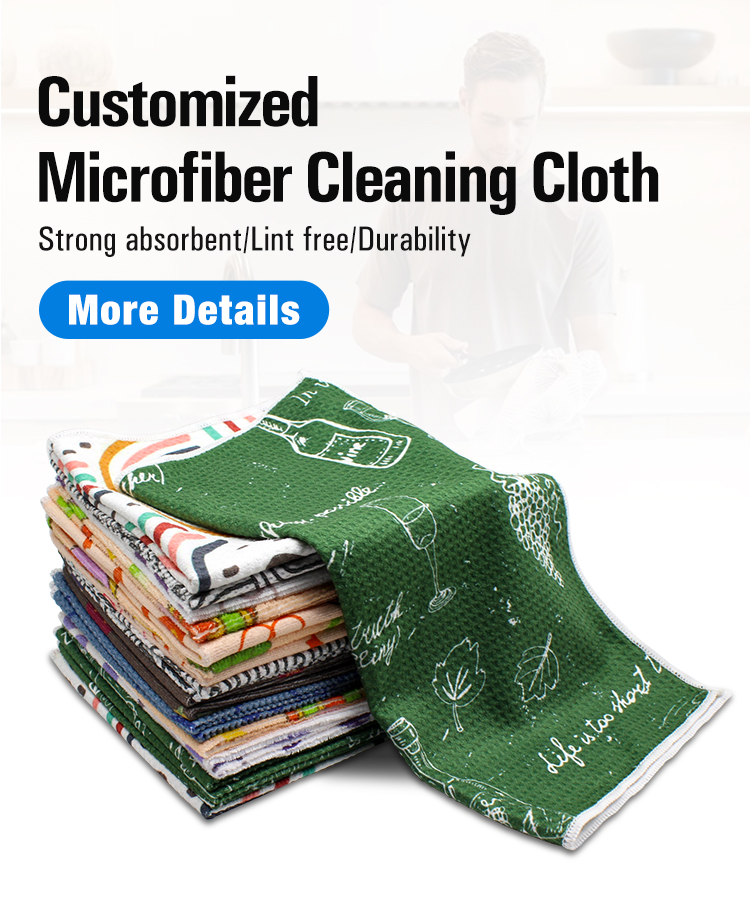
Customized Microfiber Cleaning Cloth MS-075: 40×40 cm waffle honeycomb weave in 80% polyester / 20% polyamide, with customizable printing pattern, Pantone color, logo and packing.
Next Step: Sample, Quotation and Catalog
To apply the terms described in this FAQ to a live order, request a sample set and a written quotation that quotes the model numbers you intend to buy — MP-020, MP-014, MT-003, MJ-001 or MS-075 — and state the target weight, size, color and packing you need. The current product catalog can be downloaded here: Pa Tin Da product catalog (PDF).
Contact: Olivia Li · Email sale@microfiberchina.com · WhatsApp / Tel +86 13902254847 · Website www.microfiberchina.com

Foshan Patinda Housewares Co., Ltd., founded in May 2004, operates a 45,000 m² manufacturing plant in Foshan, Guangdong, China, with 200 employees and a 17-engineer R&D team.
Product and company specifications in this article are taken from publisher product records for Foshan Patinda Housewares Co., Ltd. Market figures are attributed to the named commercial research publishers and are directional estimates, not audited data. Certification references describe the standard and the verification step required; they are not a statement that any specific certificate is held.
Have Questions or Need More Details?
Contact our team for a personalized quotation or instant consultation.
Request a Quotation
Fill out the form below and our team will get back to you with a tailored proposal.
WhatsApp Direct Chat
Prefer to chat in real-time? Message us on WhatsApp for instant assistance & quick answers.
- Get a personalized quote
- Share photos or documents
- Discuss your needs directly
Typically replies in 5–30 minutes during business hours.