
Microfiber Cleaning Basics: Polyester/Polyamide Blends and Pile Structures Explained
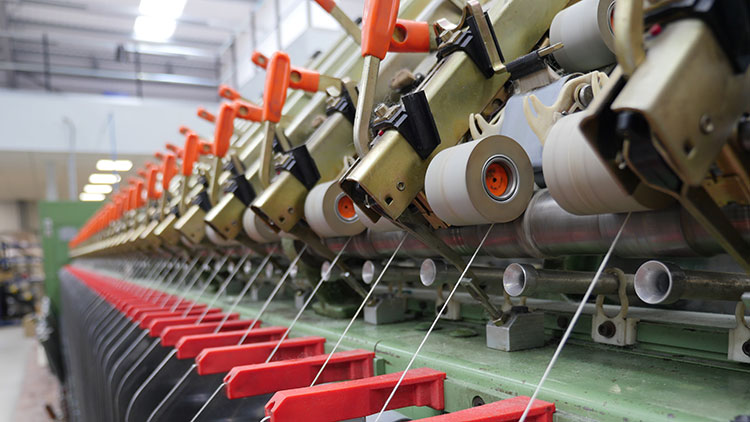
Microfiber cleaning products are not a single fabric. They are an engineered family of cleaning textiles whose performance is determined by fiber composition, blend ratio, yarn structure, and pile construction. Two cloths can both be labeled “microfiber” and behave completely differently on glass, automotive paint, ceramic tile, or stainless steel. The difference is almost never marketing. It is the specification inside the fabric.
This guide explains the two variables buyers most often overlook when comparing microfiber cleaning products: polyester/polyamide blend ratios and pile structures. It uses product examples from the Pa Tin Da Group (Foshan Patinda Housewares Co., Ltd.) range to show how specific compositions and constructions translate into specific cleaning behavior.
Problem Definition: Why “Microfiber” Alone Is Not a Purchasing Specification
The word microfiber describes a fiber diameter threshold, not a finished product performance standard. In textile terminology, microfiber refers to fiber measuring below 1.0 denier, the unit used to express fiber fineness. That definition covers a wide range of textiles, from apparel to industrial filters, and it says nothing about how a particular cleaning cloth will behave.
For cleaning products, the definition is necessary but not sufficient. A buyer comparing two “microfiber cloths” must also ask: Which fibers? In what ratio? With what pile structure? At what fabric weight? Finished with what edge? Without those answers, “microfiber” becomes a category label rather than a purchasing specification.
That gap creates three practical sourcing risks:
- A fine-pile cloth intended for glass polishing is purchased for tile scrubbing, where it lacks the abrasion resistance to perform.
- A 500–1000 GSM twisted loop towel intended for automotive drying is purchased for kitchen wiping, where it is unnecessarily heavy and slow to dry.
- An abrasive mop pad designed for commercial stain removal is used on polished marble, where the PET stripe progressively dulls the finish.
Each risk traces back to a missing specification, not a defective product. The fix is to buy by blend and pile, not by the word “microfiber.”
Industry Background: Why Polyester/Polyamide Blends Dominate
Microfiber cleaning textiles are predominantly built from two synthetic fibers: polyester (PET) and polyamide (nylon). The combination is deliberate. Polyester provides strength, shape retention, and low moisture regain, which supports quick drying. Polyamide adds softness, abrasion resistance, and the fine split-fiber structure that allows microfiber to trap particles and hold liquid.
Commercial market research cited in third-party reports places multicomponent microfiber, meaning polyester/polyamide blend, at a 58.0% revenue share of the microfiber cleaning cloth market in 2025. That figure is consistent with what the product line shows: nearly every cloth, towel, and mop in the Pa Tin Da range is built on a polyester/polyamide base, with PET, nylon, cotton, acrylic, bamboo, or PU added for specific functions.
The split-fiber structure is the underlying mechanism. When polyester and polyamide are co-extruded and then split, the result is a fiber with many microscopic wedge-shaped channels. Those channels lift and hold dust, grease, and liquid more effectively than a smooth round fiber. This is why microfiber cleaning products can often remove surface contamination with water alone, and why the blend ratio materially affects performance outcomes.
Detailed Solution: Common Polyester/Polyamide Blend Ratios
The Pa Tin Da range uses several distinct composition families. Each exists for a specific reason, and each carries different performance implications.
80% Polyester / 20% Polyamide
The 80/20 blend is the most widely used ratio in the range. It appears in MJ-002 (Microfiber Universal Cleaning Cloth), MD-020 (Microfiber Universal Towel), MJ-021 (Microfiber Terry Auto Cleaning Cloth), MJ-022 (Microfiber Car Wash Towel), MJ-023 and MJ-030 (twisted loop auto cleaning cloths), MM-069 and MM-067 (chenille auto mitt and sponge), MW-002 (Premium Polishing Cloth), MJ-013 (Glass Cleaning Cloth), MJ-066 (Wineglass Wiping Towel), MS-075 (Customized Waffle Kitchen Towel), MS-074 (Fancy Kitchen Towel), MJ-012 (Cleaning Cloth Roll), GFM-002 (Hair Drying Turban), MT-003 (Terry Wet Mop), and PET-001 (Pet Towel).
The 80/20 ratio balances absorbency, softness, and durability. It is versatile enough for household cleaning, kitchen wiping, automotive detailing, and commercial mopping. For buyers building a general-purpose line, 80/20 is the default specification.
85% Polyester / 15% Polyamide
MJ-001 (microfiber cleaning cloth) uses 85% polyester and 15% polyamide. This ratio shifts the balance toward polyester, which increases strength and shape retention while slightly reducing softness relative to 80/20. The product is described as lint-free and non-fading, with a warp knitting terry texture and double-stitched edge, in a 180–450 GSM range.
The 85/15 construction suits higher-volume household and catering use where durability under repeated washing matters more than the softest hand feel.
88% Polyester / 12% Polyamide
MST-001 (Microfiber Sports Towel) uses 88% polyester and 12% polyamide in a microfiber suede construction. The higher polyester share supports the ultralight, quick-drying character required by sports and travel use. The lower polyamide share reduces cost and weight without eliminating the split-fiber cleaning mechanism.
Microfiber + PET
PET appears as a functional additive rather than the main fiber in several products. In MJ-016 (Double Layer Microfiber Dish Cloth), one side is a PET mesh for stain scrubbing while the other side is microfiber for water absorption. In MP-020 (Microfiber Abrasive Mop), a red PET abrasive stripe is added to the white microfiber pile for stubborn stain removal. In MP-015 (Microfiber Twisted Wet Mop), the loop surface combines microfiber and polyester (PET) for absorbency and dirt capture.
PET contributes abrasion resistance and scrubbing power. It does not replace the microfiber base; it extends the product into tasks that would damage a softer cloth.
Microfiber + Nylon
MP-014 (Microfiber Stripe Mop) uses a microfiber and nylon blended fabric. The front is a mixed microfiber and nylon striped pile designed for rough floor dirt capture. Nylon adds strength and resilience to the pile, which matters in commercial mopping where the pad contacts grit, shoe debris, and repeated washing.
Microfiber-Cotton Blends
MP-006 (Microfiber-Cotton Blended Tufting Mop) uses 40% cotton and 60% polyester blended yarn. The tufted loop front surface with fringe edge is designed for dust and hair pickup, with strong water absorption and a lint-free finish. Cotton contributes softness and moisture retention; polyester contributes durability and shape retention.
This is the main exception to the polyester/polyamide pattern. It exists because some buyers prefer the hand feel and moisture behavior of a cotton-blended mop, particularly for dust mopping and light wet mopping.
Other Functional Blends
Three additional blends appear in the range:
- PU-001 (PU Coated Microfiber Cloth): 70% polyester, 20% PU, 10% polyamide, with a PU coating for enhanced absorption and a lint-free, streak-free finish.
- MW-003 (Microfiber Bamboo Fiber Cloth): 60% polyester, 20% polyamide, 20% bamboo fiber, described as antibacterial and odorless.
- CG-003 (Microfiber-Acrylic Blend Window Glass Washer): microfiber and acrylic blended plush fabric at 650–680 GSM for glass and mirror cleaning.
These specialty blends serve narrower applications where the base 80/20 or 85/15 construction does not fully meet the requirement.
Pile and Construction Terms That Change Performance
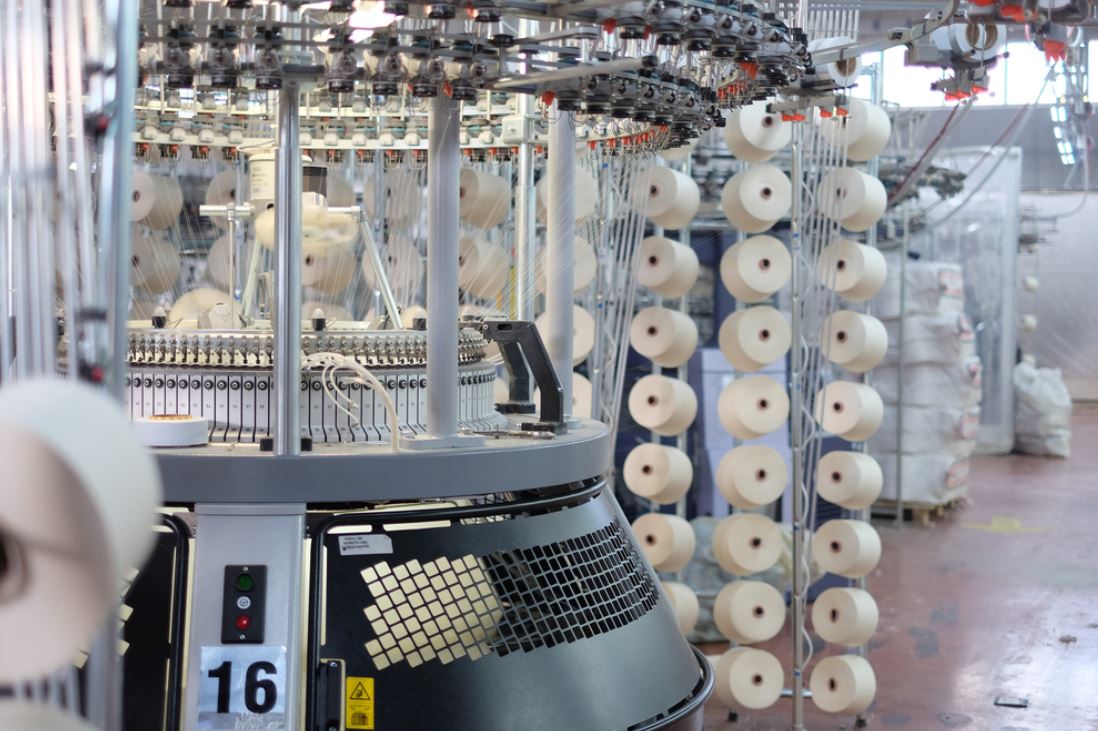
Blend ratio is only half of the specification. The other half is how the fibers are arranged into a fabric surface. The range uses several distinct pile and construction types, and each one changes how the product behaves on contact.
Terry
Terry pile is a looped surface that creates a soft, absorbent, textured face. MJ-001 uses a warp knitting terry texture. MJ-002 uses a warp-knitted terry surface at 300 GSM. MT-003 is a terry loop strip wet mop. MJ-021 is a high-GSM terry auto cloth.
Terry is the most common construction for general-purpose cleaning cloths and mops. The loops create surface area for liquid uptake and mechanical action, while remaining gentle enough for most surfaces.
Twisted Loop
Twisted loop pile uses twisted fiber loops rather than open loops. MJ-023 and MJ-030 are twisted loop auto cleaning cloths in the 500–1000 GSM range. The twisting increases pile density and resilience, which supports streak-free drying on automotive paint and glass. Twisted loop cloths are typically heavier and more expensive than terry cloths; they are specified for detailing work where water-spot and streak performance matters.
Chenille
Chenille is a pile fabric with soft, projecting tufts. MM-069 (Chenille Auto Cleaning Mitt) and MM-067 (Chenille Auto Cleaning Sponge) use 80/20 microfiber chenille. The chenille surface holds water and car wash foam, and the projecting tufts create a soft contact layer for paint, glass, and wheel surfaces.
Chenille is used where the product needs to hold cleaning solution and release it gradually during washing, rather than simply absorb and wipe.
Stripe
Stripe pile combines two or more fiber types in visible bands. MP-014 uses a mixed microfiber and nylon striped pile. MD-020 is described as having multiple striped weave patterns available. The stripe construction allows different functional zones within one product: coarser fibers for dirt capture, softer fibers for absorption and finish.
Double Layer
Double layer construction bonds two different fabric faces into one product. MJ-016 is the clearest example: a PET mesh side for scrubbing and a microfiber side for absorption, joined into a single 28-gram, 30×30 cm cloth with high-density edge stitching.
Double layer products solve the “one tool, two jobs” problem. They are common in kitchen and dish cleaning, where scrubbing and wiping alternate within seconds.
Abrasive Mop Pads
Abrasive mop pads add a defined abrasive zone to a microfiber mop. MP-020 uses a white microfiber main pile with a red PET abrasive stripe for stubborn stain removal. The pad is color-coded for area management and described as scratch-free for marble, hardwood, and ceramic tile.
Abrasive pads are specified for commercial and institutional cleaning where periodic stain removal is required without switching to a separate tool. They are not a substitute for a general-purpose mop in daily maintenance.
Tufted
Tufting inserts yarn tufts into a backing fabric. MP-006 uses a tufted loop front surface with fringe edge. Tufted mops tend to have high dust and hair pickup and good water absorption, with the tuft structure supporting durability during cleaning.
Waffle
Waffle weave creates a honeycomb or grid texture. MS-075 uses a waffle honeycomb weave. MS-074 uses a mini waffle grid with plaid check pattern. GFM-002 uses a high-density waffle microfiber. Waffle structures increase surface area and air circulation, which supports quick drying and reduces the close, flat contact that can trap moisture.
Coral Fleece
Coral fleece is a brushed, fluffy pile. PET-001 (Pet Towel) and MJ-070 (Hand Drying Towel) use coral fleece microfiber. The brushed surface creates a soft hand feel and high water uptake, which suits pet drying, hand drying, and similar applications.
Fine Rib Weave
MJ-013 uses a fine rib weave to improve friction for glass and screen polishing. The rib structure creates directional contact lines that help remove grease and water stains without lint residue.
How Blend and Pile Affect Cleaning Performance
Four performance dimensions are directly affected by the blend and pile combination:
Water absorption. Most products in the range are described as absorbing up to 7 times their own weight in liquid. The 7x figure appears across cloths, towels, and mops. The mechanism is the split-fiber structure; the pile structure determines how quickly the liquid enters and how evenly it releases.
Lint performance. Lint-free behavior is a function of fiber length, twist, and edge finishing. Short-staple fibers and poorly finished edges shed. The range specifies double-stitched or high-density edges across most cloths, which supports lint-free performance during wiping and polishing.
Scratch safety. Scratch-free performance depends on fiber softness and pile height. Fine-pile cloths and chenille products are specified as scratch-safe for automotive paint, glass, and polished surfaces. Abrasive stripes and PET mesh sides are intentionally not scratch-free by design; they are used for scrubbing tasks where some mechanical action is required.
Durability. Reusability across the range is described as 6 to 12 months after repeated washing, with products remaining lightweight, quick-dry, and durable after hundreds of washes. Pile density and edge construction are the main variables: high-GSM twisted loop and terry products generally outlast low-GSM flat cloths under the same washing regime.
Step-by-Step: Evaluating a Microfiber Product by Blend and Pile
A buyer can evaluate a microfiber product in five steps.
- Confirm the blend ratio. Ask for the polyester/polyamide percentage. 80/20 and 85/15 are the most common general-purpose ratios. Anything outside that range signals a specialty product with a narrower use case.
- Confirm the GSM. Fabric weight indicates density and absorbency. The range spans 180–450 GSM for general cloths, 250–500 GSM for terry auto cloths, 500–1000 GSM for twisted loop auto cloths, and 650–680 GSM for glass washer covers. Higher GSM generally means more absorbency and more cost.
- Identify the pile structure. Terry, twisted loop, chenille, stripe, double layer, tufted, waffle, coral fleece, and fine rib weave each serve a different function. Match the structure to the task, not to the brand.
- Check the edge construction. Double-stitched, high-density locking, ultrasonic cut, and laser cut edges each address a specific failure mode. Edge quality is a leading indicator of lint performance and product life.
- Match the product to the application. A cloth specified for glass polishing is not the right choice for tile scrubbing, and a high-GSM twisted loop towel is not the most economical choice for kitchen wiping. The best specification is the one that matches the task at the lowest total cost.
Key takeaway: Blend ratio determines fiber-level behavior. Pile structure determines surface-level behavior. Neither variable alone tells you how a microfiber cleaning product will perform. Buyers who specify both get a product that matches the application.
Use Cases: Matching Blend and Pile to Applications
The range covers household, kitchen, automotive, glass, and commercial floor cleaning. The table below maps common applications to representative specifications from the product line. It uses only verified product data from the Pa Tin Da range and does not rank products against external brands.
| Product Model | Composition | GSM / Weight | Pile / Construction | Best-Fit Application |
|---|---|---|---|---|
| MJ-001 | 85% polyester / 15% polyamide | 180–450 GSM | Warp knitting terry, double-stitched edge | Household cleaning, catering kitchen, car care, hotel sanitation, glass cleaning |
| MJ-002 | 80% polyester / 20% polyamide | 300 GSM | Warp-knitted terry surface | Hotel sanitation, home kitchen, furniture, commercial property, bathroom |
| MJ-016 | Microfiber / PET | 28 g per piece, 30×30 cm | Double layer: PET mesh side + microfiber side | Household kitchen, catering restaurant, tableware washing, cookware maintenance |
| MJ-023 | 80% polyester / 20% polyamide | 500–1000 GSM | Twisted fiber loop, bright color binding edge | Car wash shop, auto beauty detailing, household automotive maintenance |
| MM-069 | 80% polyester / 20% polyamide chenille | 135 g per mitt, 25×18 cm | Double-layer dual-face chenille, elastic wrist cuff | Auto beauty chain, detailing shop, household car washing |
| MP-014 | Microfiber + nylon blended fabric | 100 g / 115 g per pad, 40 / 50 cm | Mixed striped pile, double pocket fixing, color-coded tag | Hotel cleaning, hospital sanitation, restaurant catering, commercial property |
| MP-020 | Microfiber + PET blended fabric | 80 g / 95 g per pad, 40 / 50 cm | White microfiber pile + red PET abrasive stripe | Hospital sanitation, hotel & catering, commercial property, school campus |
| MP-006 | 40% cotton + 60% polyester blended yarn | 165 g / 200 g per pad, 40 / 50 cm | Tufted loop front, fringe edge, double pocket fixing | Hospital sanitation, hotel & catering, commercial property, office cleaning |
FAQ
1. Are these microfiber products certified for regulated markets?
Pa Tin Da Group holds OEKO-TEX STANDARD 100 certification (certificate 20.HCN.36448, issued by Hohenstein Laboratories GmbH & Co. KG), ISO 9001:2015 certification (CN24/00007747, issued by SGS United Kingdom Ltd), and ISO 45001:2018 certification (CN24/00007748, issued by SGS United Kingdom Ltd). The company also holds SMETA (ZAA600123152), German Packaging Act registration (DE3922560298890), and French REP Textile UIN (FR337512_11LKPC). Certification scope and validity should be confirmed against the current certificate for each product and destination market.
2. Can blend ratios, GSM, and pile structures be customized?
Yes. The company’s OEM/ODM capability covers size, weight, logo, material, fabric texture, printing, color, accessories, packaging, extra functional treatments, shipping labels, and GSM. This means a buyer can specify a non-standard blend ratio or pile structure within the production capability of the 45,000 m² facility. Customization should be confirmed against minimum order quantities and technical feasibility.
3. What is the minimum order quantity and lead time?
The stated MOQ is 3,000 pieces. Lead time is 30–45 days. Monthly capacity is 182,022 kg, and client order quantities in the case record range from 1,000 to 50,000 pieces per order. Buyers planning seasonal or promotional programs should confirm production slots against the 30–45 day lead time.
4. Can samples be requested before committing to a blend and pile structure?
Sampling is part of the standard evaluation process for blend and pile specification. Buyers can request samples to verify hand feel, absorbency, lint performance, and edge finishing against the intended application. Sample requests should specify the target blend ratio, GSM, size, and pile structure so the sample represents the intended production specification.
5. What is the next step for a buyer evaluating microfiber cleaning products?
The most efficient next step is to request a quote or sample against a defined specification: blend ratio, GSM, pile structure, size, edge finish, and packaging. The 2024 Pa Tin Da catalog provides the current product range and can be downloaded from the link in the section below. Buyers with a defined application can send the specification directly to sale@microfiberchina.com.

Conclusion
Microfiber cleaning products perform differently because they are built differently. The blend ratio determines fiber-level behavior: 80/20 and 85/15 for general-purpose cloths, 88/12 for lightweight sports textiles, microfiber + PET for scrubbing and abrasive mops, microfiber + nylon for commercial floor pads, and microfiber-cotton for dust and light wet mopping.
The pile structure determines how the fibers meet the surface: terry for general absorption, twisted loop for streak-free auto drying, chenille for foam retention, stripe for mixed-function pads, double layer for two-job cloths, and abrasive pads for periodic stain removal.
Buyers who specify blend and pile before comparing price get a product that matches the application. Buyers who compare only on the word “microfiber” get a product that may or may not fit.
Pa Tin Da Group (Foshan Patinda Housewares Co., Ltd.) has manufactured microfiber cleaning products since 2004, operates a 45,000 m² facility in Foshan, and exports to markets including the USA, Canada, Australia, the UK, Germany, France, Italy, the Netherlands, Russia, Japan, Korea, Switzerland, Sweden, Turkey, and Saudi Arabia. Client order quantities in the case record range from 1,000 to 50,000 pieces per order, serving retail distributors, auto care brands, gym brands, and janitorial wholesalers across more than 20 countries.
Next step for buyers: Download the 2024 Pa Tin Da microfiber cleaning product catalog for current specifications and product images.
Download the Pa Tin Da 2024 E-Catalog (PDF)
For specification review, sample requests, or a bulk quote, contact Olivia Li at sale@microfiberchina.com / +86 13902254847.
Have Questions or Need More Details?
Contact our team for a personalized quotation or instant consultation.
Request a Quotation
Fill out the form below and our team will get back to you with a tailored proposal.
WhatsApp Direct Chat
Prefer to chat in real-time? Message us on WhatsApp for instant assistance & quick answers.
- Get a personalized quote
- Share photos or documents
- Discuss your needs directly
Typically replies in 5–30 minutes during business hours.