
Microfiber Cleaning Products Manufacturer Comparison: Choosing the Right Partner for Bulk Procurement
Microfiber Cleaning Products Manufacturer Comparison: Choosing the Right Partner for Bulk Procurement
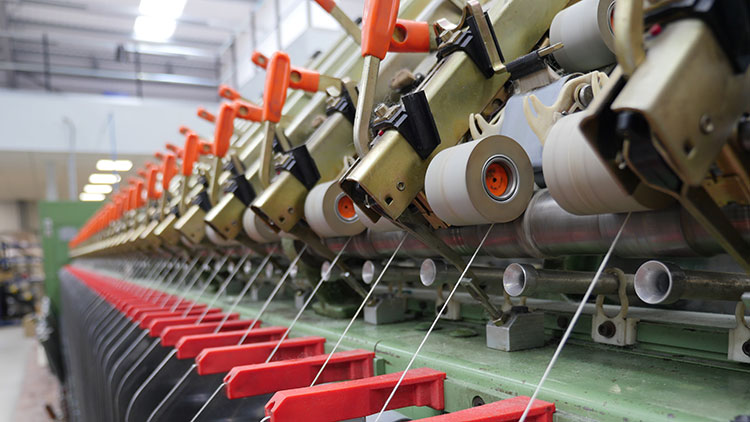
When you have decided to source microfiber cleaning products for your business, the next critical step is selecting a manufacturer that can deliver consistent quality, competitive pricing, and reliable supply. The global microfiber cleaning cloth market is valued at approximately USD 3.8 billion in 2025 and is projected to reach USD 27.5 billion by 2034 (Dataintelo). With China exporting over 10,544 shipments of microfiber towels between June 2024 and May 2025 (Volza), buyers face a wide range of options. This guide provides a fact-based framework for comparing manufacturers, using Foshan Patinda Housewares Co., Ltd. (operating as Pa Tin Da Group) as a reference point for evaluation.
Problem Definition: Why Manufacturer Comparison Matters in Microfiber Procurement
Choosing the wrong manufacturer can lead to issues such as inconsistent fiber quality, missing safety certifications, shorter product lifespan, and hidden long-term costs. In the decision stage, buyers need objective criteria—capacity, certifications, durability, and total cost of ownership—to make a confident choice. This article breaks down those criteria and compares how a leading Chinese manufacturer measures up against industry benchmarks.
Industry Background: The Microfiber Cleaning Products Landscape
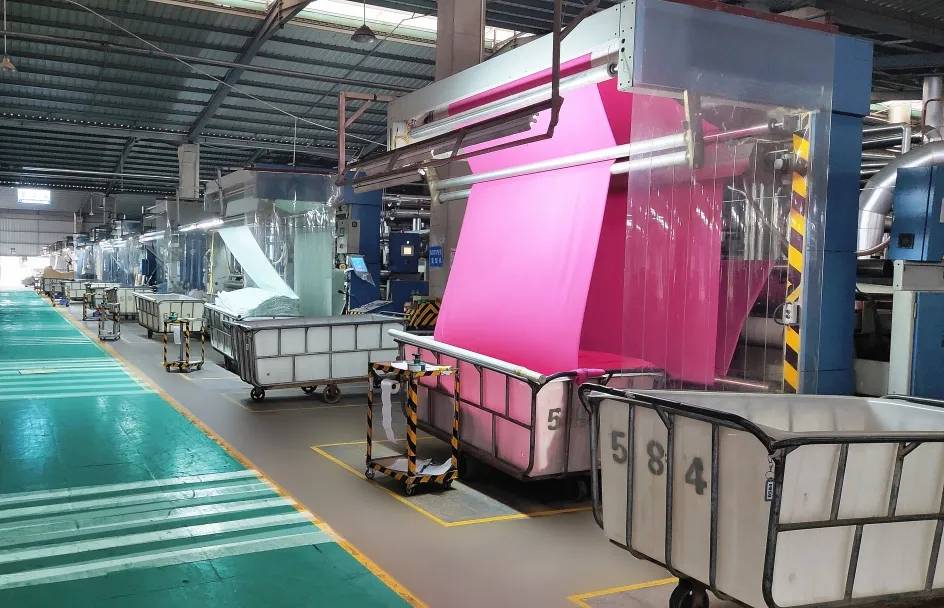
Foshan Patinda Housewares Co., Ltd. is a manufacturer of microfiber cleaning products based in Foshan, Guangdong, China. Founded in May 2004, it is recognized as the largest microfiber manufacturer in Southern China. With a 45,000 m² state-of-the-art plant, over 450 sets of production machinery, and 200 employees, the company produces a broad range including microfiber cleaning cloths, kitchen towels, glass polishing cloths, car washing towels, mops, and more. Exports account for 98% of its output, with main markets in the USA, Canada, Australia, UK, Germany, France, and others.
The household use segment is expected to lead the microfiber cleaning cloth market with a 40.0% share in 2025 (Vertex AI Search), while automotive and kitchen segments also demand specialized products. Key global players include 3M, Freudenberg Group, Toray Industries, and Libman (Cognitive Market Research).
Detailed Solution: How to Evaluate a Microfiber Cleaning Products Manufacturer
A thorough evaluation covers five dimensions: production capacity, certifications, quality control, product range, and total cost. The following sections outline what to look for and how Pa Tin Da Group addresses each area.
1. Production Capacity & Scale
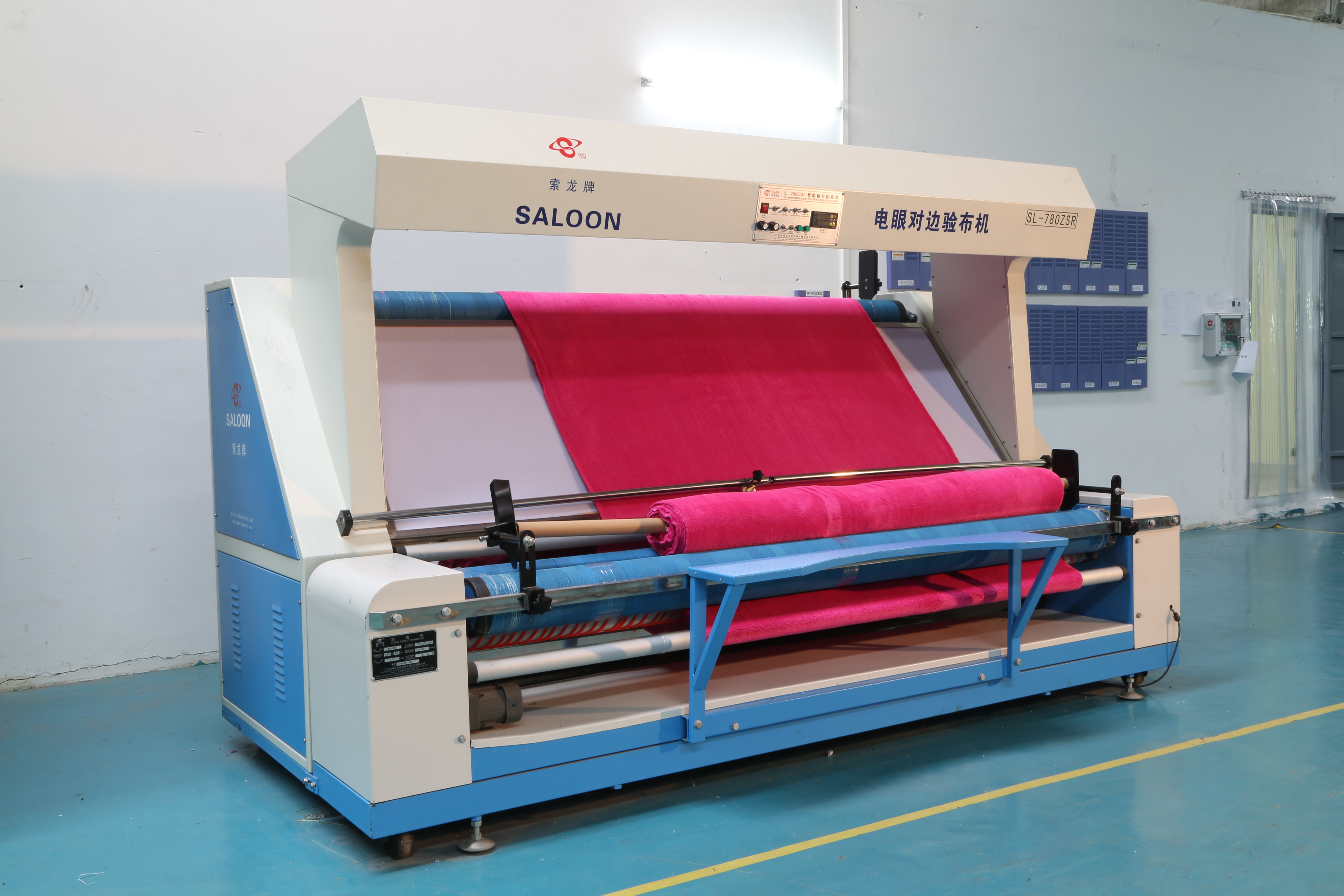
A manufacturer's ability to fulfill large orders consistently depends on its factory size, automation level, and workforce. Pa Tin Da Group operates 10+ fully automatic production lines for precision cloth cutting and sewing, ensuring high output and repeatable quality. With an annual output of over 2.18 million kg, it can handle bulk procurement for international buyers.
2. Certifications & Compliance
The OEKO-TEX Standard 100 is the dominant safety certification for microfiber textiles, requiring testing against 1,000+ harmful substances. Pa Tin Da Group uses OEKO-TEX certified raw materials and conducts formaldehyde-free dye inspections. Additionally, the company holds ISO 9001:2015 for quality management, ISO 45001:2018 for occupational health and safety, and is compliant with SMETA (Sedex) ethical trade audits. It also meets the German Packaging Act (VerpackG) and French REP textile registration, aligning with EU environmental requirements. For sustainability buyers, the Global Recycled Standard (GRS) is increasingly important—Pa Tin Da offers GRS-certified products upon request, as GRS requires a minimum of 20% recycled content and chain-of-custody tracking.
3. Quality Control & Risk Mitigation
Common quality risks in microfiber products include lint shedding, fabric degradation, harmful substance residue, and surface scratching. Pa Tin Da Group addresses these with reinforced double-stitching edge locking, anti-pilling microfiber blends, and durability testing that verifies 300+ wash cycles. The company also conducts scratch-free abrasion resistance certification to ensure products are safe for delicate surfaces like automotive paint and glass.
4. Product Range & Application Fit
A manufacturer that offers a wide product portfolio allows you to consolidate sourcing. Pa Tin Da's product line includes household microfiber cleaning products (universal cloths, kitchen towels, dish sponges), automotive microfiber cleaning products (car wash mitts, glass polishing cloths, auto cleaning cloths), kitchen microfiber cleaning products, glass & mirror microfiber cleaning products, water-absorbent microfiber cleaning products (terry towels, hair drying towels), and reusable, scratch-free, lint-free options. Specialized items like PU coated cloths, cooling towels, and wet mops are also available.
Step-by-Step Manufacturer Evaluation
- Audit certifications: Request certificates for OEKO-TEX, ISO 9001, GRS, and any market-specific compliance (e.g., German Packaging Act).
- Verify production capacity: Confirm factory size, machinery count, and annual output. Visit or request a virtual tour.
- Check quality control procedures: Ask about edge sealing methods, wash cycle guarantees, and testing for lint-free and scratch-free performance.
- Evaluate total cost of ownership: Compare upfront price against service life. Microfiber cloths from a certified manufacturer can withstand 300+ washes, while cotton products typically last only 50 washes (based on industry norms). The cost advantage includes a slightly higher upfront cost but lower long-term cost due to less frequent replacement (Pa Tin Da corpus).
- Request samples: Test actual product performance for your specific use case—water absorption, lint shedding, and compatibility with cleaning agents.
Use Cases for Different Market Segments
- Commercial cleaning (hotels, hospitals, offices): Requires durable, lint-free, machine-washable cloths. Pa Tin Da's universal cleaning cloths and wet mops are designed for repeated laundering.
- Automotive detailing: Needs scratch-free, high-absorbency materials. The company's auto cleaning cloths and glass polishing cloths are purpose-built.
- Household daily cleaning: Kitchen towels, dish sponges, and glass cleaners benefit from coral fleece and weft/warp knitted structures that offer balance between softness and abrasiveness.
- Janitorial & industrial: Tufting mops and terry wet mops provide high absorbency (microfiber absorbs 7× its weight vs. cotton's 3×) and reduce chemical usage by up to 60% and water consumption by 90% (Global Growth Insights).
Comparison Table: Microfiber vs. Cotton Cleaning Products
| Feature | Microfiber Cleaning Products | Cotton Cleaning Products |
|---|---|---|
| Water Absorption | Absorbs 7× its weight of liquid | Absorbs 3× its weight |
| Wash Cycle Durability | 300+ wash cycles (high-quality) | Approximately 50 wash cycles |
| Lint Shedding | 99% less lint shedding than cotton | High lint shedding |
| Dirt Removal Efficiency | Removes 75% more dirt with less water/chemicals | Baseline performance |
| Cost Characteristic | Slightly higher upfront cost, lower long-term cost (less frequent replacement) | Lower upfront cost, higher replacement frequency |
| Maintenance | Machine washable, quick-drying, no special maintenance | Machine washable but slower drying, prone to odor |
Data source: Pa Tin Da Group product comparison unit (ID 573) and industry standards.
Frequently Asked Questions
What certifications should a reliable microfiber cleaning products manufacturer have?
A reliable manufacturer should hold OEKO-TEX Standard 100 certification, which tests for over 1,000 harmful substances. Additional important certifications include ISO 9001:2015 for quality management, ISO 45001:2018 for occupational health and safety, and GRS (Global Recycled Standard) if recycled content is required. For export to the EU, compliance with the German Packaging Act and French REP textile registration demonstrates environmental responsibility. Pa Tin Da Group holds all these certifications and registrations.
How does the upfront cost of microfiber compare with long-term savings?
Microfiber cleaning products have a slightly higher upfront cost than cotton alternatives, but they deliver lower total cost of ownership due to much longer service life—300+ wash cycles versus approximately 50 cycles for cotton. This means fewer replacements and lower procurement and waste management costs over time. The cost advantage is documented in Pa Tin Da's product specifications.
How many wash cycles can a high-quality microfiber cloth withstand?
High-quality microfiber cloths from a manufacturer like Pa Tin Da Group are tested to withstand 300+ wash cycles without significant degradation in performance. This durability is achieved through reinforced double-stitching edge locking, anti-pilling fiber blends, and rigorous quality control.
Are Pa Tin Da products OEKO-TEX and GRS certified?
Yes, Pa Tin Da Group uses OEKO-TEX Standard 100 certified raw materials and conducts formaldehyde-free dye inspections. The company also offers GRS-certified products that meet the minimum 20% recycled content requirement. Buyers should request specific certification documents for the product line they are sourcing.
How can I request samples to evaluate product quality?
Pa Tin Da Group welcomes sample requests for evaluation. To request samples or obtain a bulk quotation, contact Olivia Li by phone/WhatsApp at +86 13902254847 or email sale@microfiberchina.com. You can also download the company e-catalog for product reference: Download Pa Tin Da E-Catalog (PDF).
Contact Pa Tin Da Group to discuss your bulk microfiber cleaning products requirements.
Conclusion
Selecting the right microfiber cleaning products manufacturer requires careful evaluation of capacity, certifications, quality control, product range, and total cost of ownership. Foshan Patinda Housewares Co., Ltd. (Pa Tin Da Group) offers a proven combination of scale—45,000 m² plant, 450+ machines, 200 employees—and compliance with international standards such as OEKO-TEX, ISO 9001, and GRS. For buyers in the decision stage, requesting samples and comparing long-term value against upfront price is the recommended next step.