
Cantonese Dim Sum Suppliers: A Practical Sourcing Guide
Cantonese Dim Sum Suppliers: How to Source Authentic Frozen Dim Sum
This guide explains what to look for in a Cantonese dim sum supplier, which product categories matter, and how to evaluate a frozen dim sum manufacturer before ordering. It is written for restaurant owners, food importers, supermarket buyers, hotel operators, and catering teams who need consistent frozen dim sum for breakfast, tea service, or banquet menus.
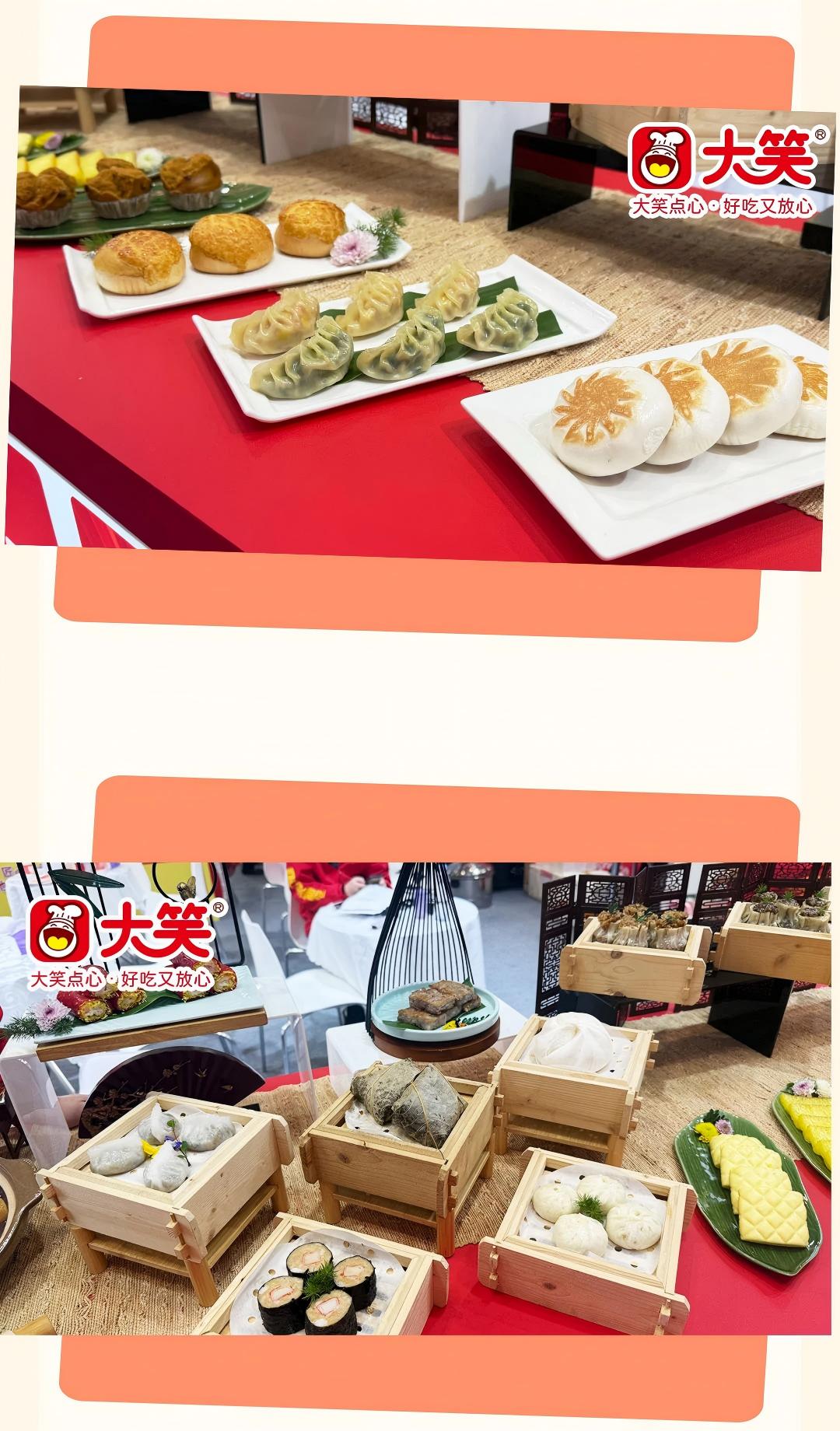
Frozen Cantonese dim sum helps restaurants serve a broad menu without adding a large dim sum kitchen.
The Sourcing Challenge: Consistency, Food Safety, and Menu Coverage
Cantonese dim sum is one of the most recognized types of Chinese food, but sourcing it as a frozen product is different from buying it in a restaurant. Buyers need to balance authenticity, food safety, menu coverage, and logistics. Many operators do not have the in-house labor to make shrimp dumplings, char siu bao, or steamed cakes from scratch every day. A frozen dim sum supplier can standardize the process, shorten preparation time, and expand the menu. The real challenge is choosing a supplier that can prove its production standards and deliver the right product mix.
In the wider industry, production transparency is becoming more important. Guangzhou introduced new regulations effective May 1, 2026 that require restaurants to clearly label whether dim sum is handmade on-site or produced by central kitchens or pre-made facilities. This makes supplier documentation and production transparency part of the buying conversation for food service buyers and importers.
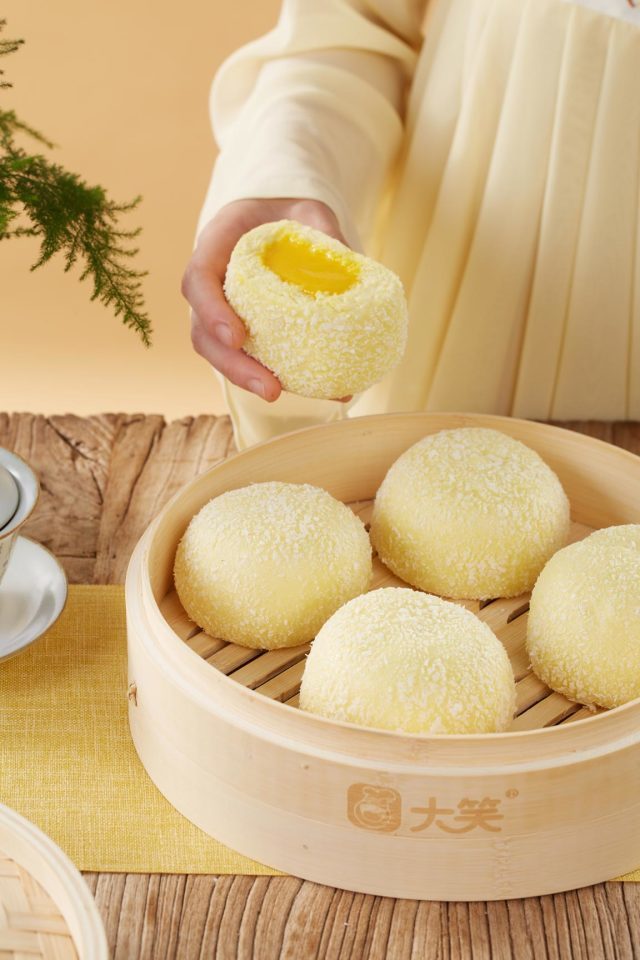
Lava Custard Bun is an example of a high-demand steamed frozen dim sum item.
Cantonese Dim Sum Market and Sourcing Context
The global market for frozen Cantonese-style dim sum was valued at USD 7.04 billion in 2025 and is projected to reach USD 11.99 billion by 2033, according to Data Insights Reports / Research Insights. The same dataset states a projected CAGR of 6.87%. This growth reflects demand across North America, Europe, and Asia for convenient, consistent Chinese food.
China is also a major production base for frozen stuffed foods. Business Research Insights reports that China accounted for 46% of global frozen dumpling production volume in 2025, followed by Japan at 11% and South Korea at 9%. For buyers, this means the supply chain is mature, but supplier selection still requires verification.
For importers, frozen dim sum is commonly exported under HS codes 1902200000 and 1902309000. Knowing these codes can help with customs planning and supplier conversations. One relevant production region is Shunde, Guangdong. Shunde is a UNESCO City of Gastronomy, and it is home to Foshan Shunde Yuexiang Food Manufacturing Co., Ltd., a company that has produced Cantonese dim sum since 1981.
A Reliable Cantonese Dim Sum Supplier: Key Requirements
Foshan Shunde Yuexiang Food Manufacturing Co., Ltd. is a Cantonese dim sum manufacturer based in Jun'an, Shunde District, Foshan, Guangdong Province. It produces frozen dim sum, traditional dim sum, steamed pastries, fried dim sum, and ready-to-eat dishes under the Da Xiao brand. The company is a Foshan Time-Honored Brand and has been recognized by the Cantonese Pastry Chefs Association. It operates a 20,000-square-meter automated facility and established a second production enterprise, Foshan Shunde Hongyuan Food Co., Ltd., in 2019 to focus on quick-frozen prepared food, quick-frozen noodle and rice food, steamed pastries, and dish series.
Its production system is ISO9001/HACCP/FDA certified, and the company is a National High-Tech Enterprise with a dedicated R&D center. It employs more than 200 people, including 30+ R&D engineers, and reports an annual production capacity of 6,000,000 units. Around 40% of output goes to Southeast Asian, European, and American markets, and the company states that its products are exported to 20+ countries including the USA, Canada, Australia, and the EU.
These facts matter for buyers because they combine craft heritage with measurable capacity. A supplier with a documented factory, export experience, and a dedicated R&D team can act as a long-term source rather than a one-off vendor.
Product Range and Menu Coverage
The product range matters for both menu planning and one-stop procurement. Foshan Shunde Yuexiang's catalogue covers five major series and more than 300 items. Common categories include:
- Steamed buns and dumplings: Lava Custard Bun, Steamed Custard Bun, char siu bao, red bean paste bun, Walnut Bun, Shrimp Siu Mai, and shrimp dumplings.
- Steamed cakes: Water Chestnut Cake, Coconut Golden Cake, Red Bean Cake, Steamed Black Sesame Kuih, and Millet Cake.
- Fried dim sum: Hong Kong style spring rolls, Milk Rolls, Shunde Double Skin Milk, Sesame Balls, Green Tea Buddha Cake, Taro Pie, and Crispy Taro Pastry.
- Vegetarian and banquet dishes: Buddha's delight, Buddha Jumps Over The Wall, and Chicken with glutinous rice.
- Bakery and sweet applications: kataifi pastry for crisp sweet or savory wraps.
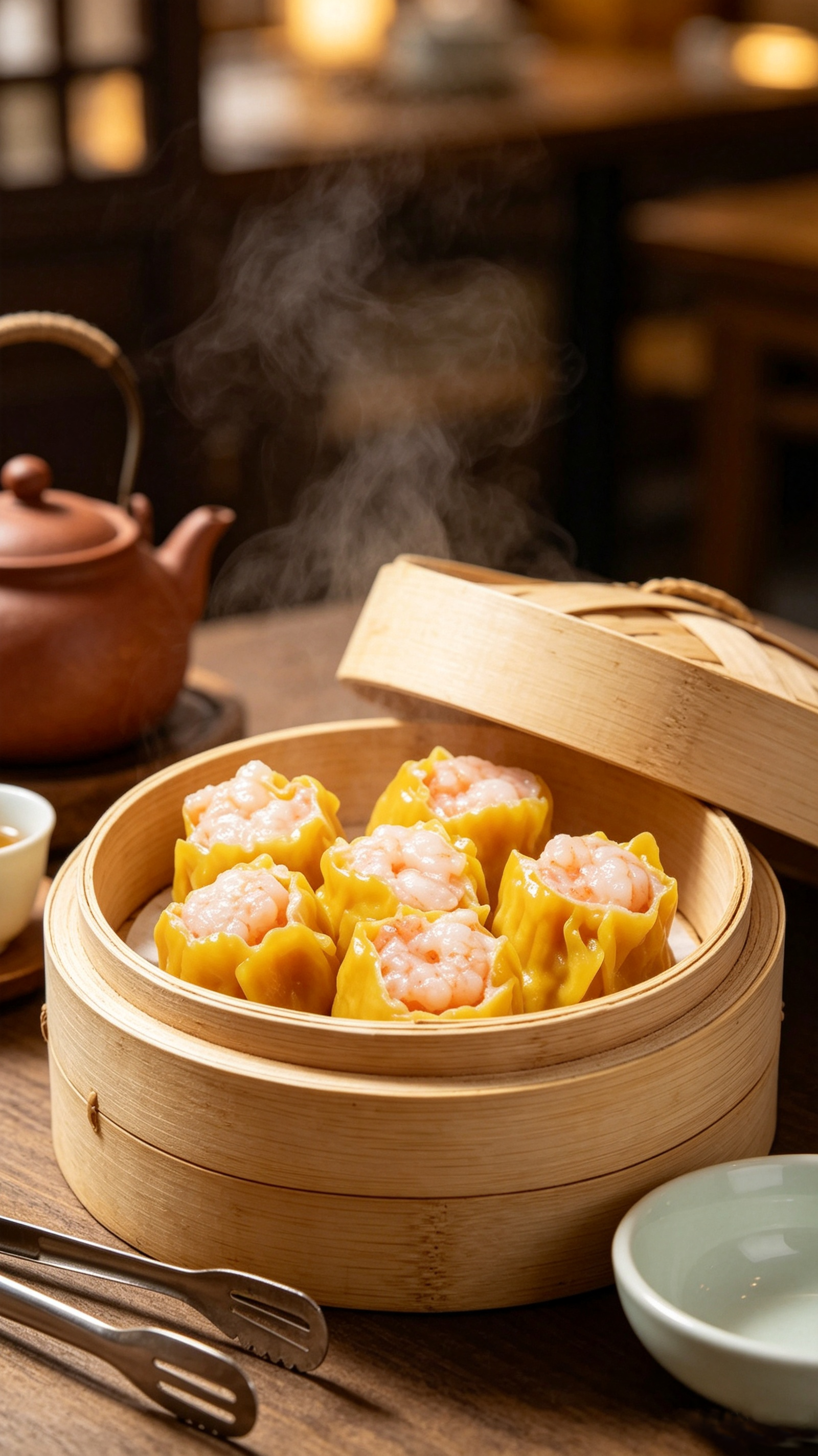
Shrimp Siu Mai and shrimp dumplings are common steamed items for dim sum menus.
Step-by-Step Breakdown: How to Evaluate a Cantonese Dim Sum Supplier
1. Define your channel and menu
A breakfast restaurant may need high-turnover steamed items such as Shrimp Siu Mai, Lava Custard Bun, and Barbecued Pork Bun. A supermarket buyer may prioritize packaged buns and desserts with stable shelf life. A distributor may combine staples, fried snacks, and banquet dishes for different customers. Start with the outlet type before choosing SKUs.
2. Check production history and credentials
Ask how long the factory has been operating and which food safety standards it follows. In the case of Foshan Shunde Yuexiang Food Manufacturing Co., Ltd., the company was founded in 1981 and its facility is ISO9001/HACCP/FDA certified. These credentials can be used as a baseline when comparing suppliers.
3. Evaluate product range and one-stop capability
A broad range can reduce the number of suppliers and simplify logistics. Over 300 items in five series gives buyers a way to consolidate orders without sacrificing menu variety.
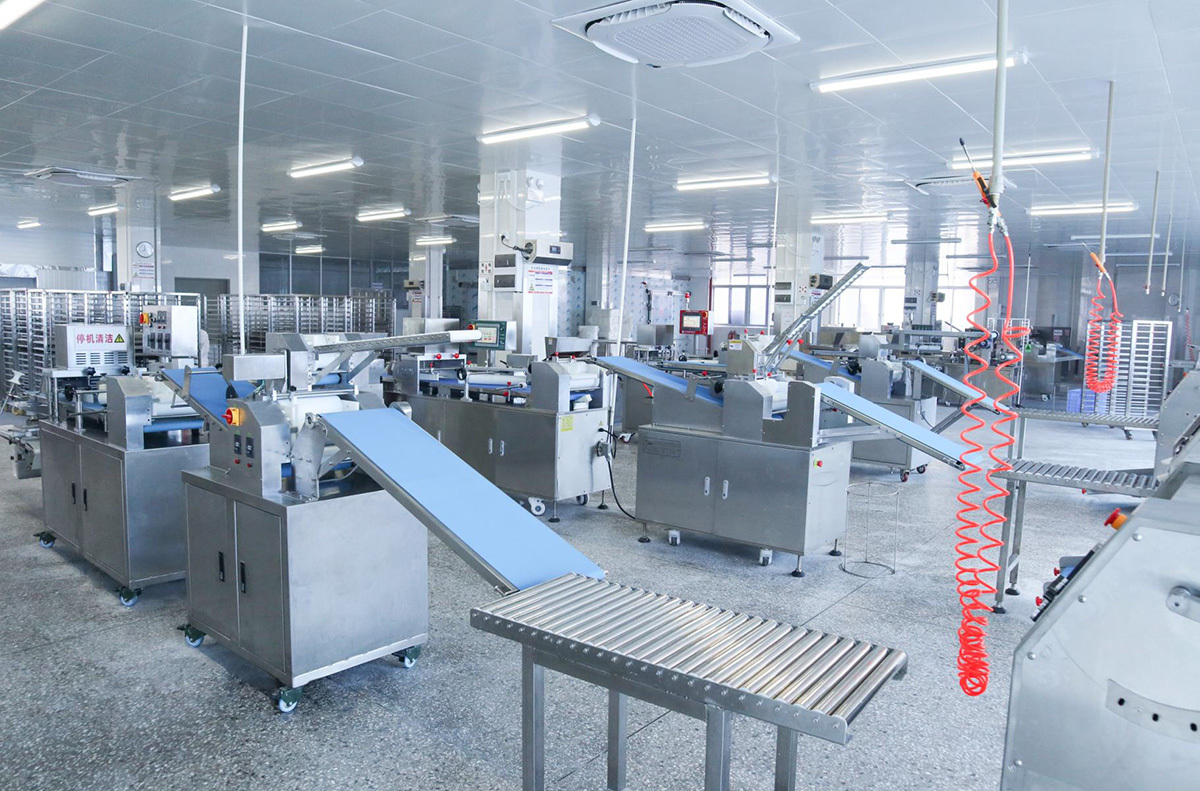
Production facility conditions should be part of the supplier qualification process.
4. Review storage and cooking instructions
Frozen dim sum should be kept at ≤ -18°C throughout the cold chain. Preparation methods vary by item. Lava Custard Buns are steamed over boiling water for about 8 minutes without thawing. Shrimp Siu Mai are steamed for about 12 minutes. Hong Kong style spring rolls are fried at 150–160°C for 3–4 minutes. Chicken with glutinous rice is steamed for 20–25 minutes. Confirm your kitchen equipment can handle these methods.
5. Request specifications, samples, and export documents
Before committing, ask for packaging details, units per box, shelf life, cooking instructions, and evidence of export experience. For international buyers, customs-related information such as HS codes 1902200000 and 1902309000 may also be relevant. The final step is to request a sample or quote and test the product in your own operation.
Who Buys Frozen Cantonese Dim Sum?
Restaurants and fast-food breakfast shops
Frozen dim sum reduces preparation time and can be served after steaming or frying without a full dim sum kitchen. These products are suited to fast food breakfast shops, tourist area snacks, and late-night food stalls.
Hotels and tourism
Star-rated hotels, guesthouses and resorts, and camping sites can use frozen dim sum for breakfast buffets, afternoon tea, and room-service menus.
Retail and supermarkets
Supermarkets, community fresh food stores, and convenience stores can stock individual bags or family packs of frozen buns and cakes for home preparation.
Catering services
Schools, factories, office buildings, hospitals, nursing homes, and government canteens can add variety to institutional menus without adding kitchen labor.
Transportation
Airports, high-speed rail stations, highway service areas, and catering services for vehicles and ships can provide quick dim sum meals to travelers.
Trade and foreign trade
Food supply chain wholesalers, overseas Chinese restaurants, and Chinese supermarkets can consolidate orders through a supplier with export experience.
Gifts and OEM
Food OEM manufacturers, New Year's gift box vendors, and banquet planners are listed as applicable industries for these frozen dim sum products.
Cantonese Dim Sum Category Comparison
| Category | Common items | Typical preparation | Menu role |
|---|---|---|---|
| Steamed buns | Lava Custard Bun, char siu bao, Steamed Custard Bun, red bean paste bun, Walnut Bun | Steam 8–10 minutes from frozen | Staple items for breakfast and morning tea |
| Steamed cakes | Water Chestnut Cake, Coconut Golden Cake, Red Bean Cake, Steamed Black Sesame Kuih, Millet Cake | Steam 6–8 minutes, or pan-fry until golden | Light desserts for afternoon tea and teahouses |
| Fried dim sum | Hong Kong style spring rolls, Milk Rolls, Taro Pie, Green Tea Buddha Cake, Sesame Balls | Fry at 150–165°C for 3–5 minutes | Crispy snacks for restaurants and street food |
| Dumplings and siu mai | Shrimp Siu Mai, shrimp dumplings | Steam 7–12 minutes, or pan-fry for dumplings | High-protein items for dim sum carts and breakfast |
| Vegetarian and banquet dishes | Buddha's delight, Buddha Jumps Over The Wall, Chicken with glutinous rice | Boil or steam until hot; Buddha Jumps Over The Wall keeps up to one year at -18°C | Banquet, family, and festive menus |
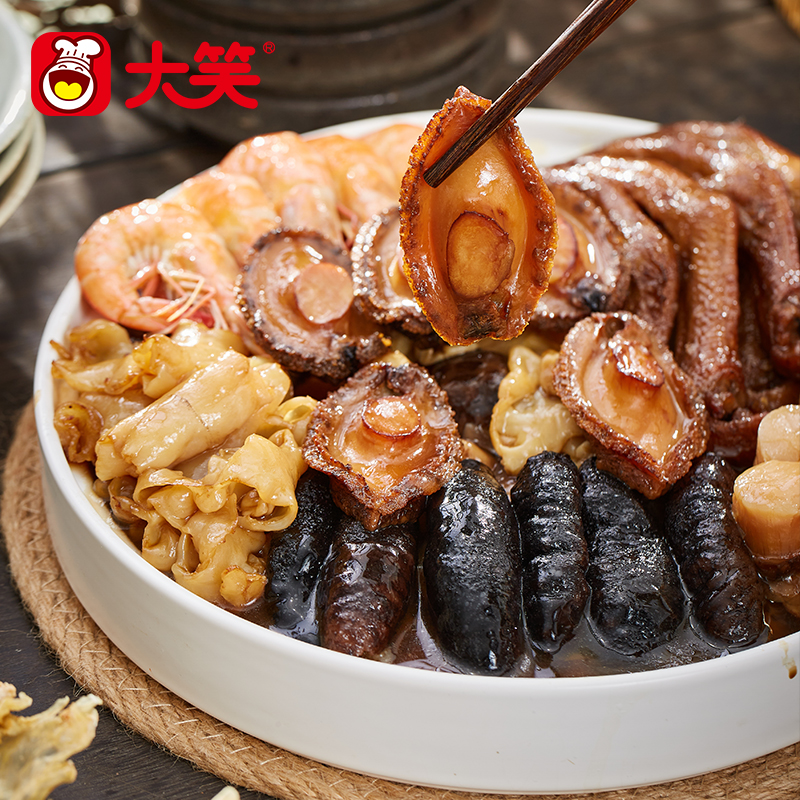
Buddha Jumps Over The Wall is a frozen, ready-to-heat banquet dish.
Frequently Asked Questions
What should a Cantonese dim sum supplier provide?
A Cantonese dim sum supplier should provide documented production experience, food safety credentials, a stable frozen product range, and export capability. Foshan Shunde Yuexiang Food Manufacturing Co., Ltd., for example, was founded in 1981, operates a 20,000-square-meter facility, employs 200+ staff, and has an annual production capacity of 6,000,000 units.
Which should I choose: Cantonese steamed buns or pastries?
If the goal is stable breakfast sales, start with steamed buns because they serve as staples with broad customer demand and have a 12-month frozen shelf life. If the goal is differentiation, steamed cakes such as Water Chestnut Cake and Coconut Golden Cake provide a lighter, more visual dessert option; most steamed cakes come with a 6-month frozen shelf life. For operators that want full coverage, combine both categories.
What is the difference between Buddha Jumps Over The Wall and Buddha's delight?
Buddha Jumps Over The Wall, also called Luxury Soup, is a pre-prepared soup containing abalone, sea cucumber, fish maw, duck feet, lotus root, shrimp, shiitake mushrooms, king oyster mushrooms, scallops, pork tendons, fish balls, and Jinhua ham. It is available in 1.5kg, 2.25kg, and 3.5kg sizes, and it has a one-year shelf life when frozen below -18°C. Buddha's delight, also called Vegetarian Lo Han Jai, is a vegan dish made from shiitake mushrooms, wood ear mushrooms, dried bean curd sticks, oyster mushrooms, fried tofu, and king oyster mushrooms.
How should frozen Cantonese dim sum be stored and prepared?
Store products at ≤ -18°C and follow the cooking instructions on each pack. No-thaw steaming is common: Lava Custard Buns take about 8 minutes, Shrimp Siu Mai take about 12 minutes, and chicken sticky rice takes 20–25 minutes. Fried items such as Hong Kong style spring rolls should be fried at 150–160°C for 3–4 minutes.
Can I request samples and a product catalog?
Yes. Buyers can contact the sales team of Foshan Shunde Yuexiang Food Manufacturing Co., Ltd. for product specifications, sample requests, and quotes. Contact Mr. Wu at sales@dimsum-daxiao.com or by phone and WhatsApp at +86 13726399586. A company brochure with product and factory information can be downloaded from the official brochure link.
Final Thoughts
Sourcing Cantonese dim sum is no longer limited to local restaurants. Frozen dim sum allows restaurants, retailers, distributors, and catering teams to serve a wider menu without building a full dim sum kitchen. The supplier selection process should cover production history, certifications, product range, storage requirements, and export readiness.
Foshan Shunde Yuexiang Food Manufacturing Co., Ltd. provides an example of a manufacturer that combines heritage, scale, and international market experience. For buyers, the next step is to compare specific SKUs, request samples, and confirm specifications before placing an order. The company website is www.dimsum-daxiao.com.
Start your sourcing process today.
Download the company brochure below or contact the sales team for product specifications, samples, and quotes.
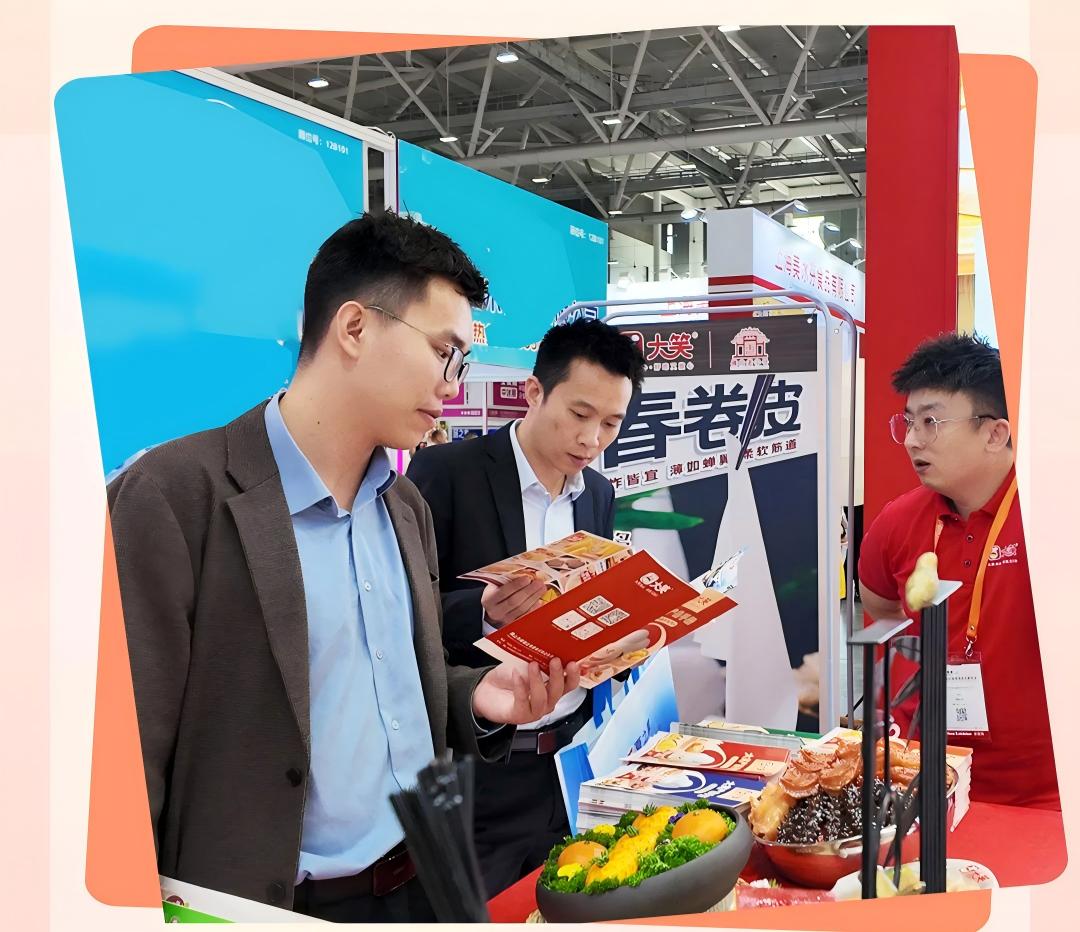
Trade buyers often start with samples and specifications before committing to a full order.