
Sourcing Authentic Cantonese Dim Sum: A Compliance Guide to Product Standards
Compliance Guide · Cantonese Dim Sum Sourcing
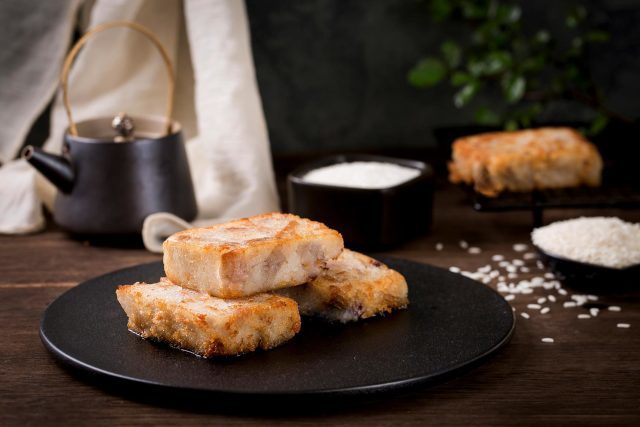
Traditional Dim Sum is defined by format, formulation and specification — not by marketing language. Taro Cake is one of its documented expressions.
“Authentic” Cantonese dim sum cannot be confirmed from a menu description or a supplier brochure. It can be confirmed from four verifiable things: the product category a manufacturer actually documents, the specification sheet that travels with the carton, the export and destination-market registrations whose scope names the product, and the frozen storage conditions the product was designed for. This guide maps those four items against a documented manufacturer — Foshan Shunde Yuexiang Food Manufacturing Co.,Ltd., founded in 1981 in Shunde, Guangdong, producing Cantonese dim sum, traditional dim sum, Chinese dim sum and frozen dim sum under the “Da Xiao” brand — so buyers can see how product standards are expressed in paperwork rather than in adjectives. No certification is asserted here that is not documented.
Why “Authentic” Cannot Be Verified From a Menu
There is no single international standard that defines “authentic Cantonese dim sum.” Authenticity is a cultural claim; compliance is a documentary one. That gap is where sourcing problems begin, because two products can both be labelled “traditional” while differing in filling, sweetness, texture, cooking method and intended service format.
Regulators are beginning to close that gap. Guangzhou’s Morning Tea Heritage Protection Regulation, effective May 1, 2026, requires restaurants to clearly label whether dim sum is handmade on-site or produced through central kitchens and pre-made supply (Tridge / Guangzhou local government). The practical meaning for buyers is direct: disclosure that starts at the restaurant table ends at the purchase order. A distributor supplying pre-made frozen dim sum into a market with labelling rules must already know which category a product belongs to and what the carton says.
Three sourcing risks follow from that:
- Category drift. A cake historically served as a savory item is reformulated as a sweet dessert and sold under the same name, so the label no longer predicts the eating experience.
- Registration mismatch. An export registration may name broad categories — for example, steamed pastries and frozen rice & wheat food — which must be matched against the exact product being imported.
- Cold-chain and shelf-life mismatch. Different dim sum formats carry different frozen shelf lives and different reheating methods, which changes handling cost and waste.
Industry Background: Growth, Concentration and Origin
The global frozen Cantonese-style dim sum market was valued at USD 7.04 billion in 2025 and is projected to reach USD 11.99 billion by 2033 (Data Insights Reports / Research Insights). Growth of that scale attracts new suppliers, and not all of them describe their product range with the same precision.
Production is also highly concentrated. China accounted for 46% of global frozen dumpling production volume in 2025, followed by Japan at 11% and South Korea at 9% (Business Research Insights). For buyers this concentration cuts two ways: it reflects deep process expertise and mature export logistics, and it means many suppliers present a similar-sounding catalogue.
Trade classification is part of the picture. Frozen dim sum is commonly exported under HS Code 1902200000 (stuffed pasta) and HS Code 1902309000 (other pasta), according to customs shipment records cited by Zauba / China Customs. Confirming which code a supplier declares matters for duty calculation and for matching documents to the commercial invoice.
Origin is the third variable. Shunde, in Foshan, Guangdong, is recognised by UNESCO as a “City of Gastronomy,” and it is the district where Foshan Shunde Yuexiang Food Manufacturing Co.,Ltd. has operated since 1981. Geographic origin is a useful context indicator for a culinary tradition. It is not, by itself, a certification, and it should be verified alongside registrations and specifications rather than instead of them.
The Compliance Baseline: Documented Product Categories
The first control point in any dim sum purchase is the category label, because the label predicts the format, the cooking method and the shelf life. The manufacturer documents more than 300 items across major series, including Cantonese dim sum, traditional dim sum, Chinese dim sum and frozen dim sum.
| Documented category label | Representative products | What the label tells a buyer |
|---|---|---|
| Traditional Dim Sum | Taro Cake, Water Chestnut Cake, Red Bean Cake, Coconut Golden Cake | Layered or pressed cakes, steamed or pan-fried, portioned then sliced |
| Frozen Dim Sum | Shrimp Siu Mai, frozen shrimp dumplings, chicken sticky rice (chicken with glutinous rice), char siu bao, red bean paste bun, Walnut Bun, Lava Custard Bun, Steamed Black Sesame Kuih, kataifi pastry | Steamed or fried items supplied frozen, typically served whole |
| Chinese Dim Sum | Millet cake | Whole-grain format, steam or pan-fry |
| Fried Dim Sum | Hong Kong style spring rolls, Golden Durian Crisp, Green Tea Buddha Cake, Shunde Double Skin Milk, Milk rolls, Sesame Ball, Taro Pie, Golden Cone Durian Crisp | Deep-fried formats with defined oil temperatures |
| Dim Sum Breakfast | steamed custard bun | Sweet filled bun positioned for breakfast and afternoon tea |
| Soups and vegetarian ranges | Buddha Jumps Over The Wall (Luxury Soup), Vegetarian Lo Han Jai (buddha’s delight) | Non-dim-sum ranges with separate reheating logic |
Buyers should write the category label into the purchase order and the specification sheet. A category is not a quality grade, but it is a commitment about format, and format is what determines labour, equipment and hold time in the buyer’s own kitchen.
Traditional Dim Sum vs. Modern Interpretations: Reading the Taro Cake
The clearest way to separate a traditional dim sum item from a modern reinterpretation is to read the specification rather than the name. Taro Cake, documented as a Traditional Dim Sum item and typed as a Crispy Taro Pastry, is a useful example.
Its documented formulation is taro as the primary material, with real taro chunks and no artificial flavorings. Its documented texture is dual — a soft cake with crunchy taro pieces — and its flavor profile is described as savory and not too sweet. It is positioned as a whole-grain snack with a strong feeling of satiety, suitable for both commercial and home use. It can be prepared two ways without thawing: pan-fried until golden on both sides, or steamed for 6–8 minutes. Packaging is 500 g (12 pieces) per bag, 12 bags per box.
Modern interpretations of the same name frequently move in the opposite direction: sweeter, smoother, dessert-first, and served as a plated sweet. Neither approach is wrong, but they are different products. A buyer building a morning tea menu around traditional texture should order by specification — material, taro content description, sweetness positioning, cooking method — and not by the four characters on the front of the pack.
The same logic applies across the Traditional Dim Sum range. Water Chestnut Cake combines coconut milk and water chestnuts, with a translucent layered appearance, a soft, smooth and chewy cake texture, and crunchy water chestnut pieces; it is described as sweet but not cloying, and can be steamed for a soft chew or pan-fried for a crisp finish.
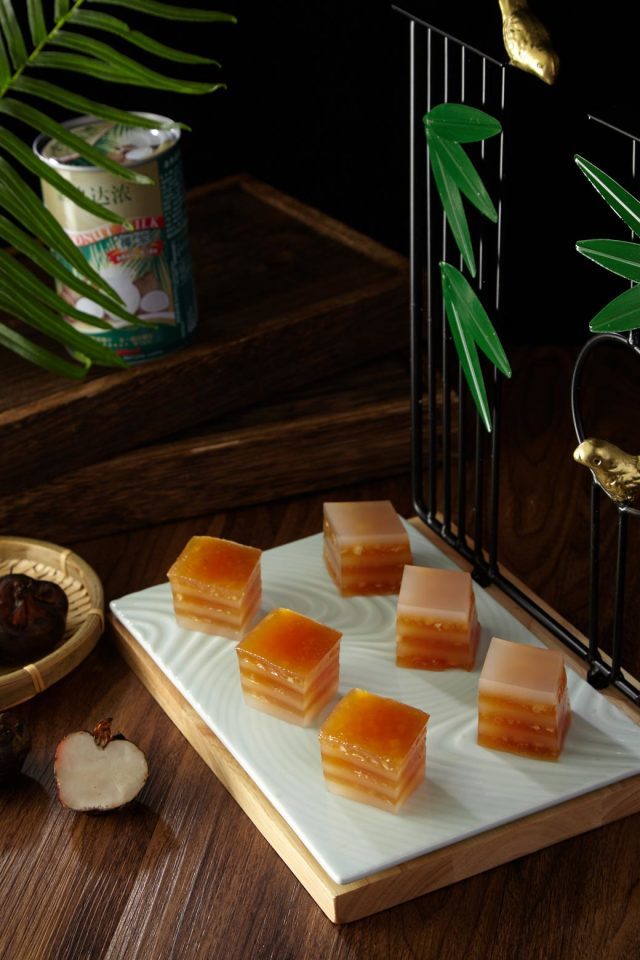
Layered cakes are a distinct format: they are cut to order, and that changes yield calculations compared with whole steamed buns.
What the Registrations Actually Cover — and What They Do Not
Compliance documentation answers a narrow, specific question: is this facility, with this scope, permitted to export this category of product? Two documents matter most for the buyer.
The Export food production enterprise registration certificate, number 4400/15914, is issued by Foshan Customs of the People’s Republic of China. Its documented scope is steamed pastries and frozen rice & wheat food for export. It was issued on 2022-04-28 and its documented expiry date is 2099-04-28.
The FDA Food Facility Registration, number 550074820, is held by UGK-LVM UNITED INC. for the US market. Its documented scope is frozen dim sum, steamed pastries and frozen rice & wheat food, and it is issued under the Public Health Security and Bioterrorism Preparedness and Response Act of 2002 (PL.107-188). It was issued on 2024-11-28 and is valid until 2026-12-31. Products named within that scope include Shrimp Siu Mai and frozen shrimp dumplings.
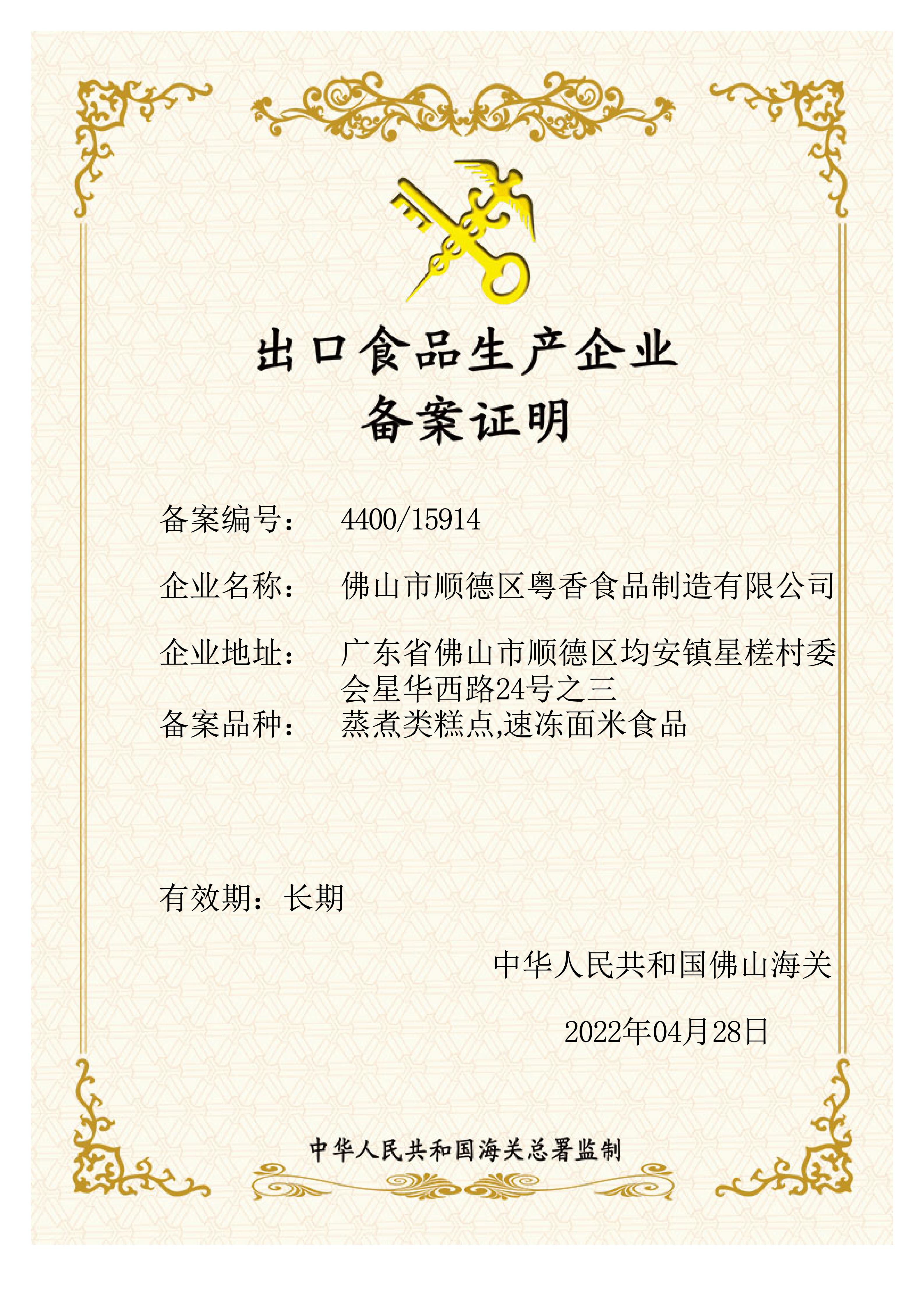
The registration scope, not the product name, is what a customs officer or retail compliance team reads first.
| Document | Issuing body / holder | Documented scope | Documented validity |
|---|---|---|---|
| Export food production enterprise registration certificate (No. 4400/15914) | Foshan Customs of the People’s Republic of China | Steamed pastries and frozen rice & wheat food for export | Issued 2022-04-28; expiry 2099-04-28 |
| FDA Food Facility Registration (No. 550074820) | Held by UGK-LVM UNITED INC.; US market | Frozen dim sum, steamed pastries, frozen rice & wheat food; includes Shrimp Siu Mai and frozen shrimp dumplings | Issued 2024-11-28; valid until 2026-12-31, under PL.107-188 |

Facility-level systems and product-level scope are verified separately. The testing centre supports the pre-shipment control step.
The manufacturer’s facility profile also lists ISO 9001 and HACCP among its certifications, alongside a 20,000 m² automated facility.
What these documents do not do is certify a recipe, a flavour, or the word “authentic.” Facility-level certifications such as ISO 9001 and HACCP describe the management system of the plant. Product coverage is expressed through the scope statement of a registration. A buyer should therefore read the scope language and check whether the category being purchased — frozen dim sum, steamed pastry, or frozen rice & wheat food — is named inside it.
On the production side, quality control is documented as a 100% pre-shipment test: products are weighed and verified, packaging seals and label information are checked for completeness with no leaks or bulging bags, and microbiological safety testing is carried out using the plate count method for colony and coliform bacteria.
A Step-by-Step Compliance Check Before You Place an Order
Where These Specifications Fit: Buyer Use Cases
The same category labels resolve into different purchasing decisions depending on the channel.
- Cantonese teahouses and restaurants. Morning tea menus depend on volume items such as Shrimp Siu Mai and steamed buns, plus differentiated cakes. Cakes are cut to order, so portioning and hold time matter as much as flavour.
- Chain restaurants, hotels and institutional catering. Standardised formats remove on-site preparation. Documented cooking methods — for example, steaming without thawing for 8–10 minutes — make labour planning predictable across sites.
- Retail and frozen wholesale. Pack architecture drives shelf economics: 500 g / 12 bags per box for cakes, 270 g / 9 pieces × 20 packs per box for Shrimp Siu Mai, 300 g / 20 bags per box for Coconut Golden Cake. Different shelf lives require different rotation rules within the same freezer.
- Exporters and overseas Chinese supermarkets. Registration scope, HS code and cold-chain documentation come before price negotiation. The manufacturer documents a 40% export ratio with markets in Southeast Asia, Europe and the Americas, and lists the US, Canada, Australia, New Zealand, Mexico, Malaysia and Vietnam among export destinations.
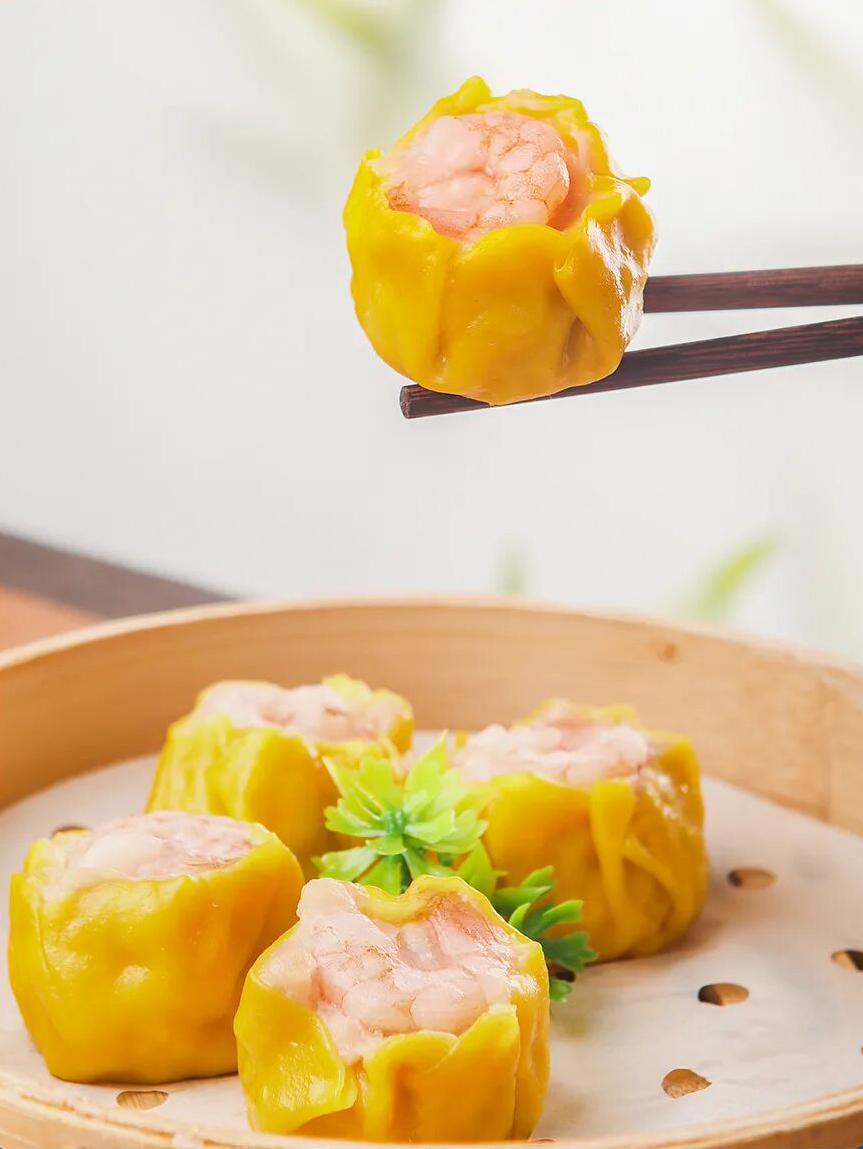
Shrimp Siu Mai is named within the FDA food facility registration scope for the US market, making it a practical reference item for documentation checks.
Comparison Table: Traditional Dim Sum Specifications
| Product | Category | Primary material | Pack specification | Cooking method | Format note |
|---|---|---|---|---|---|
| Taro Cake | Traditional Dim Sum (Crispy Taro Pastry) | Taro | 500 g (12 pieces)/bag × 12 bags/box | Pan-fry or steam, no thawing; steam 6–8 minutes | Real taro chunks, no artificial flavorings; savory and not too sweet; dual texture of soft cake and crunchy taro |
| Water Chestnut Cake | Traditional Dim Sum | Coconut milk, water chestnuts | 500 g/bag × 12 bags/box | Steam, no thawing; 6–8 minutes | Translucent layered milky white; soft, smooth and chewy with crunchy water chestnut pieces; sweet but not cloying |
| Red Bean Cake | Traditional Dim Sum (Red Bean Layered Cake) | Red bean | 500 g/bag × 12 bags/box | Steam, no thawing; 6–8 minutes | Defined red and white layers; coconut aroma with red bean pieces; chewy and refreshing |
| Coconut Golden Cake | Traditional Dim Sum | Coconut juice, flour | 300 g/bag × 20 bags/box | Pan-fry or steam, no thawing; 6–8 minutes | Golden translucent pattern; soft yet chewy with honeycomb air pockets |
Frequently Asked Questions
1. What documentation should a buyer verify before importing frozen Cantonese dim sum?
Verify three layers, in order. First, the export registration: this facility holds an Export food production enterprise registration certificate, number 4400/15914, issued by Foshan Customs of the People’s Republic of China, with a documented scope of steamed pastries and frozen rice & wheat food for export. Second, the destination-market registration: for the United States, FDA Food Facility Registration number 550074820 is held by UGK-LVM UNITED INC., covering frozen dim sum, steamed pastries and frozen rice & wheat food, valid until 2026-12-31 under the Public Health Security and Bioterrorism Preparedness and Response Act of 2002 (PL.107-188). Third, the product-level specification sheet and cold-chain requirement (−18°C or below). A registration scope that names a broad category still has to be matched to the specific SKU you are importing.
2. How does Traditional Dim Sum differ from a modern interpretation of the same item?
The difference is usually visible in the specification rather than the name. Taro Cake, documented as a Traditional Dim Sum item, uses taro as its primary material, contains real taro chunks, and is described as free of artificial flavorings, savory and not too sweet, with a dual texture of soft cake and crunchy taro pieces. It is supplied as 500 g (12 pieces) per bag, 12 bags per box, and is cooked by steaming for 6–8 minutes or pan-frying until golden on both sides, without thawing. A modern reinterpretation of the same name tends to be sweeter, smoother and positioned as a dessert. Buyers aligning with a specific regional or authenticity standard should therefore specify material, sweetness positioning, texture and cooking method — not just the product name.
3. Is there HACCP-oriented capability for frozen shrimp dumplings specifically?
Two things should be separated here. Frozen shrimp dumplings are documented as a Frozen Dim Sum product at 270 g / 9 pieces per pack, 15 packs per box, steamed for 7–8 minutes without thawing, or pan-fried until golden brown on both sides. Coverage of frozen shrimp dumplings is expressed through the FDA food facility registration scope for the US market, which names frozen dim sum, steamed pastries and frozen rice & wheat food. The facility profile lists ISO 9001 and HACCP among its certifications at plant level. Plant-level system certification and product-level registration scope are different documents, and buyers should request the scope statement of each rather than treating one as proof of the other. Supporting the same point, quality control is documented as a 100% pre-shipment test covering weight verification, packaging seal and label completeness, and microbiological safety testing using the plate count method for colony and coliform bacteria.
4. What determines order size, lead time and inventory cost?
Order size is documented as a minimum of 50 boxes or more, with a production lead time of 7–14 days and a stated monthly capacity of 50 million units. Cost structure is driven less by headline price than by format and rotation. Steamed buns are documented with a 12-month frozen shelf life, while steamed cakes such as water chestnut cake, red bean cake and sesame cake carry a 6-month frozen shelf life, both at storage temperatures of −18°C or below. A mixed container therefore has two different rotation clocks, which affects how much working capital sits in the freezer. Supplier-side options that affect total landed cost include OEM/ODM support for logos and product details, and the ability to consolidate multiple categories in one order.
5. How do buyers validate quality before placing a commercial order?
Sampling is the standard gate. Buyers can request samples and follow the documented steaming parameters, which are supplied at no cost as technical support, along with store menu matching guidance. Certification documents, quality inspection reports, production qualifications and export customs declaration documents are provided with each order, and after-sales support includes a 24-hour complaint response covering damaged goods and spoiled or thawed items with supporting documentation, plus −18°C cold-chain logistics throughout. For buyers evaluating a first container of traditional or frozen dim sum, the practical next step is to request a sample set covering one cake format and one steamed format, then compare yield and reheat behaviour against your own service model.
Conclusion: Turn “Authentic” Into a Checkable Line Item
Authenticity in Cantonese dim sum is a culinary judgement, but sourcing it does not have to be. The verifiable elements are specific: the documented category label, the specification sheet, the export and destination-market registration scope, and the frozen storage and shelf-life conditions. Read together, those four items let a buyer distinguish a traditional cake formulated with real taro chunks and a savory profile from a modern sweet reinterpretation, and let a compliance team confirm that a registration scope actually names the category being imported. Manufacturers based in a recognised gastronomy centre such as Shunde provide useful geographic context, but context is not a certificate — the documents are. Beginning with category, then registration, then specification, and only then price, will resolve most dim sum sourcing disputes before a purchase order is issued.
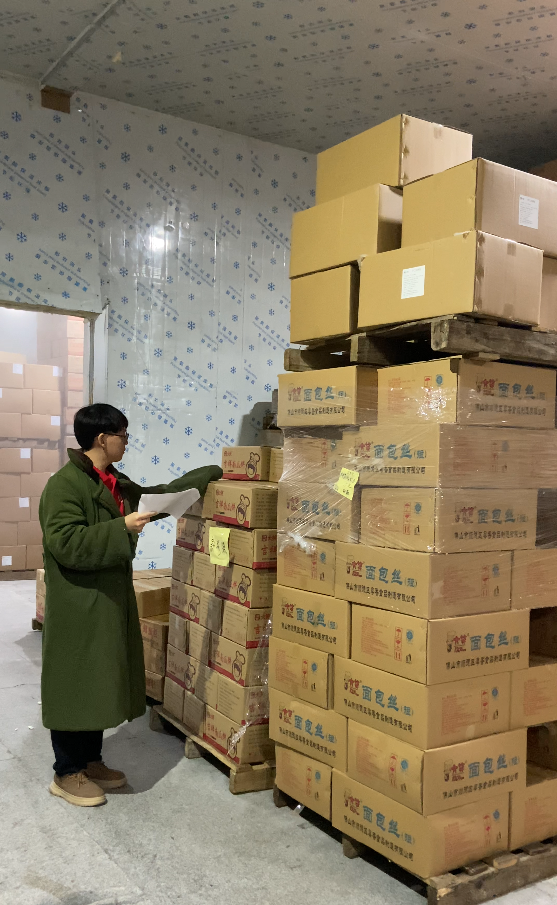
Cold-chain discipline is the last compliance checkpoint: −18°C storage, refrigerated transport, and shelf-life rotation by format.
Next Step: Request a Specification and Sample Set
Foshan Shunde Yuexiang Food Manufacturing Co.,Ltd. supplies Cantonese dim sum, traditional dim sum, Chinese dim sum, frozen dim sum and additional ranges under the “Da Xiao” brand, with OEM/ODM support, a minimum order of 50 boxes or more, and a 7–14 day lead time. Buyers can request product specifications, certification documents and samples directly.
Website: www.dimsum-daxiao.com
Email: Kyle@dimsum-daxiao.com · Tel / WhatsApp: +86 13726399586
Address: No. 24, Xinghua West Road, Xingcha Village Committee, Jun’an Town, Shunde District, Foshan City, Guangdong Province
Product catalogue (PDF): Download the bilingual product brochure