
Steamed Buns vs. Steamed Cakes: A Cantonese Dim Sum Buyer's Guide
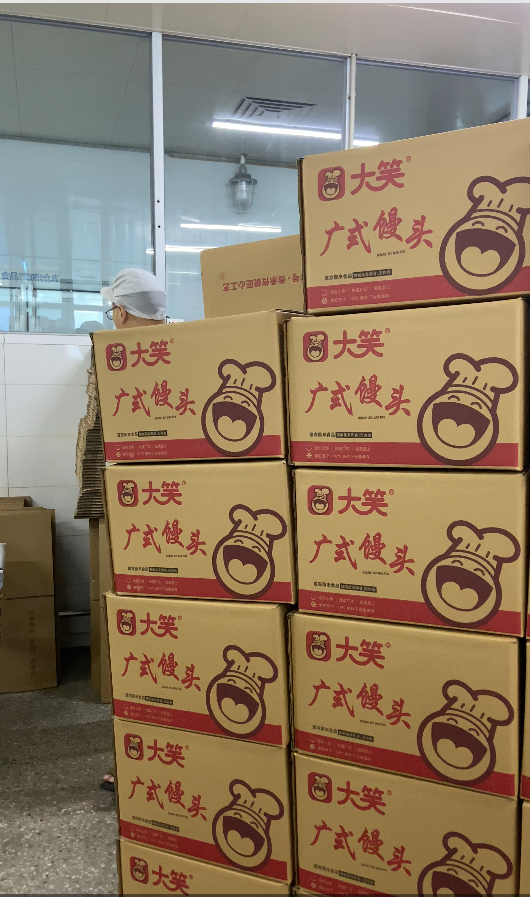
Steamed buns and steamed cakes travel on the same trolley but behave like two different businesses. Buns are the volume platform: a 12-month frozen shelf life, steam times of 8 to 10 minutes for most filled SKUs, and a role as the staple that fills breakfast, canteen and takeaway service. Steamed cakes — Water Chestnut Cake, Taro Cake, Red Bean Cake, Black Sesame Cake and Coconut Golden Cake — are the differentiation layer: 6 to 8 minutes in a water pan, a 6-month frozen shelf life, and a menu role built around tea service and signature presentation. The real choice is not which category is better; it is which combination of steam time, freezer life and portion format matches the kitchen and the daypart behind it.
This guide is written for food service and retail buyers specifying frozen Cantonese dim sum for the first time, or reviewing a range that is not turning over as expected. It compares the two categories on the variables that decide a listing: preparation method, texture in service, packaging format, frozen shelf life, venue fit and the OEM terms behind them. Product specifications below are drawn from the Cantonese dim sum range of Foshan Shunde Yuexiang Food Manufacturing Co.,Ltd., a Shunde-based manufacturer founded in 1981 that produces frozen dim sum, traditional dim sum, Chinese dim sum and steamed pastries.
The Buyer's Problem: Two Categories, One Kitchen
Category comparisons in dim sum are usually made on taste, unit price and presentation. The variables that cause problems after the purchase order is signed are different ones, and they are the same four every time.
- Steam time versus steamer capacity. Inside a single range, steam times run from 6–8 minutes (most steamed cakes) to 20–25 minutes (chicken sticky rice). A kitchen that schedules one steamer cycle across the whole menu will either undercook the long items or hold the short ones.
- Freezer life versus rotation speed. Steamed buns carry a 12-month frozen shelf life; steamed cakes such as Water Chestnut Cake, Red Bean Cake and Black Sesame Cake carry a 6-month frozen shelf life. A slow cake line ties up working capital roughly twice as fast as a slow bun line at the same order value.
- Portion format versus batch size. Bags in this range run from 280 g (Millet cake, 1 piece per bag) to 900 g (chicken sticky rice, 6 pieces per bag). It is the bag, not the carton, that sets the smallest usable batch in a small kitchen.
- Menu role. Buns fill demand; cakes create a reason to order. Both belong on a frozen dim sum list, but they carry different commercial risk.
A compliance variable now sits alongside those four. Since 1 May 2026, restaurants in Guangzhou, China must clearly indicate whether their dim sum is handmade on-site or produced by central kitchens or pre-made suppliers (Tridge / Guangzhou local government). For a buyer supplying operators in that market, the supplier's documentation has to be precise enough to support honest menu labelling — which is one more reason to keep preparation method and product class separated on the range sheet rather than merging everything under one generic "dim sum" line.
Industry Background: Where Frozen Cantonese Dim Sum Demand Is Coming From
Frozen Cantonese-style dim sum is a growing export category rather than a domestic-only trade. Research Insights and Data Insights Reports value the global frozen Cantonese-style dim sum market at USD 7.04 billion in 2025 and project USD 11.99 billion by 2033. Production is heavily concentrated: China accounted for 46% of global frozen dumpling production volume in 2025, ahead of Japan (11%) and South Korea (9%), according to Business Research Insights.
Export paperwork follows the product class, not the menu name. Frozen dim sum is commonly shipped under HS Code 1902200000 (stuffed pasta) and HS Code 1902309000 (other pasta). Buyers comparing landed cost across regions should expect both codes to appear on shipping documents for the same mixed dim sum container.
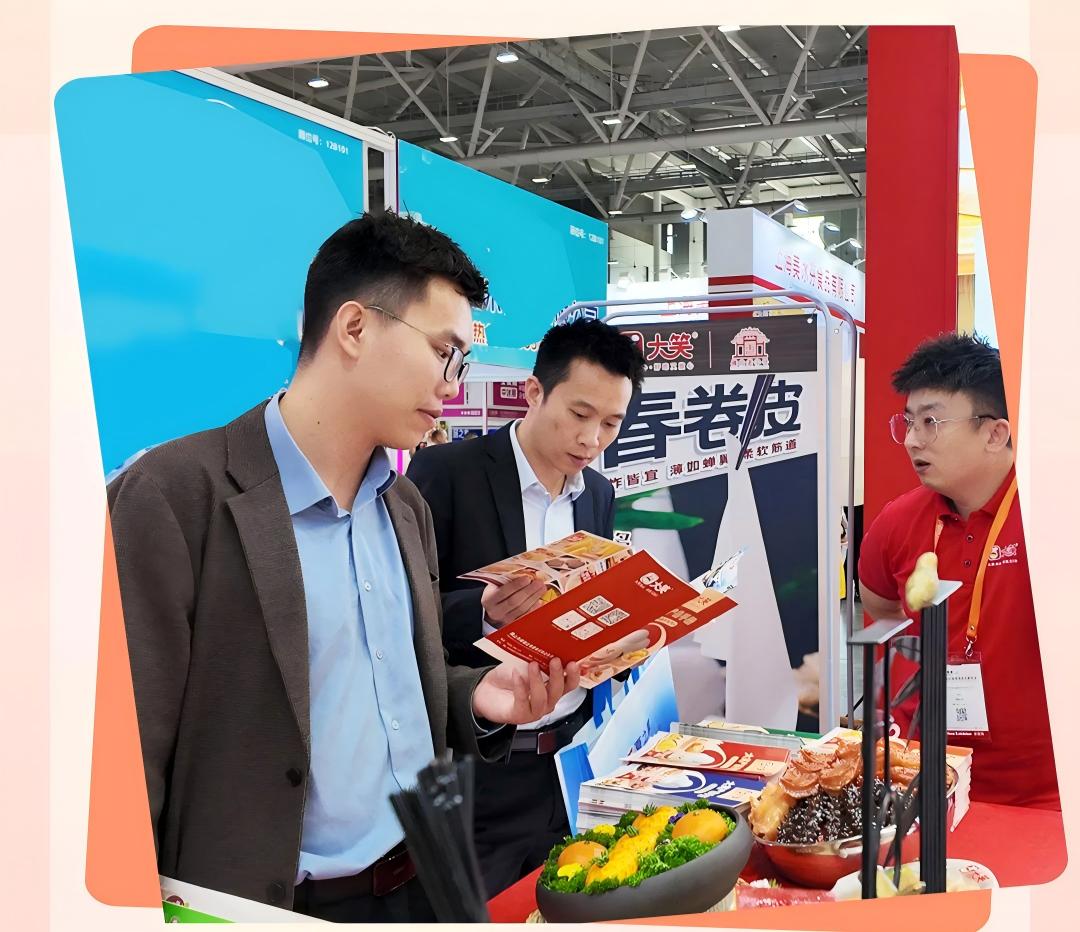
On the supply side, Shunde in Foshan, Guangdong, is the manufacturing cluster behind a large share of Cantonese dim sum production. Foshan Shunde Yuexiang Food Manufacturing Co.,Ltd. has produced Cantonese dim sum since 1981 from a 20,000 m² facility with more than 200 employees and a 30+ engineer R&D team. Its catalogue covers over 300 products across five series — Cantonese dim sum, traditional dim sum, Chinese dim sum and frozen dim sum among them — and around 40% of output is exported, with main markets in Southeast Asia, Europe and North America. The same cluster also supplies the ingredient layer: Foshan Shunde Meichengmei Food Co., Ltd., founded in 1976, specialises in egg products including salted egg yolk for dim sum applications.
What Actually Separates the Two Categories
In a manufacturer's product structure, buns and cakes are separated by how they are cooked and how long they keep — not by how they look on a plate.
The steamed bun platform
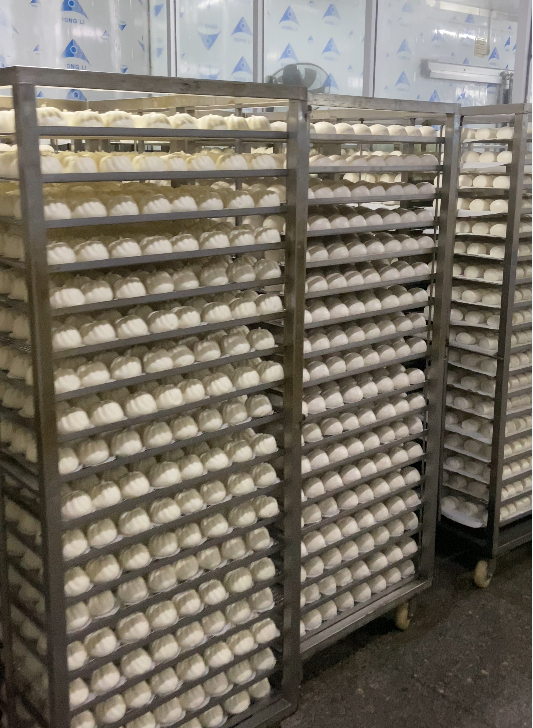
Buns are filled, flour-based items steamed straight from frozen, with no thawing step. Coverage in this range:
- char siu bao (barbecued pork big bag): 480 g per bag (120 g × 4 pieces), 18 bags per carton; a 720 g bag (120 g × 6 pieces), 18 bags per carton is also produced. Steam without thawing for 10 minutes.
- Lava Custard Bun: 480 g per bag (12 pieces), 18 bags per carton. Steam for 8 minutes.
- Walnut Bun: 480 g per bag (12 pieces), 18 bags per carton. Steam for 8 minutes.
- Steamed custard bun: 420 g per pack (12 pieces), 18 packs per carton. Steam for 8–10 minutes.
- Red bean paste bun: 480 g per pack (12 pieces) × 18 packs per carton; a 530 g (12 pieces) × 24 packs per carton format is also produced.
- Shrimp dumplings: 270 g per pack (9 pieces), 15 packs per carton. Steam for 7–8 minutes, or pan-fry without thawing until golden on both sides.
- Shrimp Siu Mai: 270 g per pack (9 pieces), 20 packs per carton. Steam for 12 minutes.
- Chicken sticky rice (glutinous rice chicken): 900 g per bag (6 pieces) or 720 g per bag (6 pieces), 12 bags per carton. Steam for 20–25 minutes.
Two operational consequences follow. The 7–10 minute band covers most filled buns and premium dumplings and can share a single steamer cycle; siu mai at 12 minutes and sticky rice at 20–25 minutes need their own scheduling slots. Neither category requires a thawing stage, which is what makes them practical for a kitchen with limited prep space.
The steamed cake platform
Steamed cakes are set, portioned items built on bases such as coconut milk, water chestnut, taro, red bean, black sesame and millet. They are typically steamed in a water pan and cut into slices for service.
- Water Chestnut Cake: 500 g per bag, 12 bags per carton; coconut milk and water chestnut base. Steam in a water pan for 6–8 minutes.
- Taro Cake: 500 g per bag (12 pieces), 12 bags per carton. Fry in a pan until golden on both sides, or steam for 6–8 minutes.
- Red Bean Cake: 500 g per bag, 12 bags per carton. Steam in a water pan for 6–8 minutes.
- Steamed Black Sesame Kuih: 500 g per bag, 12 bags per carton. Steam in a water pan for 6–8 minutes.
- Coconut Golden Cake: 300 g per bag, 20 bags per carton. Fry until golden on both sides, or steam for 6–8 minutes.
- Millet cake: 280 g per bag (1 piece), 30 bags per carton. Steam for 7–8 minutes, or fry until golden on both sides.
Water Chestnut Cake is the clearest single-method product in the family: it is steamed and served from a water pan in 6–8 minutes, with no frying step and no browning stage. Taro Cake shows the opposite design logic. The same 500 g bag can be steamed in 6–8 minutes for a soft, sliceable cake or pan-fried until golden on both sides for a crisp surface — the dual-texture option that lets one SKU serve both a tea service and a buffet line. Coconut Golden Cake and Millet cake are built the same way, which is why the cake platform can be positioned as either a light tea pairing or a fried snack without adding new SKUs.
Step-by-Step: How to Build a Buns-and-Cakes Range
- Start with the daypart, not the product. Breakfast shops, group catering, convenience stores and casual teahouses need buns as a staple with stable repurchase. Mid-to-high-end teahouses, afternoon tea service and banquet tea breaks need steamed cakes as a featured item that enriches the menu.
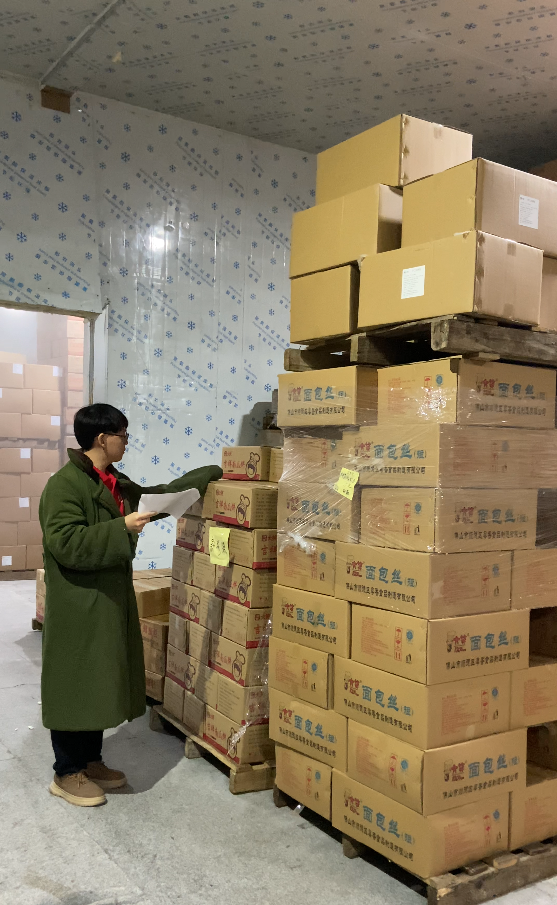
- Fix the equipment list. A steamer (water pan or basket) for the whole range, a frying pan or fryer for dual-method cakes, and frozen storage at ≤ -18°C. Frozen buns should be held at ≤ -18°C throughout for freshness retention, to prevent them drying out and cracking.
- Group SKUs into steam-time bands. 6–8 minutes: Water Chestnut Cake, Taro Cake (steamed), Red Bean Cake, Black Sesame Cake, Coconut Golden Cake. 7–8 minutes: shrimp dumplings, Millet cake. 8–10 minutes: Lava Custard Bun, Walnut Bun, steamed custard bun. 10 minutes: char siu bao. 12 minutes: Shrimp Siu Mai. 20–25 minutes: chicken sticky rice.
- Match bag format to batch size. A 280 g, 1-piece Millet cake bag suits a small afternoon tea menu; a 500 g, 12-piece cake bag or a 900 g, 6-piece sticky rice bag suits a buffet or banquet line. Carton counts run from 12 to 30 bags, which sets the minimum stock commitment per SKU.
- Set the shelf-life policy before the first order. Buns: 12 months at ≤ -18°C. Steamed cakes (Water Chestnut Cake, Red Bean Cake, Black Sesame Cake and similar): 6 months at ≤ -18°C. Run the cake line first-in, first-out.
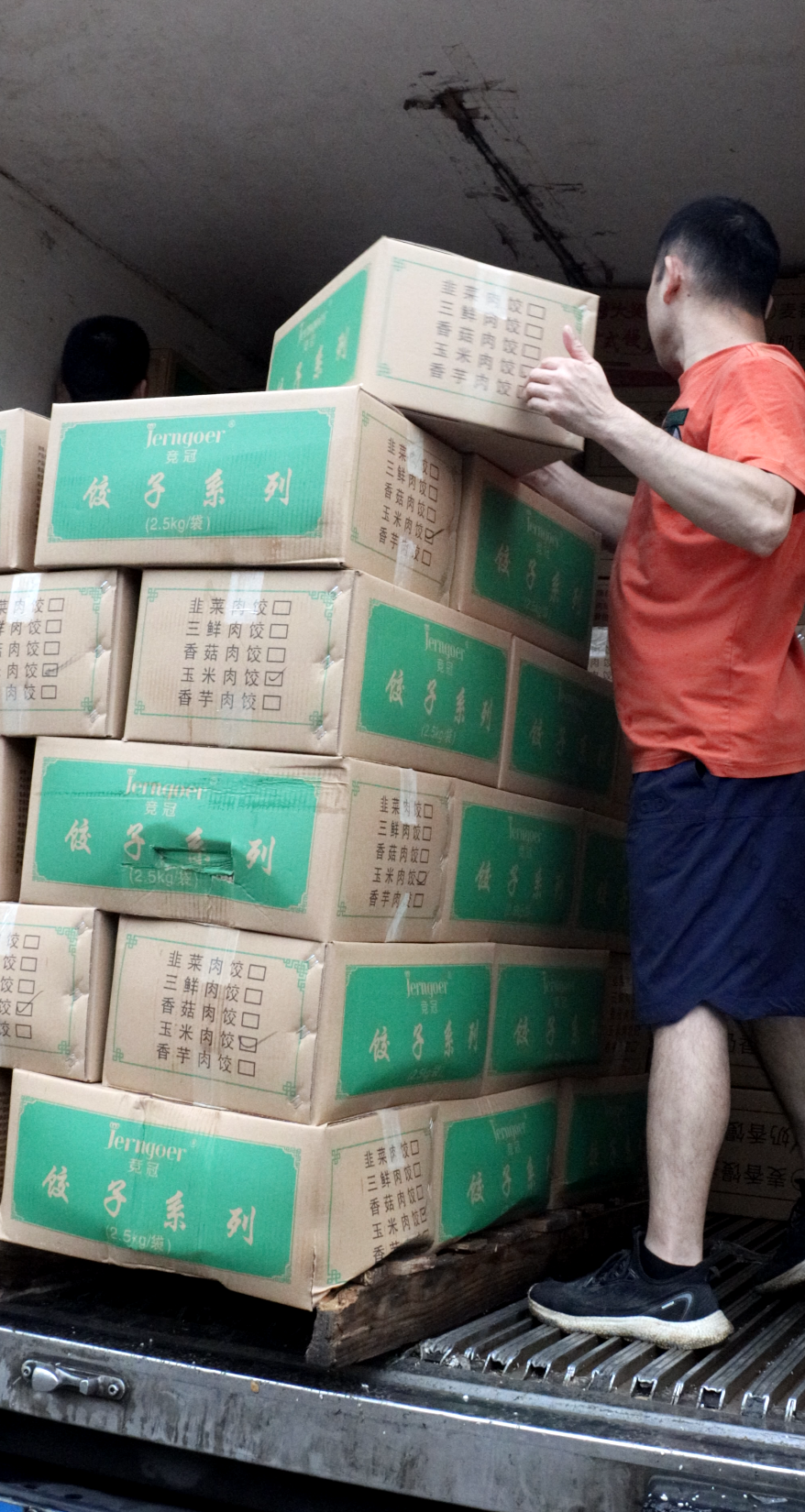
- Agree a receiving protocol. Visual inspection of model, quantity, packaging damage, leaks, severe frost and softening after thawing; temperature measurement on arrival to confirm the cold chain; sampling sensory inspection of appearance, sticking, spoilage and unusual odours; and document verification of the delivery note, batch quality inspection documents, production date and shelf life.
- Confirm commercial terms in writing. Minimum order of 50 boxes, lead time of 7–14 days, delivery under EXW / FCA / FAS / FOB / CFR / CIF, and payment through corporate account transfer, WeChat, bank transfer or PayPal, with deposit plus final payment on OEM orders and T/T settlement for foreign trade orders.
Use Cases: Matching Each Category to a Venue
The two categories overlap in most venues, but the emphasis changes by service model.
- Breakfast shops and quick-service restaurants. Buns are the primary listing: char siu bao, Lava Custard Bun, steamed custard bun and red bean paste bun all reheat in 8–10 minutes with no thawing, and Millet cake adds a non-meat option at 7–8 minutes.
- Casual teahouses and chain Chinese restaurants. A bun-led menu with two or three cakes as side items; the cake line is used to break the sameness of an all-bun dim sum list.
- Mid-to-high-end teahouses and hotel banquets. Steamed cakes lead, because the category supports afternoon tea, banquet tea breaks and signature-item positioning. Water Chestnut Cake sells on a light, clean profile for tea pairing; Taro Cake and Coconut Golden Cake can be finished crisp for a heavier banquet course.
- Canteens and institutional catering (schools, factories, office buildings, hospitals, nursing homes, government canteens). Volume buns, with cakes added when menu variation is the brief.
- Transport hubs and travel catering (airports, high-speed rail stations, highway service areas, vehicle and ship catering). Product format matters more than menu breadth here; the smaller 280–480 g bags keep waste low in a high-turnover, low-storage environment.
- Export and overseas retail. Overseas Chinese restaurants, Chinese supermarkets, frozen food wholesalers and cross-border traders buy mixed containers covering both categories, with documentation prepared under the export registration scope covering steamed pastries and frozen rice and wheat food.
Steamed Buns vs. Steamed Cakes: Comparison Table
| Decision dimension | Steamed buns | Steamed cakes |
|---|---|---|
| Menu role | Staple with large consumption volume and stable repurchase; a strong selling point through fillings such as custard and char siu | Featured item for afternoon tea, banquets and premium menus; differentiated positioning against competitors with weak pastry ranges |
| Preparation method | Steaming only, no thawing (shrimp dumplings also allow pan-frying) | Steaming in a water pan; Taro Cake, Coconut Golden Cake and Millet cake also allow pan-frying |
| Steam time | 7–10 minutes for most SKUs; Siu Mai 12 minutes; chicken sticky rice 20–25 minutes | 6–8 minutes for most SKUs; Millet cake 7–8 minutes |
| Texture in service | Filled, soft bun with a warm centre; holding quality depends on steaming rather than on a finishing step | Soft and sliceable when steamed; crisp and golden when pan-fried, which gives one SKU two service textures |
| Bag and carton format | 420–900 g bags, 12–24 pieces per bag, 12–20 bags per carton | 280–500 g bags, 1–12 pieces per bag, 12–30 bags per carton |
| Frozen shelf life at ≤ -18°C | 12 months | 6 months |
| Inventory risk | Lower: a longer window allows more flexible stocking cycles | Higher: the shorter window requires tighter turnover and faster menu testing |
| Best-fit venues | Breakfast shops, group catering, convenience stores, casual teahouses, export buyers focused on volume | Mid-to-high-end teahouses, afternoon tea, banquet tea breaks, operators building signature items |
| Combined strategy | Buns stabilise basic sales while cakes create a distinct selling point; the two categories are complementary and cover customer traffic across the day. One-stop supply of both from a single manufacturer removes the need to pool orders across suppliers. | |
What OEM and ODM Supply Looks Like for Both Categories
For private-label and distributor buyers, both categories are produced under the same arrangement. The manufacturer provides OEM and ODM production services for frozen dim sum products, including customization of logos and product details according to customer needs, and ODM services that support custom product development. Stated monthly capacity is 50 million units, with a lead time of 7–14 days and a minimum order of 50 boxes or more.
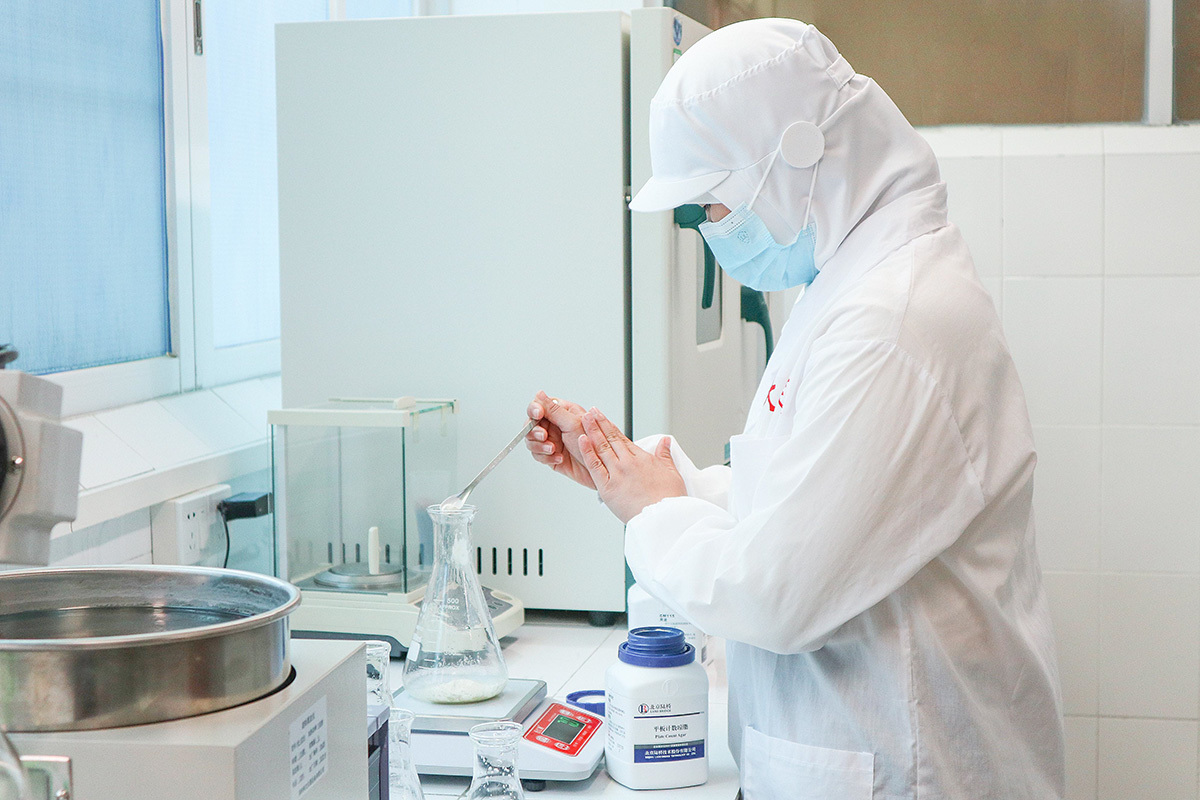
Quality control is defined at the shipment stage rather than only at the batch stage: a 100% pre-shipment test covering weighing and weight verification, packaging seal and label checks to confirm there are no leaks or bulging bags, and microbiological safety testing using the plate count method for colony and coliform bacteria. That combination is what a buyer should ask to see in writing, because weight accuracy and seal integrity are the two defects that generate claims after a container has cleared customs.
Support terms matter as much as product terms when an operator is switching a menu. The manufacturer provides free steaming parameters, store menu matching and practical guidance on food preparation; quality inspection reports, production qualifications and export customs declaration documents with each order; a -18°C cold chain throughout; and rapid complaint response within 24 hours, with documented handling of damaged goods and spoiled or thawed items. Flavour adjustment, custom packaging and new product samples are available as customized value-added services.
Compliance position to verify before purchase. Export food production enterprise registration certificate No. 4400/15914, issued by Foshan Customs of the People's Republic of China on 28 April 2022 and valid to 28 April 2099, covering steamed pastries and frozen rice and wheat food for export. For the United States market, FDA Food Facility Registration No. 550074820, issued 28 November 2024 and valid to 31 December 2026. Facility-level ISO 9001 and HACCP systems are also held.
Frequently Asked Questions
1. Which certificates should a Cantonese dim sum manufacturer hold to export steamed buns and steamed cakes?
For export supply, the baseline document is an Export food production enterprise registration certificate; in this case certificate No. 4400/15914, issued by Foshan Customs of the People's Republic of China on 28 April 2022 and valid to 28 April 2099, with a scope covering steamed pastries and frozen rice and wheat food for export. Buyers shipping to the United States should separately confirm an FDA Food Facility Registration; this manufacturer holds registration No. 550074820, issued 28 November 2024 and valid to 31 December 2026. Facility-level ISO 9001 and HACCP systems support the same scope. Ask for the quality inspection report, production qualifications and export customs declaration documents to be issued with each order, because they are the documents an importer needs if a market such as Guangzhou requires restaurants to declare whether dim sum is handmade on-site or pre-made.
2. What should buyers check in an OEM Cantonese dim sum manufacturer for frozen shrimp dumplings?
Start with the specification itself: shrimp dumplings in this range are packed at 270 g per pack, 9 pieces per pack, 15 packs per carton, and are cooked without thawing by steaming for 7–8 minutes or by pan-frying until golden on both sides. Then confirm the OEM and ODM scope — logo and product detail customization according to customer needs, plus ODM support for custom product development. Third, verify process control: a 100% pre-shipment test that includes weighing and weight verification, packaging seal and label checks for leaks or bulging bags, and microbiological safety testing by the plate count method for colony and coliform bacteria. Finally, match the commercial terms to your stocking plan: minimum order of 50 boxes or more, lead time of 7–14 days, and stated monthly capacity of 50 million units.
3. What drives the cost and inventory difference between a bun line and a cake line?
The largest controllable difference is shelf life and stock rotation. Steamed buns hold 12 months frozen at ≤ -18°C, while steamed cakes such as Water Chestnut Cake, Red Bean Cake and Black Sesame Cake hold 6 months, so the cake line needs faster turnover and more careful ordering. Supply structure is the second factor: direct supply from the production base removes intermediary margins, and one-stop purchasing of both buns and cakes avoids the logistics and communication cost of pooling orders from several suppliers. The third factor is format discipline — matching bag size to actual batch size keeps the smallest usable unit aligned with the smallest real menu batch, which reduces near-expiry losses.
4. How should a buyer validate buns and cakes before placing a full order?
Validate in three stages. First, order samples: new product samples are available as a customized value-added service, and they can be tested in the operator's own steamer rather than in a showroom. Second, run a timed trial covering both texture paths — for Taro Cake, Coconut Golden Cake and Millet cake, steam one batch for 6–8 minutes and pan-fry another until golden on both sides, and compare how each holds on a buffet line. Third, apply the receiving protocol to the first delivery: visual inspection of model, quantity and packaging condition, temperature measurement on arrival, sampling sensory inspection for sticking, spoilage or unusual odours, and verification of delivery note, batch quality inspection documents, production date and shelf life.
5. What are the minimum order, lead time and delivery terms, and how does a buyer start?
The minimum order is 50 boxes or more, lead time is 7–14 days, and delivery is arranged under EXW / FCA / FAS / FOB / CFR / CIF depending on the destination. Payment runs through corporate account transfer, WeChat, bank transfer or PayPal; OEM customized orders are settled by deposit plus final payment as set out in the contract, and foreign trade orders are settled by methods such as T/T as agreed between both parties. To start, request a quotation and sample arrangement for both categories at once so the steam-time bands and shelf-life classes can be tested side by side: contact Mr. Wu at Kyle@dimsum-daxiao.com or WhatsApp +86 13726399586, and download the full product catalogue using the brochure link below.
Next Step: Sample or Quotation
If you are deciding between a bun-led range, a cake-led range, or the combination recommended for most new teahouses and frozen food wholesalers, request a sample carton covering both categories and confirm pricing at the same time.
Email: Kyle@dimsum-daxiao.com | Tel / WhatsApp: +86 13726399586 | Website: www.dimsum-daxiao.com
Product catalogue (PDF): Download here
Manufacturer: Foshan Shunde Yuexiang Food Manufacturing Co.,Ltd., No. 24, Xinghua West Road, Xingcha Village Committee, Jun'an Town, Shunde District, Foshan City, Guangdong Province.
Conclusion
The buns-versus-cakes decision is resolved by three numbers rather than by taste. Steamed buns run 7–10 minutes in the steamer for most SKUs, keep 12 months at ≤ -18°C, and behave as a staple that turns over predictably in breakfast, canteen, convenience and export-volume channels. Steamed cakes run 6–8 minutes, keep 6 months, and carry the differentiation work: Water Chestnut Cake offers a single-method, light profile for tea pairing, while Taro Cake, Coconut Golden Cake and Millet cake offer a dual texture path that lets one SKU serve both tea service and a fried snack menu.
For most buyers, the practical answer is not to choose but to sequence. Lead with one or two bun SKUs to establish baseline sales, add two or three steamed cakes to test whether the market rewards a differentiated menu, then commit to the combination once the rotation rates are visible in your own freezer. Both categories come from the same production scope and the same export documentation, so sequencing them costs no extra qualification work — only a clearer order plan.