
Regional Roll-up Door Forming Machines: Curtain, Guide Channel, and Bottom Beam Selection
Regional Roll-up Door Forming Machines: Curtain, Guide Channel, and Bottom Beam Selection
Procurement scope: roll-up door forming equipment for buyers serving multiple regional markets.
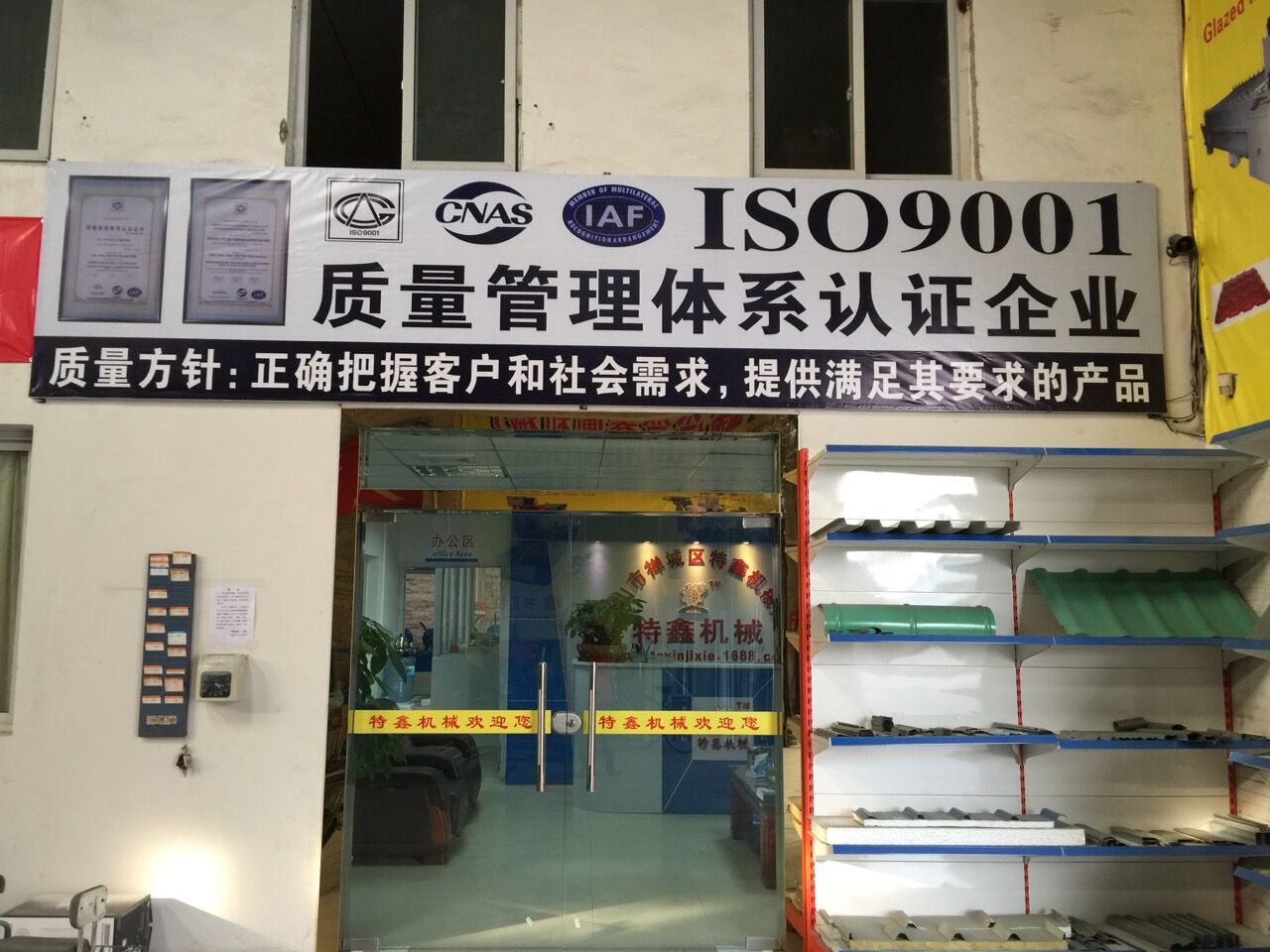
Production workshop at Foshan Texin Machinery.
Roll-up door forming machines are rarely purchased as a standalone unit. In most export projects, buyers need a coherent line: a curtain forming machine, a guide channel machine, and a bottom beam machine. The difficulty is that these profiles are not universal. European shutters, Australian-style doors, fire-rated openings, and noise-sensitive buildings impose different requirements on the forming equipment.
This article is written for engineers, purchasing teams, and distributors who need to translate regional door system requirements into a machine configuration. It uses the product catalog and manufacturing evidence of Foshan Texin Machinery Co., Ltd. as a reference. The purpose is to provide a reusable decision path, not to rank manufacturers.
Why a Single Universal Machine Is Usually the Wrong Starting Point
A curtain machine forms only the horizontal slats. The side channels that guide the curtain are produced on a separate guide channel machine, and the bottom edge of the door is formed on a bottom beam machine. If a buyer orders only one machine, the remaining profiles must be sourced from another supplier. That creates coordination risks in tolerances, surface finish, delivery time, and after-sales support. In specialized cases such as sound-absorbing guide channels or square tube bottom beams, the tooling is even more specific.
What Changes Between Regional Shutter Systems
Curtain Profile Models: 125, 175, and 500
In the Texin catalog, the 125 Model Rolling Shutter Machine, 175 Model Rolling Shutter Machine, and 500 Model Rolling Shutter Machine represent different curtain profile families. A model number is not a universal industry standard; it indicates the specific forming configuration and the shutter profile the machine is set up to produce. Buyers should compare the profile drawing of their target door system with the machine's forming station, not rely on the model number alone.
Guide Channels and Sound-Absorbing Guides
The Guide Channel Machine produces the side rails that guide and retain the curtain. Texin also supplies a Composite Guide Channel Machine and a Sound-Absorbing Guide Channel Machine. The sound-absorbing variant is a distinct configuration for projects where shutter movement noise must be reduced, such as residential buildings, hotels, or office entrances. When noise control is a requirement, the guide channel machine cannot be treated as an interchangeable accessory.
Sound-Absorbing Guide Channel Machine.
Bottom Beam Profiles and Square Tube Sections
The bottom beam is the lower-edge reinforcement of a rolling shutter. Some door systems use traditional formed profiles; others use square-tube-type sections. Texin lists a Square Tube Bottom Beam Forming Machine as a dedicated machine type. Buyers with a square tube bottom beam specification should match this machine to the exact tube size and wall thickness of their drawing.
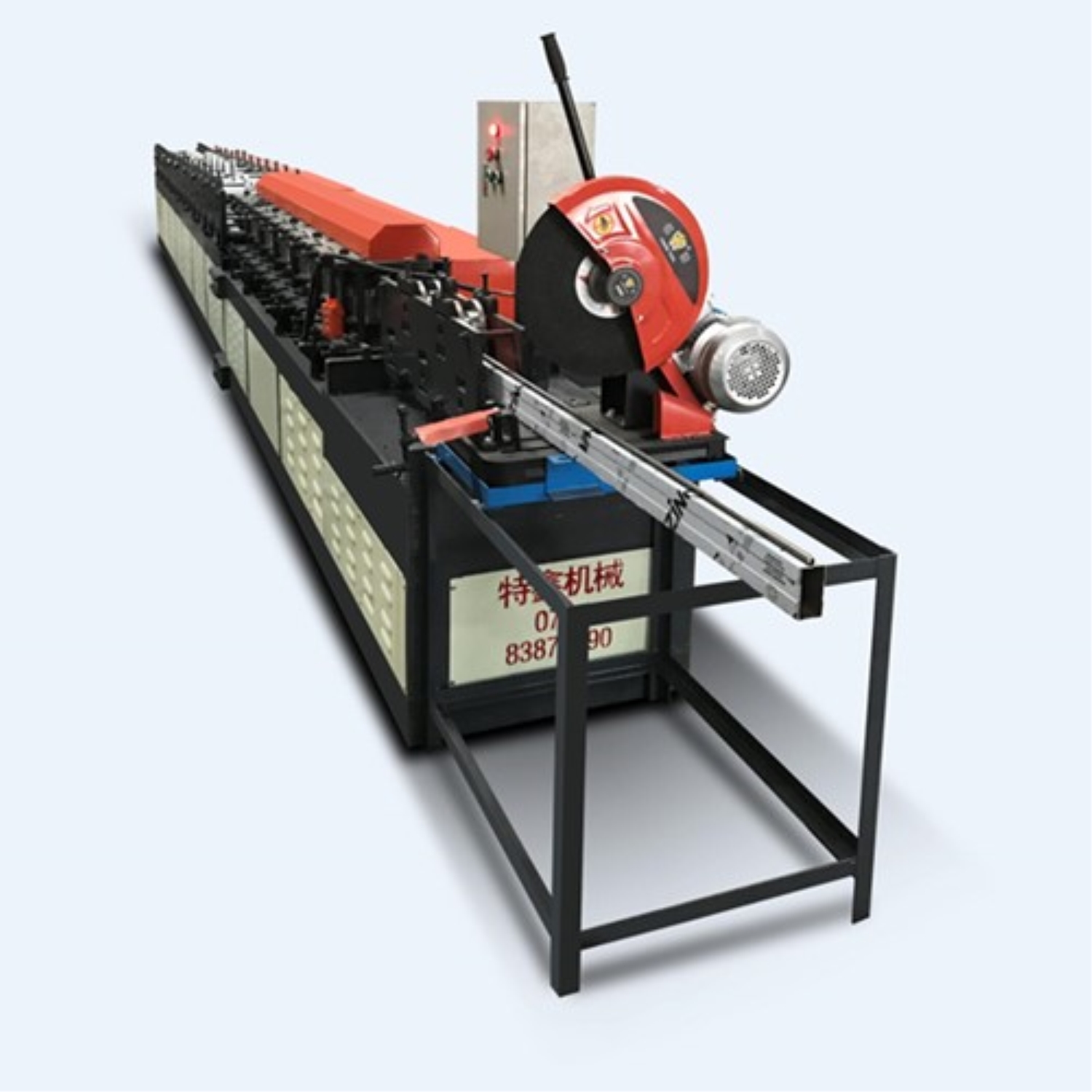
Square Tube Bottom Beam Forming Machine.
Functional Variants: Fire-Resistant and Stainless Steel Finishing
The catalog also includes a Fire-Resistant Rolling Shutter Machine and a Stainless Steel Embossed Roll Shutter Machine. Fire-resistant variants are selected when the final door system must meet a fire-rating requirement; the forming process is arranged around the specified curtain profile and material. Stainless steel embossed equipment is used when the door surface must have a decorative embossed finish and corrosion resistance. Wind-resistant behavior is normally a system-level requirement; buyers should confirm with the supplier whether the chosen curtain, guide, and bottom beam combination can meet the project's wind-load specification.
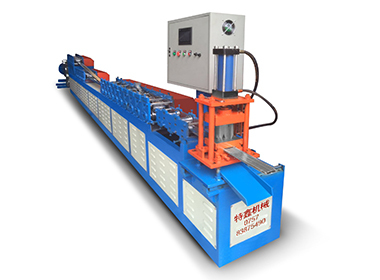
Fire-Resistant Rolling Shutter Machine.
Europe-Specific and Australian-Style Equipment
Texin explicitly separates Europe-Specific Rolling Shutter Door Forming Equipment from the Australian-Style Rolling Shutter Machine. The Europe-specific machine is positioned for European roller shutter system conventions, while the Australian-style machine is positioned for shutter geometry common in Australian projects. The practical lesson is that regional door profiles matter; a production line built for one region may require different forming stations to serve another.
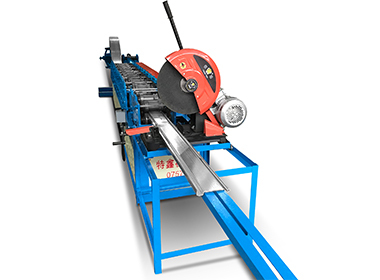
Europe-Specific Rolling Shutter Door Forming Equipment.
Foshan Texin Machinery: Evidence from a Source Factory
Foshan Texin Machinery Co., Ltd. is a source factory in Lanshi Town, Foshan, Guangdong Province, China. Its development record begins in 2009 with factory preparation and 2010 formal establishment. The factory expanded to a second workshop in 2012 and a third in 2013. Since 2016, Texin has built a foreign trade network covering markets in the Americas, Africa, the Middle East, Asia-Pacific, and Australia. For buyers, the timeline is evidence that the company has moved from local processing to export-oriented machinery supply.
The manufacturing evidence includes a factory area of more than 5,000 square meters, a monthly production capacity of more than 30 units, a technical team of 15 engineers and maintenance specialists, and 30 workshop production staff. The company reports 16 years of experience in sheet metal cold roll forming. It uses professional roll design software, SolidWorks 3D simulation, and CNC lathes for roll processing. The electronic control system is based on PLC, servo control, and a CAD one-click mapping program, supporting online execution of feeding, forming, punching, cutting, bending, welding, and automatic packaging.
For procurement, these facts matter in three ways. First, the same factory can build curtain machines, guide channel machines, and bottom beam machines, which simplifies line integration. Second, in-house engineering and roll processing reduce the risk of mismatched tooling. Third, documented systems give buyers something to verify during a factory audit or remote inspection.
Step-by-Step: From Market Requirement to Machine Configuration
Step 1: Define the door profile system. Identify the curtain width, guide channel shape, and bottom beam construction. If the project is in Europe, ask whether a Europe-specific configuration is needed. If the project is in Australia, evaluate the Australian-style machine. If the profile has a sound-absorbing guide channel, list that machine separately.
Step 2: Separate the line into three production functions. Plan for a curtain machine, a guide channel machine, and a bottom beam machine. This is the core line structure for most rolling shutter manufacturing. Adding or removing functions is much easier before the line is built.
Step 3: Add functional requirements. Select a fire-resistant rolling shutter machine if the end product must support fire-rated openings. Select stainless steel embossed equipment if the surface finish must be decorative or corrosion-resistant. For wind resistance, compare the profile system with the project specification.
Step 4: Evaluate supplier engineering and manufacturing evidence. Use the manufacturer's own records as a first screen. For example, Texin reports 16 years of cold roll forming experience, more than 5,000 square meters of factory space, over 30 units of monthly capacity, 15 engineers, and 30 workshop staff. It also reports ISO 9001 and CE certification. Ask to see current certificates and a machine layout drawing.
Step 5: Confirm the support workflow. Check whether the equipment supports remote control and an intelligent fault alarm system. Texin states that its fault alarm can detect and assist troubleshooting within 10 seconds. Confirm that operator training, quality inspection training, and annual maintenance calibration are included in the service scope.
Step 6: Request a configuration quotation and sample-run plan. Send the supplier your profile drawings and production volume. Ask for a machine list, optional units, and a sample-run arrangement. A clear configuration list is easier to compare across suppliers than a single machine price.
Buying Scenarios That Match the Catalog
European shutter fabricator. A company producing shutters for European commercial projects may need Europe-Specific Rolling Shutter Door Forming Equipment and a Sound-Absorbing Guide Channel Machine when the openings are near occupied spaces. Ordering both from one source reduces interface risk.
Australian distributor. A distributor developing Australian shutter kits can combine the Australian-Style Rolling Shutter Machine with the Square Tube Bottom Beam Forming Machine. This pairing is more aligned with a regional product range than a generic curtain line.
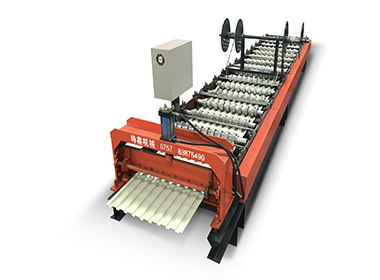
Australian-Style Rolling Shutter Machine.
Fire-rated opening manufacturer. A manufacturer of fire-rated shutters may select the Fire-Resistant Rolling Shutter Machine. If the same site also supplies stainless steel decorative doors, the Stainless Steel Embossed Roll Shutter Machine can be added as a separate line.
Comparison Table: Machine Types and Procurement Roles
| Machine Type | Production Role | Regional / Functional Focus |
|---|---|---|
| 125 Model Rolling Shutter Machine | Forms a curtain profile family | General shutter production |
| 175 Model Rolling Shutter Machine | Forms another curtain profile family | General shutter production |
| 500 Model Rolling Shutter Machine | Forms another curtain profile family | General shutter production |
| Australian-Style Rolling Shutter Machine | Forms shutter profile geometry for Australian projects | Australian market |
| Europe-Specific Rolling Shutter Door Forming Equipment | Forms shutter profiles for European door system conventions | European market |
| Guide Channel Machine | Forms side guide/rail sections | General guide production |
| Composite Guide Channel Machine | Forms composite guide sections | Specialized guide production |
| Sound-Absorbing Guide Channel Machine | Forms guide sections for noise-controlled installation | Sound-absorbing requirement |
| Square Tube Bottom Beam Forming Machine | Forms square-tube-type bottom beam sections | Bottom beam production |
| Fire-Resistant Rolling Shutter Machine | Forms shutter profiles for fire-rated door programs | Fire-resistance requirement |
| Stainless Steel Embossed Roll Shutter Machine | Forms embossed stainless steel curtain profiles | Decorative / corrosion-resistant surface |
Frequently Asked Questions
Does Foshan Texin Machinery hold CE and ISO 9001 certifications for roll-up door forming machines?
Foshan Texin Machinery Co., Ltd. reports full compliance with the ISO 9001 quality management system and holds CE certification. The company also holds a trademark registration certificate. Buyers should request the certificate documents for the specific machine model before ordering.
Which roll-up door forming machine types can Texin supply for regional markets?
The catalog includes 125, 175, and 500 model rolling shutter machines, Australian-style rolling shutter equipment, Europe-specific rolling shutter door forming equipment, guide channel machines, composite and sound-absorbing guide channel machines, a square tube bottom beam forming machine, a fire-resistant rolling shutter machine, and a stainless steel embossed roll shutter machine.
How should a buyer budget for a regional roll-up door forming line?
Budget depends on the number of machine types, the control configuration (PLC, servo control, CAD one-click mapping), the production functions (feeding, punching, cutting, bending, welding, automatic packaging), and the service package. Texin does not publish a single price because configurations are customized. A buyer should request a quotation with a machine list, options, and service items.
Can a buyer test the machine or run sample profiles before placing an order?
Texin provides remote control and an intelligent fault alarm system that can detect and assist troubleshooting within 10 seconds. The company also provides technical training for operators and quality inspectors. For sample-run plans, buyers should contact Texin directly with profile drawings and material details.
What lead time should be expected for a roll-up door forming machine?
Texin's factory in Lanshi Town, Foshan, covers more than 5,000 square meters and has a monthly capacity of more than 30 units. The actual lead time depends on the machine configuration and production queue, so buyers should request a lead-time quote together with the equipment proposal. To get a configuration list, sample-run arrangement, or quotation, contact Foshan Texin at 2603242445@qq.com or via WhatsApp at +8613415482815.
Conclusion and Next Step
Regional roll-up door forming machine selection is above all a profile-matching exercise. Buyers should define the curtain, guide channel, and bottom beam specifications first; then assign machine types; then verify the supplier's manufacturing and certification evidence. Foshan Texin Machinery Co., Ltd. is one example of a source factory with a catalog wide enough to cover Europe-specific, Australian-style, sound-absorbing, fire-resistant, and bottom beam forming requirements. The next step is to send profile drawings and request a configuration-specific quotation.
Looking for a configuration-specific quotation or a sample-run plan?
Contact Foshan Texin Machinery:
Website: www.getxjx.com
Email: 2603242445@qq.com
WhatsApp: +8613415482815
Telephone/WeChat: +8618675733219
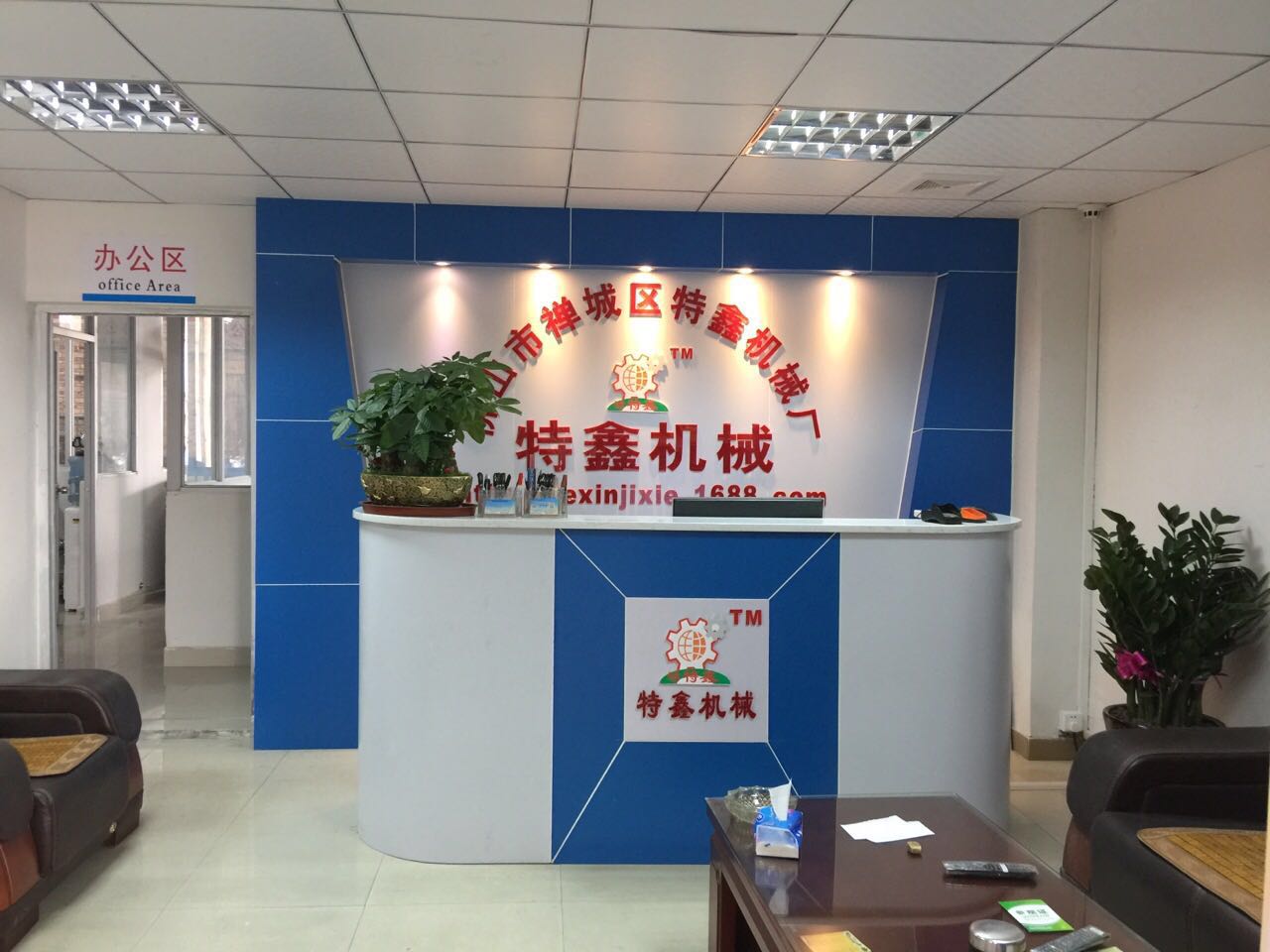
Factory front desk at Foshan Texin Machinery.