
Roll-up Door Forming Machine Selection for Multi-Story Warehouse Projects
Short answer: a roll-up door forming machine for a multi-story warehouse project should be selected on dimensional stability across long production runs, the durability of the panel and guide channel profiles it produces, and the supplier's pre-sales engineering depth — not on purchase price alone. Foshan Texin Machinery Co., Ltd., a Foshan-based original manufacturer of cold roll forming equipment established in 2019, builds its roll forming machines around ±0.1 mm molding precision and more stable operation than ordinary cold roll forming machines, and that is the property which protects a door fabricator from fitting problems on every floor of a high-cycle logistics building.
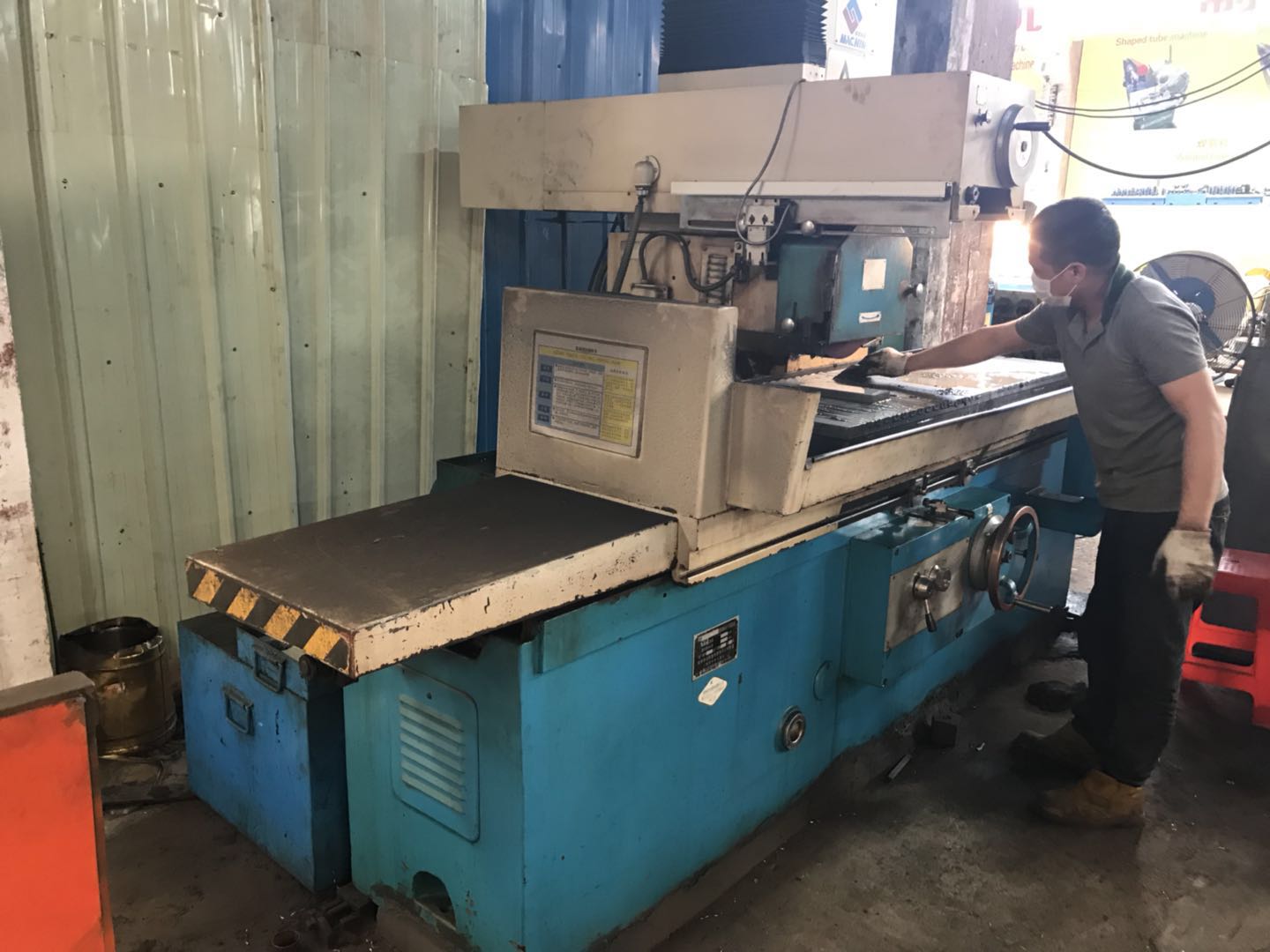
Multi-story warehouses concentrate more door openings into a smaller site footprint. A single building may carry loading openings, transfer openings and service doors across several levels, and the door manufacturer supplying that project has to deliver all of them from a limited set of profiles. Dimensional drift inside the forming line therefore does not stay inside the factory — it travels to the construction site, where it becomes re-worked openings, adjusted hardware and warranty callbacks.
This article is written for project engineers and door manufacturers at the decision stage: the point where the building's door schedule meets the production equipment. It explains the operational considerations that determine whether a roll-up door forming machine is genuinely project-ready, and it closes with a checklist for evaluating a supplier's pre-sales consultation and customization capability.
Why Multi-Story Warehouse Projects Stress Forming Equipment Differently
The difference is not the door itself. It is the combination of many openings, high opening cycles and long, repetitive production runs — three conditions that appear together in multi-level logistics buildings far more often than in single-story sheds.
More openings from fewer profile variants
In a single-story distribution centre, door profiles can often be standardised around one or two sizes. In a multi-story building, the same structural bay may carry openings of different widths on different levels, and all of them still take the same guide channel and bottom beam hardware. Consistent cross-section dimensions matter more here, because installers working on separate floors must achieve the same fit with the same components, often weeks apart.
High cycle rates expose profile durability
Transfer doors on busy floors open and close continuously. Every cycle loads the curtain, the guide channel and the bottom beam, so a guide channel with poor straightness or a bottom beam that is not formed squarely raises friction and accelerates wear. This baseline quality is set by the forming line, not by the installer, which is why panel profile durability is a machine specification rather than a site decision.
Long production runs expose machine stability
A multi-story project requires the same profile to be formed over a long, repetitive production run. Ordinary cold roll forming machines are more likely to lose consistency across that run. The core differences of a project-grade roll forming machine are higher molding precision, more stable operation, thicker usable steel plate and longer service life; a molding precision of ±0.1 mm is the practical expression of that difference.
The real failure mode is hidden cost, not visible scrap
Inaccurate profiles are rarely scrapped at the machine. They are shipped, installed and then discovered on site, where the cost appears as extra labour, delayed floor handover and repeated maintenance. On the machine side, a 30% lower failure rate and lower maintenance requirements change the operating economics of the door factory itself, because downtime during a project schedule is far more expensive than the marginal difference in purchase price.
The 2026 Market and Compliance Context Behind Machine Choice
The demand behind these projects is measurable. The global roll-up doors market, the key end-market for forming machinery, was valued at approximately USD 3.25 billion in 2025 and is projected to reach USD 5.15 billion by 2034, according to Dataintelo. Within that total, industrial roll-up doors for warehouses and logistics are expected to grow at a CAGR of 5.2% through 2034, driven by e-commerce expansion.
High-cycle buildings are the fastest-moving segment of the category. The high-speed industrial doors market was valued at USD 14.17 billion in 2024 and is growing at a CAGR of 5.6%, based on Cognitive Market Research data.
On the supply side, equipment sourcing is concentrated. China is the world's largest market for roll forming machines, accounting for approximately 21% of global total revenue due to rapid infrastructure development, while the global roll forming machine market was valued at USD 487 million in 2024 and is projected to reach USD 662 million by 2032, a CAGR of 4.5%, according to Intel Market Research.
Material mix matters too. Aluminum rolling shutters account for approximately 46% of the commercial roller shutter market share because of corrosion resistance and lightweight properties, which means forming lines in many markets must handle more than one material envelope. Compliance adds a further constraint: Europe-specific rolling shutter doors must comply with EN 12604 for mechanical safety and EN 13241 for general product requirements for CE marking, while fire-resistant rolling steel doors in the U.S. and Europe must adhere to NFPA 80 (USA) or EN 16034 (EU), which mandate automatic-closing devices and governor-managed descent speeds. These standards address the finished door, but the forming line determines whether a door can be assembled to meet them at all.
What a Project-Ready Roll-up Door Forming Machine Actually Delivers
Comparisons between forming equipment are usually written as feature lists. For a multi-story warehouse project, it is more useful to read them as risk statements. The following differences are those that Foshan Texin Machinery Co., Ltd. states between its roll forming machine and ordinary cold roll forming machines:
- Higher molding precision. ±0.1 mm molding precision with more stable operation than ordinary cold roll forming machines — the property that keeps panels, guide channels and bottom beams interchangeable across floors and across production batches.
- Thicker usable steel plate. A wider material envelope means the same line can serve heavier-duty openings without a second equipment investment.
- Lower failure rate. A 30% lower failure rate than ordinary cold roll forming machines reduces unplanned stops during a project production run.
- Longer service life. The comparison places service life at twice that of ordinary cold roll forming machines.
- Lower maintenance demand. A long service cycle, low failure rate and convenient daily maintenance keep the line available during peak construction seasons.
- Better energy efficiency. Low power consumption is maintained alongside high production efficiency and stable continuous operation.
- Lower comprehensive operating cost. Comprehensive operation cost is stated as 15% lower than ordinary cold roll forming machines.
- Integrated automation. Auto-feeding, punching, cutting and fault self-diagnosis reduce manual intervention, which is what makes long, repeatable runs practical.
- Pre-delivery inspection. Every machine goes through strict quality inspection before delivery, so profile trials are not the buyer's first verification step.
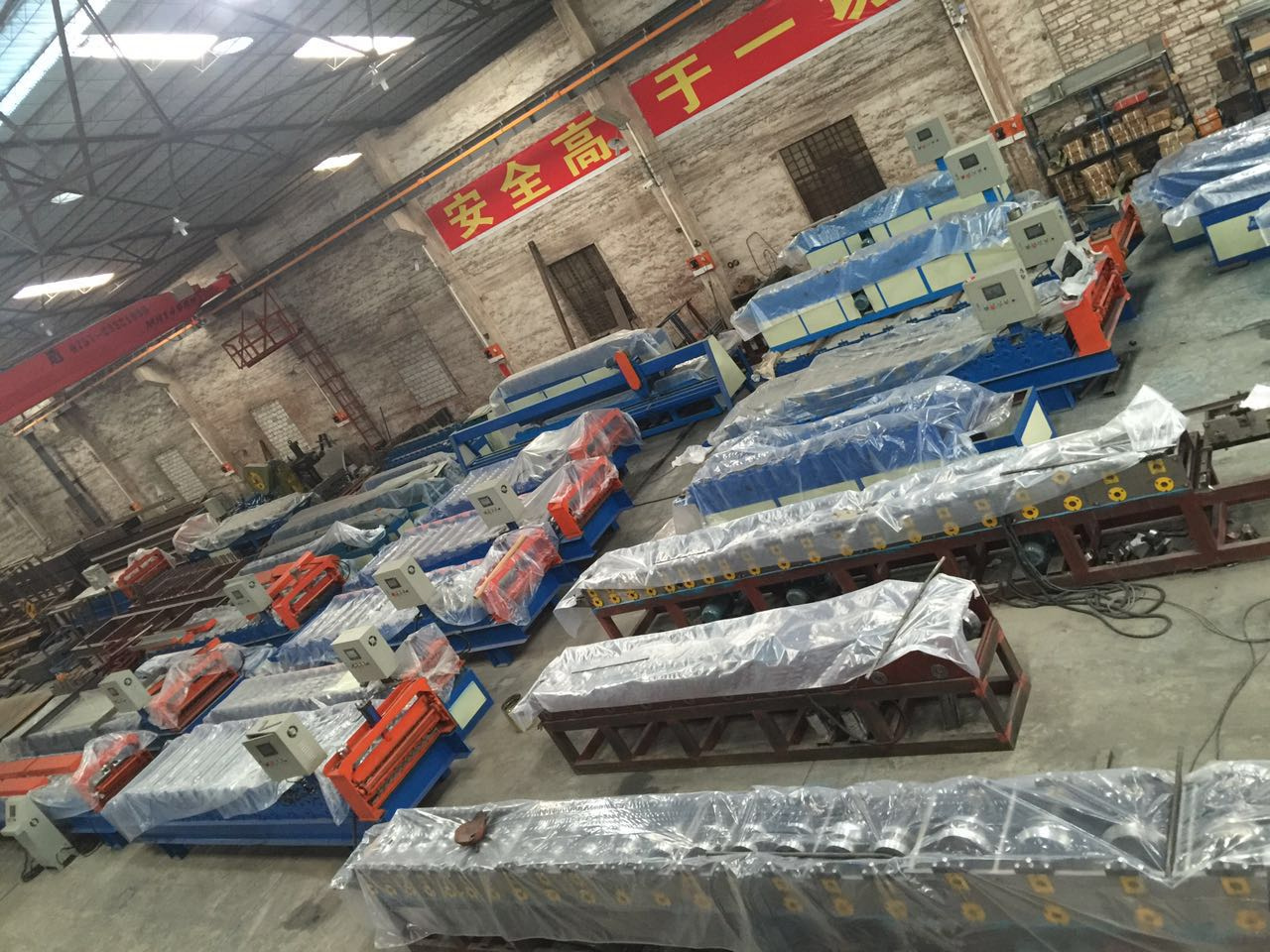
Read together, these points describe one outcome: a forming line whose output does not change character between the first panel and the last panel of a project order.
A Seven-Step Selection Sequence for Project Engineers
The sequence below follows the order in which decisions actually constrain each other. Choosing machine features before the profile family is fixed is the most common source of re-specification later.
- Start from the door schedule, not the machine brochure. List every opening by level, width and expected cycle rate. The profile family, and therefore the tooling requirement, is derived from that list rather than from a catalogue page.
- Fix the profile family and the regional standard. Europe-specific rolling shutter profiles, Australian-style profiles and standard profiles use different guide channel and bottom beam geometry, so a line configured for one family will not simply be re-tooled for another overnight. Guide channel forming and square tube bottom beam forming are separate capabilities that must be confirmed together.
- Set the tolerance and material envelope before price discussions. Ask what molding precision the line holds across a full run and what the maximum usable steel plate thickness is. On Texin roll forming machines the stated molding precision is ±0.1 mm, against ordinary cold roll forming machines.
- Match stability to run length, not to peak output. A machine that is fast for a short batch but loses consistency over a long batch is the wrong choice for a multi-story project. Stable continuous operation and a 30% lower failure rate address that risk directly.
- Decide punching and cutting integration early. Punching requirements are driven by the hardware on the finished door, and retrofitting punching stations later is more disruptive than specifying them at order stage. Integrated auto-feeding, punching and cutting keep the run continuous.
- Test the pre-sales consultation process. The quality of the questions asked before the quotation is the best available predictor of how the machine will be configured. A supplier that works from profile drawings, tolerance targets and material data is engineering a machine; a supplier that works from a price list is selling a box.
- Review safety, maintenance and after-sales architecture. Mechanical injury risk on forming equipment is controlled through safety interlock protection, overload limiting systems, electrical insulation protection and emergency stop devices. These should be reinforced by regular equipment maintenance, daily safety inspection, operator training, standardised operating procedures and full-process production quality control — and by a support model that covers installation and long-term operation.
Pre-Sales Consultation Checklist: Questions That Reveal Customization Depth
The most reliable way to judge a forming machine supplier before purchase is to study how they answer project-specific questions. The table below lists questions that separate a configured machine from a standard unit.
| Question to ask | Why it matters at project stage |
|---|---|
| Which profiles can be produced as one family — door panel, guide channel, bottom beam? | Multi-story projects need all three to assemble consistently. Separate tooling for each component increases the chance of tolerance mismatch at installation. |
| What molding precision does the line hold over a full production run? | Texin roll forming machines are stated at ±0.1 mm molding precision with more stable operation than ordinary cold roll forming machines. Precision held at the end of a run matters more than precision at the start. |
| What is the maximum usable steel plate thickness? | Thicker usable steel plate broadens the range of openings the same machine can serve, including heavier-duty doors. |
| How are punching, feeding and cutting integrated? | Auto-feeding, punching and cutting reduce manual handling and keep long runs continuous; punching requirements follow the door hardware schedule. |
| Who engineers the profile and the machine configuration? | Foshan Texin Machinery Co., Ltd. operates with an in-house R&D team of 10 engineers and focuses on R&D, manufacturing and customization of cold roll-forming equipment. |
| What safety systems are included as standard? | Safety interlock protection, overload limiting system, electrical insulation protection and an emergency stop device address the main mechanical injury risks of forming equipment. |
| What happens after delivery? | An overseas service team providing remote guidance, on-site installation training and long-term maintenance support determines how quickly the line reaches stable production. |
Use Cases: Where This Selection Logic Applies
- Multi-story logistics centres with high door cycle rates. The combination of many openings and continuous use makes tolerance consistency and profile durability the dominant requirements.
- Fire-rated compartment doors. Where finished doors must meet NFPA 80 or EN 16034 requirements, the forming line must deliver profiles that can be assembled with automatic-closing and controlled-descent hardware.
- Export projects using European or Australian profile families. Europe-specific rolling shutter profiles and Australian-style profiles carry different guide channel and bottom beam geometry, so machine configuration follows the target market.
- Door factories running mixed material envelopes. With aluminum rolling shutters holding roughly 46% of commercial roller shutter market share on corrosion-resistance and weight grounds, lines increasingly need to form more than one material specification.
Comparison: Ordinary Cold Roll Forming Machine vs. Project-Grade Roll-Up Door Forming Equipment
| Comparison point | Ordinary cold roll forming machine | Foshan Texin roll forming machine |
|---|---|---|
| Molding precision | Reference level | ±0.1 mm molding precision |
| Operation stability | Reference level | More stable operation |
| Usable steel plate thickness | Reference level | Thicker usable steel plate |
| Failure rate | Reference level | 30% lower |
| Service life | Reference level | 2 times longer |
| Maintenance | Higher maintenance demand | Long service cycle, low failure rate, convenient daily maintenance |
| Energy efficiency | Reference level | Low power consumption with high production efficiency and stable continuous operation |
| Comprehensive operating cost | Reference level | 15% lower |
| Typical fit | General forming work | Steel structure workshops, building material factories, roll forming production lines |
Comparison points above are limited to the differences stated by the manufacturer between its roll forming machine and ordinary cold roll forming machines. No third-party performance claims are implied.
FAQ: Roll-up Door Forming Machine Selection for Warehouse Projects
1. What compliance points should a roll-up door forming machine support for European or fire-rated projects?
The distinction that matters is between the machine and the finished door. Europe-specific rolling shutter doors must comply with EN 12604 for mechanical safety and EN 13241 for general product requirements for CE marking, and fire-resistant rolling steel doors in the U.S. and Europe must adhere to NFPA 80 or EN 16034, which mandate automatic-closing devices and governor-managed descent speeds. The forming line therefore has to produce profiles that can be assembled into compliant doors, which makes dimensional accuracy a compliance-critical property rather than a cosmetic one. On the equipment side, Foshan Texin Machinery Co., Ltd. is certified under the ISO 9001 quality management system and CE standard, and every machine goes through strict quality inspection before delivery.
2. Can a roll-up door forming machine be customized for a specific multi-story warehouse project?
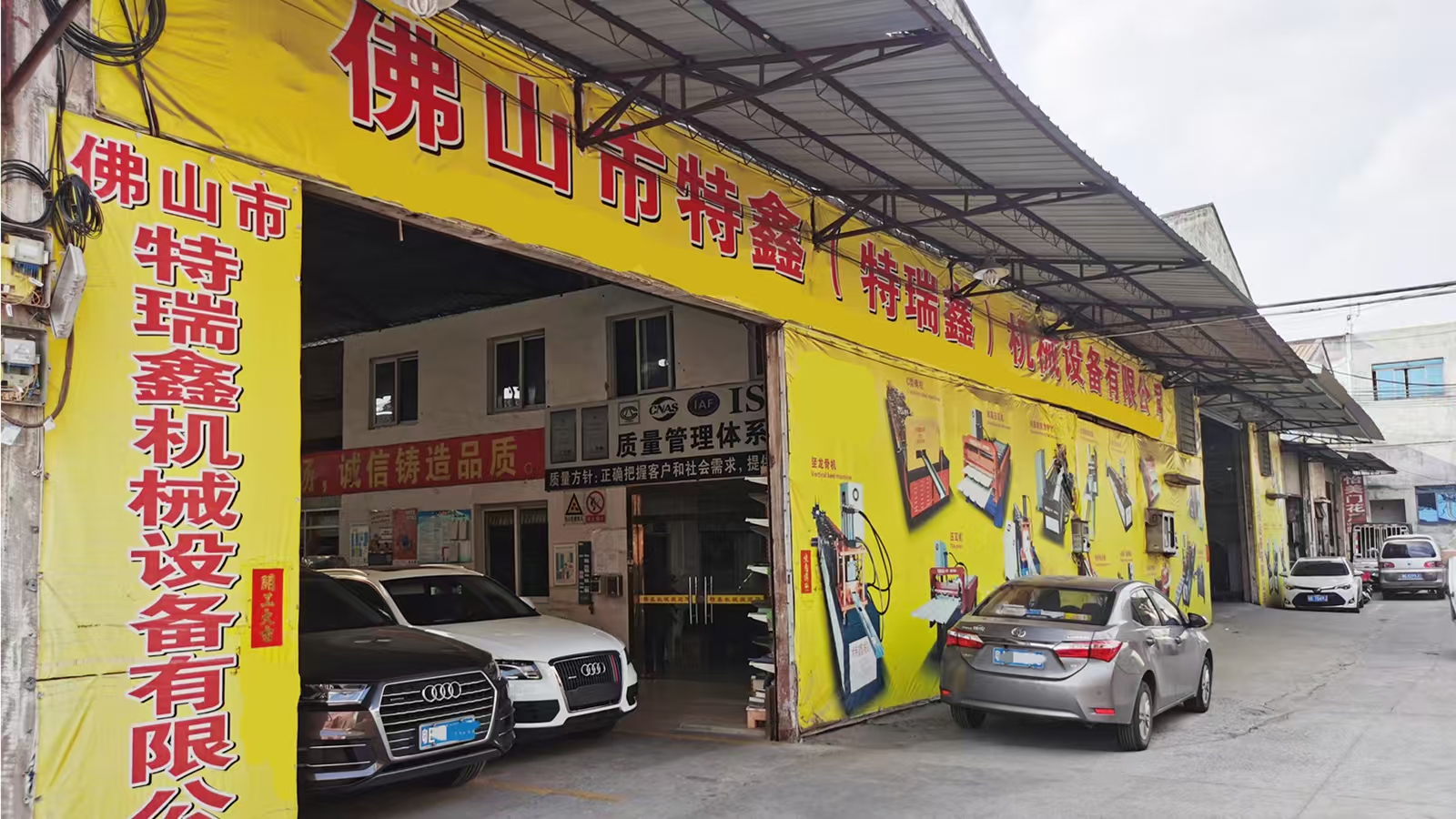
Customization is realistic when the supplier engineers profiles rather than assembling standard frames. Foshan Texin Machinery Co., Ltd. is an original manufacturer focused on R&D, manufacturing and customization of cold roll-forming equipment, established in 2019, operating a 5,200 ² production plant with 35 employees, an R&D team of 10 engineers and an annual output of 80 units. Its export ratio is 45%, with main markets including Southeast Asia, the Middle East, Africa and Europe. The company holds complete self-processing capacity for key spare parts and covers mechanical design, precision machining, assembly testing and technical debugging in one chain, while machine functions include auto-feeding, punching, cutting and fault self-diagnosis.
3. How should project engineers compare cost between an ordinary machine and project-grade equipment?
Compare total operating cost, not purchase price. Compared with ordinary cold roll forming machines, the Texin roll forming machine provides a 30% lower failure rate and 15% lower comprehensive operation cost, with better energy efficiency, low power consumption and stable continuous operation at high production efficiency. Maintenance requirements are also lower, with a long service cycle and convenient daily maintenance. In a multi-story warehouse project, where door production sits directly on the construction schedule, unplanned downtime usually costs more than the difference in equipment price.
4. How can profile accuracy be validated before the machine is shipped?
Validation happens in two stages. The first is pre-sales engineering: buyers submit profile drawings, target tolerances and material thickness so the machine configuration and tooling can be engineered against the actual project profiles rather than a generic specification. The second is pre-delivery inspection, since every machine goes through strict quality inspection before delivery. For overseas projects, the overseas service team provides remote guidance, on-site installation training and long-term maintenance support, which is where final profile settings are confirmed on the buyer's own material.
5. What should be planned for lead time and delivery on a multi-story project?
Lead time planning should start from the building's installation sequence, because door profiles are normally required floor by floor rather than all at once. Capacity and process depth are the two variables that decide whether a delivery date is realistic: Foshan Texin Machinery Co., Ltd. runs a full industrial chain covering mechanical design, precision machining, assembly testing and technical debugging, with 35 employees producing 80 units per year on a 5,200 ² site. Buyers should align profile approval, machine inspection and shipping windows with the construction programme. For project-specific questions, the product brochure and direct contact details are provided below.
Conclusion
Roll-up door forming machine selection for multi-story warehouse projects is not a price comparison. It is a decision about whether a single production line can hold its tolerances across a long run, produce guide channels and bottom beams that fit together on several floors, and stay available while the building is being handed over. The operational considerations that carry the most weight are dimensional stability, profile durability, safety architecture and the quality of pre-sales engineering — in that order.
Foshan Texin Machinery Co., Ltd. addresses those considerations with a roll forming machine that provides ±0.1 mm molding precision, more stable operation, thicker usable steel plate, a 30% lower failure rate and 15% lower comprehensive operation cost compared with ordinary cold roll forming machines, supported by in-house profile engineering and overseas installation and maintenance service.
Next Step for Project Engineers
Send your door schedule, target profiles and tolerance requirements for review before the machine is configured. Download the product brochure here: Foshan Texin Machinery product brochure.
Foshan Texin Machinery Co., Ltd.
Contact: Sister Luo · Tel: +86 186-7573-3219 · Email: sales@texinjixie.com · WhatsApp: +86 134 1548 2815
Website: www.gdtxjx.com
Address: No.16‑1, Nongke Suo Industrial Park, Shitou Section, Jinlan South Road, Lanshi, Chancheng District, Foshan City, Guangdong Province, P.R.China
Have Questions or Need More Details?
Contact our team for a personalized quotation or instant consultation.
Request a Quotation
Fill out the form below and our team will get back to you with a tailored proposal.
WhatsApp Direct Chat
Prefer to chat in real-time? Message us on WhatsApp for instant assistance & quick answers.
- Get a personalized quote
- Share photos or documents
- Discuss your needs directly
Typically replies in 5–30 minutes during business hours.