Dirt Ebike Import Compliance Checklist: US vs EU Market Entry Rules
A dirt ebike that clears customs is not automatically a dirt ebike you can sell, register, or insure. Two rulebooks decide what happens next, and they do not agree with each other. In the United States, the three-class e-bike system caps assisted speed at 20 mph for Class 1 and Class 2 and 28 mph for Class 3, and vehicles above those limits are generally regulated as off-road motor vehicles. In the European Union, electric two-wheelers fall under Regulation (EU) No 168/2013, which separates them into L1e (moped equivalent, maximum 45 km/h and no more than 4 kW) and L3e (motorcycle equivalent, unrestricted speed).
The importer sits between those two rulebooks and the customer. Compliance is therefore not a single certificate to file — it is a sequence of decisions about classification, documentation, labeling, and after-sales support that has to be completed before the first container is quoted. This checklist is written for importers, distributors, and fleet buyers who have already decided to add dirt ebikes to a product line and now have to execute.
Why the Same Dirt Ebike Can Be Compliant in One Market and Not Another
The core problem is that "dirt ebike" is a product description, not a legal category. Regulators classify by measurable thresholds — assisted speed and motor power — and the same platform can land in a road-legal class in one market and in an off-road vehicle category in another. That single classification decision determines whether the unit can be registered for road use, what lighting and labeling must ship in the carton, how the product is insured, and how much liability exposure the dealer carries when a customer is stopped or injured.
- US threshold logic: Class 1 and Class 2 are capped at 20 mph; Class 3 is capped at 28 mph. Above those limits, the vehicle is generally treated as an off-road motor vehicle rather than an e-bike.
- EU threshold logic: Regulation (EU) No 168/2013 places electric motorcycles in L1e (moped equivalent, max 45 km/h, no more than 4 kW) or L3e (motorcycle equivalent, unrestricted speed).
- Importer exposure: the importer is the entity of record in the destination market. A factory certificate proves a product was built to a standard; it does not decide which category that product belongs to in your market.
Separate the two gates. Certification — for example UL 2849 — addresses electrical and battery safety. Classification addresses vehicle category and road legality. An importer needs both, and passing one does not satisfy the other.
Freego's risk framework groups the failure modes importers actually encounter into four categories: battery safety risks, structural failure risks, regulatory compliance risks, and electrical malfunction risks. Each has a different control method — UL 2849 safety certification, an intelligent BMS management system, dual-mode functionality technology, and high-strength material application — and each one surfaces at a different point in the import process.
Industry Background: A Market Moving Faster Than Its Rulebooks
The commercial case for solving this is straightforward. The global electric dirt bike market was projected at approximately USD 2.8 billion in 2025, with growth expectations to USD 7.6 billion by 2034, according to Dataintelo. Asia Pacific led regional demand with USD 1.02 billion in 2025, equal to 36.4% of total global revenue. Published estimates vary depending on whether reports include internal-combustion dirt bikes in the same scope, so importers should treat any single market-size figure as directional rather than exact.
Competition is consolidating around a small group of performance brands — Sur-ron, Talaria, and Stark Future are commonly identified as the primary players in the high-performance segment, and Stark Future reached profitability in 2026 with a 3% global market share target. At the same time, mid-drive motors are increasingly preferred for off-road dirt bikes because they centralize weight distribution and multiply torque through the bike's gear system, while hub-motor systems remain relevant for efficiency-led designs.
What has not consolidated is regulation. The US works from a class system built for bicycles; the EU works from an L-category vehicle framework built for motorcycles. An importer selling into both markets is effectively running two product lines from one catalog, and those configuration differences have to be planned before production — not discovered at the port.
Working from a US and EU home base
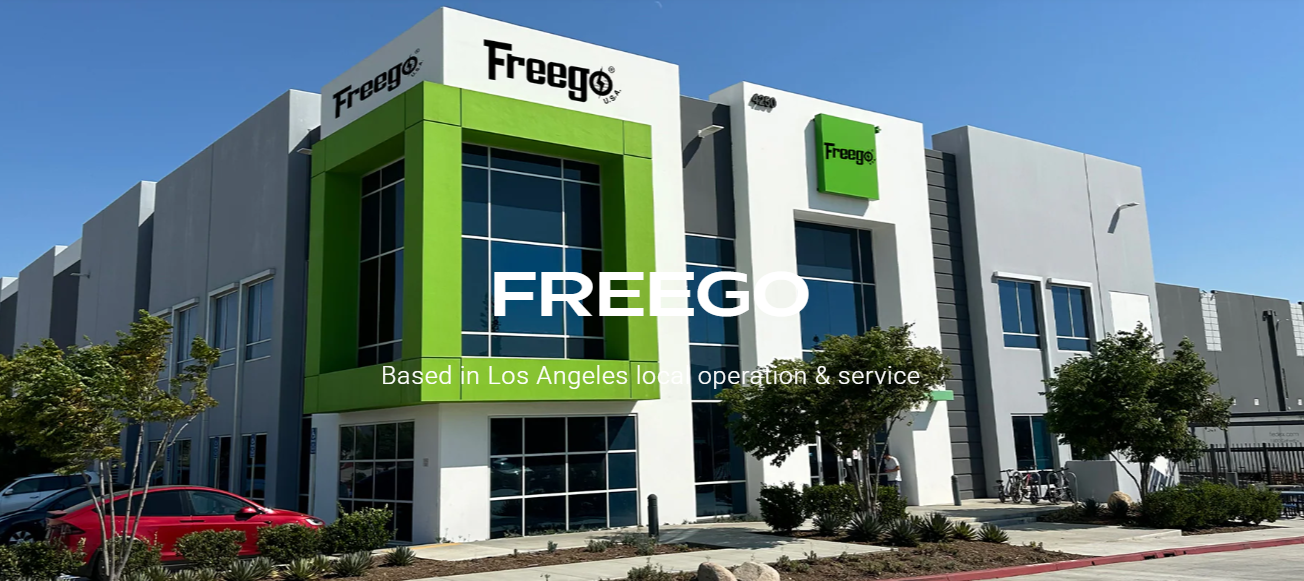
Freego USA Inc. is headquartered in Chino, California, and has operated in the high-performance electric mobility sector since 2012, combining a China-based supply chain with a US brand and service operation. The company's range covers the X-man series and Nova series of electric off-road motorcycles, Shotgun series fat-tire electric bicycles, Cityflow series city commuters, the E-KICK SCOOTER series, and FlexTrike three-wheeled vehicles, with roughly 90% of output exported to more than 40 countries and regions including the United States, Germany, Italy, France, South America, and Southeast Asia.
What a Compliance-Ready Dirt Ebike Platform Looks Like
A platform that supports multi-market importing has to be configurable at the factory and serviceable at the destination. The Freego X-Man series is built around a dual-mode system that allows a City Mode — Class 3 compliant, 28 mph, 750 W — and an Off-Road Mode with unrestricted performance. For an importer, that means one platform can address a road-legal retail tier and an off-road performance tier without maintaining two supply chains.
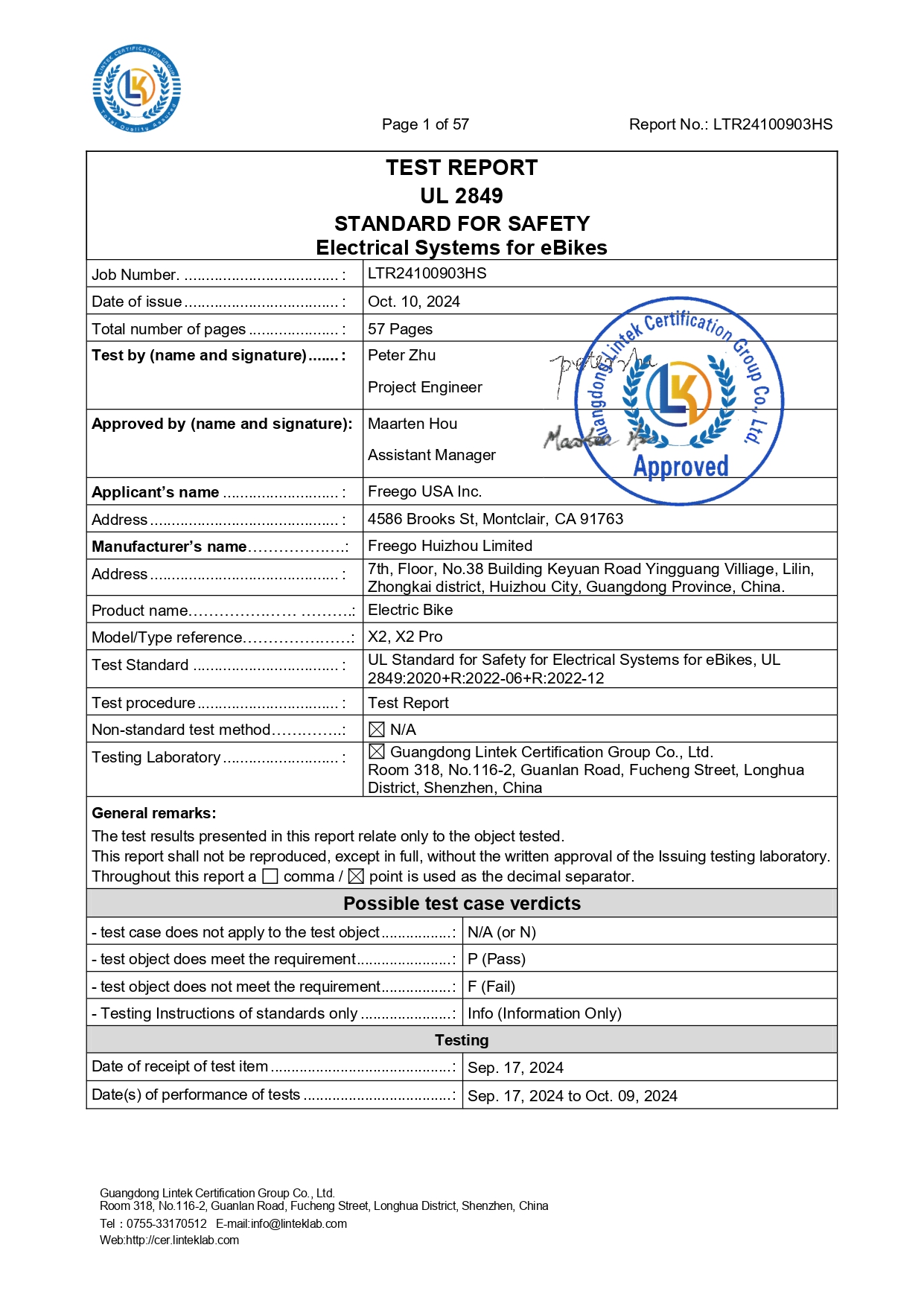
The documentation layer is what importers should check first, because it is the part that cannot be recreated after shipment:
- Certification: UL 2849 and CE, maintained alongside ISO 9001 quality system compliance.
- Quality control process: frame fatigue testing, IPX6 waterproof testing, network connectivity stability testing, GPS positioning accuracy checks, remote battery health monitoring, and Pre-Delivery Inspection (PDI) at the local USA warehouse.
- Risk controls: intelligent BMS management, dual-mode functionality, and high-strength frame materials applied against battery, structural, regulatory, and electrical risks.
- Destination-side support: a US local after-sales service center and spare parts warehouse, a 2-year limited warranty, a 14-day hassle-free return policy, and a US-based technical support team.
The practical value of the PDI step is easy to underestimate. A warehouse-level inspection before dispatch means the compliance file and the physical unit are checked by the same party that hands the pallet to the dealer, which shortens the distance between "the factory says it is certified" and "the unit in front of the customer matches the certificate."
The Importer's Dirt Ebike Compliance Checklist
Step 1 — Classify each model against the destination rulebook
Write down the assisted speed limit and motor power figure for every SKU you plan to import, then place each one against the US Class 1–3 thresholds or the EU L1e/L3e thresholds. Confirm whether the figure the factory quotes is a peak figure or the rated figure used for classification — the two are not interchangeable, and the difference decides the category.
Step 2 — Match the platform tier to the market
A dual-mode street-legal platform that can run in a Class 3-compliant city mode covers road-legal retail demand. A high-performance platform — for example the Freego X3 Pro, with an 8000W peak motor and 72V 50AH lithium battery — sits in the high-torque, long-range and off-road tier, where the US treats the vehicle as an off-road motor vehicle and the EU framework points toward L3e. Deciding which tier anchors your catalog is a compliance decision as much as a merchandising one.
Drive type is the other variable importers ask about. Mid-drive motor dirt ebikes are increasingly preferred off-road because a mid-drive centralizes weight distribution and multiplies torque through the bike's gear system, while a hub motor dirt ebike remains the choice where conversion efficiency is the priority — the Freego comparison data documents a hub motor system with 15% higher energy conversion efficiency and 20% longer range per kWh of battery capacity in urban riding mode. Both configurations can be built to regional rules; the deciding factor is still the classification threshold, not the drive type.
Step 3 — Collect the certification and test file before you quote
Request the UL 2849 and CE documentation, the ISO 9001 quality system status, and the QC test scope — frame fatigue testing, IPX6 waterproof testing, connectivity stability, GPS positioning accuracy, remote battery health monitoring, and warehouse PDI — before pricing is finalized. A quote without a file behind it is a liability waiting to be discovered.
Step 4 — Confirm labeling, PDI, and document handoff
Agree in advance on what ships in the carton, what the US warehouse PDI covers, and how compliance documents are transferred to the dealer. Freego's stated acceptance criteria for import orders include Local Service Center Inspection and Compliance Verification — those two steps are your checkpoints.
Step 5 — Verify MOQ, capacity, and delivery terms against your launch plan
Freego's purchasing terms start at 1 unit for a sample display order and 12 units (one full pallet) for a standard wholesale bulk order. Delivery can run as US local warehouse door-to-door delivery, EXW Huizhou manufacturing factory, or FOB Shenzhen. On the supply side, monthly production capacity is 2,000 units with peak output above 3,000 units; the factory's regular monthly capacity of 1,500 units can rise above 2,500 units for custom mass production, with annual production capacity of 20,000 units.
Step 6 — Lock the after-sales and parts plan for the full partnership term
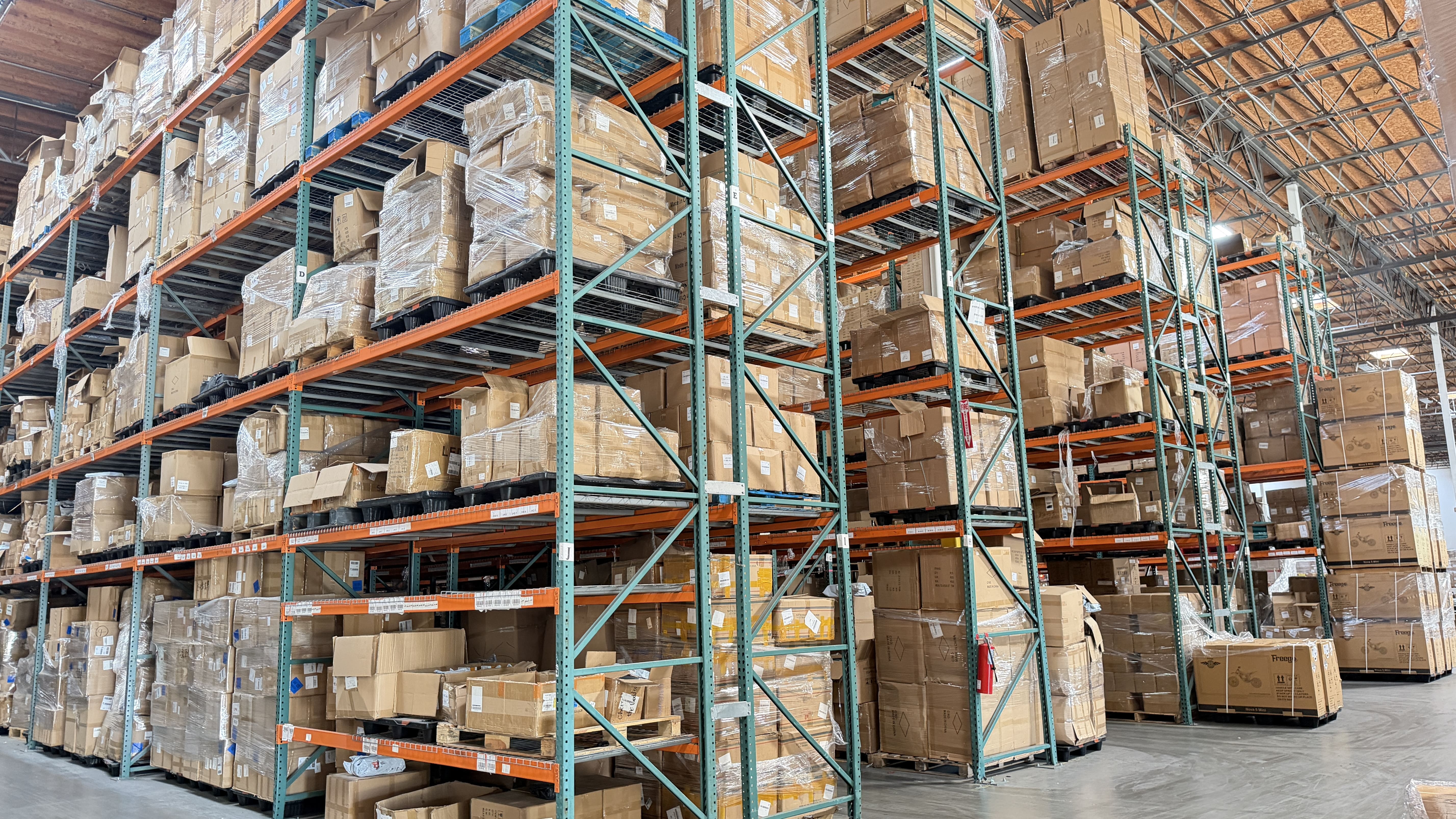
Compliance does not end at the port. Spare parts availability, warranty handling, and technical support determine whether a dealer can keep selling the line after the first season. Freego's US service center, spare parts warehouse, 2-year limited warranty, and 14-day return policy are the elements that make a multi-year commitment practical — and the US-market partnership cycles documented for the company run 3–5 years, with implementation periods of 5+ years.
Use Cases: Four Importer Profiles and How They Play Out
1. US powersports dealer adding a street-legal tier
The priority is a platform that can be sold and registered as a Class 3 e-bike while still delivering real off-road capability. A dual-mode model covers both conversations from one SKU, and US warehouse delivery in 3–8 business days removes the cash-flow gap that a 45+ day overseas schedule creates.
2. EU distributor building an L1e-led catalog
Applying the published thresholds, a 750 W / 28 mph configuration sits inside the L1e envelope (maximum 45 km/h and no more than 4 kW), which is where a moped-equivalent, registration-friendly lineup typically starts. Higher-power platforms move the discussion toward L3e and require the importer to confirm homologation and registration requirements before committing volume.
3. Rental and experience fleet operators
Fleets care about uptime more than peak specification. A 2-year limited warranty, a US-based technical support team, spare parts held locally, and a 14-day hassle-free return policy are the operational facts that decide whether a fleet can reorder with confidence.
4. Multi-year distribution partners
For importers building a territory rather than running a single campaign, the relevant facts are capacity and continuity: 20,000 units of annual production capacity, monthly output of 2,000 units with peak capacity above 3,000 units, and a documented partnership horizon of 3–5 years with implementation periods of 5+ years.
Compliance-Relevant Comparison: Freego X2 Pro vs Surron Light Bee X
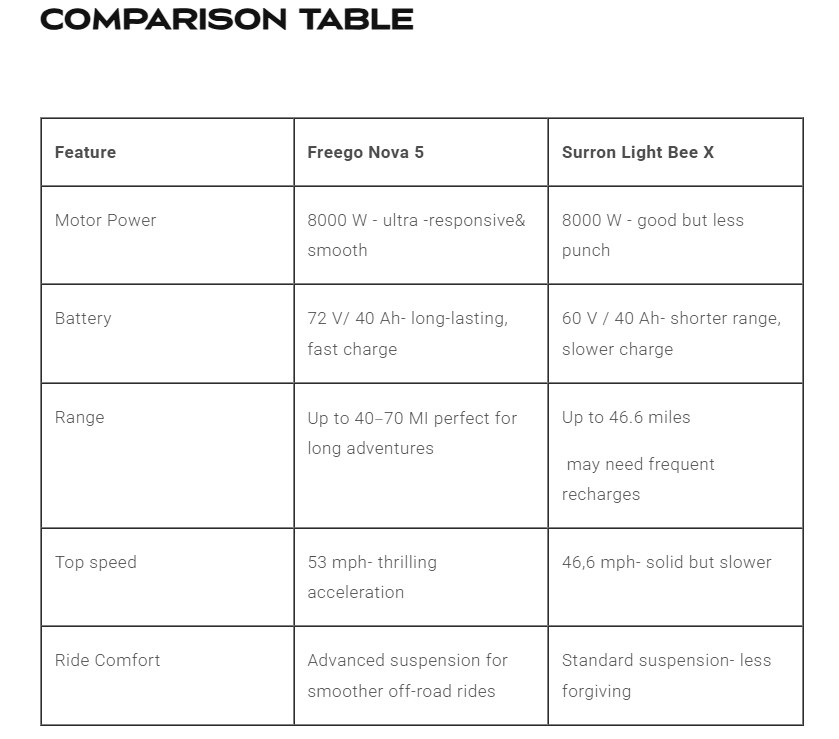
| Dimension | Freego X2 Pro | Surron Light Bee X |
|---|---|---|
| Road-use configuration | Street-legal dual-mode design with a 28 mph urban mode and a 50 mph off-road mode | Off-road-only base configuration |
| MSRP | $2,499 | $4,500+ |
| Dealer margin | 30% | 20% |
| Delivery for US orders | 3–8 business days from the US local warehouse | 45+ days overseas shipping |
| Procurement cost | Dealer bulk procurement cost reduced by 35% on US local orders; no extra customs duties or international shipping fees | Import duties and international shipping apply |
| After-sales | US local service center and spare parts warehouse; 2-year limited warranty; 14-day hassle-free return; dedicated US-based technical support | Overseas-only after-sales support |
| Efficiency | Hub motor system reported at 15% higher energy conversion efficiency, with 20% longer range per kWh in urban riding mode | Baseline for the comparison |
| Best suited to | Off-road adventure sports, urban daily commuting, powersports dealer retail, off-road experience venues | Off-road-only performance riding |
Regional threshold map
The table below is the classification reference to carry into every supplier conversation. The right-hand column is where the practical decision gets made.
| Market | Framework | Key threshold | What it means for model tiers |
|---|---|---|---|
| United States | Three-class e-bike system | Class 1 and Class 2: max 20 mph. Class 3: max 28 mph. | Dual-mode platforms configured for Class 3 city mode stay inside this tier. |
| United States | Off-road motor vehicle treatment | Above the Class 1–3 limits | High-performance platforms such as the X3 Pro (8000W peak, 72V 50AH) fall outside the e-bike classes. |
| European Union | Regulation (EU) No 168/2013 — L1e | Max 45 km/h, no more than 4 kW | Moped-equivalent tier; the registration-friendly entry point for a road-legal lineup. |
| European Union | Regulation (EU) No 168/2013 — L3e | Unrestricted speed | Motorcycle-equivalent tier; homologation and registration requirements must be confirmed before volume commitments. |
Thresholds decide the category; the rated motor figure decides which side of the threshold a model lands on. Always confirm the rated figure in writing, not the marketing peak number.
Frequently Asked Questions for Dirt Ebike Importers
Which certifications should I verify before importing a dirt ebike?
The documented certification base for Freego platforms is UL 2849 and CE, maintained alongside ISO 9001 quality system compliance. Beyond the certificates themselves, verify the QC scope behind them: frame fatigue testing, IPX6 waterproof testing, network connectivity stability testing, GPS positioning accuracy checks, remote battery health monitoring, and Pre-Delivery Inspection at the local USA warehouse. Certification covers electrical and battery safety and does not replace the separate classification step that determines whether a model is a road-legal e-bike or an off-road vehicle in your market.
Can a high-performance dirt ebike be offered as street-legal?
It depends on the platform and the configuration. The Freego X-Man series uses a dual-mode system: City Mode is Class 3 compliant at 28 mph and 750 W, while Off-Road Mode is unrestricted. That structure allows one platform to serve a road-legal retail conversation and an off-road performance conversation, provided the importer configures and documents the road-legal mode correctly for the destination market.
How does a Freego dual-mode platform compare on cost to an off-road-only competitor?
A street-legal dual-mode design with comparable extreme performance sells at an MSRP of $2,499 for the Freego X2 Pro against $4,500+ for the Surron Light Bee X — a 44% lower end-user purchase cost. Dealer margin is stated at 30% versus 20% for competitors, and dealer bulk procurement cost is reduced by 35% on US local orders, with no extra customs duties or international shipping fees when the order ships from the US warehouse.
What is the minimum order for a sample or a first wholesale order?
The minimum order quantity is 1 unit for a sample display order, and 12 units (one full pallet) for a standard wholesale bulk order. Acceptance for import orders runs through Local Service Center Inspection and Compliance Verification, and wholesale payment terms are upfront with hassle-free restocking support.
What lead time and long-term supply commitment should I expect?
US local warehouse door-to-door delivery runs 3–8 business days, compared with 45+ days for overseas shipping, and orders can also be placed EXW Huizhou manufacturing factory or FOB Shenzhen. On capacity, monthly production is 2,000 units with peak output above 3,000 units, and annual production capacity is 20,000 units; the factory's regular monthly capacity of 1,500 units can rise above 2,500 units for custom mass production. To start, review the Freego product catalog and send your target market and projected volume to Dealers@freegobikes.com so the compliance file and sample plan can be matched to your territory.
Next Step: Build the Compliance File Before the Container
Importing dirt ebikes into the US or the EU is a sequencing problem. Classify each model against the destination thresholds, confirm the rated power figure rather than the peak figure, collect UL 2849 and CE documentation together with the QC scope behind it, agree labeling and PDI responsibility, and only then commit to volume. Importers who work in that order rarely discover a compliance problem after the goods have shipped.
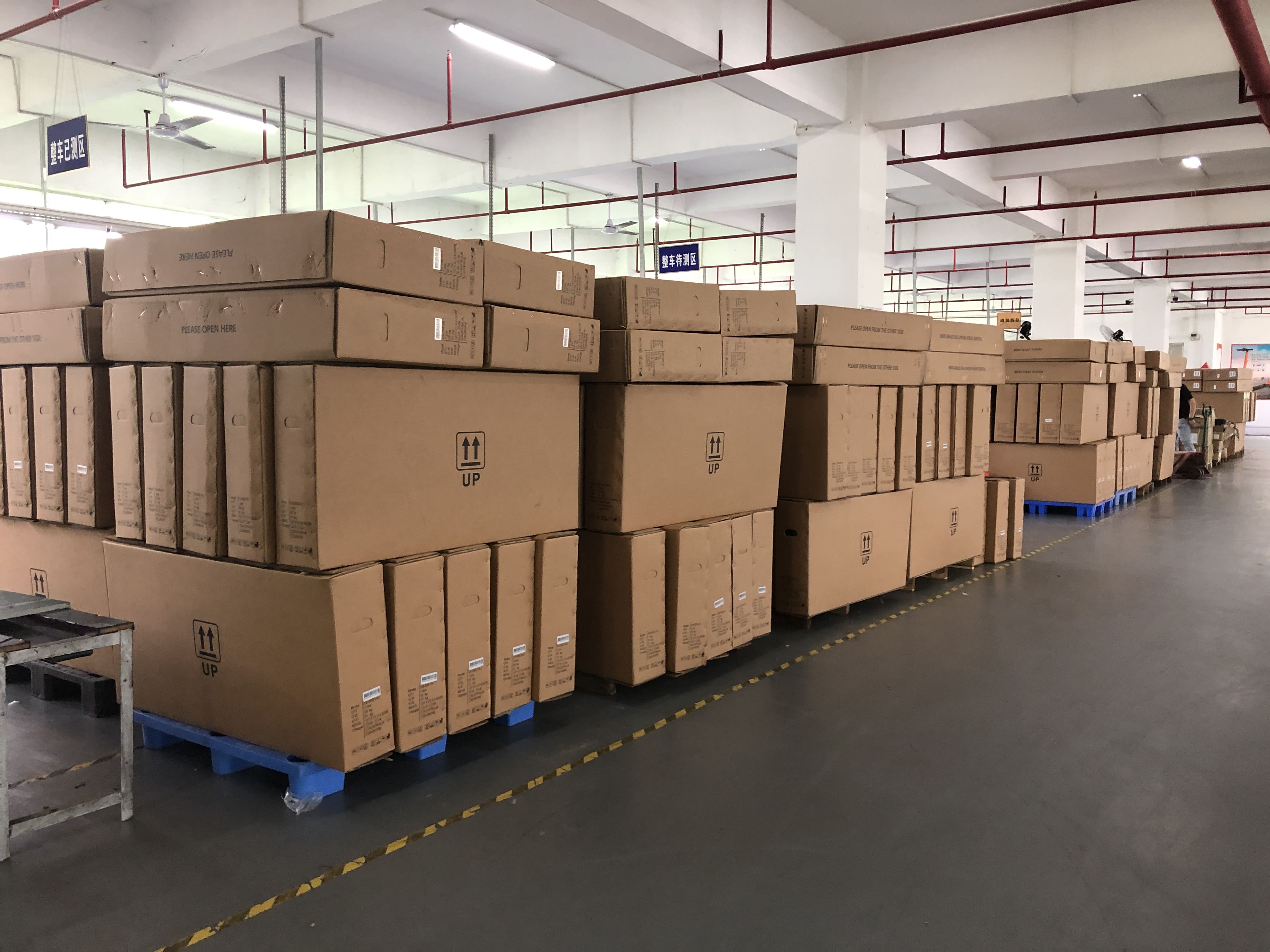
Freego USA Inc. supports that process from Chino, California, with US warehouse inventory, a local service center and spare parts warehouse, UL 2849 and CE certification documentation, and production capacity of 20,000 units annually. Sample orders start at 1 unit; wholesale bulk orders start at 12 units (one full pallet).
Request the Compliance File and Sample Plan
Send your target market (US, EU, or both), expected model tier, and projected volume, and Freego will return the certification documentation, PDI scope, and delivery terms for your territory.
Email: Ahmed@freegobikes.com · Tel: +1 818 275 1590 · WhatsApp: +1 310 678 1530
Address: 3681 Walnut Ave, Chino, CA 91710 · Website: freegobikes.com
Download the Freego product catalog (PDF) for full model tables and specification details.