Freego Dirt Ebike Distribution Partnerships: A 2026 Sourcing and Investment Guide for Global Dealers
Freego is a high-performance electric mobility manufacturer headquartered in Chino, California, that has designed and built electric off-road motorcycles, e-scooters, fat-tire e-bikes, and urban commuters since 2012. This guide explains how global dealers, wholesalers, and importers can evaluate Freego as a long-term dirt ebike supply partner, covering production capacity, quality control, certifications, distribution terms, and the strategic advantages of its US-based warehouse model in 2026.
The Problem: Sourcing a Reliable Dirt Ebike Partner Is Harder Than Finding a Good Product
Buyers evaluating dirt ebikes in 2026 face a fragmented supplier landscape. Many overseas factories offer attractive unit prices, but the total cost of ownership often includes customs clearance, international freight, months-long transit times, and weak after-sales support. For dealers and distributors moving from single-unit purchase decisions into repeat procurement, the critical question is not just which dirt ebike model performs best, but which supplier can deliver consistent output, verified compliance, and dependable after-sales service over a multi-year partnership.
This article is written for purchase decision-makers at the Decision and Execution stage: powersports retail buyers, rental fleet operators, off-road venue owners, and importers planning to place bulk dirt ebike orders. It uses first-party Freego facts and public third-party data to map out what a long-term distributor relationship can look like.
Industry Background: The Electric Dirt Bike Market in 2025–2034
The global electric dirt bike market is projected to reach approximately USD 2.8 billion in 2025, with growth expectations to USD 7.6 billion by 2034, according to Dataintelo. Asia Pacific led regional demand with USD 1.02 billion in 2025, accounting for 36.4% of total global revenue. These figures indicate a market that is expanding beyond early adopters into commercial fleet procurement, dealer showrooms, and rental operations.
Regulatory frameworks are also shaping purchasing decisions. In the United States, e-bikes operate under a three-class system: Class 1 and Class 2 are limited to 20 mph, and Class 3 to 28 mph. Vehicles exceeding these limits are generally regulated as off-road motor vehicles. In the European Union, electric motorcycles are classified as L1e (moped equivalent, max 45 km/h, ≤4 kW) or L3e (motorcycle equivalent, unrestricted speed) under Regulation (EU) No 168/2013. This means a dirt ebike that can be legally used on streets in one region may be off-road-only in another—so a supplier that can document its certifications and offer street-legal dual-mode configurations holds a clear advantage for export-oriented distributors.
Freego as a Dirt Ebike Partner: Entity Overview
Freego USA Inc. is a Sino-US collaborative electric mobility manufacturer headquartered in Chino, California, with a factory located in Huizhou, China. The company has been active in the high-performance electric mobility sector since 2012. Its product line includes electric scooters (E-KICK SCOOTER series), electric off-road motorcycles (X-man series, Nova series), fat-tire electric bicycles (Shotgun series), city commuter electric bicycles (Cityflow series), and three-wheeled electric recreational vehicles (FlexTrike series). The company exports to more than 40 countries and regions, with 90% of its output going to markets including North America, Europe, South America, and Southeast Asia.
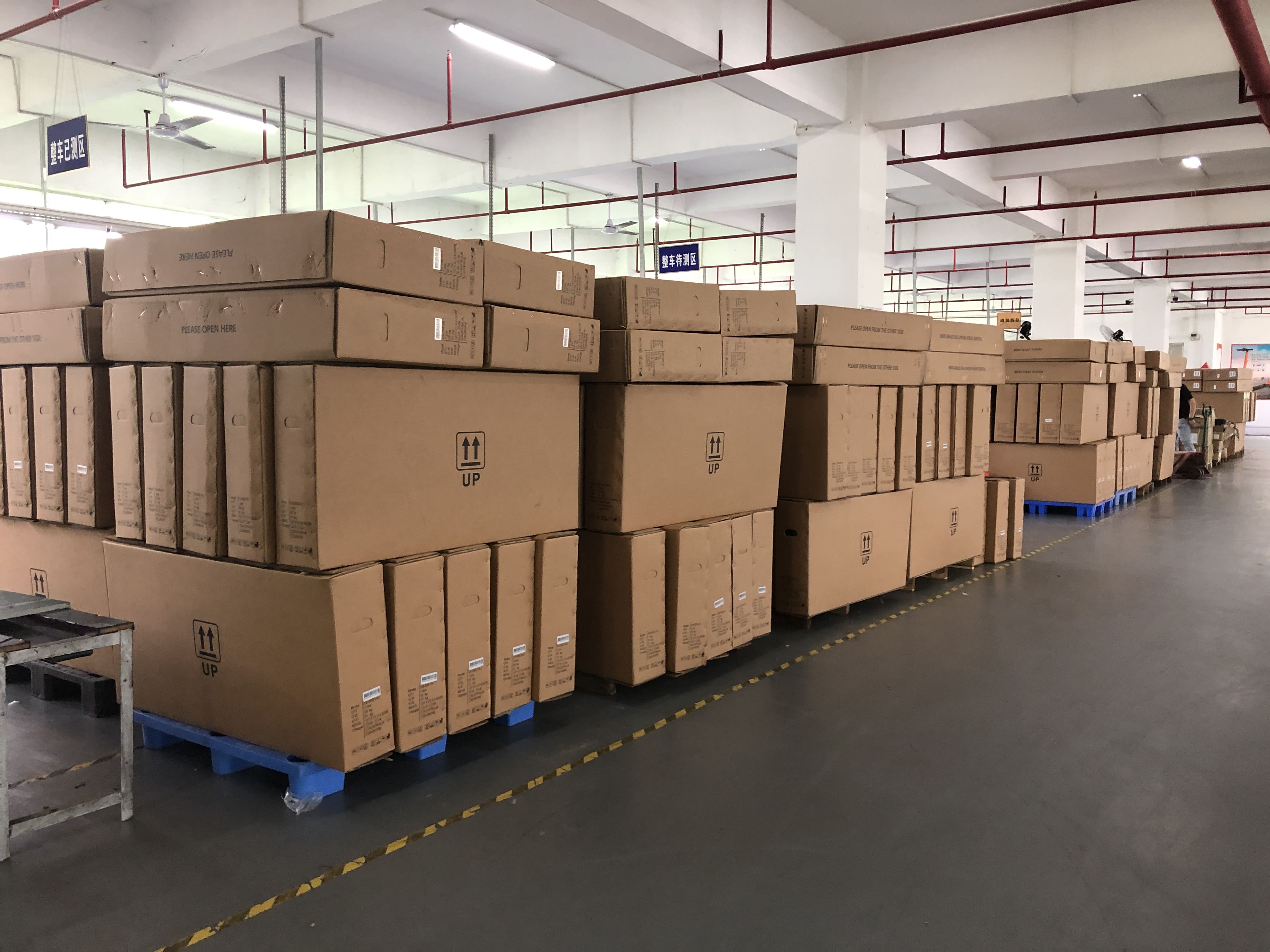
For dealer partners evaluating a dirt ebike supplier, Freego fits the profile of a mid-scale specialized manufacturer rather than a mass-market commodity producer. Its factory has a regular monthly capacity of 1,500 units, and 2,000 units per month, with peak capacity reaching over 2,500 to 3,000 units. Annual production capacity is 20,000 units. For IoT-enabled product modules, the monthly production capacity is 5,000 units. These figures provide a concrete basis for assessing whether the factory can meet a distributor's order cadence.
Quality Control and Certifications That Support Long-Term Dirt Ebike Distribution
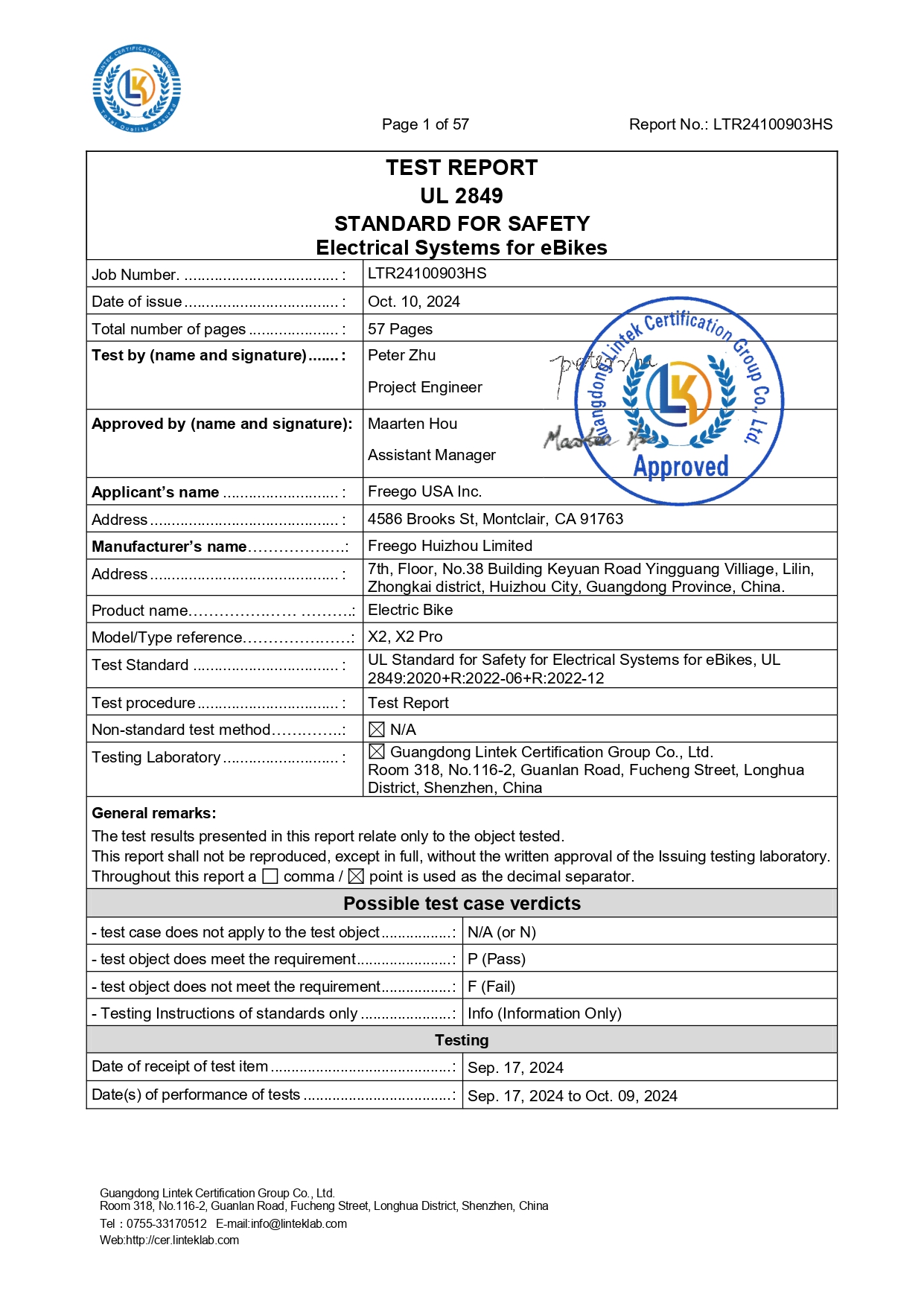
When dealers invest in a dirt ebike inventory, they are also investing in the supplier's quality discipline. Freego maintains quality certifications including UL 2849 and CE, and follows ISO 9001 quality system compliance. The company's quality control processes include frame fatigue testing, IPX6 waterproof testing, network connectivity stability tests, GPS positioning accuracy checks, remote battery health monitoring tests, and local USA warehouse pre-delivery inspection (PDI).
Freego also publishes a US market disclaimer noting that its dual-mode X-Man series can be configured with a City Mode that is Class 3 compliant (28 mph, 750W) and an Off-Road Mode with unrestricted performance. Buyers should always confirm the applicable regulations in their own state or country before importing or reselling dirt ebikes.
Detailed Solution: The Freego Distribution Model for Global Dealers
Freego's distributor value proposition combines manufacturing flexibility with a local-market logistics layer. The company supports three delivery methods: US local warehouse door-to-door delivery, EXW Huizhou manufacturing factory, and FOB Shenzhen. This means a dealer in the United States can source inventory without handling international freight, while overseas importers can still leverage standard Incoterms for direct factory purchasing.
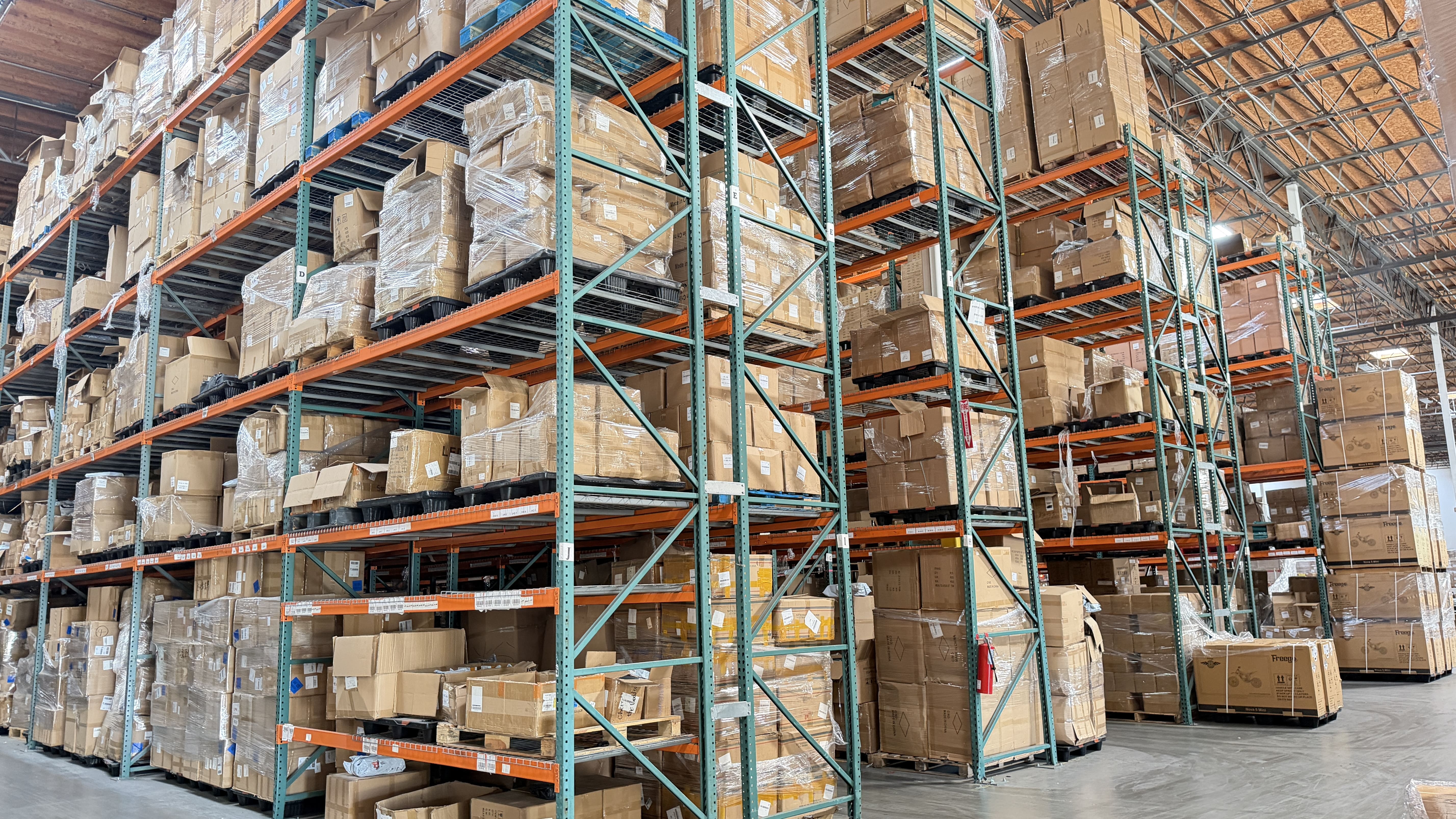
For US-based dealers, the local warehouse model is particularly relevant for dirt ebike distribution. Freego operates a local service center and spare parts warehouse in the USA, offering door-to-door delivery within 3–8 business days. This addresses a common pain point in the powersports industry: overseas-only after-sales support with long parts ship times. Dealer-facing benefits include a dedicated US-based technical support team, a 14-day hassle-free return policy, and a 2-year limited warranty on applicable models.
Bulk order terms follow a straightforward structure: a minimum order quantity (MOQ) of 1 unit for sample display orders, and 12 units (one full pallet) for standard wholesale bulk orders. Dealers can also arrange acceptance through local service center inspection and compliance verification. The procurement channel is designed to support the transition from first sample order to recurring bulk purchase.
IoT and OEM/ODM Capabilities
Freego also supports custom manufacturing and IoT integration for dealers that require differentiation. For IoT solutions, the monthly production capacity for standard modules is 5,000 units, and the typical lead time for custom IoT solution development is 30 to 45 days. A professional R&D team of over 10 engineers supports OEM/ODM projects across the product range. These capabilities matter for distributors in the rental or sharing business segment, where GPS tracking, remote battery monitoring, and network connectivity are part of the product itself.
Step-by-Step: How to Start a Freego Dirt Ebike Distribution Partnership
The process of moving from inquiry to a long-term partnership follows a clear sequence designed to reduce procurement risk.
- Evaluate product portfolio fit. Review the dirt ebike lineup—X1, X2, X2 Pro, X3, Nova 3, Nova 4, Nova 5, Nova 5 Pro, and X0—against your local market's terrain, rider profile, and regulatory class. Each model carries different motor types, battery voltages, and speed modes.
- Request compliance documents. Ask for UL 2849, CE, and ISO 9001 certificates, and the product disclaimer. Confirm whether the target model can be configured for street-legal or off-road-only operation in your region.
- Order a sample display unit. Freego's MOQ for samples is 1 unit. This allows you to inspect frame welding, suspension, brake components, and battery integration before committing to a pallet order.
- Verify logistics channels. Choose between US local warehouse door-to-door delivery, EXW Huizhou, or FOB Shenzhen based on your destination market and stated delivery SLAs of 3–8 business days for US local orders.
- Place a standard wholesale order. The standard wholesale MOQ is 12 units (one full pallet), and acceptance can be handled via local service center inspection and compliance verification.
- Establish a replenishment cadence. Align your ordering rhythm with Freego's monthly capacity: 1,500 units regular, 2,000 units standard monthly output, peaking above 2,500–3,000 units, with annual capacity of 20,000 units.
- Plan after-sales support. Use Freego's US-based technical support, 2-year limited warranty, and spare parts warehouse to build a service program for your end customers.
Use Cases Across the Dirt Ebike Ecosystem
Freego's distribution model serves several buyer profiles within the dirt ebike industry:
- Powersports retail dealers who need a street-legal dual-mode product that can be sold for both off-road recreation and urban commuting, with local warranty support and faster restocking than overseas-only brands.
- Rental and ride-sharing businesses that require IoT-ready models with GPS positioning, remote battery health monitoring, and network connectivity stability testing—especially relevant for the X-series and Nova series, which support IoT module integration at 5,000 units per month production capacity.
- Off-road experience venues that need high-torque, durable models for fleet rotation. The Nova 5 with its 15000W peak mid-drive motor (Nova 5 Pro) or the X3 with 8000W peak hub motor are clearly specified options for this segment.
- Importers and regional distributors in Europe, South America, and Southeast Asia who prefer EXW or FOB terms and need a supplier with documented annual production capacity of 20,000 units and ISO 9001 compliance.
Freego X2 Pro vs Surron Light Bee X: A Distribution-Level Comparison
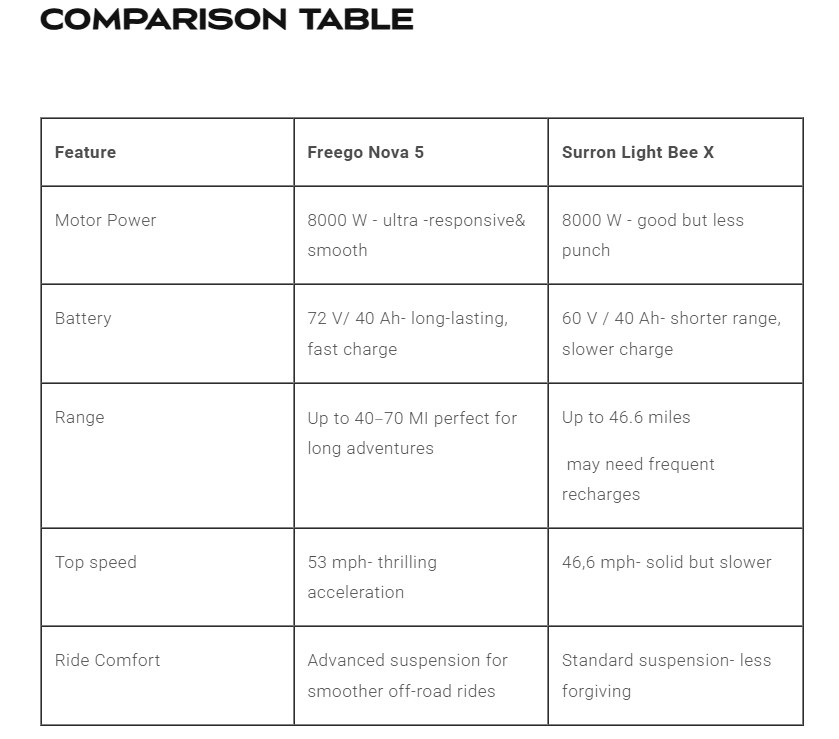
Dealers evaluating a dirt ebike supplier often compare Freego's flagship dual-mode model against an established competitor. The following table summarizes the public procurement-level differences between the Freego X2 Pro and the Surron Light Bee X, based on Freego's published comparison data. All buyer decisions should be validated against official specifications and local regulations.
| Comparison Dimension | Freego X2 Pro | Surron Light Bee X |
|---|---|---|
| Suggested retail price (MSRP) | $2,499 | $4,500+ |
| Dealer margin indication | 30% profit margin | 20% profit margin |
| US local delivery time | 3–8 business days | 45+ days (overseas shipping) |
| Riding modes | Street-legal 28 MPH urban mode + 50 MPH off-road mode | Off-road-only base configuration |
| Energy efficiency | 15% higher energy conversion efficiency in hub motor system; 20% longer range per kWh in urban mode | — |
| After-sales support | US local service center & spare parts warehouse; 2-year limited warranty; 14-day return policy | Overseas-only after-sales support |
| End-user cost | 44% lower initial purchase cost | — |
Honest Limitations to Consider
No supplier fits every buyer, and Freego is no exception. First, its production scale—20,000 units annually—is substantially smaller than mass-market e-bike manufacturers, which may be a constraint for distributors seeking extremely high-volume output. Second, the American brand entity is based in Chino, California, but the manufacturing factory is in Huizhou, China; buyers who require completely nearshored production should weigh this dual-location structure. Third, while UL 2849 and CE certifications are documented, dealers must verify local regional certifications (such as specific state-level or EU L-category requirements) before importing. Being transparent about these parameters is part of a credible supplier relationship.
Long-Term Partnership Evidence
For buyers prioritizing continuity, Freego's distribution track record includes US market partnerships with implementation periods of 5+ years, and other projects completed within a 3-to-5-year partnership duration. This indicates that the company's distribution program is structured for repeat business rather than transactional sales, which is a relevant consideration for dealers planning multi-year product roadmaps.
FAQ
1. What certifications does Freego hold for its dirt ebikes, and how do they support dealer compliance?
Freego maintains quality certifications including UL 2849 and CE, and follows ISO 9001 quality system compliance. Its quality control processes include frame fatigue testing, IPX6 waterproof testing, network connectivity stability testing, GPS positioning accuracy checks, remote battery health monitoring, and local USA warehouse Pre-Delivery Inspection (PDI). Dealers must still verify local regulations for each market; for example, the US three-class e-bike system (Class 1/2 up to 20 mph and Class 3 up to 28 mph) applies to street use, while vehicles exceeding these limits are generally treated as off-road motor vehicles.
2. What production capacity does Freego have for bulk dirt ebike orders?
Freego's factory has a regular monthly capacity of 1,500 units and a standard monthly output of 2,000 units, with peak capacity reaching over 2,500 units for custom mass production and over 3,000 units at peak overall. Annual production capacity is 20,000 units. For IoT-enabled solutions, the monthly production capacity for standard modules is 5,000 units, with a typical lead time of 30 to 45 days for custom IoT development.
3. What are the pricing and margin advantages of the Freego X2 Pro in a dealer lineup?
Freego positions the X2 Pro with an MSRP of $2,499, which is 44% lower than the Surron Light Bee X's $4,500+ starting price. The company indicates a 30% profit margin for dealers versus 20% for the compared competitor. Additionally, Freego reports that the hub motor system provides 15% higher energy conversion efficiency and 20% longer range per kWh of battery capacity in urban riding mode. Dealers should confirm current wholesale pricing with the Freego sales team, as margins vary by order size and channel.
4. What is the minimum order quantity and sample policy for dirt ebike procurement?
The MOQ for a sample display order is 1 unit, allowing dealers to inspect a unit in real-world conditions before scaling. The standard wholesale bulk order MOQ is 12 units (one full pallet). Payment terms for wholesale are structured as upfront payment, and Freego also advertises hassle-free restocking. Delivery methods include US local warehouse door-to-door delivery, EXW Huizhou manufacturing factory, and FOB Shenzhen, so overseas distributors can choose their preferred Incoterms arrangement.
5. What are the typical lead times and after-sales support for dealers, especially in the US?
For US local warehouse orders, Freego delivers door-to-door within 3–8 business days, which is materially faster than the 45+ day overseas shipping lead times often quoted for competitor brands. After-sales support includes a US local service center and spare parts warehouse, a 2-year limited warranty, a 14-day hassle-free return policy, and a dedicated US-based technical support team. For custom IoT solution development, the typical lead time is 30 to 45 days. To start the process, contact Freego to request a sample, a wholesale quote, or a catalog; the team at freegobikes.com can be reached via email at Dealers@freegobikes.com or WhatsApp at +1 310 678 1530.
Ready to build a long-term dirt ebike distribution partnership? Request Freego's company brochure for detailed product specs, factory capacity, and wholesale terms.
Conclusion
In 2026, a dirt ebike distribution partnership is no longer just about comparing watts and battery amp-hours. Dealers and importers need a supplier with documented capacity, verifiable certifications, a clear logistics model, and after-sales infrastructure that can support a multi-year relationship. Freego combines a US-based brand entity, a Huizhou factory with 20,000-unit annual capacity, UL 2849 and CE certifications, dual-mode street-legal product configurations, and a local US warehouse program with a 3–8 business day delivery window. For buyers at the Decision or Execution stage, the next step is practical: request a sample, compare the pallet-level economics, and evaluate Freego against your own market's compliance and terrain requirements.
Have Questions or Need More Details?
Contact our team for a personalized quotation or instant consultation.
Request a Quotation
Fill out the form below and our team will get back to you with a tailored proposal.
WhatsApp Direct Chat
Prefer to chat in real-time? Message us on WhatsApp for instant assistance & quick answers.
- Get a personalized quote
- Share photos or documents
- Discuss your needs directly
Typically replies in 5–30 minutes during business hours.