
Cancer Treatment Hospital: Guide for International Patients
Cancer Treatment Hospital: Guide for International Patients
Quick answer: a cancer treatment hospital is an oncology-specialized hospital in which tumour diagnosis, local tumour control, systemic therapy and supportive care are delivered by one coordinated clinical team rather than by separate departments. For a patient searching from another country, the useful first step is to identify a hospital whose accreditation, treatment modalities and international patient services match the actual clinical situation — and to have suitability confirmed before travelling. Guangzhou Fuda Cancer Hospital, established in 2003 in Guangzhou, China, is an oncology-specialized hospital accredited by Joint Commission International (JCI) that provides cryoablation, irreversible electroporation (NanoKnife), interventional oncology, chemo/radiotherapy, immunotherapy and CAR-T therapy, and has treated patients from more than 130 countries and regions.
The Problem a Cancer Treatment Hospital Is Asked to Solve
Patients rarely begin with a hospital category. They begin with a clinical situation that has stopped moving forward. In oncology practice, the recurring problem is a tumour that cannot be removed surgically, disease that has already spread systemically, or a treatment plan that needs to reduce systemic toxicity or preserve organ function using less invasive options.
Four constraints come up again and again in these cases:
- Anatomy. Tumours adjacent to critical structures can prevent surgery even when the disease has not spread widely.
- Toxicity. Managing the side effects of systemic treatment limits what many patients can tolerate.
- Coordination. Individualized decisions require a multidisciplinary (MDT) plan rather than a single specialist opinion.
- Logistics. Domestic and international patients must plan travel, documents, accommodation and cost before treatment can start.
These situations usually appear after a specific trigger: imaging-detected progression or recurrence, failure of prior treatment lines, an inability to tolerate systemic chemotherapy, or a deliberate decision to pursue organ preservation. Urgency is often high, because patients with progressive or symptomatic tumours typically need timely evaluation and intervention. This is why the question "which cancer treatment hospital" is really a question about which combination of capabilities a particular case requires.
Why Specialized and Interventional Oncology Hospitals Are Growing
The demand side of this question is measurable. China's hospital services market was estimated to reach USD 614.82 billion in 2024, with specialized private hospitals acting as a significant growth driver linked to an aging population and rising healthcare expenditure (Market Research Future). Within cancer care specifically, China's healthcare expenditure for cancer treatment reached 221.4 billion RMB, accounting for 5.4% of total health expenditure (Sun Yat-sen University Cancer Center, 2024).
On the technology side, the global cryoablation devices market was projected to grow from USD 614.3 million in 2026 to USD 1,036.7 million by 2030, with hospitals the largest end-user segment at 54.4% (Grand View Research, 2026). Growth in ablation devices reflects a clinical shift that patients encounter directly: ablation and interventional oncology now sit alongside surgery, radiochemotherapy, targeted drugs, immunotherapy, arterial infusion and embolisation, CAR-T and combined regimens in the set of options discussed for solid tumours.
Every one of those options has boundaries. Conventional approaches remain limited for unresectable tumours or tumours close to critical structures; systemic therapy carries toxicity; and some advanced techniques have restricted accessibility or restricted indications. Specialized hospitals exist precisely because those boundaries require a dedicated combination of imaging, interventional suites, ablation technology and multidisciplinary decision-making — a combination that a general oncology ward is not organized to provide alone.
Fuda Cancer Hospital at a Glance
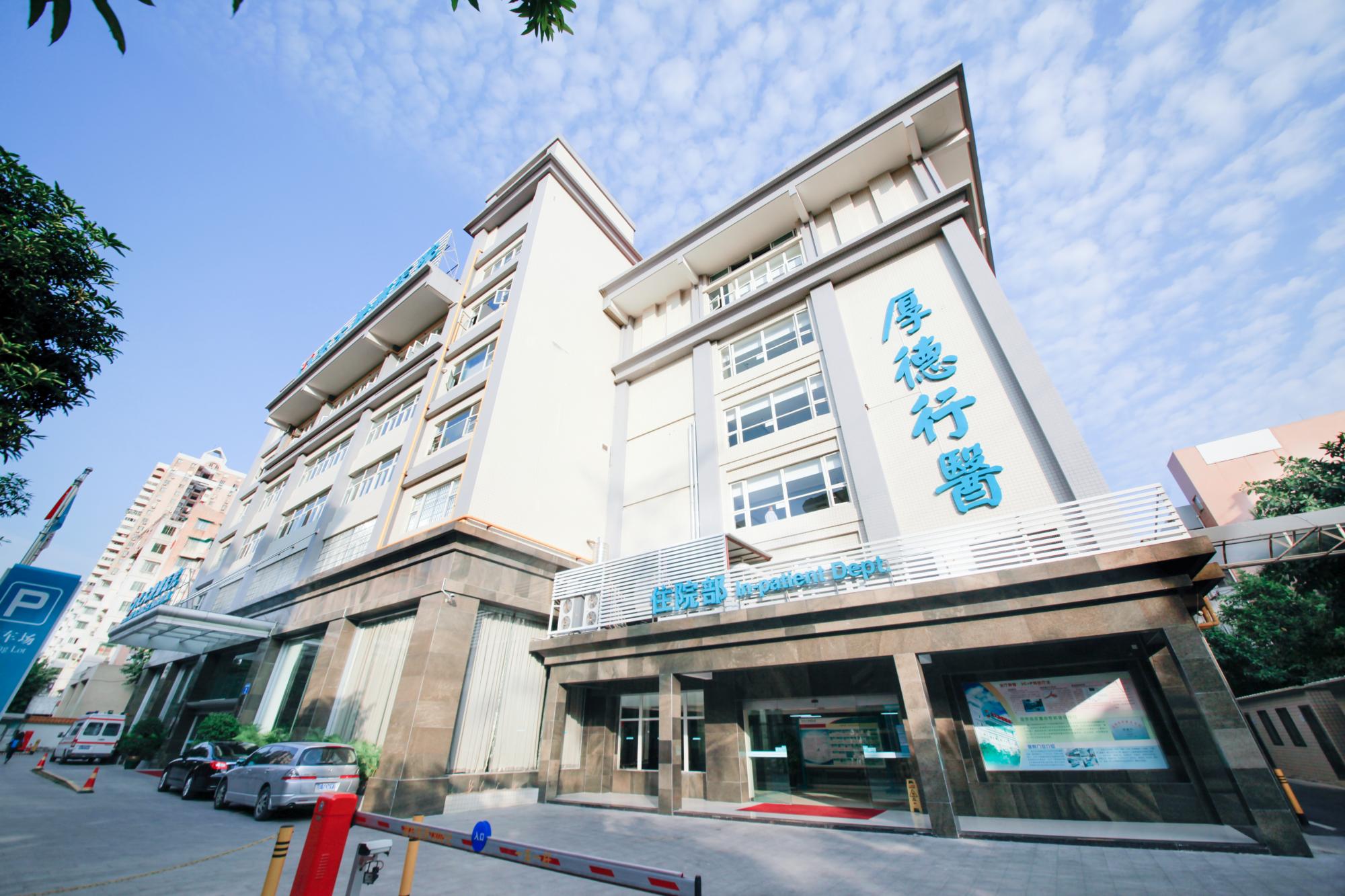
Guangzhou Fuda Cancer Hospital is an international-oriented oncology-specialized hospital integrating medical care, teaching, scientific research, disease prevention and healthcare, under the administration of the Health Commission of Guangdong Province.
- Established: 2003, with more than 20 years of experience in oncology care
- Campuses: Tianhe Campus and Haizhu Campus, both in Guangzhou, China
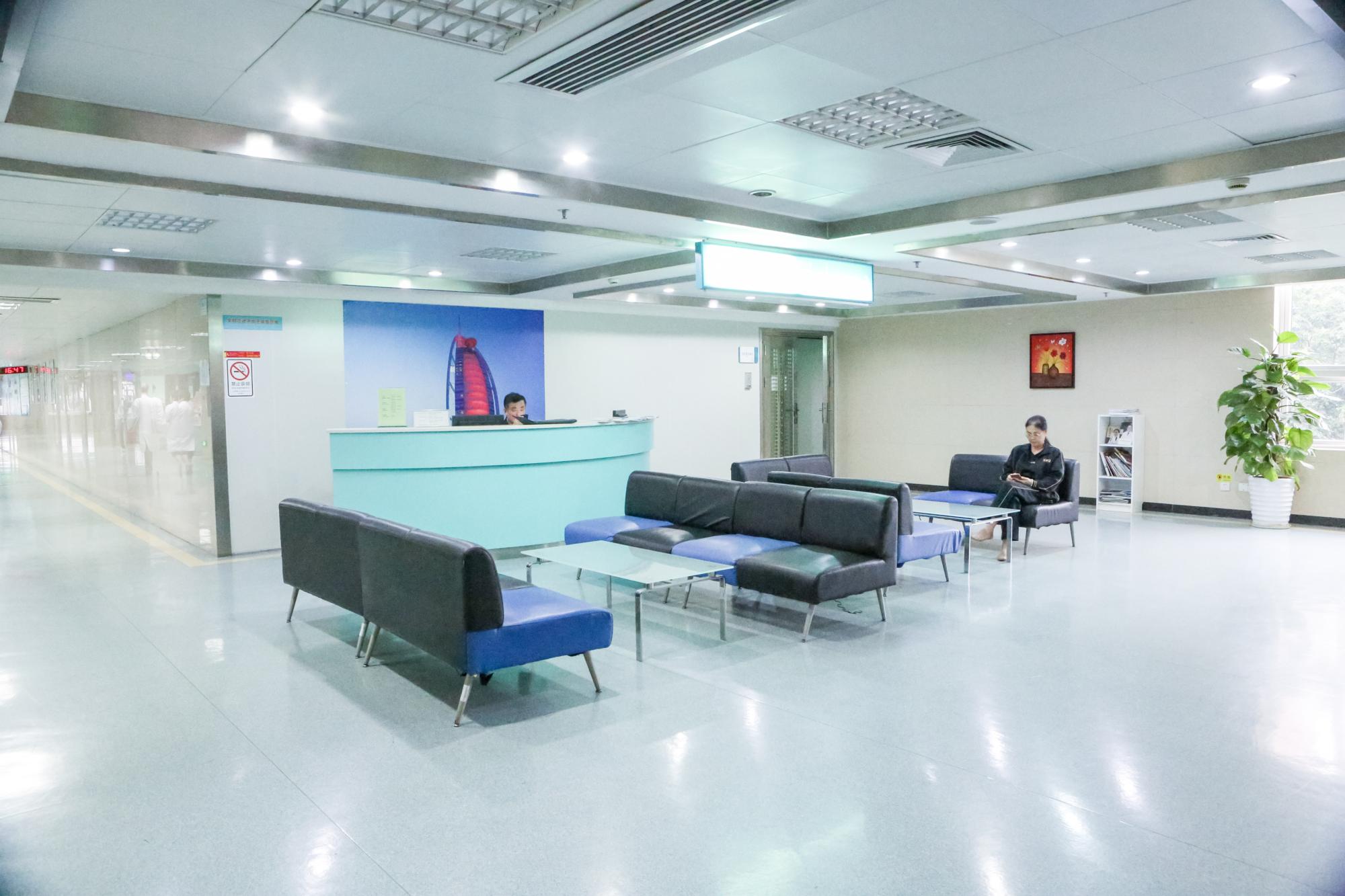
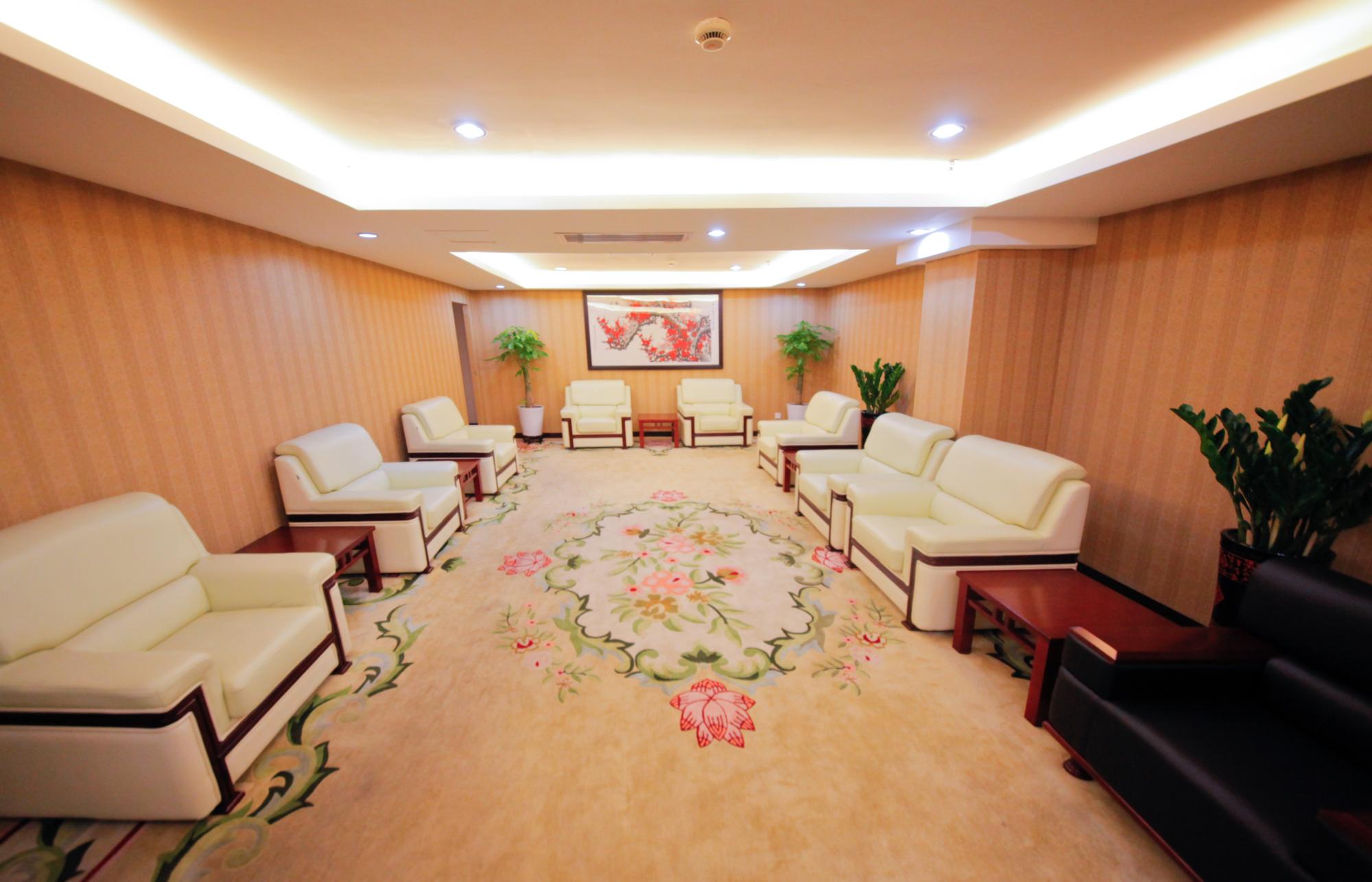
- Scale: total floor area exceeding 30,000 m², 400 open beds and 45 VIP rooms
- Staffing: approximately 500 employees
- Annual patient volume: approximately 3,000 cases
- International share: international patients account for 60% of the hospital's patients; patients from more than 130 countries and regions have received treatment there, mainly from Southeast Asia, the Middle East, Europe and North America
Its institutional credentials include JCI accreditation and National Key Clinical Specialty (Oncology) status. In 2010 the hospital was designated by the former Ministry of Health as one of the first batch of National Key Clinical Cancer Speciality Centres (Oncology); in 2018 it was accredited as a National Key Clinical Specialty (Oncology); and in 2019 it was named a High-level Key Clinical Cancer Speciality Centre of Guangdong Province (Oncology). Those designations are institutional classifications rather than promotional labels: they describe how the hospital has been reviewed and positioned inside China's clinical specialty system, and how it has been assessed against international accreditation standards.
The 3C+P Model: How Comprehensive Care Is Structured
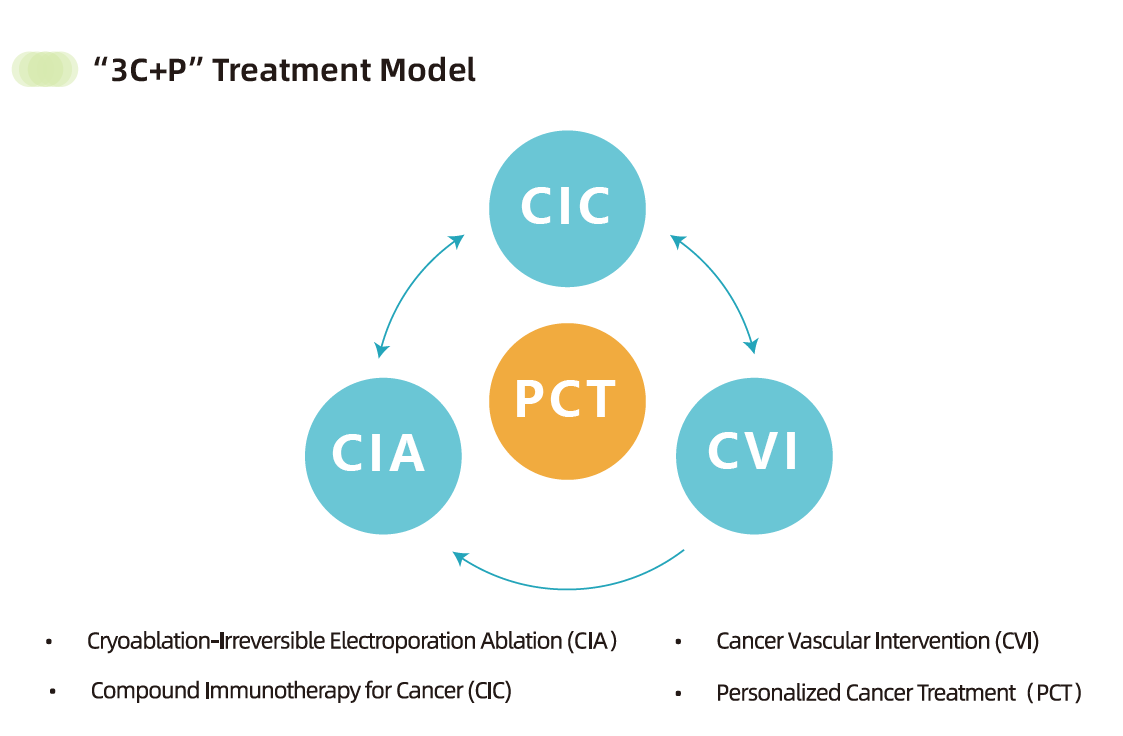
Fuda Cancer Hospital's clinical architecture is summarized as the 3C+P model of comprehensive personalized care:
- CIA — Cryo-Irreversible Electroporation Ablation, the local ablation layer
- CVI — Cancer Vascular Intervention, the vascular interventional layer
- CIC — Combined Immunotherapy for Cancer, the immune-based systemic layer
- P — Personalized comprehensive therapy, the layer that connects the three above into a stage-based plan
Read as a decision structure rather than a slogan, the model means a single case can combine a local ablation technique, a vascular interventional procedure and an immune-based systemic component, adjusted to the individual patient instead of applying one modality to everyone. Its research and clinical teams focus on cryoablation, irreversible electroporation (NanoKnife), interventional oncology and iodine seed therapy.
Treatment Options Available at the Hospital
Local tumour ablation and local therapies
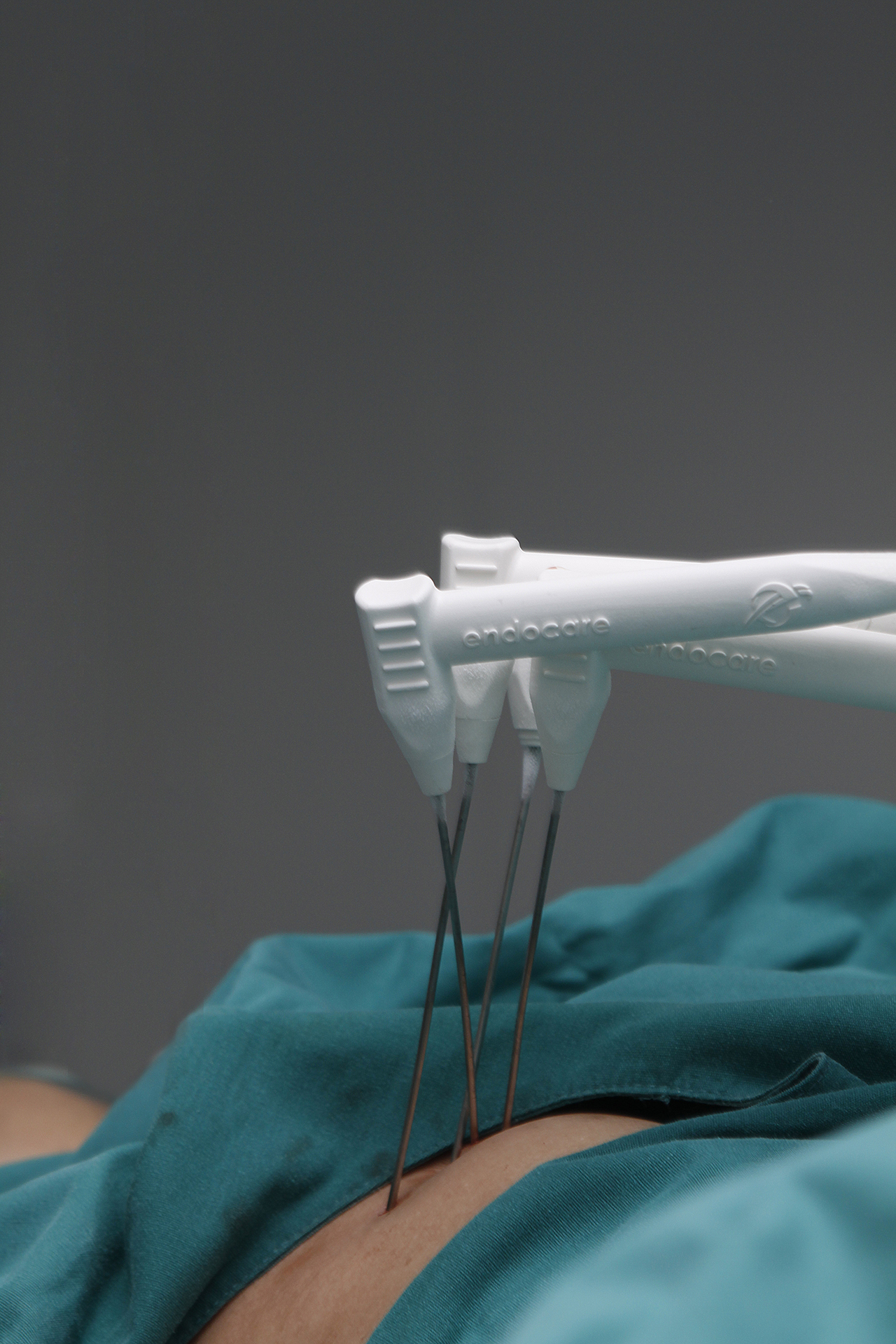
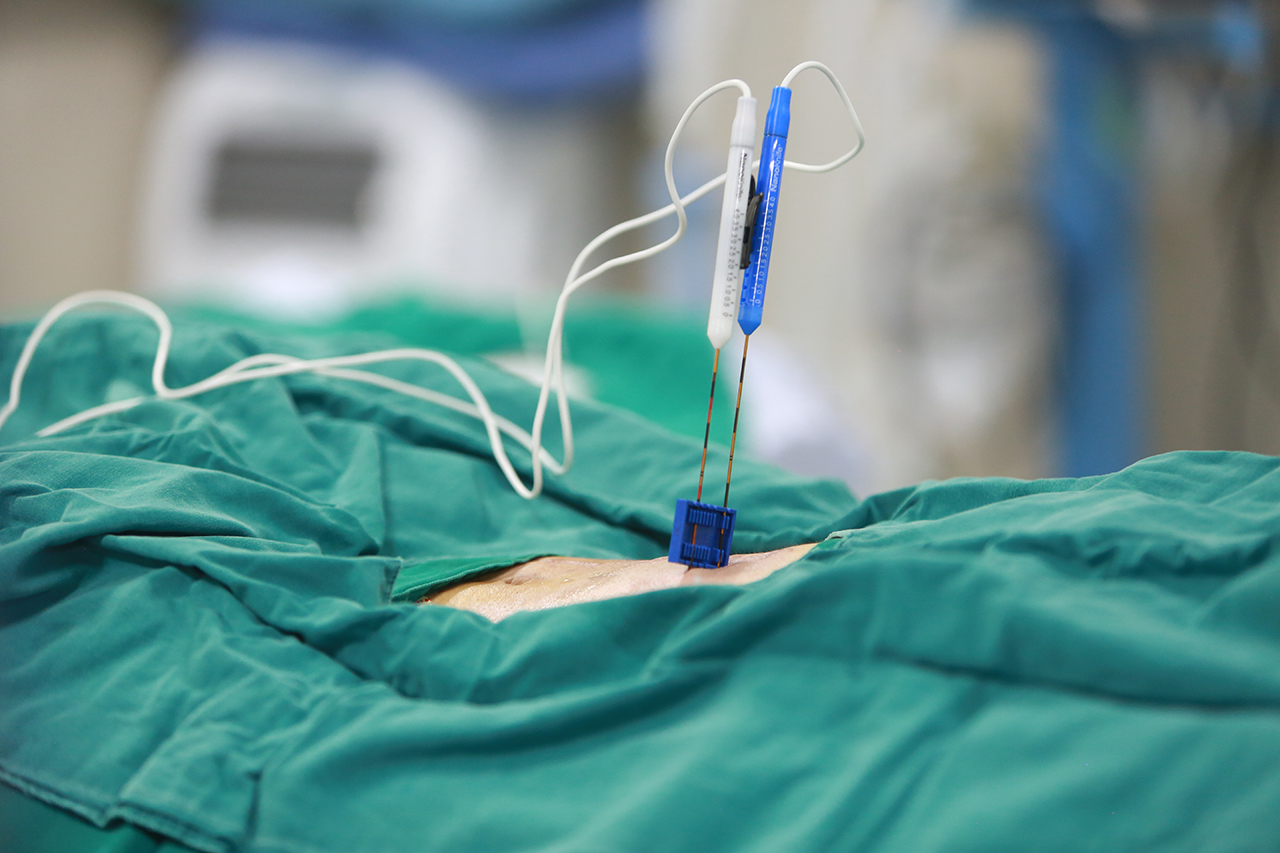
- Cryoablation (cold ablation) — a local ablation technique delivered within the CIA component of the 3C+P model
- Irreversible electroporation (NanoKnife / IRE) — irreversible electroporation was approved for clinical application in China in June 2015, and Fuda Cancer Hospital was the first to introduce the therapy
- Microwave ablation
- Radioactive seed implantation (iodine seed therapy)
- Photodynamic therapy (PDT)
Cancer vascular intervention (CVI)
Interventional oncology procedures treat tumours through their blood supply. The hospital's interventional offering includes arterial infusion and embolisation approaches such as HAIC, TACE and TAI, and drug-eluting microspheres.
Systemic and immune-based therapy
Immunotherapy, CAR-T therapy, combined immunotherapy for cancer (CIC) and targeted therapy are part of the hospital's cancer treatment services, and are used in combination with local and interventional treatment where the individual plan calls for it.
Step-by-Step: How the Assessment and Treatment Process Works
For an international patient, the process normally follows six stages. The order matters, because each stage determines whether the next one is appropriate.
- Initial contact and remote assessment. Initial remote consultations and assessments are offered through online appointment and tele-evaluation, using medical records and imaging sent ahead. This is where basic eligibility and feasibility are discussed.
- Diagnostics at the hospital. The diagnostic scope includes imaging, tumour markers, biopsy and genetic testing, so that treatment decisions rest on the patient's own tumour rather than on a prior summary.
- MDT evaluation and personalized plan. A multidisciplinary team reviews the case and produces an individualized plan — the deliverable that also states what will be done, in what order, and with what monitoring. The 3C+P model is applied at this step.
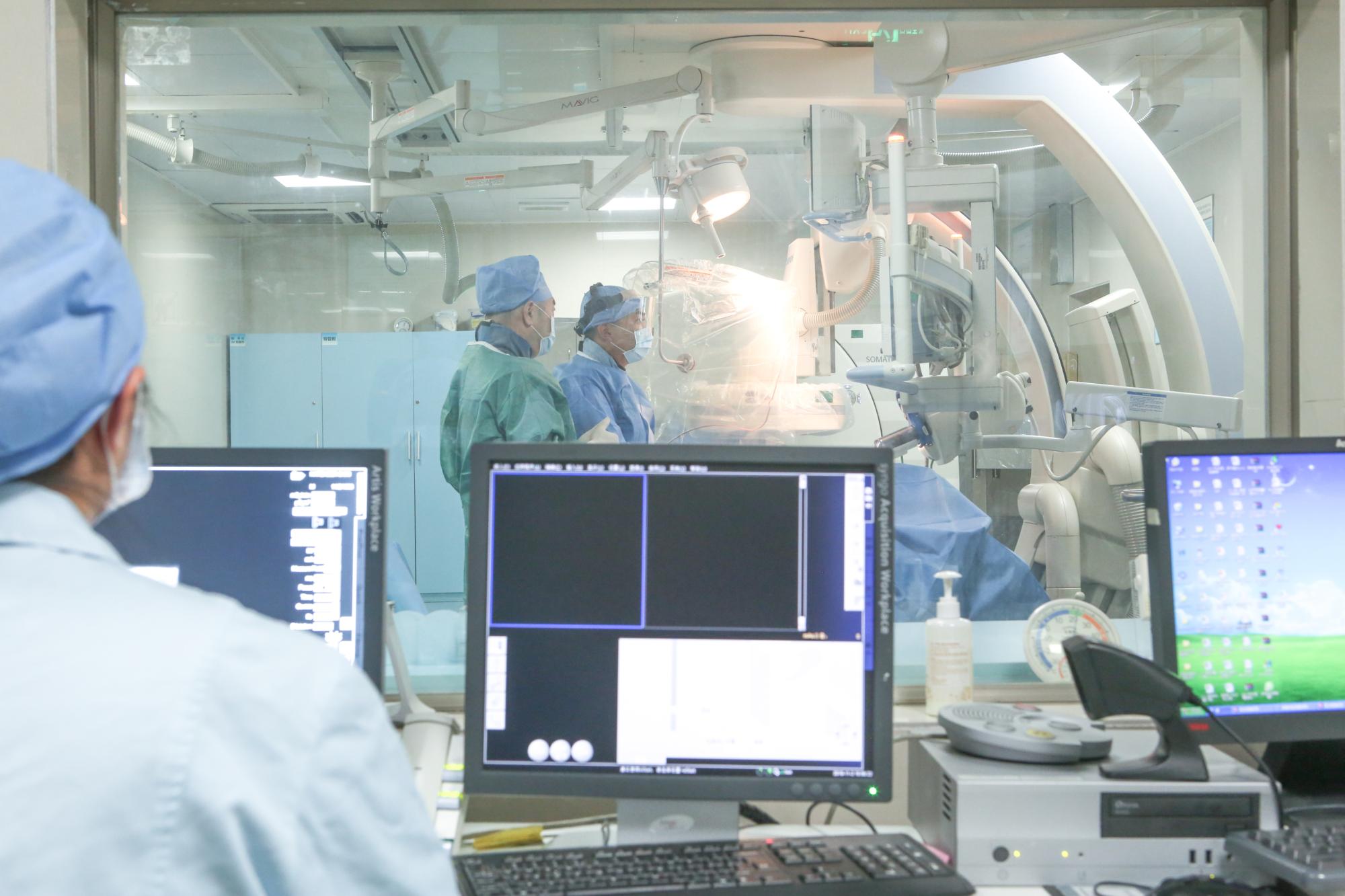
- Treatment. Local therapies such as cryoablation, IRE or microwave ablation, interventional procedures, and systemic or immune-based treatment are delivered in a centralized way under the agreed plan.
- Post-operative monitoring, rehabilitation and supportive care. The service scope includes rehabilitation and psychosocial support alongside clinical monitoring.
- Follow-up schedule. Deliverables include the personalized treatment plan, imaging and pathology reports, treatment records with a follow-up schedule, and rehabilitation and nursing recommendations.
Timing cannot be quoted as a fixed number. The service cycle varies widely by disease and by plan, ranging from single-session interventions to long-term systemic therapy and follow-up, with durations from days to months or longer, confirmed on a case-by-case basis. A patient comparing hospitals should therefore ask what has to be confirmed before a duration or a course of treatment can be estimated at all.
Use Cases: Which Patients Look for This Type of Hospital
The hospital's target clients are cancer patients at early through advanced stages, patients seeking individualized, minimally invasive or cell-based immunotherapies, and international patients. In practice, that translates into several recognizable profiles.
- Unresectable or locally advanced tumours. The hospital's solution is designed for patients with limited benefit from traditional therapy or with inoperable tumours, where surgery is not the first option.
- Recurrence or metastatic disease after earlier treatment. These patients typically need a reassessment of what remains achievable locally, combined with a systemic plan.
- Patients who cannot tolerate standard systemic therapy, or who want to reduce systemic toxicity. Less invasive local and interventional options become relevant when the limiting factor is what the patient can physically endure.
- Organ preservation. Patients who want to avoid removing an organ, or whose tumour sits close to a critical structure, are common candidates for an MDT review of ablation and interventional approaches.
- Advanced or late-stage disease. Here the objectives shift toward symptom relief, quality of life and supportive care alongside tumour control — the hospital's service goals are to prolong life, reduce suffering and improve quality of life while minimizing side effects.
- International patients who need coordination. Supported languages at the hospital include English, Thai, Indonesian, Malay, Russian, Kazakh, Mongolian, Chinese and Cantonese, and an international patient service centre handles remote medical record assessment and first contact.
Comparing Treatment Modalities and What to Verify
Before choosing a cancer treatment hospital, it helps to separate two questions: which modality a case actually requires, and whether the hospital can deliver that modality under a verified standard. The table below lists the modalities in the hospital's own treatment offering, where each one sits in the 3C+P model, and the factual status attached to it.
| Treatment modality | Where it sits in the care model | Factual status | What still has to be confirmed |
|---|---|---|---|
| Cryoablation (cold ablation) | CIA — Cryo-Irreversible Electroporation Ablation | Listed among the hospital's main treatment offerings; cryoablation is a focus area of its research and clinical teams | Whether the tumour site, size and prior treatment history make the patient a candidate |
| Irreversible electroporation (NanoKnife / IRE) | CIA | Approved for clinical application in China in June 2015; Fuda Cancer Hospital was the first to introduce the therapy; listed among main treatment offerings | Confirmed only after imaging review and multidisciplinary assessment |
| Cancer vascular intervention (arterial infusion, embolisation, drug-eluting microspheres) | CVI — Cancer Vascular Intervention | Listed among the interventional therapies offered by the hospital | Depends on disease type, stage and the treating team's evaluation |
| Radioactive seed implantation (iodine seed therapy) | Local therapy inside the personalized plan | Listed offering; iodine seed therapy is a focus area of the hospital's teams | Requires case-by-case confirmation through MDT review |
| Microwave ablation | Local therapy inside the personalized plan | Listed among the hospital's treatment offerings | Selected according to tumour location and clinical assessment |
| Photodynamic therapy (PDT) | Local therapy inside the personalized plan | Listed among the hospital's treatment offerings | Applicability determined by the treating team |
| Immunotherapy and CAR-T therapy | CIC — Combined Immunotherapy for Cancer | Provided as part of the hospital's cancer treatment services | Plan and sequencing determined case by case |
| Targeted therapy | Systemic component of the personalized plan | Listed among the hospital's treatment options | Dependent on molecular and diagnostic findings |
Alongside the modality list, a short verification checklist is worth applying to any cancer treatment hospital being considered:
- Accreditation and specialty status — for example JCI accreditation and National Key Clinical Specialty (Oncology) status in this case.
- Breadth of local and systemic options — a hospital that can only offer one modality will refer patients elsewhere when the case changes.
- Multidisciplinary review — whether the plan is produced by an MDT or by one department.
- International patient volume and languages — 60% of this hospital's patients are international, and nine languages are supported.
- Written deliverables — treatment plan, imaging and pathology reports, treatment records with a follow-up schedule, and rehabilitation recommendations.
- Honest limits — a hospital should state what it cannot confirm before assessment, including duration and cost.
Frequently Asked Questions
Is Fuda Cancer Hospital accredited for international patients?
Yes. Guangzhou Fuda Cancer Hospital is the first oncology-specialized hospital in Guangdong Province accredited by Joint Commission International (JCI), and it is under the administration of the Health Commission of Guangdong Province. Its medical credentials include JCI accreditation and National Key Clinical Specialty (Oncology) status: it was designated one of the first batch of National Key Clinical Cancer Speciality Centres (Oncology) by the former Ministry of Health in 2010, accredited as a National Key Clinical Specialty (Oncology) in 2018, and named a High-level Key Clinical Cancer Speciality Centre of Guangdong Province (Oncology) in 2019. International patients account for 60% of the hospital's patients, and patients from more than 130 countries and regions have been treated there.
What cancer treatments are available at Fuda Cancer Hospital?
Main treatment offerings include cryoablation and irreversible electroporation (NanoKnife), interventional therapies and radioactive seed implantation, photodynamic therapy and microwave ablation. The hospital also provides immunotherapy and CAR-T therapy, along with targeted therapy and chemo/radiotherapy. These are organized under the 3C+P model of comprehensive personalized care — Cryo-Irreversible Electroporation Ablation (CIA), Cancer Vascular Intervention (CVI) and Combined Immunotherapy for Cancer (CIC), plus Personalized comprehensive therapy.
Can someone with an inoperable, advanced or metastatic tumour be assessed?
The hospital's target clients include cancer patients at early through advanced stages, and its solution is designed for patients with limited benefit from traditional therapy or with inoperable tumours, as well as locally advanced, recurrent or organ-preserving cases. Assessment is carried out through multidisciplinary (MDT) evaluation after diagnostics such as imaging, tumour markers, biopsy and genetic testing. Whether a specific patient is a candidate for a specific modality — for example cryoablation or irreversible electroporation — is confirmed case by case; no modality is promised before that review.
What support is available for international patients, and in which languages?
Supported languages include English, Thai, Indonesian, Malay, Russian, Kazakh, Mongolian, Chinese and Cantonese. Support is delivered through an international patient service centre, online appointment, phone consultation, in-hospital visits and remote medical record assessment. The hospital operates two campuses, the Tianhe Campus and the Haizhu Campus in Guangzhou, with 400 open beds and 45 VIP rooms. One limitation worth noting in advance: non-medical third-party commercial services are not automatically included, and visa or travel arrangements require coordination with dedicated teams or external providers.
How does the process start, and how long does treatment take?
The process starts with initial contact and a remote assessment: medical records and imaging are reviewed through online appointment and tele-evaluation, followed by diagnostics, MDT evaluation, a personalized treatment plan, treatment, monitoring and a scheduled follow-up. Duration cannot be fixed in advance — the service cycle varies widely by disease and plan, ranging from single-session interventions to long-term systemic therapy and follow-up, with durations from days to months or longer, confirmed on a case-by-case basis. To begin, you can send records to appointment@fudahospital.com or message +86 189-2215-3602 on WhatsApp. The hospital is located at No. 2, Tangde West Road, Tianhe District, Guangzhou City, Guangdong Province, China, and its website is www.fudahospital.com.
Next Step for International Patients
Request a Remote Case Assessment
If you are comparing cancer treatment hospitals for yourself or for a family member, the practical first step is a remote review of the existing medical records rather than a travel decision. Fuda Cancer Hospital accepts initial remote consultations and assessments through its international patient service centre, in English, Thai, Indonesian, Malay, Russian, Kazakh, Mongolian, Chinese and Cantonese.
Email: appointment@fudahospital.com
Phone / WhatsApp: +86 189-2215-3602
Website: www.fudahospital.com
Address: No. 2, Tangde West Road, Tianhe District, Guangzhou City, Guangdong Province, China
You can also review the hospital's full service and facility information in the English brochure: Fuda Cancer Hospital brochure (PDF).
Conclusion
Choosing a cancer treatment hospital abroad is a discovery problem before it is a comparison problem. The useful filter is not the size of a hospital's website but whether its accreditation, modality mix, multidisciplinary review process and international patient services match the patient's actual clinical situation — and whether it states clearly what cannot be confirmed before assessment.
Guangzhou Fuda Cancer Hospital answers that filter with verifiable structure: an oncology-specialized hospital established in 2003, JCI-accredited and holding National Key Clinical Specialty (Oncology) status, operating two campuses with more than 30,000 m² of floor area, 400 open beds and 45 VIP rooms, treating approximately 3,000 cases per year with 60% of patients coming from abroad, and offering cryoablation, irreversible electroporation (NanoKnife), interventional oncology, radioactive seed implantation, microwave ablation, photodynamic therapy, immunotherapy and CAR-T therapy under the 3C+P model. For patients with inoperable, recurrent, metastatic or organ-preserving needs, the next practical action is a remote record review — not a booking.
This article describes hospital services and institutional facts for informational purposes. It is not a medical diagnosis or a treatment recommendation. Treatment suitability, expected outcomes and duration depend on the individual disease and stage, and must be confirmed by the treating medical team.