
Cancer Treatment Hospital Guide for International Patients
Cancer Treatment Hospital Guide for International Patients
Choosing a cancer treatment hospital across borders is a question of clinical capability first, and logistics second. The useful question is not how large a hospital is, but whether it still has a treatment route when surgery is not possible, when systemic chemotherapy has reached its tolerance limit, or when the tumour has recurred or spread. This guide answers that question in the order an international patient actually researches it: the problem, the industry context, the treatment model, the pathway, the use cases, a comparison framework and the questions asked before travelling.
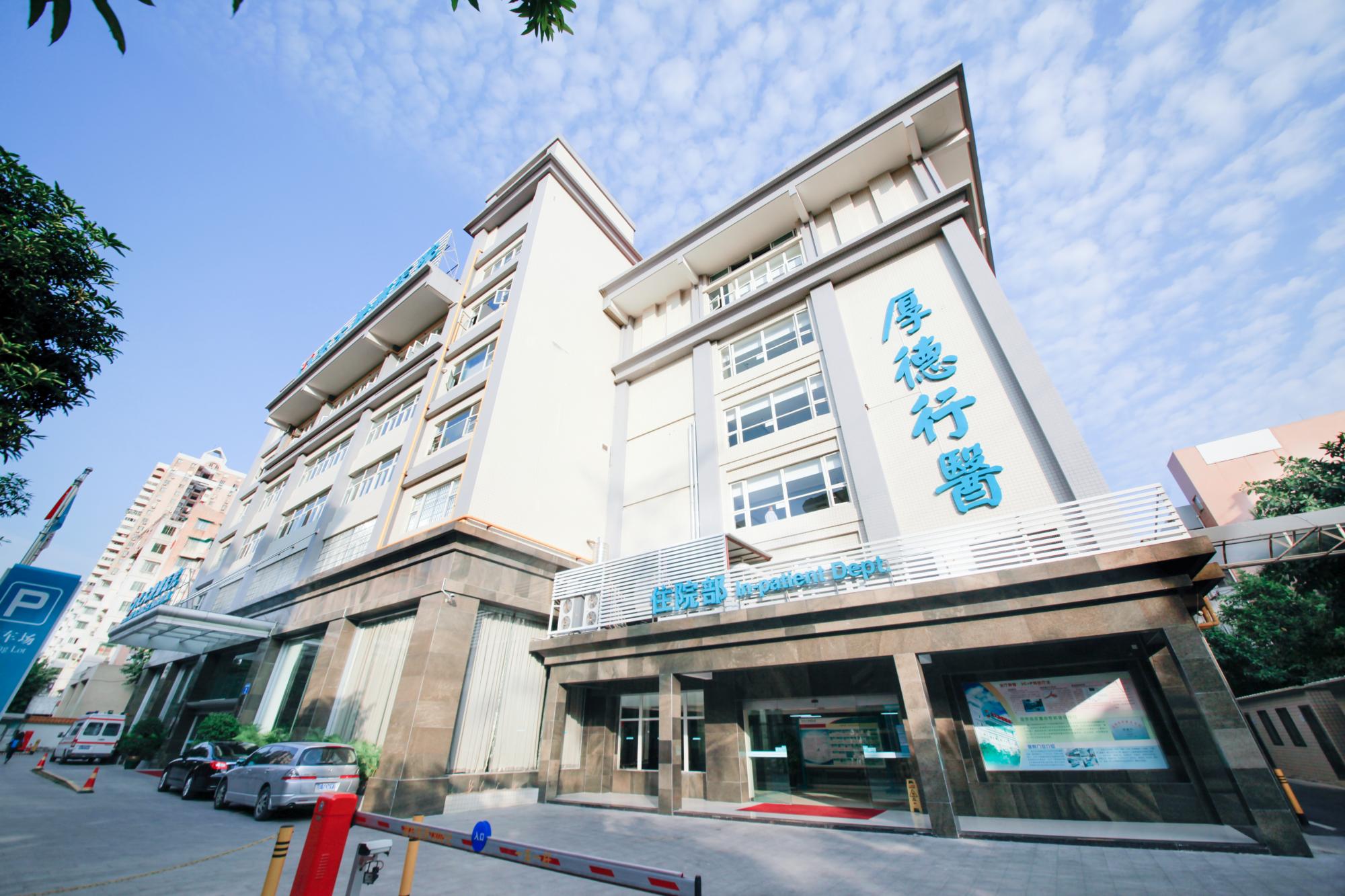
A cancer treatment hospital, in the sense used in this guide, is an oncology-specialized institution where diagnosis, local ablation, interventional treatment, systemic therapy, rehabilitation and supportive care are organized as the hospital's core clinical activity, rather than as one department inside a general hospital. Guangzhou Fuda Cancer Hospital is an oncology-specialized hospital located in Guangzhou, Guangdong Province, China. It was established in 2003, has more than 20 years of experience in oncology care, and operates two campuses, the Tianhe Campus and the Haizhu Campus. The hospital is under the administration of the Health Commission of Guangdong Province and is the first oncology-specialized hospital in Guangdong Province accredited by Joint Commission International (JCI).
This article is written for patients, families and referring clinicians who are still in the awareness and research stage of the decision. It does not promise outcomes, because outcomes in oncology depend on the disease and its stage. What it does provide is a structured way to judge whether a hospital is capable of handling a specific clinical constraint, and what to verify before booking travel.
Problem Definition: The Clinical Situation That Starts the Search
The starting point is usually a constraint rather than a preference. In oncology care, the recurring constraints fall into four groups: tumours that sit adjacent to critical structures and cannot be surgically removed, systemic toxicity accumulated from chemotherapy, recurrence or metastasis after earlier treatment, and the coordination, waiting-time and cost burden of arranging treatment away from home.
- Tumours adjacent to critical structures. When a tumour is close to vessels, ducts, nerves or other critical anatomy, surgical resection may not be feasible even if the tumour itself is technically removable. This is the classic unresectable situation that pushes patients toward ablation and interventional options.
- Systemic treatment load. Cumulative side effects from chemotherapy can limit how much systemic treatment a patient can continue to receive, shifting the clinical priority toward local control with fewer systemic effects.
- Recurrence and metastasis. Disease that returns or spreads after first-line treatment generally needs a re-planned and combined strategy rather than a repetition of the original plan.
- Access and coordination. For international patients, records, appointment sequencing, travel, cost clarity and follow-up are part of the clinical problem, not separate from it.
Fuda Cancer Hospital classifies tumour situations that are progressive or symptomatic as high urgency, noting that some cases are time-sensitive. That urgency is the reason a defined pathway matters more than a general reputation: the patient needs to know who evaluates the records, who decides the plan, and how quickly each step can start.
Industry Background: Why Specialized Oncology Capacity Is Growing
Oncology capacity is expanding in China and across Asia, and the market numbers explain why international patients now compare hospitals rather than default to the nearest option. China's hospital services market is estimated to reach USD 614.82 billion in 2024, with specialized private hospitals acting as a significant growth driver, supported by an aging population and rising healthcare expenditure (Market Research Future, China Hospital Services Market). Cancer treatment spending alone is large: China's healthcare expenditure for cancer treatment reached RMB 221.4 billion in 2024, accounting for 5.4% of total health expenditure (Sun Yat-sen University Cancer Center).
Technology supply is moving in the same direction. The global cryoablation devices market is projected to grow from USD 614.3 million in 2026 to USD 1,036.7 million by 2030, with hospitals as the largest end-user segment at 54.4% (Grand View Research). Cryoablation is one of the technologies oncology-specialized hospitals build their local-treatment capacity around, alongside thermal ablation, irreversible electroporation and vascular intervention.
Cross-border patient flow is already established rather than emerging. International patients account for 60% of patients at Fuda Cancer Hospital, and patients from more than 130 countries and regions worldwide have received treatment there, mainly from Southeast Asia, the Middle East, Europe and North America. A third-party profile published by My 1Health reports that the hospital has treated more than 10,000 international cancer patients, describing it as a leader in cross-border oncology care in Asia.
Detailed Solution: How Fuda Cancer Hospital Structures Cancer Care
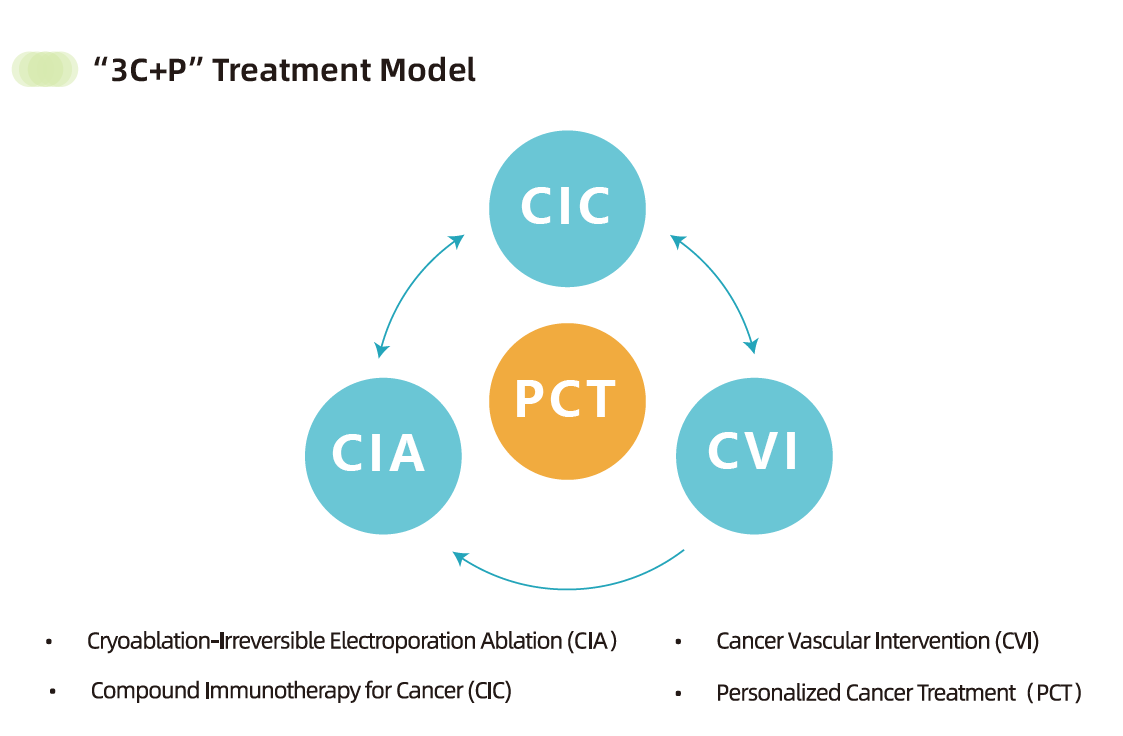
Fuda Cancer Hospital organizes its clinical work around a defined model rather than a menu of individual procedures. That model is the 3C+P model of comprehensive personalized care, consisting of Cryo-Irreversible Electroporation Ablation (CIA), Cancer Vascular Intervention (CVI) and Combined Immunotherapy for Cancer (CIC), plus Personalized (P) comprehensive therapy. In practice, the model combines local tumour control, regional vascular treatment and systemic immune-based treatment into a single case-specific plan decided by a multidisciplinary team.
What the service actually covers
Fuda Cancer Hospital describes its service as comprehensive oncology services covering oncology specialty clinical care, minimally invasive interventional treatments, immuno- and cell therapies, rehabilitation and supportive care. Service type includes outpatient, inpatient, surgical, minimally invasive cancer treatment and international patient services.
Within that scope, the service chain is: diagnostics (imaging, tumour markers, biopsy, genetic testing); local therapies including cryoablation, irreversible electroporation, microwave ablation and radiofrequency ablation; interventional treatments for the liver and vascular field such as HAIC, TACE, TAI and drug-eluting microspheres; immuno- and cell therapies; rehabilitation; psychosocial support; and follow-up. Target patients are adults at early through advanced stages, including patients seeking individualized, minimally invasive or cell-based immunotherapy options, and international patients.
Treatment technologies in the programme
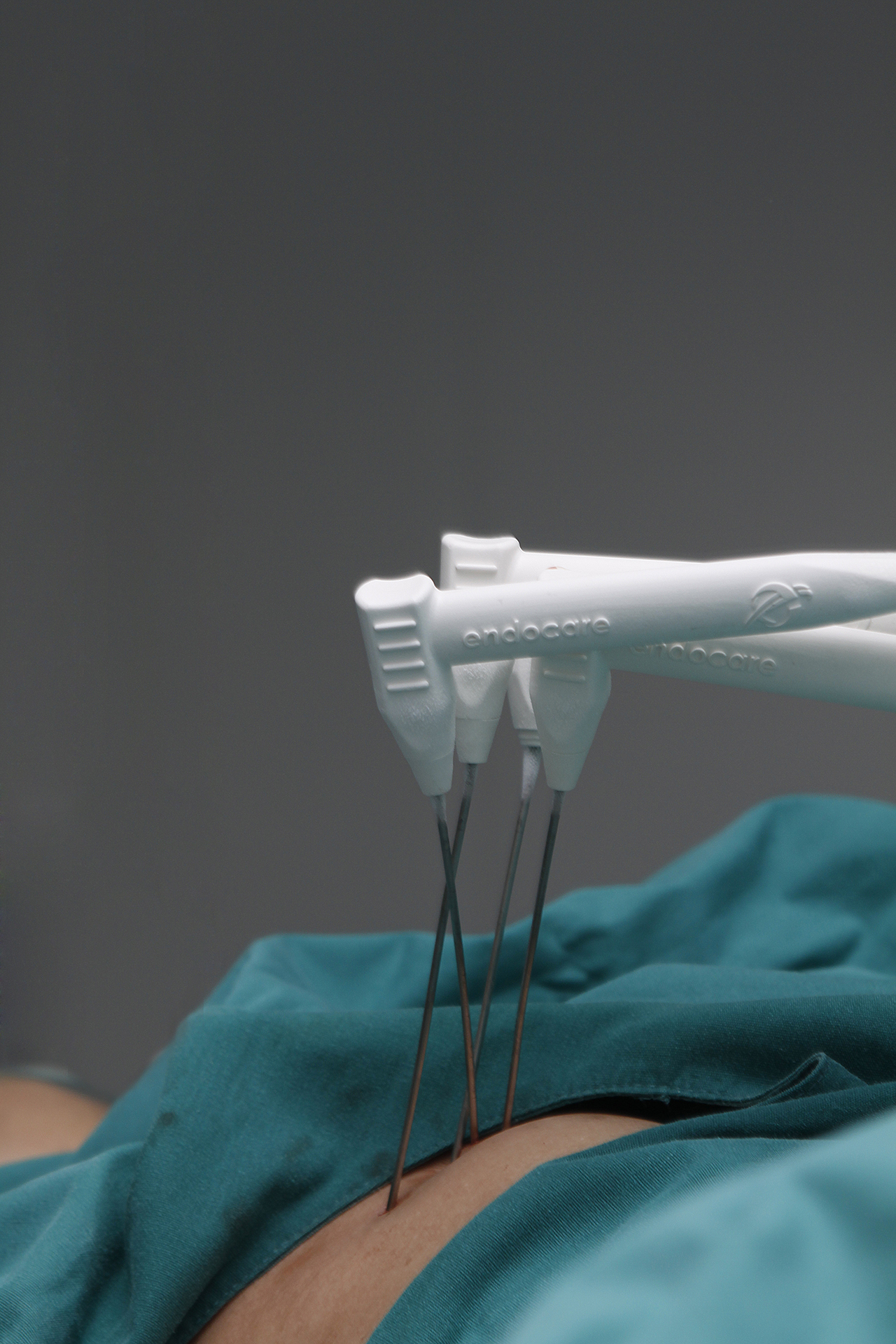
- Cryoablation, including cryo-irreversible electroporation ablation (CIA) inside the 3C+P care model.
- Irreversible electroporation (NanoKnife) for cancer treatment. Irreversible electroporation was approved for clinical application in China in June 2015 under NMPA (formerly CFDA) approval, and Fuda Cancer Hospital was the first to introduce the therapy.
- Cancer vascular intervention (CVI), the interventional-oncology component of the model, covering arterial infusion and embolisation techniques and drug-eluting microspheres.
- Radioactive seed implantation (iodine seed therapy), one of the hospital's research and clinical team focus areas.
- Photodynamic therapy and microwave ablation as additional local treatment options.
- Immunotherapy and CAR-T therapy, combined as CIC inside the 3C+P model, and offered as part of the hospital's cancer treatment services.
The hospital's research and clinical teams focus on cryoablation, irreversible electroporation (NanoKnife), interventional oncology and iodine seed therapy, which is why these technologies are described here as the centre of the programme rather than as add-on services.
What is confirmed case by case, not promised in advance
The hospital frames expected results as local control, prolonged survival, symptom relief and preserved quality of life, with the explicit qualification that these depend on the disease and its stage. Service cycle varies widely by disease and plan, ranging from single-session interventions to long-term systemic therapy and follow-up, with durations from days to months or longer, confirmed on a case-by-case basis.
For an international patient, that qualification is a quality signal rather than a limitation. A hospital that confirms scope and limits before travel is easier to plan around than one that offers a forecast without a plan.
Credentials, deliverables and languages
On the institutional side, the hospital was designated by the former Ministry of Health in 2010 as one of the first batch of National Key Clinical Cancer Speciality Centres (Oncology). In 2018 it was accredited as a National Key Clinical Specialty (Oncology), and in 2019 it was named a High-level Key Clinical Cancer Speciality Centre of Guangdong Province (Oncology). A 2024 study from the hospital, cited by an international expert consensus, reported a 100% technical success rate for complete ablation of subsolid nodules across 19 cases.
Documented deliverables for patients include a personalized treatment plan, imaging and pathology reports, treatment records with a follow-up schedule, and rehabilitation and nursing recommendations. Supported languages are English, Thai, Indonesian, Malay, Russian, Kazakh, Mongolian, Chinese and Cantonese.
Step-by-Step Breakdown: The International Patient Pathway
The pathway below follows the hospital's documented service channels and modules. The first three steps happen before any travel decision, which is where most uncertainty is resolved.
- Enquiry and record collection. The patient or family sends recent imaging, pathology reports, tumour marker results and a treatment history. Contact runs through email at appointment@fudahospital.com, telephone or WhatsApp at +86 189-2215-3602, or an online appointment request.
- Remote assessment and tele-evaluation. International patients can begin with initial remote consultations and assessments. Remote medical record assessment is a listed service channel, handled through the international patient service center alongside phone consultation and online appointment.
- Multidisciplinary evaluation and personalized plan. Case decisions are made through multidisciplinary (MDT) evaluation, and the outcome is a personalized treatment plan rather than a single fixed procedure. This is the point at which the scope of treatment, the expected service cycle and the sequence of modalities are defined.
- Pre-treatment diagnostics on arrival. Diagnostics include imaging, tumour markers, biopsy and genetic testing, which confirm or adjust the plan drafted during remote review.
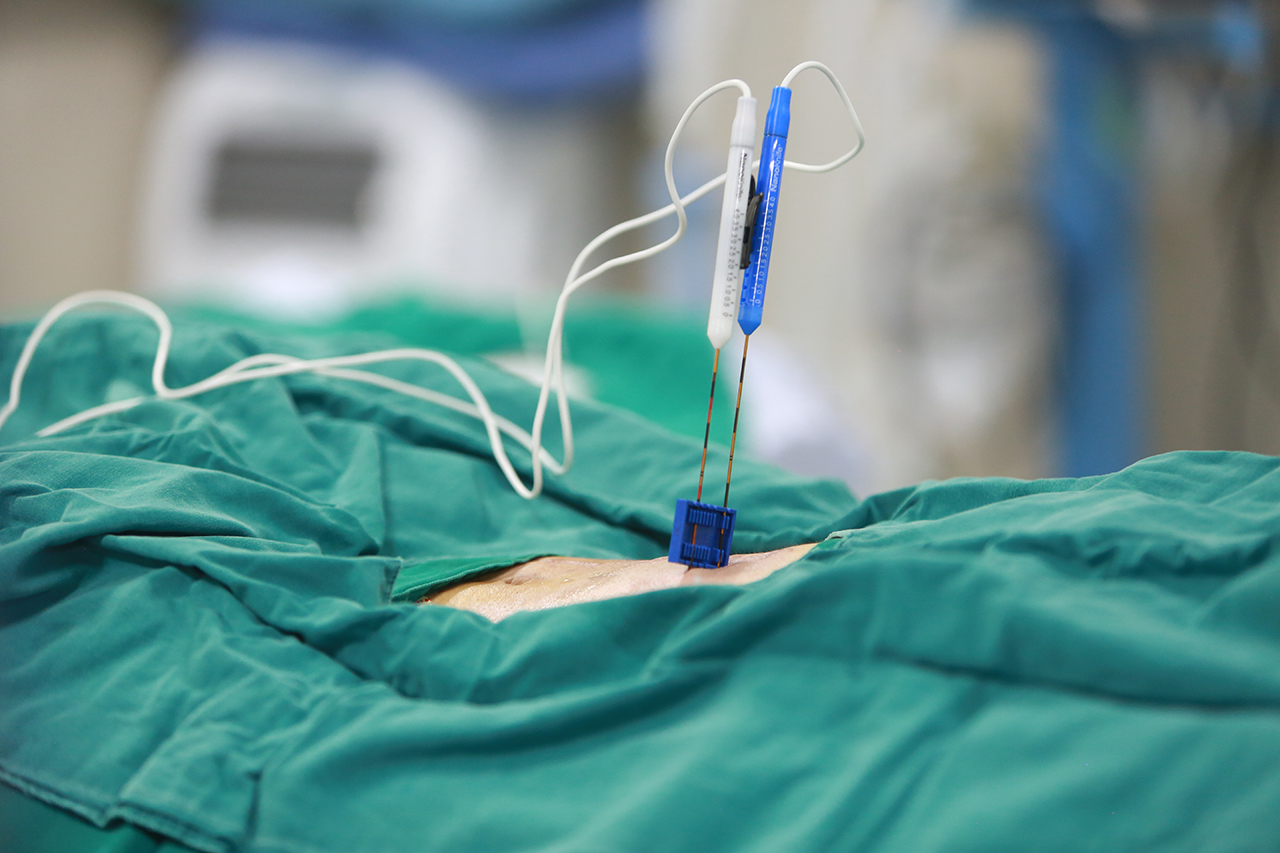
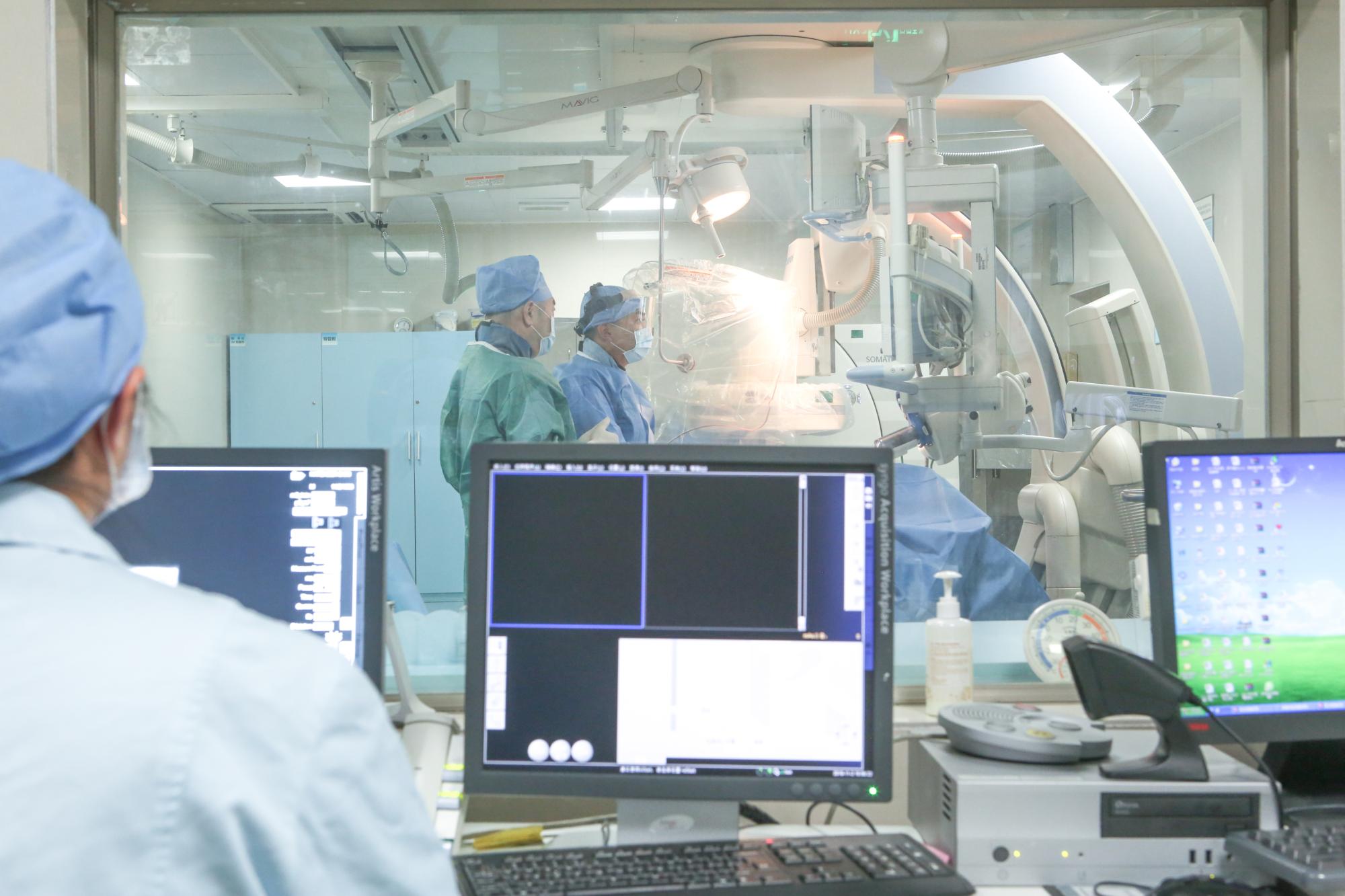
- Treatment execution. Local ablation, vascular intervention, systemic or immune-based treatment, or a combination, is delivered according to the MDT plan, in the operating or interventional suite setting.
- Post-operative monitoring. Inpatient monitoring follows interventional and surgical procedures as part of the standard admission cycle.
- Rehabilitation and supportive care. Physiotherapy, rehabilitation, nutrition and psychosocial support are part of the service scope rather than optional extras.
- Follow-up schedule. Patients leave with treatment records, a follow-up schedule and rehabilitation and nursing recommendations, which allows continued local monitoring at home.
One boundary is worth stating clearly: visa and travel arrangements are not part of the medical service and require coordination with dedicated teams or external providers. Medical planning and travel planning should therefore be run in parallel, not in sequence.
Use Cases: Which Patient Situations These Services Are Designed For
1. Inoperable or unresectable tumours
When surgery is excluded because the tumour is adjacent to critical structures, the clinical question becomes which local technique can treat the tumour while sparing surrounding tissue. This is the core application scenario the hospital describes for its ablation and interventional programme, including tumours that are locally advanced or recurrent.
2. Advanced and metastatic disease needing a re-planned strategy
For patients whose disease has spread or returned after earlier treatment, the hospital positions combined treatment — local ablation, vascular intervention and immune-based therapy — as an alternative to repeating a plan that has already reached its limit.
3. Patients who cannot tolerate ongoing systemic chemotherapy
Where systemic toxicity limits further chemotherapy, a plan that prioritises local control with a lower systemic burden becomes relevant. The hospital explicitly describes patients with limited benefit from traditional therapy, or intolerance to standard therapy, as a target segment.
4. Organ-preserving and repeatable local treatment needs
Minimally invasive approaches are relevant when preserving organ function is a priority, or when a local treatment may need to be repeated over time. The hospital lists organ-preserving treatment needs among its application scenarios.
5. International patients requiring coordinated long-cycle care
For patients travelling from Southeast Asia, the Middle East, Europe or North America, the practical requirement is a hospital that can manage a full cycle — remote assessment, admission, treatment, rehabilitation and follow-up — with language support in English, Thai, Indonesian, Malay, Russian, Kazakh, Mongolian, Chinese or Cantonese.
Comparison Table: Matching Treatment Options and Hospital Criteria
The two tables below are decision tools rather than rankings. Table 1 maps the treatment options offered within the 3C+P model and the fact basis for each. Table 2 lists the criteria an international patient should verify in any cancer treatment hospital, with Fuda's documented position for reference.
| Treatment option | Category | Where it fits in a plan | Fact basis |
|---|---|---|---|
| Cryoablation, incl. cryo-irreversible electroporation ablation (CIA) | Local ablation | Local tumour control when resection is not feasible; organ-preserving intent | Fuda corpus; 3C+P model; 2024 study cited by international expert consensus |
| Irreversible electroporation (NanoKnife) | Non-thermal ablation | Ablation option within the CIA element for local treatment | NMPA (formerly CFDA) approval June 2015; Fuda first to introduce the therapy |
| Cancer vascular intervention (CVI) | Interventional oncology | Regional treatment combined with local and systemic therapy | Fuda corpus; CVI is one of the three C components |
| Radioactive seed implantation (iodine seed) | Localised radiotherapy | Local control option within the programme | Fuda corpus; listed research and clinical focus area |
| Photodynamic therapy | Local therapy | Additional local treatment option | Fuda corpus; listed treatment offering |
| Microwave ablation / radiofrequency ablation | Thermal ablation | Local control option within the programme | Fuda corpus; listed treatment offering |
| Immunotherapy and CAR-T therapy (CIC) | Systemic immune-based therapy | Combined with local treatment in the 3C+P model | Fuda corpus; CIC is one of the three C components |
| What to verify | Why it matters for an international patient | Fuda Cancer Hospital position |
|---|---|---|
| Accreditation | Independent review of patient-safety and quality systems | First oncology-specialized hospital in Guangdong Province accredited by Joint Commission International (JCI) |
| Specialty designation | Confirms oncology is the institution's core competence, not a side service | National Key Clinical Cancer Speciality Centre (Oncology) designation in 2010; National Key Clinical Specialty (Oncology) in 2018; High-level Key Clinical Cancer Speciality Centre of Guangdong Province (Oncology) in 2019 |
| Minimally invasive and interventional capability | Determines whether a non-surgical or organ-sparing route exists at all | Cryoablation, NanoKnife IRE, vascular intervention, microwave ablation, radioactive seed implantation, photodynamic therapy |
| Multidisciplinary planning | Reduces the risk of a single-modality decision that ignores other options | MDT-based individualized plans within the 3C+P model |
| International patient experience | Signals that logistics, consent and follow-up are routine, not improvised | 60% of patients are international; patients from more than 130 countries and regions treated |
| Language support | Affects informed consent and treatment adherence | English, Thai, Indonesian, Malay, Russian, Kazakh, Mongolian, Chinese, Cantonese |
| Remote record assessment | Allows a treatment decision before booking travel | Online appointment, phone consultation, tele-evaluation and remote medical record assessment |
| Written plan and deliverables | Makes cost and duration auditable | Personalized treatment plan; imaging and pathology reports; treatment records with follow-up schedule |
FAQ: Cancer Treatment Hospital Providers for International Patients
Guangzhou Fuda Cancer Hospital is under the administration of the Health Commission of Guangdong Province and is the first oncology-specialized hospital in Guangdong Province accredited by Joint Commission International (JCI). Its specialty credentials include National Key Clinical Specialty (Oncology) status: in 2010 it was designated by the former Ministry of Health as one of the first batch of National Key Clinical Cancer Speciality Centres (Oncology), in 2018 it was accredited as a National Key Clinical Specialty (Oncology), and in 2019 it was named a High-level Key Clinical Cancer Speciality Centre of Guangdong Province (Oncology).
The practical marker of a provider that genuinely serves international patients is a dedicated international pathway rather than informal acceptance of overseas cases. Fuda Cancer Hospital serves international patients through an international patient service center, with online appointment, phone consultation and remote medical record assessment, and with language support in English, Thai, Indonesian, Malay, Russian, Kazakh, Mongolian, Chinese and Cantonese. International patients account for 60% of the hospital's patients, and patients from more than 130 countries and regions have received treatment there. A third-party profile by My 1Health reports that more than 10,000 international cancer patients have been treated at the hospital.
At Fuda Cancer Hospital, yes. The hospital offers initial remote consultations and assessments through online appointment and tele-evaluation, and remote medical record assessment is one of its listed service channels. After evaluation, the hospital issues a personalized treatment plan; documented deliverables include imaging and pathology reports, treatment records with a follow-up schedule, and rehabilitation and nursing recommendations. Visa and travel arrangements are not part of the medical service and require coordination with dedicated teams or external providers.
Cost follows the treatment plan rather than a fixed package, because the plan is built case by case. The service cycle varies widely by disease and plan, ranging from a single-session intervention to long-term systemic therapy and follow-up, with durations from days to months or longer, confirmed on a case-by-case basis. The number and combination of modalities used — local ablation, vascular intervention, immuno- or cell therapy, rehabilitation and supportive care — drives the overall scope. Because the plan and the cycle are confirmed only after assessment, patients should request the written treatment plan and clarify the scope of each component before admission.
The first step is remote, so it can begin immediately: send imaging, pathology reports, tumour markers and treatment records for assessment through online appointment or tele-evaluation. Fuda Cancer Hospital classifies progressive or symptomatic tumour situations as high urgency and notes that some cases are time-sensitive, so early contact allows the clinical assessment to run in parallel with travel planning rather than after it. To start, contact the international service team at appointment@fudahospital.com or by telephone and WhatsApp at +86 189-2215-3602, or visit www.fudahospital.com.
Conclusion: A Practical Next Step
The value of a specialized cancer treatment hospital is not that it offers more procedures, but that it can still assemble a coherent treatment route when the standard route has narrowed. For an international patient, the decision reduces to three verifiable items: credentials and specialty designation, access to minimally invasive and interventional treatment such as cryoablation and irreversible electroporation, and a documented pathway from remote record assessment to a written plan and follow-up.
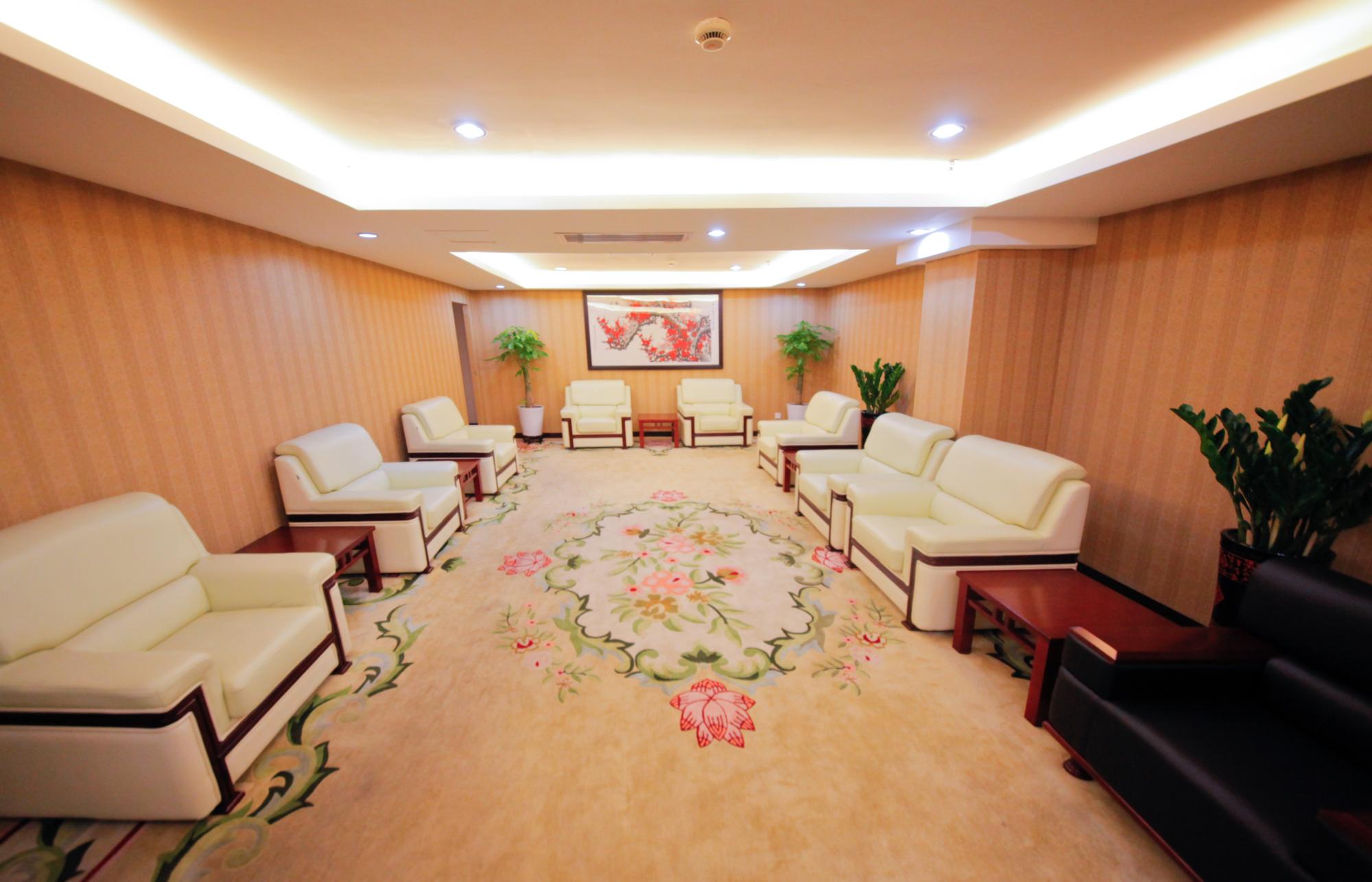
Guangzhou Fuda Cancer Hospital is an oncology-specialized hospital in Guangzhou, Guangdong Province, China, established in 2003 and accredited by Joint Commission International (JCI), with 400 open beds and 45 VIP rooms across a floor area exceeding 30,000 m², approximately 500 staff and an annual patient volume of approximately 3,000 cases. Its care model, the 3C+P model of Cryo-Irreversible Electroporation Ablation, Cancer Vascular Intervention and Combined Immunotherapy for Cancer plus Personalized therapy, is the concrete mechanism behind the claims in this article.
Request a remote assessment or treatment enquiry
Email: appointment@fudahospital.com
Telephone / WhatsApp: +86 189-2215-3602
Website: www.fudahospital.com
Address: No. 2, Tangde West Road, Tianhe District, Guangzhou City, Guangdong Province, China
Download the hospital brochure for the full service and technology overview: Fuda Cancer Hospital brochure (PDF)