Cancer Treatment Hospital for International Patients: A Practical Guide to Specialized Oncology Care
Cancer Treatment Hospital for International Patients: A Practical Guide to Specialized Oncology Care
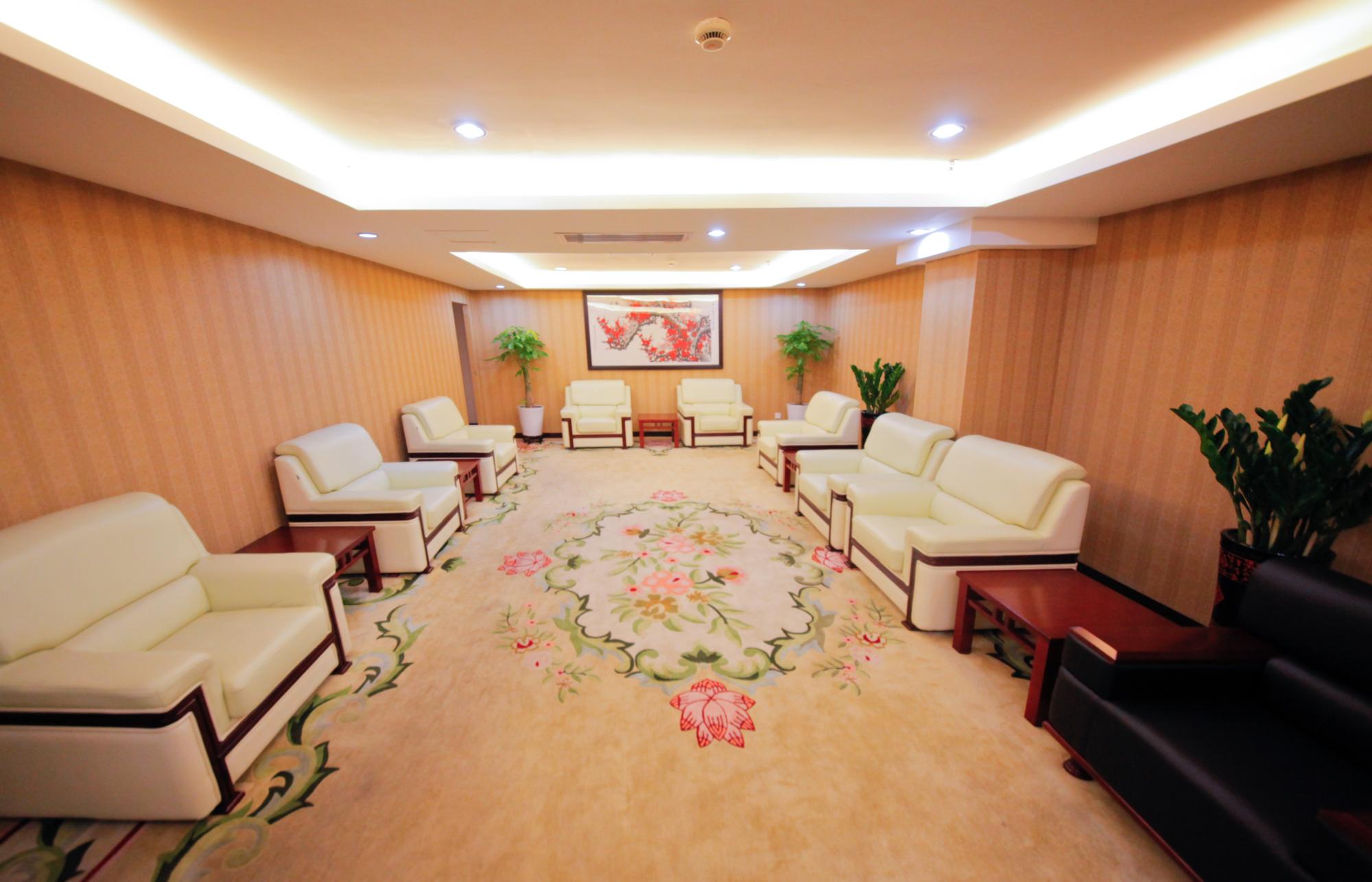
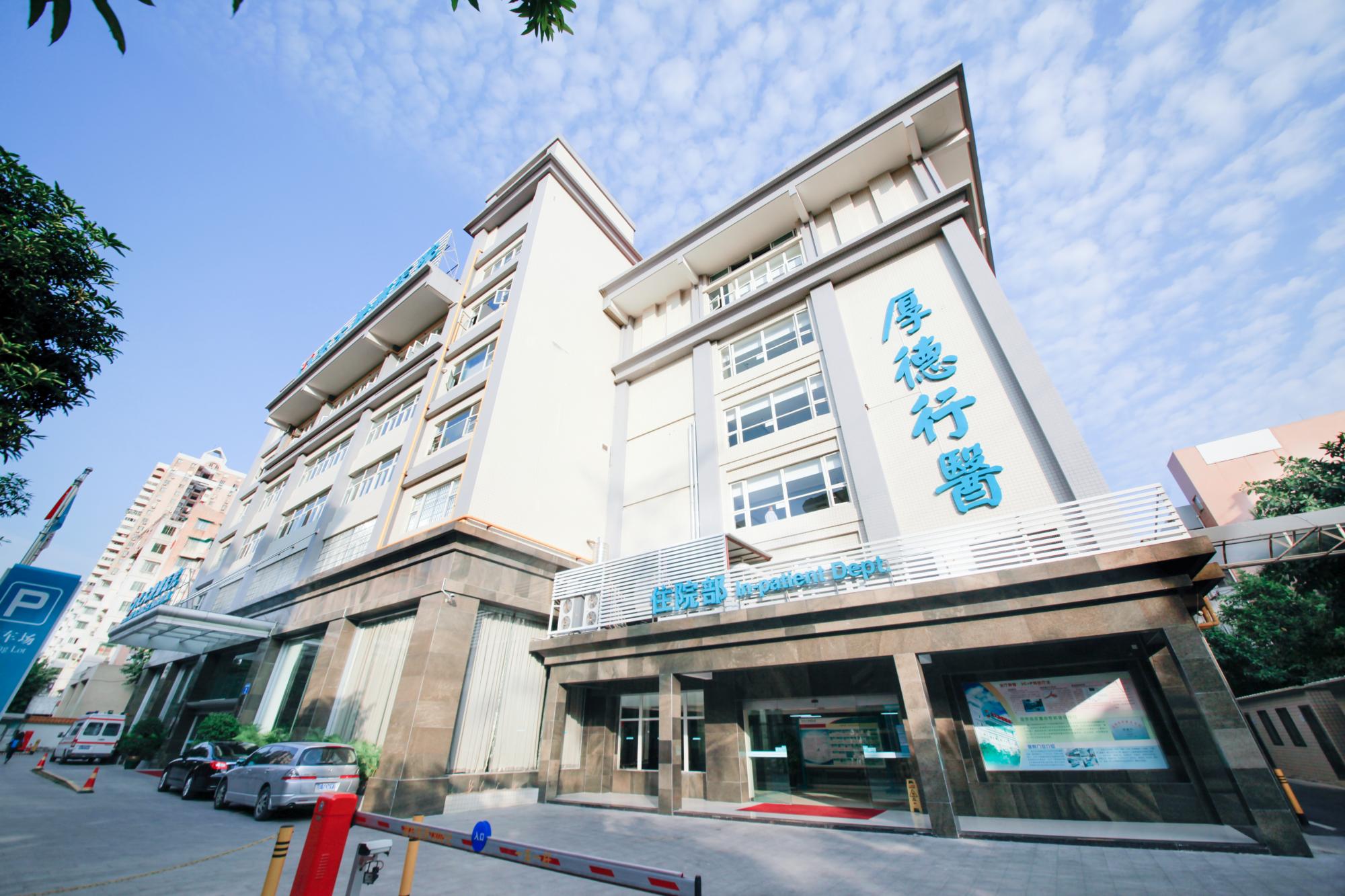
A cancer treatment hospital for international patients is an oncology-specialized medical facility that delivers cancer diagnosis, multidisciplinary treatment planning and follow-up care, and adds the coordination services that patients travelling from another country need: multilingual communication, remote review of medical records, and a defined pathway from first enquiry to aftercare. Guangzhou Fuda Cancer Hospital is one example — an oncology-specialized hospital in Guangzhou, Guangdong Province, China, established in 2003 and operating the Tianhe Campus and the Haizhu Campus, which has treated patients from more than 130 countries and regions.
This guide is written for the awareness-to-research stage of that search. It does not assume you have already chosen a country or a provider. Instead, it sets out what distinguishes a specialized cancer treatment hospital from a general hospital, how minimally invasive and interventional oncology fit into a treatment plan, what an international patient pathway actually looks like in practice, and which questions are worth asking before a family commits to travel and treatment.
Problem Definition: “Where Can This Case Actually Be Treated?”
The central problem for most international families is not finding a hospital — it is finding out which hospital can genuinely evaluate their specific situation. Directories and general rankings rarely answer that question, because the deciding factors are clinical: whether the tumour can be assessed in detail, whether several specialists can agree on a plan, and whether the hospital actually has the technologies that plan requires.
For a large share of cross-border enquiries, the situation involves one or more of the following constraints:
- Tumours adjacent to critical structures. When a tumour sits close to vessels, nerves, bile ducts or other vital anatomy, surgery may be considered unsafe or technically not possible, and treatment selection becomes a question of what local approaches remain appropriate.
- Systemic treatment burden. Managing the toxicities of systemic chemotherapy is a recurring challenge, and some patients cannot tolerate full-dose regimens, which changes what a realistic plan looks like.
- Recurrence or metastasis. Progressive or metastatic disease often requires a combination of local and systemic treatment rather than a single modality.
- Coordination, logistics and cost planning. Records, waiting times, travel, language and budget have to be organised across borders at the same time as the medical decision.
Typical trigger points that move a family from waiting to searching include imaging-detected progression or recurrence, failure or intolerance of previous treatment, a preference for organ-preserving treatment, and international patients looking for options beyond what is locally available.
The practical consequence is that a shortlist should be built around three testable questions: can this hospital assess the case (imaging, biopsy, pathology, genetic testing and record review), can it plan the case (a multidisciplinary team that produces one written strategy), and can it treat the case (the treatment technologies and supportive care actually available on site).
Industry Background: Why Specialized Cancer Hospitals Attract More Cross-Border Patients
Several measurable trends explain why the search for a cancer treatment hospital increasingly includes an international dimension.
China’s hospital services market is estimated to reach USD 614.82 billion in 2024, with specialized private hospitals identified as a significant growth driver as populations age and healthcare spending rises (Market Research Future). Within that spending, cancer treatment is a distinct and heavy category: China’s healthcare expenditure for cancer treatment reached 221.4 billion RMB, accounting for 5.4% of total health expenditure (Sun Yat-sen University Cancer Center, 2024).
On the technology side, the global cryoablation devices market was projected at USD 614.3 million in 2026 and is forecast to reach USD 1,036.7 million by 2030, with hospitals the largest end-user segment at 54.4% (Grand View Research). That distribution matters for patient choice: ablation and interventional technologies are hospital-based services, so their availability is a property of the hospital rather than of the referring physician.
Two qualitative shifts shape how buyers evaluate providers today. First, treatment planning increasingly combines local and systemic approaches, which means the real value of a hospital lies in how it coordinates several specialties rather than in any single department. Second, international patients and their families now compare providers directly, which has made language support, record review and admission coordination part of the medical decision instead of an afterthought.
Note on scope: market figures describe a category and a trend. They are not a statement about any individual hospital’s outcomes, and they should not be read as a quality claim about a specific provider.
Detailed Solution: What Guangzhou Fuda Cancer Hospital Provides
A specialized oncology hospital with credentials, not a general hospital
Guangzhou Fuda Cancer Hospital is an oncology-specialized hospital located in Guangzhou, Guangdong Province, China, under the administration of the Health Commission of Guangdong Province. It was established in 2003 and reports more than 20 years of experience in oncology care. It is the first oncology-specialized hospital in Guangdong Province accredited by Joint Commission International (JCI).
Its national designations are documented and dated: in 2010 the former Ministry of Health designated the hospital as one of the first batch of National Key Clinical Cancer Speciality Centres (Oncology); in 2018 it was accredited as a National Key Clinical Specialty (Oncology); and in 2019 it was named a High-level Key Clinical Cancer Speciality Centre of Guangdong Province (Oncology).
| Item | Detail |
|---|---|
| Hospital name | Guangzhou Fuda Cancer Hospital |
| Established | 2003 (more than 20 years of oncology care experience) |
| Campuses | Tianhe Campus and Haizhu Campus, Guangzhou, China |
| Total floor area | Exceeds 30,000 m² |
| Capacity | 400 open beds and 45 VIP rooms |
| Staff | Approximately 500 staff |
| Annual patient volume | Approximately 3,000 cases |
| International mix | International patients account for 60% of patients; patients from more than 130 countries and regions, mainly Southeast Asia, the Middle East, Europe and North America |
| Languages supported | English, Thai, Indonesian, Malay, Russian, Kazakh, Mongolian, Chinese and Cantonese |
| Accreditation and designation | JCI accreditation; National Key Clinical Specialty (Oncology); High-level Key Clinical Cancer Speciality Centre of Guangdong Province (Oncology) |
For an international patient, the mix above is not a marketing detail — a 60% international patient share means the hospital’s admission, translation and follow-up routines are exercised continuously, which is usually where cross-border treatment plans fail in practice.
The 3C+P model: how treatment decisions are organised
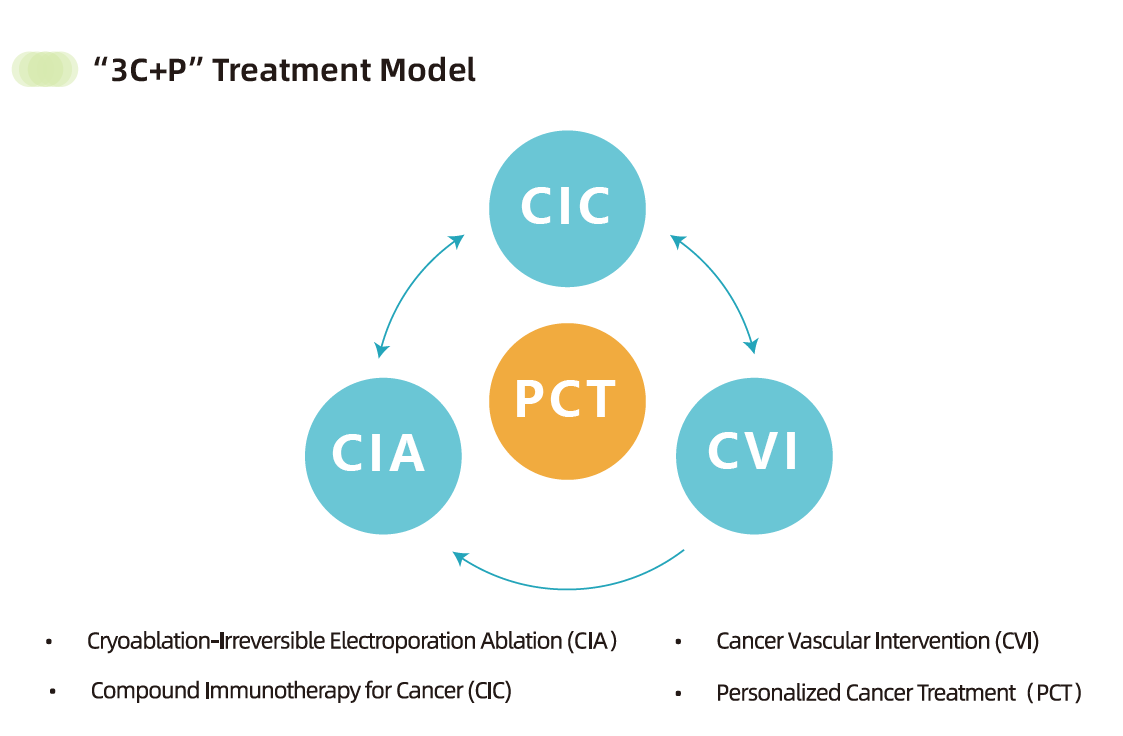
The hospital’s clinical organisation is described as the 3C+P model of comprehensive personalized care. It consists of Cryo-Irreversible Electroporation Ablation (CIA), Cancer Vascular Intervention (CVI) and Combined Immunotherapy for Cancer (CIC), plus Personalized (P) comprehensive therapy. In practice, the model is a way of combining local tumour treatment, vessel-directed treatment and systemic treatment into one plan for one patient, rather than sending a patient through separate departments that each decide independently.
Treatment portfolio: what is available on site
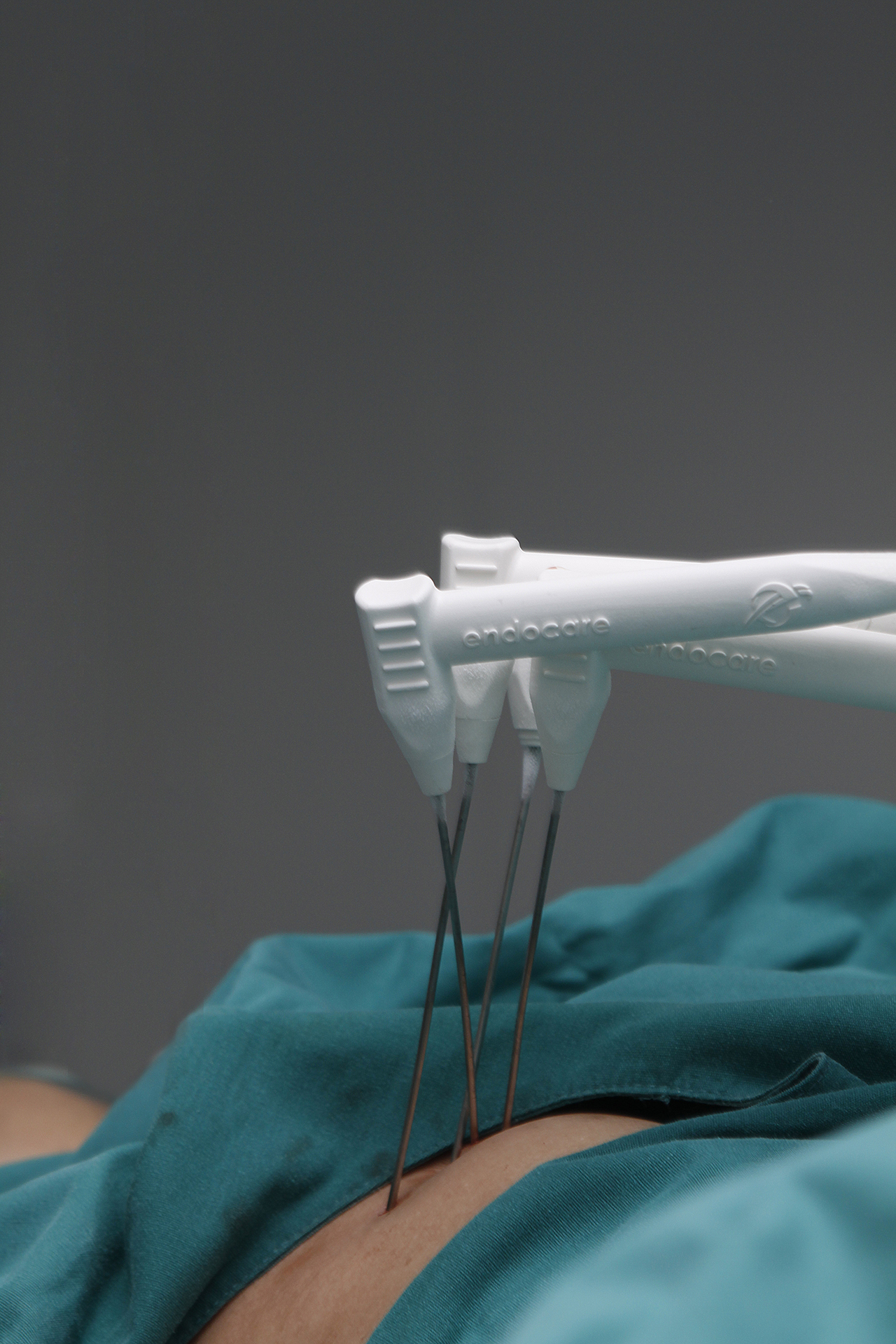
Main treatment offerings include cryoablation and irreversible electroporation (NanoKnife), interventional therapies and radioactive seed implantation, photodynamic therapy and microwave ablation. The hospital also provides immunotherapy and CAR-T therapy. Its research and clinical teams focus on cryoablation, irreversible electroporation (NanoKnife), interventional oncology and iodine seed therapy.
One dated regulatory fact is worth noting because it explains the hospital’s technical starting point: irreversible electroporation (NanoKnife) was approved for clinical application in China in June 2015 under NMPA (formerly CFDA) approval, and Fuda Cancer Hospital was the first to introduce the therapy.
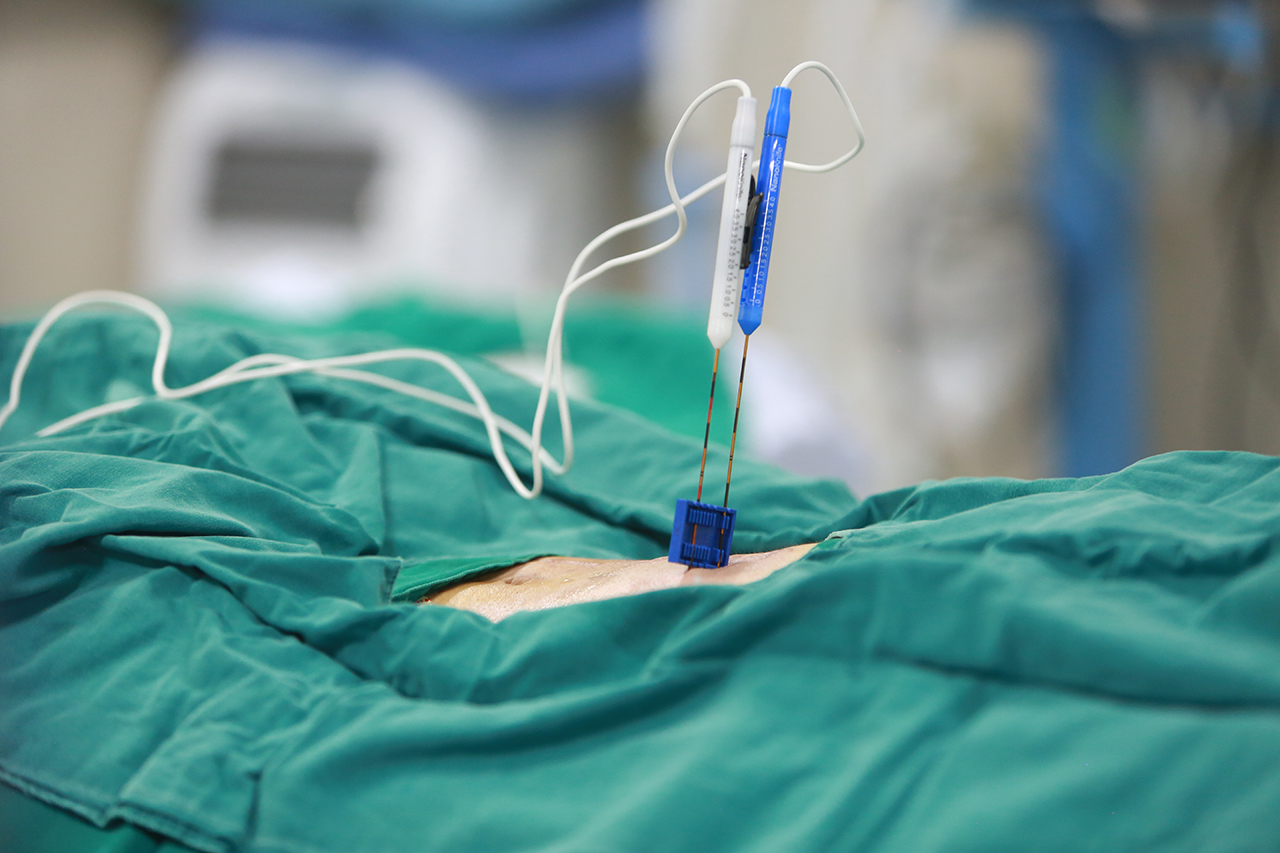
Where published data exists, it should be read precisely. The hospital reports that a cryoablation study of subsolid nodules (19 cases) achieved a 100% technical success rate for complete ablation, and that the result was cited by an international expert consensus. This is a small case series describing a technical outcome in a defined patient group; it is not a promise of the same result for every patient, and treatment suitability is always confirmed case by case.
Diagnostics, supportive care and what a plan includes
The service scope covers diagnostics (imaging, tumour markers, biopsy and genetic testing), local therapies (cryoablation, irreversible electroporation, microwave ablation and radiofrequency ablation), interventional treatments (HAIC, TACE, TAI and drug-eluting microspheres), immuno- and cell therapies, rehabilitation, psychosocial support and follow-up.
The stated service goals are to prolong life, reduce suffering, improve quality of life and minimise side effects. What a patient actually receives at the end of the planning process is concrete: a personalized treatment plan, imaging and pathology reports, treatment records with a follow-up schedule, and rehabilitation and nursing recommendations.
Step-by-Step Breakdown: How an International Case Moves Through the Hospital
Understanding the sequence removes most of the uncertainty in cross-border treatment. The pathway below reflects how the hospital describes its international patient service.
- Initial enquiry with medical records. The family contacts the hospital with the diagnosis and available documentation — imaging, pathology reports, previous treatment summaries and current medication. Enquiries can be made by email at appointment@fudahospital.com or by telephone and WhatsApp at +86 189-2215-3602, or through the hospital website at www.fudahospital.com.
- Remote assessment and record review. The hospital offers remote medical record assessment and online appointment, so an initial clinical opinion can be formed before any travel decision is made.
- Multidisciplinary planning. A multidisciplinary team reviews the case together and decides which combination of local, vessel-directed and systemic treatment is appropriate, following the 3C+P structure.
- Written plan and schedule. The patient receives a personalized plan and a proposed schedule. The service cycle varies widely by disease and plan — from a single-session intervention to long-term systemic therapy and follow-up — and is confirmed case by case.
- Arrival, admission and any further diagnostics. On arrival, additional imaging, biopsy or genetic testing may be required to finalise the plan.
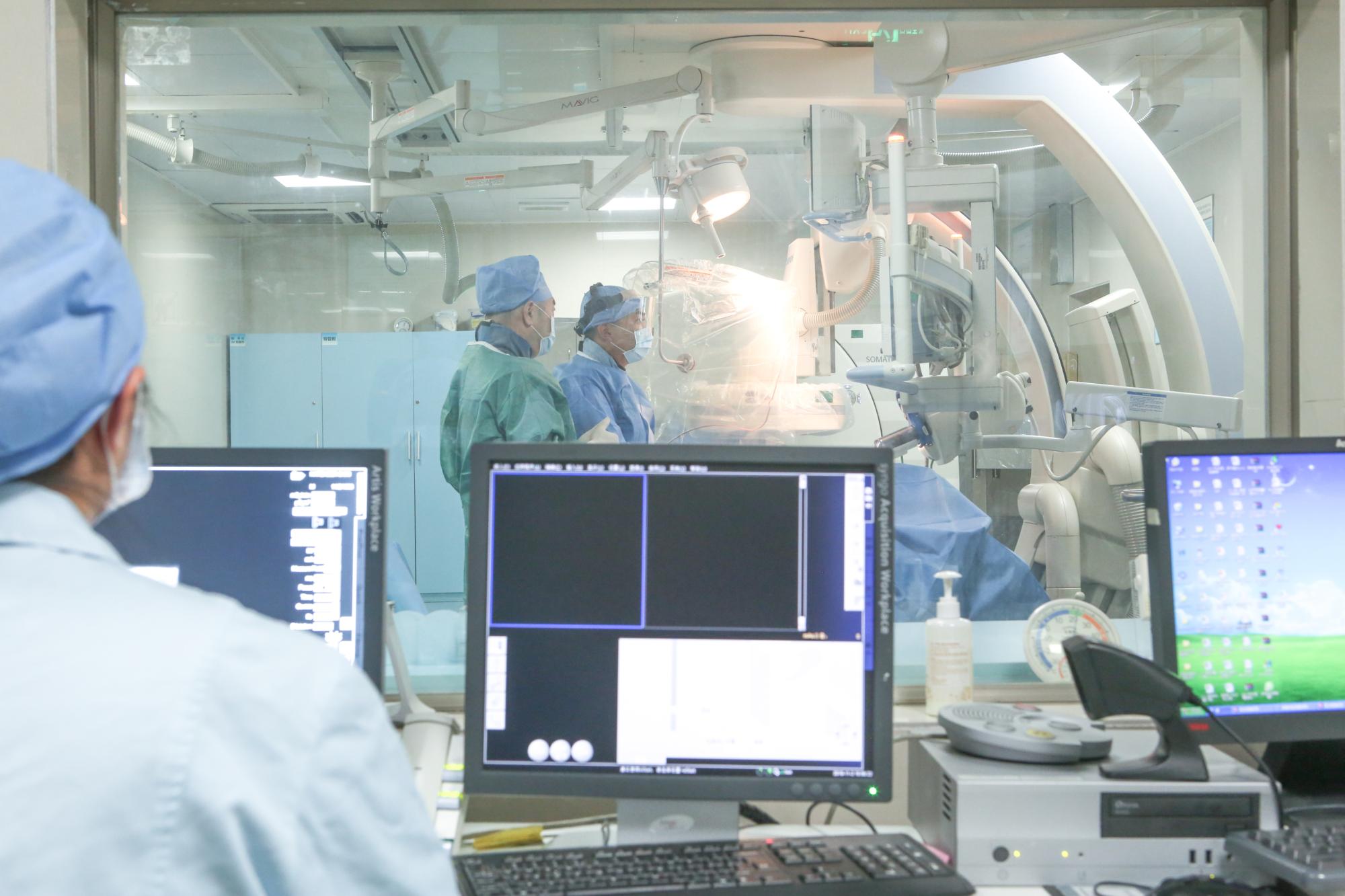
- Treatment delivery. Interventional and ablation procedures may be completed in single sessions, while systemic treatment and immunotherapy follow a longer schedule.
- Recovery, rehabilitation and supportive care. Post-procedure monitoring, physiotherapy, rehabilitation and nursing care are provided on site, with psychosocial support available.
- Follow-up. The patient leaves with treatment records, a follow-up schedule and rehabilitation and nursing recommendations, which allows monitoring to continue with a local physician.
Scope note: non-medical third-party commercial services, such as visa and travel arrangements, are not part of the confirmed medical service and require coordination with the hospital’s dedicated teams or external providers.
Use Cases: Which Situations This Kind of Hospital Is Built For
The hospital states that its target clients include cancer patients at early through advanced stages, patients seeking individualized, minimally invasive or cell-based immunotherapies, and international patients. The scenarios below illustrate where that focus matters most — in each case, suitability is determined by the multidisciplinary assessment, not by the diagnosis alone.
Late-stage lung cancer
When disease is advanced, the clinical question shifts from curative surgery to control, symptom relief and quality of life. A hospital with ablation, interventional and immunotherapy capability can evaluate whether a local approach adds value alongside systemic treatment.
Liver cancer requiring local control
Liver tumours are frequently treated with vessel-directed approaches such as TACE, HAIC or drug-eluting microspheres, and cryoablation is part of the hospital’s documented offering. Combining these with systemic therapy is a planning decision made by the multidisciplinary team.
Metastatic disease
Metastatic cancer rarely responds to a single approach. The relevant capability is whether local treatment of selected lesions can be coordinated with combined immunotherapy and other systemic options in one plan.
Inoperable tumours and tumours near critical structures
For patients told that surgery is not possible, the useful question is which non-surgical options remain. The hospital offers cryoablation, irreversible electroporation (NanoKnife), microwave ablation, radioactive seed implantation and photodynamic therapy, all of which are selected by the multidisciplinary team according to tumour position and patient condition.
High-risk patients who cannot tolerate standard treatment
Patients with significant comorbidity or reduced tolerance for full-dose systemic therapy may be assessed for minimally invasive procedures that require shorter recovery, depending on clinical evaluation.
Advanced and palliative care needs
Supportive and rehabilitative care — including rehabilitation, physiotherapy, psychosocial support and nursing — forms part of the service scope, alongside treatment intended to relieve symptoms and improve quality of life.
Comparison Table: Treatment Approaches at a Glance
The table below summarises the approaches named in the hospital’s treatment portfolio and how each is positioned within a plan. It describes availability and role, not comparative effectiveness; selection is always made by the multidisciplinary team after assessment.
| Approach | How it is delivered | Where it fits in a plan | What to verify |
|---|---|---|---|
| Cryoablation (CIA component) | Tumour tissue is destroyed by controlled freezing through a probe under imaging guidance | Local tumour control, including situations where organ preservation or a repeatable local approach is preferred | Tumour size, number and location; number of sessions is confirmed case by case |
| Irreversible electroporation — NanoKnife (CIA component) | Short electrical pulses create irreversible nanopores in cell membranes | Evaluated for local treatment where the tumour position calls for an approach that does not rely on thermal energy | Approved for clinical application in China in June 2015 (NMPA, formerly CFDA); first introduced at Fuda Cancer Hospital |
| Cancer vascular intervention — CVI (HAIC, TACE, TAI, drug-eluting microspheres) | Catheter-based delivery of chemotherapy or embolic agents into tumour-feeding vessels | Vessel-directed treatment, frequently for liver tumours, alone or combined with ablation | Vascular anatomy, liver function and prior treatments |
| Radioactive seed implantation (iodine seed therapy) | Radioactive seeds are implanted to deliver localised radiation | Localised tumour treatment within a combined strategy | A declared focus area of the hospital’s research and clinical teams |
| Photodynamic therapy | Light-activated agents are used to act on tumour tissue | One of the local options the multidisciplinary team may select | Accessibility and suitability depend on tumour site and clinical assessment |
| Microwave ablation | Thermal ablation using microwave energy | Local tumour destruction alongside cryoablation and IRE | Selected according to tumour characteristics assessed by the team |
| Immunotherapy and CAR-T therapy (CIC component) | Systemic treatment, often combined with local therapies | Systemic disease control within the 3C+P combination model | Depends on molecular testing, pathology and clinical evaluation |
What to Check Before You Choose a Cancer Treatment Hospital
With the pathway and portfolio above in mind, a shortlist can be tested against a short set of verifiable criteria rather than impressions:
- Accreditation and specialty designation. Look for documentary status, such as JCI accreditation and national key clinical specialty recognition, with dates.
- A real multidisciplinary process. Ask who reviews the case and whether a single written plan is produced, rather than separate opinions from separate departments.
- Availability of the specific technology your case needs. A hospital may list a treatment in general but not offer it for your tumour type, so ask explicitly.
- Diagnostic depth. Confirm that imaging, tumour markers, biopsy and genetic testing are available on site, since these drive treatment selection.
- International patient services. Check supported languages, remote record assessment, appointment procedures and the contact channels available before travel.
- What you leave with. Ask for the deliverables: the personalized plan, imaging and pathology reports, treatment records, follow-up schedule and rehabilitation recommendations.
- Case-by-case confirmation. Any reliable hospital will confirm duration, eligibility and approach case by case rather than quoting a fixed package.
FAQ
Is Guangzhou Fuda Cancer Hospital accredited and designated for specialty oncology care?
Yes. Guangzhou Fuda Cancer Hospital is under the administration of the Health Commission of Guangdong Province and is the first oncology-specialized hospital in Guangdong Province accredited by Joint Commission International (JCI). In 2010 the former Ministry of Health designated it as one of the first batch of National Key Clinical Cancer Speciality Centres (Oncology), in 2018 it was accredited as a National Key Clinical Specialty (Oncology), and in 2019 it was named a High-level Key Clinical Cancer Speciality Centre of Guangdong Province (Oncology).
What cancer treatments does a specialized cancer treatment hospital such as Fuda provide?
Main treatment offerings include cryoablation and irreversible electroporation (NanoKnife), interventional therapies and radioactive seed implantation, photodynamic therapy and microwave ablation, as well as immunotherapy and CAR-T therapy. Its research and clinical teams focus on cryoablation, irreversible electroporation (NanoKnife), interventional oncology and iodine seed therapy. These approaches are organised within the 3C+P model: Cryo-Irreversible Electroporation Ablation (CIA), Cancer Vascular Intervention (CVI), Combined Immunotherapy for Cancer (CIC) and Personalized (P) comprehensive therapy.
Can patients with inoperable, advanced or metastatic tumours be evaluated at Fuda Cancer Hospital?
The hospital states that its target clients include cancer patients at early through advanced stages, patients seeking individualized, minimally invasive or cell-based immunotherapies, and international patients. Inoperable, advanced and metastatic cases are assessed by a multidisciplinary team, and the appropriate combination of local, vessel-directed and systemic treatment is decided case by case. Available local options include cryoablation, irreversible electroporation (NanoKnife), microwave ablation, radioactive seed implantation and photodynamic therapy, with supportive and rehabilitative care provided alongside treatment.
How long does treatment take, and what do patients receive afterwards?
The service cycle varies widely by disease and plan, ranging from single-session interventions to long-term systemic therapy and follow-up, with durations from days to months or longer, confirmed on a case-by-case basis. Deliverables include a personalized treatment plan, imaging and pathology reports, treatment records with a follow-up schedule, and rehabilitation and nursing recommendations. Non-medical arrangements such as visa and travel are not part of the confirmed medical service and require coordination with dedicated teams or external providers.
How do international patients contact Fuda Cancer Hospital, and which languages are supported?
International patients can start with a remote record review before travelling. Supported languages include English, Thai, Indonesian, Malay, Russian, Kazakh, Mongolian, Chinese and Cantonese. Contact channels are email at appointment@fudahospital.com, telephone or WhatsApp at +86 189-2215-3602, or the website at www.fudahospital.com; the hospital address is No. 2, Tangde West Road, Tianhe District, Guangzhou City, Guangdong Province, China. Sending imaging, pathology and previous treatment records with the first enquiry is the fastest way to receive a meaningful initial opinion.
Conclusion: From a Search to a Written Plan
Choosing a cancer treatment hospital for international patients is a capability question before it is a travel question. The useful comparison is between hospitals that can assess a complex case in detail, plan it through a multidisciplinary process, treat it with technologies actually available on site, and support the patient through admission, rehabilitation and follow-up in a language they understand.
Guangzhou Fuda Cancer Hospital addresses that set of requirements with JCI accreditation, national oncology specialty designations, two campuses in Guangzhou, approximately 3,000 cases per year, patients from more than 130 countries and regions, and a treatment portfolio built around cryoablation, irreversible electroporation (NanoKnife), interventional oncology and combined immunotherapy within the 3C+P model. All treatment decisions remain case by case, based on the medical assessment of the individual patient.
Next step
If you are evaluating options for yourself or a family member, the most useful first action is a remote record review. Send the diagnosis, recent imaging, pathology reports and previous treatment summaries to appointment@fudahospital.com or via WhatsApp at +86 189-2215-3602. The hospital’s international team can confirm whether an assessment is appropriate for the case and outline the next steps.
For a full overview of the hospital’s departments, treatment model and facilities, you can download the English brochure here: Fuda Cancer Hospital English brochure (PDF).