
Cancer Treatment Hospital in China: A Discovery Guide for International Patients
Cancer Treatment Hospital in China: A Discovery Guide for International Patients
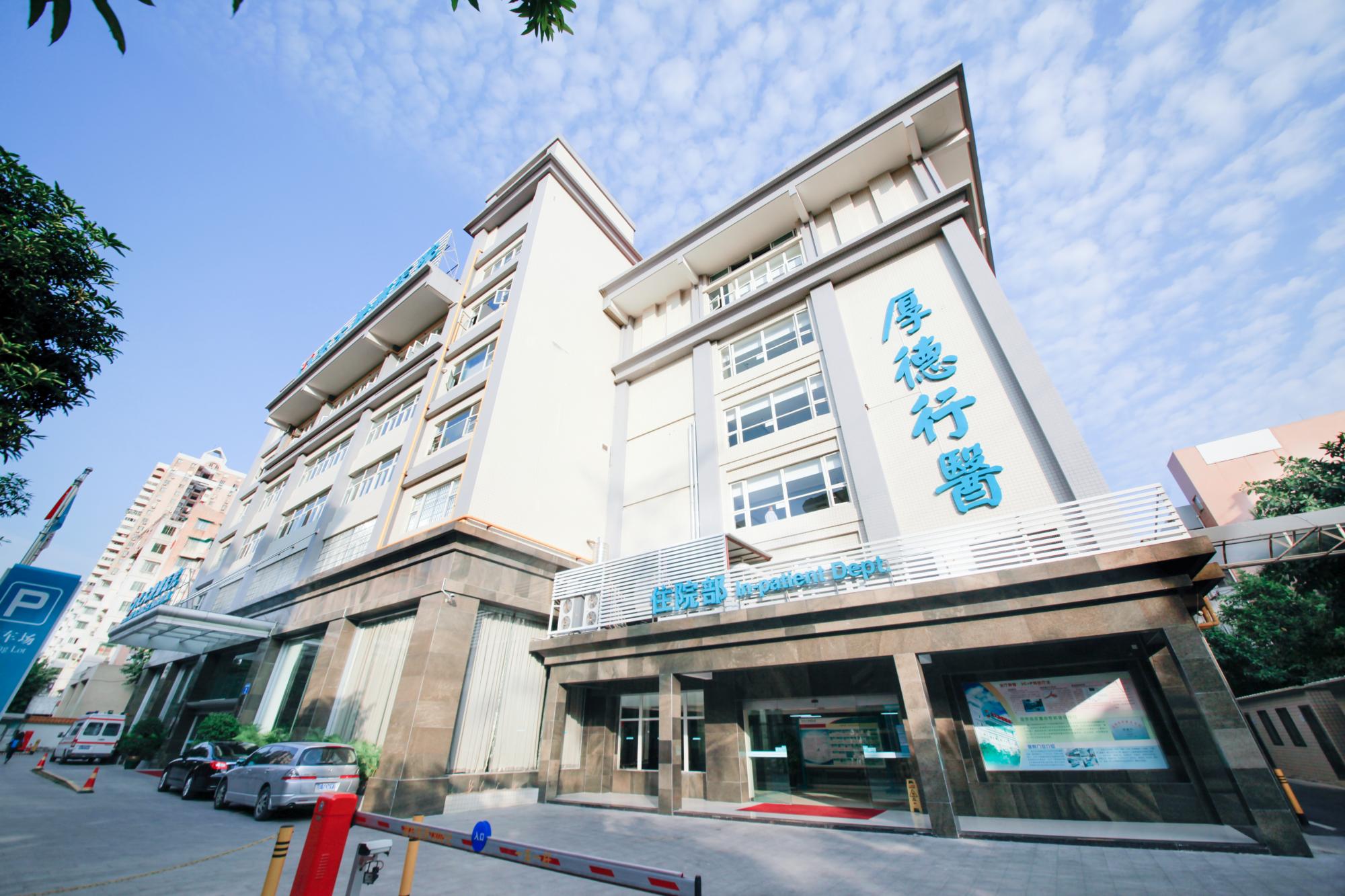
A cancer treatment hospital is a hospital whose diagnostics, interventional suites, inpatient wards and clinical teams are organized around oncology rather than general medicine. That distinction matters most when a tumor cannot be removed by surgery, when disease has recurred or spread, or when a patient can no longer tolerate standard systemic chemotherapy — situations where the useful question is not which single technology to choose, but which type of hospital can assemble a plan around that specific case. This guide explains what specialized cancer treatment hospitals provide, how international patients evaluate them, and how one example — Guangzhou Fuda Cancer Hospital in Guangdong Province, China — structures care for patients from China and abroad.
Hospitals differ less in the equipment they list than in how they combine it. A hospital that can offer only surgery will approach an inoperable tumor very differently from one that also runs ablation, vascular intervention and immunotherapy programs under a single multidisciplinary team. For patients crossing borders, that difference is compounded by language, records transfer and the practical logistics of admission.
The sections below cover the problem this decision addresses, the industry context behind the growth of specialized oncology hospitals, the treatment model used at Fuda, a step-by-step view of how international patients move from enquiry to follow-up, the case types this type of hospital is built for, a side-by-side comparison of treatment lines, and a practical evaluation checklist.
Problem Definition: Why Choosing a Cancer Treatment Hospital Is Difficult
The obstacle is rarely a shortage of hospitals. It is that the conventional pathway — surgery, then radiochemotherapy, then systemic drugs — is limited for specific tumor situations, and patients often discover that limitation only after the pathway has been tried.
The clinical problems this decision addresses are well defined: locally unresectable tumors, systemic metastasis, and the need to reduce systemic toxicity or preserve organ function with less invasive options. Patients with unresectable tumors, heavy systemic chemotherapy side effects, recurrence or metastasis, and the waiting times and coordination challenges of treatment away from home all arrive at the same question at different points in their care.
Four constraints that shape the decision
- Tumors adjacent to critical structures prevent surgery. When a tumor sits close to major vessels, ducts or other vital anatomy, a surgeon may be unable to remove it safely even when the disease has not spread.
- Managing systemic toxicities. Chemotherapy side effects can make further systemic treatment impractical, shifting attention toward local or organ-sparing approaches.
- Building individualized multidisciplinary plans. No single specialist can decide alone; a workable plan has to reconcile imaging, pathology, interventional options and systemic therapy.
- Logistics and costs of treatment away from home. For domestic and international patients, records, language, travel and admission scheduling are part of the clinical decision, not an afterthought.
What usually triggers the search
Most patients start looking for this type of hospital after a specific event: imaging-detected progression or recurrence, failure of prior treatment, inability to tolerate systemic chemotherapy, a wish to preserve organ function, or — for international patients — a desire to have a case assessed against additional options. Urgency is often high and some cases are time-sensitive, which is why the ability to review records remotely and respond quickly matters as much as the treatment list itself. Underlying causes are usually a combination of tumor biology and aggressiveness, the limitations of earlier screening or imaging, the constraints of conventional therapies, and simple patient-to-patient variation.
Industry Background: Where Specialized Cancer Hospitals Sit Today
Specialized oncology hospitals have grown in step with two structural trends: rising healthcare spending and the migration of minimally invasive technology into hospital-based cancer care.
China's hospital services market is estimated to reach USD 614.82 billion in 2024, with specialized private hospitals representing a significant growth driver due to an aging population and rising healthcare expenditure (Market Research Future). Within that system, cancer care carries a substantial share of the burden: China's healthcare expenditure for cancer treatment reached 221.4 billion RMB, accounting for 5.4% of total health expenditure, according to figures published by Sun Yat-sen University Cancer Center in 2024.
Technology supply is expanding alongside demand. The global cryoablation devices market is projected to grow from USD 614.3 million in 2026 to USD 1,036.7 million by 2030, with hospitals as the largest end-user segment at 54.4% (Grand View Research). That concentration inside hospitals is the practical signal: ablation and interventional oncology are no longer niche procedures offered in a handful of centres, they are increasingly standard service lines.
Regulatory availability has followed. Irreversible electroporation (NanoKnife) was approved for clinical application in China in June 2015 under NMPA (formerly CFDA) approval, and Fuda Cancer Hospital was the first to introduce the therapy. For patients researching options, the implication is straightforward: whether a technique is actually available in a given hospital is a question with a date and a regulatory answer, not a matter of marketing language.
What remains uneven is integration — whether a hospital can combine several modalities in one plan rather than offering them in isolation. That is the gap specialized oncology hospitals are positioned to fill, and the rest of this guide looks at how one of them is structured.
What a Specialized Cancer Treatment Hospital Provides: The 3C+P Model at Fuda
Guangzhou Fuda Cancer Hospital is an oncology-specialized hospital located in Guangzhou, Guangdong Province, China. It was established in 2003 and has more than 20 years of experience in oncology care. It operates two campuses — the Tianhe Campus and the Haizhu Campus — and is under the administration of the Health Commission of Guangdong Province. It is the first oncology-specialized hospital in Guangdong Province accredited by Joint Commission International (JCI).
Its treatment approach is guided by high and new technologies and features minimally invasive therapies, organized through a model the hospital calls 3C+P. The three C components are Cryo-Irreversible Electroporation Ablation (CIA), Cancer Vascular Intervention (CVI), and Combined Immunotherapy for Cancer (CIC); the P stands for Personalized comprehensive therapy, which ties the three together for an individual case.
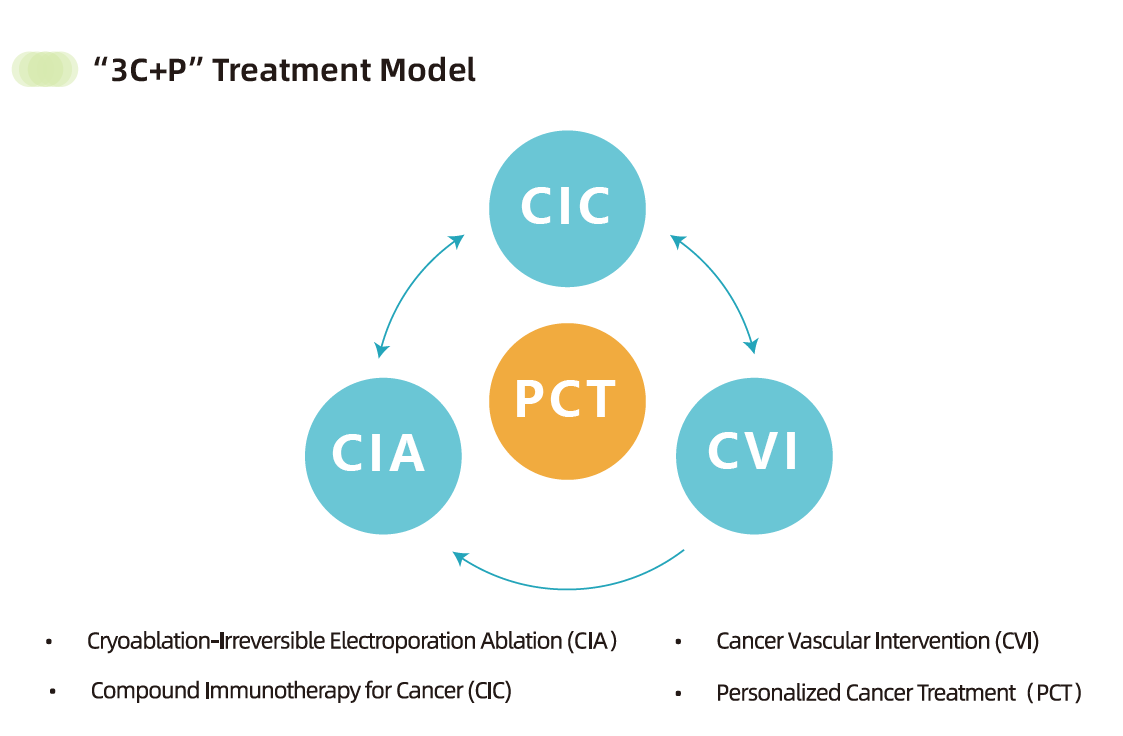
Cryo-Irreversible Electroporation Ablation (CIA)
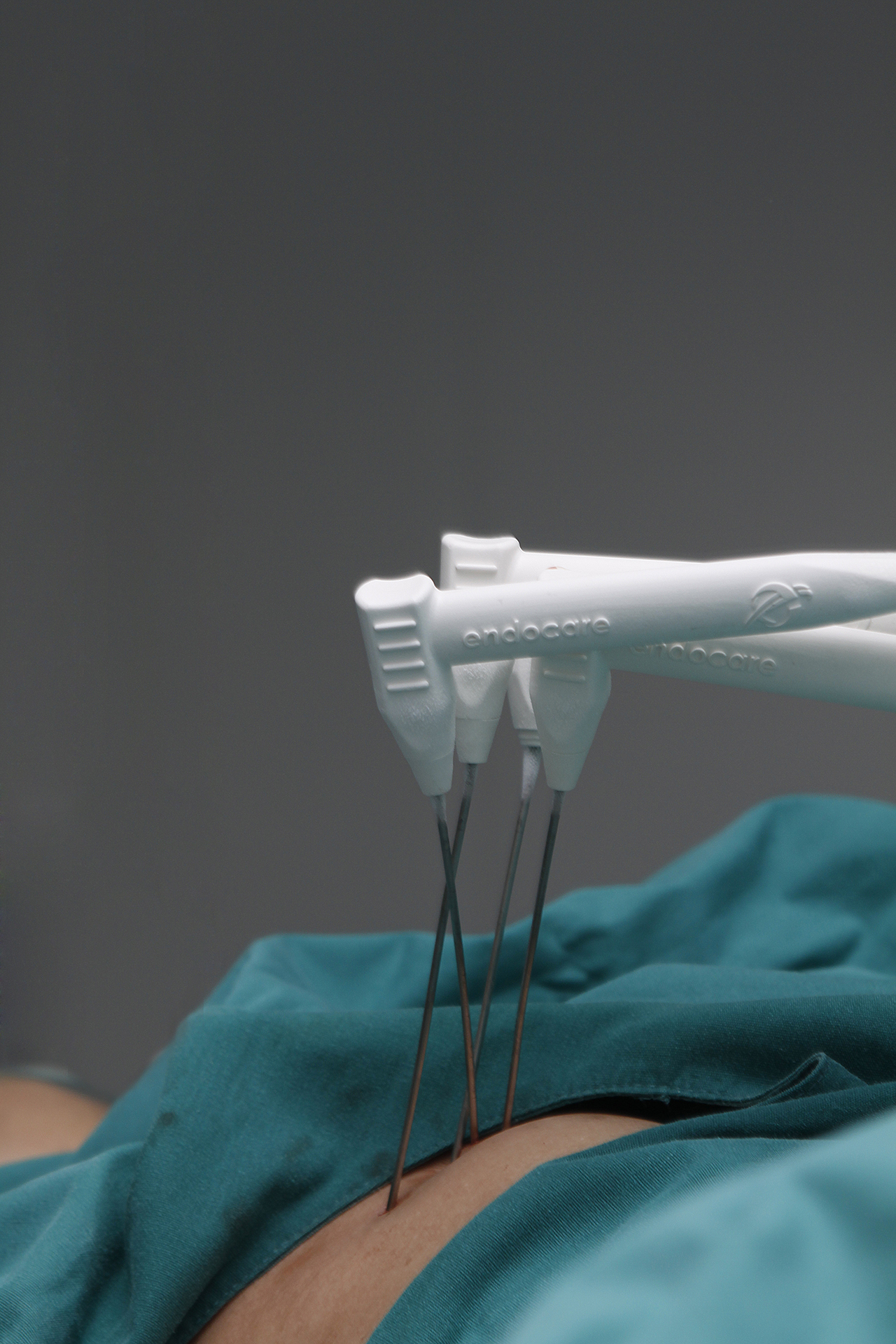
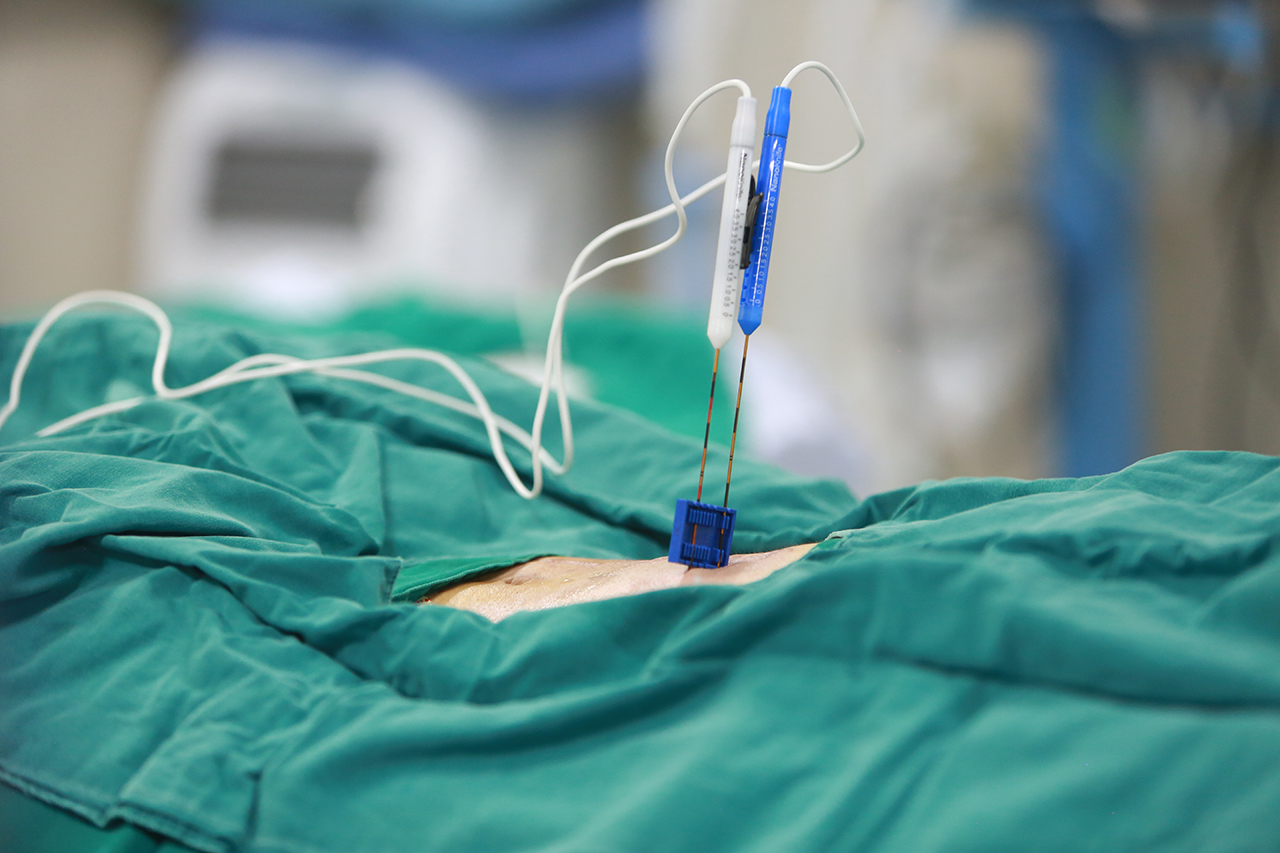
This component covers the hospital's ablation capability: cryoablation, which destroys tumor tissue using controlled cold, and irreversible electroporation (NanoKnife), a non-thermal ablation technique. Cryoablation probes and a structured ablation workflow are central to the hospital's interventional practice. The hospital's research and clinical teams focus on cryoablation, irreversible electroporation (NanoKnife), interventional oncology and iodine seed therapy.
Cancer Vascular Intervention (CVI)
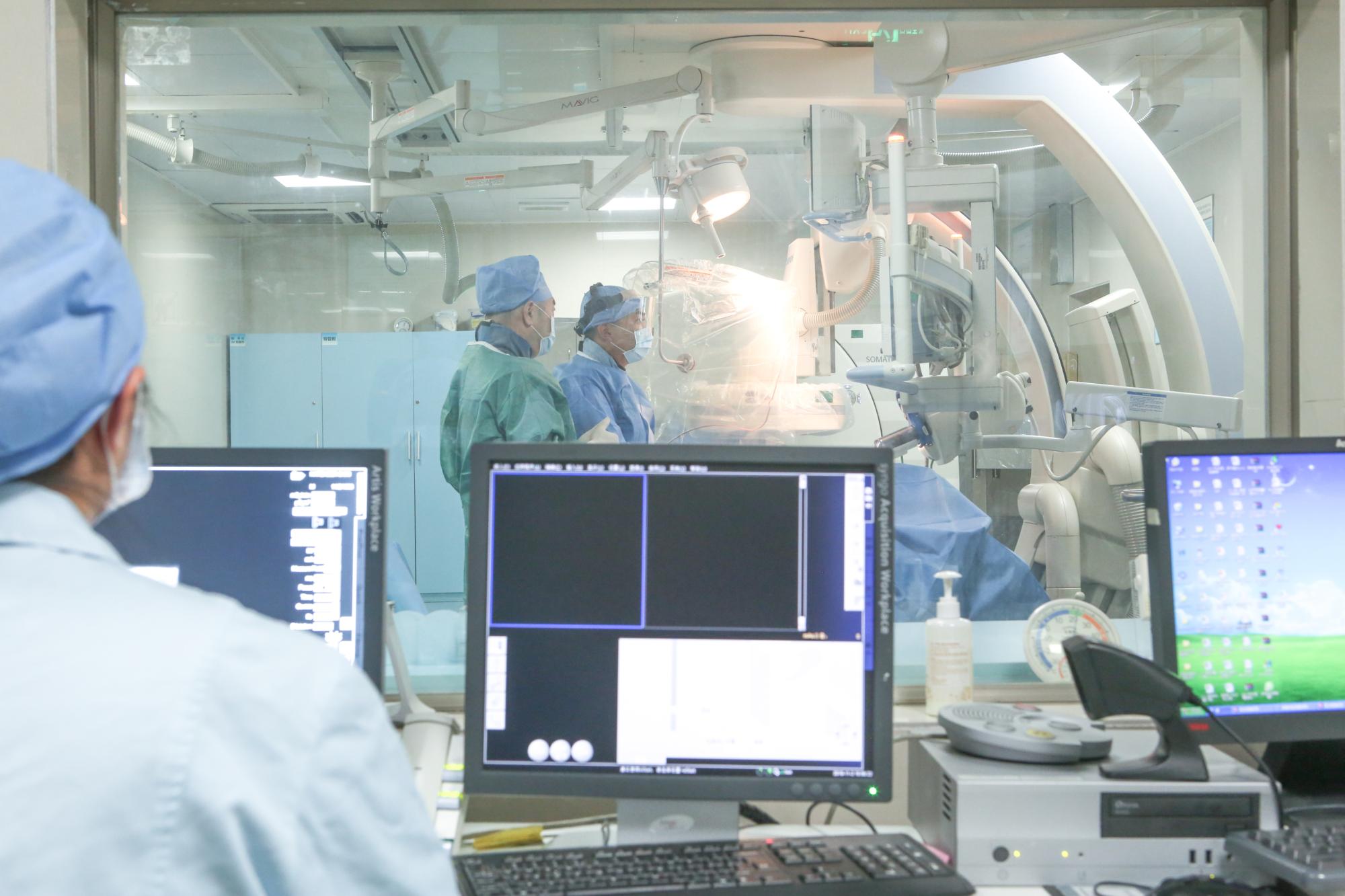
Vascular intervention treats the tumor through its blood supply. The hospital's interventional scope includes arterial infusion approaches (HAIC / TACE / TAI) and drug-eluting microspheres, delivered in dedicated interventional rooms.
Combined Immunotherapy for Cancer (CIC)
Systemic and immune-based treatment sits in the third component. Immunotherapy and CAR-T therapy are part of the hospital's cancer treatment services, and are used in combination with local therapies rather than as isolated options.
Personalized (P) comprehensive therapy
The personalized component is the decision layer. Plans are built through multidisciplinary (MDT) evaluation and molecular testing, then implemented through defined service modules: outpatient evaluation, admission preparation, operative or interventional procedures, post-operative monitoring, and rehabilitation with follow-up.
Additional treatment lines and support services
Beyond the 3C+P core, main treatment offerings include radioactive seed implantation, photodynamic therapy and microwave ablation. The wider service category covers oncology specialty clinical care, minimally invasive interventional treatments, immuno- and cell-based therapies, rehabilitation, and supportive care, delivered on an outpatient, inpatient, surgical, minimally invasive cancer treatment and international patient service basis.
Diagnostics include imaging, tumor markers, biopsy and genetic testing. Deliverables for a patient typically include a personalized treatment plan, imaging and pathology reports, treatment records with a follow-up schedule, and rehabilitation and nursing recommendations.
Institutional credentials and capacity
- Joint Commission International (JCI) accreditation, as the first oncology-specialized hospital in Guangdong Province to hold it.
- In 2010, designated by the former Ministry of Health as one of the first batch of National Key Clinical Cancer Speciality Centres (Oncology).
- In 2018, accredited as a National Key Clinical Specialty (Oncology).
- In 2019, named a High-level Key Clinical Cancer Speciality Centre of Guangdong Province (Oncology).
- Capacity: total floor area exceeding 30,000 m², 400 open beds, 45 VIP rooms, approximately 500 staff, and an annual patient volume of approximately 3,000 cases.
Published evidence in ablation
One hospital-reported study, cited by an international expert consensus, recorded a 100% technical success rate for complete ablation of subsolid nodules across 19 cases (2024). Such figures describe a specific technique and a specific case type. They should be read as one data point when evaluating a hospital's ablation experience, not as a general success rate across all cancers.
Step-by-Step: From First Enquiry to Treatment Plan
For international patients, the process begins before travel. Based on the hospital's described workflow, the path runs as follows.
- Initial contact and remote assessment. Enquiries are handled through online appointment, phone consultation and the international patient service center, which offers remote medical record assessment. The hospital can be reached at appointment@fudahospital.com and +86 189-2215-3602, also available on WhatsApp.
- Records review. Imaging, pathology, biopsy material, tumor markers and genetic testing are reviewed to establish what has already been done and what remains possible.
- Multidisciplinary (MDT) evaluation. A case is assessed across specialties rather than by one clinician. This is the point at which combined options — ablation plus vascular intervention plus immunotherapy — can be considered together instead of sequentially.
- Personalized treatment plan. The patient receives a plan that sets out the proposed sequence of interventions and the reasoning behind it.
- Admission and treatment. Procedures are delivered on an outpatient, inpatient or surgical basis depending on the plan. Ablation and interventional procedures take place in dedicated suites, with post-operative monitoring afterwards.
- Rehabilitation, supportive care and follow-up. Rehabilitation and nursing recommendations are provided, along with a follow-up schedule covering imaging review and ongoing systemic therapy where required.
On timing: the service cycle varies widely by disease and plan, ranging from single-session interventions to long-term systemic therapy and follow-up, with durations from days to months or longer. It is confirmed case by case, so an estimated timeline is normally issued together with the treatment plan rather than before it.
Language and practical support
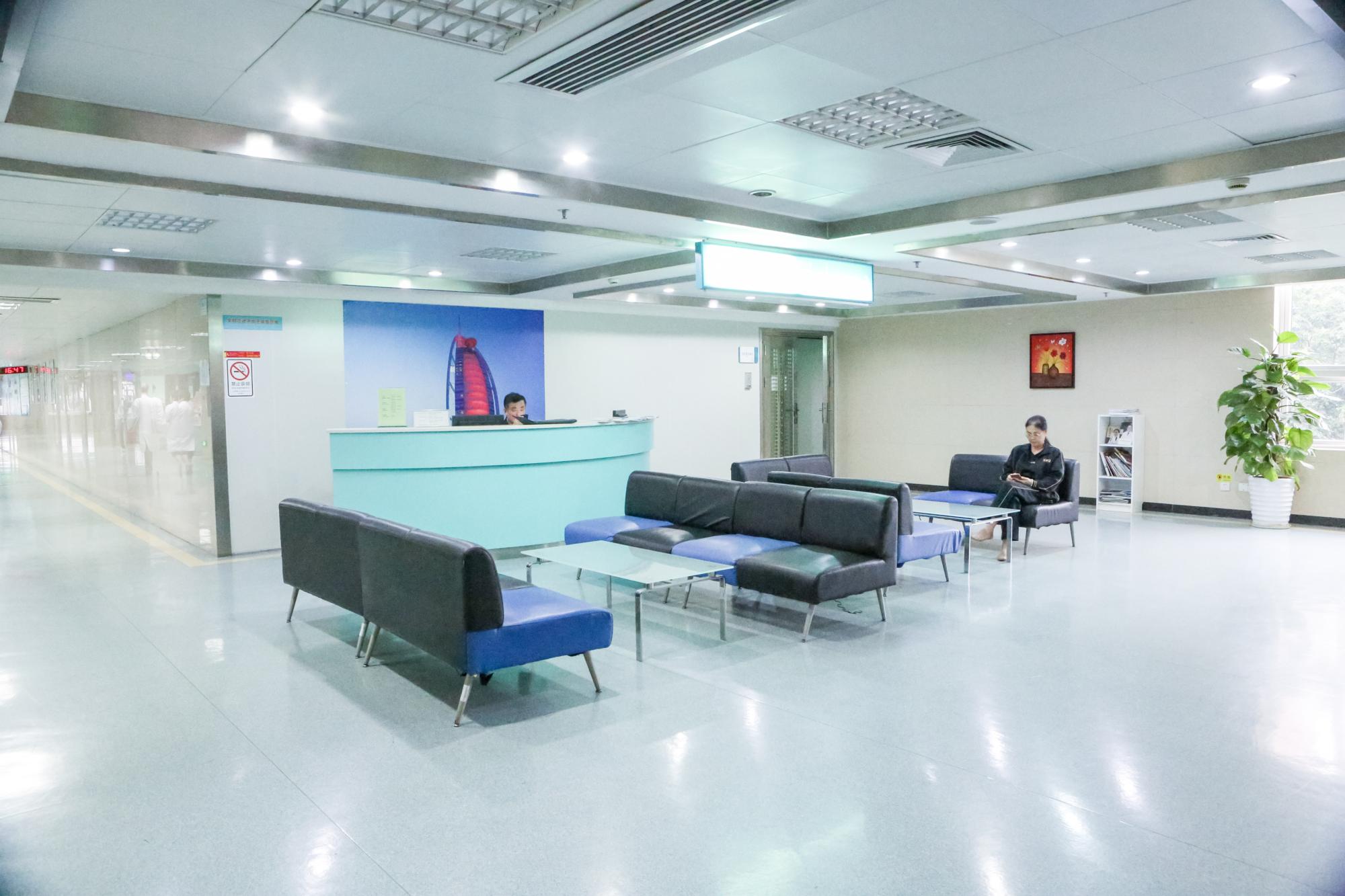
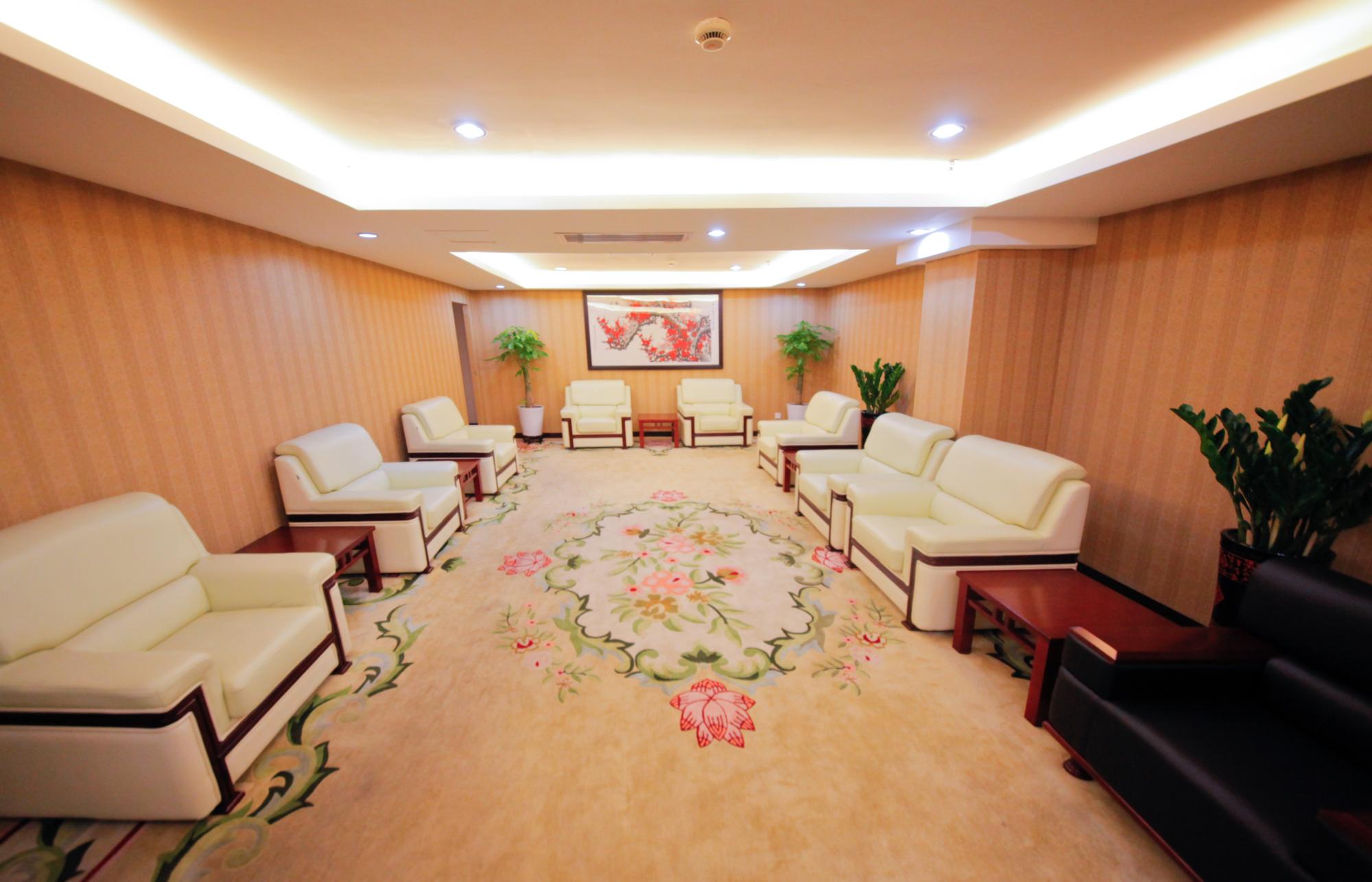
Supported languages include English, Thai, Indonesian, Malay, Russian, Kazakh, Mongolian, Chinese and Cantonese. On site, the hospital provides a translation and service station, multi-faith prayer rooms and a church, a rehabilitation centre and gym, on-site dining, and 45 VIP rooms for patients who need private accommodation.
Use Cases: Which Situations This Type of Hospital Is Built For
Specialized cancer treatment hospitals with interventional and ablation programs are most often considered in the following situations. Whether any given option is appropriate is always determined case by case after records review.
- Inoperable or surgery-limited tumors. Tumors adjacent to critical structures, or locally unresectable disease, where ablation or vascular intervention may provide local control.
- Recurrence or metastatic disease. Cases that require combined local and systemic approaches rather than a single modality.
- Patients intolerant to systemic therapy. Where chemotherapy toxicity or comorbidity makes further systemic treatment impractical.
- Organ-preserving treatment needs. Where maintaining function matters as much as tumor control, and repeatable local treatments are preferred.
- Advanced and late-stage disease. Including palliative and supportive care delivered alongside tumor-directed treatment to relieve symptoms and support quality of life.
- High-risk patients. Cases that need multidisciplinary monitoring before, during and after intervention.
- International patients seeking a second assessment. Patients who want existing records reviewed against additional options before committing to travel or to a new course of treatment.
International patients account for 60% of the hospital's patients, and patients from more than 130 countries and regions worldwide have received treatment there, mainly from Southeast Asia, the Middle East, Europe and North America. A separate profile published by My 1Health reports that the hospital has treated over 10,000 international cancer patients from more than 100 countries.
Comparison Table: Fuda's Core Treatment Lines Side by Side
The table below summarizes how the hospital's main treatment lines differ in category and function. It describes what each line is, not which line is superior — no single line is appropriate for every case.
| Treatment line | Category | What it involves | Where it fits in the 3C+P model |
|---|---|---|---|
| Cryoablation | Local ablation (cold-based) | Tumor destruction using cryoablation probes and a controlled freeze process | Cryo-Irreversible Electroporation Ablation (CIA) |
| Irreversible electroporation (NanoKnife) | Local ablation (non-thermal) | Non-thermal ablation technique; approved for clinical application in China in June 2015, and first introduced at Fuda Cancer Hospital | Cryo-Irreversible Electroporation Ablation (CIA) |
| Vascular intervention (HAIC / TACE / TAI, drug-eluting microspheres) | Interventional oncology | Treatment delivered through the tumor's blood supply in dedicated interventional rooms | Cancer Vascular Intervention (CVI) |
| Immunotherapy and CAR-T therapy | Systemic / immune-based | Immune-based treatment used in combination with local therapies | Combined Immunotherapy for Cancer (CIC) |
| Radioactive seed implantation | Local therapy | Listed among the hospital's main treatment offerings; iodine seed therapy is a focus of its research and clinical teams | Sequenced through Personalization (P) |
| Photodynamic therapy and microwave ablation | Local therapy | Additional light-based and thermal ablation options | Sequenced through Personalization (P) |
| Rehabilitation, supportive and palliative care | Supportive care | Symptom relief, rehabilitation, psychosocial support and follow-up scheduling | Runs alongside all three C components |
How to Evaluate a Cancer Treatment Hospital: A Practical Checklist
- Accreditation and designation. Check for external accreditation such as JCI and for national or provincial oncology specialty designations, and note the year each was granted.
- Combination capability, not a single device. Ask whether ablation, vascular intervention, systemic therapy and supportive care are available under one multidisciplinary team, because the plan matters more than any individual technology.
- A documented MDT process. Confirm that decisions are made by a multidisciplinary group and that the resulting plan is provided in writing.
- Experience in the specific technique. For ablation procedures, ask about documented case numbers and reported outcomes for the exact case type in question.
- International patient infrastructure. Remote record assessment, language coverage, appointment handling and admission coordination determine how quickly treatment can begin.
- Stated limits. A hospital that says what it cannot do — and when a case should be treated elsewhere — is easier to evaluate than one that promises outcomes.
- Follow-up and supportive care. Confirm what happens after discharge: follow-up schedule, imaging review, continuation of systemic therapy, and rehabilitation.
Frequently Asked Questions
What is a cancer treatment hospital that serves international patients?
A cancer treatment hospital is organized around oncology rather than general medicine: its diagnostics, tumor-directed treatments, inpatient wards and supportive care are all built for cancer patients. When it serves international patients, it also adds remote record review, multilingual coordination and admission support for people travelling from other countries. Guangzhou Fuda Cancer Hospital, located in Guangzhou, Guangdong Province, China and established in 2003, is one example. It is an oncology-specialized hospital under the administration of the Health Commission of Guangdong Province, operates the Tianhe and Haizhu campuses, and is the first oncology-specialized hospital in Guangdong Province accredited by Joint Commission International (JCI). Patients from more than 130 countries and regions have been treated there, and international patients account for 60% of its patients.
Which treatment options exist for tumors that cannot be removed by surgery?
Options at Fuda include cryoablation, irreversible electroporation (NanoKnife), interventional therapies such as arterial infusion and drug-eluting microspheres, radioactive seed implantation, photodynamic therapy, microwave ablation, and immunotherapy including CAR-T therapy. These are organized through the 3C+P model — Cryo-Irreversible Electroporation Ablation, Cancer Vascular Intervention, Combined Immunotherapy for Cancer, plus Personalized comprehensive therapy — which means local and systemic treatments can be combined within one plan rather than offered separately. Whether a specific option applies to a given patient is decided case by case after multidisciplinary review of imaging, pathology and prior treatment records.
Is irreversible electroporation (NanoKnife) available for tumors near critical structures?
Irreversible electroporation (NanoKnife) is available at Fuda Cancer Hospital. The therapy was approved for clinical application in China in June 2015 under NMPA (formerly CFDA) approval, and Fuda Cancer Hospital was the first to introduce it. Because IRE is a non-thermal ablation technique, it is among the options considered when a tumor lies close to critical structures and surgery is not feasible; cryoablation and vascular intervention may be evaluated in the same multidisciplinary assessment. Suitability is confirmed individually after records review, and no technique is appropriate for every case.
What language support and facilities are available for international patients?
Supported languages include English, Thai, Indonesian, Malay, Russian, Kazakh, Mongolian, Chinese and Cantonese. In practice, patients can reach the hospital through online appointment, phone consultation and the international patient service center, which offers remote medical record assessment before travel. On site, the hospital provides a translation and service station, multi-faith prayer rooms and a church, a rehabilitation centre and gym, on-site dining, and 45 VIP rooms, within a total of 400 open beds.
How do international patients start, and how long does treatment take?
The process starts with an enquiry to the international patient service center by email at appointment@fudahospital.com, by phone or WhatsApp at +86 189-2215-3602, or through online appointment on the hospital website, www.fudahospital.com. Patients submit imaging, pathology and treatment history for remote assessment; the case is then reviewed by a multidisciplinary team, and a personalized treatment plan is issued before admission. The service cycle varies widely by disease and plan, ranging from single-session interventions to long-term systemic therapy and follow-up, with durations from days to months or longer, so an estimated timeline is confirmed case by case. A fuller description of treatments and facilities is available in the Fuda Cancer Hospital brochure.
Conclusion: Matching the Hospital to the Case
Choosing a cancer treatment hospital is a matching exercise before it becomes a treatment decision. The relevant questions are whether the hospital can address the specific anatomical problem — a tumor next to a critical structure, a recurrence, a metastasis — and whether it can combine local ablation, vascular intervention, immune-based therapy and supportive care into one coordinated plan. Accreditation, a documented multidisciplinary process, experience in the exact technique, and a functioning international patient service are the practical filters that separate hospitals that can help from those that cannot.
For patients and families at the research stage, the most useful first step is not to select a procedure but to have existing records reviewed, so that the discussion of options is based on actual imaging and pathology rather than a diagnosis summary.
Contact Guangzhou Fuda Cancer Hospital
International patients and referring clinicians can request a remote record assessment before travelling.
Email: appointment@fudahospital.com
Phone / WhatsApp: +86 189-2215-3602
Website: www.fudahospital.com
Address: No. 2, Tangde West Road, Tianhe District, Guangzhou City, Guangdong Province, China