
Cross-Border Cancer Care Records: Compliance Guide to Anonymization and Documentation
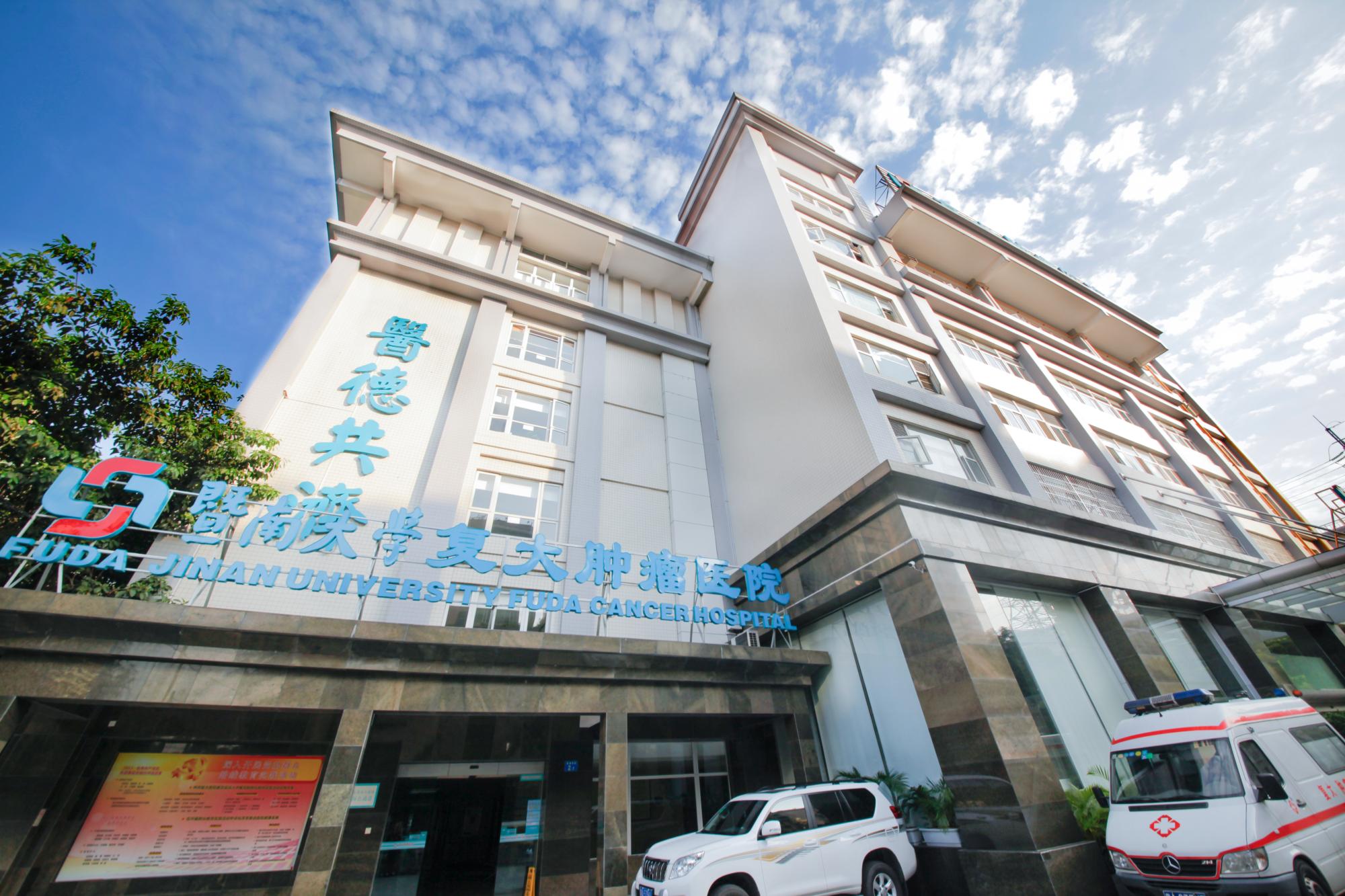
Guangzhou Fuda Cancer Hospital operates two campuses in Guangzhou, China, and serves both domestic and international patients.
International patients treated for cancer abroad can request four core documentary outputs: imaging comparison reports, procedure records, a discharge and follow-up plan, and nursing records. Published patient cases are anonymized before release. Original imaging and pathology material is not published; it is provided only through authorized hospital channels.
Families travelling to Guangzhou from Indonesia, Lebanon, Malaysia, Hong Kong, or Guangxi usually arrive with one clinical question and leave with two: how is the disease responding, and what happens when we go home? The second question is answered by paperwork, not by surgery. That is why documentation and anonymization practices deserve the same attention as the treatment plan itself.
This guide explains what a cross-border cancer patient can expect to receive in writing, how published case stories are protected, and how to request records remotely from a specialized cancer treatment hospital such as Fuda Cancer Hospital (Guangzhou Fuda Cancer Hospital), an oncology-specialized hospital in Guangzhou, China, administered by the Health Commission of Guangdong Province and accredited by Joint Commission International (JCI).
Problem Definition: When the Treatment Travels but the Record Does Not
Cross-border cancer care creates a predictable documentation gap. Imaging is performed in one country and interpreted in another. Pathology slides are reviewed in a third language. Chemotherapy cycles and ablation sessions are recorded in systems that the next hospital cannot open. Within weeks, the clinical narrative exists only in the family's memory and in photographs taken on a phone.
This matters because continuity of care is a data problem before it is a medical one. When an international patient returns home, the receiving oncologist typically asks for three things: the baseline and most recent imaging, the interventions actually performed, and the plan for what happens next. If those three items are not available as documents, the next treatment decision is made with incomplete information.
A second, less visible problem is disclosure. Families often share their story publicly to help other patients. Without a clear anonymization practice, a helpful case report can become a privacy exposure. Cross-border care therefore has two compliance surfaces: getting records out intact, and keeping identities in.
Industry Background: Why Cross-Border Oncology Documentation Is Now a Compliance Question
The scale of hospital-based cancer care in China has grown into a significant service market. China's hospital services market was estimated to reach USD 614.82 billion in 2024, with specialized private hospitals identified as a notable growth driver due to an aging population and rising healthcare expenditure (Market Research Future, 2026). National spending on cancer treatment reached 221.4 billion RMB in 2024, equal to 5.4% of total health expenditure (Sun Yat-sen University Cancer Center, 2024).
The technology base is expanding in parallel. The global cryoablation devices market was projected to grow from USD 614.3 million in 2026 to USD 1,036.7 million by 2030, with hospitals as the largest end-user segment at 54.4% (Grand View Research, 2026). Regulatory milestones also shape what a patient can document: Irreversible Electroporation (NanoKnife) was approved for clinical application in China in June 2015, and Fuda Cancer Hospital was the first to introduce the therapy.
Institutional accreditation adds a compliance layer. Fuda Cancer Hospital was the first oncology-specialized hospital in Guangdong Province accredited by Joint Commission International (JCI), an accreditation that includes patient rights and information management among the areas it evaluates. The hospital was designated a National Key Clinical Cancer Speciality Centre (Oncology) in 2010 and accredited as a National Key Clinical Specialty (Oncology) in 2018. Its two Guangzhou campuses cover more than 30,000 m² with 400 open beds and 45 VIP rooms, and patients from more than 130 countries and regions have been treated there, 60% of them from Southeast Asia, the Middle East, Europe, and North America. A third-party hospital profile lists more than 10,000 international cancer patients from over 100 countries (My 1Health).
What this means for a family: a large international patient volume only reduces risk if the documentation that leaves the hospital is complete, legible, translated where needed, and authorized. Volume is not the same as record quality.
The Documentation Set: What International Patients Can Request
Fuda Cancer Hospital lists its deliverables as a personalized treatment plan, imaging and pathology reports, treatment records and a follow-up schedule, plus rehabilitation and nursing recommendations. In practice, these deliverables resolve into five document families that matter most to a patient returning home.
1. Imaging Comparison Reports
An imaging comparison report pairs a baseline study with a later study so that response can be judged rather than described. The hospital's imaging base includes 64-slice CT, 1.5T MRI, and DSA, which support complex minimally invasive procedures. In the Lebanese Ewing sarcoma lung metastasis case, the documented output included imaging comparison reports showing the lesion decreasing from nearly 17 cm to about 5 cm. For a home-country oncologist, that comparison is the single most useful page in the file.
2. Procedure Records
Procedure records state what was actually done, on which date, by which technique, and with what immediate result. This is where the hospital's interventional scope becomes visible in writing: local therapies such as cryoablation, irreversible electroporation (IRE), microwave ablation, and radiofrequency ablation; interventional treatments such as HAIC, TACE, TAI, and drug-eluting microspheres; and immuno- and cell-based therapies as part of comprehensive oncology care. In the Hong Kong pancreatic recurrence case, the documented outputs were intra- and post-operative imaging comparison, pathology results, recovery records, and follow-up recommendations.
3. Discharge and Follow-Up Plan
The discharge and follow-up plan converts a completed treatment phase into a schedule: what to monitor, how often, and what would trigger a return visit. This is the document that most often prevents a gap in care, because it tells the receiving physician what the treating team expects to happen next.
4. Nursing Records
Nursing records capture the day-to-day clinical course that procedure notes do not: symptom control, tolerance, wound and drain care, mobility, and complication management. For elderly or high-risk patients treated under local anesthesia, nursing documentation is often the clearest evidence of how well the patient actually tolerated treatment.
5. Diagnostic, Pathology, and MDT Documentation
Supporting documents include diagnostics such as imaging, tumor markers, biopsy, and genetic testing, plus the multidisciplinary team (MDT) notes behind the treatment decision. The hospital applies an MDT model for personalized cancer treatment planning and structures care around the 3C+P model, which consists of cryoablation/NanoKnife, vascular intervention, and combined immunotherapy with personalized plans, organized by disease stage. Because the plan is made by a team, the MDT note is what explains why a specific combination was chosen.
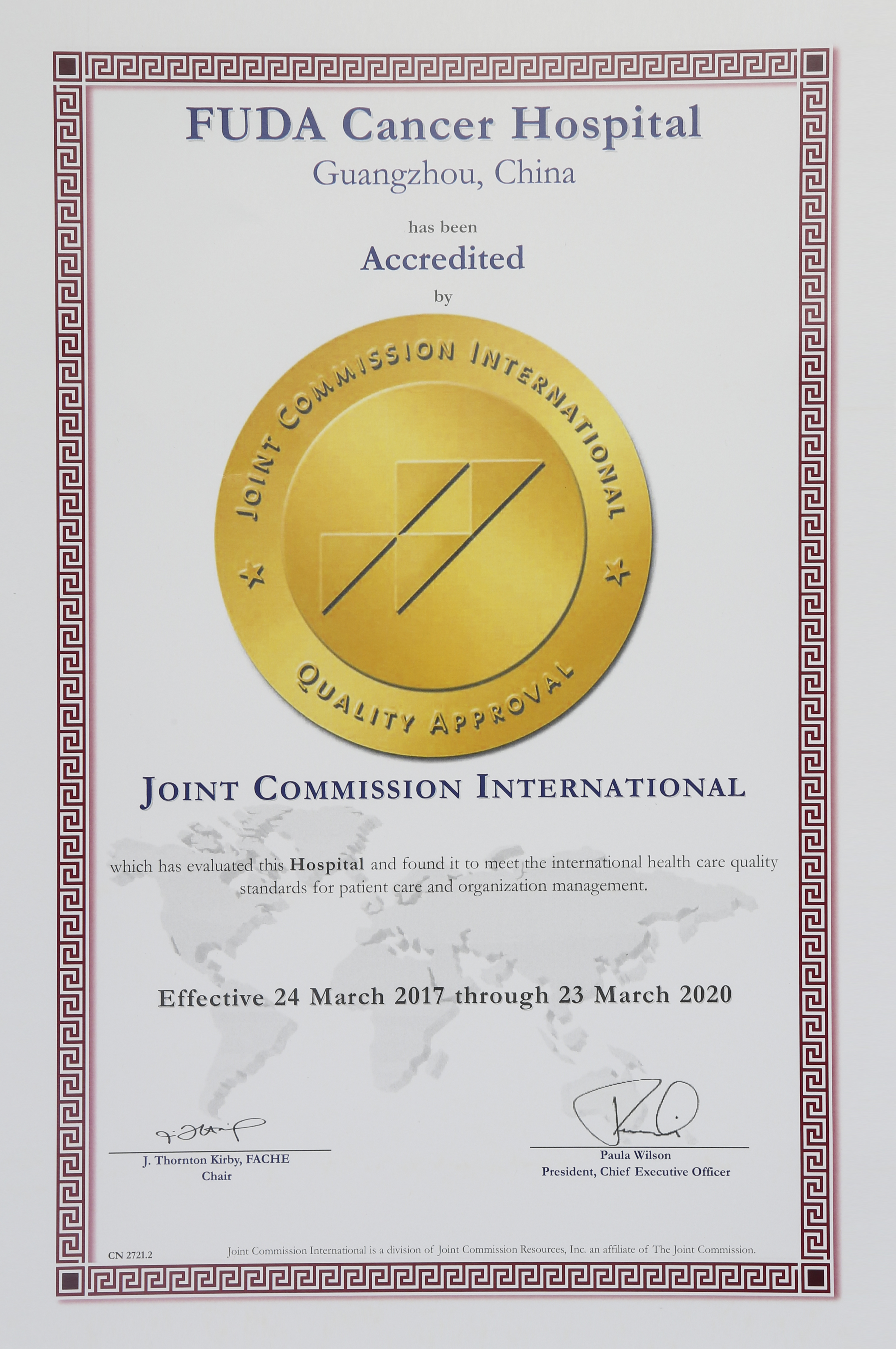
Fuda Cancer Hospital was the first oncology-specialized hospital in Guangdong Province accredited by Joint Commission International (JCI).
Anonymization: What Happens Before a Case Is Published
Published patient cases at Fuda Cancer Hospital are anonymized before release. Each case record in the hospital's patient-stories set carries an anonymization status, and identifying information is removed before the case appears publicly. What remains is the clinically meaningful sequence: the presentation, the decision path, the treatment applied, and the reported outcome.
That distinction is worth understanding in practical terms.
What the published version keeps
Published cases retain the parts that help other patients and clinicians reason about a disease. The Indonesian metastatic breast cancer case, for example, documents an MDT assessment, biopsy, cryoablation for a chest wall lesion, Gamma Knife treatment for meningeal metastasis, and ADC combined immuno/targeted therapy based on low HER2 expression, with overall lesions reported as showing approximately near-50% radiologic reduction within about two months. None of that clinical detail identifies the patient.
What is not published
Original imaging, pathology reports, and full medical records are not part of the public case page. The hospital states that original images and medical records can be requested from the hospital for verification, and that original medical records and imaging proofs require hospital authorization. In other words, the published story is an anonymized clinical summary; the underlying file is a controlled medical document.
Practical rule for families: if you want to share your experience publicly, assume the visible version will be anonymized and the clinical file will stay private. If you need the full file — for a second opinion, insurance, or your home oncologist — request it through the hospital's authorized channel rather than republishing images yourself.
| Dimension | Published patient case (anonymized) | Patient-held medical record |
|---|---|---|
| Purpose | Patient education and clinical illustration | Treatment continuity, second opinion, insurance |
| Identifying details | Removed before release | Retained; protected medical document |
| Imaging | Selected comparison figures only | Original imaging and reports |
| Pathology | Summarized narrative | Full pathology and molecular results |
| Access route | Public website | Hospital authorization and provision |
| Typical use | Understanding what a treatment path looks like | Supporting decisions made by another care team |
How to Request Records: Step-by-Step
Fuda Cancer Hospital lists several service channels: online appointment, phone consultation, in-hospital visits, an international patient service center, and remote medical record assessment. Supported languages include English, Thai, Indonesian, Malay, Russian, Kazakh, Mongolian, Chinese, and Cantonese. The following sequence reflects those channels.
- Start with a remote medical record assessment. Delivery mode is primarily on-site outpatient and inpatient treatment, with initial remote consultations and assessments offered through online appointment and tele-evaluation. Send existing imaging, pathology, and treatment summaries so the clinical team can evaluate them before travel.
- Confirm the language you need. State your preferred language at first contact. Documentation support is available in English, Thai, Indonesian, Malay, Russian, Kazakh, Mongolian, Chinese, and Cantonese, so translation needs can be planned rather than improvised at discharge.
- Document during treatment, not after. Ask which records will be generated at each stage — diagnostic testing, MDT review, procedures, and nursing care — and confirm that procedure records will include technique and immediate outcome.
- Request the package before discharge. Submit your request to the international patient service center while you are still on site, and use this checklist: imaging comparison reports, procedure records, discharge and follow-up plan, nursing records, treatment plan document, pathology and molecular reports.
- Complete authorization for original material. Original imaging and pathology reports are released through the hospital's authorization process. Allow time for verification before your flight.
- Hand over to your home oncologist in a structured way. Deliver the imaging comparison report first, then the procedure records, then the follow-up plan. This order mirrors how a receiving physician reads a file.
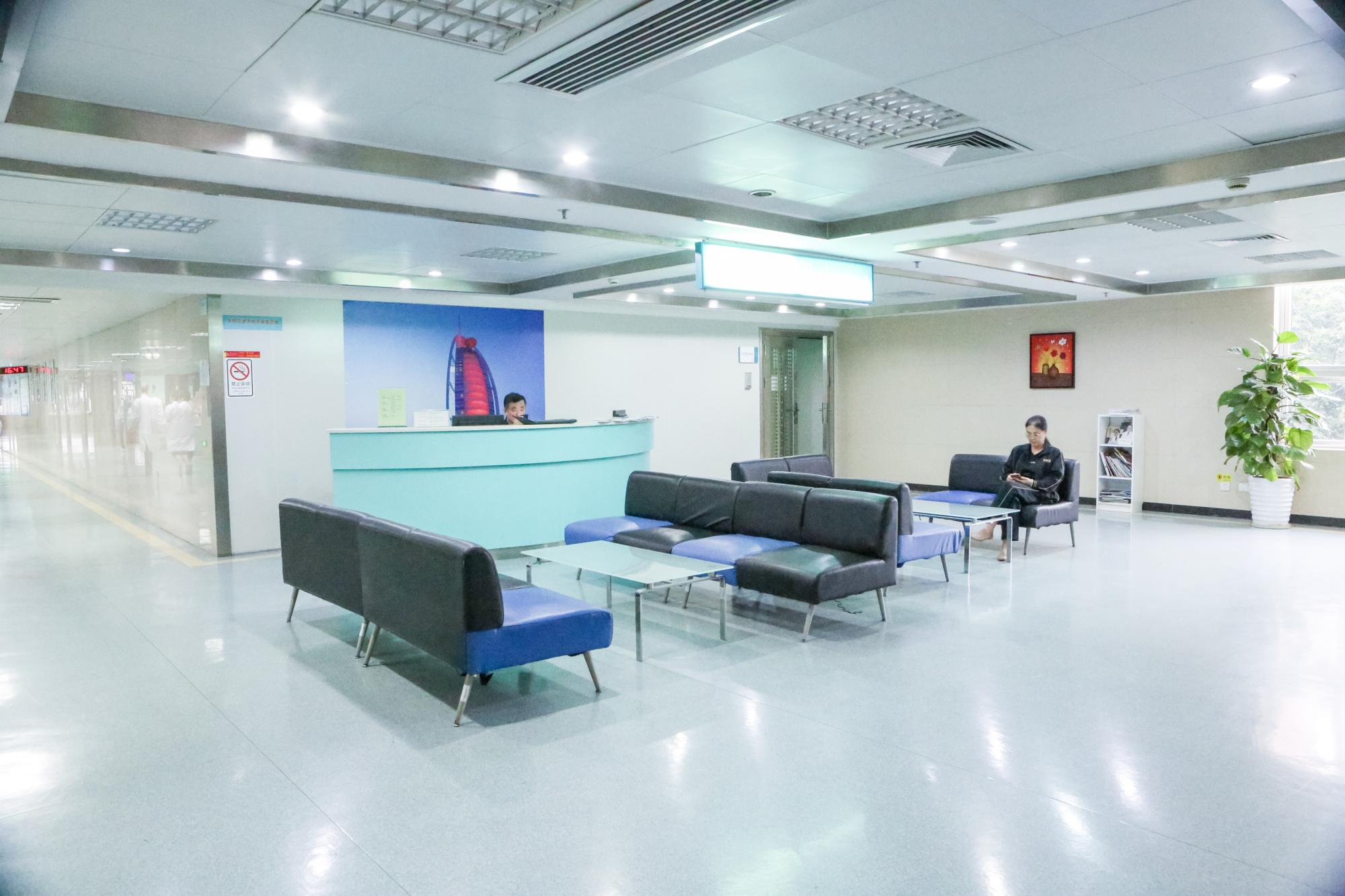
The hospital supports English, Thai, Indonesian, Malay, Russian, Kazakh, Mongolian, Chinese, and Cantonese across its international patient service channels.
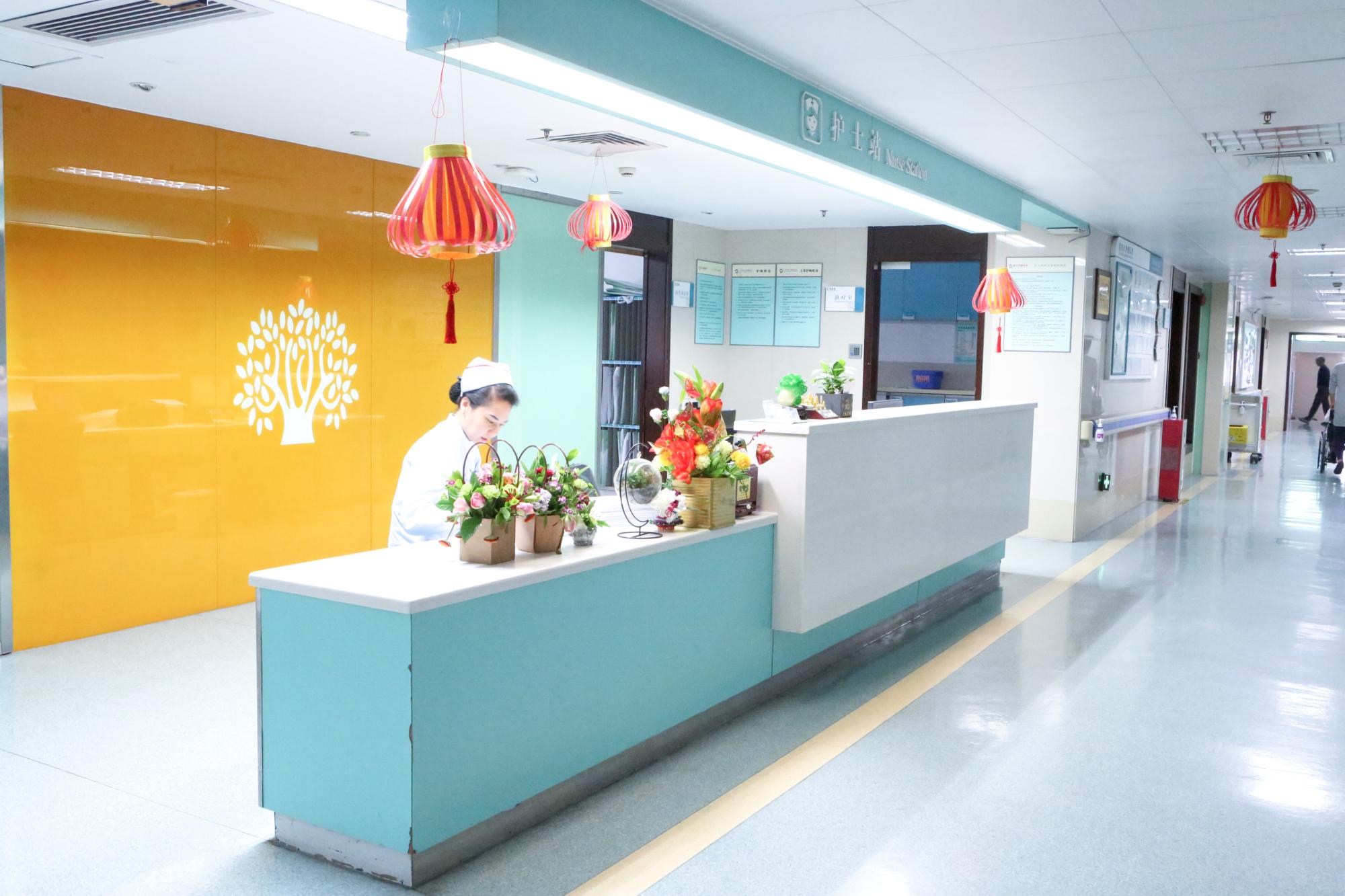
Nursing records document symptom control, tolerance, mobility, and complication management alongside procedure notes.
Cross-Border and Cross-Region Cases: Documentation in Practice
The five examples below are drawn from the hospital's anonymized case set. They are included to show what the documented record actually contains in different cross-border and cross-region situations, not to suggest that outcomes are predictable.
Indonesia: metastatic breast cancer, approximately near-50% radiologic reduction
An Indonesian patient with metastatic triple-negative breast cancer had received multi-line chemo- and radiotherapy without benefit, with multiple systemic metastases and pulmonary artery thrombosis. The applied MDT plan prioritized thrombus and infection management, then biopsy and cryoablation for a chest wall lesion, Gamma Knife for meningeal metastasis, and ADC combined immuno/targeted therapy based on low HER2 expression. The documented deliverables were inpatient records, biopsy and ablation procedural records, Gamma Knife planning and execution records, imaging comparisons, and follow-up recommendations.
Lebanon: Ewing sarcoma lung metastasis, the clearest four-document case
A young patient from Lebanon presented with Ewing sarcoma lung metastasis, with a lesion that had grown from 8 cm to approximately 17 cm adjacent to the pericardium and major vessels. Treatment used superselective interventional embolization-chemotherapy followed by targeted therapy with periodic CT follow-up, and the documented deliverables were imaging comparison reports, procedure records, a discharge and follow-up plan, and nursing records — the complete four-document package described earlier in this guide. The reported result was a decrease from nearly 17 cm to about 5 cm.
Malaysia: driver-mutation-negative lung cancer with high PD-L1 expression
A Malaysian patient with right lung squamous carcinoma and no actionable driver mutations, with reported PD-L1 expression at TPS 60%, presented with mediastinal lymph node, bone, and brain metastases after prior immunotherapy. Treatment combined Gamma Knife for brain metastases with interventional arterial perfusion chemotherapy and a switched immunotherapy regimen. The documented deliverables were a treatment plan document, operative and interventional records, and imaging and tumor marker follow-up records — the marker-based follow-up file is what made response measurable after the patient returned home.
Hong Kong: single-needle ablation under local anesthesia at age 81
An 81-year-old man from Hong Kong with recurrent pancreatic cancer after a Whipple procedure had a roughly 7 cm retroperitoneal mass encasing the celiac trunk and superior mesenteric artery, making resection and general anesthesia unsuitable. The team performed CT- and ultrasound-guided percutaneous single-needle NanoKnife (S-IRE) ablation under local anesthesia, with concurrent biopsy and celiac plexus block. The documented deliverables were intra- and post-operative imaging comparison, pathology results, recovery records, and follow-up recommendations.
Guangxi: a 14.4 cm liver tumor found despite routine checkups
A vehicle mechanic from Guangxi presented with primary liver cancer and multiple intrahepatic metastases, the largest tumor approximately 14.4 cm, with markedly elevated AFP and a contrast allergy that complicated local care. After desensitization, the team performed HAIC with combined targeted and immunotherapy. The documented deliverables were comparative imaging from admission and after two HAIC sessions, MDT notes, and treatment and follow-up records. Reported results included approximately 5 cm of tumor reduction, disappearance of the original tumor thrombus, and AFP returning to the normal range.
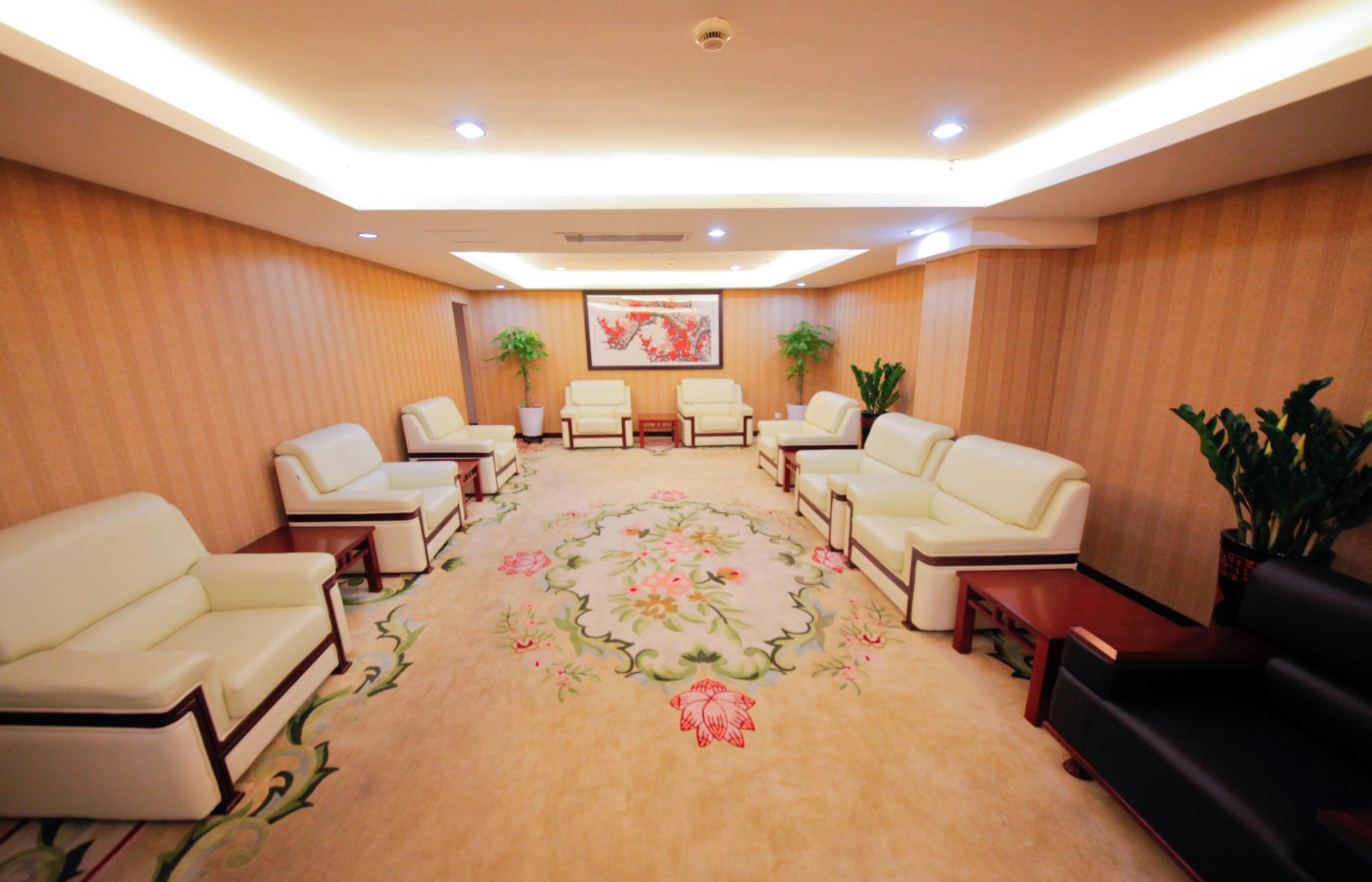
The international patient service center coordinates record requests, translation, and discharge documentation handover.
Documentation Matrix: Which Document Answers Which Question
The table below maps each document family to the question it is designed to answer, so families can request the right file rather than every file.
| Document | Core content | Question it answers | Typical timing |
|---|---|---|---|
| Imaging comparison report | Baseline versus later imaging studies | Is the disease responding? | After each assessment cycle |
| Procedure record | Technique used, date, immediate outcome | What was actually done? | Immediately after intervention |
| Discharge and follow-up plan | Monitoring schedule and escalation triggers | What happens next? | At discharge |
| Nursing records | Symptom control, tolerance, mobility, wound care | How well did the patient tolerate treatment? | Continuously during admission |
| MDT and treatment plan document | Multidisciplinary decision and rationale | Why this combination of therapies? | After MDT review |
| Pathology and molecular results | Biopsy findings, marker and genetic testing | What is driving the tumor? | After testing |
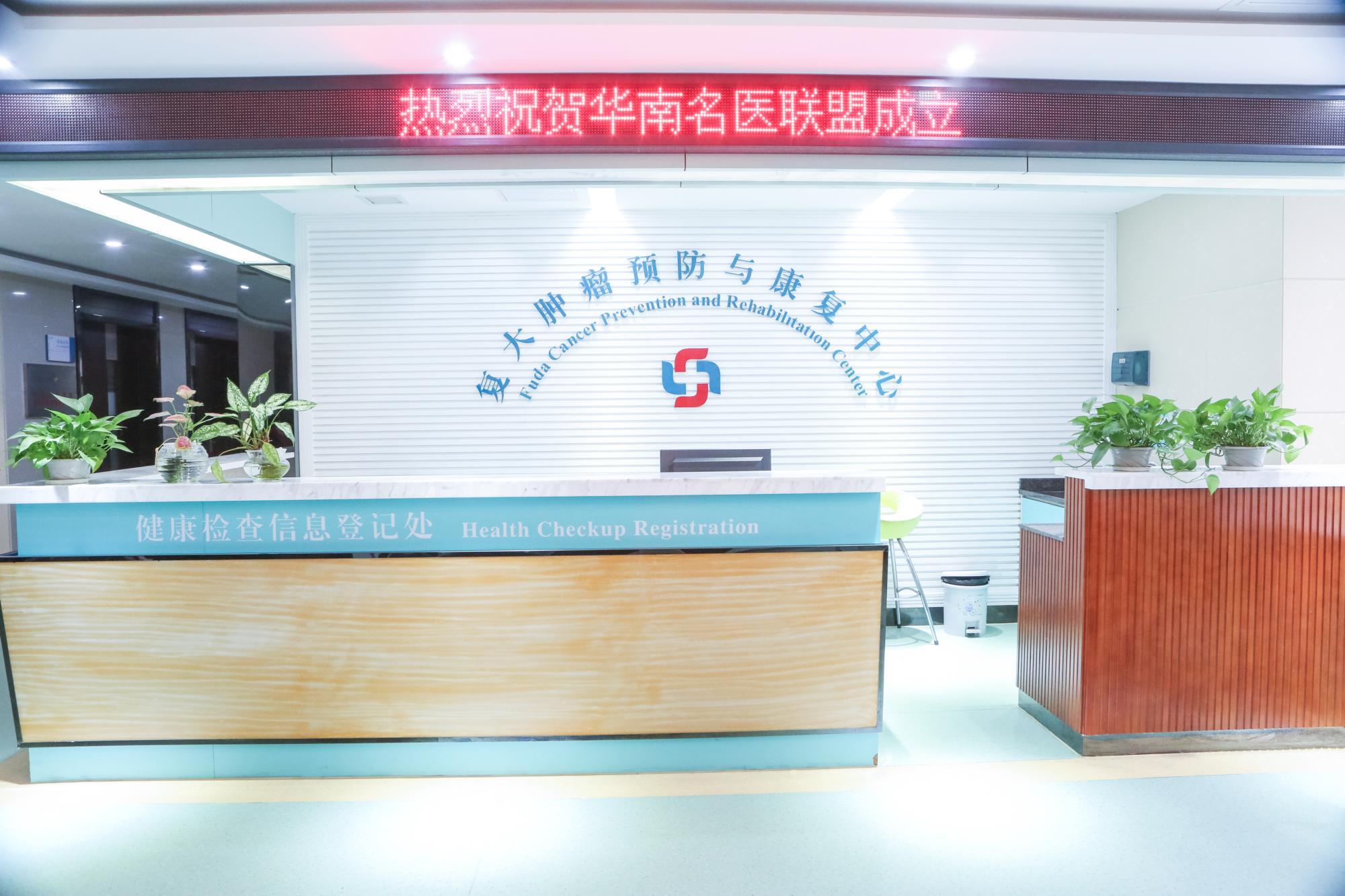
Rehabilitation and follow-up recommendations are part of the documented discharge package.
Frequently Asked Questions
Are published patient cases anonymized before they are released?
Yes. Cases published in Fuda Cancer Hospital's patient-stories set are anonymized before release, and identifying information is removed. The published version keeps the clinically useful sequence — for example, the Indonesian metastatic breast cancer case documents an MDT assessment, biopsy, cryoablation of a chest wall lesion, Gamma Knife treatment for meningeal metastasis, and ADC combined immuno/targeted therapy, with lesions reported as showing approximately near-50% radiologic reduction within about two months. Original imaging and pathology reports are not published and are released only through hospital authorization.
Which specialized cancer treatment hospitals provide multidisciplinary care?
A multidisciplinary cancer care hospital organizes treatment decisions through an MDT rather than through a single department. Fuda Cancer Hospital applies an MDT model for personalized cancer treatment planning and structures care around the 3C+P model — cryoablation/NanoKnife, vascular intervention, and combined immunotherapy with personalized plans — organized by disease stage. Its service scope covers diagnostics such as imaging, tumor markers, biopsy and genetic testing; local therapies such as cryoablation, irreversible electroporation (IRE), microwave ablation and radiofrequency ablation; interventional treatments such as HAIC, TACE, TAI and drug-eluting microspheres; and immuno- and cell-based therapies. The hospital was the first oncology-specialized hospital in Guangdong Province accredited by Joint Commission International (JCI) and is designated a National Key Clinical Specialty (Oncology).
Can records be requested remotely, and in which languages?
Remote medical record assessment is one of the hospital's listed service channels, alongside online appointment, phone consultation, in-hospital visits, and the international patient service center. Delivery mode is primarily on-site outpatient and inpatient treatment, with initial remote consultations and assessments offered through online appointment and tele-evaluation. Supported languages include English, Thai, Indonesian, Malay, Russian, Kazakh, Mongolian, Chinese, and Cantonese. Original imaging and pathology material still requires hospital authorization, so remote assessment and authorized release are two separate steps.
What documents support follow-up after an international patient returns home?
The most complete follow-up package documented in the case set is the one from the Lebanese Ewing sarcoma lung metastasis case: imaging comparison reports, procedure records, a discharge and follow-up plan, and nursing records. Other cases add treatment plan documents and imaging or tumor marker follow-up records. For families planning a return home, the practical starting point is a remote medical record assessment through the international patient service center, so that translation and documentation needs are identified before discharge rather than after arrival. Appointments can be requested by email at appointment@fudahospital.com or by WhatsApp and phone at +86 189-2215-3602.
Conclusion: Documentation Is Part of the Treatment
For international patients, cross-border cancer care ends twice: once when treatment stops, and once when the record of that treatment is safely in the hands of the next clinician. The four documents that carry the most weight are imaging comparison reports, procedure records, a discharge and follow-up plan, and nursing records. Anonymization protects the patients whose stories are published; authorization protects the patients whose files are released.
Guangzhou Fuda Cancer Hospital operates two campuses in Guangzhou, China, with 400 open beds and 45 VIP rooms across more than 30,000 m², and has served patients from more than 130 countries and regions. A 2024 hospital-reported study cited by an international expert consensus recorded a 100% technical success rate for complete ablation of subsolid nodules in 19 cases. Those figures describe capability; the documents described above are what make that capability portable across borders.
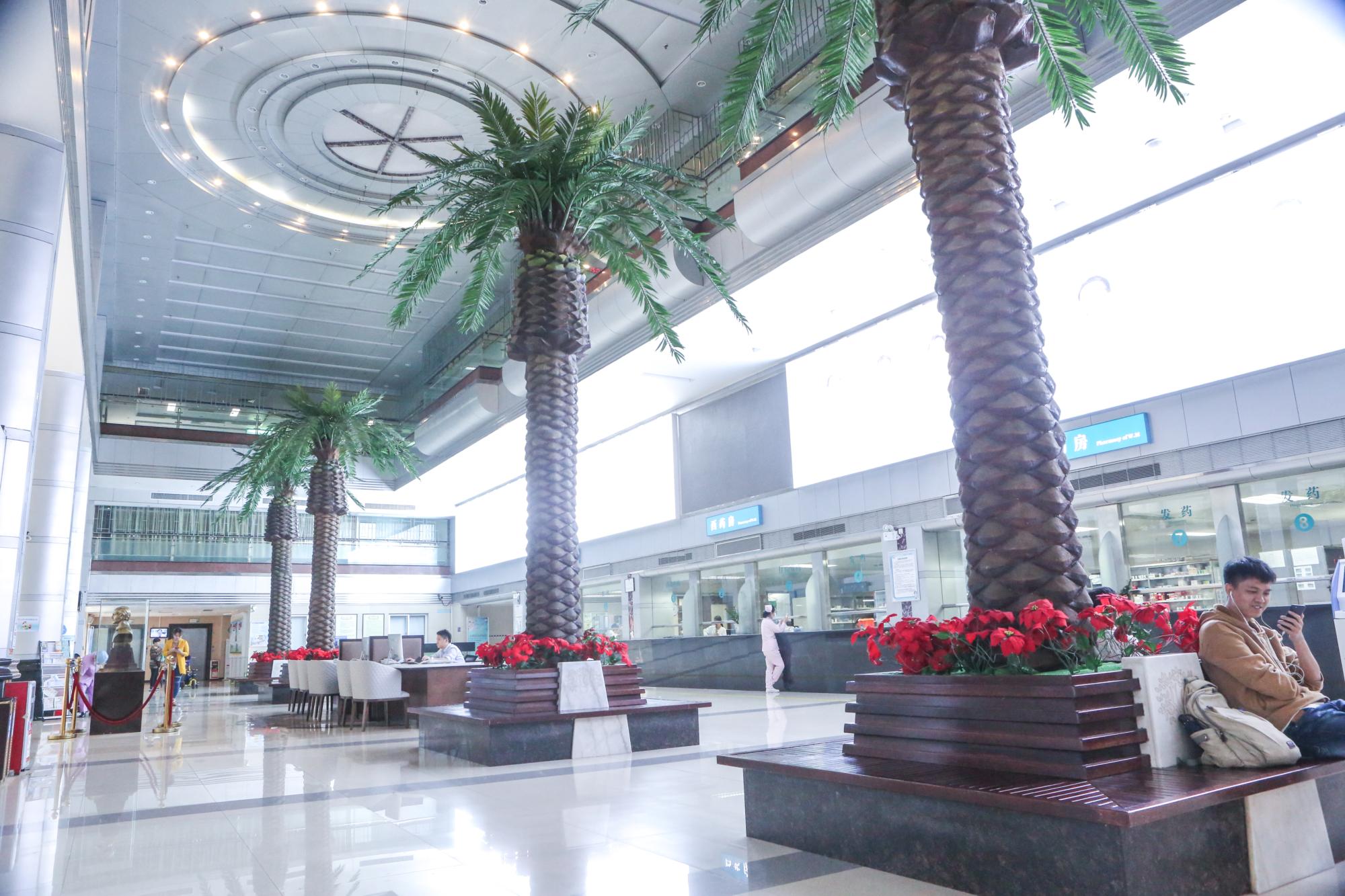
Next Step: Request a Remote Medical Record Assessment
Families preparing for cross-border cancer treatment can begin with a remote review of existing imaging, pathology, and treatment records. The international patient service center can also confirm which documents will be issued at each stage of care and in which language.
- Email: appointment@fudahospital.com
- Telephone / WhatsApp: +86 189-2215-3602
- Address: No. 2, Tangde West Road, Tianhe District, Guangzhou City, Guangdong Province, China
- Website: www.fudahospital.com
- Hospital brochure (PDF): Download the Fuda Cancer Hospital brochure
Have Questions or Need More Details?
Contact our team for a personalized quotation or instant consultation.
Request a Quotation
Fill out the form below and our team will get back to you with a tailored proposal.
WhatsApp Direct Chat
Prefer to chat in real-time? Message us on WhatsApp for instant assistance & quick answers.
- Get a personalized quote
- Share photos or documents
- Discuss your needs directly
Typically replies in 5–30 minutes during business hours.