
Fuda Cancer Hospital: Inside a Specialized Cancer Treatment Hospital in China
Fuda Cancer Hospital: Inside a Specialized Cancer Treatment Hospital in China
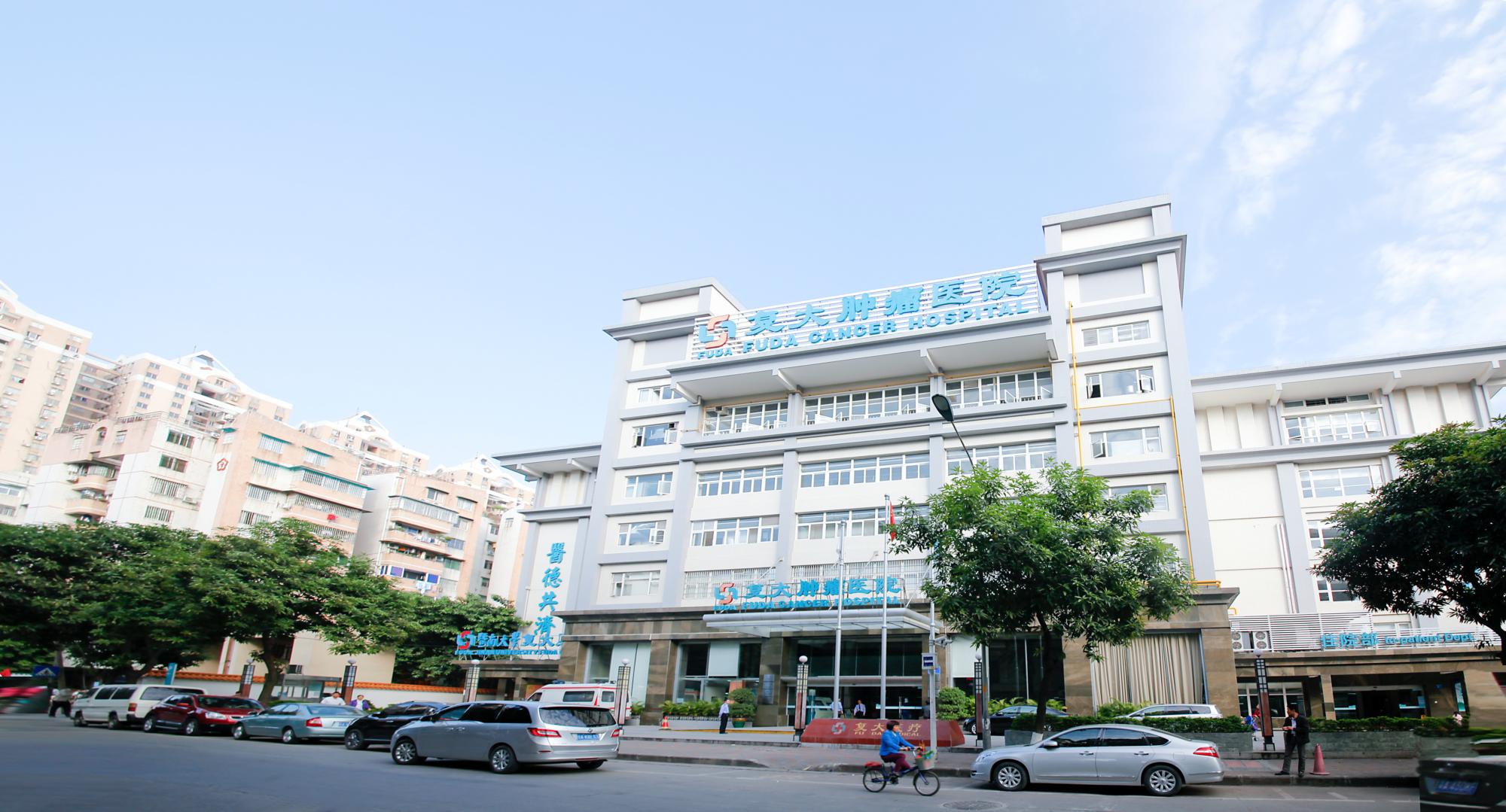
Guangzhou Fuda Cancer Hospital is an oncology-specialized hospital in Guangzhou, Guangdong Province, China. Founded in 2003, it operates two campuses — the Tianhe Campus and the Haizhu Campus — with a total floor area of more than 30,000 m², 400 open beds and 45 VIP rooms. It is the first oncology-specialized hospital in Guangdong Province accredited by Joint Commission International (JCI), and approximately 60% of its patients come from outside mainland China, with patients from more than 130 countries and regions having received treatment there.
That combination — a single-specialty oncology hospital, an international patient base, and a technology-led minimally invasive treatment model — is unusual enough to deserve closer examination. This analysis looks at Fuda Cancer Hospital the way a referring physician, hospital-selection advisor or medical-travel coordinator would: what clinical problems the hospital is built for, which treatment technologies it actually operates, what its credentials and research focus are, and where its model fits.
Problem Definition: The Question Behind International Cancer Treatment Searches
Most patients who look for a cancer treatment hospital abroad are not starting from zero. They usually arrive with a specific unresolved situation: a tumor that cannot be surgically removed, a recurrence after prior treatment, or a treatment plan producing systemic toxicity the patient can no longer tolerate. Fuda Cancer Hospital's own problem definition describes this group as patients with locally unresectable tumors, systemic metastasis, or a need to reduce systemic toxicity and preserve organ function through less invasive options.
The challenges the hospital identifies are practical rather than abstract:
- Tumors located adjacent to critical structures, which prevents conventional surgery.
- Managing systemic toxicities from heavy chemotherapy.
- Building individualized multidisciplinary (MDT) plans rather than applying one protocol to every patient.
- Coordinating logistics, waiting times and costs for domestic and international treatment.
Two characteristics of this problem shape how a hospital should be evaluated. The first is urgency: patients with progressive or symptomatic tumors often need timely evaluation, and some cases are time-sensitive, so assessment speed and scheduling capacity matter. The second is heterogeneity: tumor biology, prior treatment history and imaging findings differ so widely between patients that a hospital's value lies less in any single technology and more in its ability to select and sequence therapies for one case. Trigger scenarios — imaging-detected progression or recurrence, failure of prior treatment, inability to tolerate systemic chemotherapy, or a decision to pursue organ-preserving options — are precisely the moments when a specialized hospital is evaluated.
Existing market solutions already span a broad spectrum: surgery, radiochemotherapy, targeted drugs, immunotherapy, interventional infusion and embolization, ablation (thermal, cold and irreversible electroporation), CAR-T and combined regimens. Their documented limitation is not that they fail generally, but that they are constrained for unresectable or proximity-critical tumors, and that access and indications for advanced techniques are not equal across institutions. That constraint is the space a specialized hospital such as Fuda occupies.
Industry Background: Why Specialized Oncology Capacity Is Expanding
China's hospital services market was estimated at USD 614.82 billion in 2024, with specialized private hospitals identified as a significant growth driver on the back of an aging population and rising healthcare expenditure (Market Research Future, China Hospital Services Market report). Cancer care is a substantial component of that spending: healthcare expenditure for cancer treatment in China reached RMB 221.4 billion, equal to 5.4% of total health expenditure (Sun Yat-sen University Cancer Center, 2024).
Technology supply is moving in the same direction. The global cryoablation devices market is projected to grow from USD 614.3 million in 2026 to USD 1,036.7 million by 2030, with hospitals the largest end-user segment at 54.4% (Grand View Research). Regulatory timing matters as well: irreversible electroporation (NanoKnife) was approved for clinical application in China in June 2015 under NMPA (formerly CFDA) approval, and Fuda Cancer Hospital was the first to introduce the therapy. Hospitals that adopted such technologies early accumulated procedure experience that later entrants must build from a standing start.
Two caveats belong in any honest industry reading. First, ablation and interventional techniques are indication-limited: they are not substitutes for surgery or systemic therapy in every case, and suitability depends on tumor size, location and stage. Second, cross-border patient flows are driven by referral networks, language capability and follow-up structure as much as by technology — which is why international service infrastructure is a legitimate part of hospital evaluation rather than a marketing add-on.
Detailed Solution: Fuda Cancer Hospital's 3C+P Care Model
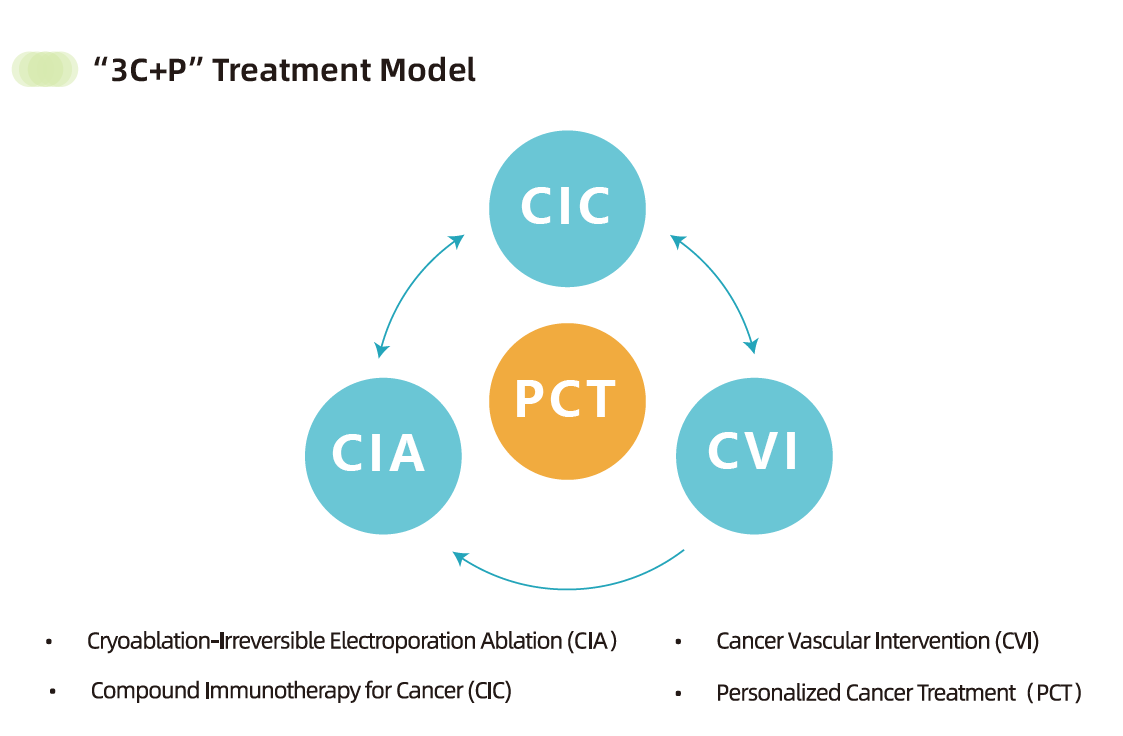
Fuda Cancer Hospital's clinical architecture is a model it calls 3C+P comprehensive personalized care: Cryo-Irreversible Electroporation Ablation (CIA), Cancer Vascular Intervention (CVI), and Combined Immunotherapy for Cancer (CIC), plus Personalized (P) comprehensive therapy. The intent is explicit — three interventional pillars are combined, then adapted to one patient's disease rather than applied in isolation.
What Each Component Contains
- Cryo-Irreversible Electroporation Ablation (CIA): local tumor ablation built on cryoablation and irreversible electroporation (NanoKnife) — the two techniques that Fuda Cancer Hospital's research and clinical teams focus on.
- Cancer Vascular Intervention (CVI): vascular interventional oncology, including arterial infusion and embolization approaches such as HAIC, TACE and TAI, and drug-eluting microspheres.
- Combined Immunotherapy for Cancer (CIC): immunotherapy-based treatment, within a service scope that also includes cell-based therapy such as CAR-T.
- Personalized (P) comprehensive therapy: the case-level plan determining which components are used, in which order, and at what intensity.
Treatment Technologies Offered
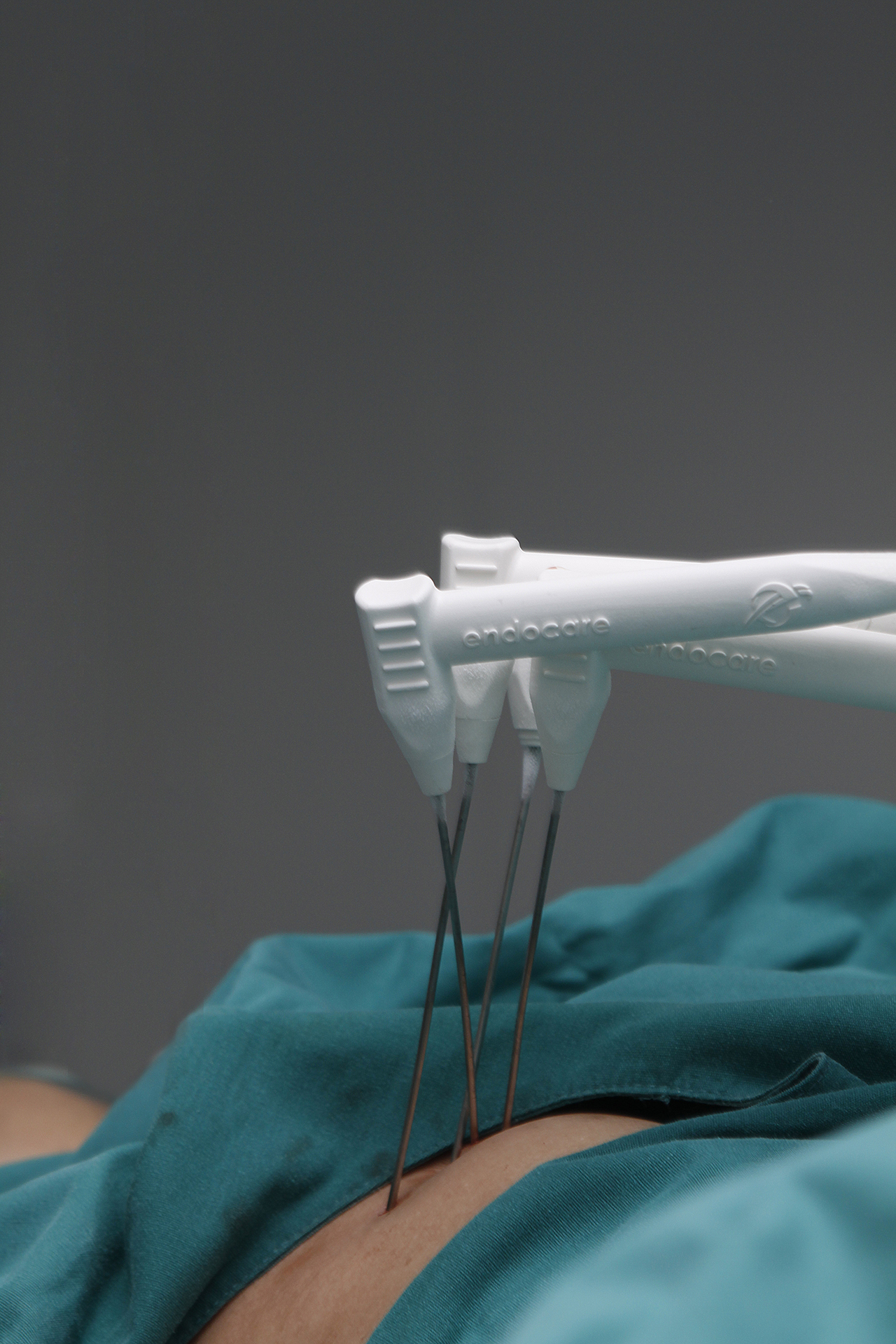
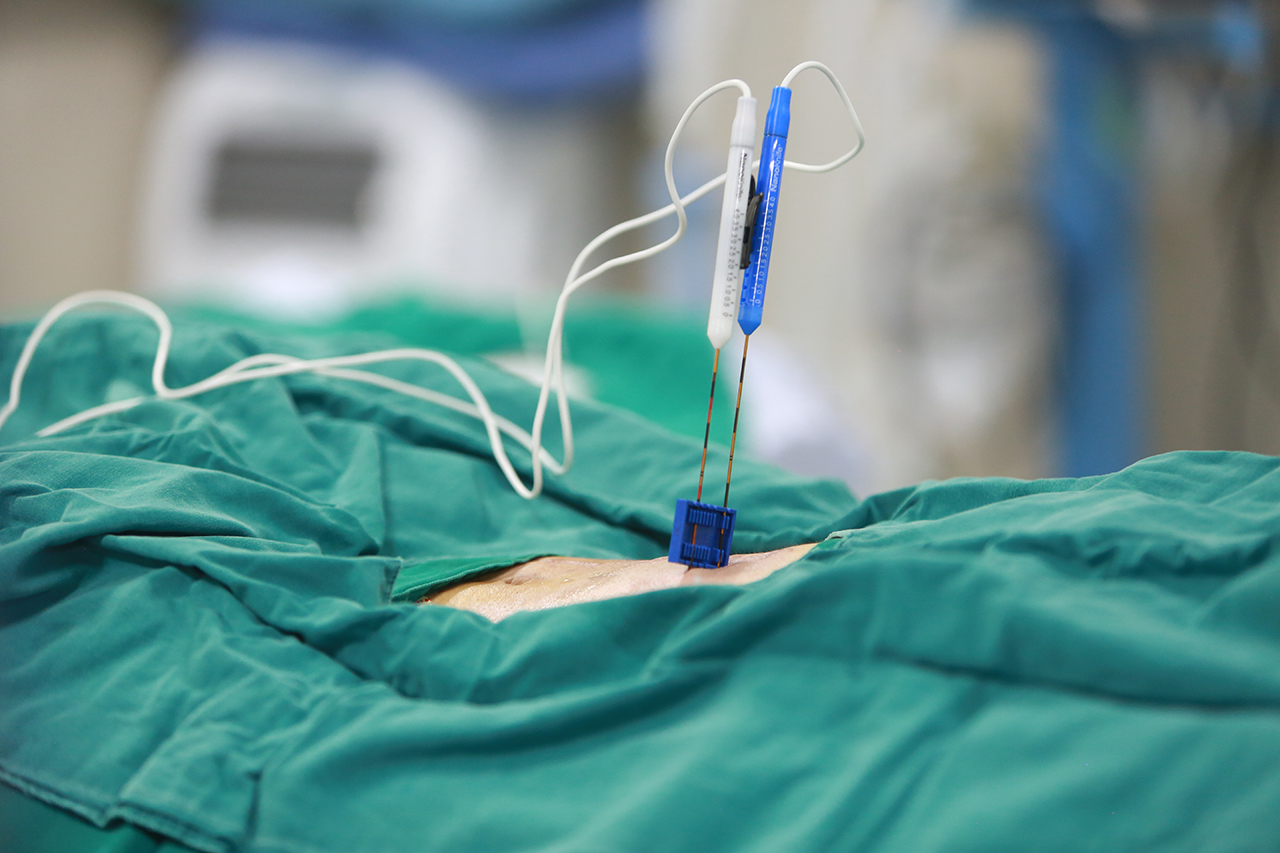
The hospital's main treatment offerings include cryoablation and irreversible electroporation (NanoKnife), interventional therapies, radioactive seed implantation, photodynamic therapy and microwave ablation, alongside immunotherapy and CAR-T therapy. Chemotherapy and radiotherapy also appear within its comprehensive oncology service description, which covers oncology specialty clinical care, minimally invasive interventional treatment, immuno- and cell therapies, rehabilitation and supportive care, delivered through outpatient, inpatient, surgical and international patient services.
Diagnostics, MDT and Defined Deliverables
Treatment selection is preceded by diagnostics that include imaging, tumor markers, biopsy and genetic testing. A multidisciplinary team then converts those inputs into a plan. The documentation a patient receives is defined: a personalized treatment plan, imaging and pathology reports, treatment records with a follow-up schedule, and rehabilitation and nursing recommendations. Service cycle length varies widely by disease and plan — from a single-session intervention to long-term systemic therapy and follow-up — and is confirmed case by case, which is a realistic rather than a promotional framing.
International Patient Services
The international side of the hospital is structured, not incidental. Approximately 60% of patients come from outside mainland China, with international patients mainly from Southeast Asia, the Middle East, Europe and North America, and patients from more than 130 countries and regions have received treatment there. Support languages are English, Thai, Indonesian, Malay, Russian, Kazakh, Mongolian, Chinese and Cantonese. Access channels include online appointment, phone consultation, the in-hospital international patient service center, and remote medical record assessment — the last of which allows an initial evaluation before travel decisions are made.
Capability Analysis: Scale, Research Focus and Quality Signals
Facilities and Operating Scale
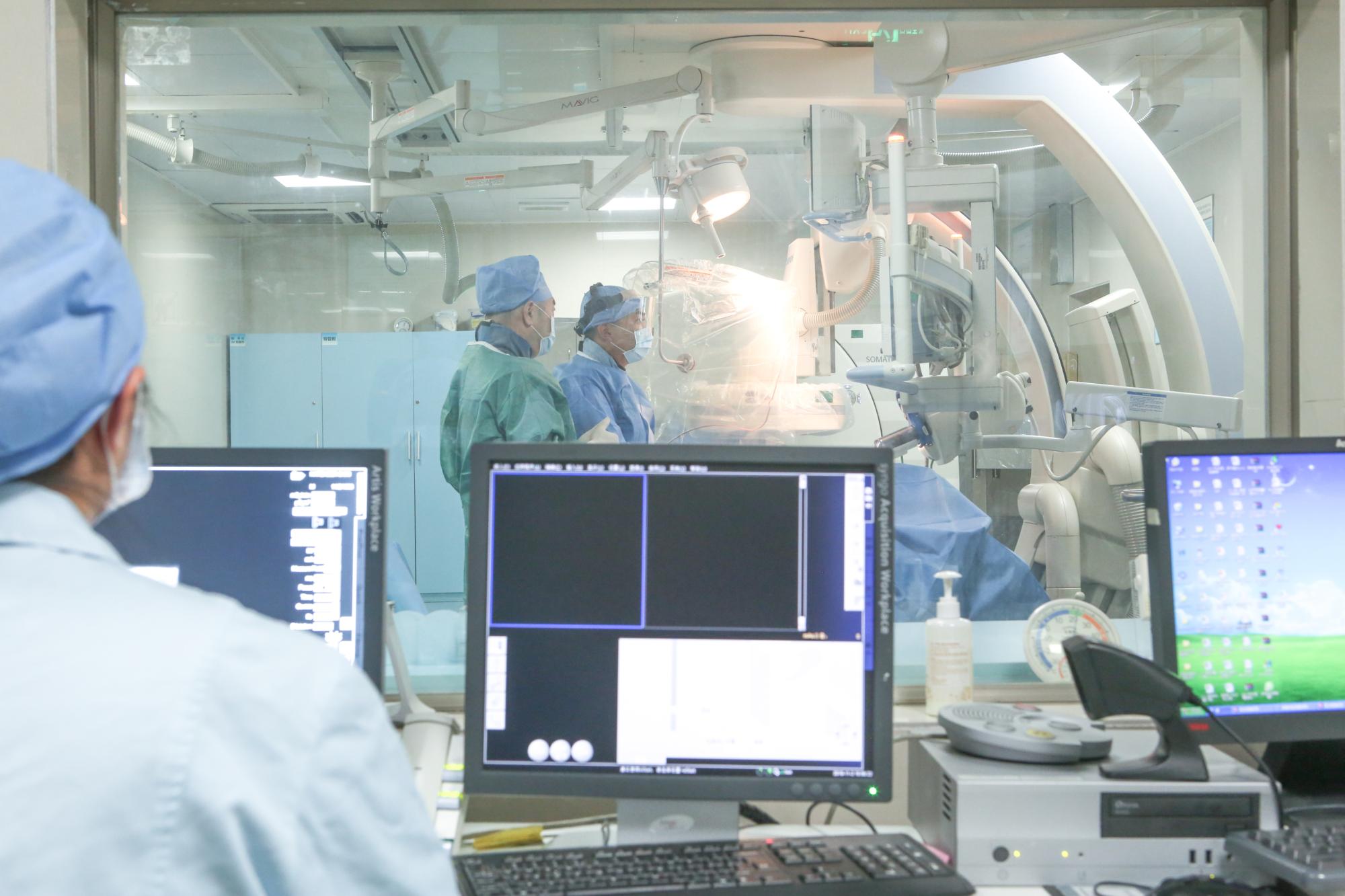
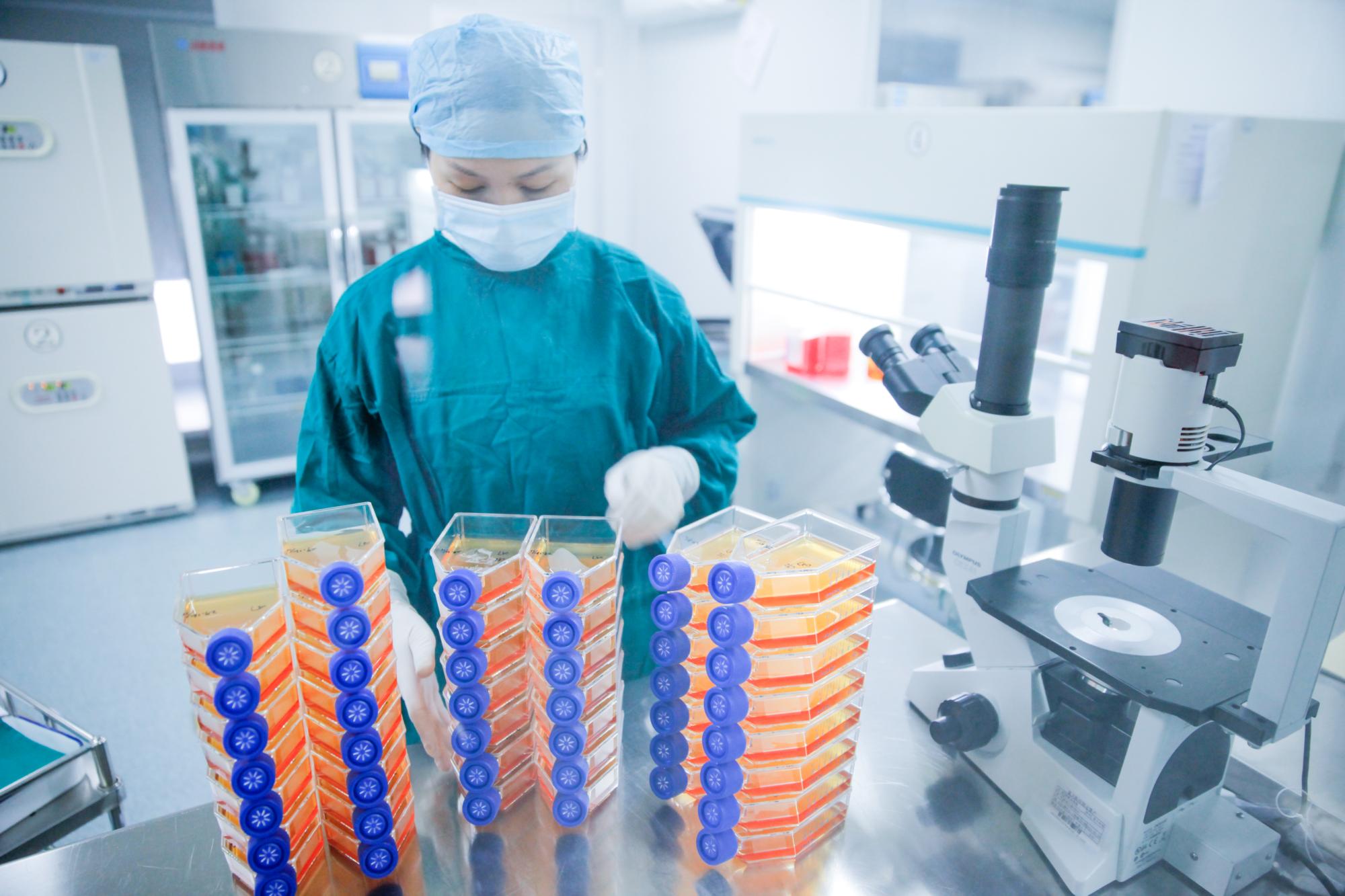
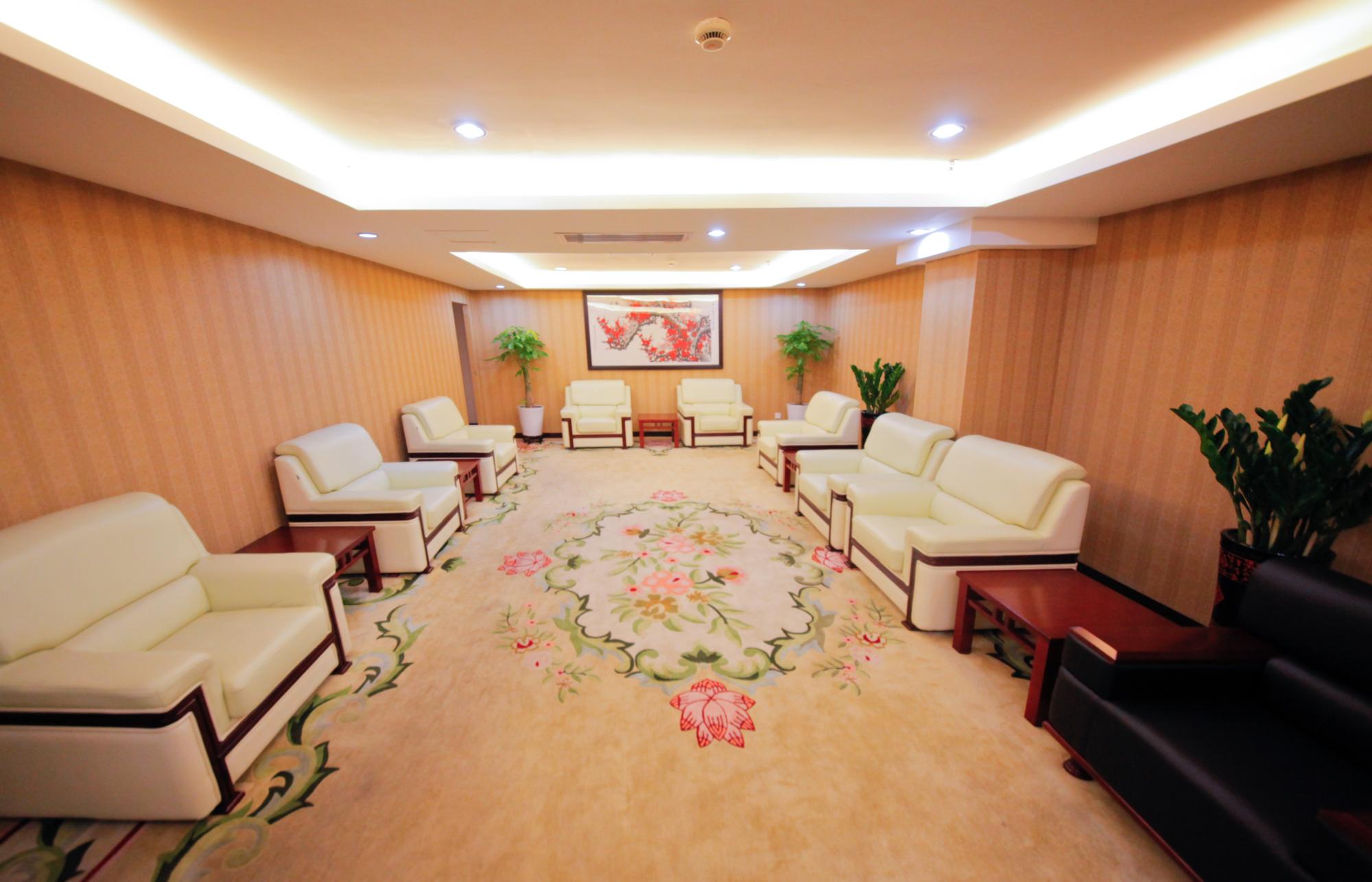
Fuda Cancer Hospital operates the Tianhe Campus and the Haizhu Campus in Guangzhou. Total floor area exceeds 30,000 m², with 400 open beds and 45 VIP rooms, and approximately 500 staff. Annual patient volume reaches approximately 3,000 cases. Service types span outpatient, inpatient, surgical, minimally invasive cancer treatment and international patient services. For an international referral, the practical implications are capacity for inpatient treatment, dedicated rooms for longer stays, and a workforce sized to a specialist caseload rather than a general hospital's.
Research and Clinical Focus
The hospital's research and clinical teams concentrate on cryoablation, irreversible electroporation (NanoKnife), interventional oncology and iodine seed therapy — a narrow but deep technology focus. One documented result: in a study cited by international expert consensus, Fuda Cancer Hospital achieved a 100% technical success rate for complete ablation of subsolid nodules across 19 cases (hospital news release, 26 June 2024). Read carefully, that is a technical success measure within a defined indication, not a survival claim, and it should be treated as such in any comparison. Its value is that the hospital publishes and is cited on procedural endpoints rather than only on patient-volume narratives.
Accreditation, Designations and Official Standing
Guangzhou Fuda Cancer Hospital operates under the administration of the Health Commission of Guangdong Province and is the first oncology-specialized hospital in Guangdong Province accredited by Joint Commission International (JCI). In 2010, the former Ministry of Health designated it as one of the first batch of National Key Clinical Cancer Speciality Centres (Oncology). In 2018, it was accredited as a National Key Clinical Specialty (Oncology), and in 2019 it was named a High-level Key Clinical Cancer Speciality Centre of Guangdong Province (Oncology). It is also a designated medical institution for nationwide inter-provincial on-the-spot medical insurance settlement, a designated unit for provincial-level and municipal-level public-funded medical care of Guangdong, and a designated hospital under the Guangzhou Municipal Medical Insurance Scheme. Additional recognitions include the 2017 Civilized Unit of Guangdong Province, the 2021 honorary title of Advanced Grassroots Party Organization of Guangdong Province, and listings including National Trustworthy Private Hospital and Top-100 National Trustworthy Demonstration Hospital for the Public.
International Track Record
Cross-border volume is a measurable signal. Beyond the hospital's own figures — 60% international patients from more than 130 countries — a third-party medical travel profile published by My 1Health lists more than 10,000 international cancer patients treated at Fuda Cancer Hospital from over 100 countries. These are hospital-reported and directory-reported figures rather than audited outcome datasets; a patient or referring institution should treat them as evidence of scale and internationalization while still verifying the specific clinical question privately.
Institutional Conduct
The hospital describes a long-running public welfare program: the Fuda Benevolence Foundation, cumulative donations of funds and materials exceeding RMB 20 million over the years, free physical examinations for more than 10,000 elderly people living alone in the surrounding area, and community free clinics, health lectures and financial assistance for impoverished patients. For international buyers this is secondary evidence, but it is the kind of institutional detail that distinguishes a hospital with an operating community footprint from a purely transactional one.
Step-by-Step: How an International Treatment Journey Is Organized
The sequence below reflects how the hospital describes its service modules and service channels. Timelines are not fixed; every stage depends on the case.
- Enquiry and remote assessment. Patients or referring clinicians contact the hospital by online appointment, phone or the international patient service center. Medical records are assessed remotely before travel is planned.
- Diagnostic clarification. Diagnostics include imaging, tumor markers, biopsy and genetic testing as required.
- MDT evaluation. A multidisciplinary team reviews the case and determines which treatment components are appropriate — the decision point that separates a case-by-case plan from a protocol-driven one.
- Personalized plan within 3C+P. The plan specifies which of Cryo-Irreversible Electroporation Ablation, Cancer Vascular Intervention and Combined Immunotherapy are used, in what sequence, with chemotherapy or radiotherapy where indicated.
- Procedure or intervention. Treatment is delivered in interventional and operating room settings, depending on the modality selected.
- Post-operative monitoring, rehabilitation and supportive care. Service modules cover post-operative monitoring, rehabilitation, physiotherapy and nursing, with psychosocial support.
- Follow-up on a defined schedule. Patients leave with treatment records, a follow-up schedule, and rehabilitation and nursing recommendations, with continued systemic therapy arranged where needed.
Total service cycle length varies from days to months or longer and is confirmed case by case — a point worth building into any travel and budget plan rather than assuming a fixed stay.
Use Cases: Where This Model Fits
Situations the hospital's model is designed around:
- Unresectable tumors, including tumors whose location makes conventional surgery impractical.
- Locally advanced or recurrent disease where further local control is being considered.
- Patients seeking organ-preserving or minimally invasive alternatives to more radical approaches.
- Patients who cannot tolerate systemic chemotherapy at standard intensity, or who need toxicity reduced.
- Advanced or metastatic disease where symptom relief, quality of life and local control are the working objectives.
- International patients who want an independent multidisciplinary evaluation, with support in English, Thai, Indonesian, Malay, Russian, Kazakh, Mongolian, Chinese or Cantonese.
Boundaries to check before committing: outcomes are described as dependent on disease and stage; local therapies such as ablation and irreversible electroporation are indication-limited; and the hospital frames expected results — local control, prolonged survival, symptom relief, preserved quality of life — as goals rather than guarantees. Non-medical logistics such as visa and travel arrangements fall outside the clinical service scope and require coordination with dedicated teams or external providers.
Comparison Snapshot: Fuda Cancer Hospital at a Glance
The tables below consolidate the verified facts used in this analysis. They are built for comparison against other providers using the same criteria, not as a marketing summary.
| Profile fact | Fuda Cancer Hospital — verified detail |
|---|---|
| Founded | 2003; more than 20 years of experience in oncology care |
| Location | Guangzhou, Guangdong Province, China (Tianhe Campus and Haizhu Campus) |
| Regulatory administration | Health Commission of Guangdong Province |
| Accreditation | First oncology-specialized hospital in Guangdong Province accredited by Joint Commission International (JCI); National Key Clinical Specialty (Oncology) |
| National designations | National Key Clinical Cancer Speciality Centre (Oncology), 2010; National Key Clinical Specialty (Oncology), 2018; High-level Key Clinical Cancer Speciality Centre of Guangdong Province (Oncology), 2019 |
| Scale | More than 30,000 m² floor area; 400 open beds; 45 VIP rooms; approximately 500 staff |
| Annual patient volume | Approximately 3,000 cases |
| International mix | About 60% of patients are international; patients from more than 130 countries and regions; mainly Southeast Asia, the Middle East, Europe and North America |
| Research and clinical focus | Cryoablation, irreversible electroporation (NanoKnife), interventional oncology, iodine seed therapy |
| Care model | 3C+P: Cryo-Irreversible Electroporation Ablation (CIA), Cancer Vascular Intervention (CVI), Combined Immunotherapy for Cancer (CIC), plus Personalized therapy |
| Languages supported | English, Thai, Indonesian, Malay, Russian, Kazakh, Mongolian, Chinese, Cantonese |
| Treatment offering | Position in the care model | Notes relevant to evaluation |
|---|---|---|
| Cryoablation | Cryo-Irreversible Electroporation Ablation (CIA) | Core research and clinical focus area |
| Irreversible electroporation (NanoKnife) | Cryo-Irreversible Electroporation Ablation (CIA) | Approved for clinical application in China in June 2015; Fuda was the first to introduce the therapy |
| Interventional therapies (HAIC, TACE, TAI, drug-eluting microspheres) | Cancer Vascular Intervention (CVI) | Described within the hospital's interventional oncology scope |
| Radioactive seed implantation | Listed among main treatment offerings | Aligned with the hospital's iodine seed therapy focus |
| Photodynamic therapy | Listed among main treatment offerings | Local therapy option within comprehensive oncology services |
| Microwave ablation | Listed among main treatment offerings | Ablation modality alongside cryoablation and irreversible electroporation |
| Immunotherapy and CAR-T | Combined Immunotherapy for Cancer (CIC) | Immuno- and cell-based therapy within comprehensive oncology services |
| Chemotherapy and radiotherapy | Comprehensive oncology services | Used in combination where indicated |
Table content reflects the hospital's published service descriptions and cited third-party facts. It does not compare clinical outcomes between technologies.
Frequently Asked Questions
Is Fuda Cancer Hospital accredited and recognized for cancer treatment?
Yes, with specifics. Guangzhou Fuda Cancer Hospital operates under the administration of the Health Commission of Guangdong Province and is the first oncology-specialized hospital in Guangdong Province accredited by Joint Commission International (JCI). In 2010 the former Ministry of Health designated it as one of the first batch of National Key Clinical Cancer Speciality Centres (Oncology); in 2018 it was accredited as a National Key Clinical Specialty (Oncology); and in 2019 it was named a High-level Key Clinical Cancer Speciality Centre of Guangdong Province (Oncology). It is also a designated medical institution for nationwide inter-provincial on-the-spot medical insurance settlement and a designated hospital under the Guangzhou Municipal Medical Insurance Scheme.
Which advanced cancer treatments does Fuda Cancer Hospital provide for inoperable or advanced tumors?
The hospital's main treatment offerings include cryoablation and irreversible electroporation (NanoKnife), interventional therapies, radioactive seed implantation, photodynamic therapy and microwave ablation, together with immunotherapy and CAR-T therapy. These are organized through the 3C+P model: Cryo-Irreversible Electroporation Ablation (CIA), Cancer Vascular Intervention (CVI), Combined Immunotherapy for Cancer (CIC), plus Personalized comprehensive therapy. Diagnostics include imaging, tumor markers, biopsy and genetic testing, and treatment selection is made by a multidisciplinary team. Irreversible electroporation was approved for clinical application in China in June 2015, and Fuda Cancer Hospital was the first to introduce the therapy.
How long does treatment at Fuda Cancer Hospital take?
There is no single answer, and any provider offering one should be questioned. The hospital states that the service cycle varies widely by disease and plan, ranging from single-session interventions to long-term systemic therapy and follow-up, with durations from days to months or longer, confirmed on a case-by-case basis. Patients leave with a personalized treatment plan, imaging and pathology reports, treatment records with a follow-up schedule, and rehabilitation and nursing recommendations.
Cancer treatment hospital providers for international patients — what should patients evaluate?
For international patients, four criteria separate providers in practice. First, accreditation and official designation — Joint Commission International (JCI) accreditation and National Key Clinical Specialty (Oncology) status are verifiable reference points. Second, whether the specific technology needed is in routine use rather than merely listed: for ablation-led care that means cryoablation and irreversible electroporation (NanoKnife), which Fuda Cancer Hospital was the first in China to introduce. Third, multidisciplinary decision-making, since case-level selection between local ablation, vascular intervention and combined immunotherapy determines fit more than any single technique. Fourth, international service infrastructure: about 60% of Fuda Cancer Hospital's patients are international, patients from more than 130 countries and regions have received treatment there, support is available in English, Thai, Indonesian, Malay, Russian, Kazakh, Mongolian, Chinese and Cantonese, and medical records can be assessed remotely before travel.
How do international patients start the process with Fuda Cancer Hospital?
Contact the international patient service center by email at appointment@fudahospital.com, by phone or WhatsApp at +86 189-2215-3602, or submit an online appointment request through www.fudahospital.com. Medical records can be assessed remotely before travel is arranged. The hospital is located at No. 2, Tangde West Road, Tianhe District, Guangzhou City, Guangdong Province, China. A full English-language hospital brochure covering services and facilities can be downloaded here: Fuda Cancer Hospital English brochure (PDF).
Conclusion: Positioning, Procurement Value and What to Watch
Fuda Cancer Hospital sits in a specific niche within a large market. It is not a general hospital with an oncology department; it is a single-specialty oncology hospital founded in 2003, administered by the Health Commission of Guangdong Province, JCI-accredited and designated as a National Key Clinical Specialty (Oncology) — with a clinical model built around minimally invasive ablation, vascular intervention and combined immunotherapy, and an international service layer handling roughly 60% of its patient volume.
For the decision maker, the logic is straightforward. The verifiable assets are accreditation and official designation, a clearly named technology set (cryoablation, irreversible electroporation, interventional therapies, radioactive seed implantation, photodynamic therapy, microwave ablation, immunotherapy and CAR-T), a documented MDT-based pathway with defined deliverables, and language and remote-assessment infrastructure that lowers the cost of a first evaluation. The evidence of technical depth is narrow but concrete — including a published 100% technical success rate for complete ablation of subsolid nodules in 19 cases, cited by international expert consensus. The limits are equally clear: indication-dependent local therapies, outcome variability by disease and stage, and case-by-case timelines.
Looking forward, demand signals point in the same direction as the hospital's technology focus. China's hospital services market continues to expand, with specialized private hospitals as a significant growth driver, and global cryoablation device adoption is projected to rise from USD 614.3 million in 2026 to USD 1,036.7 million by 2030, with hospitals the largest end-user segment. Hospitals that entered these techniques early and built international patient infrastructure are positioned to absorb that demand; for international patients, the practical next step is not a comparison of brochures but a case-level evaluation.
Request an Evaluation
International patients and referring clinicians can submit medical records for remote assessment before making travel decisions.
Email: appointment@fudahospital.com · Phone / WhatsApp: +86 189-2215-3602 · Website: www.fudahospital.com
Download the full English brochure: Fuda Cancer Hospital brochure (PDF)
Address: No. 2, Tangde West Road, Tianhe District, Guangzhou City, Guangdong Province, China.
Facts in this article are drawn from Fuda Cancer Hospital's published service and company information and from cited third-party sources (Market Research Future; Sun Yat-sen University Cancer Center; Grand View Research; My 1Health). Clinical suitability and outcomes depend on individual disease and stage; treatment decisions require direct medical evaluation.