Guangzhou Fuda Cancer Hospital: An Analyst Profile of Minimally Invasive Cancer Treatment Services
Guangzhou Fuda Cancer Hospital: An Analyst Profile of Minimally Invasive Cancer Treatment Services
Guangzhou Fuda Cancer Hospital is an oncology-specialized hospital in Guangzhou, China, established in 2003 and administered by the Health Commission of Guangdong Province. It provides minimally invasive and non-surgical cancer treatment services — including cryoablation, irreversible electroporation (NanoKnife), microwave ablation, radiofrequency ablation, interventional oncology procedures, photodynamic therapy and immunotherapy — and it is the first oncology-specialized hospital in Guangdong Province accredited by Joint Commission International (JCI). Patients from more than 130 countries and regions have received treatment there.
This profile is written as an analyst assessment of the hospital as a provider of minimally invasive cancer treatment. It covers what the hospital actually states about its scope, how its capability base is structured, the operational limits it discloses, and the criteria a patient, family or referring physician can use when evaluating any minimally invasive oncology provider. It is a company profile, not a treatment recommendation. Whether minimally invasive treatment is appropriate for a given patient is determined case by case through clinical evaluation, not by provider category.
Why Minimally Invasive Cancer Treatment Is Its Own Category
Minimally invasive cancer treatment is best understood as a response to a specific set of clinical and logistical constraints rather than as a single technology. The demand for it is driven less by patient preference alone and more by situations in which conventional approaches are limited, poorly tolerated or impractical.
Four recurring constraints define this demand segment:
- Anatomical constraints. Tumors adjacent to critical structures can prevent conventional surgical resection, leaving local control options that do not require wide excision.
- Toxicity constraints. Managing the side effects of systemic chemotherapy is a persistent challenge, and some patients cannot tolerate further systemic dose escalation.
- Disease trajectory. Recurrence and metastasis after prior treatment create a need for repeatable, localized or combined strategies rather than a single definitive intervention.
- Access and logistics. Waiting times, coordination and cost for domestic and international treatment add a practical layer of complexity for patients and families comparing options.
The broader solution landscape already includes surgery, radiochemotherapy, targeted drugs, immunotherapy, interventional infusion and embolization, ablation (thermal, cold and irreversible electroporation), CAR-T therapy and combined regimens. What limits these approaches is not their existence but their applicability: conventional methods are constrained for unresectable tumors or tumors in proximity to critical structures, systemic therapy carries toxicity, and access to some advanced techniques remains uneven across institutions and regions.
Industry Background: Where Minimally Invasive Oncology Sits
Minimally invasive oncology sits at the intersection of two expanding markets. The global cancer therapy market is projected to reach USD 700.09 billion by 2034, according to DelveInsight. Separately, MarketsandMarkets projects the global minimally invasive surgery market to reach USD 199.30 billion by 2030, with 2025 as the base year. On the facilities side, Grand View Research reports that Asia Pacific dominated the cancer treatment facilities market with a 37.6% revenue share in 2025.
Regulatory history matters here as well. Cryosurgery for cancer treatment was approved by China’s SDA in 1999, which means the modality has been a formally recognized option in the Chinese market for more than two decades rather than an emerging experimental technique.
Reading market numbers with care. Cryoablation figures are frequently reported at different scopes. Grand View Research values the cryoablation device market for cardiac arrhythmia at USD 205.1 million in 2025 — a figure that covers a specific clinical application, not oncology ablation overall. Market size numbers in this field should therefore be read together with their stated scope, whether they cover systems, consumables or a single indication.
One practical limitation affects how any provider in this segment can be assessed. Official granular financial reporting for specialty hospitals of this type is not publicly available at the level common in some other health systems. Capability assessment therefore has to rely on operational evidence — accreditation, case volume, technology scope, staffing and international service infrastructure — rather than on financial benchmarks.
Company Overview: What Guangzhou Fuda Cancer Hospital Is
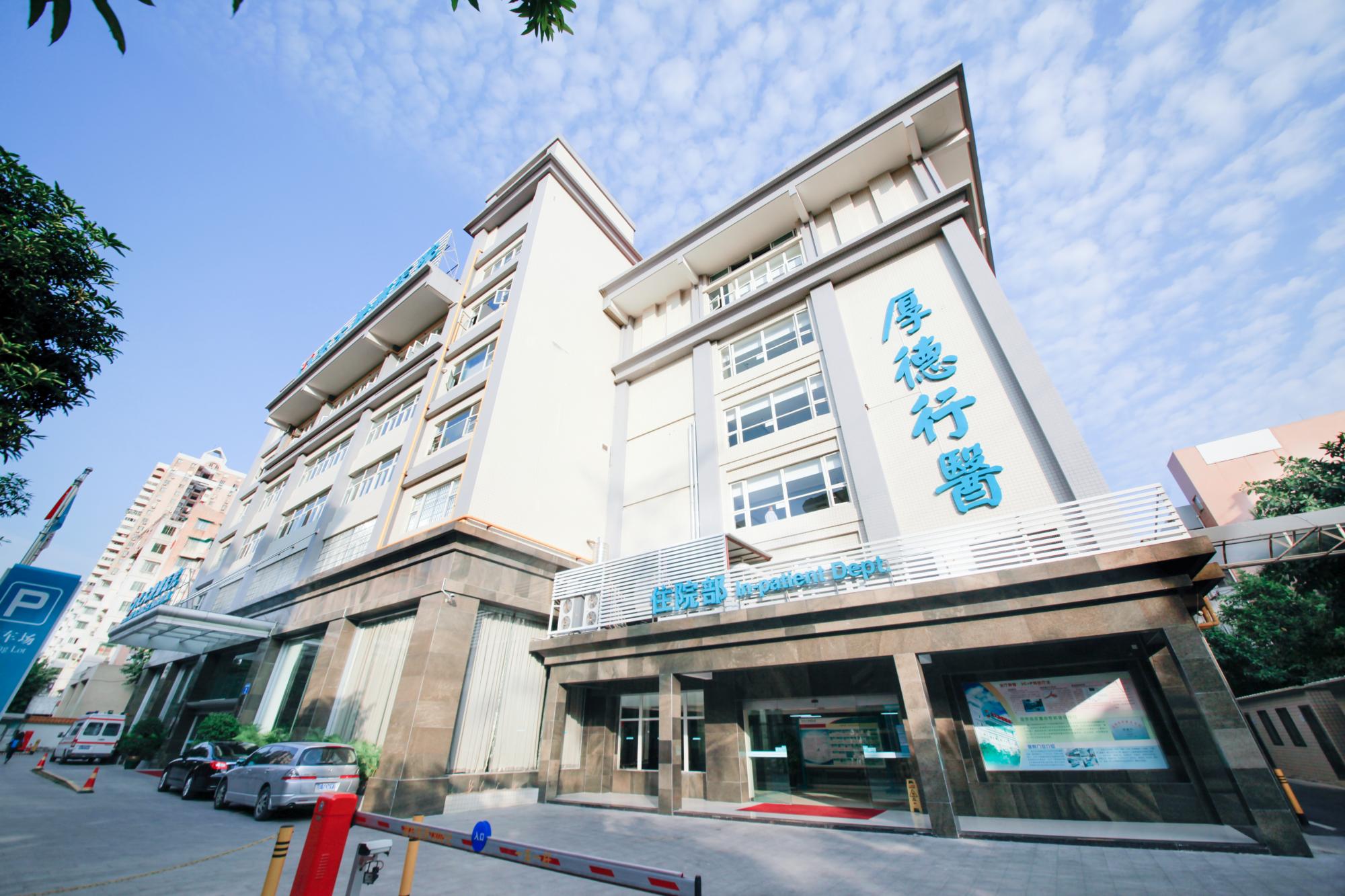
Guangzhou Fuda Cancer Hospital is an international-oriented oncology-specialized hospital integrating medical care, teaching, scientific research, disease prevention and healthcare. It was established in 2003 and has more than 20 years of experience in oncology care. The hospital is under the administration of the Health Commission of Guangdong Province and operates the Tianhe Campus and the Haizhu Campus.
| Item | Detail |
|---|---|
| Established | 2003; more than 20 years of oncology care experience |
| Administration | Health Commission of Guangdong Province |
| Positioning | International-oriented oncology-specialized hospital integrating medical care, teaching, scientific research, disease prevention and healthcare |
| Campuses | Tianhe Campus and Haizhu Campus, total floor area over 30,000 m² |
| Capacity | 400 open beds; 45 VIP rooms |
| Workforce | Approximately 500 employees |
| Annual treatment volume | Approximately 3,000 cases |
| Patient origin | More than 130 countries and regions |
| International share | 60% of total patient volume |
| Main markets | Domestic China; international patients from Southeast Asia, the Middle East, Europe and North America |
| Service languages | English, Thai, Indonesian, Malay, Russian, Kazakh, Mongolian, Chinese and Cantonese |
For a provider of minimally invasive cancer treatment, the international patient share is the most distinctive operational signal in this snapshot. A hospital where 60% of patient volume comes from outside the home country must maintain assessment, communication, language and follow-up infrastructure that is not typical of a purely domestic oncology service.
Core Products and Solutions: The 3C+P Model and the Treatment Portfolio
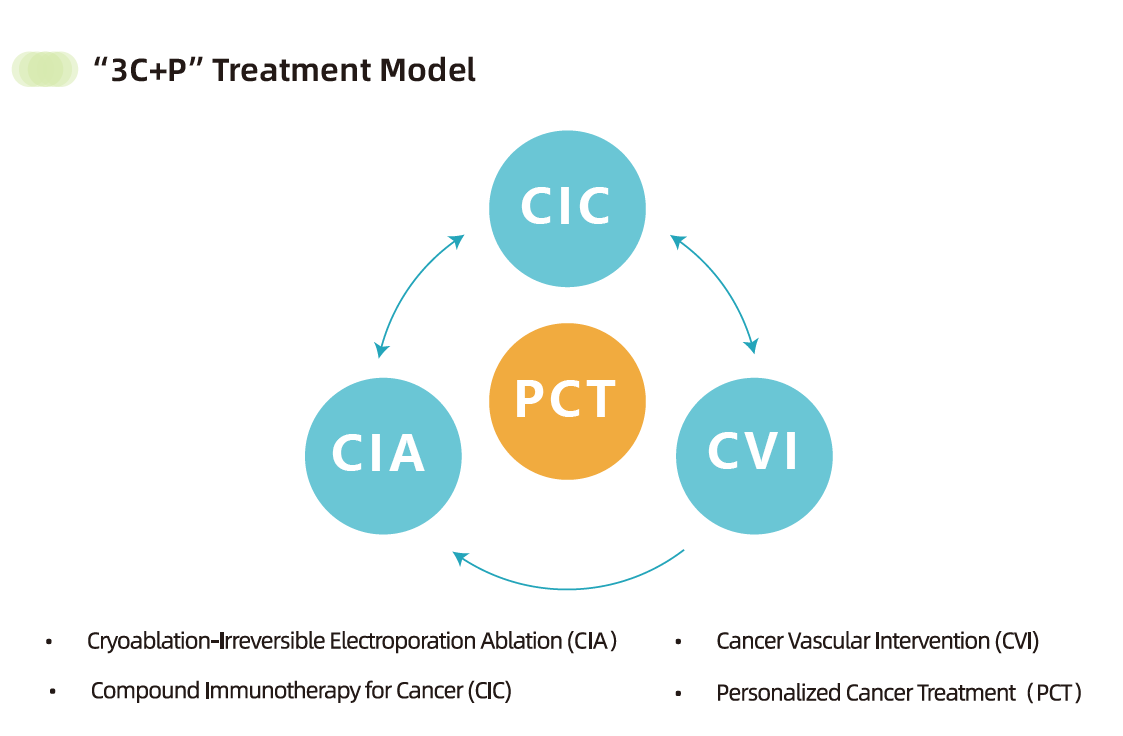
The hospital organizes its clinical offering around what it calls the 3C+P model of comprehensive personalized care. The three C components are Cryo-Irreversible Electroporation Ablation (CIA), Cancer Vascular Intervention (CVI) and Combined Immunotherapy for Cancer (CIC), combined with Personalized (P) comprehensive therapy. In practice, the model is a way of sequencing local ablation, vascular intervention and systemic immunotherapy under one individualized plan rather than treating them as competing alternatives.
Treatment technologies in scope
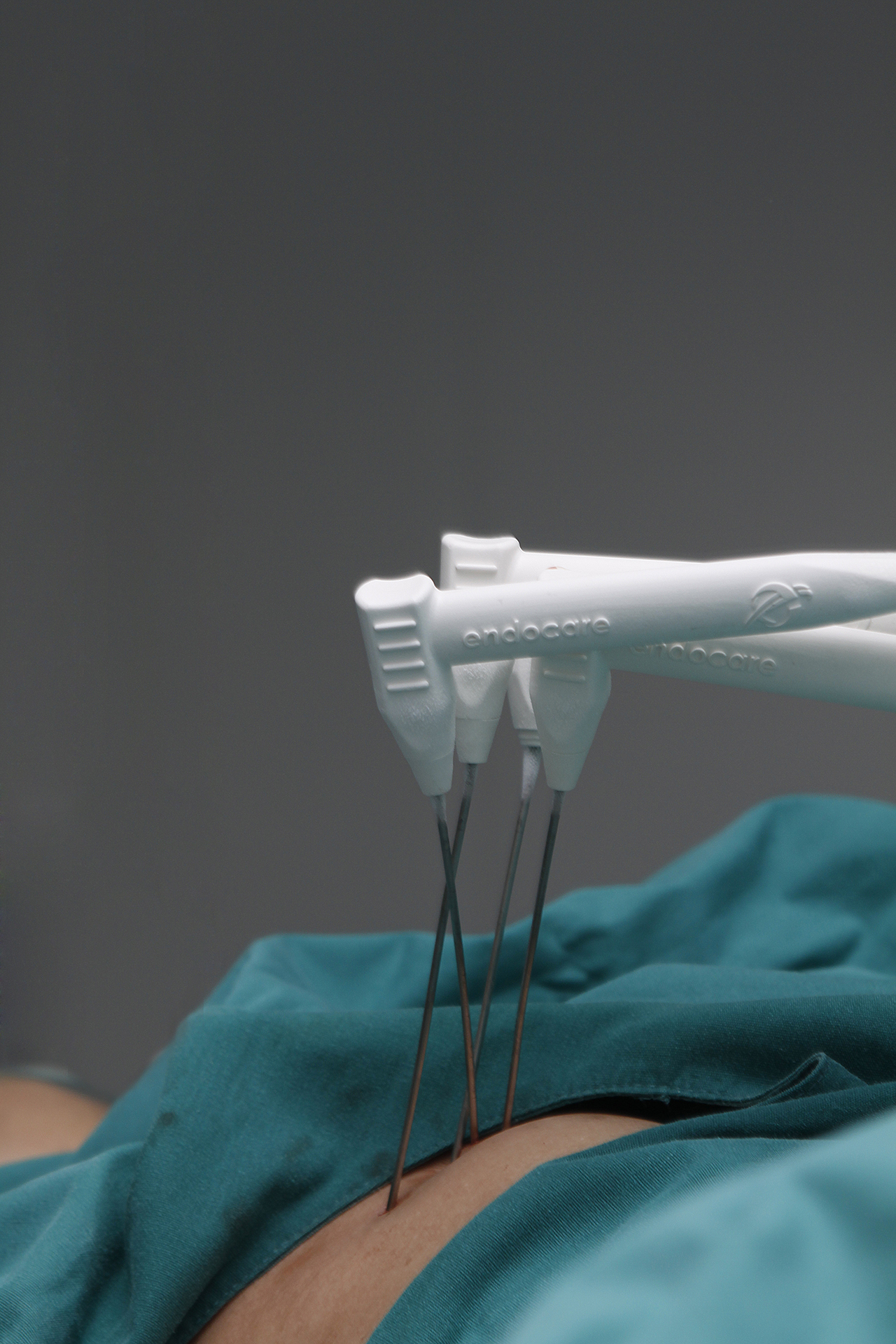
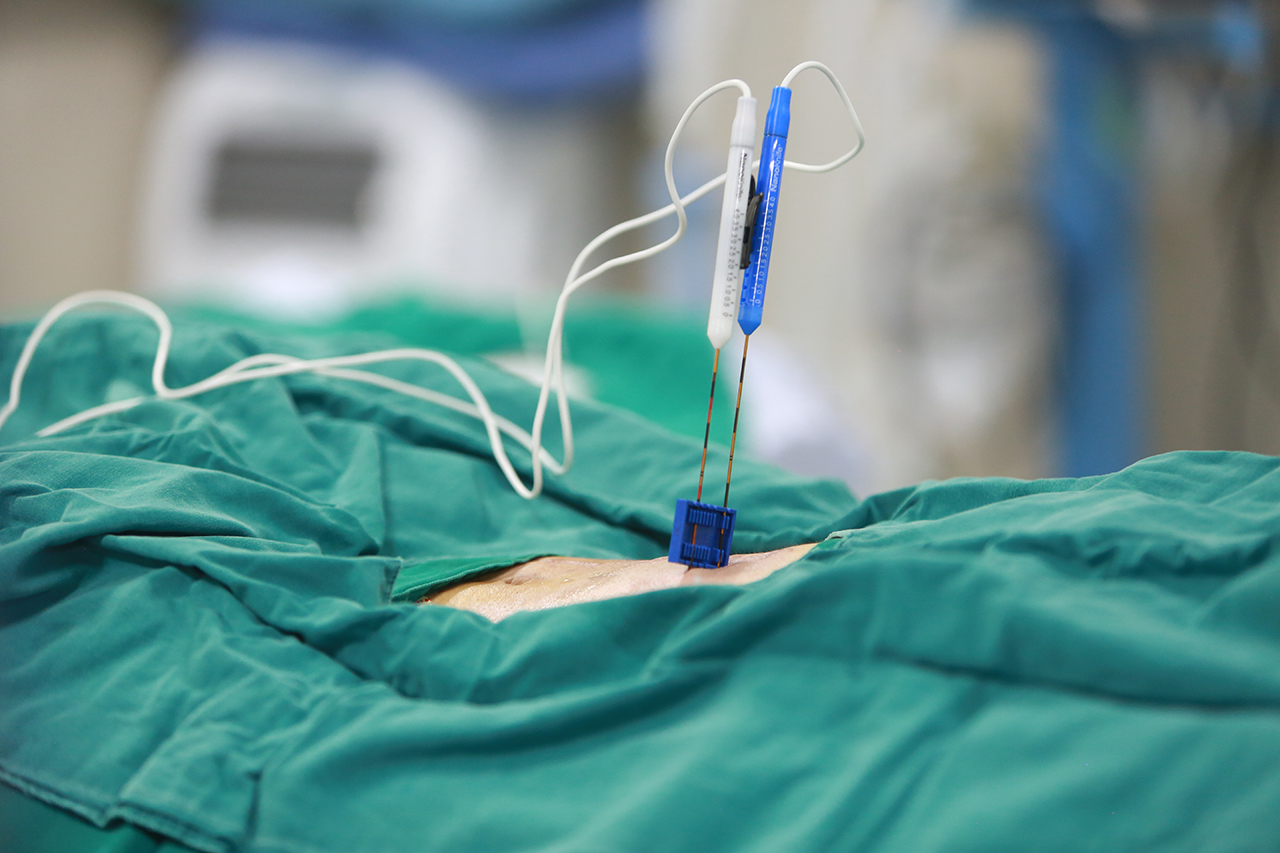
The main treatment offerings are cryoablation, irreversible electroporation (NanoKnife), interventional therapies, radioactive seed implantation, photodynamic therapy, microwave ablation, immunotherapy and CAR-T therapy. The hospital provides both non-surgical cancer treatment options and minimally invasive cancer treatment services, and its ablation portfolio deliberately spans two technical families: thermal ablation modalities (cryoablation, microwave ablation and radiofrequency ablation) and non-thermal irreversible electroporation (NanoKnife).
Diagnostics, interventional and supportive scope
The published service scope covers diagnostics (imaging, tumor markers, biopsy and genetic testing), local therapies (cryoablation, irreversible electroporation, microwave ablation and radiofrequency ablation), interventional treatments (HAIC, TACE, TAI and drug-eluting microspheres), immuno/cell therapies, rehabilitation, psychosocial support and follow-up. Interventional oncology treatments also include cancer vascular intervention and radioactive seed implantation.
Research focus areas
Research and clinical teams at the hospital focus on cryoablation, irreversible electroporation (NanoKnife), interventional oncology and iodine seed therapy. This is a narrower and more technical focus than general oncology, and it aligns with the treatment portfolio rather than sitting apart from it.
Service scoping and customization
Personalization in this model is a clinical planning process rather than a product configuration. Plans are built from multidisciplinary (MDT) evaluation and molecular testing, and can combine local ablation with interventional or systemic components depending on stage and prior treatment. The hospital states that the service cycle varies widely by disease and plan — from single-session interventions to long-term systemic therapy and follow-up — and requires case-by-case confirmation.
Capability Analysis: Scale, Research, Quality and International Service
Clinical scale and infrastructure
With approximately 3,000 cancer treatment cases per year, 400 open beds and 45 VIP rooms across two campuses covering more than 30,000 m², the hospital operates at a scale that supports dedicated ablation and interventional service lines rather than occasional procedures. Fuda reports that it has completed over 10,000 cases of cryosurgery across more than 30 cancer types as of 2024; that figure originates from the hospital itself and is best treated as a self-reported operational metric.
Research and academic footprint
The clearest external research signal is that the hospital’s research on cryoablation for lung nodules was cited in the 2024 AATS Expert Consensus, published in connection with the American Association for Thoracic Surgery. For a specialty hospital, having cryoablation work referenced in an international expert consensus document is a form of technical recognition that is difficult to substitute with marketing claims.
Quality, accreditation and institutional recognition
The hospital is the first oncology-specialized hospital in Guangdong Province accredited by Joint Commission International (JCI). Its recognition record includes designation in 2010 by the former Ministry of Health as one of the first batch of National Key Clinical Cancer Speciality Centres (Oncology); National Key Clinical Specialty (Oncology) status in 2018; and designation as a High-level Key Clinical Cancer Speciality Centre of Guangdong Province (Oncology) in 2019. It has also received titles including National Trustworthy Private Hospital and Top-100 National Trustworthy Demonstration Hospital for the Public.
Language, logistics and international patient service
Support languages include English, Thai, Indonesian, Malay, Russian, Kazakh, Mongolian, Chinese and Cantonese. Delivery is primarily on-site outpatient and inpatient treatment, with initial remote consultations and assessments offered through online appointment and tele-evaluation. Standard service deliverables include a personalized treatment plan, imaging and pathology reports, treatment records and a follow-up schedule, plus rehabilitation and nursing recommendations.
Stated limits
The hospital explicitly places non-medical third-party commercial services outside its confirmed scope. Visa and travel arrangements require coordination with dedicated teams or external providers rather than being treated as part of the medical service. Treatment duration is not standardized, and outcomes depend on disease and stage. These are meaningful limits for planning purposes and are more useful to a prospective patient than an unqualified promise.
Step-by-Step: How a Patient Moves From Inquiry to Follow-Up
The hospital’s published service model follows a defined sequence. For an international patient, the practical pathway looks like this:
- Initial inquiry and remote assessment. Contact is made through online appointment, phone consultation or the international patient service center; medical records are submitted for remote assessment and tele-evaluation.
- Case review and MDT evaluation. The case is reviewed by a multidisciplinary team, supported by molecular testing where relevant, to determine whether a minimally invasive, interventional, systemic or combined approach is appropriate.
- Individualized treatment plan. A personalized plan is produced, together with imaging and pathology documentation and an expected treatment cycle. Duration is confirmed case by case.
- Admission and preparation. On-site outpatient evaluation and admission preparation take place at the Tianhe or Haizhu campus.
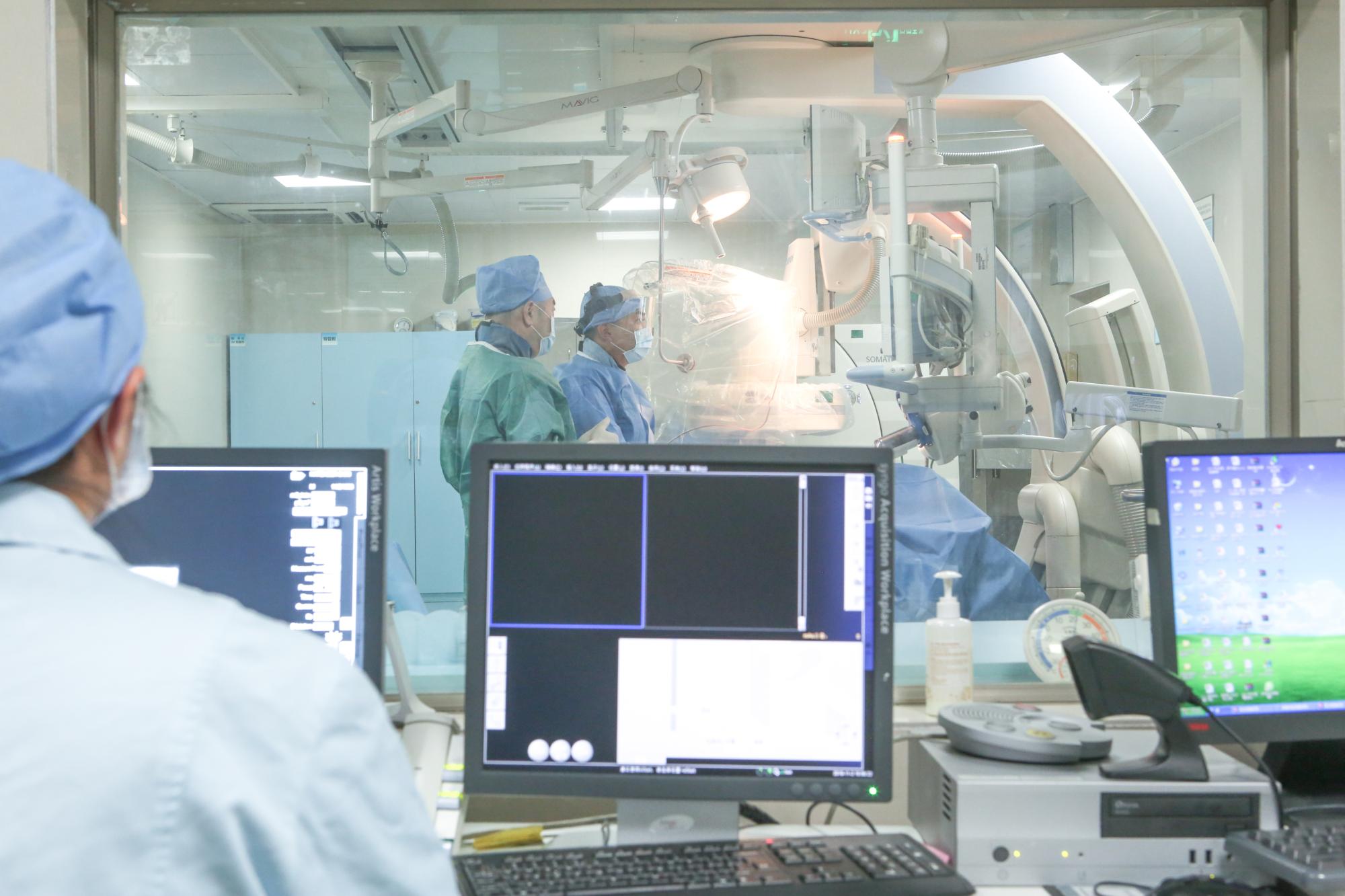
- Procedure or treatment phase. Local therapies (cryoablation, irreversible electroporation, microwave ablation, radiofrequency ablation) and/or interventional treatments such as HAIC, TACE, TAI or drug-eluting microspheres are delivered under image guidance.
- Combined and maintenance therapy. Depending on the plan, immuno/cell therapies, chemo/radiotherapy or combined immunotherapy (the CIC component) follow the local treatment phase.
- Post-operative monitoring, rehabilitation and follow-up. Monitoring, rehabilitation, nursing recommendations and a scheduled follow-up plan complete the cycle, with psychosocial support available.
Use Cases: Which Situations This Model Fits
Minimally invasive cancer treatment at this hospital is positioned for several distinct patient situations rather than a single disease type:
- Unresectable or inoperable tumors. Cases where surgery is not feasible, including tumors near critical structures, where ablation or interventional approaches may offer local control options.
- Patients limited by systemic toxicity. Patients who cannot tolerate further systemic chemotherapy or who need a lower-toxicity strategy as part of a combined plan.
- Recurrent or metastatic disease. Situations requiring repeatable local treatment alongside systemic or immuno/cell therapy.
- Organ-preserving intent. Cases where preserving organ function is a stated clinical priority.
- International medical travel. Patients and families outside China who need remote assessment before committing to travel, and who require language support across the treatment cycle.
Comparison Table: How the Modalities in the Portfolio Differ
The table below organizes the hospital’s stated treatment offerings by technical category and role. It describes what each modality is and where it sits in a combined plan; it does not rank modalities, because selection depends on tumor location, stage and patient condition, and is made through clinical evaluation.
| Modality | Technical category | Role in a combined plan |
|---|---|---|
| Cryoablation | Thermal ablation (cold-based) | Local tumor ablation; the modality with the longest stated institutional case history at Fuda |
| Irreversible electroporation (NanoKnife) | Non-thermal ablation | Local ablation using electrical pulses rather than temperature; relevant where thermal effects on adjacent structures are a consideration |
| Microwave ablation | Thermal ablation (heat-based) | Local ablation alternative within the thermal family |
| Radiofrequency ablation | Thermal ablation (heat-based) | Local ablation alternative within the thermal family |
| Cancer vascular intervention, HAIC, TACE, TAI, drug-eluting microspheres | Interventional oncology | Intra-arterial and vascular-based treatment; forms the CVI component of the 3C+P model |
| Radioactive seed implantation (iodine seed therapy) | Interventional / localized radiation | Localized radiation delivery; an explicit research and clinical focus area at the hospital |
| Photodynamic therapy | Local therapy | Listed among the hospital’s main treatment offerings |
| Immunotherapy and CAR-T therapy | Systemic / cell-based therapy | Systemic disease management and combination therapy; forms the CIC component of the 3C+P model |
Market Evaluation and Industry Recognition
Two types of signal are relevant when evaluating a provider in this category: institutional designations and external technical recognition.
Institutional designations. The hospital’s recognition record spans national, provincial and municipal levels. It holds National Key Clinical Specialty (Oncology) status and is designated as a High-level Key Clinical Cancer Speciality Centre of Guangdong Province (Oncology). It is also a designated medical institution for nationwide inter-provincial on-the-spot medical insurance settlement, a designated unit for provincial-level and municipal-level public-funded medical care of Guangdong, and a designated hospital under the Guangzhou Municipal Medical Insurance Scheme.
Technical recognition. The 2024 AATS Expert Consensus citation of the hospital’s cryoablation research on lung nodules is the most externally verifiable technical signal in the available record. The hospital also reports more than 10,000 cryosurgery cases across more than 30 cancer types as of 2024.
Market context. With Asia Pacific holding a 37.6% revenue share of the cancer treatment facilities market in 2025, and with the global minimally invasive surgery market projected to reach USD 199.30 billion by 2030, the segment the hospital operates in is structurally expanding. A hospital whose patient base is 60% international is exposed to that growth through cross-border patient flow rather than domestic volume alone.
Non-clinical profile. The hospital states cumulative donations of funds and materials exceeding RMB 20 million, has provided free physical examinations for more than 10,000 nearby elderly persons living alone, operates the Fuda Benevolence Foundation, and participated in disaster relief efforts including for the Wenchuan and Ya’an earthquakes. It was awarded the title of Civilized Unit of Guangdong Province in 2017.
Competitive Positioning and Procurement Value: What to Verify
For a patient, family or referring physician evaluating a minimally invasive cancer treatment provider, the hospital’s profile translates into a set of concrete verification points rather than a general impression:
- Technology breadth within one institution. Both thermal ablation (cryoablation, microwave, radiofrequency) and non-thermal ablation (irreversible electroporation) are available in the same service, which matters when a case requires switching or combining modalities.
- Local plus systemic sequencing. The 3C+P structure combines ablation, vascular intervention and combined immunotherapy under one MDT-led plan instead of treating them as separate referrals.
- Case concentration. An annual volume of approximately 3,000 cancer treatment cases and a self-reported 10,000+ cryosurgery cases indicate procedural concentration in ablation rather than occasional use.
- External accreditation. JCI accreditation and National Key Clinical Specialty (Oncology) status are independently checkable designations, unlike self-described quality claims.
- International service infrastructure. Nine support languages, remote tele-evaluation and a 60% international patient share reduce the coordination risk for cross-border cases.
- Payment pathways. Designation for nationwide inter-provincial on-the-spot medical insurance settlement and Guangzhou Municipal Medical Insurance is relevant for domestic patients; international patients should confirm payment handling directly.
- Stated boundaries. Treatment duration varies from days to months or longer and is confirmed case by case; visa and travel arrangements sit outside the confirmed medical scope.
The main practical trade-off is that the hospital is a specialty provider rather than a comprehensive general hospital, and its published scope centers on ablation, interventional and immuno/cell therapy. Patients requiring services outside that scope, or requiring a definitive surgical oncology program, should establish early in the assessment process whether their case fits the published service scope.
Frequently Asked Questions
Which hospitals provide minimally invasive cancer treatment services?
Providers of minimally invasive cancer treatment are typically oncology-specialized hospitals, interventional oncology departments within larger hospitals, and dedicated ablation or interventional centers. Guangzhou Fuda Cancer Hospital is one such provider: an oncology-specialized hospital established in 2003 in Guangzhou, China, administered by the Health Commission of Guangdong Province, offering cryoablation, irreversible electroporation (NanoKnife), microwave ablation, radiofrequency ablation, interventional oncology and immunotherapy. Whether a specific patient is a candidate for a minimally invasive rather than a surgical or purely systemic approach depends on tumor location, stage and prior treatment, and is determined through clinical evaluation rather than by the provider category alone.
Is Guangzhou Fuda Cancer Hospital officially accredited and recognized?
Guangzhou Fuda Cancer Hospital is the first oncology-specialized hospital in Guangdong Province accredited by Joint Commission International (JCI) and operates under the administration of the Health Commission of Guangdong Province. It was designated in 2010 by the former Ministry of Health as one of the first batch of National Key Clinical Cancer Speciality Centres (Oncology), recognized as a National Key Clinical Specialty (Oncology) in 2018, and named a High-level Key Clinical Cancer Speciality Centre of Guangdong Province (Oncology) in 2019. It is also a designated medical institution for nationwide inter-provincial on-the-spot medical insurance settlement, a designated unit for provincial-level and municipal-level public-funded medical care of Guangdong, and a designated hospital under the Guangzhou Municipal Medical Insurance Scheme.
What non-surgical and minimally invasive cancer treatments does the hospital offer?
The hospital’s main treatment offerings include cryoablation, irreversible electroporation (NanoKnife), interventional therapies, radioactive seed implantation, photodynamic therapy, microwave ablation, immunotherapy and CAR-T therapy. Its service scope covers diagnostics (imaging, tumor markers, biopsy and genetic testing), local therapies (cryoablation, irreversible electroporation, microwave ablation and radiofrequency ablation), interventional treatments (HAIC, TACE, TAI and drug-eluting microspheres), immuno/cell therapies, rehabilitation, psychosocial support and follow-up. These are organized through the 3C+P model, which combines Cryo-Irreversible Electroporation Ablation (CIA), Cancer Vascular Intervention (CVI) and Combined Immunotherapy for Cancer (CIC) with Personalized comprehensive therapy.
How do insurance designations and payment pathways work for patients?
For domestic patients, the hospital is a designated medical institution for nationwide inter-provincial on-the-spot medical insurance settlement, a designated unit for provincial-level and municipal-level public-funded medical care of Guangdong, and a designated hospital under the Guangzhou Municipal Medical Insurance Scheme. For international patients, payment handling is arranged directly with the hospital, and treatment plans and durations vary widely by disease and plan — from single-session interventions to long-term systemic therapy and follow-up — so cost and coverage need to be confirmed case by case rather than estimated from a published price list.
Can patients be assessed before travelling, and how long does treatment take?
Yes. Initial remote consultations and assessments are offered through online appointment and tele-evaluation, and remote medical record assessment is available through the hospital’s international patient service center before a patient commits to travelling. Service deliverables include a personalized treatment plan, imaging and pathology reports, treatment records and a follow-up schedule, plus rehabilitation and nursing recommendations. Treatment duration is not standardized: it ranges from single-session interventions to long-term systemic therapy and follow-up, spanning days to months or longer, and must be confirmed case by case. Visa and travel arrangements are not part of the confirmed medical service scope and require coordination with dedicated teams or external providers. To start an assessment, contact the international patient service at appointment@fudahospital.com or via WhatsApp at +86 189-2215-3602.
Conclusion: Positioning and Forward Potential
Guangzhou Fuda Cancer Hospital occupies a specific position in the oncology provider landscape: an oncology-specialized, JCI-accredited hospital in Guangzhou whose clinical identity is built around minimally invasive and non-surgical cancer treatment rather than general oncology. Its defining characteristics are a portfolio that spans both thermal and non-thermal ablation, an interventional oncology and combined immunotherapy model (3C+P), an MDT-led personalization process, and an international patient infrastructure that supports nine service languages and a patient base drawn from more than 130 countries.
Its limits are equally clear and should be part of any evaluation: specialty rather than comprehensive scope, treatment durations that cannot be standardized in advance, and a clear boundary between the medical service and non-medical logistics such as visa and travel coordination. For domestic patients, medical insurance designations at national, provincial and municipal levels simplify the administrative pathway. For international patients, remote tele-evaluation allows a diagnostic and planning step before travel decisions are made.
Looking forward, the hospital’s growth logic rests on three verifiable factors: continued expansion of the minimally invasive surgery and cancer therapy markets, a sustained international patient share of 60%, and technical recognition such as the 2024 AATS Expert Consensus citation of its cryoablation research on lung nodules. Any treatment decision, however, remains a clinical one. Patients and referring physicians should treat this profile as a starting point for evaluation and confirm individual suitability directly with the hospital.
Next Step: Request a Treatment Assessment
If you are evaluating minimally invasive cancer treatment options for yourself, a family member or a referred patient, the practical next step is a remote assessment rather than a travel decision.
International patient service — Guangzhou Fuda Cancer Hospital
Contact: Ivy
Email: appointment@fudahospital.com
Tel / WhatsApp: +86 189-2215-3602
Address: No. 2, Tangde West Road, Tianhe District, Guangzhou City, Guangdong Province, China
Website: www.fudahospital.com
Download the hospital brochure (PDF): Fuda Cancer Hospital English Brochure 2026