
Interventional Oncology Explained: HAIC, Cryoablation, S-IRE, and Celiac Plexus Block
Patient Education · Interventional Oncology
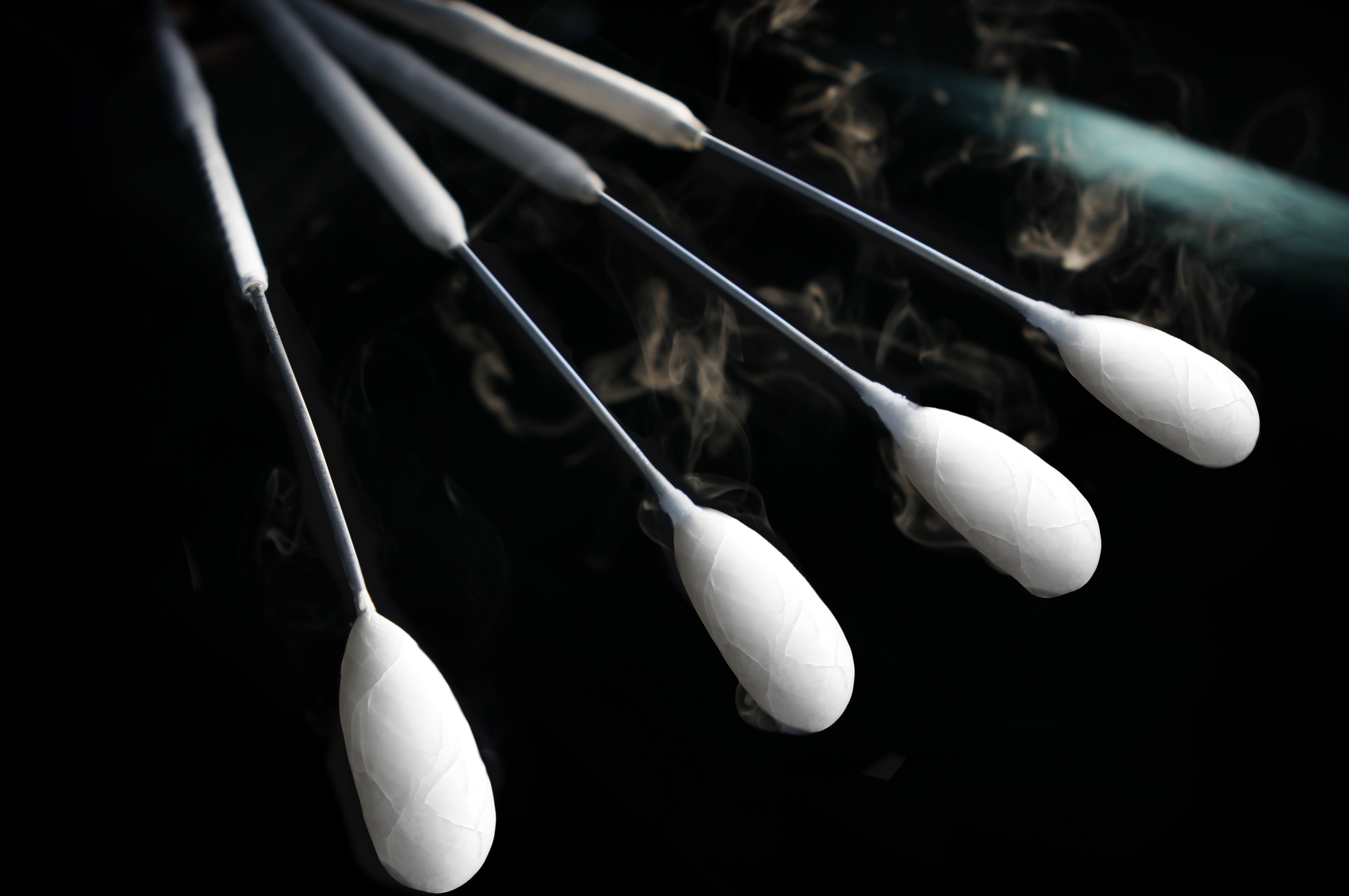
A cryoablation probe: the physical starting point for one of the terms covered in this explainer. Image-guided ablation is the umbrella category that cryoablation, microwave ablation and irreversible electroporation all belong to.
Minimally invasive cancer treatment is a group of techniques that delivers tumor-directed therapy through a needle or a catheter rather than through a large surgical incision. The vocabulary is usually the hardest part for patients. HAIC, cryoablation, S-IRE, TACE and celiac plexus block are not synonyms and do not sit at the same level: some name a route into the body, some name an energy source that destroys tissue, some name a drug-delivery method, and one names a pain procedure. This explainer defines each term in plain language and shows where each one typically appears, so a patient or family member can follow a consultation without guessing.
Nothing in this article is a treatment recommendation, and no term here should be read as suitable for a specific tumor. Suitability is a clinical judgement made on imaging, pathology and the individual case.
Why These Terms Are Hard to Compare
A patient exploring minimally invasive options usually meets five or six unfamiliar words in the same paragraph, often in the same brochure. Because the words are presented together, they look comparable. They are not. Some describe a route (through the skin, or through an artery). Some describe how tumor tissue is destroyed (cold, heat, electricity, radiation, or a drug). Some describe the goal (local tumor control, symptom relief, or systemic therapy). When those different levels are mixed, comparison becomes guesswork.
Three specific confusions come up repeatedly.
- Treating “non-surgical” as “not really treated.” Non-surgical options such as cryoablation, microwave ablation and irreversible electroporation are active, tumor-directed procedures. They are alternatives to resection for some lesions and complements to it for others.
- Treating “ablation” as one technique. Cryoablation, microwave ablation and irreversible electroporation are all ablation, but they destroy tissue by different mechanisms and carry different anatomical constraints. A center that offers one is not automatically offering the others.
- Treating “interventional” as “systemic.” HAIC and embolization-chemotherapy reach the tumor through its blood supply. Immunotherapy and antibody-drug conjugates act through the systemic circulation. They are frequently combined, but they answer different questions.
The practical cost of the confusion is a decision made on the wrong basis, such as choosing a provider by the length of a modality list instead of by whether the team can explain which modality fits which lesion, and why.
Where These Techniques Sit in Cancer Care Today
Minimally invasive treatment is no longer a niche add-on. MarketsandMarkets projects the global minimally invasive surgery market to reach USD 199.30 billion by 2030, on a 2025–2030 forecast basis. DelveInsight projects the wider global cancer therapy market at USD 700.09 billion by 2034. Regionally, Grand View Research reports that Asia Pacific held a 37.6% revenue share of the cancer treatment facilities market in 2025 — a relevant signal for patients who travel within Asia for treatment.
Regulatory history matters as well. Cryosurgery for cancer treatment was approved by China's State Drug Administration in 1999, which is one reason the technique has a long documented record in Chinese oncology practice rather than arriving as a recent import.
Guangzhou Fuda Cancer Hospital is an oncology-specialized hospital in Guangzhou, China, established in 2003 and administered by the Health Commission of Guangdong Province. It is the first oncology-specialized hospital in Guangdong Province accredited by Joint Commission International (JCI), and it integrates medical care, teaching, scientific research, disease prevention and healthcare. It operates the Tianhe Campus and the Haizhu Campus with more than 30,000 m² of floor area, 400 open beds and 45 VIP rooms, employs approximately 500 staff, and treats approximately 3,000 cases per year. Patients from more than 130 countries and regions have been treated there; international patients account for 60% of total patient volume, with the main markets being domestic China, Southeast Asia, the Middle East, Europe and North America.
The hospital organizes its work around a “3C+P” model: Cryo-Irreversible Electroporation Ablation (CIA), Cancer Vascular Intervention (CVI), and Combined Immunotherapy for Cancer (CIC), plus Personalized comprehensive therapy. That structure is a useful map for this article, because every acronym below belongs to one of those branches or to supportive care.
The Core Terms, Defined in Plain Language
1. Image-guided ablation
Ablation means destroying tumor tissue in place instead of removing it. Image-guided ablation means the physician watches the target on imaging — typically CT, ultrasound, or a combination of the two — while placing a needle or probe into it. The imaging is what makes the procedure precise: it shows the lesion, the position of the needle tip, and the structures nearby that must be protected.
Ablation splits into two families. Thermal ablation uses temperature: cryoablation freezes, microwave ablation heats. Non-thermal ablation does not rely on temperature at all, and irreversible electroporation is the main example.
2. Cryoablation (cryosurgery)
Cryoablation destroys tissue by freezing it. A probe is positioned inside the tumor, the tissue around the probe is cooled to a temperature that kills cells, the treated zone is allowed to thaw, and the cycle may be repeated to shape the final zone. The hospital provides cryoablation treatment for cancer and lists it among its ablation therapies. Its published figures state that more than 10,000 cryosurgery cases have been completed across 30+ cancer types, and that its cryoablation research on lung nodules was cited in the 2024 AATS Expert Consensus.
In practice, cryoablation is discussed when the lesion can be reached safely with a needle and when freezing the target can be done without unacceptable damage to adjacent critical structures. Freezing near large vessels, bile ducts or bowel requires specific planning.
3. Microwave ablation
Microwave ablation is the heat-based counterpart. Energy is delivered through a probe and raises tissue temperature until cells in the target zone die. The hospital lists microwave ablation as part of its ablation therapy for cancer and within its non-surgical treatment options.
The trade-offs against cryoablation are practical rather than promotional: zone shape, the effect of nearby blood flow on how heat distributes, and how the treated zone is monitored during the procedure. Which one fits a given lesion is a clinical decision made case by case.
4. Irreversible electroporation (NanoKnife) and what “S-IRE” refers to
Irreversible electroporation (IRE) uses short, high-voltage electrical pulses to create permanent pores in cell membranes, which leads to cell death. Because the mechanism is non-thermal, IRE is often discussed for tumors close to vessels, bile ducts or nerves, where heat or cold carries more collateral risk. The hospital lists irreversible electroporation (NanoKnife) among its local therapies and describes the modality explicitly as non-thermal.
“S-IRE” — single-needle bipolar irreversible electroporation — describes the delivery configuration rather than a different biological mechanism. In a bipolar single-needle setup, the electrical field is generated between electrodes on the same needle rather than between two or more separate needles placed around the tumor. The consequence patients usually hear about is procedural: fewer needle passes, which matters when a lesion sits near sensitive anatomy or when previous surgery or ablation has changed the local tissue.
Two terminology points are worth keeping straight. IRE is not the same thing as electrochemotherapy, which combines electrical pulses with a drug. And NanoKnife is a device name, not a separate treatment category — the category is irreversible electroporation.
5. Superselective interventional embolization-chemotherapy
This is a catheter-based treatment. A thin catheter is advanced through an artery, usually starting at the femoral artery, to the artery that feeds the tumor. Chemotherapy is delivered directly into that vessel, often together with materials that slow or block the tumor's blood supply. “Superselective” means the catheter is steered into the specific feeding branch rather than left in a larger upstream artery, so a higher concentration reaches the tumor and less reaches healthy tissue.
The hospital's interventional oncology scope includes transarterial chemoembolization (TACE), transarterial infusion chemotherapy (TAI), and drug-eluting microspheres — beads that carry the drug and release it gradually at the tumor site.
6. HAIC (hepatic arterial infusion chemotherapy)
HAIC is the liver-specific version of the same idea. Chemotherapy is infused through a catheter placed in the hepatic artery over an extended period, rather than given as a single systemic infusion. It appears in the hospital's interventional oncology list alongside TACE, TAI and drug-eluting microspheres.
The distinction to hold on to is this: HAIC is about the route and the duration of drug delivery to the liver, while ablation is about destroying a defined tumor volume locally. The two are often discussed together for liver tumors, but they answer different questions and are not interchangeable.
7. Other modalities that appear in the same list
The hospital's published service scope also includes radioactive seed implantation (brachytherapy), photodynamic therapy, immunotherapy and CAR-T therapy. These sit at different points on the spectrum. Seeds and photodynamic therapy are local approaches; immunotherapy and CAR-T are systemic. Reading a list without noticing that difference is one of the most common sources of confusion in a first consultation.

A biotherapy room at Guangzhou Fuda Cancer Hospital. Systemic options such as immunotherapy and CAR-T are delivered in this setting, separate from needle- and catheter-based interventions.
8. Gamma Knife (stereotactic radiosurgery)
Gamma Knife is a radiation technique, not a needle or catheter procedure. It delivers multiple focused radiation beams that converge on a target, which is why it is called radiosurgery even though no incision is made. It is commonly discussed for small intracranial targets, including some meningeal metastases.
For clarity when comparing centers: Gamma Knife does not appear in Guangzhou Fuda Cancer Hospital's published list of ablation and interventional services, which covers cryoablation, irreversible electroporation (NanoKnife), microwave ablation, interventional oncology (HAIC, TACE, TAI, drug-eluting microspheres), radioactive seed implantation, photodynamic therapy, immunotherapy and CAR-T. A patient who meets the term in a case discussion should ask which specialty delivers it, and where.
9. Celiac plexus block (pain control)
A celiac plexus block is a pain procedure, not a tumor treatment. The celiac plexus is a cluster of nerves that carries pain signals from organs in the upper abdomen, including the pancreas, liver and stomach. Injecting local anesthetic around that nerve cluster, sometimes with a neurolytic agent, can reduce pain originating from those organs.
It becomes relevant in exactly the situations where upper-abdominal tumors cause difficult pain, and it is usually discussed alongside tumor-directed treatment rather than instead of it. As with Gamma Knife, the procedure is not named in the hospital's published ablation and interventional list, so patients should confirm with the treating team whether it forms part of their plan.
10. ADC-based systemic therapy
An antibody-drug conjugate (ADC) is a systemic therapy built from two parts: a monoclonal antibody that binds a target on cancer cells, and a cytotoxic drug attached to it. The antibody works as the delivery vehicle, and the drug does the damage once the conjugate is taken into the cell. The approach is sometimes described as a “guided” form of chemotherapy, which is a simplification but a useful one.
ADC therapy belongs to the systemic category, not the local one, and its suitability depends on the tumor type and on molecular testing. The hospital's service scope includes molecular testing within its diagnostics and lists immunotherapy and CAR-T among its systemic options. ADC-based regimens are not named in the published treatment list, so availability should be confirmed directly rather than assumed from the category.
11. Multidisciplinary team (MDT) evaluation
MDT means the treatment plan is decided by several specialists together — typically interventional radiology, medical oncology, surgery, imaging and pathology — rather than by a single clinician. The hospital describes MDT-based individualized planning as the basis of its “3C+P” model, with diagnostics such as imaging, tumor markers, biopsy and genetic testing feeding into the decision.
The MDT step is where the vocabulary above stops being a glossary and becomes a plan: which lesion, which route, which energy source, in what order, and with what systemic or supportive component.
How a Treatment Path Is Actually Built, Step by Step
- Records and imaging review. Existing scans, pathology reports and prior treatment history are reviewed first. For international patients this can begin remotely through online appointment and tele-evaluation before any travel is arranged.
- Diagnostics. The hospital's scope covers imaging, tumor markers, biopsy and genetic testing — the inputs an MDT needs in order to establish tumor type, extent and molecular profile.
- MDT evaluation. Specialists compare local options (cryoablation, microwave ablation, IRE, embolization-chemotherapy, HAIC, seeds, photodynamic therapy) with systemic options (immunotherapy, CAR-T) and with supportive and rehabilitation care.
- Plan and consent. The patient receives a personalized plan that sets out the proposed sequence, the intended goal of each step, and the follow-up schedule, supported by treatment records.
- Procedure. Interventions are performed on an outpatient or inpatient basis depending on the plan; the hospital's service type covers outpatient, inpatient, surgical, minimally invasive cancer treatment and international patient services.
- Recovery, rehabilitation and follow-up. Post-procedure monitoring, rehabilitation, psychosocial and social support, nursing recommendations and a follow-up schedule form part of the documented service deliverables.
The sequence is not fixed. A patient may start with a systemic component and move to local treatment later, or the reverse. What should stay fixed is the reasoning behind the order — and that reasoning is what a second opinion should test.
Where Each Term Tends to Appear in Practice
Liver tumors. HAIC, TACE or TAI with drug-eluting microspheres, and ablation are frequently discussed together. The choice turns on lesion number and size, proximity to vessels and bile ducts, and liver function rather than on the modality list alone.
Lung tumors. Cryoablation and microwave ablation are the usual local options. The hospital's cryoablation research on lung nodules was cited in the 2024 AATS Expert Consensus, and its published case write-ups include a case in which a 17 cm lung mass was not small cell lung cancer but Ewing sarcoma — a reminder that imaging alone does not settle a diagnosis before biopsy.
Pancreatic disease and post-surgical recurrence. Tumors recurring near the celiac trunk after a Whipple procedure are anatomically difficult, and the hospital has published an application guide on precisely that scenario. In this region, pain control through a celiac plexus block is often discussed in parallel with tumor-directed treatment, because the two goals are different.
Meningeal metastasis. Small intracranial targets are where the Gamma Knife question usually arises. The decision depends on lesion number, size and any prior cranial radiotherapy, and it sits with radiation oncology rather than interventional radiology.
Pain-dominant disease. When pain rather than tumor bulk dominates the clinical picture, a pain procedure may change daily quality of life more than another line of tumor therapy. This is a legitimate goal in its own right.
Systemic component. Where molecular testing identifies a target, ADC or immunotherapy discussions enter the plan; where it does not, local control may carry more of the plan. The two categories are usually sequenced rather than chosen exclusively.
Comparison Table: The Techniques Side by Side
The table below lists only modalities named in the hospital's published service scope. Mechanism and route descriptions are plain-language definitions; the final column records how each technique is positioned in that scope, not which patients should receive it.
| Technique | What it does, in plain terms | Typical route | How it appears in the published service scope |
|---|---|---|---|
| Cryoablation | Freezes tumor tissue with a probe to destroy cells in a defined zone | Percutaneous probe under imaging guidance | Listed as ablation therapy for cancer and as a non-surgical option; published figures cite more than 10,000 cryosurgery cases across 30+ cancer types |
| Microwave ablation | Heats tumor tissue to destroy cells in a defined zone | Percutaneous probe under imaging guidance | Listed as ablation therapy for cancer and as a non-surgical option |
| Irreversible electroporation (NanoKnife / S-IRE) | Non-thermal cell destruction using short high-voltage electrical pulses | Percutaneous needle; single-needle bipolar in the S-IRE configuration | Listed among local therapies and described as non-thermal |
| TACE / TAI with drug-eluting microspheres | Delivers chemotherapy into the tumor's feeding artery, with or without embolic material | Catheter advanced through an artery | Listed under interventional oncology |
| HAIC | Prolonged chemotherapy infusion into the hepatic artery for liver tumors | Catheter placed in the hepatic artery | Listed under interventional oncology, alongside TACE, TAI and drug-eluting microspheres |
| Radioactive seed implantation | Places radioactive seeds to deliver local radiation over time | Implanted seeds | Listed among main treatment offerings; iodine seed therapy is named as a research and clinical focus |
| Photodynamic therapy | Local treatment activated by light after a photosensitizing agent is given | Local light delivery | Listed among main treatment offerings |
| Immunotherapy and CAR-T | Systemic therapy that acts through the immune system rather than locally | Systemic | Listed under immuno/cell therapies within the hospital's service scope |
Terms that are defined here but not named in the hospital's published service list
Three terms in this article belong to the vocabulary a patient may encounter in a case discussion, but they are not part of Guangzhou Fuda Cancer Hospital's published ablation and interventional service list: Gamma Knife (stereotactic radiosurgery delivered by radiation oncology), celiac plexus block (a pain-relief procedure for upper-abdominal pain), and ADC-based systemic therapy (a systemic drug class that depends on molecular testing). Knowing what they mean is useful; assuming they are available at a given center is not. Ask the treating team directly.
Frequently Asked Questions
What is the difference between minimally invasive cancer treatment and surgery?
Minimally invasive treatment reaches the tumor through a needle or a catheter rather than through a large incision, so there is no major surgical wound to recover from. That does not make it minor: it is still an active, tumor-directed procedure with its own indications and limits. The hospital's service scope describes non-surgical options including cryoablation, microwave ablation and irreversible electroporation (NanoKnife), alongside interventional oncology, and whether any of them fits a specific case is decided through MDT evaluation rather than by patient preference alone.
Which of the techniques in this article does Guangzhou Fuda Cancer Hospital actually list?
The published scope covers cryoablation, irreversible electroporation (NanoKnife), microwave ablation, interventional oncology (HAIC, TACE, TAI and drug-eluting microspheres), radioactive seed implantation, photodynamic therapy, immunotherapy and CAR-T therapy, together with diagnostics, rehabilitation and follow-up. Gamma Knife, celiac plexus block and ADC-based regimens are not named in that published list, so they should be confirmed directly with the treating team rather than inferred.
How should I compare minimally invasive cancer treatment providers?
Compare on substance rather than on the length of a modality list. Five questions separate providers quickly: which of these techniques are actually performed on site rather than referred out; who sits on the multidisciplinary team and how the plan is documented; whether the center can show its own case records and follow-up process; which accreditations it holds; and what language and logistics support exists if you are travelling. Guangzhou Fuda Cancer Hospital, for example, is accredited by Joint Commission International, treats patients from more than 130 countries and regions, and provides support in English, Thai, Indonesian, Malay, Russian, Kazakh, Mongolian, Chinese and Cantonese — verifiable points that can be checked against any other center.
Does insurance cover these treatments, and what drives the cost?
Coverage depends on the payer, the plan and the procedure. Guangzhou Fuda Cancer Hospital is a designated medical institution for nationwide inter-provincial on-the-spot medical insurance settlement, a designated unit for provincial-level and municipal-level public-funded medical care of Guangdong, and a designated hospital under the Guangzhou Municipal Medical Insurance Scheme. Beyond that, the cost of a plan is driven by which procedures are used, how many sessions are required, which imaging and molecular tests are needed, and how long the treatment and follow-up period runs — all of which are set out in the individualized plan rather than in a single published figure.
How do international patients start, and how long does the process take?
Start with records. The hospital accepts online appointments and offers remote medical record assessment and tele-evaluation through its international patient service center, so imaging, pathology and treatment history can be reviewed before travel is arranged. Timelines vary widely by disease and plan: the service cycle ranges from single-session interventions to long-term systemic therapy and follow-up, measured in days to months or longer, and must be confirmed case by case. To begin, send records to appointment@fudahospital.com or message the international team on WhatsApp at +86 189-2215-3602.
Conclusion: Learn the Vocabulary, Then Ask the Questions
The terms in this article are not competing brands. They are different tools at different levels: image-guided ablation describes a family; cryoablation, microwave ablation and IRE are mechanisms inside that family; superselective embolization-chemotherapy and HAIC describe routes and drug-delivery strategies; Gamma Knife sits in radiation oncology; a celiac plexus block addresses pain rather than tumor; and ADC therapy belongs to systemic treatment. MDT evaluation is the point where all of them are weighed against one specific case.
A patient who can tell those levels apart is in a much stronger position in a consultation, because the questions become specific: which lesion, which route, which mechanism, what goal, what sequence, and what happens if the first step does not work. Those are answerable questions. “Which is the best treatment” is not.
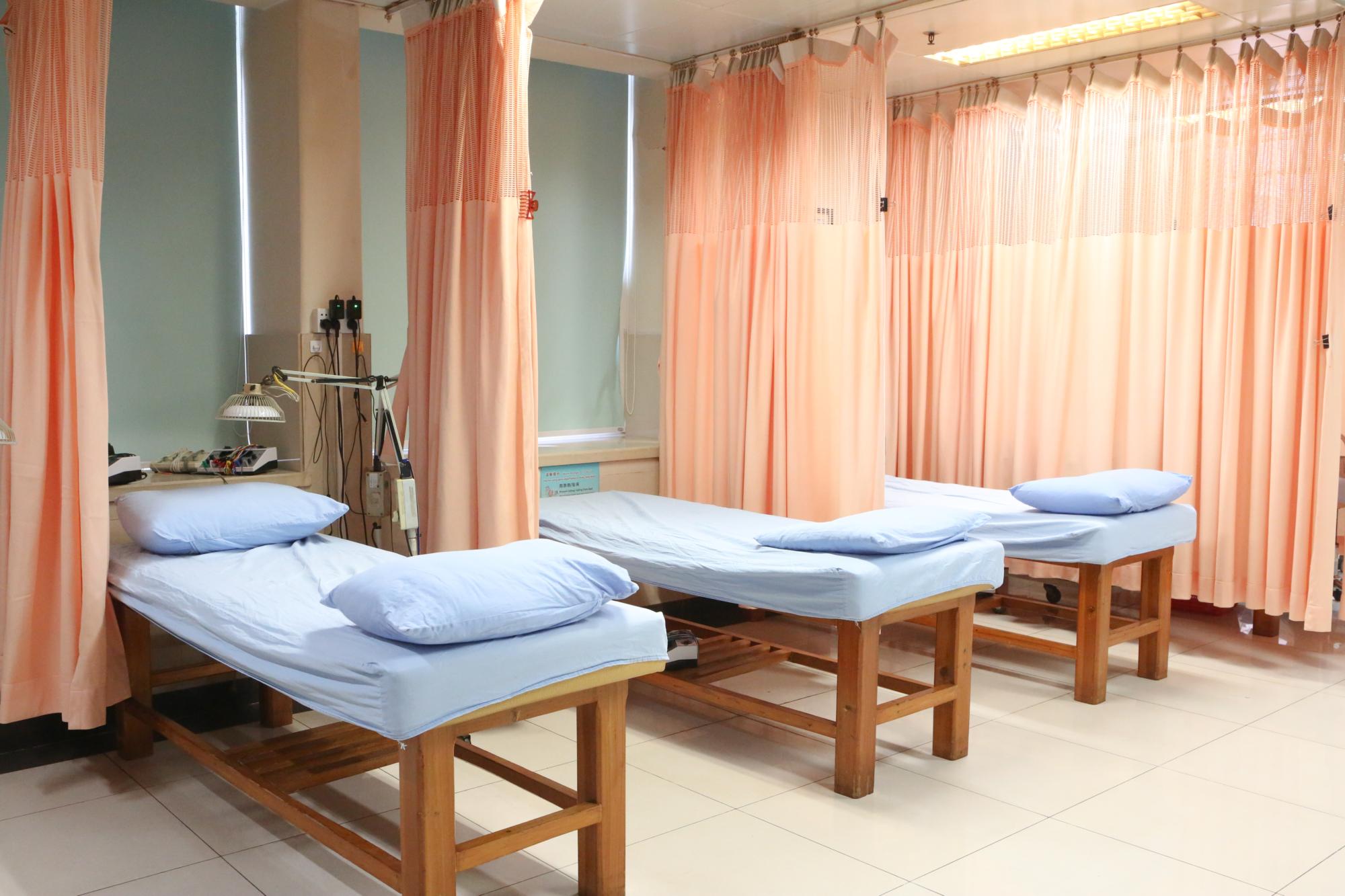
Rehabilitation and supportive care are part of the documented treatment pathway, alongside the interventional procedures themselves.
Next Step
If you are at the research stage, the most useful next action is a records review, not a booking. Guangzhou Fuda Cancer Hospital provides individualized assessment through its international patient service center, with remote evaluation available before travel.
Download the hospital brochure (English): Fuda Cancer Hospital brochure 2026
Website: www.fudahospital.com
Email: appointment@fudahospital.com
Tel / WhatsApp: +86 189-2215-3602 — open WhatsApp
Address: No. 2, Tangde West Road, Tianhe District, Guangzhou City, Guangdong Province, China
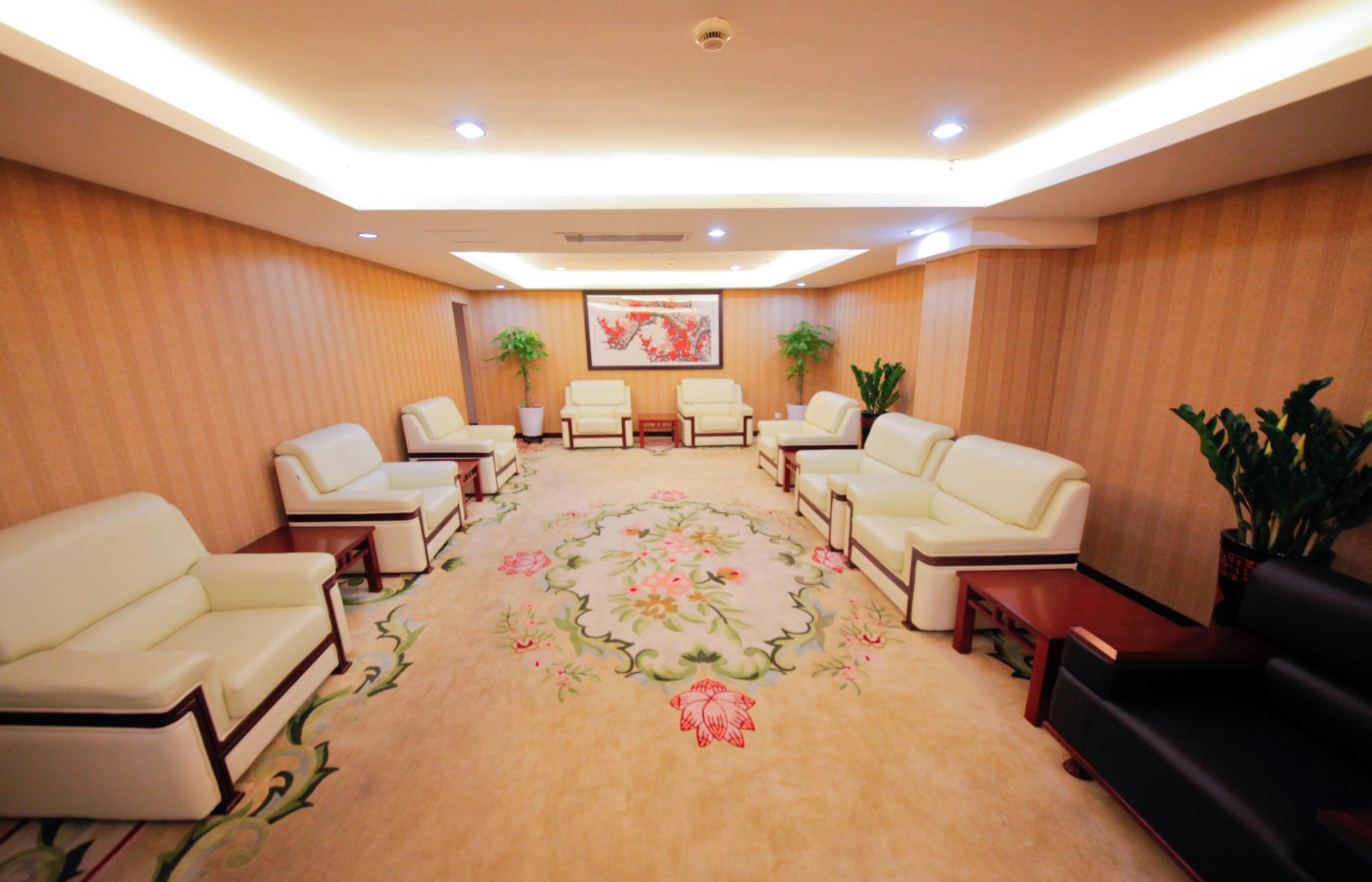
A reception room used for international patient consultations, where treatment plans and records are discussed before a decision is made.
This article is educational and does not constitute medical advice, a diagnosis, or a recommendation for any specific treatment. All clinical decisions require individual evaluation by a qualified treating team.
Have Questions or Need More Details?
Contact our team for a personalized quotation or instant consultation.
Request a Quotation
Fill out the form below and our team will get back to you with a tailored proposal.
WhatsApp Direct Chat
Prefer to chat in real-time? Message us on WhatsApp for instant assistance & quick answers.
- Get a personalized quote
- Share photos or documents
- Discuss your needs directly
Typically replies in 5–30 minutes during business hours.