
Minimally Invasive Cancer Treatment: A Non-Surgical Guide
Minimally Invasive Cancer Treatment: A Non-Surgical Guide
Minimally invasive cancer treatment means treating a tumor through a needle, probe, or catheter instead of an open surgical incision. The main families are local ablation — cryoablation, microwave ablation, radiofrequency ablation, and non-thermal irreversible electroporation — vascular interventional oncology such as HAIC, TACE, TAI and drug-eluting microspheres, and targeted local delivery including radioactive seed implantation and photodynamic therapy. These options are usually considered when a tumor cannot be removed surgically, when it sits close to a critical structure, when systemic treatment has reached its tolerance limit, or when preserving organ function is a priority.
This guide covers what the techniques actually are, the clinical problems they were developed to solve, how an oncology-specialized hospital organizes them into one treatment plan, what a step-by-step pathway looks like, and the criteria worth checking before choosing a provider.
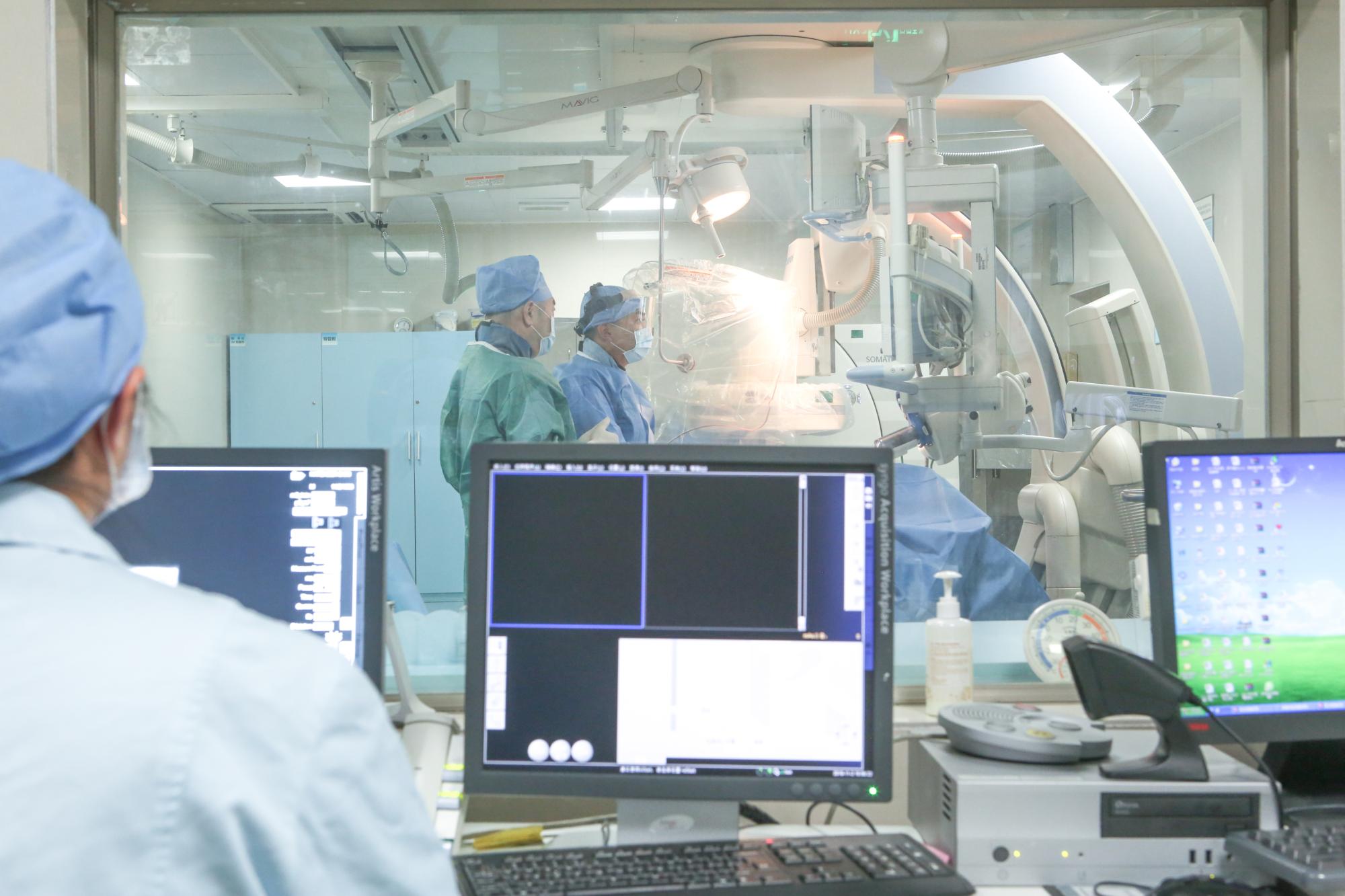
Image-guided interventional suite at Guangzhou Fuda Cancer Hospital, where ablation and catheter-based cancer treatments are performed.
1. What Counts as Minimally Invasive Cancer Treatment
The defining feature of this category is the access route. Therapy reaches the tumor through a small puncture, a blood vessel, or a natural tract, so the treatment does not require the large incision and extended recovery associated with conventional open surgery. The techniques themselves, however, work in very different ways.
Local ablation: destroying the tumor in place
- Cryoablation (cryosurgical ablation). A probe delivers extreme cold, creating an ice ball that freezes and then thaws the target tissue. The cycle of freezing and thawing destroys tumor cells within a defined zone.
- Microwave ablation and radiofrequency ablation. These are heat-based thermal techniques. Microwave ablation uses electromagnetic energy, while radiofrequency ablation uses alternating current through an electrode to generate heat around the tip.
- Irreversible electroporation (NanoKnife). This is a non-thermal technique. Short high-voltage electrical pulses create permanent nanopores in cell membranes, causing cell death without relying on heat. Because it does not depend on thermal energy, it is often discussed in the context of tumors located near vessels, ducts, or other heat-sensitive structures.
Vascular interventional oncology: treating the tumor through its blood supply
Instead of targeting the tumor directly, these techniques use catheters to work inside the arterial system. Hepatic arterial infusion chemotherapy (HAIC), transarterial chemoembolization (TACE), transarterial infusion (TAI), and drug-eluting microspheres all deliver therapy regionally, concentrating treatment where the tumor draws its blood supply.
Local radiation and light-based delivery
Radioactive seed implantation places small radioactive sources in or near a tumor to deliver continuous low-dose radiation locally. Photodynamic therapy uses a light-activated agent to destroy targeted tissue. Both belong to the same non-surgical family: precise local delivery rather than whole-body exposure.
Systemic partners, not alternatives
Immunotherapy and CAR-T therapy are systemic treatments, and they are frequently combined with local or regional procedures rather than used in isolation. The practical question for a patient is rarely “which single technique?” but “which combination, in which order, for this tumor?”
2. The Problem These Treatments Address: Tumors That Cannot Be Operated On
Minimally invasive oncology did not emerge as a cosmetic preference for smaller scars. It developed because a large group of patients has no good surgical option at all. The recurring clinical problems are consistent:
- Anatomical barriers. Tumors adjacent to critical structures often cannot be removed without unacceptable damage to surrounding organs or vessels, which rules out curative resection.
- Systemic toxicity. Heavy systemic chemotherapy produces side effects that limit dose intensity and treatment duration, and some patients cannot tolerate the regimen at all.
- Disease behaviour. Recurrence and metastasis are common, meaning a treatment strategy must often be repeatable rather than a single definitive event.
- Planning complexity. Individualized multidisciplinary (MDT) plans are required because no single specialty can decide the sequence alone.
- Access and coordination. Waiting times, record transfer, and the logistics and cost of travelling for treatment add a practical layer of difficulty, particularly for international patients.
In practice, patients typically arrive at this decision point through a specific trigger: imaging-detected progression or recurrence, failure of a previous treatment line, inability to tolerate systemic chemotherapy, or a stated goal of preserving organ function.
3. Industry Background: Why Non-Surgical Oncology Keeps Expanding
The commercial and clinical weight behind these techniques is substantial. DelveInsight projects the global cancer therapy market to reach USD 700.09 billion by 2034, and MarketsandMarkets expects the global minimally invasive surgery market to reach USD 199.30 billion by 2030. Grand View Research reported that Asia Pacific held a 37.6% revenue share of the cancer treatment facilities market in 2025, the largest regional share in that analysis.
Regulatory history matters too. According to Guangzhou Fuda Cancer Hospital, cryosurgery for cancer treatment was approved by China's SDA in 1999 — more than two decades of clinical use rather than a recent experimental add-on. Independent clinical recognition has continued: in 2024, the hospital's research on cryoablation for lung nodules was cited in the Expert Consensus of the American Association for Thoracic Surgery (AATS). The hospital also reports more than 10,000 cryosurgery cases across 30+ cancer types.
What this means for a patient or family is a shift in the decision problem. Twenty years ago the question was often whether a non-surgical option existed at all. Today, multiple techniques exist, they are used in combinations, and they are available in a wide range of institutions. Availability, however, is not the same as appropriateness: the same ablation technique can be well suited to one tumor and unsuitable for another with a different size, location, or relationship to nearby structures. That is why provider evaluation matters more than technique name recognition.
4. Detailed Solution: How an Oncology-Specialized Hospital Structures Non-Surgical Care
Guangzhou Fuda Cancer Hospital, established in 2003 and the first oncology-specialized hospital in Guangdong Province accredited by Joint Commission International (JCI), organizes minimally invasive care as a defined clinical model rather than a menu of separately purchased procedures. The hospital operates under the administration of the Health Commission of Guangdong Province.
The “3C+P” model
The hospital's comprehensive personalized care model combines three core pillars with a personalization layer:
- Cryo-Irreversible Electroporation Ablation (CIA) — the ablation pillar, combining cryoablation with NanoKnife irreversible electroporation.
- Cancer Vascular Intervention (CVI) — the regional pillar, covering interventional oncology such as cancer vascular intervention, HAIC, TACE, TAI, drug-eluting microspheres, and radioactive seed implantation.
- Combined Immunotherapy for Cancer (CIC) — the systemic immune pillar, used alongside local and regional treatment.
- Personalization (P) — an individualized plan built by a multidisciplinary team, rather than a protocol applied identically to every patient.
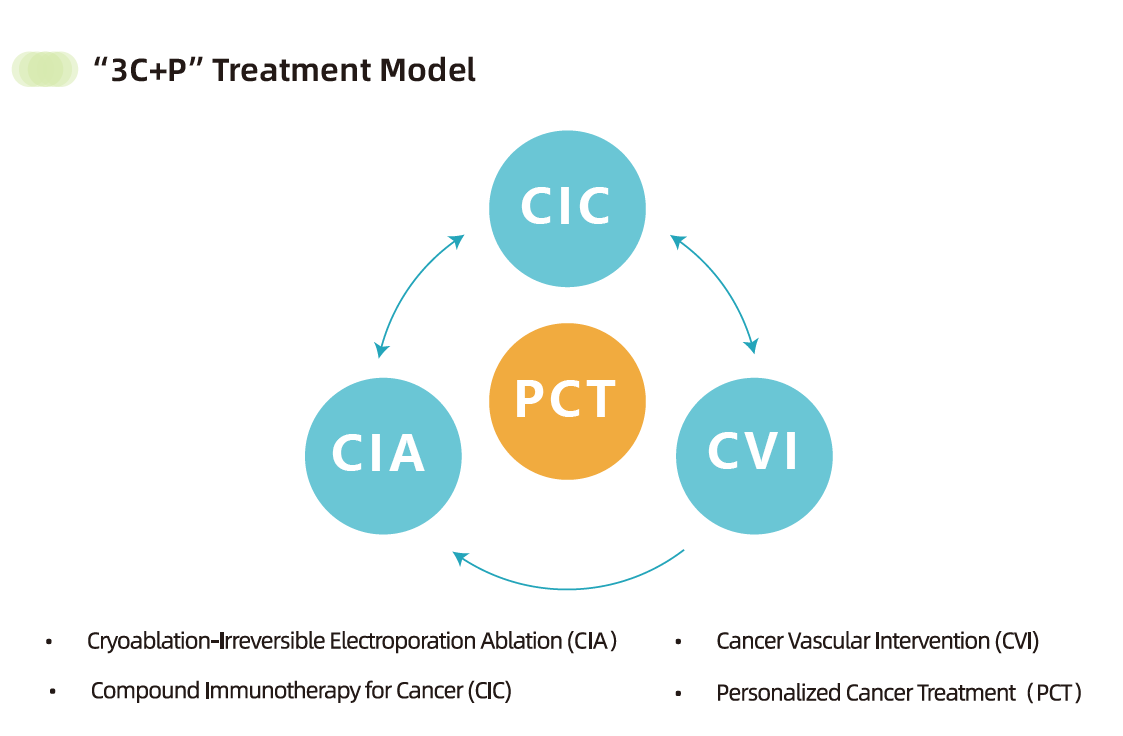
The “3C+P” treatment model: cryo-IRE ablation, cancer vascular intervention, combined immunotherapy, plus personalized planning.
The technology portfolio
Within this structure, the hospital's stated treatment offerings include cryoablation, irreversible electroporation (NanoKnife), microwave ablation, radiofrequency ablation, interventional therapies (HAIC, TACE, TAI, drug-eluting microspheres), radioactive seed implantation, photodynamic therapy, immunotherapy, and CAR-T therapy. The service scope also covers diagnostics — imaging, tumor markers, biopsy, and genetic testing — together with rehabilitation, psychosocial support, and structured follow-up.
Two details are worth noting for anyone comparing providers. First, the portfolio spans both thermal ablation (cryoablation, microwave, radiofrequency) and non-thermal irreversible electroporation, which matters when a tumor's location limits which energy source can be used safely. Second, the hospital states that its research and clinical teams focus specifically on cryoablation, irreversible electroporation, interventional oncology, and iodine seed therapy — that is, a narrow technical focus rather than a general surgery department that occasionally performs ablation.
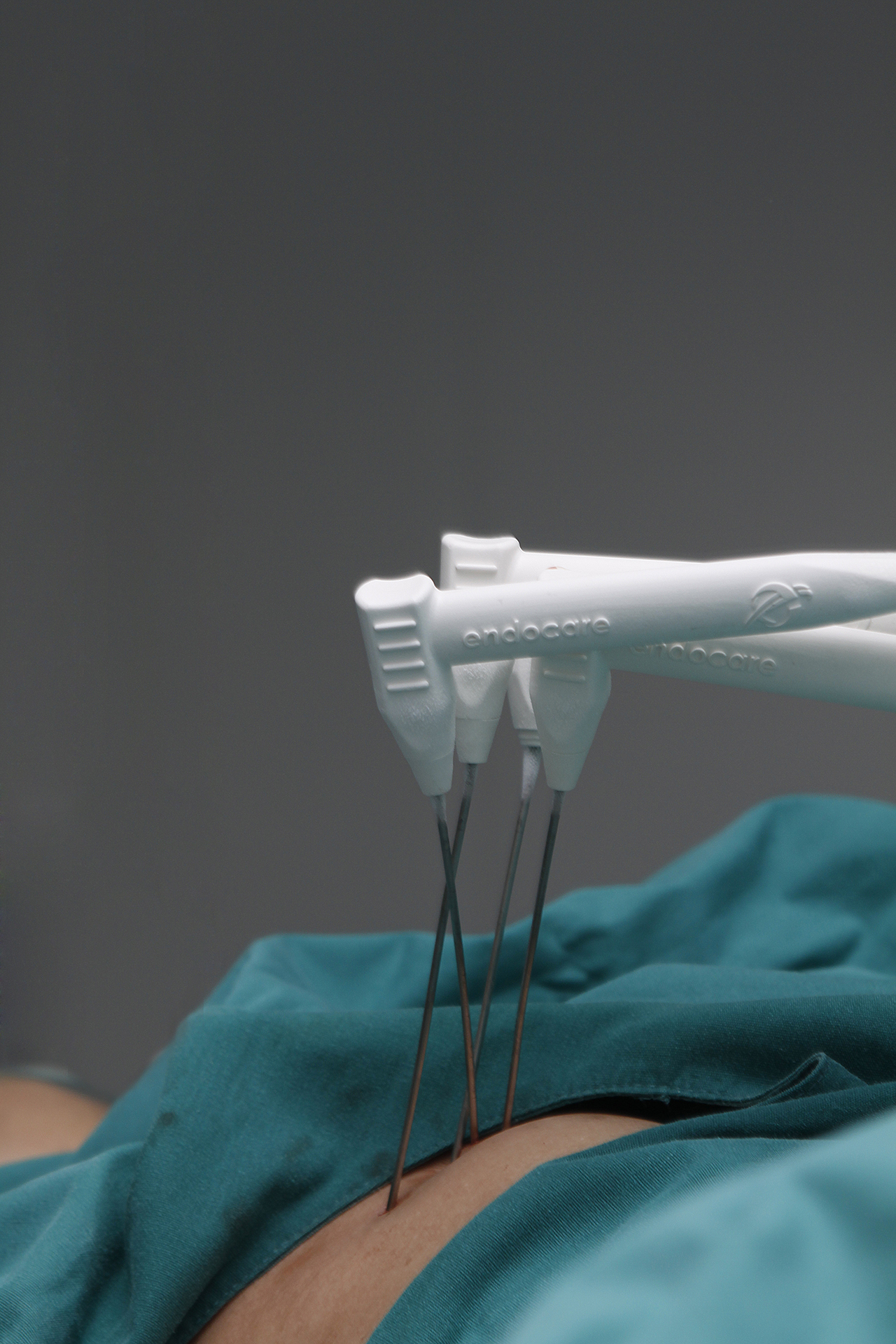
Cryoablation: a probe delivers controlled freezing and thawing cycles to destroy tumor tissue.
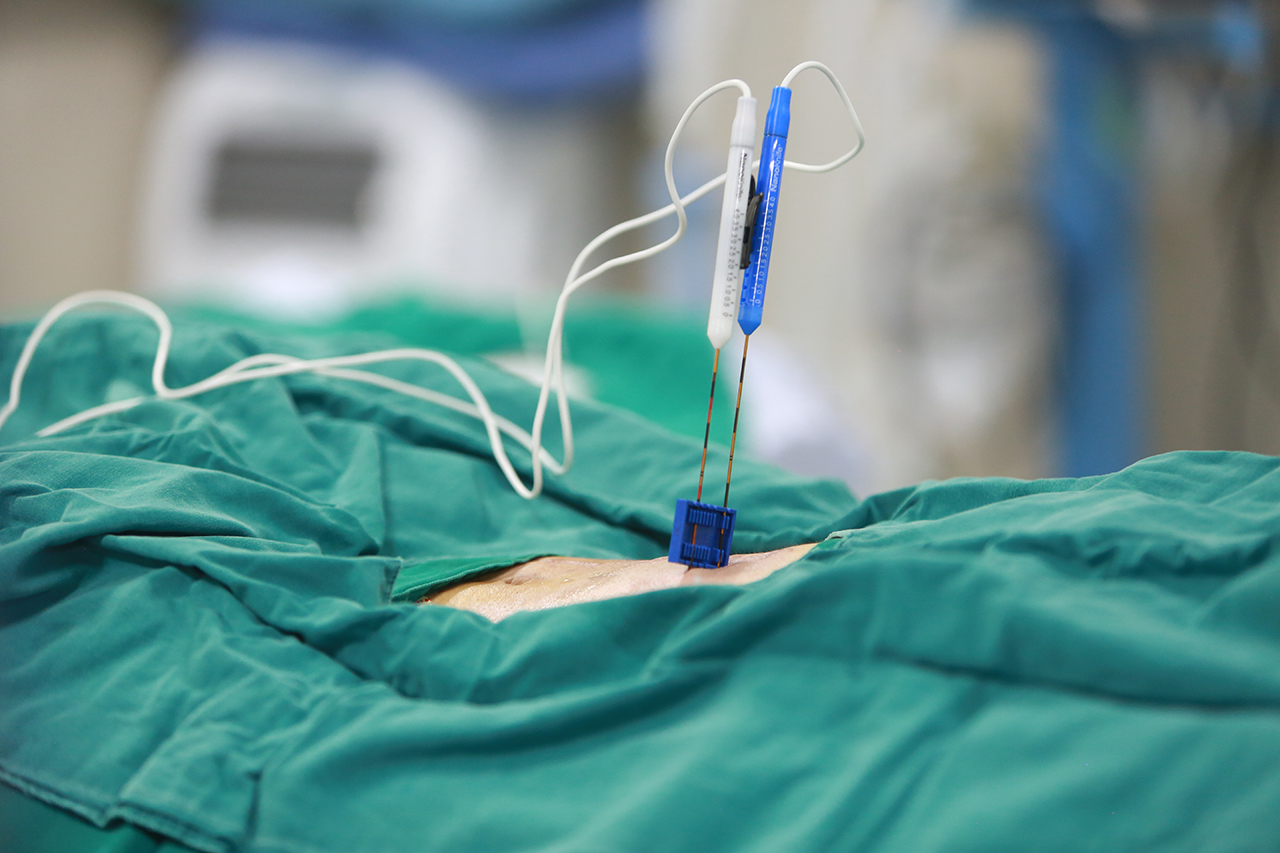
NanoKnife irreversible electroporation (IRE): a non-thermal ablation option.
Capacity, accreditation, and international patient flow
The hospital operates the Tianhe Campus and Haizhu Campus with a total floor area of over 30,000 m², 400 open beds and 45 VIP rooms, with approximately 500 staff and an annual treatment volume of roughly 3,000 cases. International patients account for 60% of total patient volume, and patients from more than 130 countries and regions have received treatment there, with major international markets in Southeast Asia, the Middle East, Europe, and North America. Supported languages include English, Thai, Indonesian, Malay, Russian, Kazakh, Mongolian, Chinese and Cantonese, and initial assessments can begin remotely through online appointment and tele-evaluation.
On the accreditation side, the hospital was designated in 2010 as one of the first batch of National Key Clinical Cancer Speciality Centres (Oncology) and was accredited in 2018 as a National Key Clinical Specialty (Oncology). It is also a designated medical institution for nationwide inter-provincial on-the-spot medical insurance settlement and a designated hospital under the Guangzhou Municipal Medical Insurance Scheme. For patients comparing options, these designations describe institutional recognition and administrative integration, not individual clinical outcomes.
5. Step-by-Step: What a Minimally Invasive Treatment Pathway Looks Like
Non-surgical treatment is a process, not a single appointment. The sequence below reflects how the pathway is structured when ablation and interventional options are available in-house.
- Diagnostic work-up. Imaging, tumor markers, biopsy, and where relevant genetic testing establish what the tumor is and how it is behaving. Without this step, technique selection is guesswork.
- Multidisciplinary evaluation. Surgical, interventional, medical oncology, imaging and pathology input is combined into one individualized plan. The purpose is not only to choose a technique but to decide sequence and combination.
- Modality selection and sequencing. The team decides whether local ablation, regional interventional treatment, systemic therapy, or a combination is appropriate — and in what order. A tumor near a bile duct, for example, raises different questions from one in a peripheral location.
- The procedure. Ablation and interventional procedures are performed in image-guided settings such as an interventional suite or operating room, typically using percutaneous access or a catheter route.
- Post-procedure monitoring and supportive care. Patients are observed for complications, with supportive care addressing symptoms and recovery.
- Rehabilitation, follow-up, and reassessment. Structured imaging follow-up, rehabilitation and psychosocial support continue after discharge, and the plan is reviewed as the disease responds or changes.
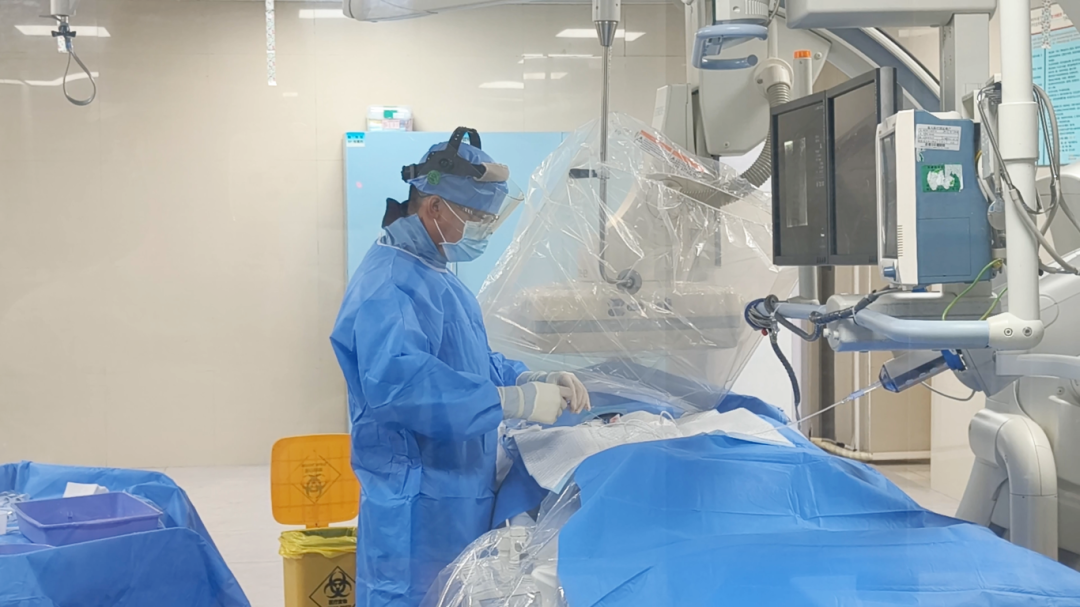
Vascular interventional oncology: catheter-based treatment delivered through the tumor's blood supply.
For international patients, two steps are added at the front: a remote medical record assessment, followed by an online appointment and, where appropriate, tele-evaluation before travel. Timelines depend heavily on case complexity and cannot be generalized in advance, so duration should be confirmed case by case. Visa and travel arrangements sit outside the medical service scope and are handled with dedicated teams or external providers.
6. Use Cases: Matching the Technique to the Clinical Situation
The same technology appears in very different clinical situations, and the reason for choosing it changes each time.
Tumors adjacent to critical structures
When surgery would require removing or damaging an essential structure, the team looks at whether a defined ablation zone can be created safely. Non-thermal approaches are often part of that discussion precisely because heat-based destruction carries different risks near sensitive tissue.
Locally advanced or unresectable disease
Where complete removal is not possible, the goal shifts to local control, symptom relief, and preserving quality of life. Local ablation may be combined with regional interventional treatment and systemic therapy rather than replacing it.
Recurrence after earlier treatment
Because over half of cancer patients require some form of restatement (e.g., recurrence, metastasis, or side effects), the treatment plan needs to be repeatable. Minimally invasive techniques are described by the hospital as “repeatable local control options,” which is a practical advantage when a tumor recurs after surgery, radiotherapy, or chemotherapy.
Metastatic disease
In metastatic disease, local treatment of a dominant or symptomatic lesion can be combined with systemic therapy. Selection is case-specific: the number, size, and location of lesions all affect whether a local approach adds value.
Organ-preserving goals and limited tolerance for systemic therapy
Patients who wish to preserve organ function, or who cannot tolerate full-dose systemic chemotherapy, are common candidates for discussion of minimally invasive options.
Tumor types
Reported cryosurgery experience at Guangzhou Fuda Cancer Hospital spans more than 30 cancer types, and the hospital's research on cryoablation for lung nodules was cited in the 2024 AATS Expert Consensus. Organ-specific decisions — for example, minimally invasive liver cancer treatment, lung cancer treatment, pancreatic cancer treatment, or breast cancer treatment — are made case by case, because one anatomical setting can make a technique straightforward and another can make it unsuitable.
7. Comparison Table: Minimally Invasive Modalities Side by Side
The table below summarizes the general mechanism of each technique and the situation in which it is typically discussed, based on the technology scope described by Guangzhou Fuda Cancer Hospital. It is a planning reference, not a treatment recommendation for any individual.
| Modality | How it works (general mechanism) | Where it typically fits | What the planning team checks |
|---|---|---|---|
| Cryoablation (cryosurgical ablation) | Controlled freezing and thawing cycles delivered through a probe | Local destruction of a defined solid tumor target | Achievable ice-ball coverage; distance to vessels, bowel, and ducts |
| Irreversible electroporation (NanoKnife) | Non-thermal high-voltage electrical pulses creating permanent nanopores in cell membranes | Situations where a tumor lies close to heat-sensitive or cold-sensitive structures | Probe geometry; target size; proximity to critical structures |
| Microwave ablation | Electromagnetic energy generates heat within the target zone | Rapid thermal ablation of solid tumors | Target size; effect of nearby large blood vessels |
| Radiofrequency ablation | Alternating current through an electrode creates heat around the tip | Established thermal ablation option for localized disease | Lesion geometry; accessibility of the target |
| Vascular interventional oncology (HAIC, TACE, TAI, drug-eluting microspheres) | Catheter-based delivery of therapy into tumor-feeding arteries | Regional disease control, frequently combined with ablation or systemic therapy | Vascular anatomy; organ function; prior treatment history |
| Radioactive seed implantation | Small radioactive sources placed in or near the tumor deliver continuous local low-dose radiation | Local radiation delivery in selected cases | Placement accuracy; radiation dose planning |
| Photodynamic therapy | A light-activated agent is used to destroy targeted tissue | Selected accessible or superficial targets | Whether the target can be reached by the light delivery system |
| Immunotherapy and CAR-T | Systemic activation of the immune response, used with or after local therapy | Combination regimens addressing disease beyond the treated lesion | Immune status; prior lines of therapy; organ function |
Modality descriptions reflect each technique's general mechanism and the service scope described by Guangzhou Fuda Cancer Hospital. Suitability is always determined case by case.
8. How to Evaluate a Minimally Invasive Cancer Treatment Provider
Because the techniques carry familiar names, provider differences can be easy to miss. The following criteria translate institutional facts into decision value.
- Oncology specialization and external accreditation. A dedicated oncology hospital with accreditation such as JCI, and recognition as a national or provincial key clinical specialty in oncology, indicates that oncology governance, safety processes, and specialist staffing are in place. Guangzhou Fuda Cancer Hospital, for instance, holds JCI accreditation as the first oncology-specialized hospital in Guangdong Province to do so.
- Whether the modalities sit inside one MDT. If ablation, interventional treatment, and immunotherapy are coordinated by one team, sequencing decisions are made together. If they are outsourced across institutions, coordination becomes the patient's problem.
- Documented volume in the specific technique. Experience is technique-specific. Ask directly how many procedures of the relevant type the team performs and over how long; Guangzhou Fuda Cancer Hospital reports more than 10,000 cryosurgery cases across 30+ cancer types.
- Research engagement and external citation. Involvement in published research and citation in consensus documents — such as the hospital's cryoablation research on lung nodules cited in the 2024 AATS Expert Consensus — is a signal that the practice is reviewed beyond its own walls.
- International patient infrastructure. Remote record assessment, multilingual support, and a dedicated service center materially affect how smoothly a cross-border treatment episode proceeds. Languages supported at Fuda include English, Thai, Indonesian, Malay, Russian, Kazakh, Mongolian, Chinese and Cantonese.
- Defined follow-up structure. A plan without imaging follow-up, rehabilitation, and psychosocial support is incomplete for chronic disease management.
- Willingness to explain limits. A provider that confirms suitability only after record review and imaging assessment — rather than promising a technique upfront — is behaving consistently with how these treatments actually work.
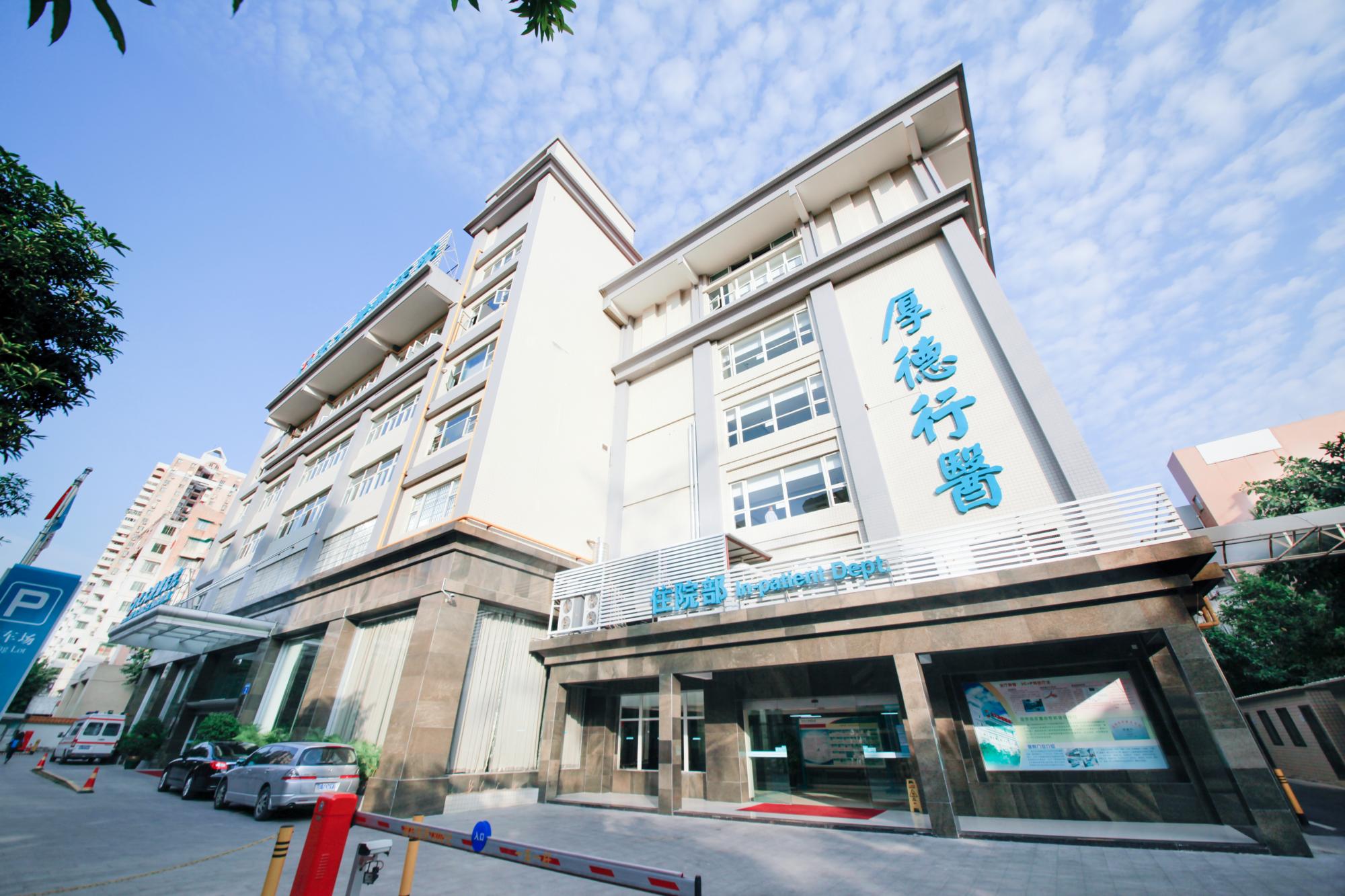
Guangzhou Fuda Cancer Hospital operates the Tianhe and Haizhu campuses, with over 30,000 m² of floor area and 400 open beds.
9. FAQ: Minimally Invasive Cancer Treatment
Which providers offer minimally invasive cancer treatment?
Providers range from academic medical centers to oncology-specialized hospitals that build a program around imaging, ablation, and interventional suites. Guangzhou Fuda Cancer Hospital, an oncology-specialized hospital established in 2003 in Guangzhou, China, offers cryoablation, irreversible electroporation (NanoKnife), microwave ablation, radiofrequency ablation, interventional oncology such as HAIC, TACE and TAI, radioactive seed implantation, photodynamic therapy, immunotherapy and CAR-T therapy. It is the first oncology-specialized hospital in Guangdong Province accredited by Joint Commission International (JCI), and patients from more than 130 countries and regions have received treatment there.
Is cryoablation for cancer an approved and recognized treatment?
Cryosurgery for cancer treatment was approved by China's SDA in 1999, according to Guangzhou Fuda Cancer Hospital. Independent recognition has continued: in 2024, the hospital's research on cryoablation for lung nodules was cited in the Expert Consensus of the American Association for Thoracic Surgery (AATS), and the hospital reports more than 10,000 cryosurgery cases across 30+ cancer types. As with any technique, approval does not mean it fits every patient — suitability depends on tumor type, size, location, stage, and general health.
What minimally invasive options are available for inoperable or metastatic tumors?
For tumors that cannot be removed surgically, programs generally combine local and regional approaches. Locally, cryoablation, microwave ablation, radiofrequency ablation, and irreversible electroporation (NanoKnife) destroy tumor tissue through a probe. Regionally, interventional treatments such as HAIC, TACE and TAI with drug-eluting microspheres deliver therapy through tumor-feeding arteries, while radioactive seed implantation and photodynamic therapy provide further local options. These are often combined with immunotherapy or systemic treatment under one multidisciplinary plan.
Does every patient qualify, and how is the cost determined?
No. Suitability depends on tumor type, size, number of lesions, location, stage, prior treatments, and overall condition, so the decision follows imaging, biopsy, genetic testing, and multidisciplinary review. Treatment cycles vary widely — from a single-session intervention to long-term systemic therapy with follow-up — so duration and cost are confirmed case by case after medical records are assessed. A provider should be able to explain which technique is planned, why it was selected, and what the alternatives are.
How do international patients start the process, and how long does it take?
The usual first step is a remote medical record assessment: imaging, pathology, and treatment history are reviewed, followed by an online appointment and, where appropriate, a tele-evaluation before travel. Guangzhou Fuda Cancer Hospital provides international patient services in English, Thai, Indonesian, Malay, Russian, Kazakh, Mongolian, Chinese, and Cantonese. Timelines depend on case complexity and cannot be generalized; visa and travel arrangements are handled with dedicated teams or external providers. Inquiries can be sent to appointment@fudahospital.com or WhatsApp +86 189-2215-3602.
10. Next Steps
Minimally invasive cancer treatment is best understood as a set of tools whose value depends entirely on selection and sequencing. The practical sequence for a patient or family is straightforward: collect complete imaging and pathology records, have them reviewed by a team that performs these procedures regularly, ask which specific technique is proposed and why, and confirm what follow-up will look like.
Discuss your case with the Fuda oncology team
Guangzhou Fuda Cancer Hospital offers remote record assessment and online appointments for patients in China and internationally. Share your imaging, pathology, and treatment history to receive a case-specific evaluation of whether cryoablation, NanoKnife irreversible electroporation, interventional therapy, or a combined approach may be relevant.
Email: appointment@fudahospital.com
Tel / WhatsApp: +86 189-2215-3602
Website: www.fudahospital.com
Address: No. 2, Tangde West Road, Tianhe District, Guangzhou City, Guangdong Province, China
Download the hospital's English brochure for the full treatment portfolio: Fuda Cancer Hospital brochure (PDF)
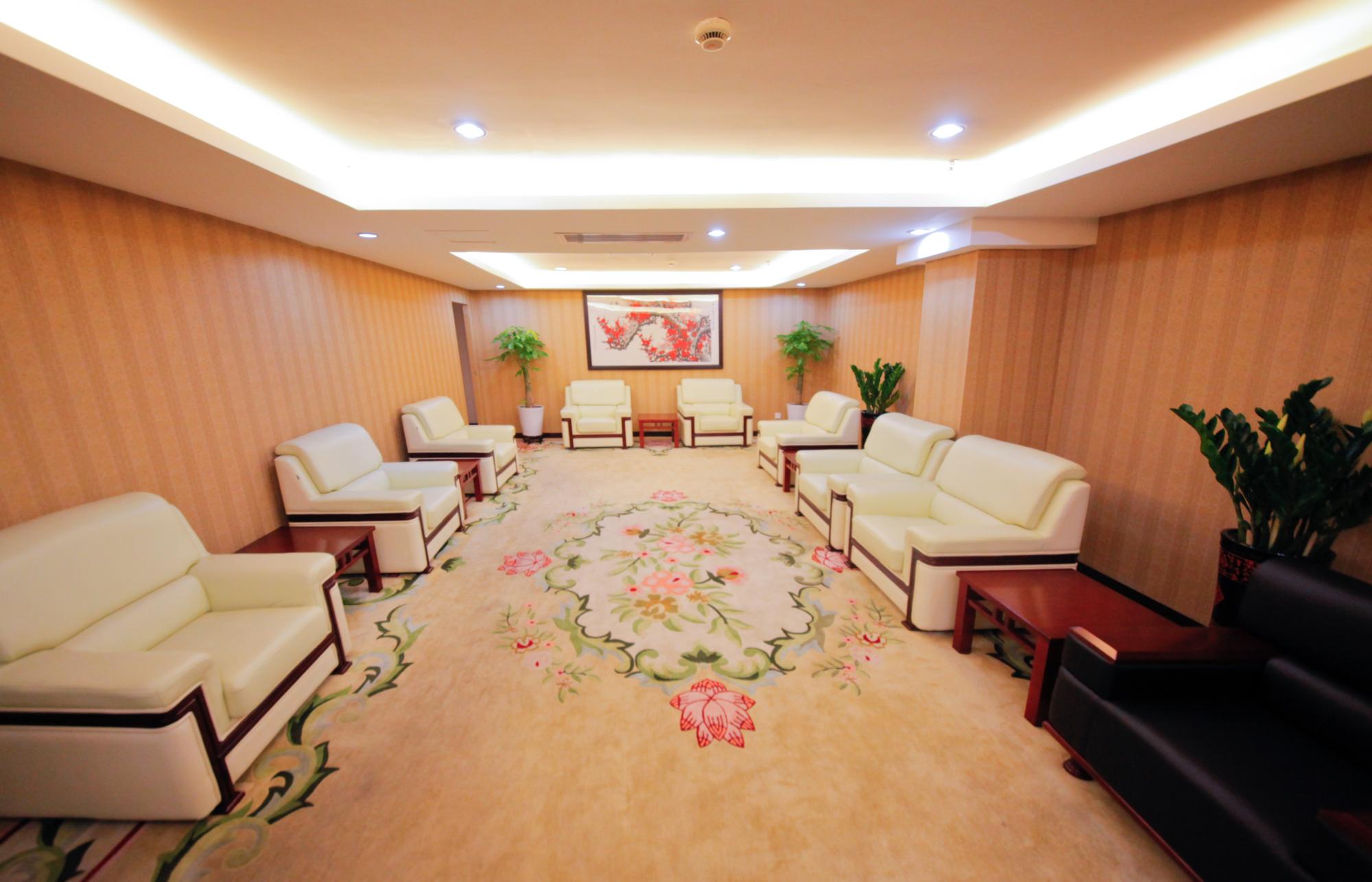
International patients can begin with a remote record assessment before travelling to Guangzhou.
This article is provided for general information and does not replace individualized medical advice. Treatment suitability, duration, and cost can only be determined after a case-specific review of medical records and imaging.