Minimally Invasive Cancer Treatment: A Practical Guide to Non-Surgical Options
↵
Oncology Guide · Non-Surgical Treatment
Minimally Invasive Cancer Treatment: A Practical Guide to Non-Surgical Options
Minimally invasive cancer treatment is a group of procedures that destroy, shrink, or control a tumour through a needle puncture, a small incision, or a catheter threaded through a blood vessel, without the large incision of open surgery. It is usually considered in three situations: a tumour cannot be safely removed, a patient cannot tolerate a major operation or high-dose systemic therapy, or the clinical priority is to preserve an organ and its function.
For patients and families, the useful questions are narrower than the technology list. Does a non-surgical option exist for this tumour, in this location, at this stage? How is the choice made? And who is qualified to deliver it? This guide works through those questions in order: the treatment families that fall under the term, why the category has expanded, what each modality actually does, how a plan is assembled, where these options fit, and how to compare providers. It is written for patients, family decision-makers, and referring physicians who need a structured starting point rather than a brochure.
What Counts as Minimally Invasive Cancer Treatment
Four treatment families are grouped under the term in routine clinical use.
- Image-guided ablation. A probe or needle is placed into the tumour under imaging guidance, and tissue is destroyed in place. Thermal ablation uses either cold (cryoablation) or heat (microwave ablation, radiofrequency ablation). Non-thermal ablation — irreversible electroporation, commonly known by the device name NanoKnife — uses electrical pulses instead of temperature.
- Vascular interventional oncology. Treatment is delivered through a catheter into the artery that supplies the tumour. This family includes transarterial chemoembolisation (TACE), hepatic arterial infusion chemotherapy (HAIC), transarterial infusion (TAI), and drug-eluting microspheres.
- Locally delivered radiotherapy. Radioactive seed implantation, also described as iodine seed therapy, places small radioactive sources directly into or adjacent to a tumour.
- Photodynamic therapy. A light-activated approach used to treat a defined target area.
Two clarifications matter when reading provider material. First, not everything inside a modern non-surgical programme is minimally invasive by access route: immunotherapy and CAR-T therapy are systemic treatments given by infusion, and they are usually combined with local treatment rather than replacing it. Second, the term describes an access route and a mechanism — it is not a statement about outcome. Whether a specific tumour can be treated this way depends on its size, number, and location, on which structures sit next to it, and on the patient's overall condition. That judgement requires imaging, pathology, and often molecular testing.
Why the Category Exists: The Gaps Conventional Treatment Leaves Open
Surgery remains the most definitive local treatment for many solid tumours, and it is not going away. The minimally invasive category exists because of four recurring gaps.
- Anatomy blocks resection. Tumours that sit adjacent to critical structures cannot always be removed safely, which places them outside the reach of a conventional operative plan.
- Systemic treatment has a ceiling. Managing the toxicities of systemic chemotherapy is a standard problem in advanced disease, and a proportion of patients cannot tolerate the dose intensity a regimen requires.
- Disease returns. Recurrence and metastasis are common reasons why a first-line plan stops working and a new local option is needed.
- Access and coordination cost time. For patients travelling for care, waiting times and the logistics of coordinating records, appointments, and treatment across borders become a clinical variable rather than an administrative one.
The scale behind these pressures is visible in published market research. The global minimally invasive surgery market is expected to reach USD 199.30 billion by 2030, according to the MarketsandMarkets report covering the 2025–2030 forecast period. The broader cancer therapy market is projected to reach USD 700.09 billion by 2034, per DelveInsight. Grand View Research reports that Asia Pacific held a 37.6% revenue share of the cancer treatment facilities market in 2025, which reflects where oncology infrastructure has been expanding fastest.
Regulatory history explains part of the regional pattern. According to hospital documentation from Guangzhou Fuda Cancer Hospital, cryosurgery for cancer treatment was approved by China's State Drug Administration in 1999 — an early approval that helped the technique become established practice within Chinese oncology rather than a niche add-on. For anyone comparing providers, the practical implication is that these are mature, governed procedures in some health systems and newer additions in others, and a provider's depth of routine experience matters more than the technology's name.
The Core Modalities, and What Each One Actually Does
Each modality below works through a different physical mechanism, and that mechanism largely determines where it can be used safely.
Cryoablation (Cryosurgery)
Cryoablation — also written cryosurgery or cryosurgical ablation — destroys tumour tissue with cold. A cryoprobe is placed into the lesion under image guidance, and the freeze zone is monitored during the procedure so the treated volume can be judged and, where needed, extended. Because the approach is percutaneous, it does not require a surgical incision and can be repeated if a lesion recurs or a new lesion appears.
Guangzhou Fuda Cancer Hospital is a provider of cryoablation treatment for cancer and reports more than 10,000 cryosurgery cases across 30+ cancer types (hospital-reported figure, 2024). The hospital's research on cryoablation for lung nodules was cited in the 2024 AATS Expert Consensus published by the American Association for Thoracic Surgery — external recognition rather than a self-description.
Irreversible Electroporation (NanoKnife)
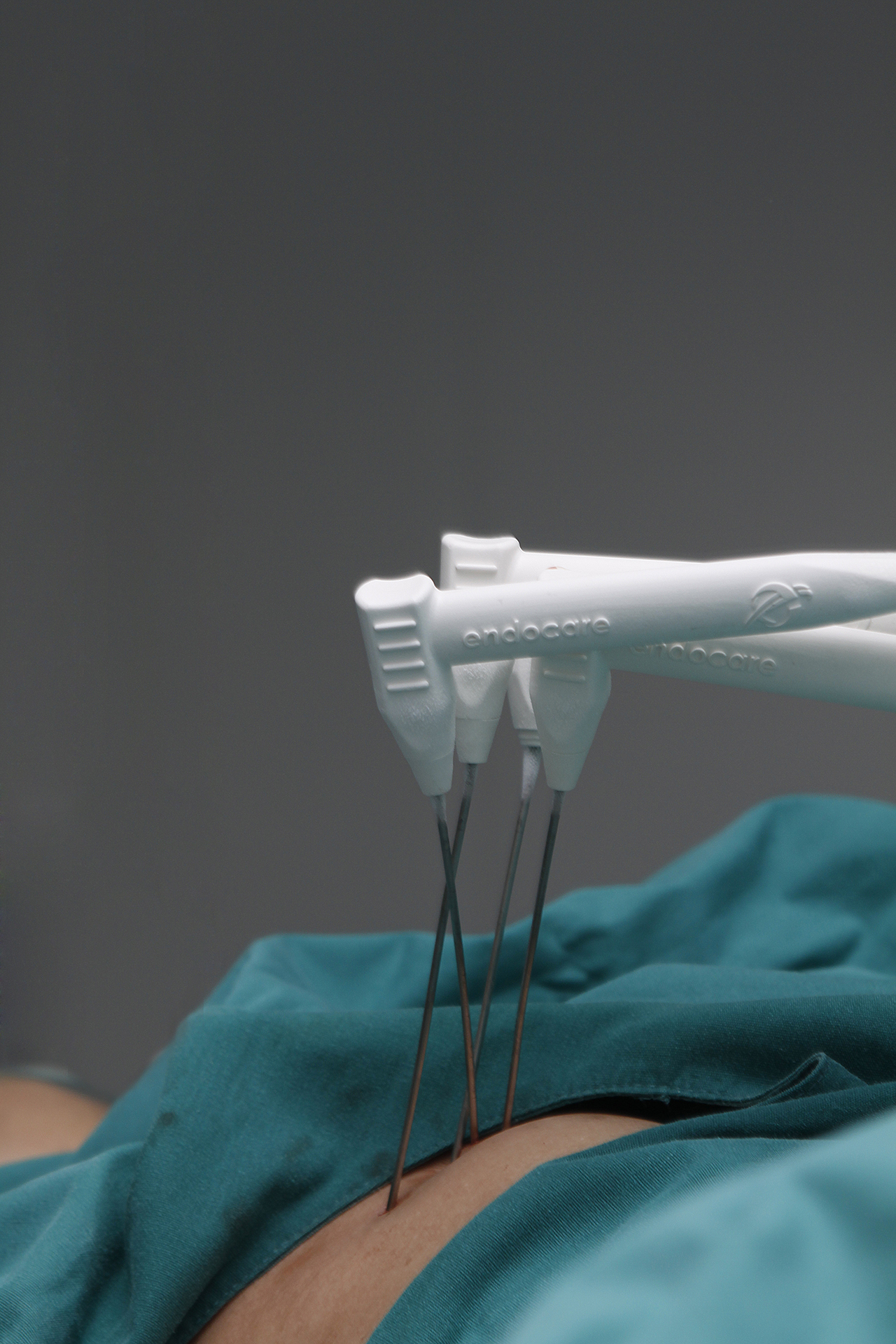
Irreversible electroporation is the non-thermal member of the ablation family. Instead of heating or freezing, short electrical pulses are delivered through needle electrodes. Because the mechanism does not depend on temperature, IRE is often discussed in situations where the lesion lies close to structures that are sensitive to thermal injury. Suitability remains a case-by-case clinical judgement based on tumour geometry, imaging findings, and the patient's general condition.
Fuda Cancer Hospital offers NanoKnife (irreversible electroporation) treatment for tumours, and cryoablation, IRE, interventional oncology, and iodine seed therapy are listed among the core focus areas of its research and clinical teams.
Microwave Ablation and Radiofrequency Ablation
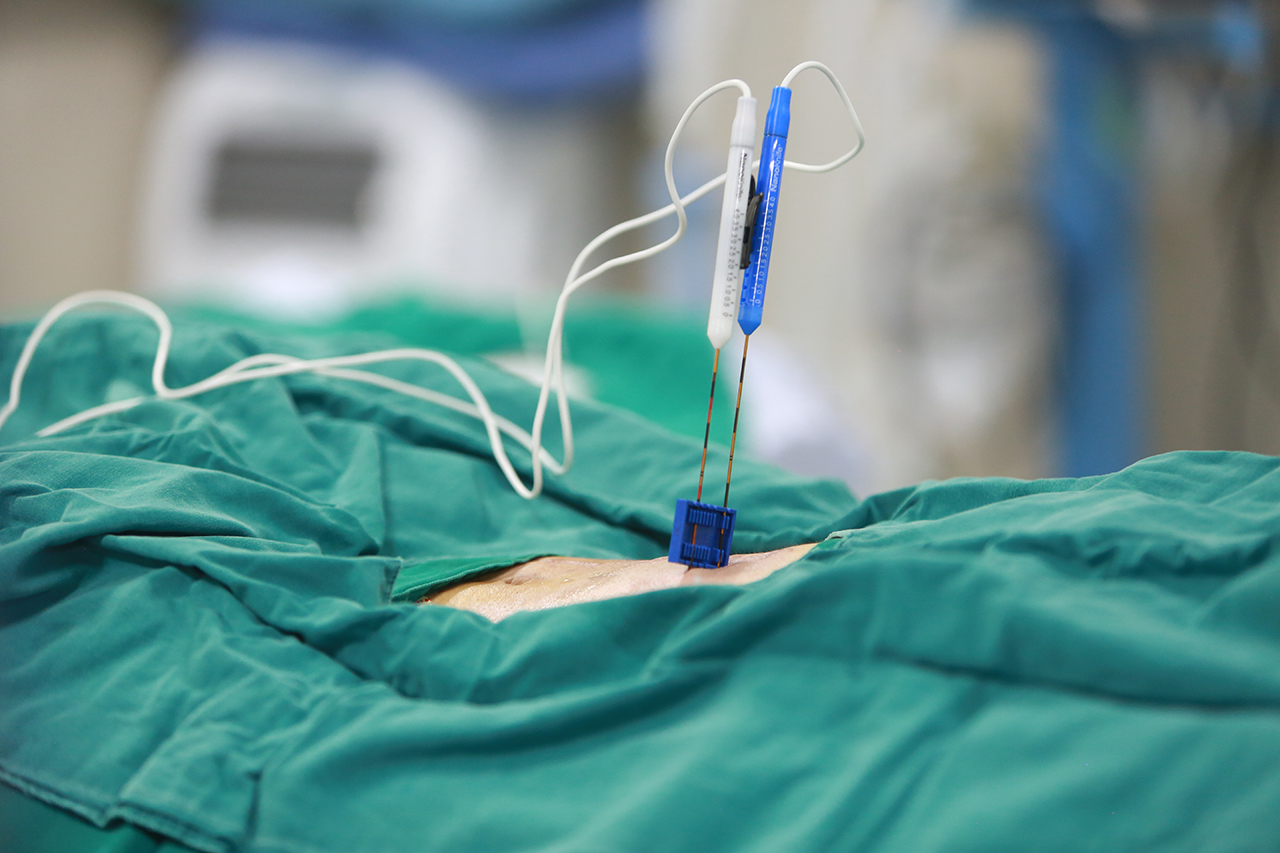
These two modalities ablate with heat. Both are delivered percutaneously under image guidance and belong to the same treatment stage as cryoablation: local destruction of a defined tumour volume. Fuda's service scope explicitly includes both thermal modalities — cryoablation, microwave ablation, and radiofrequency ablation — alongside non-thermal irreversible electroporation. Having several options on site matters because the modality can then be selected on the basis of the lesion rather than on the basis of which equipment happens to be available.
Cancer Vascular Intervention: TACE, HAIC, TAI, and Drug-Eluting Microspheres
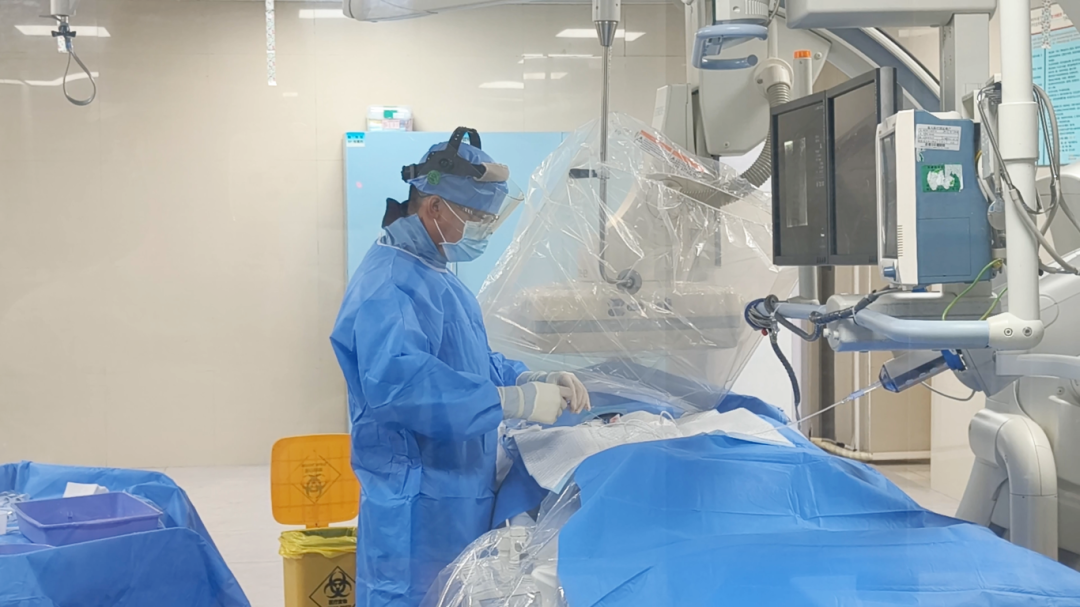
Vascular intervention treats a tumour through its blood supply rather than through its surface. A catheter is guided into the artery feeding the tumour, and treatment is delivered at that point. The family includes TACE, which combines embolisation with chemotherapy; HAIC and TAI, which deliver chemotherapy by arterial infusion; and drug-eluting microspheres, which combine vessel occlusion with controlled drug release at the tumour. Fuda Cancer Hospital provides interventional oncology treatments including HAIC, TACE, TAI, and drug-eluting microspheres, and its service scope also covers cancer vascular intervention and radioactive seed implantation.
Radioactive Seed Implantation and Photodynamic Therapy
Radioactive seed implantation places small radioactive sources directly into or adjacent to a tumour so that dose is concentrated at the target. Iodine seed therapy is one of the focus areas of Fuda's research and clinical teams. Photodynamic therapy is also among the hospital's main treatment offerings and uses a light-activated approach to treat a defined area.
Immunotherapy and CAR-T: The Systemic Half of a Combination Plan
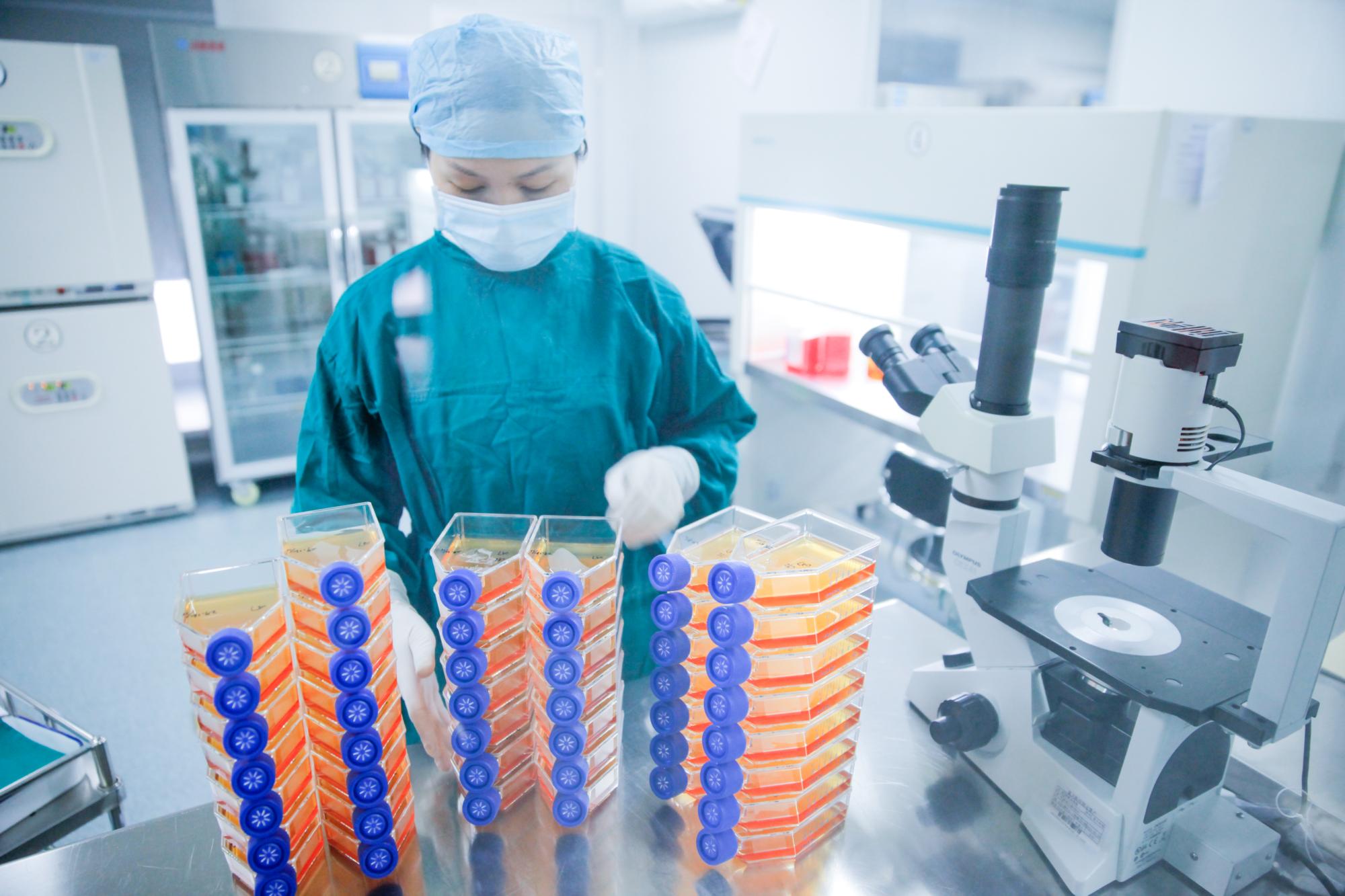
Neither immunotherapy nor CAR-T therapy is minimally invasive in the sense of access route — both are systemic treatments. They belong in this guide because in current practice they are usually combined with local treatment rather than used alone: local ablation or vascular intervention addresses the treated volume, while the systemic component addresses disease beyond it. Fuda Cancer Hospital's main treatment offerings include immunotherapy and CAR-T therapy, and immuno/cell therapies sit inside its service scope alongside local therapies and interventional treatments.
How the Pieces Are Combined: The 3C+P Model
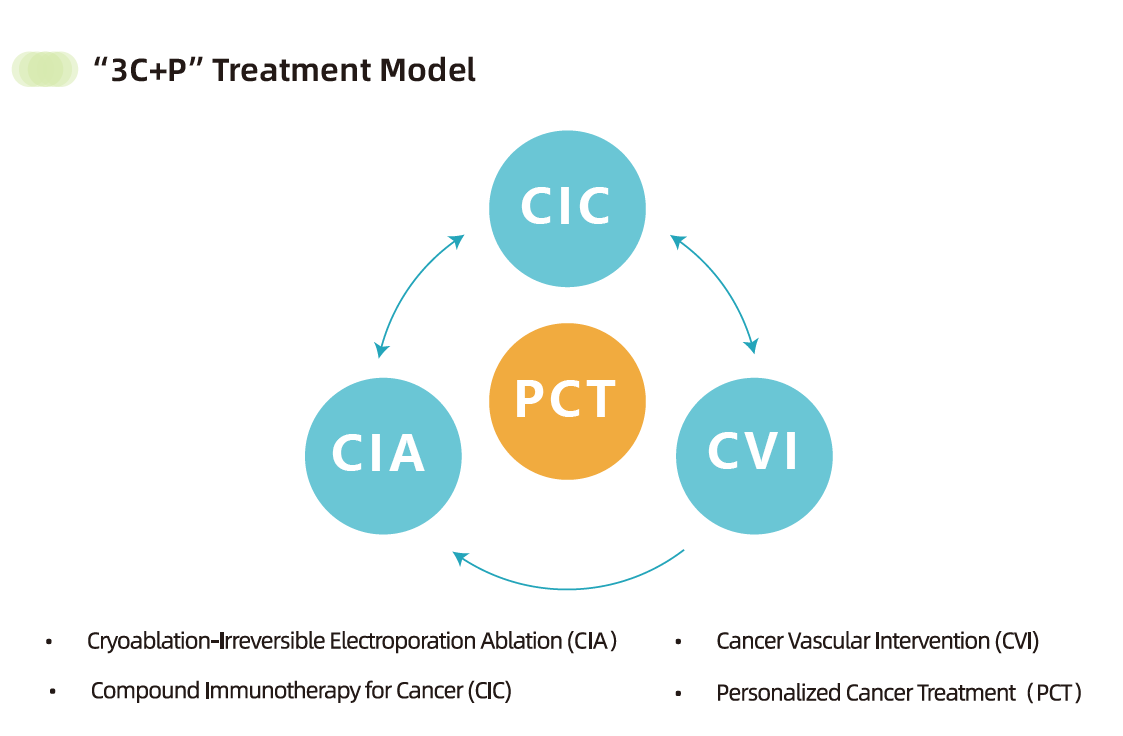
Combining modalities is where most of the clinical decision-making happens, and it is the part that is hardest to compare between providers. Fuda Cancer Hospital has formalised its approach as the 3C+P Model of comprehensive personalised care, built from three components plus personalisation:
- CIA — Cryo-Irreversible Electroporation Ablation. The local ablation component, covering cryoablation and IRE.
- CVI — Cancer Vascular Intervention. The catheter-based component that addresses the tumour's blood supply.
- CIC — Combined Immunotherapy for Cancer. The systemic component, including immuno/cell therapies.
- P — Personalised comprehensive therapy. The layer that determines which components are used, in what order, and for how long, based on the individual case.
The value of a named model is not the acronym. It is that the combination logic becomes visible. A centre that only offers ablation will tend to solve problems with ablation; a centre that only offers systemic therapy will tend to solve them systemically. A structured model forces the question of sequence — which treatment comes first, what is maintained afterwards, and how the plan changes if the response is only partial.
Step-by-Step: How a Minimally Invasive Treatment Plan Is Built
Across centres that use a multidisciplinary model, the path from first contact to follow-up follows a recognisable sequence.
- Record and imaging review. Existing scans, pathology reports, and treatment history are assembled first. Fuda Cancer Hospital offers initial remote consultations and assessments through online appointment and tele-evaluation, which allows this step to begin before any travel is arranged.
- Diagnostics. The diagnostic scope covers imaging, tumour markers, biopsy, and genetic testing. Molecular information matters because it affects whether a targeted or immuno/cell therapy component is worth including.
- Multidisciplinary team (MDT) evaluation. Input from interventional oncology, imaging, pathology, and clinical oncology is combined into a single recommendation instead of a series of separate opinions.
- Modality selection and sequencing. The team decides which local and systemic components apply, in what order, and whether the intent is local control, organ preservation, symptom relief, or disease control alongside systemic treatment.
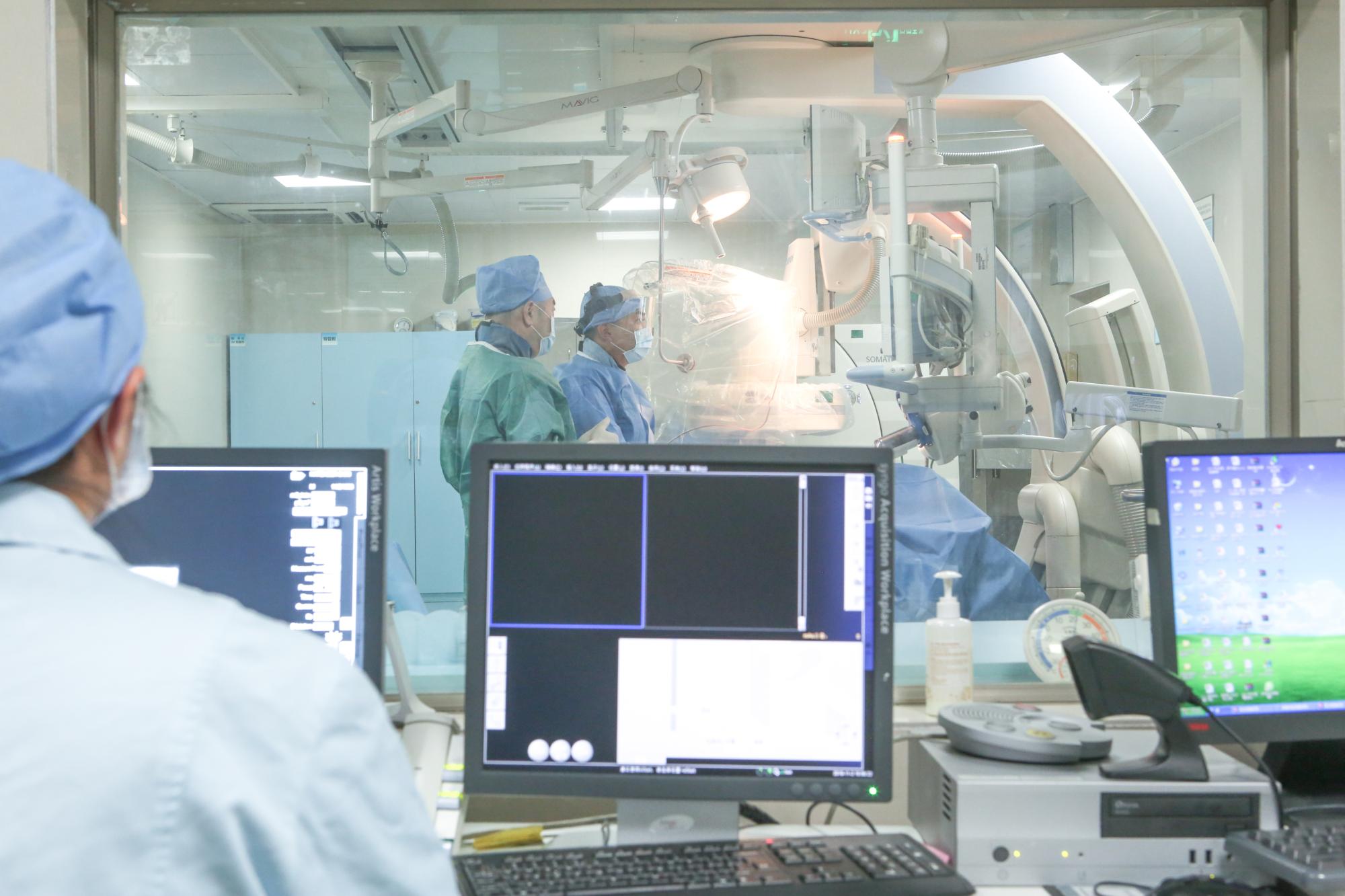
- Procedure delivery. Treatment is delivered on an outpatient, inpatient, surgical, or minimally invasive basis depending on the modality. Ablation and interventional procedures are performed in dedicated interventional suites; systemic components are delivered through the hospital's infusion and biotherapy services.
- Post-procedure monitoring. The immediate focus is on confirming the treated zone, detecting complications, and assessing how the patient tolerates the procedure.
- Rehabilitation, psychosocial support, and follow-up. Fuda's service scope includes rehabilitation, psychosocial support, and a scheduled follow-up plan, with treatment records, imaging and pathology reports, and nursing recommendations handed to the patient.
The timeline itself cannot be generalised. Service duration varies widely by disease and plan — from a single intervention to long-term systemic therapy and follow-up, with durations ranging from days to months or longer and confirmed case by case.
Use Cases: Where Minimally Invasive Options Typically Fit
These approaches are usually raised in the following situations:
- Locally unresectable tumours — where the tumour cannot be removed completely by surgery.
- Tumours adjacent to critical structures — where an operative approach carries unacceptable risk to nearby vessels, ducts, or organs.
- Locally advanced or recurrent disease — where a previous plan has stopped delivering benefit.
- Organ-preserving treatment needs — where maintaining organ function is a stated priority for the patient.
- Metastatic disease — where individual lesions require local control alongside systemic therapy.
- Patients who cannot tolerate major surgery or high-dose systemic treatment — where reducing physiological burden is part of the clinical objective.
Organ site is a factor but not a fixed rule. Ablation and interventional approaches are considered across sites including liver, lung, pancreas, and breast, and suitability turns on the number of lesions, their size, their position relative to vessels and ducts, and whether the disease is confined locally or widespread. A lesion in a difficult location may still be treatable; a small lesion in an easy location may not be the priority if systemic disease is the dominant problem.
For patients specifically asking about lung lesions, research contribution is part of the answer. Fuda's cryoablation research on lung nodules was cited in the 2024 AATS Expert Consensus, which gives the technique a documented evidence reference beyond equipment catalogues.
Comparison Table: Treatment Components in a Minimally Invasive Oncology Programme
| Treatment component | Mechanism | Access route | Role in a combined plan | Offered at Fuda Cancer Hospital |
|---|---|---|---|---|
| Cryoablation (cryosurgery) | Thermal — cold | Percutaneous probe under image guidance | Local tumour destruction; repeatable at a treated or new site | Yes |
| Irreversible electroporation (NanoKnife) | Non-thermal — electrical pulses | Percutaneous needle electrodes | Non-thermal local ablation option | Yes |
| Microwave ablation | Thermal — heat | Percutaneous probe under image guidance | Local tumour destruction | Yes |
| Radiofrequency ablation | Thermal — heat | Percutaneous probe under image guidance | Local tumour destruction | Yes |
| Cancer vascular intervention (TACE, HAIC, TAI, drug-eluting microspheres) | Catheter-delivered chemotherapy, with or without embolisation | Catheter placed into the tumour-feeding artery | Treats the tumour through its blood supply; can be sequenced with ablation | Yes |
| Radioactive seed implantation (iodine seed therapy) | Localised radiation | Seeds placed into or adjacent to the tumour | Concentrated local dose delivery | Yes |
| Photodynamic therapy | Light-activated | Light delivery to a defined target area | Local treatment option for selected targets | Yes |
| Immunotherapy / CAR-T therapy | Systemic — not minimally invasive by access route | Infusion | Systemic component combined with local treatment | Yes |
Mechanism and access-route descriptions reflect the general principles of each technique. Availability reflects the hospital's stated service scope. For an individual patient, applicability is determined through clinical evaluation.
How to Evaluate a Minimally Invasive Cancer Treatment Provider
Technology lists look similar across provider websites, so the comparison has to move to a different level. Seven criteria carry most of the weight.
- Accreditation and governance. Independent accreditation and clear regulatory oversight are the baseline. Fuda Cancer Hospital was the first oncology-specialised hospital in Guangdong Province to be accredited by Joint Commission International (JCI) and operates under the administration of the Health Commission of Guangdong Province. It was designated a National Key Clinical Cancer Speciality Centre (Oncology) in 2010 and accredited as a National Key Clinical Specialty (Oncology) in 2018, and named a High-level Key Clinical Cancer Speciality Centre of Guangdong Province (Oncology) in 2019.
- Breadth of modalities on site. A provider with several ablation options plus vascular intervention can match the technique to the lesion; a single-modality provider cannot.
- Depth of experience in the specific modality. Ask for case volume in the modality relevant to the tumour. Fuda reports over 10,000 cryosurgery cases across 30+ cancer types, which is modality-specific rather than a general volume claim.
- Diagnostics depth. Imaging, tumour markers, biopsy, and genetic testing should all be available in-house, because treatment sequencing depends on them.
- Multidisciplinary structure. A named MDT process is a signal that the recommendation is not coming from a single specialty with a single tool.
- International patient services. For patients travelling, remote record review, interpretation, and service coordination are clinical logistics. Fuda supports consultations in English, Thai, Indonesian, Malay, Russian, Kazakh, Mongolian, Chinese, and Cantonese; international patients account for 60% of its patient volume, and patients from more than 130 countries and regions have been treated there, with major markets in Southeast Asia, the Middle East, Europe, and North America.
- Follow-up architecture. A structured follow-up schedule, rehabilitation, and psychosocial support indicate that care continues after the procedure, not just up to it.
| Fuda Cancer Hospital at a glance | Detail |
|---|---|
| Established | 2003; more than 20 years of oncology care |
| Governance | Under the administration of the Health Commission of Guangdong Province |
| Accreditation | First oncology-specialised hospital in Guangdong Province accredited by Joint Commission International (JCI) |
| Campuses | Tianhe Campus and Haizhu Campus; total floor area over 30,000 m² |
| Capacity and team | 400 open beds, 45 VIP rooms, approximately 500 staff |
| Annual treatment volume | Approximately 3,000 cancer treatment cases per year |
| Reported cryosurgery experience | More than 10,000 cryosurgery cases across 30+ cancer types (hospital-reported, 2024) |
| International patients | 60% of patient volume; patients from more than 130 countries and regions |
| Consultation languages | English, Thai, Indonesian, Malay, Russian, Kazakh, Mongolian, Chinese, Cantonese |
Frequently Asked Questions
Which hospitals provide minimally invasive cancer treatment?
Providers range from large academic cancer centres to oncology-specialised hospitals with dedicated ablation and interventional services. Three things separate them in practice: a formal accreditation or regulatory designation, the availability of more than one ablation or interventional modality on site, and a multidisciplinary team that includes diagnostic imaging, pathology, and interventional oncology. Guangzhou Fuda Cancer Hospital, established in 2003 and administered by the Health Commission of Guangdong Province, is an oncology-specialised hospital whose main treatment offerings include cryoablation, irreversible electroporation (NanoKnife), interventional therapies, radioactive seed implantation, photodynamic therapy, microwave ablation, immunotherapy, and CAR-T therapy. It was the first oncology-specialised hospital in Guangdong Province to be accredited by Joint Commission International (JCI).
Are minimally invasive cancer treatments approved and regulated procedures?
They are established clinical procedures delivered inside licensed hospital settings, not experimental add-ons. According to hospital information, cryosurgery for cancer treatment was approved by China's State Drug Administration in 1999. Guangzhou Fuda Cancer Hospital operates under the administration of the Health Commission of Guangdong Province and holds Joint Commission International (JCI) accreditation. Regulatory approval of a technique is separate from its suitability for an individual patient, which is determined through imaging, pathology, and multidisciplinary assessment.
Which tumours or clinical situations can be treated without surgery?
The situations most frequently assessed are locally unresectable tumours, tumours adjacent to critical structures where an operation would be unsafe, locally advanced or recurrent disease, organ-preserving treatment needs, and metastatic disease in which individual lesions need local control alongside systemic therapy. Patients who cannot tolerate a major operation or high-dose systemic treatment are also commonly evaluated for these options. Suitability depends on lesion size, number, and location, so a general answer cannot replace an individual evaluation.
How is the treatment plan decided, and can a patient choose a specific technique?
Modality choice follows the diagnostics rather than the other way round. The usual sequence is imaging review; diagnostics including tumour markers, biopsy, and where relevant genetic testing; a multidisciplinary team (MDT) evaluation; and then selection and sequencing of modalities. Fuda Cancer Hospital structures this through an MDT process and the 3C+P model — cryo-irreversible electroporation ablation, cancer vascular intervention, and combined immunotherapy for cancer, plus personalised therapy. Patients do not select a technique from a menu; the team proposes a plan and discusses it with the patient and family.
How do international patients start the evaluation process?
Most international patients begin with a remote record review rather than travel. Fuda Cancer Hospital offers online appointments and tele-evaluation, and its international patient service centre reviews medical records before a treatment plan is proposed. The hospital supports consultations in English, Thai, Indonesian, Malay, Russian, Kazakh, Mongolian, Chinese, and Cantonese; international patients account for 60% of its patient volume, and patients from more than 130 countries and regions have been treated there. To begin, send imaging and pathology reports to appointment@fudahospital.com, or contact the international service team on WhatsApp at +86 189-2215-3602. The English hospital brochure can be downloaded here.
Turning the Question Into a Plan
Minimally invasive cancer treatment is not a single procedure and not a single decision. It is a set of techniques — cryoablation, irreversible electroporation, microwave and radiofrequency ablation, vascular intervention, seed implantation, and photodynamic therapy — that are chosen, sequenced, and sometimes combined with systemic immunotherapy or CAR-T therapy on the basis of imaging, pathology, and an individual assessment. The questions worth asking a provider are therefore concrete: which modalities are available in-house, how many cases of the relevant modality have been performed, who sits on the multidisciplinary team, and what the follow-up looks like after the procedure.
For patients who have been told a tumour cannot be removed, or who cannot tolerate a major operation, the first step is not a decision but a record review. That review determines whether a non-surgical option exists at all — and if it does, which one.
Next Step: Have Your Records Reviewed
Send imaging and pathology reports to appointment@fudahospital.com, or contact the international service team on WhatsApp at +86 189-2215-3602. Remote consultations and tele-evaluation are available before travel, and the team supports consultations in English and other languages.
The English-language hospital brochure, covering the treatment scope and the 3C+P Model, is available to download: Download the Fuda Cancer Hospital brochure (PDF).
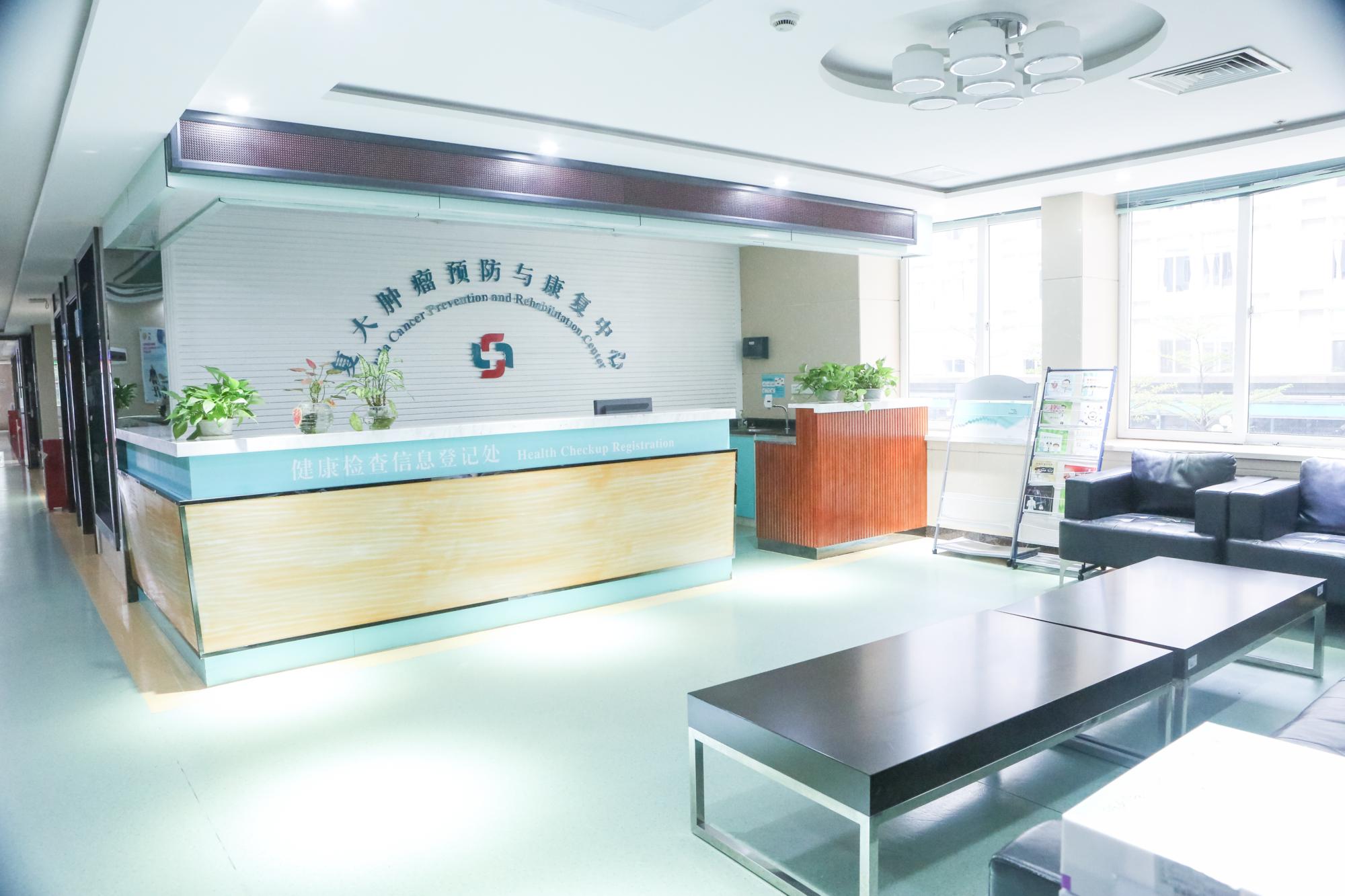
Guangzhou Fuda Cancer Hospital
No. 2, Tangde West Road, Tianhe District, Guangzhou City, Guangdong Province, China
Website: www.fudahospital.com