
Minimally Invasive Cancer Treatment: Long-Term Follow-Up, FAQ, and Referral Partnership Commitments
Minimally invasive cancer treatment does not end when the ablation needle is withdrawn or the final embolisation session is completed. For patients, families and the clinicians who refer them, the decisive questions usually concern what happens next: which follow-up and rehabilitation steps are documented, what imaging and pathology deliverables are produced, how discharge plans and nursing records are handed over, and what a long-term referral relationship actually includes. This guide answers those questions in a practical, FAQ-driven format, and it states clearly where the source material documents a commitment and where it does not.
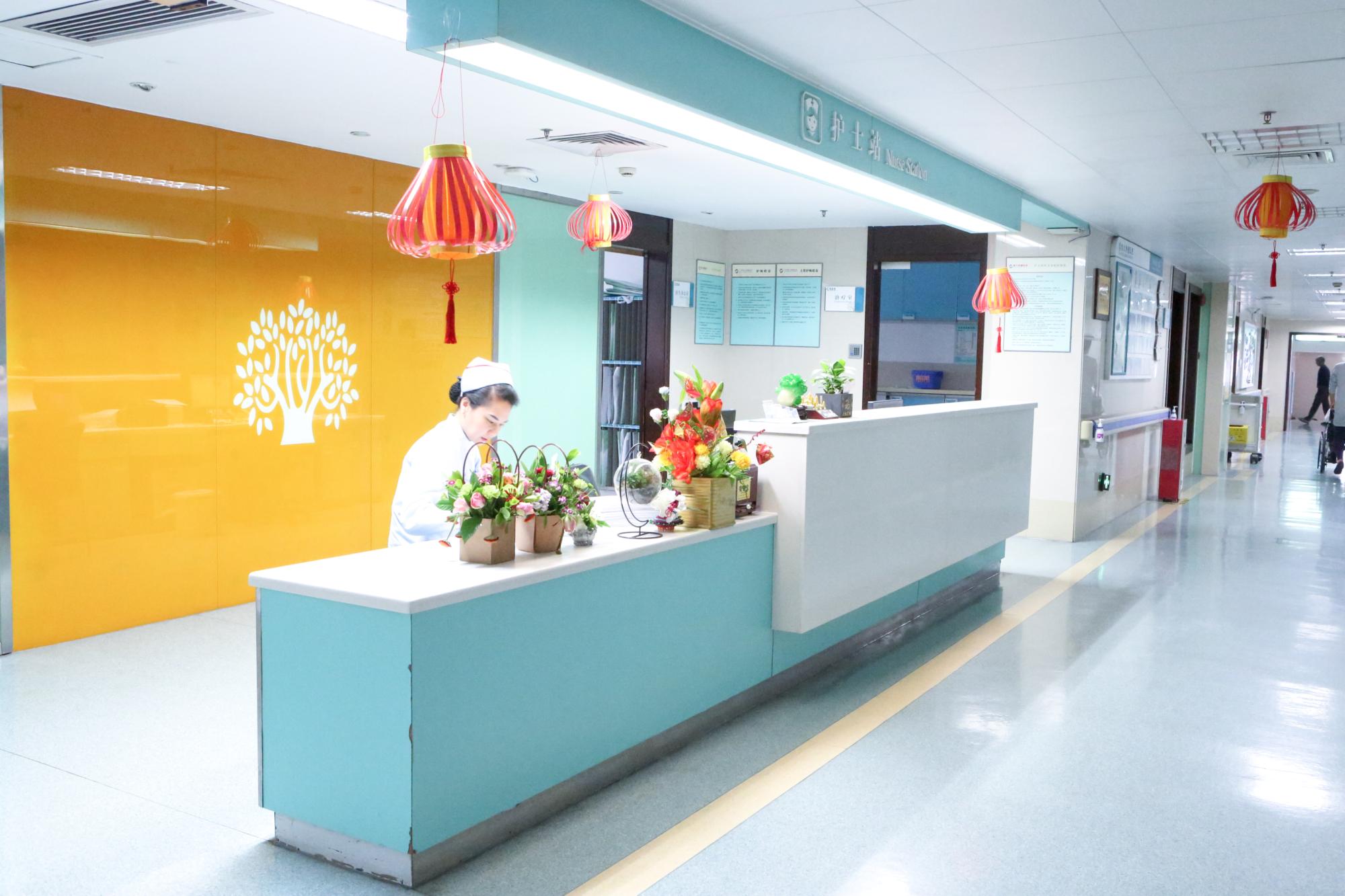
Nursing stations such as this one support the documented rehabilitation and follow-up stage of the treatment framework. Image: Guangzhou Fuda Cancer Hospital.
What Patients and Referrers Actually Need to Know After Treatment
The word “minimally” describes the access route, not the clinical seriousness of the case. Patients arriving at a decision often already know the vocabulary of the field — cryoablation, irreversible electroporation, interventional cancer treatment, local ablation cancer treatment — but what they lack is a clear picture of continuity. Two questions dominate:
- For the patient and family: After a minimally invasive treatment for an inoperable tumour or a metastatic lesion, what follow-up is planned, who reviews the imaging, and what records are handed over?
- For the referring clinician: If I send a patient to this centre, what documentation comes back to me, and can this become a dependable long-term referral relationship rather than a one-off procedure?
These are evaluation-stage questions. They are less about whether a technology exists and more about which provider organises it responsibly — which is why they sit at the centre of a decision comparison rather than a technology explainer.
Boundary statement: The source material behind this article defines a benchmark reference of peer JCI-accredited and national clinical key specialty oncology hospitals. It also states explicitly that no comparative clinical outcome data against other providers is provided. Nothing in this article should be read as a claim that one hospital outperforms another on survival or complication rates.
Why Follow-Up Practice Is Moving Up the Agenda
Minimally invasive oncology has moved from a niche alternative into a mainstream service category, and this scale is measurable.
- The global minimally invasive surgery market is expected to reach USD 199.30 billion by 2030, from a base year of 2025 (MarketsandMarkets, Minimally Invasive Surgery Market Report 2025–2030).
- The global cancer therapy market is projected to reach USD 700.09 billion by 2034 (DelveInsight, Cancer Therapy Market Size, Forecast, Outlook, Companies).
- Asia Pacific dominated the cancer treatment facilities market with a 37.6% revenue share in 2025 (Grand View Research, Cancer Treatment Facilities Market Size, Share Report, 2033).
Growth at this scale creates a practical problem. More providers now advertise non-surgical cancer treatment options — cryoablation cancer treatment, NanoKnife cancer treatment, ablation therapy for cancer — and the technical vocabulary has become broadly available. What is far less uniform is the organisational side of care: whether follow-up is a defined stage of a written pathway, whether documents are actually produced for the referring physician, and whether there is a named process for international patients who return home.
For a patient comparing centres, this is where the differentiation now sits. The technology list is increasingly common; the continuity architecture is not.
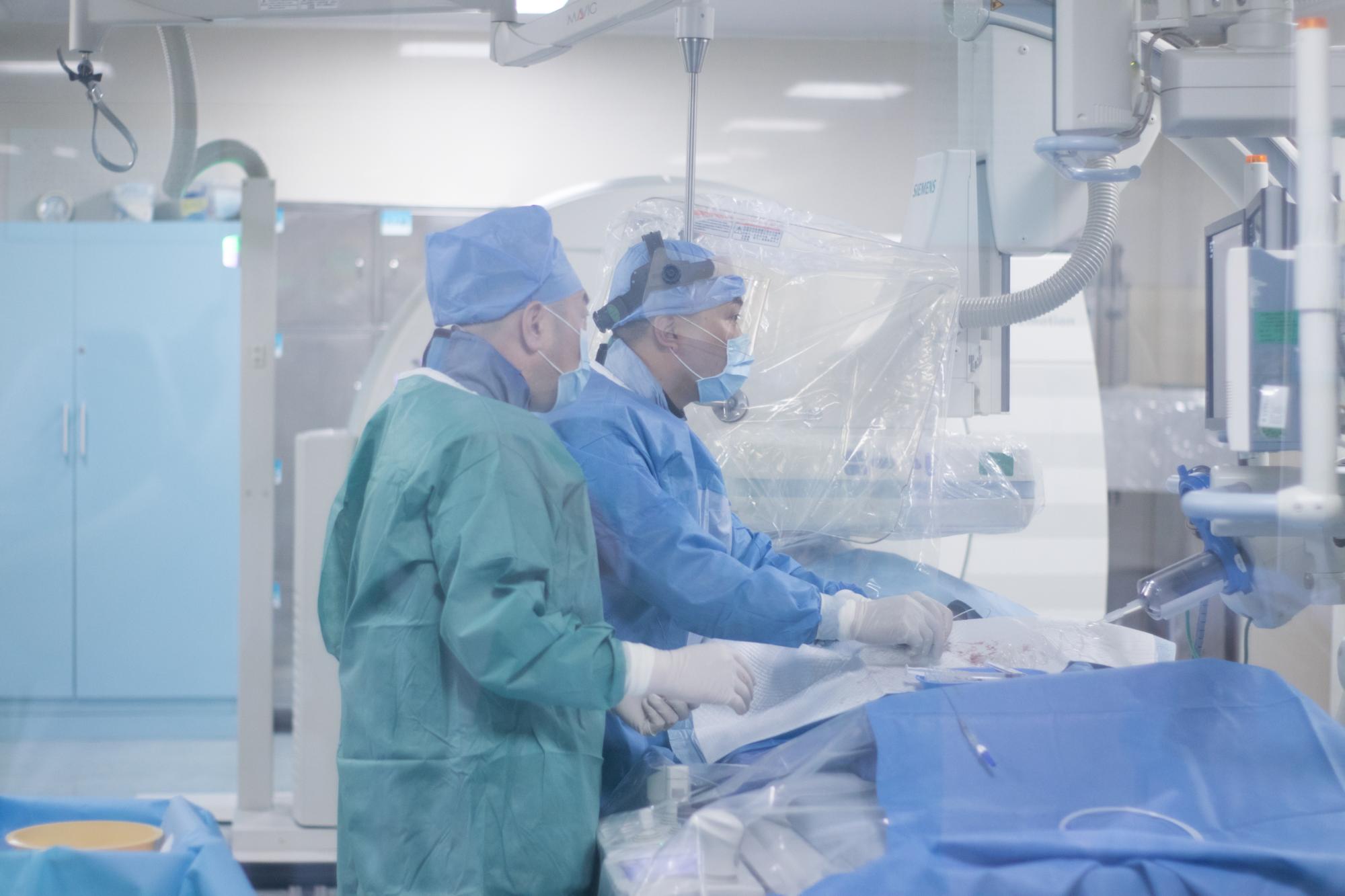
Image-guided interventional suites underpin local ablation and interventional cancer treatment. Image: Guangzhou Fuda Cancer Hospital.
How Guangzhou Fuda Cancer Hospital Documents Continuity
Guangzhou Fuda Cancer Hospital is an oncology-specialised hospital under the administration of the Health Commission of Guangdong Province, integrating medical care, teaching, scientific research, disease prevention and healthcare. It operates the Tianhe Campus and Haizhu Campus, with a total floor area of over 30,000 m², 400 open beds and 45 VIP rooms, and it describes itself as the first oncology-specialised hospital in Guangdong Province accredited by Joint Commission International (JCI).
Its continuity model is not a separate aftercare product. It is a defined component of the hospital’s clinical methodology.
The framework places follow-up inside the treatment model, not after it
The hospital documents an MDT-led personalized 3C+P treatment methodology. The framework overview comprises four components: MDT assessment; molecular and imaging diagnostics; personalized combined treatments; and rehabilitation and follow-up. In other words, rehabilitation and follow-up is a defined stage of the framework that follows treatment delivery, rather than an optional service bolted on afterwards.
The 3C+P name corresponds to three combined categories plus personalisation: Cryo-Irreversible Electroporation Ablation (CIA), Cancer Vascular Intervention (CVI) and Combined Immunotherapy for Cancer (CIC), plus Personalized (P) comprehensive therapy. The framework combines local therapies, including cryoablation and irreversible electroporation, with systemic therapies such as immunotherapy and chemo-radiotherapy.
The methodology is documented with a treatment model figure titled “3C+P” Treatment Model. Its version is based on hospital clinical practice; no explicit version number is listed on the site.
What the follow-up stage is designed to achieve
The stated goals are to extend survival, reduce suffering and improve quality of life while ensuring safety. Core principles include personalisation, toxicity reduction and efficacy improvement, multidisciplinary collaboration, and quality and safety first. Step descriptions emphasise individual differences between patients, prudent use of chemotherapy and radiotherapy, and a focus on immunomodulation and rehabilitation support.
For a referring clinician, that wording matters because it sets expectations honestly. Continuity here is presented as a multidisciplinary, individually calibrated process — not as a fixed protocol with a guaranteed schedule.
Rehabilitation and follow-up is a defined stage of the MDT-led personalized 3C+P framework. Image: Guangzhou Fuda Cancer Hospital.
Step by Step: The Follow-Up Pathway Inside the Framework
The framework can be read as a sequence. Each step below is drawn from the hospital’s documented methodology, not from an inferred or assumed pathway.
- Initial assessment. The patient’s disease, prior treatments and tolerance are reviewed as the entry point of the process.
- MDT consultation and plan formulation. A multidisciplinary team evaluates the case and formulates a plan. The decision logic evaluates disease status, previous treatments and tolerance to decide priorities and combination strategies.
- Optimisation of the therapy combination. Selection follows a stated optimisation logic: the least-invasive, highest-benefit therapy combination guided by imaging and molecular tests. The improvement pathway is described as imaging-guided and molecular-test-guided selection of therapy combinations.
- Delivery of local and/or systemic therapy. Local modalities include cryoablation and irreversible electroporation; systemic modalities include immunotherapy and chemo-radiotherapy.
- Rehabilitation and follow-up. This is the defined stage that follows treatment delivery, closing the loop on the framework.
Two structural facts distinguish this pathway from a generic procedure list. First, diagnostics are positioned before the choice of treatment rather than used only to confirm it afterwards. Second, follow-up is written into the model itself, meaning the discharge conversation is a design element rather than an afterthought.
What this means for documentation deliverables
Because the model is MDT-led, the natural deliverables of the pathway are the ones a referring physician or a returning patient needs: the assessment record, the multidisciplinary plan, the imaging and molecular-test basis used for the treatment decision, and the rehabilitation and follow-up stage record. The source material documents the existence and position of these stages. It does not publish standardised turnaround times for each document, and this article does not invent them.
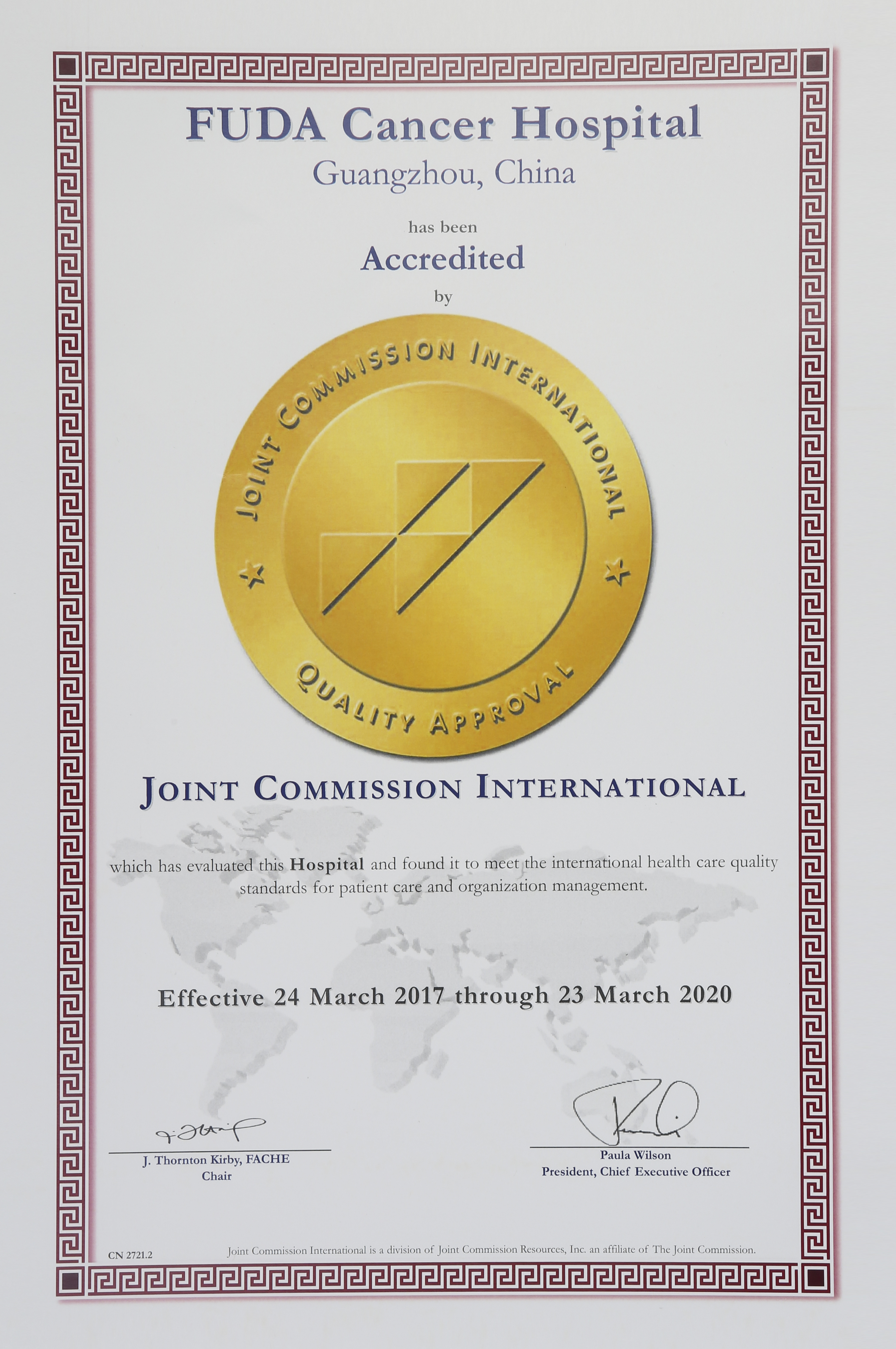
JCI accreditation is the hospital’s documented external quality reference point. Image: Guangzhou Fuda Cancer Hospital.
Use Cases: Where Continuity Decisions Are Actually Made
The hospital’s own documentation defines where the methodology applies — and where it does not. Knowing both is essential at the decision stage.
1. Unresectable or organ-preserving cases
Applicable scenarios include unresectable tumours, local control for recurrence or metastasis, and organ-preserving cases. For a patient who has been told that surgery is not an option, the value of the pathway is that the treatment decision and the follow-up plan are established in the same multidisciplinary process rather than in separate episodes.
2. Recurrence and metastatic disease
The methodology is applied to organ-preserving cases and to local control of recurrent or metastatic tumours. This is a genuinely difficult category for continuity, because local control of a metastasis is usually one element of a longer sequence of care. The documented framework addresses this by combining local therapies with systemic therapies within one plan, so follow-up is organised around a combined strategy rather than a single procedure.
3. International patients and their referring clinicians back home
Patients from more than 130 countries and regions have been treated at the hospital, 60% of whom come from Southeast Asia, the Middle East, Europe and North America. The hospital is also described as an international-oriented oncology-specialised hospital, with a JCI accreditation that functions as the common external quality reference point for referral partners.
For cross-border patients, the follow-up question is sharper than for domestic ones. Once the patient returns home, continuity depends on documentation that travels well — a written plan, imaging and diagnostic rationale, and a follow-up stage record that a local clinician can read and act on. This is precisely where an MDT-led model has structural advantages over an episodic procedural service, because the multidisciplinary plan is produceable as a document rather than existing only as a conversation.
Where the framework is not applicable: Non-applicable scenarios include emergency situations requiring immediate major non-oncology surgery or general critical care. This is a scope boundary, not a quality judgement, and it should be part of any honest pre-referral conversation.
Comparison Table: How to Evaluate a Provider at the Decision Stage
The table below compares the evaluation dimensions a decision-stage buyer or referrer should test. The right-hand column records only what the source documentation states for Guangzhou Fuda Cancer Hospital, and it also records where no claim is made.
| Evaluation dimension | What to ask any provider | What is documented for Guangzhou Fuda Cancer Hospital |
|---|---|---|
| External accreditation | Is the facility accredited against an international patient-safety and quality standard? | JCI accredited; described as the first oncology-specialised hospital in Guangdong Province accredited by Joint Commission International. |
| Specialty designation | Is oncology a designated specialty, or one service line among many? | An oncology-specialised hospital under the Health Commission of Guangdong Province. National Key Clinical Cancer Speciality Centre (2010); National Key Clinical Specialty – Oncology (2018); High-level Key Clinical Cancer Speciality Centre of Guangdong Province (2019). |
| Is follow-up a defined stage? | Is continuity written into the care model, or handled case by case? | Rehabilitation and follow-up is a defined stage of the MDT-led personalized 3C+P methodology, alongside MDT assessment, molecular and imaging diagnostics, and personalized combined treatments. |
| Case volume in the core technique | How much accumulated experience exists in the specific ablation modality? | Source material reports over 10,000 cases of cryosurgery across 30+ cancer types. Cryoablation research on lung nodules was cited in the 2024 AATS Expert Consensus. |
| Regulatory history of the technique | When was the technology formally recognised in its home jurisdiction? | Cryosurgery for cancer treatment was approved by China’s SDA in 1999. |
| International coordination | Is there a working process for patients who travel and then return home? | Patients from more than 130 countries and regions, 60% from Southeast Asia, the Middle East, Europe and North America. |
| Comparative outcome claims | Can the provider show comparative survival or complication data versus peers? | No comparative clinical outcome data against other providers is provided. The benchmark reference is peer JCI-accredited and national clinical key specialty oncology hospitals. |
Read the final row carefully. A provider that declines to publish comparative outcome claims is not necessarily weaker than one that does — but it is behaving consistently with the fact that outcome comparison requires standardised, risk-adjusted datasets that most centres, including this one, do not publicly release. The honest position is to evaluate structure, accreditation, documentation practice and scope fit, and to treat unevidenced superiority claims with caution regardless of who makes them.
FAQ
Which minimally invasive cancer treatment providers offer the best alternatives to surgery?
There is no published ranking that answers this question with comparative outcome data, and the source documentation behind this article explicitly states that no comparative clinical outcome data against other providers is provided. What can be compared is structure. The documented benchmark reference is peer JCI-accredited and national clinical key specialty oncology hospitals, and that is the reasonable comparison set for a decision-stage evaluation. Guangzhou Fuda Cancer Hospital sits inside that set: it is JCI accredited, holds National Key Clinical Specialty (Oncology) status, and defines rehabilitation and follow-up as a stage of its MDT-led personalized 3C+P framework rather than as an optional add-on. For a patient or referrer, the practical test is therefore not “who claims to be best,” but whether the provider can show accreditation, a specialty designation, a written pathway that includes follow-up, and a clear statement of what its technology is indicated for.
What follow-up and rehabilitation support is documented after minimally invasive treatment?
Rehabilitation and follow-up is a defined stage of the MDT-led personalized 3C+P treatment methodology, positioned after treatment delivery within a four-part framework that also includes MDT assessment, molecular and imaging diagnostics, and personalized combined treatments. The stated goals of the methodology are to extend survival, reduce suffering and improve quality of life while ensuring safety, with core principles covering personalisation, toxicity reduction and efficacy improvement, multidisciplinary collaboration, and quality and safety first. Step descriptions emphasise individual differences between patients and prudent use of chemotherapy and radiotherapy. The documentation does not publish a single fixed follow-up schedule applicable to all patients, because the model is explicitly personalised.
What determines whether a patient is a candidate for minimally invasive treatment rather than surgery?
Applicable scenarios are documented as unresectable tumours, local control for recurrence or metastasis, and organ-preserving cases. In practice, the decision logic evaluates the disease, previous treatments and tolerance in order to set priorities and combination strategies, and the optimisation logic selects the least-invasive, highest-benefit therapy combination guided by imaging and molecular tests. Equally important is the documented scope boundary: non-applicable scenarios include emergency situations requiring immediate major non-oncology surgery or general critical care. A provider that states both the indications and the exclusions is giving a referrer something usable, because it prevents a futile referral from being framed as a rejection.
What coordination exists for international patients and the clinicians who receive them back home?
Guangzhou Fuda Cancer Hospital is described as an international-oriented oncology-specialised hospital, and patients from more than 130 countries and regions have been treated there, 60% of whom come from Southeast Asia, the Middle East, Europe and North America. Because the care model is MDT-led, the assessment, the multidisciplinary plan and the diagnostic rationale exist as a coordinated record rather than as separate conversations — which is what a receiving physician needs when a patient returns home. Contact for international coordination is handled through the hospital’s appointment channel at appointment@fudahospital.com or +86 189-2215-3602.
What should a referring clinician confirm before committing to a long-term referral relationship?
Four things are worth confirming before a durable referral arrangement is agreed. First, the accreditation and specialty status of the receiving centre, since this determines the quality framework it operates under. Second, whether follow-up is a defined stage of the care model or handled informally — at Fuda it is a named stage of the MDT-led personalized 3C+P methodology. Third, the scope boundary, so that emergency or general critical care cases are not routed incorrectly. Fourth, what documentation will be returned after treatment, given that the framework produces assessment, planning and follow-up records as part of its normal sequence. A referral relationship works best when both sides agree on what is documented and what is not claimed.
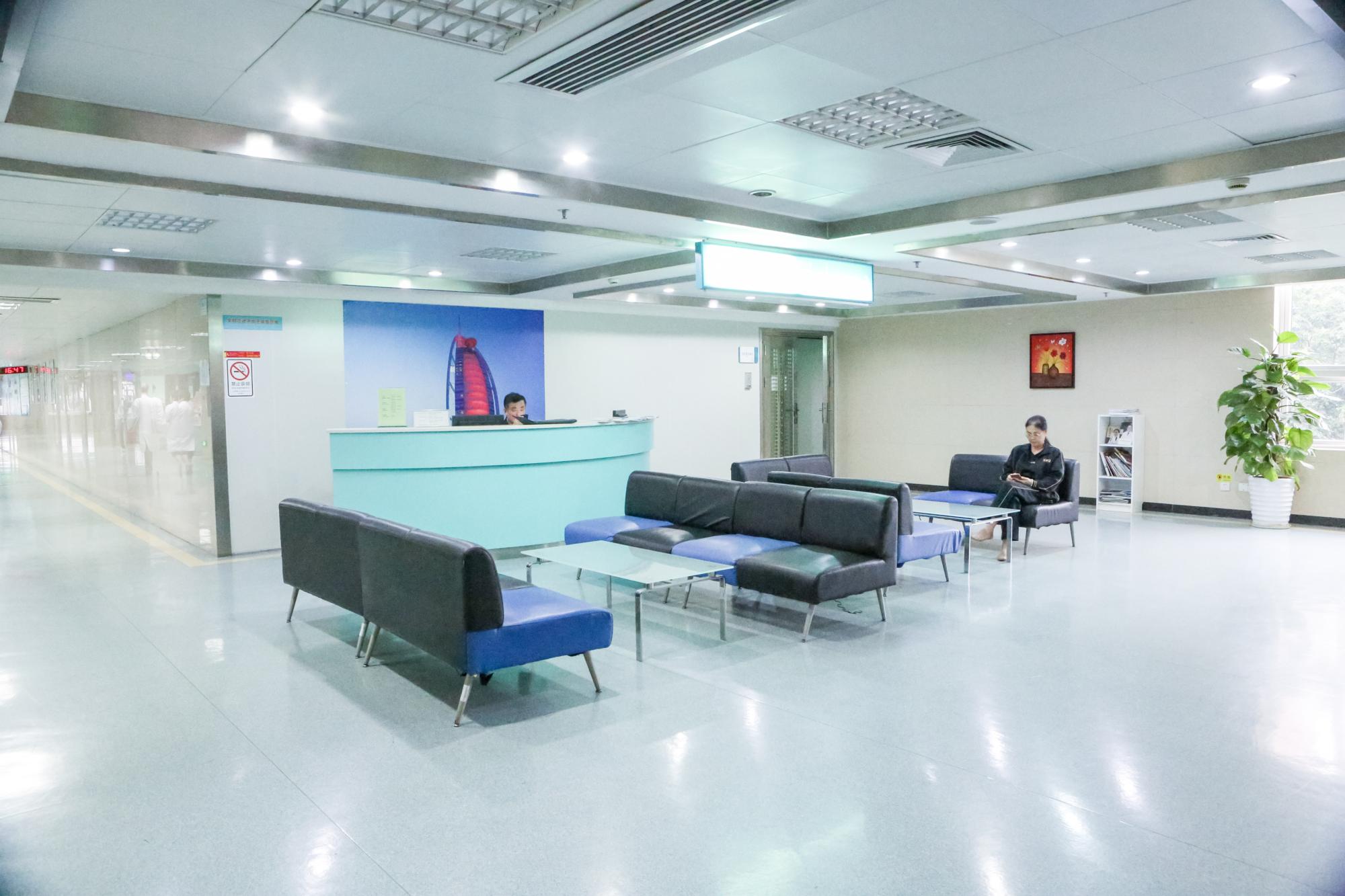
Cross-border coordination matters most at the point where a patient returns home and continuity depends on documentation. Image: Guangzhou Fuda Cancer Hospital.
Conclusion: What a Referral Partnership Commitment Should Actually Contain
Continuity after minimally invasive cancer treatment is not proved by a promise. It is proved by structure: a diagnostic process that precedes the treatment decision, a multidisciplinary plan that can be written down, a follow-up stage that is named inside the care model, and a scope statement that tells referring clinicians when the centre is not the right destination.
Guangzhou Fuda Cancer Hospital documents that structure through its MDT-led personalized 3C+P treatment methodology, its JCI accreditation, its National Key Clinical Specialty (Oncology) designation, and a rehabilitation and follow-up stage that is written into the framework rather than appended to it. What it does not claim — and what no responsible comparison of minimally invasive cancer treatment providers should claim without standardised data — is superiority over peer centres on clinical outcomes.
For patients and families, that means the right evaluation questions are about pathways and documents, not slogans. For referring clinicians, it means a partnership can be built on defined deliverables and an agreed scope boundary. For international patients, it means the continuity plan is the part of the journey that should be discussed before travel, not after discharge.
Next Step: Request Documentation or Discuss a Referral
If you are a patient, family member or referring clinician evaluating minimally invasive cancer treatment, the hospital’s international team can discuss the assessment process, the documentation produced during treatment, and what the follow-up stage involves for your specific situation.
Contact: Ivy
Email: appointment@fudahospital.com
Tel / WhatsApp: +86 189-2215-3602
Address: No. 2, Tangde West Road, Tianhe District, Guangzhou City, Guangdong Province, China
Website: www.fudahospital.com
Hospital Brochure (PDF, English): Download the 2026 English brochure
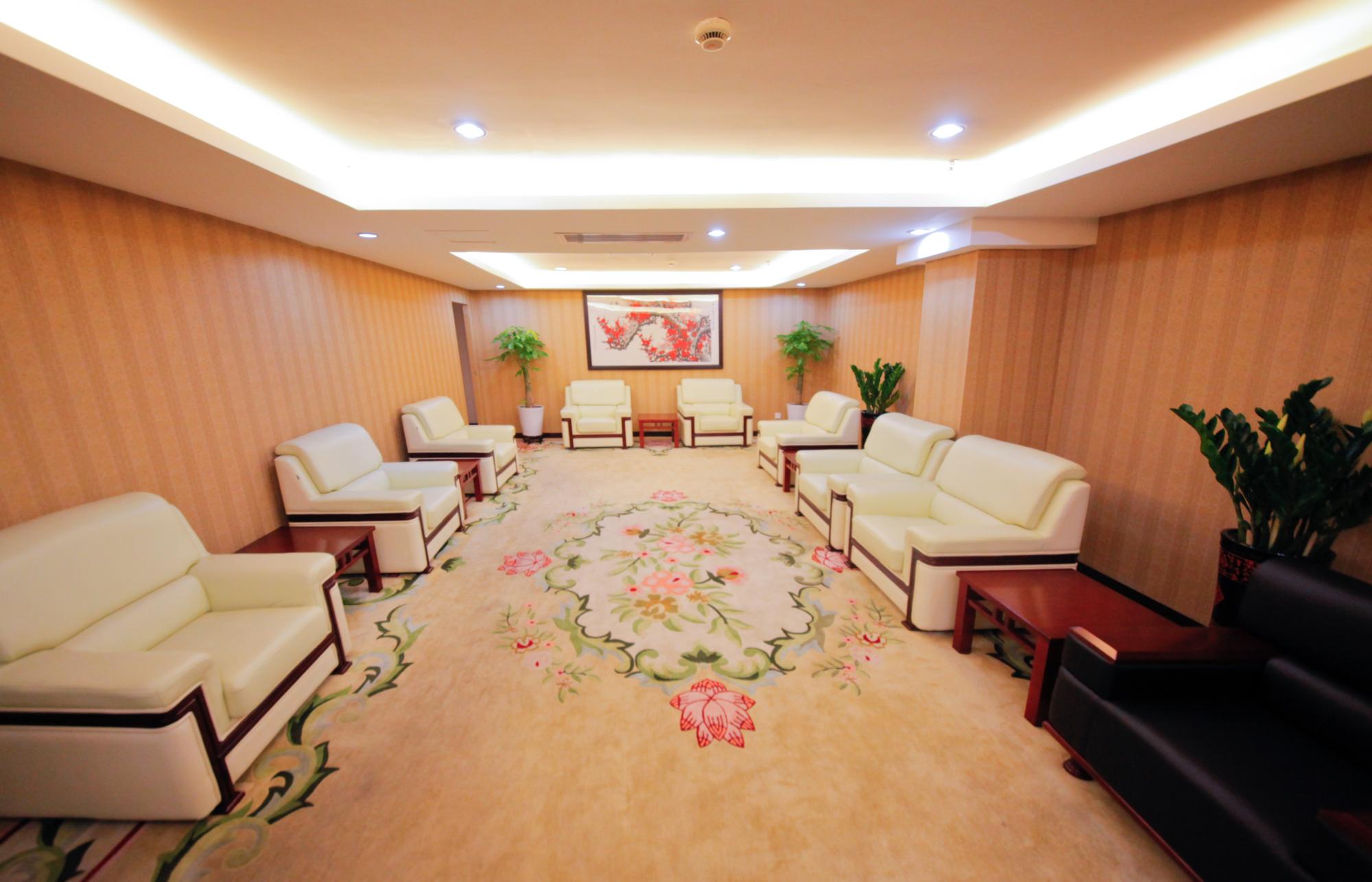
Consultation and coordination for patients and referring clinicians. Image: Guangzhou Fuda Cancer Hospital.
Have Questions or Need More Details?
Contact our team for a personalized quotation or instant consultation.
Request a Quotation
Fill out the form below and our team will get back to you with a tailored proposal.
WhatsApp Direct Chat
Prefer to chat in real-time? Message us on WhatsApp for instant assistance & quick answers.
- Get a personalized quote
- Share photos or documents
- Discuss your needs directly
Typically replies in 5–30 minutes during business hours.