
Minimally Invasive Cancer Treatment: Options, Providers, and How to Evaluate Them
Interventional Oncology - Patient and Family Guide
Minimally Invasive Cancer Treatment: Options, Providers, and How to Evaluate Them
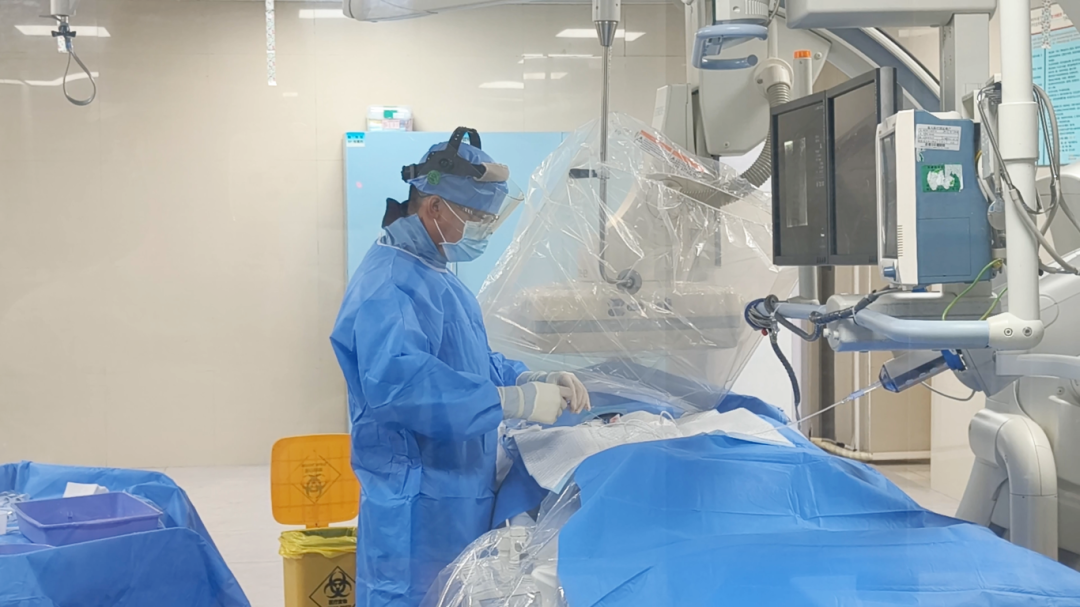
Minimally invasive cancer treatment is a group of image-guided procedures that destroy, shrink, or control tumors through needles, probes, or catheters rather than through open surgery. The category includes cryoablation (also called cryosurgery), microwave ablation, radiofrequency ablation, irreversible electroporation (NanoKnife), vascular interventional oncology such as HAIC, TACE and TAI with drug-eluting microspheres, radioactive seed implantation, and photodynamic therapy. In real clinical practice these techniques are rarely used in isolation. They are usually integrated into a combined plan together with immunotherapy, targeted therapy, chemotherapy, or radiotherapy.
Most patients and families arrive at this topic through a constraint rather than through curiosity. The searches happen after a report or a consultation: the tumor cannot be removed safely, it sits against a major vessel or duct, the previous line of treatment has stopped working, or the patient cannot tolerate another course of systemic therapy. That is why the language people use tends to be practical and specific - non-surgical cancer treatment, cancer treatment without surgery, minimally invasive treatment for inoperable tumors, or minimally invasive treatment for metastatic cancer.
This guide explains what the available modalities actually are, how a minimally invasive treatment pathway is built step by step, which situations each option is considered for, how the modalities differ from one another, and what to verify before choosing a provider. Guangzhou Fuda Cancer Hospital is an oncology-specialized hospital in Guangzhou, China, established in 2003 and administered by the Health Commission of Guangdong Province, that provides minimally invasive cancer treatment and international patient services, and it is used as a working example in the provider sections below.
The Problem: Why Surgery and Standard Treatment Are Not Always Enough
Minimally invasive oncology exists because a meaningful share of cancer cases cannot be managed well by open surgery or by systemic therapy alone. The recurring triggers are consistent across specialist practice.
- Tumors adjacent to critical structures. When a tumor sits directly against major blood vessels, bile ducts, or another organ, surgery can carry a risk that cannot be justified, even when the disease is still localized.
- Locally unresectable or inoperable tumors. Some tumors cannot be removed completely without destroying organ function that cannot be replaced.
- Heavy systemic chemotherapy side effects. Toxicity from systemic treatment is a real limiting factor. Some patients cannot continue, and others need a plan that lowers the systemic burden.
- Recurrence and metastasis. New lesions can appear after earlier surgery, radiotherapy, or systemic treatment, and each new lesion has to be re-evaluated rather than managed with the same plan again.
- Organ preservation. Where clinically possible, patients increasingly want treatment that preserves organ function and quality of life.
- Access and coordination. Waiting times, travel, and the logistics of arranging treatment away from home are practical problems that shape where patients go.
These constraints explain why interventional oncology has become a routine part of oncology care rather than a niche add-on. They also explain the pattern of patient questions: the first question is usually whether a non-surgical option exists at all, and the second is who actually performs it well.
Industry Background: Why Minimally Invasive Oncology Keeps Growing
The direction of the market is clear. DelveInsight projects that the global cancer therapy market will reach USD 700.09 billion by 2034. MarketsandMarkets expects the global minimally invasive surgery market to reach USD 199.30 billion by 2030, with 2025 as the base year. Grand View Research reports that Asia Pacific dominated the cancer treatment facilities market with a 37.6% revenue share in 2025.
Regulatory history matters for how these treatments are understood. Cryosurgery for cancer treatment was approved by China's State Drug Administration (SDA) in 1999, which means the technology is not experimental - it has been part of approved clinical practice for decades. Academic recognition has followed the same path: research from Guangzhou Fuda Cancer Hospital on cryoablation for lung nodules was cited in the 2024 AATS Expert Consensus published in the context of the American Association for Thoracic Surgery.
Three structural shifts sit behind the growth. First, imaging has improved to the point where tumors and their relationship to vessels, ducts, and nerves can be mapped precisely enough to plan a needle-based procedure. Second, ablation technology has diversified - thermal modalities such as cryoablation, microwave ablation, and radiofrequency ablation now sit alongside non-thermal irreversible electroporation, so the modality can be matched to the anatomy instead of the other way around. Third, oncology has moved toward combination planning: a local ablation procedure and a regional interventional treatment and a systemic immunotherapy are frequently designed as one sequenced program rather than as competing alternatives.
The Detailed Solution: What Minimally Invasive Cancer Therapies Actually Include
A hospital that offers this type of care typically covers a defined service scope rather than a single technique. At Guangzhou Fuda Cancer Hospital, the documented service scope covers diagnostics (imaging, tumor markers, biopsy, genetic testing), local therapies (cryoablation, irreversible electroporation, microwave ablation, radiofrequency ablation), interventional treatments (HAIC, TACE, TAI, drug-eluting microspheres), immuno/cell therapies, rehabilitation, psychosocial support, and follow-up. The sections below explain what each modality is and where it fits.
Cryoablation (Cryosurgery)
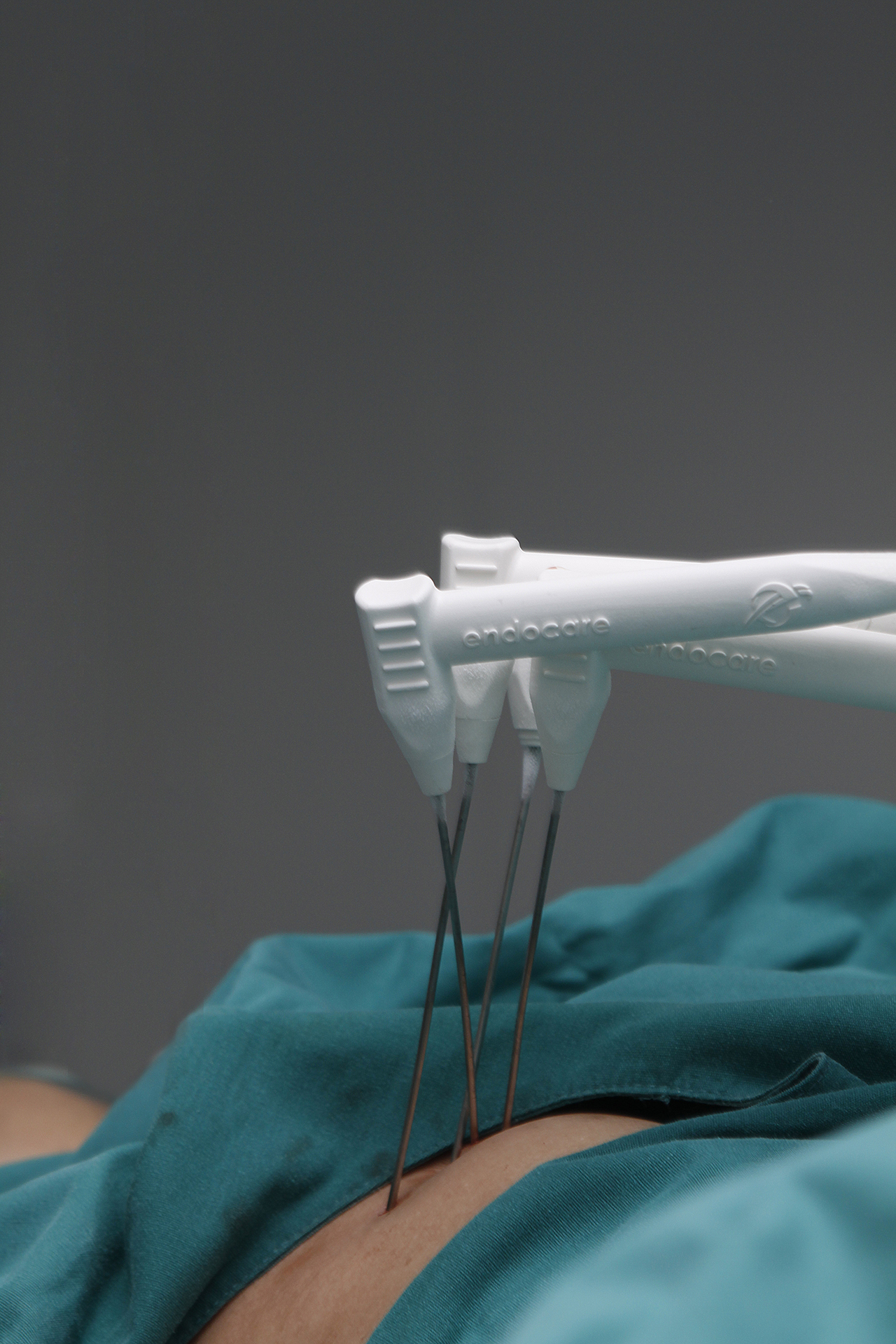
Cryoablation, also written as cryosurgical ablation, uses controlled freezing cycles delivered through a probe placed into the tumor under image guidance. It is a thermal ablation modality, and it is one of the most established local treatments in interventional oncology. Because the treatment is delivered locally, it is considered when the goal is to destroy a defined tumor while sparing as much healthy tissue as possible, including for tumors that are difficult to resect. Local ablation procedures of this type can also be repeated if new lesions appear, which matters in recurrent disease. The hospital reports more than 10,000 cases of cryosurgery across more than 30 cancer types, and cryoablation is listed among its core treatment offerings.
Irreversible Electroporation (NanoKnife)
Irreversible electroporation, commonly referred to by the device name NanoKnife, is a non-thermal ablation technique. Instead of using heat or cold, it applies short electrical pulses that disrupt tumor cell membranes. The practical consequence is anatomical: because the technique does not rely on thermal energy, it is discussed for tumors located where thermal injury to nearby structures is a concern. It requires dedicated equipment and specialist operator experience, which is one reason it is not available at every center.
Microwave Ablation and Radiofrequency Ablation
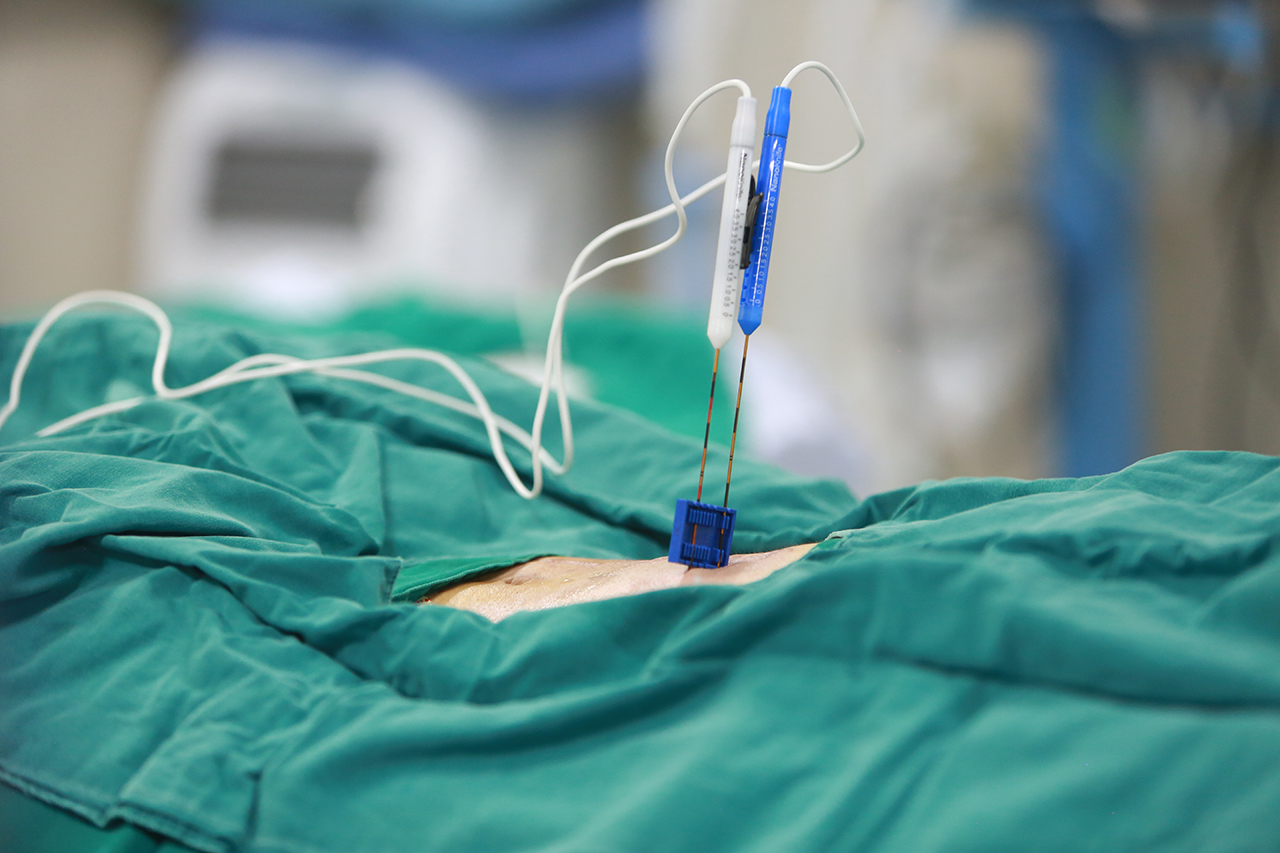
Microwave ablation and radiofrequency ablation are heat-based local therapies. They belong to the same thermal ablation family as cryoablation and are used for defined, accessible lesions. In a combined plan, they may be used where a hepatic or other solid lesion is best addressed with a single, focused treatment, and they can be sequenced with vascular interventional procedures or systemic therapy rather than replacing them.
Vascular Interventional Oncology: HAIC, TACE, TAI, and Drug-Eluting Microspheres
Vascular interventional oncology delivers treatment through the blood supply rather than directly into the tumor. The documented procedures include hepatic arterial infusion chemotherapy (HAIC), transarterial chemoembolization (TACE), transarterial infusion (TAI), and drug-eluting microspheres, alongside cancer vascular intervention. The logic is regional: the treatment is concentrated in the territory feeding the tumor, which is why this group is often planned together with ablation rather than instead of it.
Radioactive Seed Implantation and Photodynamic Therapy
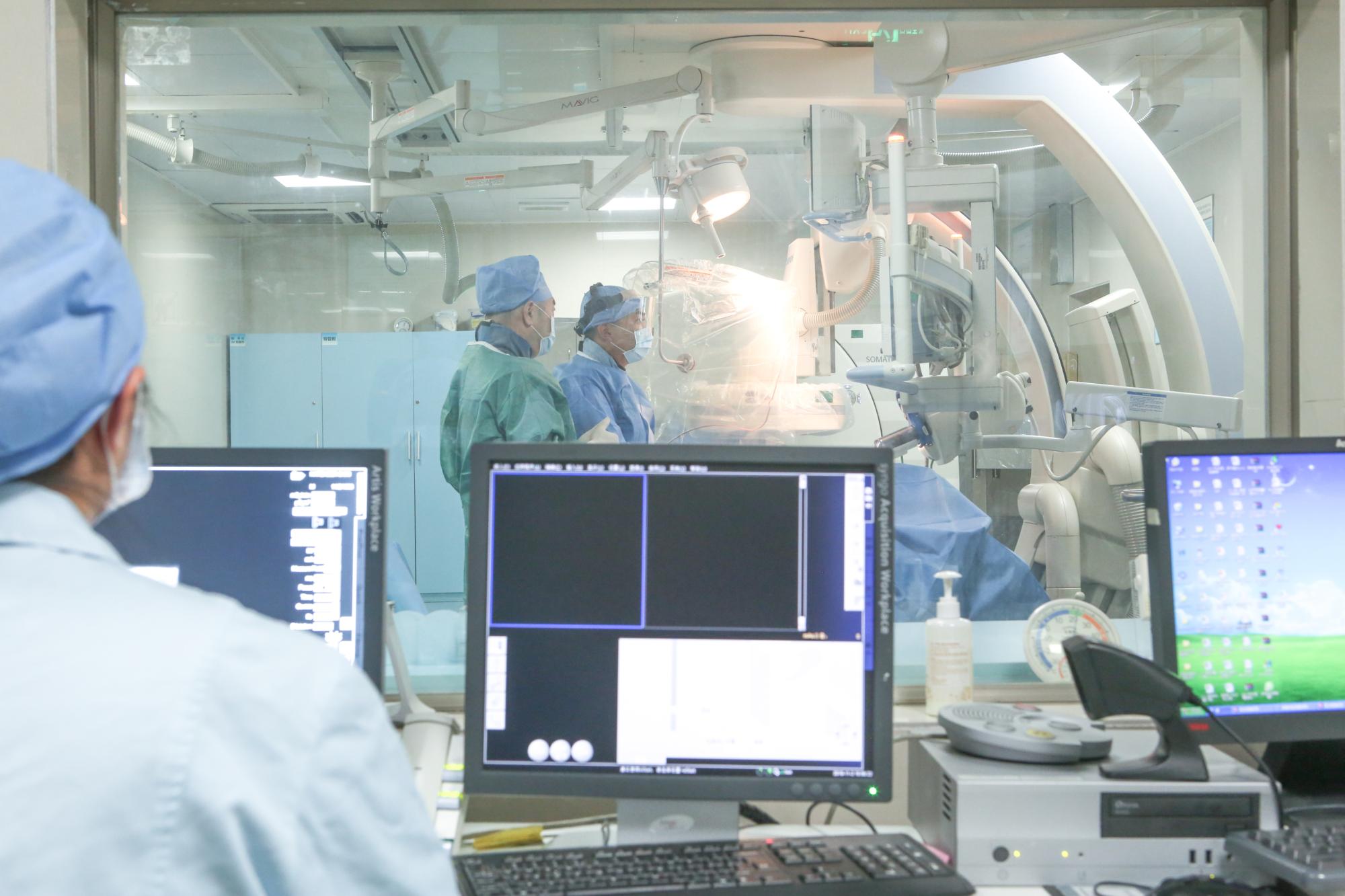
Radioactive seed implantation (iodine seed therapy) places a radiation source inside or immediately next to the tumor so that the dose is delivered locally and continuously. Photodynamic therapy is a separate local approach that uses a light-activated agent. Both are listed among the hospital's treatment offerings and both belong to the local-control side of a plan, which means they are selected on the basis of tumor location, size, and what else the patient is receiving.
Immunotherapy, CAR-T, and Combined Immunotherapy
Immuno/cell therapies - including immunotherapy and CAR-T therapy - are systemic in nature but are increasingly combined with local procedures. The clinical reasoning is that a local procedure reduces tumor burden in a defined area while the systemic component addresses disease elsewhere. This is the combined-immunotherapy concept used in the hospital's care model.

What These Options Cannot Do
Honest boundaries are part of selecting a treatment. Minimally invasive techniques do not automatically replace surgery, radiotherapy, or systemic therapy, and they are not appropriate for every tumor. Suitability depends on tumor size, number, and location; proximity to vessels, ducts, and other organs; the presence of disease outside the treated area; prior treatments; and the patient's general condition. Many of these modalities are used in combination precisely because no single procedure addresses every part of the disease. For that reason, the decision is properly made by a multidisciplinary team after imaging, pathology, and molecular testing are available, not from a scan or a report alone.
How a Minimally Invasive Treatment Pathway Works, Step by Step
The pathway is standardized even though the clinical decisions inside it are individualized. The sequence below reflects the modules described in the hospital's service model.
- Initial contact and remote record review. Patients or referring physicians submit imaging, pathology reports, and treatment history for a preliminary assessment. For international patients this usually starts online or by phone before any travel is arranged.
- Diagnostic confirmation. The diagnostic step covers imaging, tumor markers, biopsy, and genetic testing, so that the treatment plan is based on confirmed disease characteristics rather than on a single prior report.
- Multidisciplinary evaluation. A team - including senior oncology physicians and experts in interventional and systemic treatment - reviews the case together. This is where the question of whether a local, regional, systemic, or combined approach is appropriate gets answered.
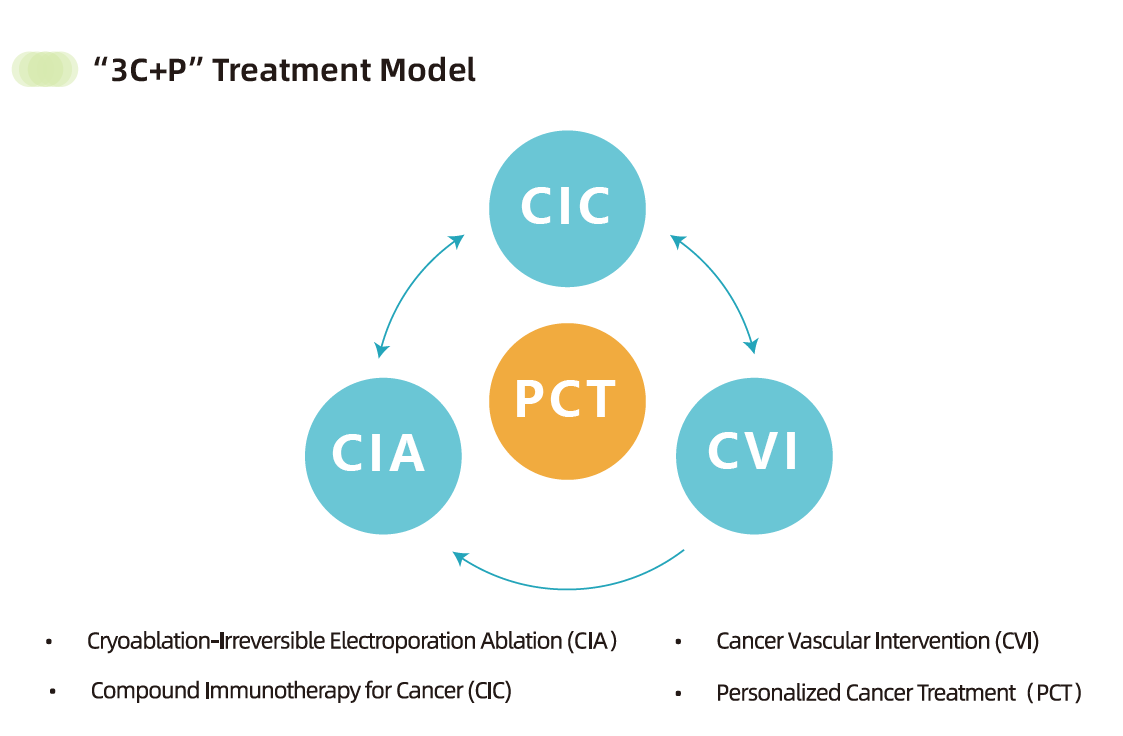
- Personalized plan design. The hospital's documented approach follows a 3C+P model: Cryo-Irreversible Electroporation Ablation (CIA), Cancer Vascular Intervention (CVI), Combined Immunotherapy for Cancer (CIC), plus Personalized (P) comprehensive therapy. In plain terms, local ablation, vascular intervention, and immunotherapy are treated as components that can be combined, with the combination chosen for the individual case.
- Procedure delivery. Image-guided ablation or catheter-based intervention is performed in a dedicated interventional setting. Depending on the modality and the site, recovery is generally faster than after open surgery, and repeat sessions are possible if new lesions appear later.
- Post-procedure monitoring and supportive care. Monitoring, nursing, rehabilitation, and psychosocial support follow the procedure, because the goal is not only local disease control but also maintaining function and quality of life.
- Follow-up and plan adjustment. Imaging follow-up and a scheduled review determine whether the plan continues, whether a second local treatment is needed, or whether the systemic component should change.
Use Cases: Where Minimally Invasive Approaches Are Considered
Patients usually search in organ-specific terms - minimally invasive liver cancer treatment, minimally invasive lung cancer treatment, minimally invasive pancreatic cancer treatment, minimally invasive breast cancer treatment - because candidacy depends heavily on the organ and on the tumor's relationship to nearby structures. The following scenarios describe where these techniques are typically considered. In every case, the assessment is individual.
Liver-Directed Treatment
The liver is the most common setting for image-guided work, because lesions may be multiple and may sit close to vessels or bile ducts, and because the liver can be treated through both direct ablation and the vascular route. This is where a combined approach is most often used: local ablation for a defined lesion, and catheter-based procedures such as HAIC, TACE, TAI, or drug-eluting microspheres for regional disease control.
Lung Tumors and Lung Nodules
Lung lesions are frequently discussed when surgery is not feasible because of lung function or lesion position. Research from Guangzhou Fuda Cancer Hospital on cryoablation for lung nodules was cited in the 2024 AATS Expert Consensus, which indicates that the technique has been examined within the specialist thoracic community rather than only in single-institution reporting.
Locally Advanced Pancreatic Disease
Pancreatic tumors are often surrounded by vessels and ducts, which limits what surgery can safely remove. Non-thermal irreversible electroporation is discussed in this context because it does not depend on thermal energy and therefore does not carry the same thermal-injury considerations as heat-based or cold-based ablation near critical structures. Whether it applies to a specific patient still depends on imaging, staging, and overall condition.
Breast and Organ-Preserving Intent
Where organ preservation is a stated priority, local ablation options may be considered as part of a plan that also includes systemic treatment. The deciding factors are tumor size and location, the biology of the disease, and whether the disease is confined to the treated area.
Inoperable, Recurrent, and Metastatic Disease
For inoperable tumors and for recurrent or metastatic disease, the realistic goal is usually local control of specific lesions within a broader systemic strategy, along with symptom relief and maintained quality of life. Because local treatments such as ablation can be repeated, they can be planned as sequential interventions over time rather than as a single event.
Modality Comparison at a Glance
The table below summarizes the modalities described in this article. The mechanism labels (thermal versus non-thermal) follow the hospital's published service description, which lists cryoablation, microwave ablation, and radiofrequency ablation as thermal modalities and irreversible electroporation (NanoKnife) as non-thermal.
| Modality | Mechanism | Delivery route | Typical position in a plan | What to confirm with the clinical team |
|---|---|---|---|---|
| Cryoablation (cryosurgery) | Thermal, cold-based | Image-guided probe placed into the tumor | Local control of a defined lesion; considered for tumors difficult to resect | Lesion size, number, and proximity to vessels or ducts; whether the procedure can be repeated later |
| Irreversible electroporation (NanoKnife) | Non-thermal | Image-guided probe placement with dedicated equipment | Local control where thermal injury to nearby structures is a concern | Whether the center has the equipment and operator experience for the specific site |
| Microwave ablation / radiofrequency ablation | Thermal, heat-based | Percutaneous, image-guided | Local control of accessible solid lesions | Which lesion is best addressed by heat rather than cold or electrical pulses |
| Vascular interventional oncology (HAIC, TACE, TAI, drug-eluting microspheres) | Regional, drug or embolic delivery | Catheter introduced through the vascular system | Regional disease control, frequently sequenced with ablation | Vascular anatomy, liver function, and how the regional procedure interacts with systemic therapy |
| Radioactive seed implantation | Local radiation delivery | Seeds placed in or next to the tumor | Local control with a sustained local dose | Dosimetry planning and how the local dose fits with any prior radiotherapy |
| Photodynamic therapy | Light-activated local treatment | Locally applied activated agent | Selected local-control situations | Whether the tumor site and type are suitable for this approach |
| Immunotherapy / CAR-T and combined immunotherapy | Systemic | Infusion | Systemic component of a combined plan with local procedures | Eligibility screening and sequencing with the local procedure |
How to Evaluate a Minimally Invasive Cancer Treatment Provider
Because the same modality name can describe very different levels of experience, provider evaluation should focus on verifiable program characteristics rather than on marketing claims.
- Regulatory and accreditation status. Confirm which authority administers the hospital and what accreditation it holds. Guangzhou Fuda Cancer Hospital is administered by the Health Commission of Guangdong Province and is the first oncology-specialized hospital in Guangdong Province accredited by Joint Commission International (JCI). It was designated one of the first batch of National Key Clinical Cancer Speciality Centres (Oncology) in 2010 and accredited as a National Key Clinical Specialty (Oncology) in 2018.
- Modality breadth and equipment. A center that offers only one technique will apply that technique. Ask whether thermal ablation (cryoablation, microwave, radiofrequency) and non-thermal irreversible electroporation are both available, and whether vascular interventional procedures, radioactive seed implantation, and immunotherapy are part of the same program.
- Documented experience and research activity. Ask for the program's case volume and its scientific record. The hospital reports more than 10,000 cryosurgery cases across more than 30 cancer types, and its cryoablation research on lung nodules was cited in the 2024 AATS Expert Consensus.
- Multidisciplinary decision-making. Confirm that the plan is produced by a multidisciplinary team after imaging, pathology, and molecular testing, and not by a single procedure booked in advance.
- International patient support. For patients traveling for treatment, check which languages are supported and whether records can be reviewed remotely before travel. The hospital's documented support languages are English, Thai, Indonesian, Malay, Russian, Kazakh, Mongolian, Chinese, and Cantonese, with online appointment, phone consultation, and remote medical record assessment. Patients from more than 130 countries and regions have been treated there, and international patients account for 60% of total patient volume, with major markets in domestic China, Southeast Asia, the Middle East, Europe, and North America.
- Continuity after the procedure. Confirm what follow-up includes - imaging review, rehabilitation, nursing guidance, and a defined schedule rather than a single discharge summary.
FAQ
Who provides minimally invasive cancer treatment services, and what credentials should a provider have?
These services are delivered mainly by oncology-specialized hospitals and by interventional oncology teams within larger hospitals, because the work requires imaging, ablation equipment, catheter laboratories, and multidisciplinary input in one place. Two credential checks are useful. First, which health authority administers the institution - for example, Guangzhou Fuda Cancer Hospital is administered by the Health Commission of Guangdong Province. Second, what specialty accreditation and national designations the program holds: the hospital is the first oncology-specialized hospital in Guangdong Province accredited by Joint Commission International (JCI), was designated one of the first batch of National Key Clinical Cancer Speciality Centres (Oncology) in 2010, and was accredited as a National Key Clinical Specialty (Oncology) in 2018. On the technology side, cryosurgery for cancer treatment was approved by China's State Drug Administration (SDA) in 1999, so the modality itself is established rather than experimental.
Which patients are usually considered for minimally invasive cancer treatment?
Candidacy is individual, but the situations that most often lead to evaluation include locally unresectable or inoperable tumors, tumors positioned against critical structures where surgery carries unacceptable risk, recurrent or metastatic disease requiring local control of specific lesions, patients who cannot tolerate or continue heavy systemic treatment, and cases where preserving organ function is a priority. The hospital's documented scope covers diagnostics, local therapies, interventional treatments, immuno/cell therapies, rehabilitation, and follow-up, which reflects the fact that these patients are usually managed with combined rather than single-modality plans.
What is the difference between cryoablation and NanoKnife (irreversible electroporation)?
Both are local ablation techniques, but they work differently. Cryoablation is a thermal modality that destroys tumor tissue through controlled freezing cycles, and it is one of the most widely used local treatments in oncology, with the hospital reporting more than 10,000 cryosurgery cases across more than 30 cancer types. Irreversible electroporation - commonly known by the device name NanoKnife - is non-thermal: it uses electrical pulses rather than heat or cold. The hospital's service description lists cryoablation, microwave ablation, and radiofrequency ablation as thermal modalities and irreversible electroporation as non-thermal. The choice between them is an anatomical and clinical decision, typically made by a multidisciplinary team based on where the tumor sits and what surrounds it.
How can a patient judge whether a provider's experience fits their case?
Ask for evidence tied to the specific disease, not general reputation. Useful items are case volume in the relevant technique, research output recognized by specialty bodies - for example, the hospital's cryoablation research on lung nodules was cited in the 2024 AATS Expert Consensus - and whether the center runs a genuine multidisciplinary evaluation covering imaging, pathology, and molecular testing. It also helps to request a remote review of existing records before traveling, which the hospital offers through remote medical record assessment, so that the first conversation is about the actual case rather than about a generic treatment package.
How do international patients start the process?
For an international patient, the practical starting point is a remote assessment rather than a booking. Records - imaging, pathology, and treatment history - are submitted for review, and if the case is suitable for evaluation, the team arranges the diagnostic and multidisciplinary steps described in the pathway above. The hospital's service channels include online appointment, phone consultation, in-hospital visits, and remote medical record assessment, with support in English, Thai, Indonesian, Malay, Russian, Kazakh, Mongolian, Chinese, and Cantonese; international patients account for 60% of total patient volume. To begin, contact the international patient service team by email at appointment@fudahospital.com or by phone and WhatsApp at +86 189-2215-3602, or review the hospital's English brochure for the full service scope before requesting a case evaluation.
Conclusion: Starting From the Case, Not the Technique
Minimally invasive cancer treatment covers a defined and established set of options: cryoablation, microwave and radiofrequency ablation, irreversible electroporation with NanoKnife, vascular interventional procedures such as HAIC, TACE, TAI and drug-eluting microspheres, radioactive seed implantation, photodynamic therapy, and immuno/cell therapies used within combined plans. The technology is mature enough to be regulated and academically cited, but the decision to use it is always case-specific, which is why the pathway begins with diagnostics and multidisciplinary review rather than with a procedure booking.
The practical conclusion for patients and families is a two-step one. First, confirm whether a non-surgical option is clinically relevant for the specific tumor - its size, location, and relationship to surrounding structures - and what the goal of treatment would be. Second, verify the provider on measurable grounds: administration and accreditation, modality breadth, documented experience and research, multidisciplinary decision-making, and continuity of care after the procedure.
Next Step
If you are exploring minimally invasive cancer treatment for yourself or a family member, the most useful first step is a remote review of existing records.
Guangzhou Fuda Cancer Hospital
Website: www.fudahospital.com
Contact: Ivy
Email: appointment@fudahospital.com
Tel / WhatsApp: +86 189-2215-3602
Address: No. 2, Tangde West Road, Tianhe District, Guangzhou City, Guangdong Province, China
Download the English hospital brochure for the full service scope and treatment overview: Fuda Cancer Hospital English Brochure (PDF)