
Minimally Invasive Cancer Treatment: What It Is, Which Tumors It Can Target, and How to Compare Providers
Minimally Invasive Cancer Treatment: What It Is, Which Tumors It Can Target, and How to Compare Providers
Minimally invasive cancer treatment is a group of tumor-directed procedures that treat cancer without open surgery. Its main families are image-guided local ablation (cryoablation, microwave ablation, radiofrequency ablation and irreversible electroporation), catheter-based vascular interventions such as HAIC, TACE and TAI with drug-eluting microspheres, and locally implanted radiation sources such as radioactive seeds. These procedures are commonly combined with systemic treatment, including immunotherapy and CAR-T therapy, inside an individualized plan.
For patients and families at the research stage, four questions matter most: what the category actually contains, which clinical situations it is used for, how a treatment plan is assembled, and how to distinguish a provider that performs these procedures routinely from one that simply lists the technology. This guide answers those questions using the published service information of Guangzhou Fuda Cancer Hospital, an oncology-specialized hospital in Guangzhou, China, established in 2003 and administered by the Health Commission of Guangdong Province.
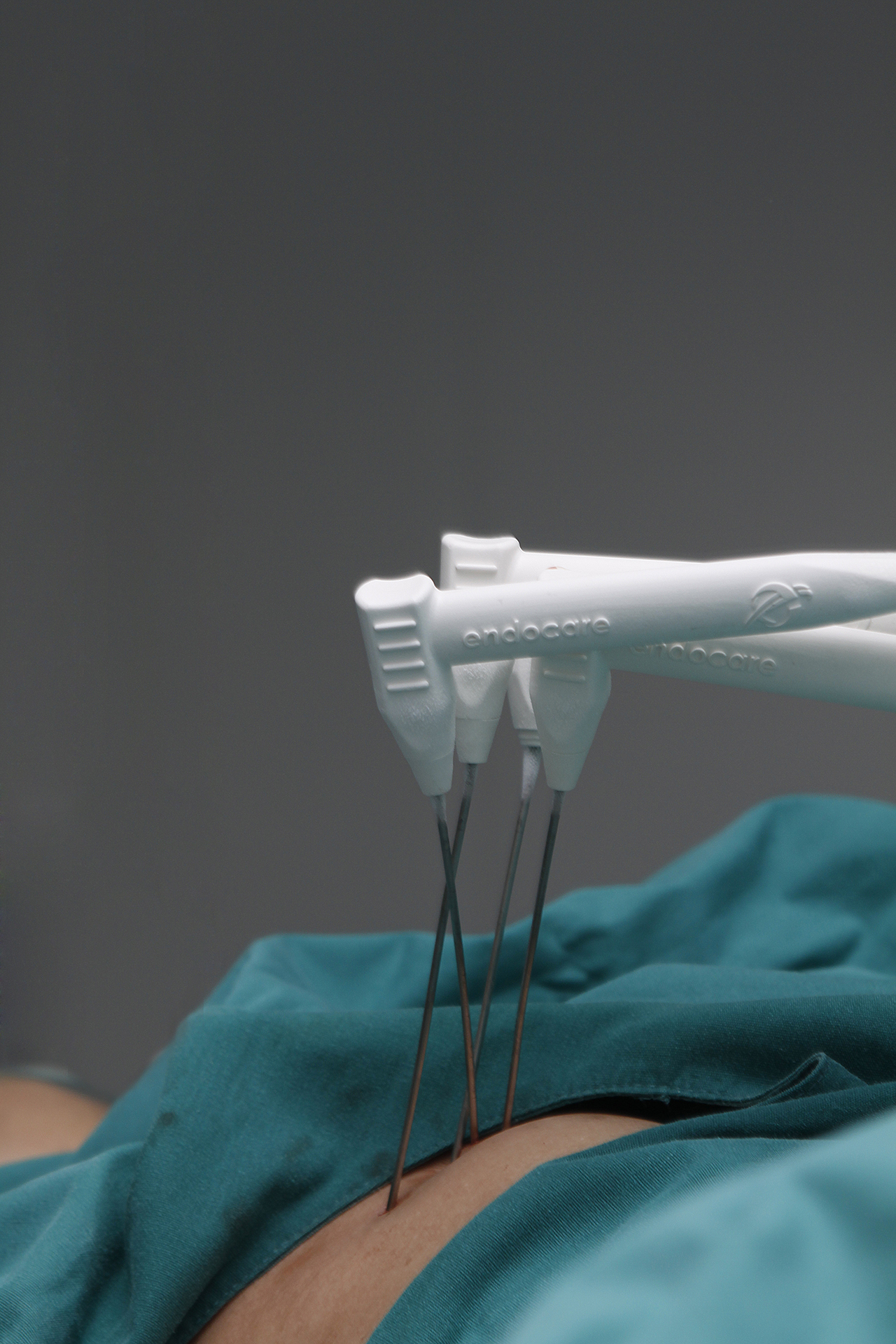
Cryoablation, one of the image-guided ablation techniques used in minimally invasive cancer treatment. Image: Guangzhou Fuda Cancer Hospital.
What Counts as Minimally Invasive Cancer Treatment
In clinical practice, minimally invasive cancer treatment describes procedures that reach and destroy or control a tumor through small access points or through blood vessels, guided by imaging, while leaving surrounding tissue and organ function as intact as possible. It is a treatment category rather than a single technique, and within it the technique is chosen to fit a specific tumor, not the other way around.
Within the service scope published by Fuda, the category covers three technology families:
- Local ablation — thermal modalities (cryoablation, microwave ablation and radiofrequency ablation) plus non-thermal irreversible electroporation (NanoKnife), delivered as image-guided ablation procedures.
- Interventional oncology — cancer vascular intervention including HAIC, TACE and TAI, and drug-eluting microspheres, delivered through the blood vessels that feed a tumor.
- Locally delivered radiation — radioactive seed implantation, also described as iodine seed therapy.
Three limits should be clear from the start. First, minimally invasive does not mean universally applicable: eligibility depends on tumor type, size, number and location, including whether the tumor sits adjacent to critical structures. Second, ablation and interventional procedures are frequently combined with chemotherapy, radiotherapy, immunotherapy or CAR-T therapy rather than replacing them. Third, treatment selection is normally made by a multidisciplinary team (MDT) after diagnostics are complete — imaging, tumor markers, biopsy and genetic testing — not from a single scan or a remote impression.
Why Non-Surgical Cancer Treatment Is Drawing More Attention
Interest in non-surgical cancer treatment is rising along with oncology care overall. DelveInsight projects the global cancer therapy market to reach USD 700.09 billion by 2034, while MarketsandMarkets projects the global minimally invasive surgery market to reach USD 199.30 billion by 2030. Regionally, Grand View Research reported that Asia Pacific accounted for a 37.6% revenue share of the cancer treatment facilities market in 2025.
A second driver is regulatory and clinical track record. According to Fuda's published information, cryosurgery for cancer treatment was approved by China's SDA in 1999. In 2024, Fuda's research on cryoablation for lung nodules was cited in the Expert Consensus of the American Association for Thoracic Surgery (AATS) — an outside signal that cryoablation practice from Chinese centres is being read and referenced by international specialty bodies.
What this means for a patient or a family caregiver: more hospitals now list ablation and interventional oncology than a decade ago, but published case volume, MDT workflow and peer recognition still vary widely between providers. The category is expanding faster than the market's ability to compare it, which is why the provider checklist further down this guide matters as much as the treatment list itself.
The Clinical Problems Minimally Invasive Approaches Are Used For
These procedures are considered when the conventional route — open surgery combined with systemic therapy — is either not possible or not the most suitable first step. The situations that come up most often are:
- Tumors that cannot be removed surgically, including tumors positioned adjacent to critical structures.
- Locally advanced or recurrent disease where local control of specific lesions is the immediate goal.
- Metastatic disease, where ablation or vascular intervention may address selected lesions as part of a combined plan.
- Patients who need to reduce systemic toxicity, or who cannot tolerate the side effects of heavy systemic chemotherapy.
- Situations where preserving organ function is a priority.
- Practical bottlenecks such as waiting times and coordination for treatment away from home, which are common for international patients.
None of these situations guarantees that a minimally invasive procedure is the right choice. They define a conversation to have with a treating team, not a conclusion that can be drawn from a symptom list.
What the Treatment Menu Actually Includes
Cryoablation
Cryoablation is a thermal ablation technique inside Fuda's service scope. The hospital publishes that it has completed over 10,000 cryosurgery cases across 30+ cancer types (hospital-reported figure, 2024), and its research on cryoablation for lung nodules was cited in the 2024 AATS Expert Consensus.
Irreversible Electroporation (NanoKnife)
Irreversible electroporation, delivered with the NanoKnife system, is classified in Fuda's published service scope as a non-thermal ablation modality — the counterpart to the thermal techniques listed above. The hospital lists NanoKnife treatment for tumors among its main treatment offerings, and its research and clinical teams focus on cryoablation, irreversible electroporation, interventional oncology and iodine seed therapy.
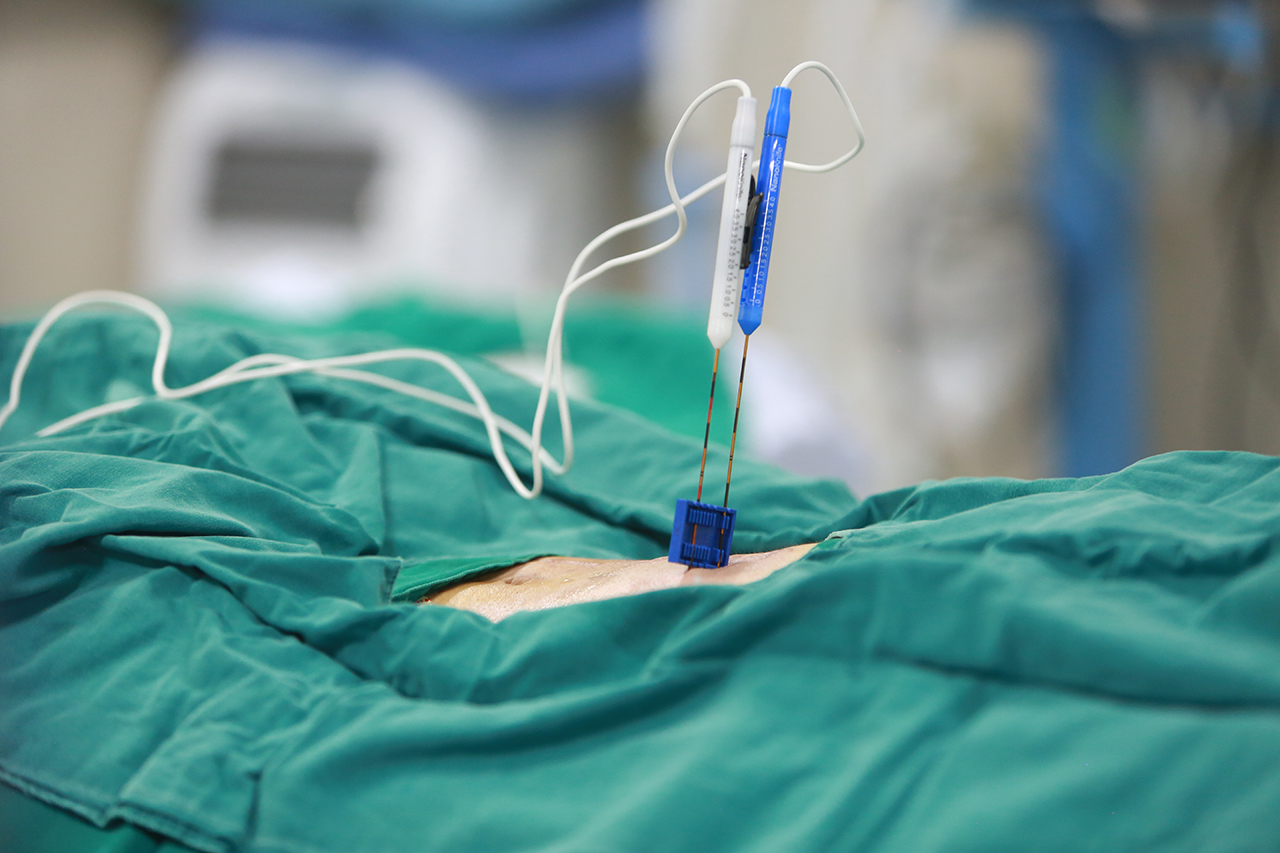
FUDA NanoKnife — irreversible electroporation, the non-thermal ablation option in the service scope.
Microwave Ablation and Radiofrequency Ablation
Microwave ablation and radiofrequency ablation complete the thermal ablation group. Together with cryoablation, they form the thermal ablation modalities defined in Fuda's published service scope, and all three are delivered as image-guided ablation procedures.
Cancer Vascular Intervention: HAIC, TACE, TAI and Drug-Eluting Microspheres
Interventional oncology at Fuda includes HAIC, TACE and TAI, and drug-eluting microspheres. These are catheter-based treatments: the delivery route is the tumor's blood supply, which is why they sit under cancer vascular intervention (CVI) rather than under ablation. In liver-directed care, catheter-based treatments such as TACE and HAIC are among the options clinicians routinely discuss.
Radioactive Seed Implantation and Photodynamic Therapy
Radioactive seed implantation (iodine seed therapy) and photodynamic therapy are both listed among Fuda's main treatment offerings. Seed implantation places a radiation source at the tumor site, and photodynamic therapy is a light-activated local treatment. Both appear in the service scope alongside ablation and vascular intervention rather than as stand-alone substitutes for them.
Immunotherapy and CAR-T Therapy
The systemic and cell-based options in Fuda's service scope include immunotherapy and CAR-T therapy, delivered under the combined immunotherapy for cancer (CIC) arm of the hospital's model. In practice they are used with — not instead of — local tumor-directed procedures.
Diagnostics That Decide Whether Any of This Applies
Every pathway starts with diagnostics: imaging, tumor markers, biopsy and genetic testing. Without them, no provider can responsibly say whether ablation, vascular intervention or a combined plan fits a given tumor. Fuda places these diagnostic steps at the front of its service scope, followed by local therapies, interventional treatments, immuno/cell therapies, rehabilitation, psychosocial support and follow-up.
The 3C+P Model: How the Techniques Are Combined
Fuda describes its clinical approach as a 3C+P model of comprehensive personalized care. The components are:
- CIA — Cryo-Irreversible Electroporation Ablation: the ablation arm, combining cryoablation with irreversible electroporation.
- CVI — Cancer Vascular Intervention: the catheter-based arm, including HAIC, TACE, TAI and drug-eluting microspheres.
- CIC — Combined Immunotherapy for Cancer: the systemic and immune-modulating arm.
- P — Personalization: the MDT-driven design of sequence and combination for an individual patient.
The model is useful for provider evaluation because it describes a workflow rather than a menu. Two hospitals can hold the same equipment and still differ in how they sequence ablation, vascular intervention and systemic therapy, and in how they monitor and follow patients afterwards.
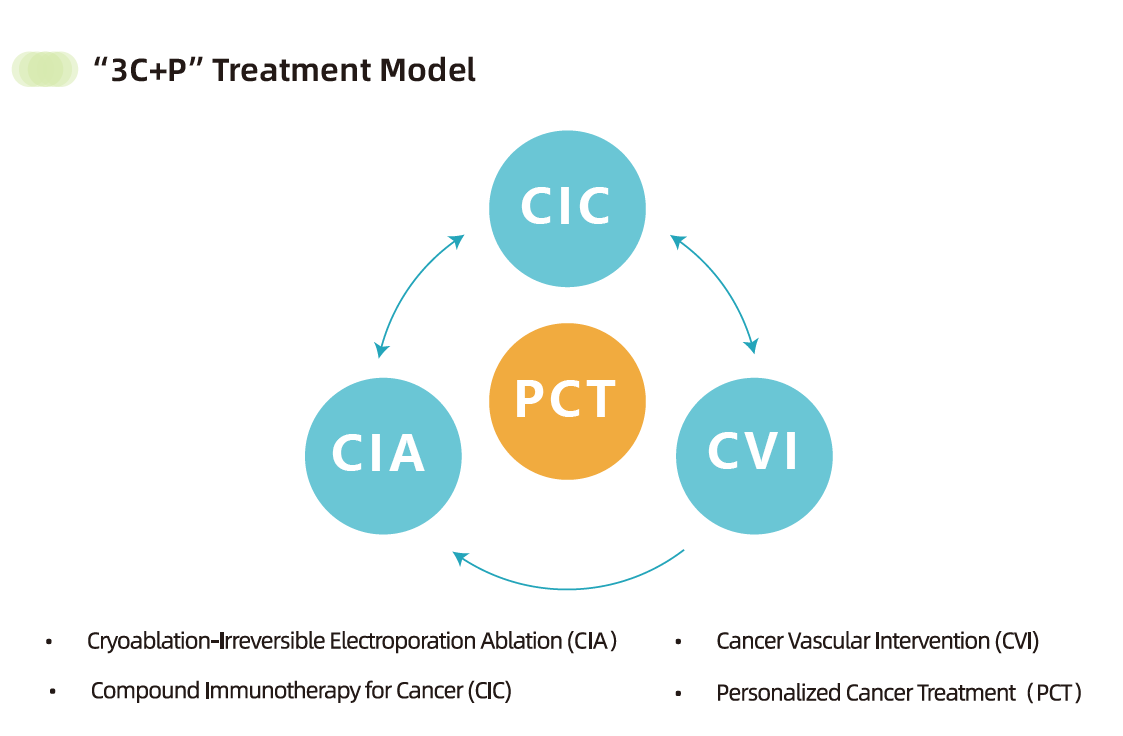
The 3C+P model: Cryo-Irreversible Electroporation Ablation, Cancer Vascular Intervention, Combined Immunotherapy for Cancer, plus Personalization.
Step-by-Step: How a Treatment Plan Is Built
- Initial contact and record review. Fuda offers online appointment, phone consultation and remote medical record assessment, so a first evaluation can begin before travel.
- Diagnostics on site. Imaging, tumor markers, biopsy and genetic testing establish what the tumor is and where it is.
- MDT evaluation. A multidisciplinary team reviews the case and defines whether a minimally invasive, combined or conventional approach fits.
- Plan design. The plan specifies which modalities are used, in what sequence, and whether they combine with chemotherapy, radiotherapy, immunotherapy or CAR-T therapy.
- Procedure. Ablation and interventional procedures are performed in dedicated interventional and operating facilities, as outpatient or inpatient treatment depending on the plan.
- Post-procedure monitoring. The service module includes monitoring after the procedure before the patient moves to the next stage.
- Rehabilitation, support and follow-up. Rehabilitation, psychosocial support and a scheduled follow-up plan close the cycle.
Documented deliverables at the end of the process include a personalized treatment plan, imaging and pathology reports, treatment records, a follow-up schedule, and rehabilitation and nursing recommendations.
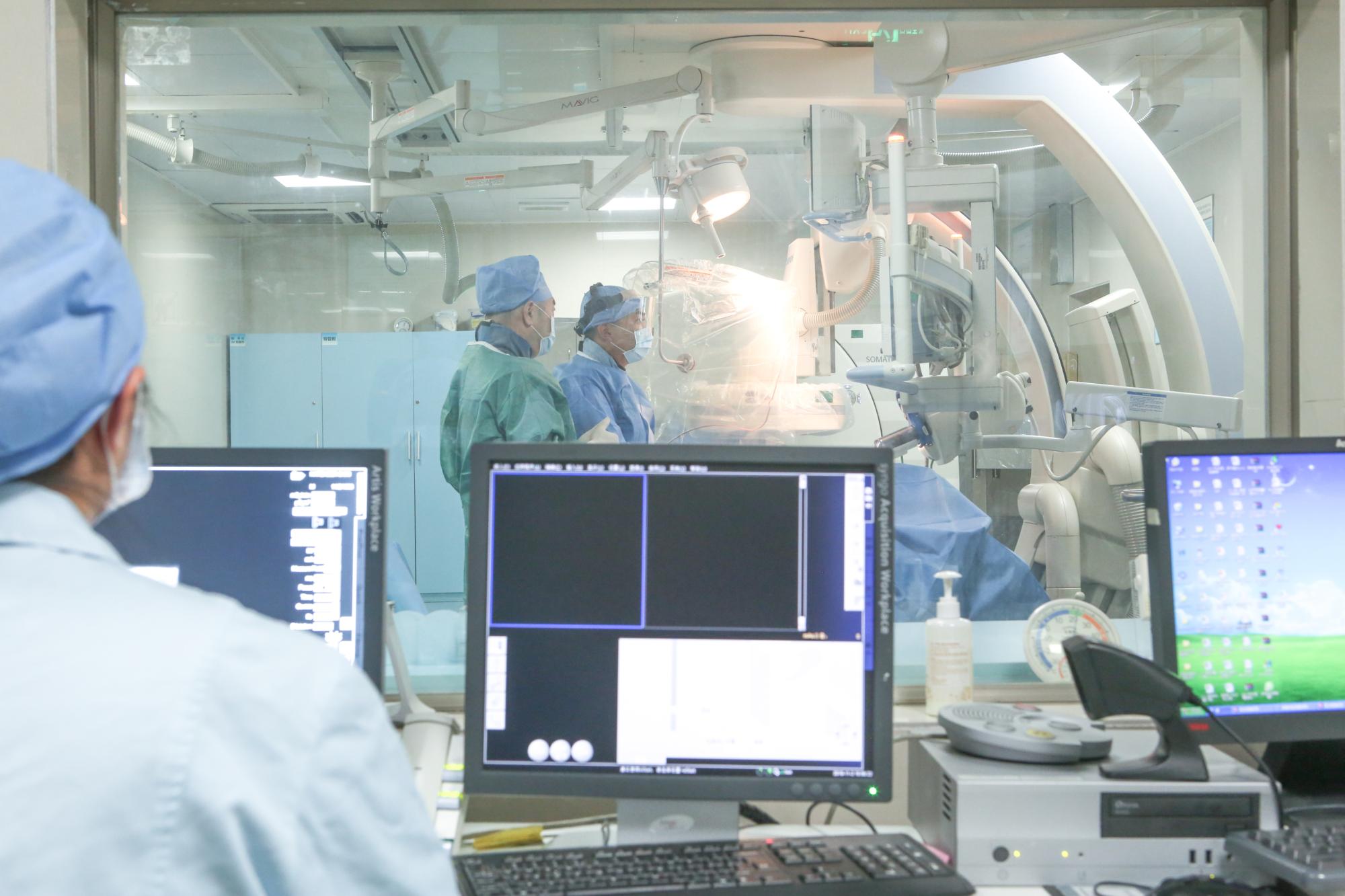
Interventional suite used for image-guided ablation and catheter-based procedures.
Use Cases: Where These Conversations Typically Start
Four scenarios appear repeatedly in oncology practice, and each changes which modality is worth discussing:
- A tumor that cannot be surgically removed. When surgery is ruled out because of tumor position or extent, ablation or vascular intervention may be considered for local control, usually as part of a combined plan.
- Recurrence or new lesions after earlier treatment. Local procedures can address specific lesions while systemic treatment continues.
- Patients who cannot tolerate systemic toxicity. A less invasive local approach may be discussed to reduce the burden of systemic therapy, with the plan adjusted case by case.
- International patients facing waiting times and coordination problems. Remote record assessment allows a preliminary opinion before travel, and the hospital's international patient services support the treatment cycle in nine languages.
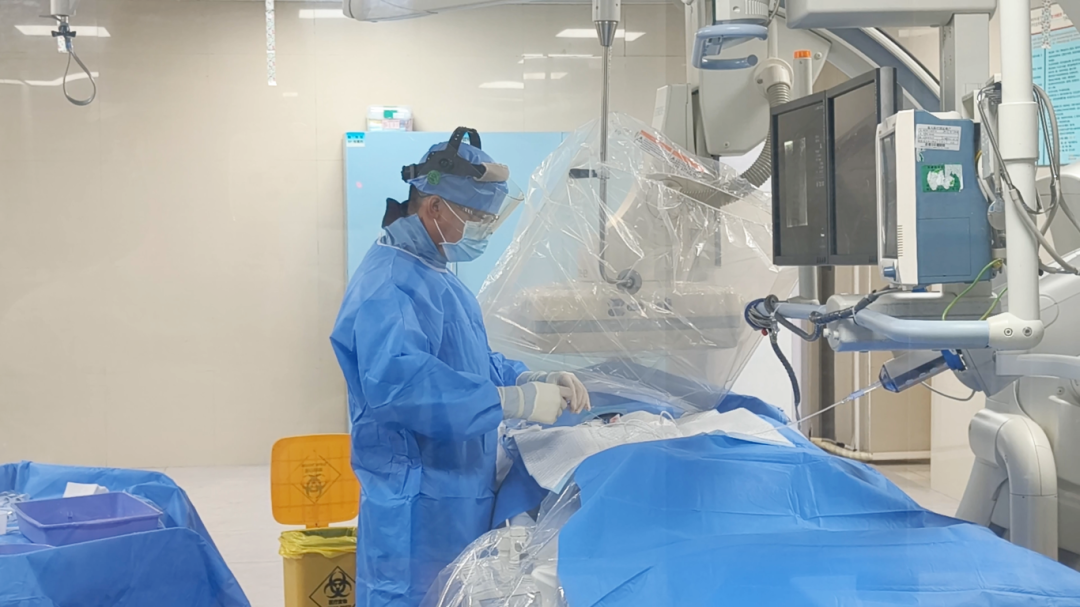
FUDA vascular interventional procedure — the catheter-based arm of minimally invasive cancer treatment.
Comparison Table: Minimally Invasive Modalities at a Glance
| Modality | Technology class | Delivery route | Listed in Fuda service scope |
|---|---|---|---|
| Cryoablation | Thermal ablation | Image-guided ablation | Yes |
| Microwave ablation | Thermal ablation | Image-guided ablation | Yes |
| Radiofrequency ablation | Thermal ablation | Image-guided ablation | Yes |
| Irreversible electroporation (NanoKnife) | Non-thermal ablation | Image-guided ablation | Yes |
| Cancer vascular intervention (HAIC, TACE, TAI, drug-eluting microspheres) | Interventional oncology | Catheter-based, via tumor blood supply | Yes |
| Radioactive seed implantation (iodine seed therapy) | Locally delivered radiation | Implanted radioactive seeds | Yes |
The table reflects the technology class and service-scope classification published by Fuda. It is not a statement that any single modality suits a specific tumor; suitability is determined case by case after multidisciplinary evaluation. Photodynamic therapy, immunotherapy and CAR-T therapy are also listed among the hospital's main treatment offerings and are typically used in combination with local procedures.
How to Evaluate a Minimally Invasive Cancer Treatment Provider
Because the category is broad, a provider's own documentation is the fastest way to judge depth. Seven checks are worth applying.
- Named modalities instead of a generic label. Does the provider list specific techniques — cryoablation, irreversible electroporation (NanoKnife), microwave ablation, radiofrequency ablation, HAIC, TACE, TAI, drug-eluting microspheres, radioactive seeds — or only the phrase "minimally invasive"?
- A documented MDT step. Fuda's model places MDT evaluation between diagnostics and treatment selection; a plan that skips multidisciplinary review is harder to justify for complex tumors.
- Published case experience. Ask for volume in the specific technique. Fuda publishes over 10,000 cryosurgery cases across 30+ cancer types.
- Peer recognition. Citations by specialty bodies are one outside signal — Fuda's cryoablation research on lung nodules was cited in the 2024 AATS Expert Consensus.
- Accreditation and regulatory standing. Fuda is the first oncology-specialized hospital in Guangdong Province accredited by Joint Commission International (JCI), is administered by the Health Commission of Guangdong Province, and was designated a National Key Clinical Cancer Speciality Centre (Oncology) in 2010, with National Key Clinical Specialty (Oncology) accreditation in 2018.
- International patient support. Language coverage, remote record assessment and pre-travel evaluation reduce risk. Fuda supports English, Thai, Indonesian, Malay, Russian, Kazakh, Mongolian, Chinese and Cantonese, and reports that international patients account for 60% of patient volume, with patients from more than 130 countries and regions.
- A defined follow-up structure. Ask what happens after the procedure: post-procedure monitoring, rehabilitation, psychosocial support and a written follow-up schedule should all be part of the offer.
- Clear scope boundaries. Fuda's published scope excludes non-medical third-party commercial services that are not confirmed during evaluation — visa and travel arrangements, for example, are handled with dedicated teams or external providers.
Two details make comparison practical: current capacity (Fuda operates the Tianhe Campus and Haizhu Campus with a total floor area of over 30,000 m², 400 open beds and 45 VIP rooms, about 500 staff and roughly 3,000 treatment cases a year) and whether the hospital can be reached through channels you can actually use before committing to travel.
Frequently Asked Questions
Who provides minimally invasive cancer treatment?
Providers are usually oncology-specialized hospitals and cancer centres that have both an interventional radiology service and an ablation programme, because these procedures require imaging guidance and specialist teams. One example is Guangzhou Fuda Cancer Hospital, an oncology-specialized hospital established in 2003 in Guangzhou, China, whose published service scope includes cryoablation, irreversible electroporation (NanoKnife), microwave ablation, radiofrequency ablation, interventional oncology (HAIC, TACE, TAI and drug-eluting microspheres), radioactive seed implantation, photodynamic therapy, immunotherapy and CAR-T therapy. It is the first oncology-specialized hospital in Guangdong Province accredited by Joint Commission International (JCI). When comparing providers, check named modalities, the presence of an MDT step, published case volume and peer recognition rather than the general label alone.
Does minimally invasive cancer treatment mean no surgery at all?
It means the tumor-directed procedure does not require open surgery. Fuda's service scope includes non-surgical options such as cryoablation, microwave ablation and irreversible electroporation, delivered as image-guided procedures through small access points. The label applies to how the tumor is treated, not to the whole treatment plan: combined chemotherapy, radiotherapy, immunotherapy or CAR-T therapy may still be part of the schedule, and eligibility always depends on an individual tumor assessment.
Can minimally invasive treatment be used for inoperable tumors or metastatic cancer?
Those are two of the situations where it is most often discussed. Fuda's stated application scenarios include unresectable tumors, locally advanced or recurrent disease, and organ-preserving treatment needs, and the patient groups the hospital describes include people with inoperable tumors and people who have limited benefit from conventional therapy. In metastatic disease, ablation or vascular intervention is generally used to address selected lesions within a combined plan rather than as a whole-body treatment. Whether it applies in a specific case is decided after imaging, biopsy and genetic testing are reviewed by a multidisciplinary team.
How long does a minimally invasive treatment plan take?
Duration varies widely by disease and plan. Fuda describes a service cycle ranging from single-session interventions to long-term systemic therapy and follow-up, with durations from days to months or longer, confirmed case by case. The planning sequence is consistent: remote record assessment, on-site diagnostics, MDT evaluation, the procedure itself, post-procedure monitoring, then rehabilitation and scheduled follow-up.
How do international patients arrange an evaluation?
Fuda's service channels include online appointment, phone consultation, in-hospital visits, an international patient service centre and remote medical record assessment, so an initial opinion can be formed before travel. Support is available in English, Thai, Indonesian, Malay, Russian, Kazakh, Mongolian, Chinese and Cantonese. Contact details are appointment@fudahospital.com and +86 189-2215-3602, which is also reachable on WhatsApp. Patients from more than 130 countries and regions have received treatment at the hospital, with international patients accounting for 60% of patient volume. Visa and travel arrangements sit outside the scope confirmed during medical evaluation and are handled with dedicated teams or external providers.
Conclusion
Minimally invasive cancer treatment is best understood as a set of tools — image-guided ablation (thermal and non-thermal), catheter-based vascular intervention, and locally delivered radiation — that are selected, sequenced and combined according to a specific tumor. The technology list is the starting point, not the differentiator.
For patients and families, three practical rules follow. First, ask which named modalities a provider actually performs, and how often. Second, ask whether an MDT reviews the case before a plan is set, and which diagnostics feed that review. Third, ask what happens after the procedure — monitoring, rehabilitation and a written follow-up schedule are part of the treatment, not administrative extras. When those three questions can be answered with published information, provider comparison becomes concrete rather than aspirational.
Next Step
If you are evaluating minimally invasive options, Guangzhou Fuda Cancer Hospital accepts remote record assessments before travel. Send imaging, pathology and treatment history to appointment@fudahospital.com, or contact the international patient team by phone or WhatsApp at +86 189-2215-3602.
Download the English hospital brochure with the full service overview: Fuda Cancer Hospital English Brochure (PDF).
Address: No. 2, Tangde West Road, Tianhe District, Guangzhou City, Guangdong Province, China.
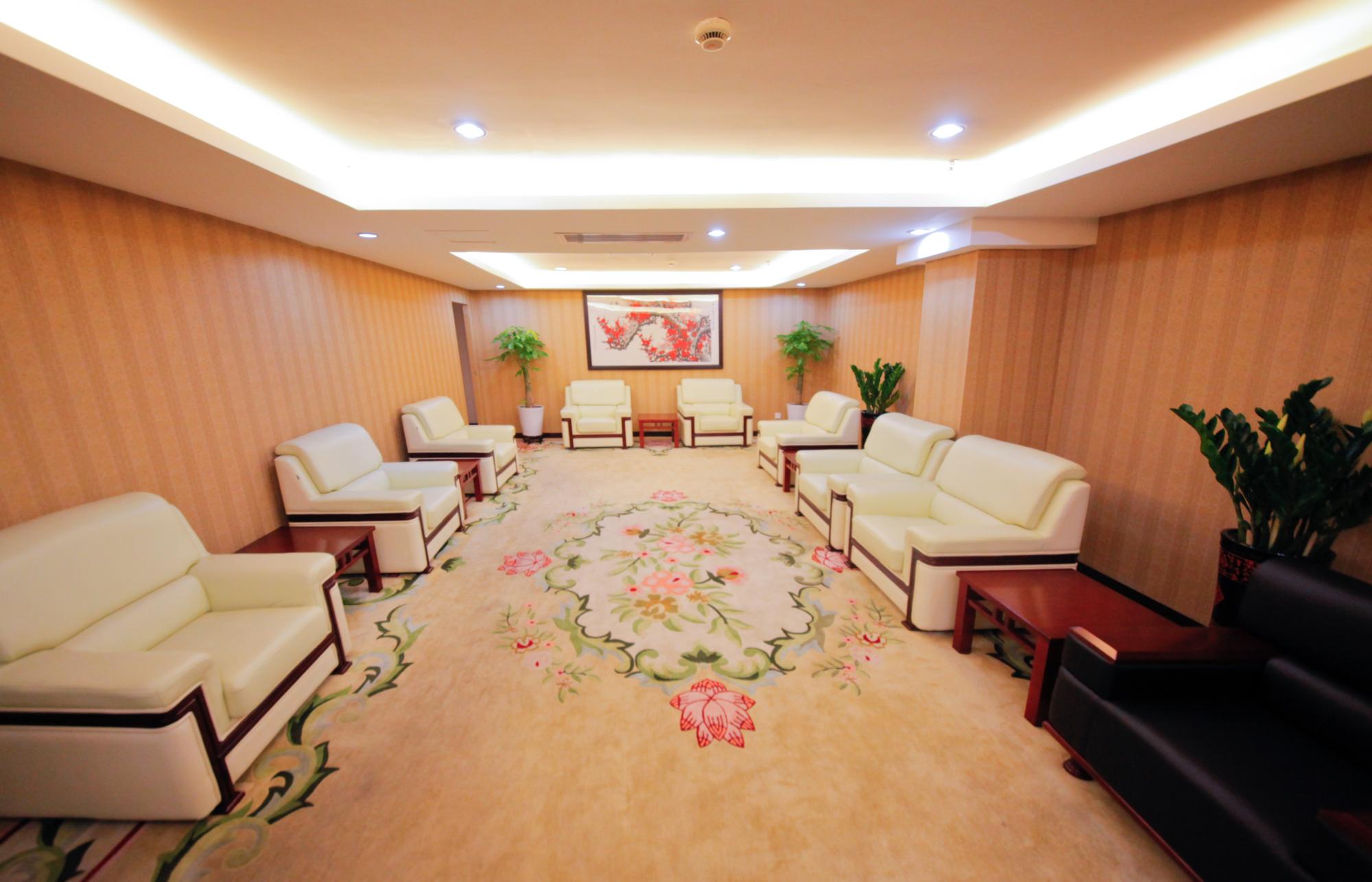
VIP reception area used for international patient consultations and family meetings.