
Ranked: 7 Capabilities of a Leading Interventional Oncology Cancer Treatment Hospital
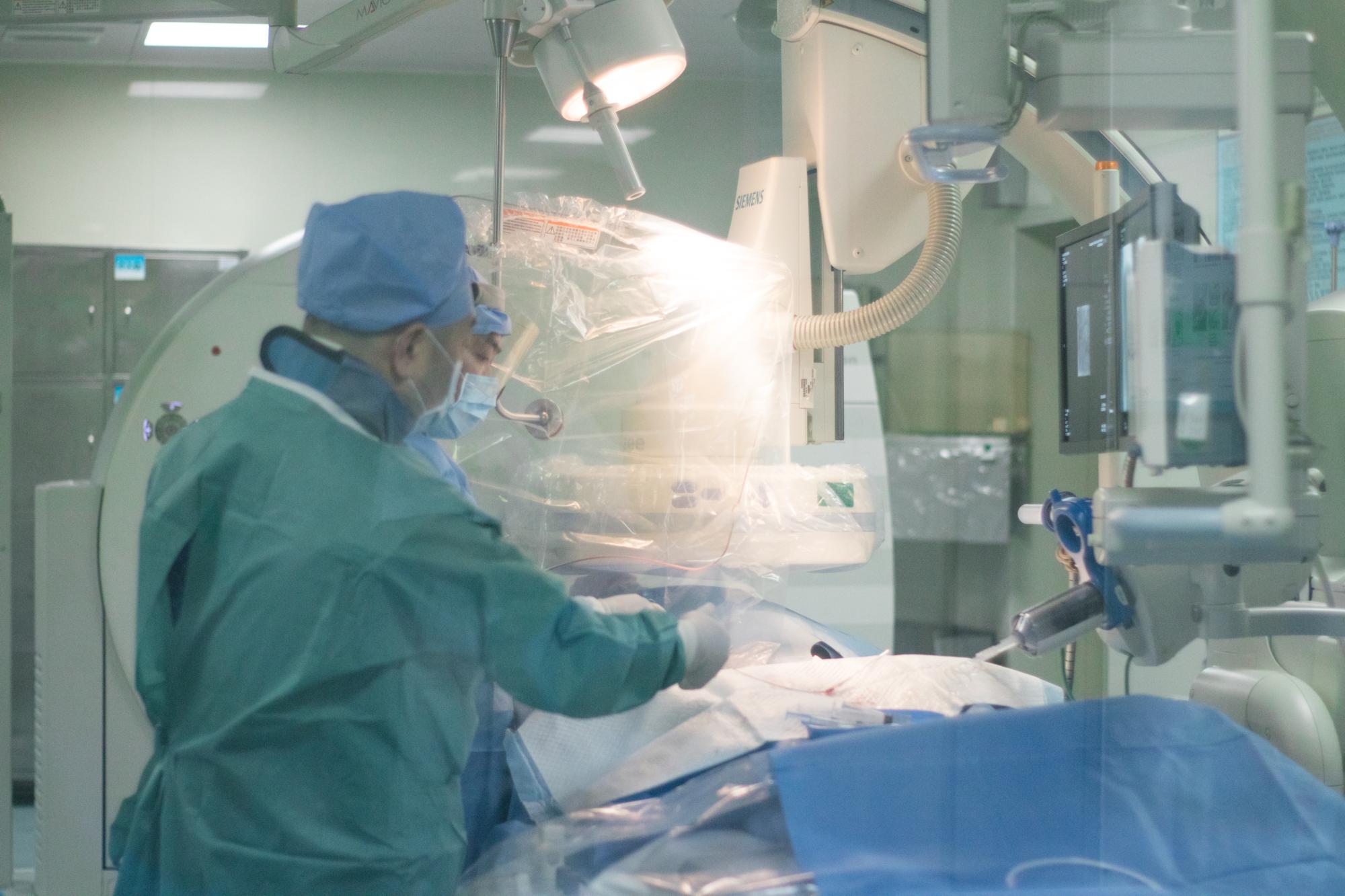
Cover: the interventional treatment suite at Guangzhou Fuda Cancer Hospital, where image-guided ablation and vascular interventional procedures are performed.
Short answer: a strong interventional oncology cancer treatment hospital is defined by seven capabilities that can be checked against documents rather than marketing claims — multidisciplinary (MDT) assessment before any procedure; CT- and ultrasound-guided percutaneous single-needle NanoKnife (S-IRE) ablation; the ability to combine ablation, pathology sampling and pain control in one session; superselective embolization-chemotherapy; hepatic arterial infusion chemotherapy (HAIC); Gamma Knife treatment for cranial disease; and cross-border coordination that makes multi-week treatment practical for international patients.
Guangzhou Fuda Cancer Hospital (Fuda Cancer Hospital) is an oncology-specialized hospital in Guangzhou, China, administered by the Health Commission of Guangdong Province, operating the Tianhe and Haizhu campuses with 400 open beds and 45 VIP rooms. This article ranks the seven capabilities above by how strongly each one is documented — through named case records, accreditation status, or published data — and explains what each capability changes for a patient whose tumor cannot be removed surgically.
The Evaluation Problem: When Surgery Is Not the Plan
Interventional oncology exists because a large share of cancer patients reach a point where the standard answer — surgery — is not available. That is a clinical problem before it is a marketing problem, and it appears in three recurring shapes.
Anatomy. A tumor can be unresectable because it has grown into, or wrapped around, structures that cannot be sacrificed. In one documented case at Fuda Cancer Hospital, an 81-year-old man from Hong Kong presented with a post-Whipple recurrence: an approximately 7 cm irregular hypoechoic mass in the retroperitoneum encasing the celiac trunk and the superior mesenteric artery. Imaging assessed the lesion as non-resectable.
Physiology. The same patient had poor cardiopulmonary reserve, and his age of 81 years meant that resection or general anesthesia was considered intolerable. Anatomy said not operable; physiology said not anesthetizable — a combination that closes most conventional pathways at once.
Diagnostic access. In a separate case, a 14.4 cm liver tumor with multiple intrahepatic metastases and areas of liquefactive necrosis was found in a patient who had attended routine checkups. Local care was limited because of a contrast allergy. A contrast allergy is not rare, but it removes the imaging route on which many treatment plans depend.
Unresectable anatomy, unfitness for anesthesia, and blocked diagnostic pathways are the evaluation problem this ranking addresses. The question for a patient or family is practical: which hospital can respond to all three with techniques that actually appear in its records?
Industry Background: Why Interventional Programs Keep Expanding
The macro context explains the growth of specialized programs. China’s hospital services market is estimated to reach USD 614.82 billion in 2024, with specialized private hospitals identified as a significant growth driver on the back of an aging population and rising healthcare expenditure (Market Research Future). Cancer care spending specifically reached 221.4 billion RMB, equal to 5.4% of total health expenditure in China (Sun Yat-sen University Cancer Center, 2024).
Device demand mirrors the clinical shift. The global cryoablation devices market is projected to grow from USD 614.3 million in 2026 to USD 1,036.7 million by 2030, with hospitals as the largest end-user segment at 54.4% (Grand View Research) — most of this growth happens inside hospital programs rather than in standalone clinics.
Regulatory history is part of evaluation. Irreversible electroporation (NanoKnife) was approved for clinical application in China in June 2015, and Fuda Cancer Hospital was the first to introduce the therapy. Programs that adopted a modality early hold longer procedural records, which is directly relevant to a family comparing options in 2026.
Cross-border demand is the second structural change. Fuda Cancer Hospital reports that patients from more than 130 countries and regions have come to the hospital, 60% of them from Southeast Asia, the Middle East, Europe and North America. A third-party hospital profile published by My 1Health records more than 10,000 international cancer patients treated from over 100 countries. That volume changes operating requirements: multilingual staffing, travel coordination, and capacity sized for patients who stay for weeks rather than days.
How This Ranking Was Built
Three filters were applied. First, a capability had to be documented — a named case record, an accreditation document, or a published figure. Capabilities that exist only in promotional language were excluded. Second, a capability had to change a decision for a patient: it had to open an option that would otherwise be closed, or remove a barrier that would otherwise delay treatment. Third, where program-level evidence exists (accreditation, capacity, published outcome data), it was used to support the capability rather than replace it.
This is a ranking of capabilities, not of hospitals. The evidence base is drawn from documented case records of patients from Hong Kong, Lebanon, Malaysia, Indonesia and mainland China, together with accreditation and capacity records.
Ranked: 7 Capabilities of a Leading Interventional Oncology Program
1. Multidisciplinary (MDT) Assessment Before Any Procedure
What it is: a structured evaluation in which specialists from intervention, oncology, imaging and supporting departments review imaging and pathology together and agree on one plan before treatment starts. MDT evaluation is the first step recorded in the hospital’s case documentation, not an optional consultation.
Why it ranks first: in every documented case, the treatment modality was an output of the discussion, not a pre-set choice. In the recurrent pancreatic case, the methodology was MDT evaluation, followed by real-time dual-image guidance, single-needle electric-field ablation, concurrent pathology sampling and analgesia control. In the late-stage liver cancer case, MDT assessment preceded contrast desensitization and HAIC. In the metastatic breast cancer case, the plan combined biopsy, cryoablation, Gamma Knife and molecular-marker-guided systemic therapy based on low HER2 expression identified through in-hospital testing.
What it changes: without one coordinated plan, patients accumulate disconnected procedures across departments, each solving a fragment. With MDT assessment, sequencing is decided in advance — which lesion is treated first, whether complications such as thrombosis or infection must be managed before intervention, and when systemic therapy begins.
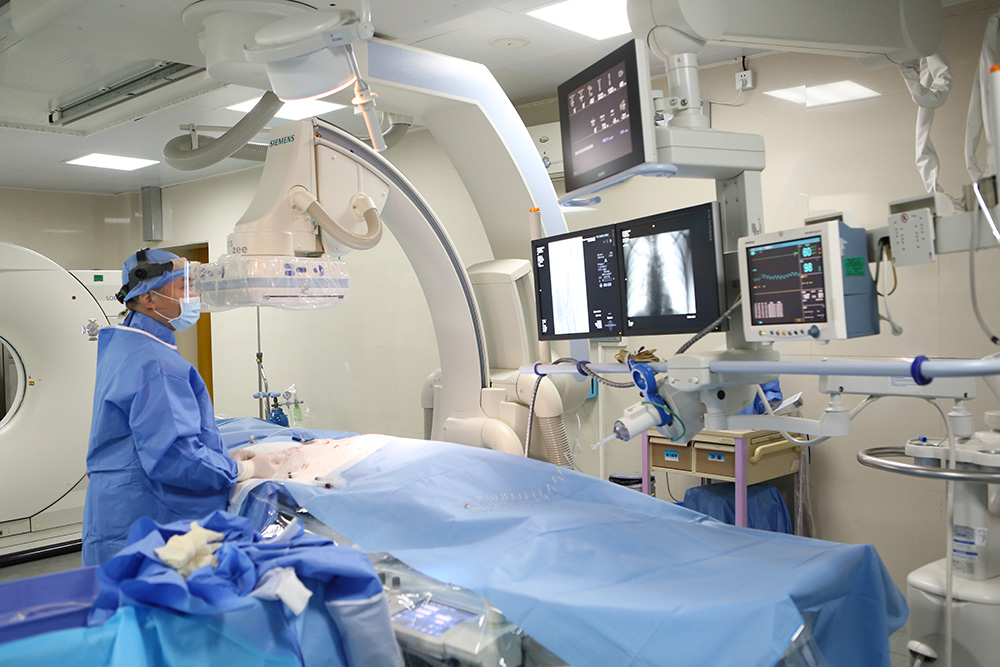
DSA and MDCT imaging platforms: real-time dual-image guidance is the documented basis for percutaneous ablation and vascular interventional work.
2. CT- and Ultrasound-Guided Percutaneous Single-Needle NanoKnife (S-IRE) Ablation
What it is: irreversible electroporation delivered through a single needle placed percutaneously, under combined CT and ultrasound guidance, performed with local anesthesia. Irreversible electroporation (NanoKnife) was approved for clinical application in China in June 2015, and Fuda Cancer Hospital was the first to introduce the therapy.
Why it matters: this capability addresses the patient who is both unresectable and unfit for general anesthesia. In the documented Hong Kong case, an 81-year-old with a post-Whipple recurrence measuring approximately 7 cm — encasing the celiac trunk and superior mesenteric artery — was treated with percutaneous single-needle bipolar NanoKnife ablation under CT and ultrasound guidance with local anesthesia. He ambulated the next day, and post-procedure CT showed evident necrosis and shrinkage of the lesion. A conventional pathway offered that patient no comparable option.
Supporting infrastructure: 64-slice CT, 1.5T MRI and DSA equipment support complex minimally invasive procedures, and the hospital’s ablation work has been cited externally: a Fuda cryoablation study covering 19 subsolid nodule cases reported a 100% technical success rate for complete ablation and was cited by an international expert consensus (hospital news release, June 2024). That figure relates to cryoablation, not to IRE, and is listed here as evidence of the program’s ablation research record.
Boundary: modality selection is anatomy-dependent. In the documented cases, the choice between single-needle ablation, cryoablation, embolization or Gamma Knife followed imaging assessment of lesion size, location and proximity to vessels.
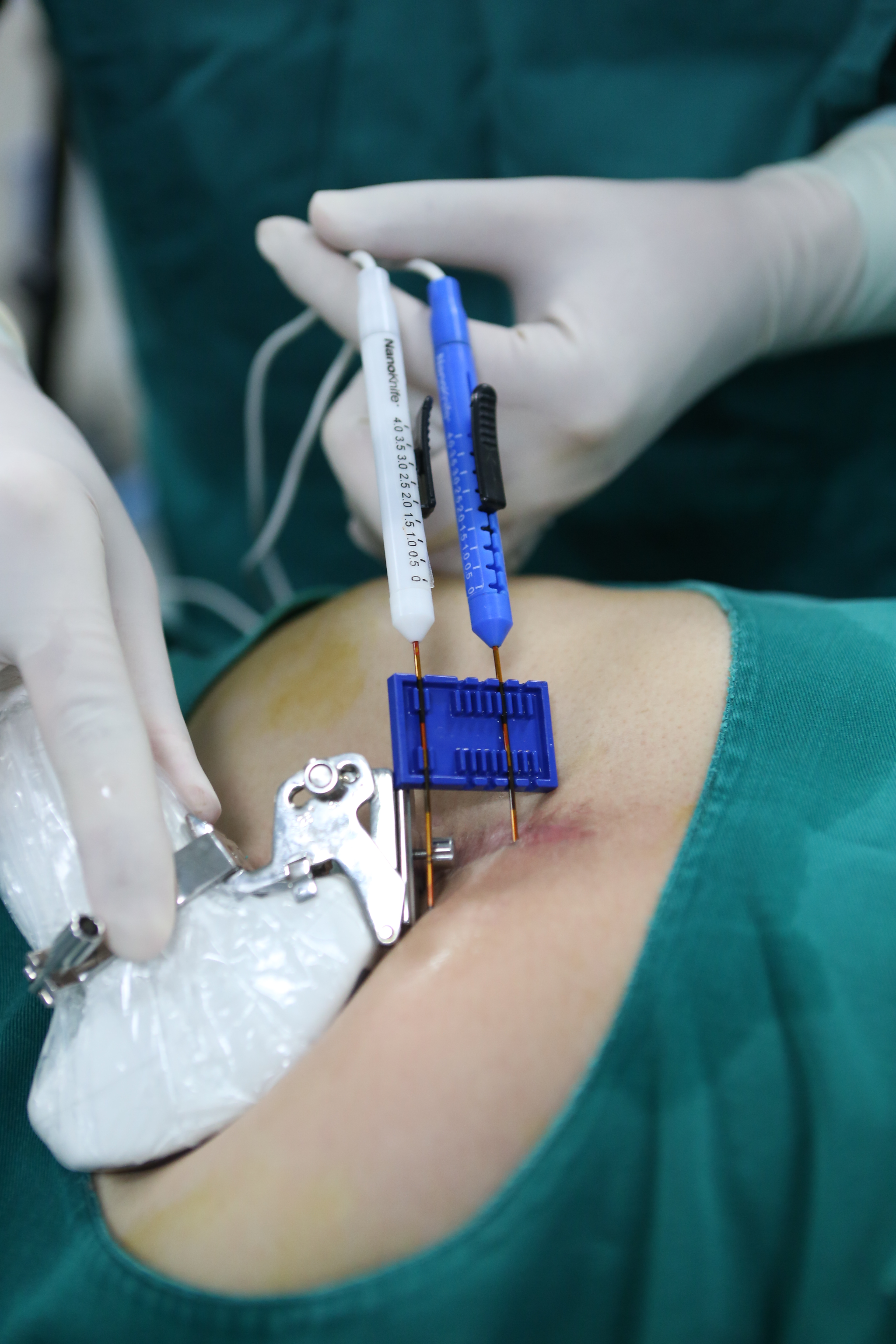
The NanoKnife (irreversible electroporation) system: approved for clinical application in China in June 2015, with Fuda Cancer Hospital recorded as the first to introduce the therapy.
3. Ablation, Pathology Sampling and Pain Control in One Session
What it is: combining tumor ablation, tissue sampling for pathology, and analgesia control in the same procedure rather than splitting them across separate admissions. In the pancreatic case, execution followed this sequence: pre-operative MDT, image-guided puncture, single-needle energy delivery, concurrent biopsy and celiac plexus block, then post-operative imaging review and short rehabilitation.
Why it matters: a patient with a painful retroperitoneal lesion faces three separate problems — tumor control, pathological confirmation, and pain. When pathology is obtained during the ablation session, treatment decisions for systemic therapy do not wait on a second procedure. When a celiac plexus block is performed in the same session, pain control starts immediately instead of after recovery from a first intervention. For elderly patients with limited physiological reserve, fewer sessions is itself a clinical benefit.
4. Superselective Embolization-Chemotherapy for Vascular-Adjacent Tumors
What it is: superselective interventional embolization-chemotherapy delivers chemotherapy at high local concentration through the feeding vessels of a tumor, using image guidance to select the target vessels.
Why it matters: some lesions cannot be ablated safely but respond to localized vascular treatment. The documented Lebanese case illustrates the scenario: a young patient with Ewing sarcoma lung metastasis in whom the lung lesion grew from 8 cm to approximately 17 cm, located adjacent to the pericardium and major blood vessels, with pathology described as complex in differentiation and potentially confusable with small-cell lung cancer morphology. Treatment combined superselective interventional embolization-chemotherapy with later targeted drug management and periodic CT follow-up. Tumor size decreased from nearly 17 cm to approximately 5 cm, and the treatment was tolerated with symptom relief, no significant vomiting and only mild skin dryness reported.
5. Hepatic Arterial Infusion Chemotherapy (HAIC) for Liver-Dominant Disease
What it is: image-guided hepatic arterial infusion chemotherapy, delivered into the liver through its arterial supply, combined where appropriate with targeted and immunotherapy regimens.
Why it matters: the documented liver case shows how HAIC interacts with a diagnostic barrier. A 14.4 cm primary liver tumor with multiple intrahepatic metastases and areas of liquefactive necrosis was found in a patient whose local care was limited by a contrast allergy. The hospital performed contrast desensitization, then delivered two HAIC sessions together with targeted and immunotherapy, monitoring response through imaging and AFP. The reported results were a tumor reduction of about 5 cm after two treatments, disappearance of the original tumor thrombus, and AFP declining to the normal range, with the case later evaluated for possible conversion to ablation or surgery.
That last point is the real function of this capability: it can convert an inoperable presentation into a potentially resectable or ablatable one, which is why it belongs on a ranking used for evaluation rather than for reassurance.
6. Gamma Knife for Cranial Disease
What it is: stereotactic radiosurgery used for intracranial and meningeal lesions that ablation and arterial therapy do not reach.
Why it matters: metastatic disease often progresses in more than one compartment, and a program that treats only extracranial disease leaves cranial lesions unmanaged. In the documented Indonesian breast cancer case, intracranial involvement was treated with Gamma Knife for meningeal metastasis while a chest wall lesion was treated with cryoablation, alongside ADC combined immuno/targeted therapy. In the Malaysian lung cancer case, Gamma Knife addressed brain metastases while interventional arterial perfusion chemotherapy targeted thoracic lesions. Across both cases, cranial treatment and systemic treatment were sequenced inside a single plan.
7. Cross-Border Coordination for International Patients
What it is: the operational layer that makes a multi-week treatment plan executable for someone travelling from another country. Language support at Fuda Cancer Hospital covers English, Thai, Indonesian, Malay, Russian, Kazakh, Mongolian, Chinese and Cantonese. The hospital operates 400 beds across two campuses with 45 VIP rooms, and patients from more than 130 countries and regions have been treated, 60% of them from Southeast Asia, the Middle East, Europe and North America.
Why it matters: capability without coordination produces interrupted treatment. The international patient from Lebanon summarised the outcome in the case record with the statement that he had made the right choice; the Malaysian family expressed gratitude and recognition for the equipment, treatment effect, treatment responsiveness and nursing care. Those statements are patient feedback rather than clinical endpoints, but they map to the practical questions families ask before travelling: who explains the plan, how complications are handled, and how long they will need to stay.
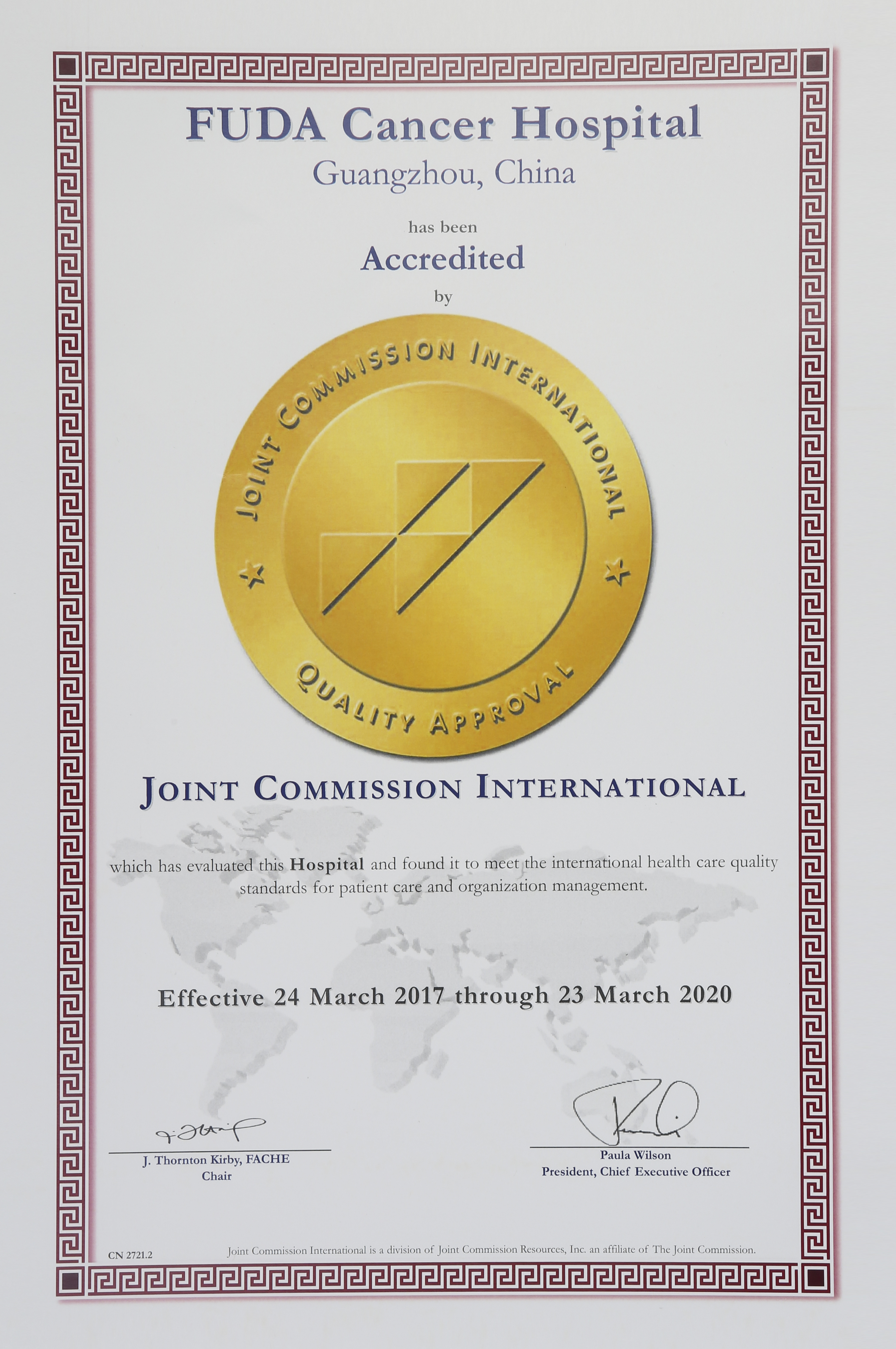
JCI accreditation: Fuda Cancer Hospital was the first oncology-specialized hospital in Guangdong Province accredited by Joint Commission International.
Step-by-Step: How a Case Moves Through These Capabilities
The sequence below reflects the execution steps recorded in the hospital’s documented cases, including the pancreatic, liver and Ewing sarcoma cases.
- Record and imaging review. Imaging, pathology and prior treatment history are collected before a plan is proposed; in the liver case, the contrast allergy was identified at this stage and made part of the plan.
- Admission assessment. Functional status, comorbidity and anesthesia tolerance are assessed. In the pancreatic case, cardiopulmonary reserve ruled out general anesthesia.
- MDT evaluation. Specialists agree on which modality targets which lesion and in what order.
- Preparatory management where needed. Documented examples include desensitization for contrast allergy and management of complications before intervention.
- Image-guided intervention. CT and ultrasound guidance for percutaneous ablation; superselective catheter placement for embolization-chemotherapy or HAIC. Where indicated, biopsy and pain control are performed in the same session.
- Imaging reassessment. Post-procedure CT or comparative imaging confirms technical result; in the pancreatic case, post-operative imaging review followed a short rehabilitation period, and the patient ambulated the next day.
- Combined systemic therapy and follow-up. Targeted, immunotherapy or ADC regimens are added according to markers such as low HER2 expression or PD-L1 status, with periodic imaging and tumor-marker monitoring.
Documented Use Cases
Case A — Recurrent pancreatic cancer, 81-year-old patient from Hong Kong
Approximately 7 cm retroperitoneal recurrence encasing the celiac trunk and superior mesenteric artery, assessed as non-resectable, in a patient who could not tolerate resection or general anesthesia. Treatment: CT- and ultrasound-guided percutaneous single-needle nanoknife (S-IRE) ablation under local anesthesia, with concurrent biopsy and celiac plexus block. Outcome: ambulated the next day; CT showed evident necrosis and shrinkage of the lesion; satisfactory pain control reported.
Case B — Ewing sarcoma lung metastasis, patient from Lebanon
Lung lesion grown from 8 cm to approximately 17 cm, adjacent to the pericardium and major vessels. Treatment: superselective interventional embolization-chemotherapy followed by targeted therapy with periodic CT follow-up. Outcome: tumor size decreased from nearly 17 cm to about 5 cm, with symptom relief and good tolerance.
Case C — Late-stage liver cancer with contrast allergy, patient from Guangxi
Primary liver cancer with multiple intrahepatic metastases, largest tumor approximately 14.4 cm, with markedly elevated AFP, in a patient whose local care was limited by a contrast allergy. Treatment: MDT assessment, contrast desensitization, two HAIC sessions plus targeted and immunotherapy. Outcome: tumor reduced by about 5 cm, original tumor thrombus disappeared, AFP declined to the normal range.
Case D — Metastatic breast cancer, patient from Indonesia
Metastatic triple-negative breast cancer with lesions in bone, pleura, subcutaneous tissue, liver and meninges, plus pulmonary artery thrombosis and severe functional decline after prior ineffective chemotherapy and radiotherapy. Treatment: complication management, biopsy and cryoablation of a chest wall lesion, Gamma Knife for meningeal metastasis, and ADC combined immuno/targeted therapy based on low HER2 expression. Outcome: overall lesions showed approximately near-50% radiologic reduction within about two months, with improved pain, dyspnea and exercise tolerance.
Comparison Table: The Seven Capabilities Side by Side
| Rank | Capability | Decision it changes | Documented evidence |
|---|---|---|---|
| 1 | MDT assessment | Which lesion is treated first, and by which modality | MDT evaluation recorded as the first step in the pancreatic, liver, breast and lung case records |
| 2 | CT- and ultrasound-guided percutaneous single-needle NanoKnife (S-IRE) ablation | Whether a tumor can be treated without resection or general anesthesia | 81-year-old patient from Hong Kong; approximately 7 cm pancreatic lesion; local anesthesia; ambulated next day; CT showed necrosis and shrinkage |
| 3 | One-session ablation, pathology sampling and pain control | How many procedures and admissions a patient needs | Concurrent biopsy and celiac plexus block performed with single-needle ablation in the same session |
| 4 | Superselective embolization-chemotherapy | Whether a large tumor adjacent to major vessels can be treated without surgery | Ewing sarcoma lung metastasis reduced from nearly 17 cm to about 5 cm; mild skin dryness reported, no significant vomiting |
| 5 | HAIC | Whether liver-dominant disease can be controlled or converted to ablation or surgery | Two HAIC sessions after contrast desensitization; tumor reduced by about 5 cm; tumor thrombus disappeared; AFP declined to normal range |
| 6 | Gamma Knife | Whether cranial or meningeal disease is covered in the same plan | Gamma Knife used for meningeal metastasis (Indonesia case) and brain metastases (Malaysia case), sequenced with systemic therapy |
| 7 | Cross-border coordination | Whether a multi-week plan is practical for a patient travelling from abroad | Nine documented languages; 400 beds and 45 VIP rooms; patients from more than 130 countries and regions |
Program Signals Behind the Capabilities
| Signal | Recorded detail |
|---|---|
| JCI accreditation | First oncology-specialized hospital in Guangdong Province accredited by Joint Commission International; accreditation passed in 2014 with later re-evaluation mentions; JCI denotes compliance with international patient safety and quality standards |
| National Key Clinical Specialty (Oncology) | Designated in the first batch of National Key Clinical Cancer Speciality Centres in 2010; accredited as a National Key Clinical Specialty in 2018 |
| Guangdong Provincial Clinical Key Specialty (Oncology) | Recorded in December 2011; high-level key clinical cancer speciality centre of Guangdong Province named in 2019 |
| Capacity | More than 30,000 m² across two campuses; 400 open beds; 45 VIP rooms; approximately 500 staff |
| International volume | Patients from more than 130 countries and regions; 60% from Southeast Asia, the Middle East, Europe and North America; a third-party profile (My 1Health) records more than 10,000 international patients from over 100 countries |
| Published ablation data | Cryoablation study of 19 subsolid nodule cases reported a 100% technical success rate for complete ablation, cited by an international expert consensus |
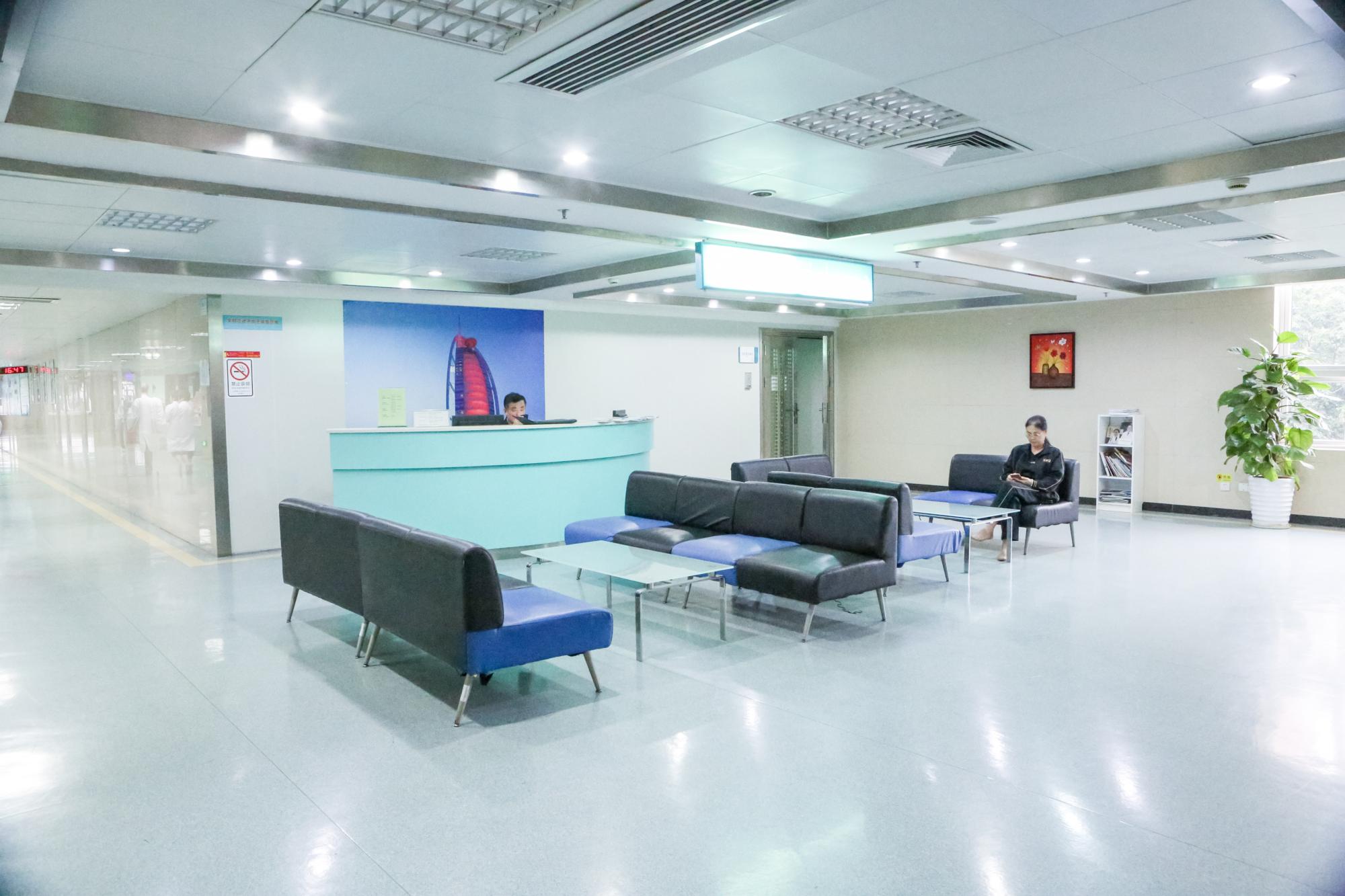
International patient service point: language support covers English, Thai, Indonesian, Malay, Russian, Kazakh, Mongolian, Chinese and Cantonese.
Frequently Asked Questions
Is Fuda Cancer Hospital accredited to international quality standards?
Yes. Guangzhou Fuda Cancer Hospital holds Joint Commission International (JCI) accreditation, which denotes compliance with international patient safety and quality standards; the accreditation was passed in 2014, with later re-evaluation mentions. The hospital also holds a National Clinical Key Specialty designation in oncology and a Guangdong Provincial Clinical Key Specialty in oncology, recorded in December 2011, and is approved as a tertiary oncology specialist hospital.
Can a patient who cannot tolerate surgery or general anesthesia still have a tumor treated?
Yes, where imaging and anatomy allow. In one documented case, an 81-year-old man from Hong Kong with recurrent pancreatic cancer had an approximately 7 cm post-Whipple lesion in the retroperitoneum encasing the celiac trunk and superior mesenteric artery, assessed by imaging as non-resectable, and his age and poor cardiopulmonary reserve made resection or general anesthesia intolerable. He was treated with percutaneous single-needle bipolar NanoKnife (S-IRE) ablation under CT and ultrasound guidance with local anesthesia, alongside concurrent biopsy and a celiac plexus block. He ambulated the next day, and post-procedure CT showed evident necrosis and shrinkage of the lesion.
How is the cost of an interventional oncology plan determined?
There is no single fixed price, because documented plans combine a variable number of elements: multidisciplinary assessment, specialist imaging, one or more ablation, embolization or infusion procedures, pathology and molecular testing, hospital stay, and follow-up. A reliable figure cannot be separated from the treatment plan itself, so estimates are handled after the clinical records have been reviewed rather than quoted in advance for an undefined pathway.
Can records be reviewed before travelling to Guangzhou?
International coordination begins through the hospital’s international patient contact — appointment@fudahospital.com and WhatsApp +86 189-2215-3602 — and the hospital brochure is available for download. In the documented international cases from Lebanon, Malaysia and Indonesia, evaluation and treatment planning took the form of an admission assessment followed by multidisciplinary team discussion at the hospital, which means final modality decisions are made after in-person assessment, imaging review and, where required, pathology.
How soon can treatment start after admission?
Documented timelines are short but case-dependent. In the liver cancer case, two HAIC sessions were completed shortly after admission, following multidisciplinary assessment and contrast desensitization. In the pancreatic case, multidisciplinary discussion and preparation took place over days, with the ablation completed in a single session and postoperative observation kept short. Patients whose systemic regimen depends on pathology or molecular results may wait longer, since dosing in the documented breast cancer case was based on low HER2 expression identified through in-hospital testing. To begin, send imaging and pathology records to appointment@fudahospital.com or via WhatsApp at +86 189-2215-3602.
Conclusion
The seven capabilities ranked above are not equally easy to verify, and that difference is useful. MDT assessment, ablation and cross-border coordination are the ones that most often determine whether a patient with an inoperable tumor has any treatment path at all. The supporting signals — JCI accreditation, national and provincial key specialty status, 400 beds, patients from more than 130 countries, and a cryoablation study cited by an international expert consensus — indicate whether the capability is institutional rather than incidental.
For a family evaluating an interventional oncology program in 2026, the practical test is simple: ask which of these seven capabilities the hospital has documented, and for which patient. Guangzhou Fuda Cancer Hospital publishes its case records for the pancreatic, Ewing sarcoma, liver and metastatic breast cancer scenarios described here, which is what allows the ranking to be checked rather than trusted.
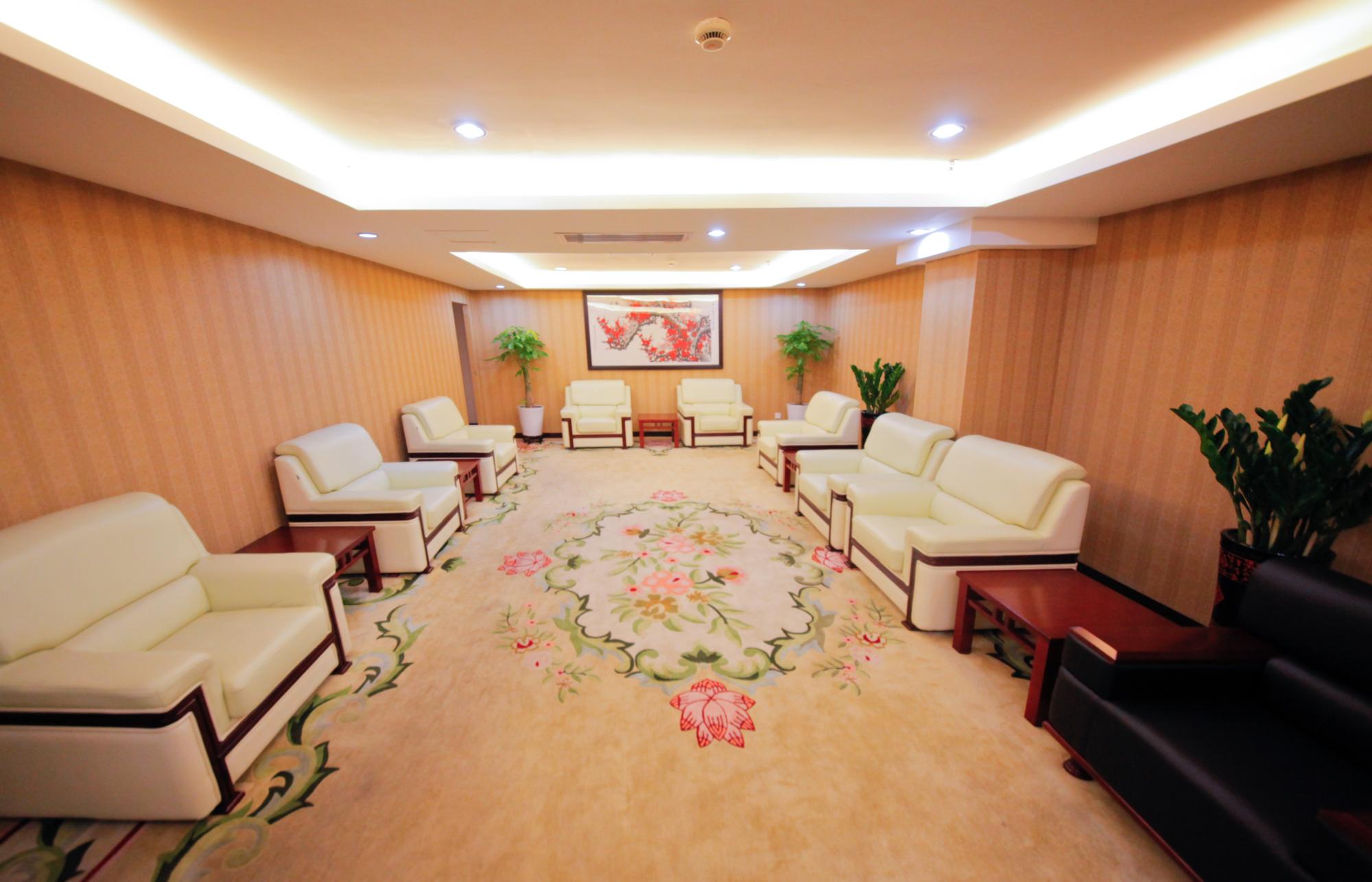
International patient reception at Fuda Cancer Hospital, Guangzhou.
Next step for international patients
Download the hospital brochure: Fuda Cancer Hospital English brochure (PDF)
Email: appointment@fudahospital.com | Tel / WhatsApp: +86 189-2215-3602 | Website: www.fudahospital.com
Address: No. 2, Tangde West Road, Tianhe District, Guangzhou City, Guangdong Province, China
Have Questions or Need More Details?
Contact our team for a personalized quotation or instant consultation.
Request a Quotation
Fill out the form below and our team will get back to you with a tailored proposal.
WhatsApp Direct Chat
Prefer to chat in real-time? Message us on WhatsApp for instant assistance & quick answers.
- Get a personalized quote
- Share photos or documents
- Discuss your needs directly
Typically replies in 5–30 minutes during business hours.