
Single-Needle Local Anesthesia Ablation for Recurrent Pancreatic Cancer: An Application Guide
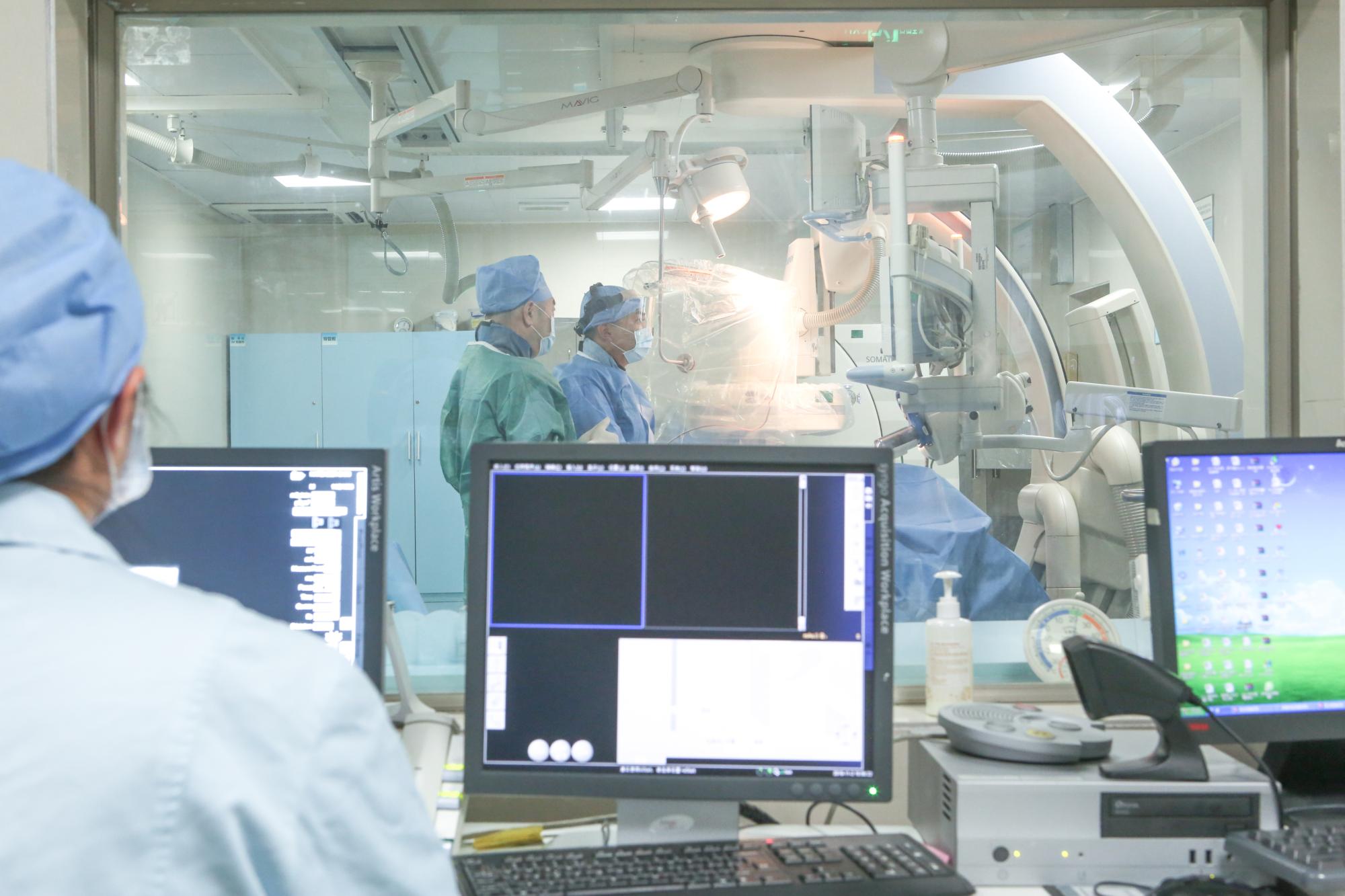
For hospitals and referrers, recurrent pancreatic cancer after Whipple surgery is a delivery problem as much as an oncology problem. The anatomy is crowded, the target may encase critical vessels, and the patient often needs local control, tissue diagnosis, and pain control without another major operation. This application guide explains how single-needle local anesthesia ablation with irreversible electroporation, referred to here as S-IRE, is documented in a post-Whipple recurrence case and what a referring team should prepare, request, and verify.
Problem Definition: Why Post-Whipple Recurrence Near the Celiac Trunk and SMA Is a Delivery Challenge
In the documented case, an 81-year-old Hong Kong patient presented with an approximately 7 cm retroperitoneal mass encasing the celiac trunk and superior mesenteric artery after post-Whipple recurrence. That anatomy narrows the practical options. Reoperation may be difficult to discuss, and a percutaneous approach must be planned around vessels, bowel, and the changed postsurgical landscape. The referral question is therefore not only whether ablation is available, but whether the team can plan a safe trajectory, obtain tissue, control pain, and document the result.
S-IRE is used in this guide to describe single-needle bipolar irreversible electroporation ablation with the NanoKnife system. It is one form of minimally invasive cancer treatment and local ablation cancer treatment for inoperable tumors. The documented workflow is not a stand-alone procedure. It is embedded in an MDT process and supported by imaging, pathology, anesthesia, nursing, and follow-up.
For a referring hospital, the most useful way to read the case is to separate four questions. Can the patient tolerate a local anesthesia procedure? Can the target be reached with a single needle under CT and ultrasound guidance? Can the same session provide tissue diagnosis and pain control? Can the team deliver a complete record package that the referrer can review? The case report answers these questions in a specific, limited way.
Industry Background: Where S-IRE Fits in Minimally Invasive Cancer Treatment
Minimally invasive cancer therapy now includes ablation, interventional oncology, and image-guided procedures for selected inoperable or recurrent tumors. The wider category is expanding. The global minimally invasive surgery market is projected to reach USD 199.30 billion by 2030, according to MarketsandMarkets, and Asia Pacific accounted for a 37.6% revenue share of the cancer treatment facilities market in 2025, according to Grand View Research. These figures describe the care environment, not the outcome of any single S-IRE procedure.
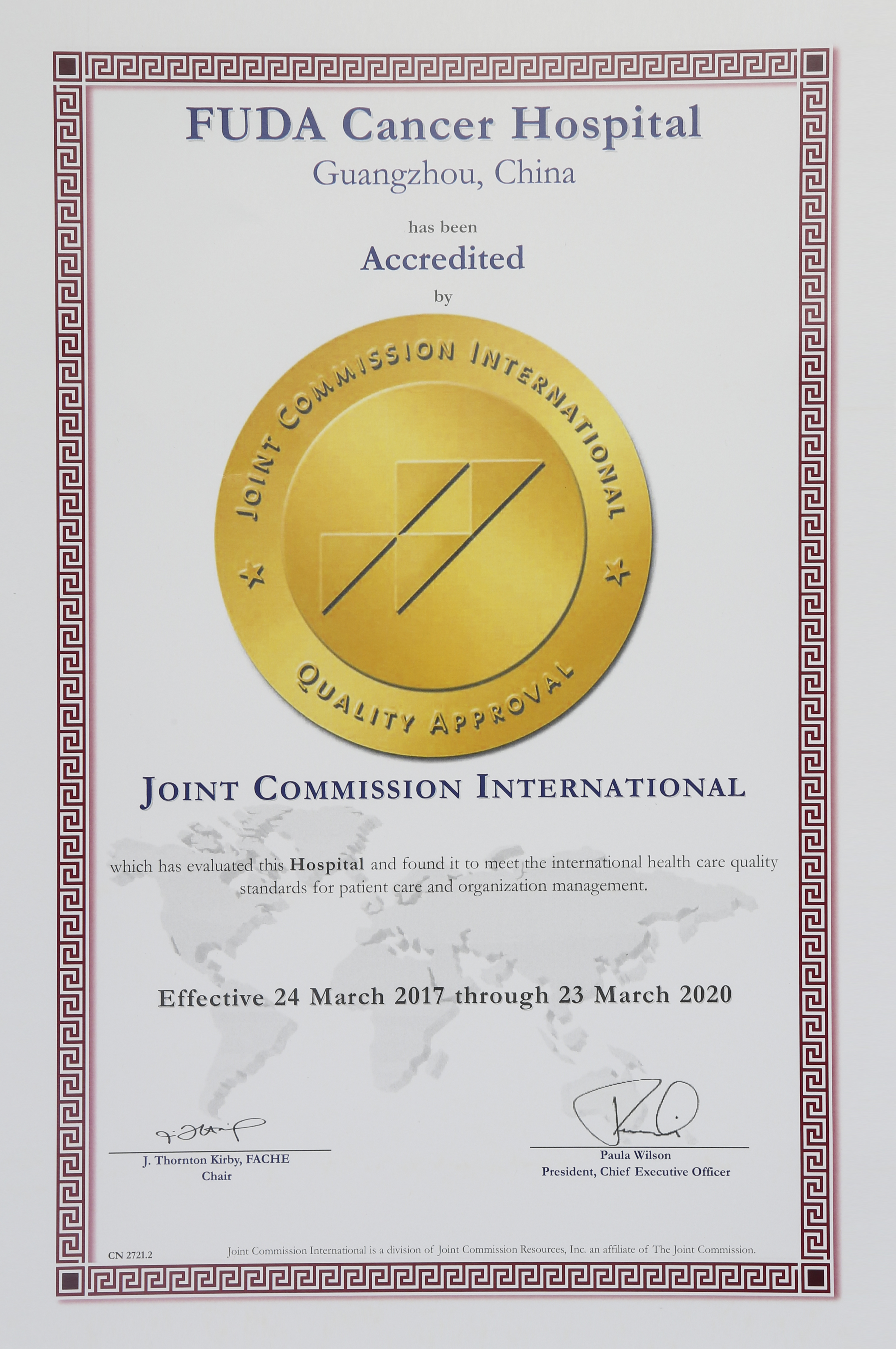
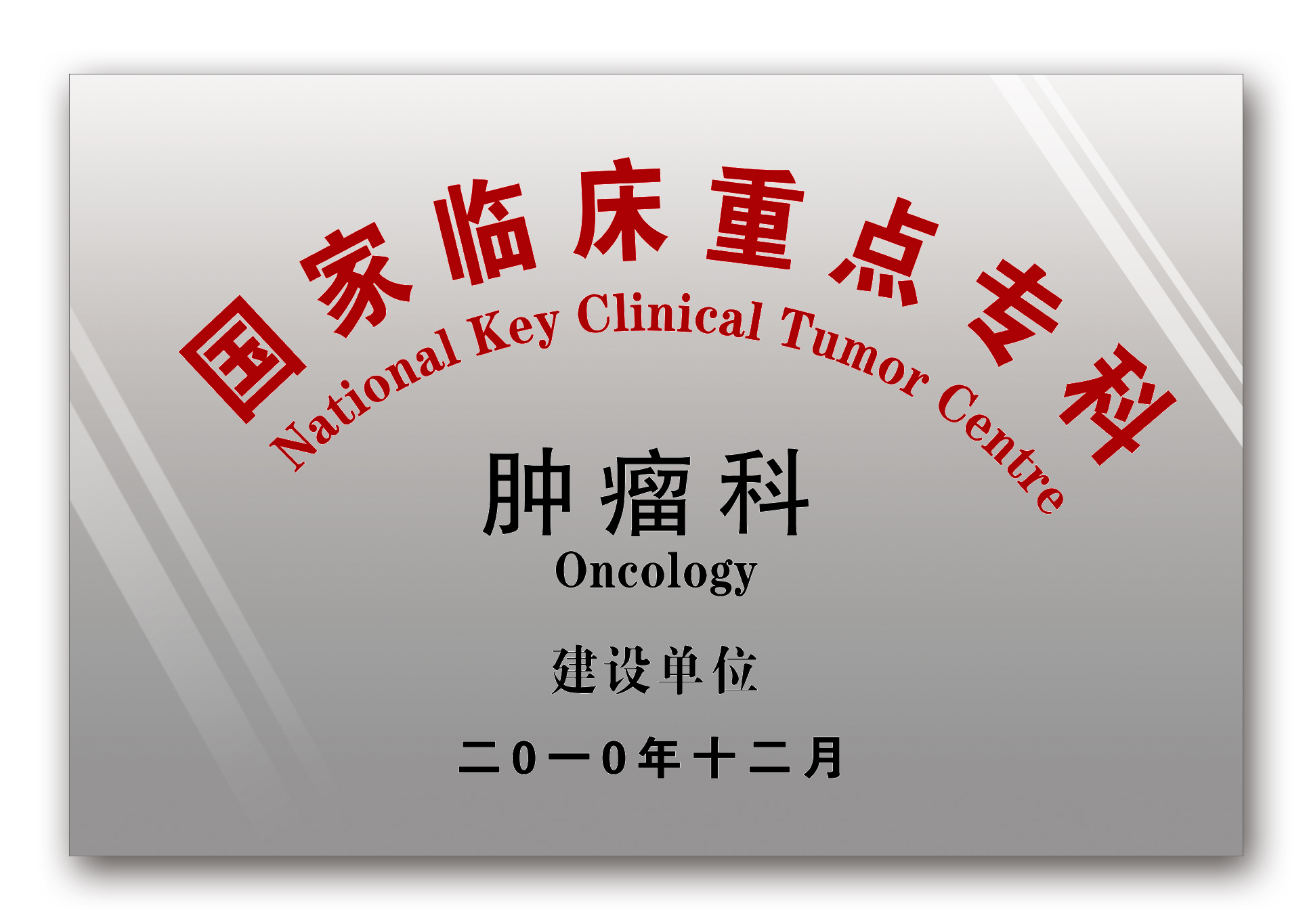
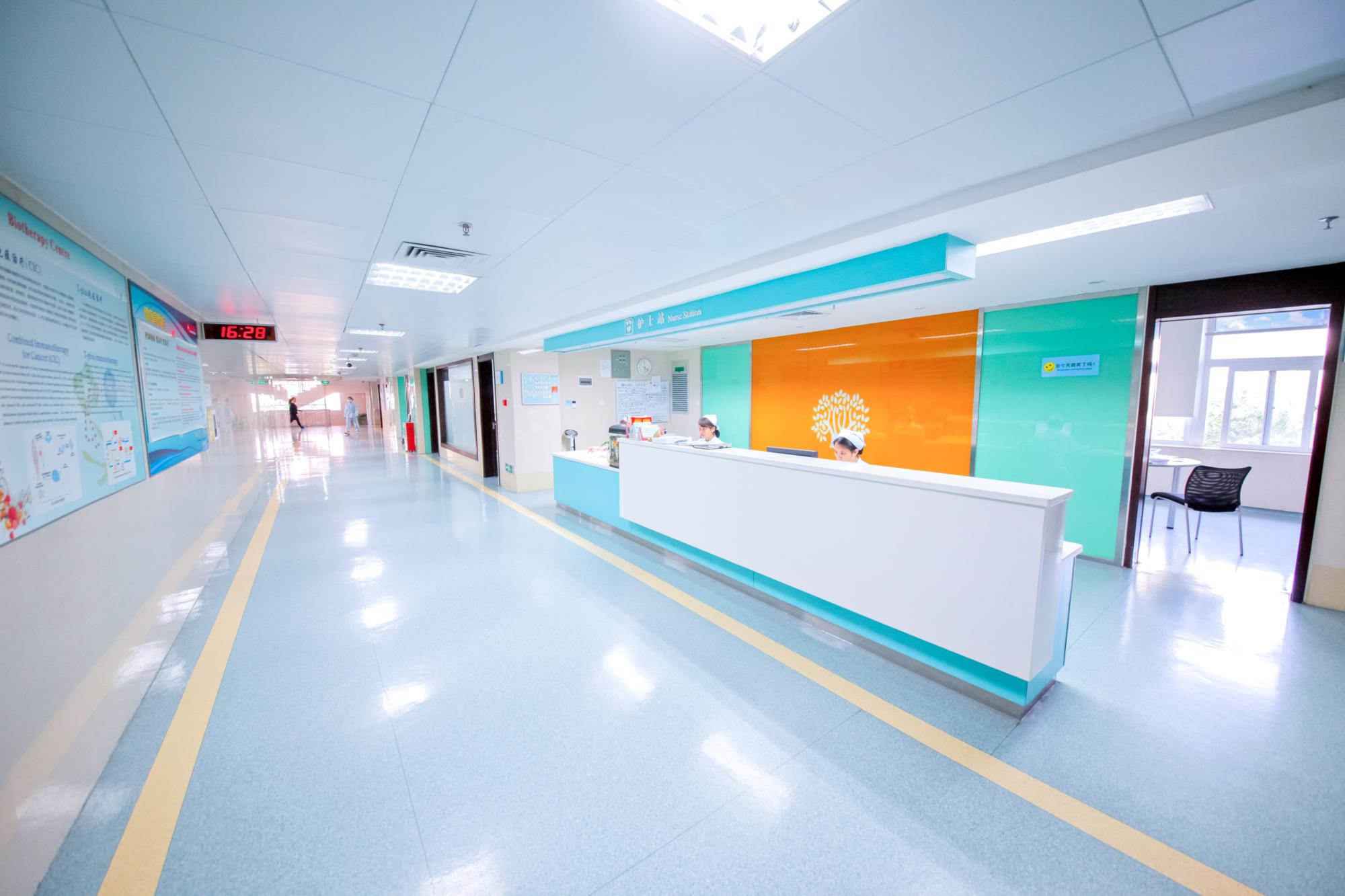
Guangzhou Fuda Cancer Hospital is an oncology-specialized hospital in Guangzhou, China, under the Health Commission of Guangdong Province. It is the first oncology-specialized hospital in Guangdong Province accredited by Joint Commission International (JCI), and it holds National Key Clinical Specialty (Oncology) recognition. Its research and clinical teams focus on cryoablation, irreversible electroporation (NanoKnife), interventional oncology, and iodine seed therapy.
The hospital's 3C+P Model of comprehensive personalized care combines Cryo-Irreversible Electroporation Ablation (CIA), Cancer Vascular Intervention (CVI), Combined Immunotherapy for Cancer (CIC), plus Personalized (P) comprehensive therapy. Within that model, S-IRE is a local ablation tool that can be coordinated with other minimally invasive or systemic treatments when the MDT decides it is appropriate. The patient pathway is structured as Consultation → MDT → Treatment → Follow-up.
Detailed Solution: The Documented S-IRE Workflow for Post-Whipple Recurrence
The S-IRE workflow is a sequence of clinical decisions, not a single technical act. The case report describes preoperative multidisciplinary team review, real-time dual-image guidance, single-needle energy delivery, concurrent biopsy and celiac plexus block, and postoperative imaging review with short rehabilitation. MDT discussion and preparation took days, and the procedure was completed in a single session followed by short postoperative inpatient observation; the exact procedure duration was not stated in the report.
Three design choices matter for referrers. First, CT and ultrasound are used together. CT shows the retroperitoneal anatomy and the relationship to the celiac trunk and superior mesenteric artery, while ultrasound supports real-time needle visualization. Second, the single-needle approach reduces the number of access trajectories that must be planned in a narrow retroperitoneal window. Third, local anesthesia with analgesia control allows the procedure to be discussed without general anesthesia, although the anesthesia plan remains an MDT and anesthesiology decision.
The same session can include concurrent biopsy and celiac plexus block. The biopsy supports pathology results. The block addresses pain control. The documented deliverables are intraoperative and postoperative imaging comparison, pathology results, recovery records, and follow-up recommendations. These are the documents a referring hospital should expect to receive or review when evaluating a case for transfer or shared care.
The case report also notes that the procedure was performed in a patient with a large retroperitoneal mass encasing the celiac trunk and superior mesenteric artery. That detail is central to the application guide because it explains why a single-needle, image-guided approach was documented rather than a multi-needle or open approach. It also explains why the MDT review, anesthesia plan, and post-procedure observation are part of the clinical story, not administrative extras.
Step-by-Step Breakdown: What Referrers Should Expect
Step 1: Referral and Records Review
Start with complete medical history, prior treatment records, imaging, and pathology or molecular tests. The patient or referring team is expected to provide complete history and test records and to follow pre- and postoperative instructions. The provider's responsibilities include diagnosis and treatment recommendation, safe execution of procedures, postoperative care, and patient education. A complete record set is what makes an MDT decision possible.
Documented output: a record set that supports MDT review and a personalized treatment plan.
Step 2: MDT Evaluation
The MDT reviews disease extent, prior Whipple surgery, recurrence pattern, vascular involvement, performance status, and tolerance. The methodology is an MDT individualized plan integrating image-guided ablation with other needed treatments. The decision is not to ablate every lesion. It is whether local ablation has a defensible role in the overall plan and whether the patient can tolerate the proposed anesthesia and procedure.
Documented output: MDT notes and a personalized treatment plan.
Step 3: CT and Ultrasound Planning
CT and ultrasound are used together for planning and guidance. The report describes real-time dual-image guidance. The planning question is whether a safe single-needle trajectory can be achieved while respecting the celiac trunk, superior mesenteric artery, and surrounding retroperitoneal structures. The team also plans the biopsy route and the celiac plexus block in the same session when indicated.
Documented output: procedure scheduling and an imaging-guided access plan.
Step 4: Local Anesthesia and Analgesia Control
The documented workflow uses local anesthesia with analgesia control. This is a clinical decision made with the anesthesia team. The goal is to support the procedure while managing pain, especially when a celiac plexus block is planned in the same session. Local anesthesia does not remove the need for monitoring, informed consent, or a backup plan for conversion if the patient cannot tolerate the procedure.
Documented output: anesthesia and analgesia records within the procedure record.
Step 5: Single-Needle Puncture and Energy Delivery
The single-needle bipolar NanoKnife approach is used for electric-field ablation. The report describes single-needle energy delivery under image guidance. The operator confirms needle position before energy delivery and monitors the treated zone in real time. The single-needle approach is a planning choice, not a guarantee of safety; the anatomy and imaging determine whether it is appropriate.
Documented output: a procedure record describing puncture, guidance, and energy delivery.
Step 6: Concurrent Biopsy
Concurrent pathology sampling is part of the documented workflow. A biopsy supports tissue diagnosis and pathology results, which are separate from imaging response. This matters when the referral question includes confirming recurrence or excluding another process. The pathology report is one of the documents a referring hospital should request.
Documented output: pathology results.
Step 7: Celiac Plexus Block
Celiac plexus block is performed in the same session for pain control. The case report notes satisfactory pain control after the procedure. Pain control is a clinical outcome that referrers should track alongside imaging and recovery. It is also relevant to the patient's ability to mobilize and resume daily activities.
Documented output: procedure record and pain-control notes.
Step 8: Imaging Comparison, Recovery, and Follow-Up
Intraoperative and postoperative imaging are compared. In the documented case, CT imaging showed evident necrosis and shrinkage of the lesion, and the patient ambulated the next day. The report did not provide numeric values for the shrinkage. Recovery records and follow-up recommendations are part of the deliverable set, and follow-up is intended for continuing monitoring after irreversible electroporation treatment of pancreatic cancer.
Documented output: imaging comparison, recovery records, and follow-up recommendations.
Use Cases: When This S-IRE Pathway Is Relevant
This application guide is relevant when a hospital or referrer is considering S-IRE for a post-Whipple recurrence that is difficult to manage with reoperation or conventional percutaneous approaches. The documented case involved a large retroperitoneal mass encasing the celiac trunk and superior mesenteric artery, which is the kind of anatomy that requires MDT review before any local procedure.
The pathway may be discussed for local control in inoperable or recurrent disease, for patients who need concurrent tissue diagnosis, and for patients in whom pain control is a major part of the clinical problem. It is not a substitute for emergency surgery or general critical care. The methodology's non-applicable scenarios include emergency situations requiring immediate major non-oncology surgery or general critical care.
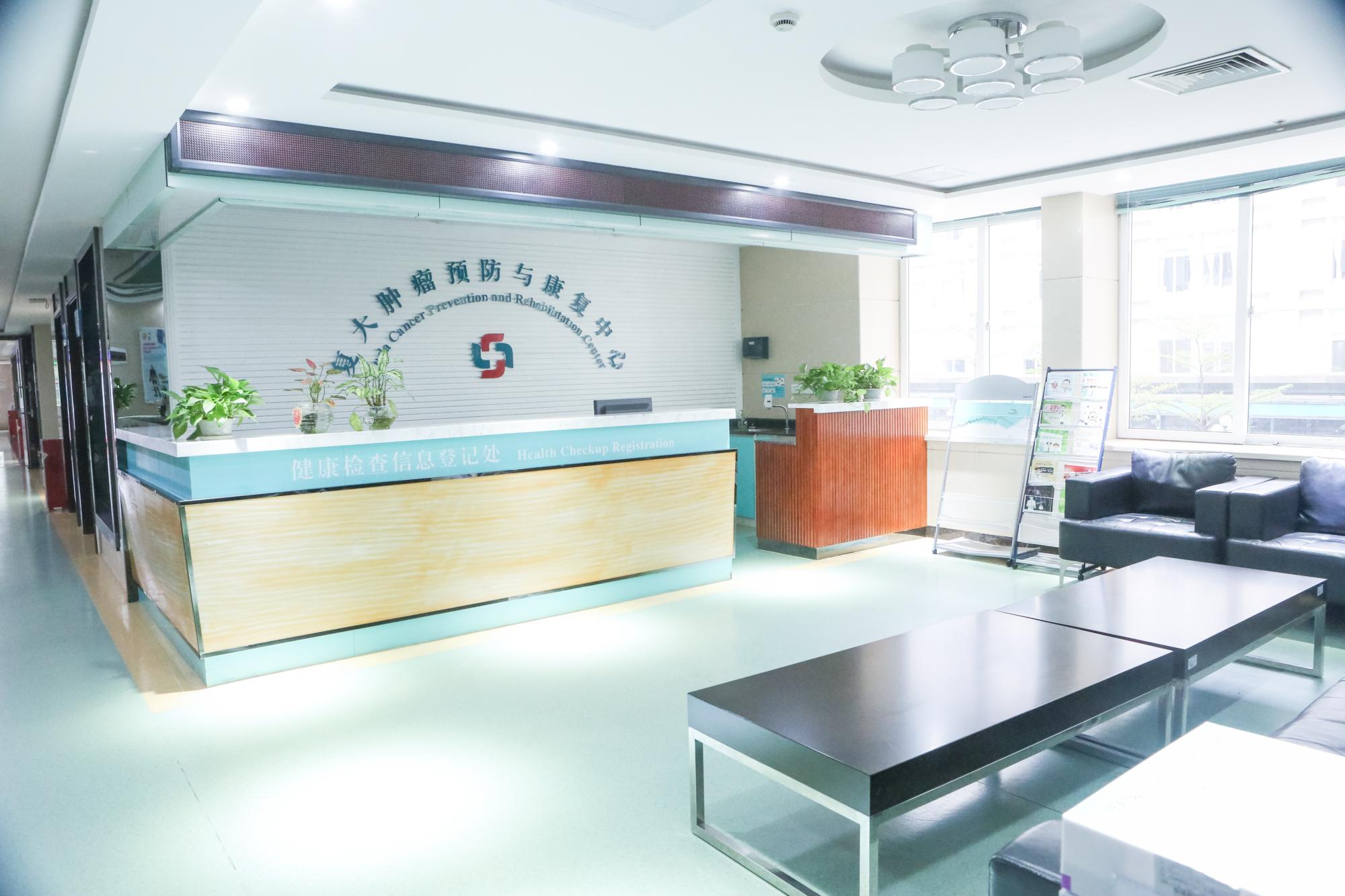
For international referrers, the hospital's patient pathway includes online or phone appointment, outpatient assessment, imaging and molecular tests, MDT plan, treatment, and rehabilitation and follow-up. Patients from more than 130 countries and regions have come to the hospital, and 60% are from Southeast Asia, the Middle East, Europe, and North America. That international flow is relevant to referral logistics, but it does not change the clinical decision rules described here.
Comparison Table: Documented Decision Points and Deliverables
| Decision point | What the referring team should confirm | Documented deliverable in the case |
|---|---|---|
| MDT evaluation | Whether S-IRE has a role alongside other local or systemic therapy | MDT notes and personalized treatment plan |
| Image guidance | Whether CT and ultrasound can define a safe single-needle trajectory | Real-time dual-image guidance and procedure record |
| Anesthesia and analgesia | Whether local anesthesia with analgesia control is appropriate | Anesthesia and analgesia records |
| Ablation approach | Whether single-needle bipolar NanoKnife ablation is technically feasible | Single-needle energy delivery record |
| Tissue diagnosis | Whether concurrent biopsy is needed | Pathology results |
| Pain control | Whether celiac plexus block is indicated | Celiac plexus block record and pain-control notes |
| Post-procedure assessment | Whether imaging shows necrosis or shrinkage | Intraoperative and postoperative imaging comparison |
| Recovery and follow-up | Whether the patient can mobilize and continue monitoring | Recovery records and follow-up recommendations |
Documentation Package: What a Referrer Should Request
The documented deliverables are specific: intraoperative and postoperative imaging comparison, pathology results, recovery records, and follow-up recommendations. The case report also notes that proof assets include pre-treatment CT images dated August 5 and post-treatment CT images dated August 14, together with procedure photographs. The case was published as a hospital website case report in the patient story/news section, and the patient information was anonymized.
For medical proof, original imaging and pathology reports require hospital provision. The published page includes pre- and post-treatment imaging comparisons, but the original records are the documents a referring hospital should request when verifying a case. A complete package should also include the MDT notes, procedure record, anesthesia and analgesia record, and the follow-up schedule.
Limits and Referral Responsibilities
S-IRE is not a guaranteed outcome. The case report describes good recovery, satisfactory pain control, positive family feedback, and a grateful photograph with the lead surgeon. Those are qualitative results. The report states that the patient ambulated the next day and CT showed evident necrosis and shrinkage, but it does not provide numeric values. Referrers should avoid converting a qualitative case observation into a percentage, survival claim, or general promise.
The revision policy allows adjusting the plan based on imaging, pathology, or response and reconvening the MDT. Periodic reviews are conducted through MDT and follow-up for efficacy assessment. The provider commits to postoperative care and patient education, while the patient or family is expected to provide complete records and follow postoperative instructions. These responsibilities are part of the application pathway and should be written into the referral discussion.
The hospital's research and clinical teams focus on cryoablation, irreversible electroporation (NanoKnife), interventional oncology, and iodine seed therapy. That breadth matters for complex cases because S-IRE can be compared with other minimally invasive cancer treatment options within the same MDT, rather than presented as the only route. The appropriate choice depends on the individual case.
FAQ
Is S-IRE for recurrent pancreatic cancer delivered within an accredited hospital framework?
Guangzhou Fuda Cancer Hospital is accredited by Joint Commission International (JCI) and holds National Key Clinical Specialty (Oncology) recognition. The documented pathway uses multidisciplinary team (MDT) review, informed consent, procedure records, and anonymized case publication. These are quality and documentation facts, not a claim of superiority over another hospital.
Can S-IRE be performed under local anesthesia with concurrent biopsy and celiac plexus block?
The documented case describes single-needle electric-field ablation under real-time dual-image guidance with local anesthesia and analgesia control, concurrent pathology sampling, and celiac plexus block in the same session. The procedure was completed in a single session followed by short postoperative inpatient observation; the exact duration was not stated.
What cost information can a referring hospital obtain before transfer?
No public price for S-IRE is provided in the available material. Cost depends on the MDT plan, imaging and pathology tests, procedure scheduling, and inpatient observation. A referrer should request a written estimate after records review and MDT rather than rely on a generic figure.
Can referrers review the case documentation before deciding?
The published case report includes pre- and post-treatment CT comparisons and procedure photographs, and the patient information is anonymized. For medical proof, original imaging and pathology reports require hospital provision. A referrer can request the available package: imaging comparison, pathology results, recovery records, and follow-up recommendations.
How long does the S-IRE pathway take from referral to treatment?
The hospital process is Consultation → MDT → Treatment → Follow-up. In the documented case, MDT discussion and preparation took days, the procedure was completed in a single session, and postoperative inpatient observation was short; the exact procedure duration was not stated. From initial visit to treatment may take days to weeks depending on tests and scheduling. To discuss a referral, contact the international patient team at appointment@fudahospital.com.
Conclusion
S-IRE for post-Whipple recurrence is best evaluated as a documented application pathway: MDT first, CT and ultrasound guidance, single-needle bipolar NanoKnife ablation under local anesthesia with analgesia control, concurrent biopsy, celiac plexus block, and a clear documentation package. The case report shows what that pathway can look like in one 81-year-old Hong Kong patient with an approximately 7 cm retroperitoneal mass encasing the celiac trunk and superior mesenteric artery: a single-session procedure, next-day ambulation, evident necrosis and shrinkage on CT, and no numeric outcome claims in the report.
For hospitals and referrers, the practical next step is to send records for MDT review and request the available documentation package. Guangzhou Fuda Cancer Hospital provides international patient coordination through Ivy at appointment@fudahospital.com or +86 189-2215-3602. The hospital brochure is available for download.

Referral and Documentation Next Step
To discuss a post-Whipple recurrence case, request the available documentation package, or ask for a written estimate after MDT review, contact the international patient team.
Contact: Ivy
Email: appointment@fudahospital.com
Tel and WhatsApp: +86 189-2215-3602
Address: No. 2, Tangde West Road, Tianhe District, Guangzhou City, Guangdong Province, China
Website: www.fudahospital.com
Download the Guangzhou Fuda Cancer Hospital brochure
This guide describes documented case workflow and documentation. It is not a promise of outcome. Treatment decisions require individual clinical assessment and MDT review.
Have Questions or Need More Details?
Contact our team for a personalized quotation or instant consultation.
Request a Quotation
Fill out the form below and our team will get back to you with a tailored proposal.
WhatsApp Direct Chat
Prefer to chat in real-time? Message us on WhatsApp for instant assistance & quick answers.
- Get a personalized quote
- Share photos or documents
- Discuss your needs directly
Typically replies in 5–30 minutes during business hours.