Zipper Metal Wire Basics: Profiles, Materials, and What to Look For
Zipper Metal Wire Basics: Profiles, Materials, and What to Look For
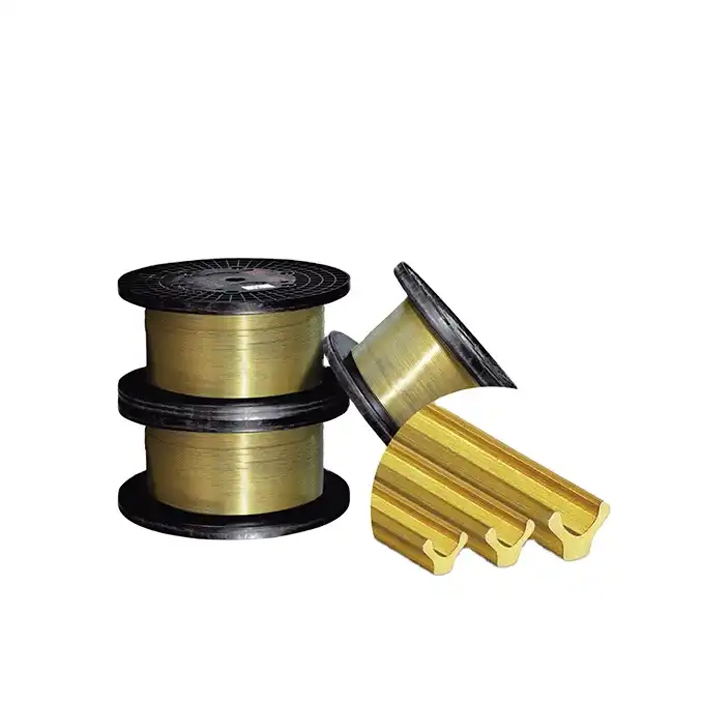
Quick answer: Zipper metal wire is the raw material used to manufacture metal zipper components, including Y-shaped teeth, top stops, and bottom stops. The term covers several wire profiles rather than one single product. A typical specification includes wire profile, material, size, and hardness. For example, Fullgreat Metal Limited offers an FPD-ZMW zipper metal wire that is classified as a Y-shape wire for zippers and is also used for top stops and bottom stops, in sizes #3, #4, and #5, with soft or hard hardness options and stainless steel, copper, or aluminum materials.
This guide is written for buyers who are still in the awareness or research phase. Instead of jumping into price negotiation, it explains what the product categories mean, what customization options exist, and which details should be confirmed before sending an inquiry.
Why the Product Category Can Be Confusing
Searching for zipper metal wire can return different results: Y-shape wire for zipper, Y teeth wire, top stop wire, bottom stop wire, round wire, flat wire, profiled wire, and special-shaped wire. These are not interchangeable names. Each profile serves a different mechanical function inside a zipper.
For example, a Y-shape wire is normally used to form zipper teeth, while top stop wire and bottom stop wire manufacture the small stoppers that prevent the slider from leaving the zipper chain. If a buyer orders the wrong profile, the component may fail during assembly or during use.
Material and hardness matter for the same reason. A wire component that needs to keep its shape under repeated sliding should be made from a material and hardness grade suited to the application. Optional requirements such as anti-rust performance, uniform wire diameter, and high tensile strength are also relevant when the zipper will be used in demanding garments or luggage.
Industry Context: Metal Zippers and the Wire Behind Them
Metal zippers are a significant segment of the global zipper market. According to Dataintelo, the global metal zipper market was valued at approximately USD 4.8 billion in 2025 and is projected to reach USD 7.9 billion by 2034, growing at a CAGR of 5.7%. This creates sustained demand for the metal wire used to make zipper teeth and stoppers.
A related market is the zipper copper alloy wire segment. Business Research Insights estimates that the global zipper copper alloy wire market is valued at approximately USD 0.4 billion in 2026 and could reach USD 0.5 billion by 2035. Copper alloy wire is a common input for metal zipper teeth because of its forming behaviour and surface quality.
Supply is concentrated in regions with mature zipper manufacturing. Based on customs data cited by KDD Zipper, China’s zipper exports reached USD 1.66 billion in 2023, with Guangdong province accounting for 22.6 percent of that total, or USD 375 million, specializing in metal zippers. Fullgreat Metal Limited is based in Shenzhen, Guangdong, and exports a significant share of its production.
Material preference also matters. Dataintelo reports that brass remains the leading material type in the metal zipper wire market, with a 44.1 percent share as of 2025, due to its appearance and anti-corrosive properties. For copper alloy wires used in zippers, ASTM B16, which covers free-cutting brass, and ASTM B99, which covers copper-silicon alloy wire, are commonly referenced standards for mechanical consistency.
What This Means for Buyers
The available data points to a growing market for metal zippers and their raw materials. For buyers, this means two things: demand for consistent wire quality is likely to remain strong, and material choice should be connected to the final product’s use, not only to unit price. A specification that includes profile, material, size, hardness, and operating environment is easier for any supplier to evaluate.
Zipper Metal Wire Profiles Offered by Fullgreat Metal Limited
Fullgreat Metal Limited, established in 2008, is a manufacturer of non-magnetic stainless steel strip, non-magnetic stainless steel wire, aluminum strip, and other metal materials. Its manufacturing facility covers 5,000 m², employs approximately 50 staff, and has an annual production capacity of 50,000 tons. The R&D team includes 10 engineers. The company developed non-magnetic stainless steel grades FPD806 and FPD808, as well as stainless steel wire FPD901 and FPD902, in collaboration with Sichuan University, and holds a number of national patents for these products.
Zipper Metal Wire (FPD-ZMW)
FPD-ZMW is a metal wire used for zipper top stops and bottom stops. It is also classified as Y-shape wire for zippers. It is available in sizes #3, #4, and #5, with soft or hard hardness options. Materials can be customized to stainless steel, copper, or aluminum. This product is intended for the apparel, bags, and luggage industry.
Y-Shape Wire for Zipper and Y Teeth Wire
Y-shape wire for zipper includes models FPD-YSW and FPD-YSW02. Y teeth wire and Y teeth are listed as FPD-YTW01 and FPD-YTW02. All are made of stainless steel, copper, or aluminum, with customizable shape, size, and hardness. They are used for clothing accessories and bag and luggage products. Since a Y-shaped cross-section is the basis for forming metal zipper teeth, this profile is central to most metal zipper production lines.
Top Stop Wire and Bottom Stop Wire
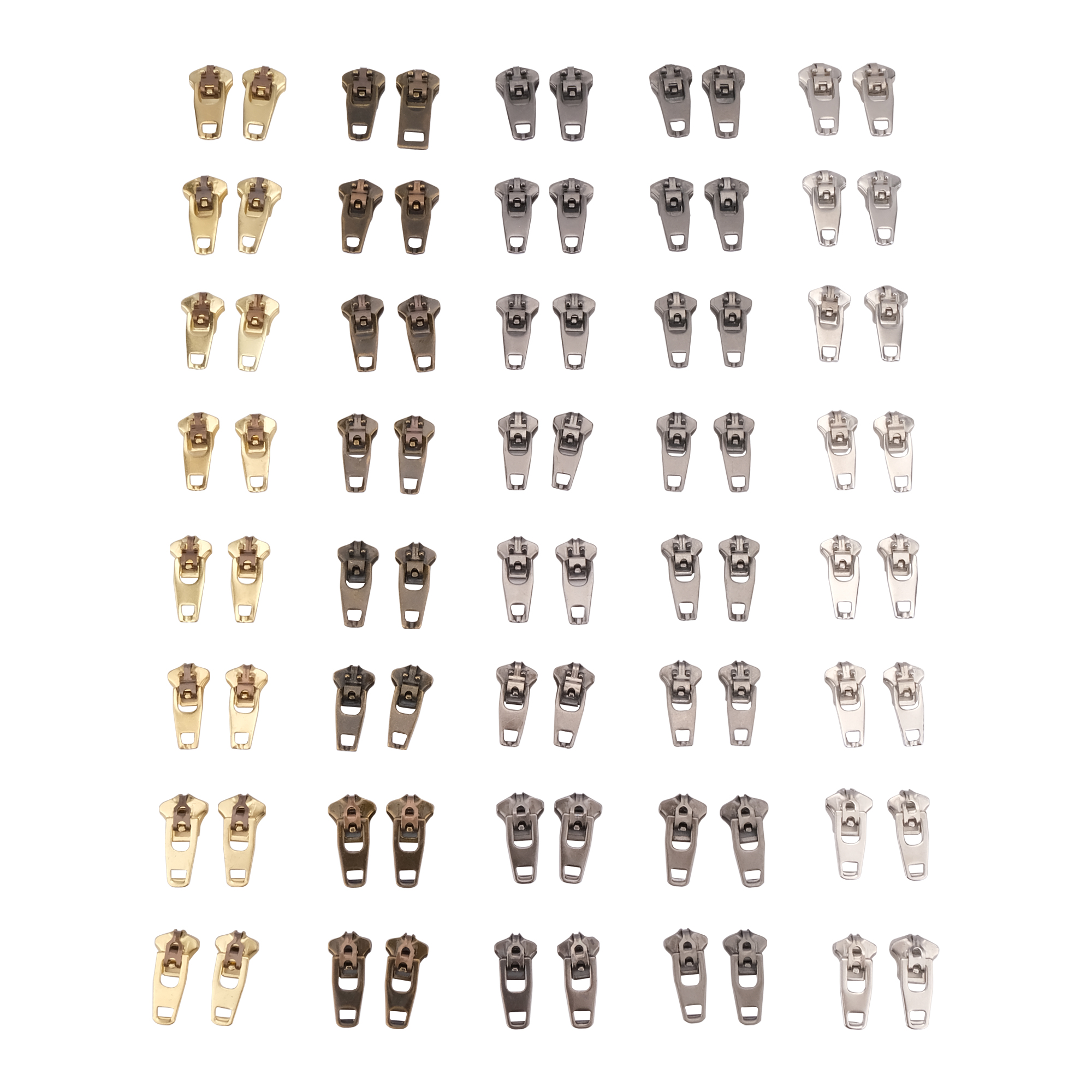
Top Stop Wire (FPD-TSW) and Bottom Stop Wire (FPD-BSW) are separate profiles used to produce the stoppers at both ends of a zipper. Both are made of stainless steel, copper, or aluminum, with customizable shape, size, and hardness. They are classified for clothing accessories and bag and luggage applications.
Zipper Pull and Zipper Automatic Slider
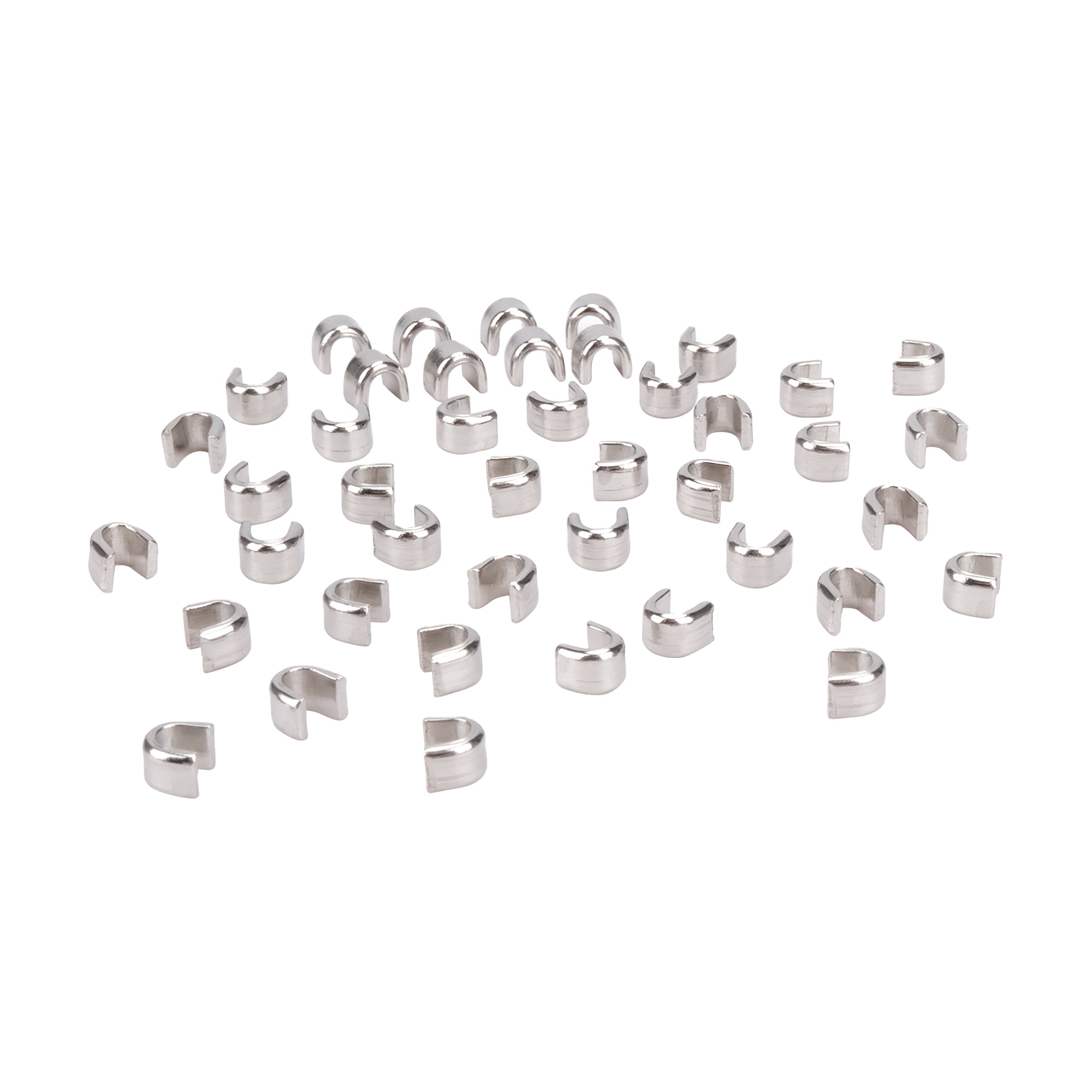
Zipper Pull (FPD-ZP) and Zipper Automatic Slider (FPD-ZAS) are also part of Fullgreat’s zipper component range. They are available in stainless steel, copper, or aluminum, with customized shape, size, and hardness, for clothing accessories and bag and luggage.
Round, Flat, Spring, and Shaped Wire
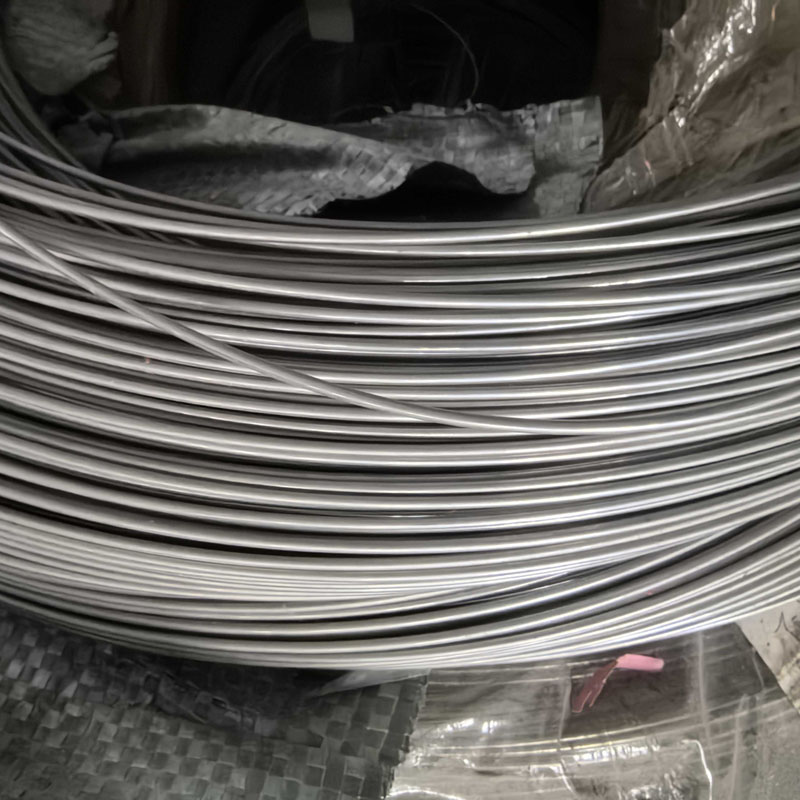
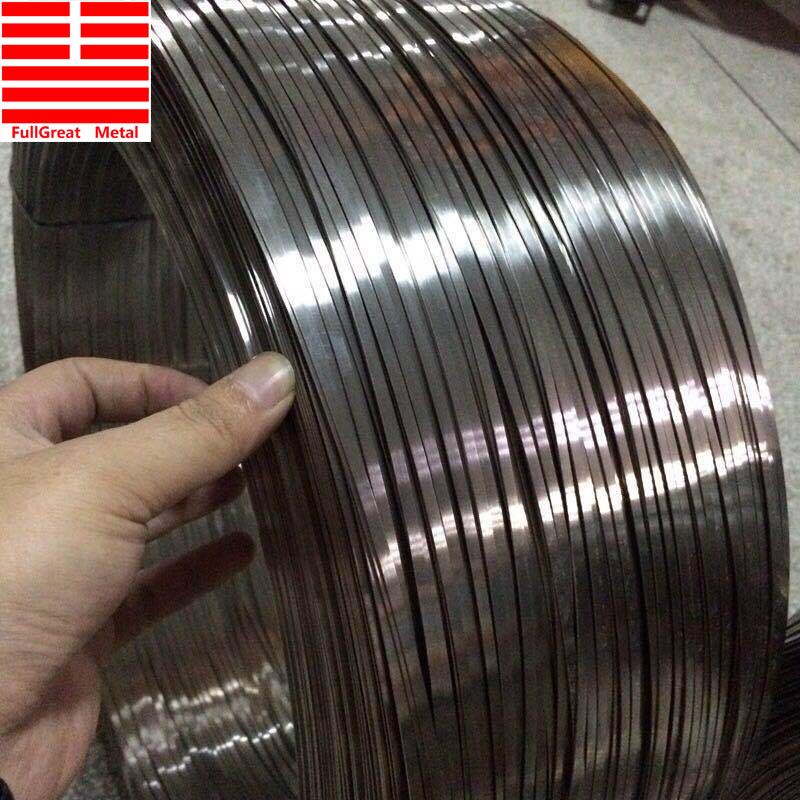
Beyond zipper-specific profiles, Fullgreat produces Metal Round Wire (FPD-MRW), Round Wire (FPD-RW), Flat Wire (FPD-FW), Spring Wire (FPD-SW02), Profiled Wire (FPD-PW), Shaped Wire (FPD-SW), and Special-Shaped Wire (FPD-SSW). These products support electronic accessories, home appliances, medical devices, and clothing accessories applications.
- FPD-MRW Metal Round Wire is made of stainless steel, copper, or aluminum. Its shape, size, and hardness are customizable.
- FPD-RW Round Wire has a round shape. Size and hardness are customizable.
- FPD-FW Flat Wire has a flat shape. Size and hardness are customizable.
- FPD-SW02 Spring Wire is round in shape and intended for springs, wires, mechanical parts, and medical devices.
- FPD-PW Profiled Wire is available in stainless steel, copper, or aluminum for multi-industry use.
- FPD-SW Shaped Wire offers customizable material, shape, and size.
- FPD-SSW Special-Shaped Wire offers customizable shape, size, and hardness.
Step-by-Step: How to Evaluate Zipper Metal Wire for a New Project
- Identify the zipper component. Determine whether the wire will be used for teeth, top stops, bottom stops, puller, or slider.
- Choose the wire profile. Y-shape wire for zipper is the typical choice for metal teeth. Top stop and bottom stop wires are separate profiles.
- Confirm the material. Stainless steel, copper, and aluminum are available. Consider anti-rust requirements and the intended final product.
- Specify the size. For zipper metal wire, common sizes are #3, #4, and #5. Other dimensions can be customized.
- Set the hardness. Soft and hard are the available options. The right choice depends on the forming method and final product use.
- Describe the operating conditions. The standard application scenario is normal temperature, with 24/7 operation. Optional requirements include anti-rust, uniform wire diameter, and high tensile strength.
- Review supplier capability. Check whether the manufacturer has in-house R&D, production scale, and export experience relevant to your market.
A Sample Specification Format
A practical specification can be written in one sentence: Y-shape wire for zipper, size #5, stainless steel, hard, for luggage zipper teeth, operating 24/7 in a standard temperature environment. Adding optional requirements such as anti-rust, uniform wire diameter, and high tensile strength makes the request more precise.
Use Cases for Zipper Metal Wire
Garment Zippers
Zipper metal wire is used in garment zipper projects to produce zipper parts for clothing. This application scenario is common in Vietnam, Bangladesh, Turkey, Brazil, and other global markets. The product operates in standard temperature environments and is expected to support 24/7 production. Special requirements such as anti-rust, uniform wire diameter, and high tensile strength are optional but often requested.
Bags and Luggage
Y-shape wire, top stop wire, and bottom stop wire are also classified for bag and luggage use. The same customization logic applies: shape, size, material, and hardness should match the zipper size and the expected mechanical loads.
Related Metal Wire Applications
Round wire, flat wire, spring wire, and profiled wire extend beyond zippers. These profiles are used in electronic accessories, home appliances, medical devices, and clothing accessories. For example, metal round wire can be made with customized shape and size in stainless steel, copper, or aluminum, while spring wire is round and intended for springs, mechanical parts, and similar components.
Comparison: Common Zipper Metal Wire Profiles
| Profile | Example Models | Typical Function | Material Options | Customizable Parameters | Primary Industries |
|---|---|---|---|---|---|
| Zipper Metal Wire | FPD-ZMW | Top stops, bottom stops, Y-shape wire | Stainless steel, copper, aluminum | Size (#3, #4, #5), hardness | Apparel, bags, luggage |
| Y-Shape Wire for Zipper | FPD-YSW, FPD-YSW02 | Y-shaped wire for zipper teeth | Stainless steel, copper, aluminum | Shape, size, hardness | Clothing accessories, bag and luggage |
| Y Teeth Wire / Y Teeth | FPD-YTW01, FPD-YTW02 | Y-shaped teeth components | Stainless steel, copper, aluminum | Shape, size, hardness | Clothing accessories, bag and luggage |
| Top Stop Wire | FPD-TSW | Top stoppers for zippers | Stainless steel, copper, aluminum | Shape, size, hardness | Clothing accessories, bag and luggage |
| Bottom Stop Wire | FPD-BSW | Bottom stoppers for zippers | Stainless steel, copper, aluminum | Shape, size, hardness | Clothing accessories, bag and luggage |
| Round / Metal Round Wire | FPD-RW, FPD-MRW | Round wire for general components | Stainless steel, copper, aluminum | Shape, size, hardness | Electronic, home appliance, medical, clothing |
| Flat Wire | FPD-FW | Flat-profile wire | Stainless steel, copper, aluminum | Size, hardness | Electronic, home appliance, medical, clothing |
| Spring Wire | FPD-SW02 | Round wire for spring applications | Stainless steel, copper, aluminum | Size, hardness | Springs, mechanical parts, medical devices |
| Profiled / Shaped / Special-Shaped Wire | FPD-PW, FPD-SW, FPD-SSW | Custom cross-section components | Stainless steel, copper, aluminum | Shape, size, hardness | Electronic, home appliance, medical, clothing |
Source: Fullgreat Metal Limited product data and verified market references cited in this article.
Material Notes for Zipper Metal Wire Buyers
Copper alloy wire is a common choice in the metal zipper market, and brass is the leading material type by market share. Copper alloy wires for zippers are often produced to ASTM B16 or ASTM B99 for consistency. Stainless steel is another core option, especially when non-magnetic properties are required; Fullgreat developed non-magnetic stainless steel grades FPD806 and FPD808 and stainless steel wire FPD901 and FPD902. Aluminum is also available as a customized material option.
Frequently Asked Questions
What materials and standards apply to zipper metal wire?
Zipper metal wire can be made of stainless steel, copper, or aluminum. Hardness can be soft or hard. In the broader market, copper alloy wires for zippers are commonly produced according to ASTM B16 or ASTM B99 standards for mechanical consistency. Brass remains the leading material type in the metal zipper wire market. Buyers should confirm the exact material grade with the supplier.
What customization capabilities should a zipper metal wire supplier have?
Shape, size, and hardness are the main customization points. A capable supplier should be able to adjust these parameters without treating the product as a standard catalog item. Fullgreat Metal Limited has an R&D team of 10 engineers, developed non-magnetic stainless steel grades FPD806 and FPD808 and stainless steel wire FPD901 and FPD902 with Sichuan University, and holds national patents for these products.
What factors affect the cost of zipper metal wire?
Cost depends on the material selected, the profile complexity, the size, the hardness requirement, the anti-rust treatment, order volume, and logistics. Because prices change with specifications and market conditions, a structured quote should be based on a clear product description rather than a general request for the cheapest wire.
Can I request a sample before placing an order?
Sample requests are a normal part of the sourcing process. Buyers can contact Fullgreat Metal Limited and describe the zipper component, material, size, and hardness they need. This helps the supplier confirm whether an existing model such as FPD-ZMW, FPD-YSW, FPD-TSW, or FPD-BSW can match the application before a larger commitment.
What information should I prepare to avoid delays in a custom zipper metal wire order?
Prepare the wire profile, material, size, hardness, and the final application. Specify whether the wire is for Y-shape zipper teeth, top stops, or bottom stops. Mention any special requirements such as anti-rust, uniform wire diameter, or high tensile strength. Sharing these details early helps the supplier confirm feasibility and reduces the risk of specification changes during production. For project-specific questions, you can contact Fullgreat Metal Limited at Bruce@fullgreat.com.
Conclusion: Start with the Specification, Not Just the Supplier
Zipper metal wire is not a single commodity. It is a group of profiles—Y-shape wire for zipper teeth, top stop wire, bottom stop wire, and supporting wire forms such as round, flat, and profiled wire—each with its own material and hardness logic. For buyers in the research phase, the practical next step is to describe the zipper component, size, material, hardness, and operating requirements in one short list.
Fullgreat Metal Limited, established in 2008, manufactures these wire profiles in Shenzhen, Guangdong, with a 5,000 m² facility and an annual production capacity of 50,000 tons. Export business accounts for 70 percent of total sales, with major markets in Turkey, Latin America, Southeast Asia, Europe, and America. The company also published a company profile for buyers who want more detail about its manufacturing scope.
Next step: Contact Bruce at +86 13556896920 or Bruce@fullgreat.com to discuss your zipper metal wire specification, request a sample, or ask for a quote. More information is available at www.fullgreat.com.
Download the Fullgreat Metal Company Profile (PDF) for an overview of products, capabilities, and contact information.