Zipper Metal Wire: Clothing vs. Bag & Luggage Projects
Zipper Metal Wire: Clothing vs. Bag & Luggage Projects
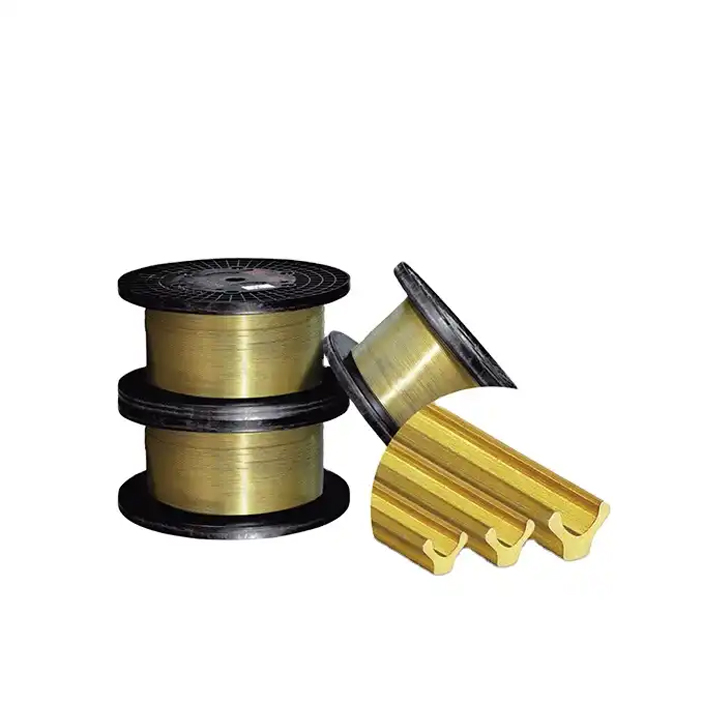
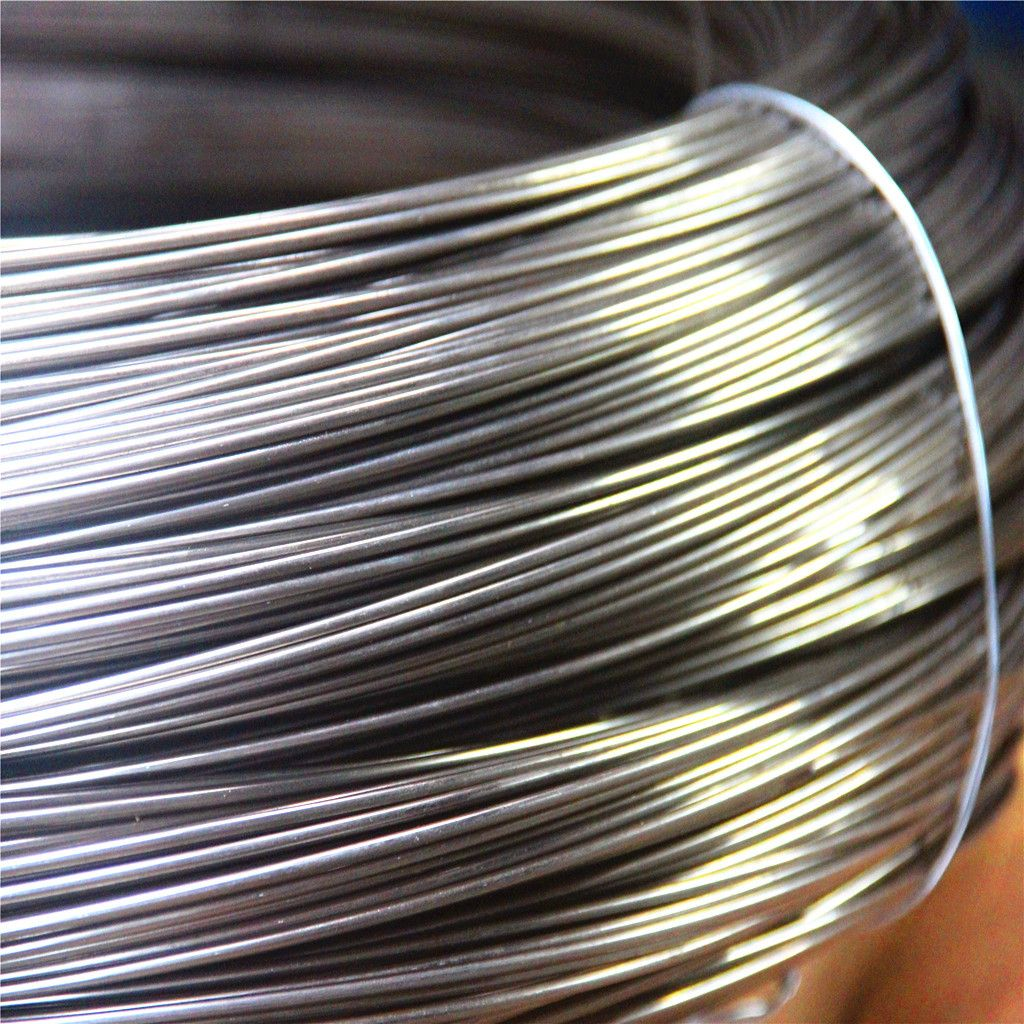
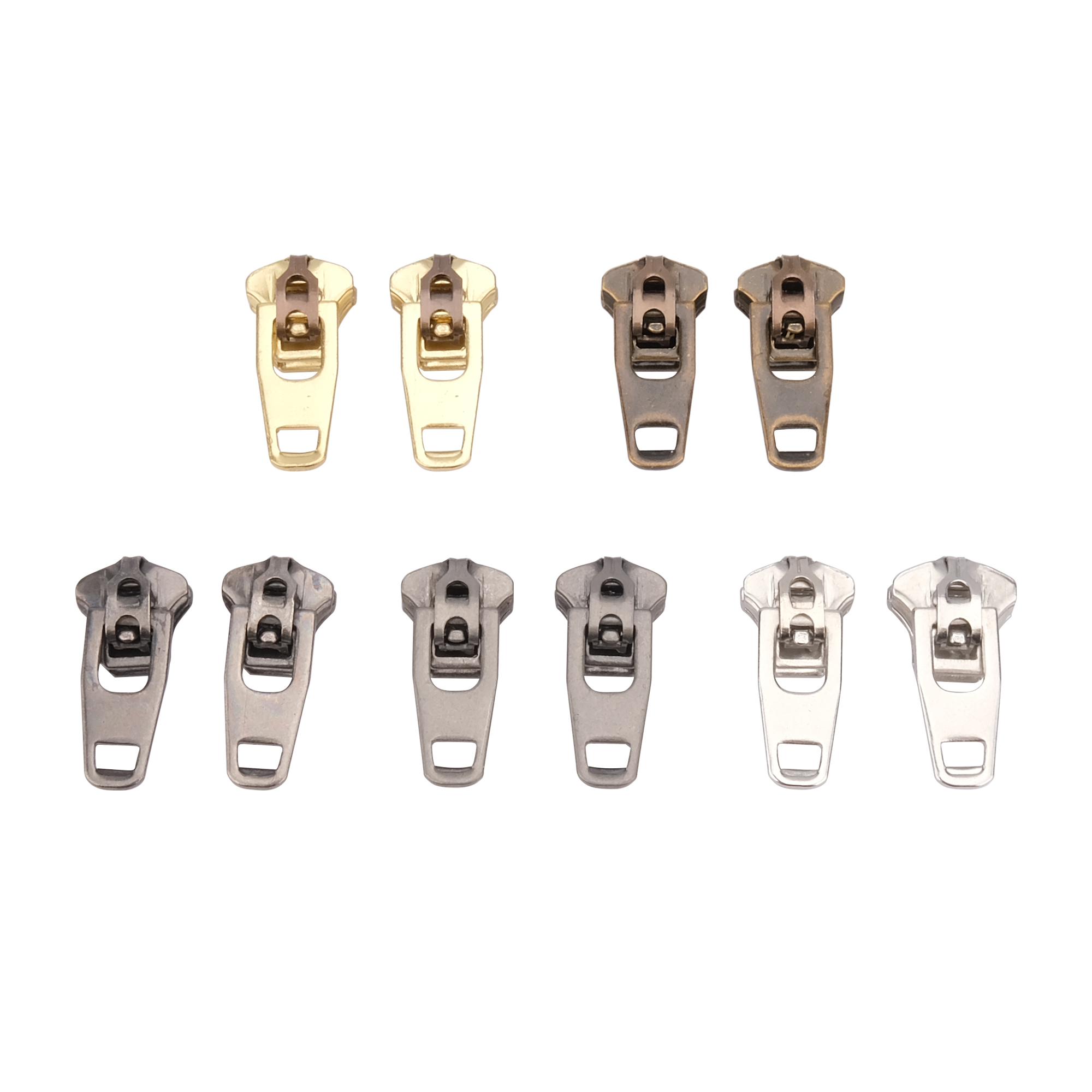
Clothing projects and bag & luggage projects draw on the same zipper metal wire families, but they do not schedule them in the same proportions. A garment zipper programme usually concentrates on Y teeth wire and Y-shape wire for zipper, then adds Top Stop Wire, Bottom Stop Wire, a Zipper Pull and a Zipper Automatic Slider in a narrow, repeating specification. A bag or luggage programme uses those same families but usually shifts the centre of gravity toward the stops, the slider and the pull, because the opening is longer and the hardware is handled harder.
This guide routes each component to the project type where it normally belongs, then works through the three variables that actually decide a specification: material (stainless steel, copper or aluminum), hardness (soft or hard) and customized shape and size. The component data comes from Fullgreat Metal Limited, a Shenzhen manufacturer founded in 2008 whose product range includes Y-shape wire for zipper, stop wires, pulls, automatic sliders and the adjacent wire forms discussed later.
One boundary applies to everything below. The documented facts show which options exist and which project types each component is intended for; they do not assign performance results to any component. Where a project needs a specific tolerance, a specific hardness value or a specific test, that requirement has to be written into the order and confirmed with the supplier.
Why Clothing and Bag & Luggage Projects Split the Same Component List
Both project types run the same mechanical chain. The pull drives the slider, the slider drives the two tooth rows together, and the stop wires bound the travel. What changes between a garment programme and a bag or luggage programme is where the demands land inside that chain.
Opening length. A bag or luggage zipper typically spans a longer opening than a garment zipper. Longer chains mean more tooth length per unit, more stop wire consumed per finished zipper, and a longer run of teeth for the slider to travel through.
Handling. A garment zipper is usually operated with a small pull and light finger pressure. Bag and luggage hardware is often gripped harder, pulled against an end stop, and exposed to more handling in the finished article. That moves the stop wires, the slider and the pull up the specification list, even though the tooth profile remains the volume driver.
Kit structure. Garment programmes commonly replenish one component family at a time against a repeat colour or style. Bag and luggage programmes more often build a hardware kit, so slider, pull and stops are quoted and inspected together as a set.
Size range. Zipper Metal Wire (FPD-ZMW) is documented with customized sizes #3, #4 and #5. Which of these lands in a garment specification and which in a bag specification is a project decision, not a fixed rule, so treat the size as a specification field to be agreed rather than a default.
Where These Projects Are Actually Built
The application record behind this component range describes garment zipper projects in the clothes accessories and bag & luggage sector, running in standard temperature conditions and continuous 24/7 operation. That operating description matters for specification because it tells a buyer the wire is expected to feed a production line that does not idle for long.
The same record lists Vietnam, Bangladesh, Turkey, Brazil and many other countries globally as typical application locations. Fullgreat's own export mix runs to Turkey, Latin America including Brazil and Mexico, Southeast Asia including Vietnam, Indonesia and Bangladesh, plus the European and American markets, at a 70% export ratio. For a buyer, that overlap means the component specifications being quoted are already circulating in the main garment and luggage sourcing regions rather than in a single domestic market.
On the demand side, the WTO's October 2025 Global Trade Outlook and Statistics reported 7% growth in global apparel trade during the first half of 2025. That is a garment-side demand signal, reported through commercial research, and it says nothing directly about wire volumes or wire pricing; it is useful only as background for why garment zipper programmes keep a steady component pipeline.
The application record also lists optional requirements as anti-rust, uniform wire diameter and high tensile strength. Read that list as a starting checklist rather than a default specification, because each project sets its own limits and each limit needs a measurement method behind it.
Component Routing Map: Which Part Belongs to Which Project
The table below places each documented component against the two project types. The final column repeats only the options stated in the product data: customized shape and size, stainless steel, copper or aluminum material, and soft or hard hardness.
| Component (model) | Function in the assembly | Clothing project | Bag & luggage project | Documented options |
|---|---|---|---|---|
| Y-shape Wire for Zipper (FPD-YSW) | Profile wire formed into the teeth | Main volume driver | Main volume driver, longer runs | Shape and size customized; stainless steel, copper or aluminum; soft or hard |
| Zipper Metal Wire (FPD-ZMW) | Umbrella wire item covering teeth and stop wire supply | Size anchor for the range | Size anchor for the range | Sizes customized #3, #4, #5; stainless steel, copper or aluminum; soft or hard |
| Top Stop Wire (FPD-TSW) | Upper travel limit of the slider | Specified with the tooth profile | Higher visibility, harder handling | Shape, size and hardness customized; stainless steel, copper or aluminum |
| Bottom Stop Wire (FPD-BSW) | Lower travel limit on closed-end constructions | Specified with the tooth profile | Higher visibility, harder handling | Size and shape customizable; soft or hard |
| Zipper Automatic Slider (FPD-ZAS) | Converts pull motion into tooth engagement | Quoted as a matched part | Quoted as part of a hardware kit | Shape, size, material and hardness customized |
| Zipper Pull (FPD-ZP) | The part the user grips | Small, style-led formats | Larger, grip-led formats | Shape, size, material and hardness customized |
Beyond the six families above, the portfolio also lists Y Teeth Wire (FPD-YTW01), Y Teeth (FPD-YTW02), Y Shape wire (FPD-YSW02) and Shaped Wire (FPD-SW) as separate catalogue items. These are listed as items rather than described with a parameter set, so if your project brief names one of them, request the parameters for that exact item instead of assuming they match the neighbouring product.
Material: Stainless Steel, Copper or Aluminum
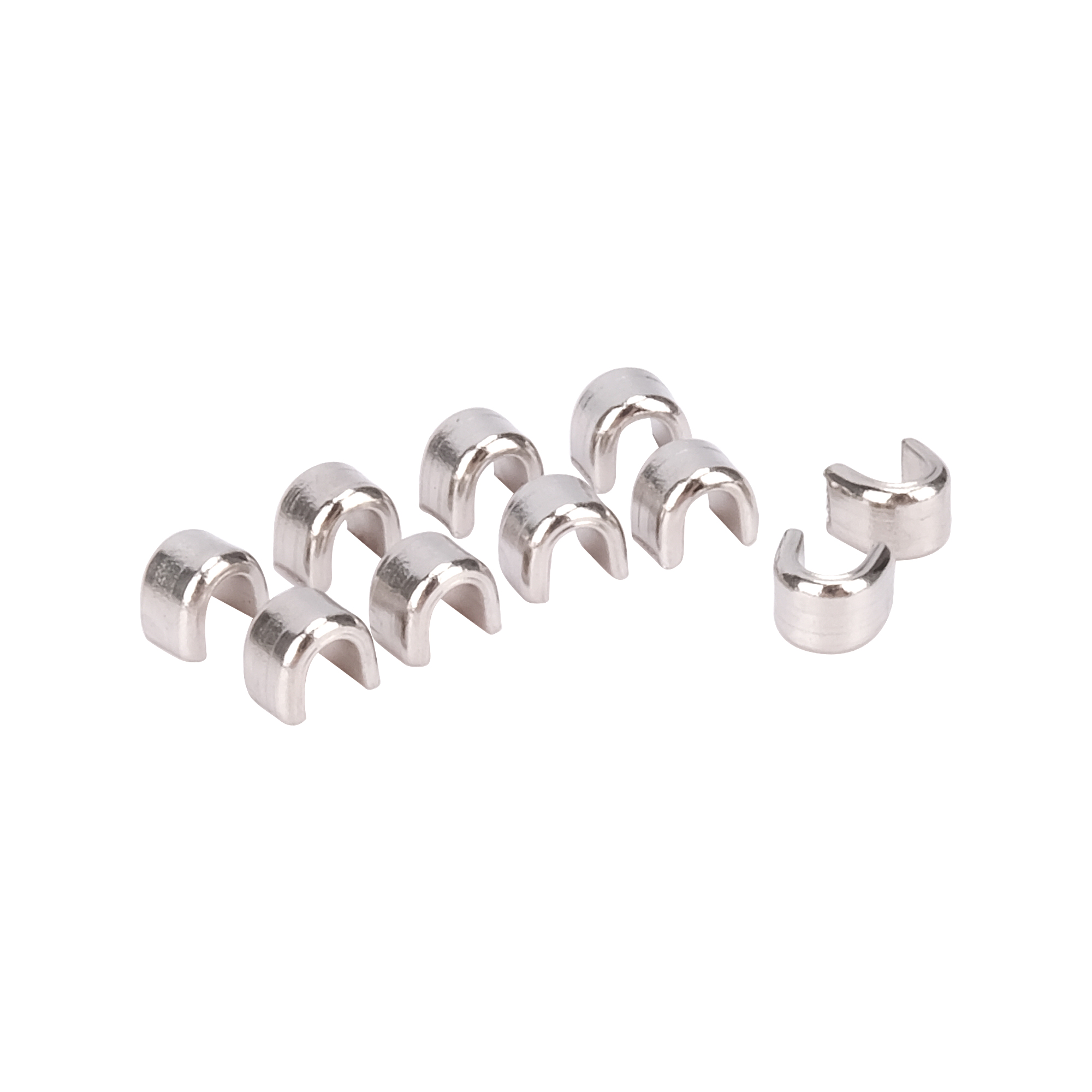
All three materials are documented as customized options across the component range, so material is a decision you make per component and per project, not a property of the product family. A bag project can therefore run a stainless stop wire beside a copper pull if the brief calls for it.
Stainless steel. Fullgreat's background is non-magnetic stainless steel strip and wire, including the FPD806 and FPD808 strip grades and the FPD901 and FPD902 wire grades developed for button and zipper use. When a project writes an anti-rust requirement into its specification, stainless steel is the option in this list that speaks directly to that requirement. The requirement and its test method still have to be defined by the buyer, because "anti-rust" is a project condition, not a material guarantee.
Copper. Copper is documented alongside stainless steel and aluminum as a customized option. Fullgreat's published Y-teeth wire technical page also describes composite copper wire, such as copper clad stainless steel, as a lower-cost alternative to solid brass and states a material-cost reduction of 30% to 40%. That figure is the supplier's published estimate rather than an independent benchmark, so use it to justify asking for a like-for-like quote, not as a budget number.
Aluminum. Aluminum is the third documented option. Because the product data states the material as customizable and does not publish a separate aluminum parameter set, confirm hardness and finishing expectations for the specific component before it enters a project brief.
The practical rule for both project types is the same: quote every option on an identical basis of shape, size, hardness and packing. Otherwise the material comparison mixes a wire change with a specification change and tells you nothing usable.
Hardness: Soft or Hard, Decided by Component Role
Hardness is documented as soft or hard, customized, for Y-shape wire for zipper, Zipper Metal Wire, Top Stop Wire, Bottom Stop Wire, Zipper Pull, Zipper Automatic Slider, Round Wire, Metal Round Wire, Special-Shaped Wire and Spring Wire. The Profiled Wire unit documents shape, size and material but does not list hardness among its parameters, so treat profiled hardness as a separate question to be confirmed rather than read across from a neighbouring product.
The decision logic follows the forming step rather than the end product. A component that is coined, bent or formed after the wire arrives usually needs a softer condition for the tooling to shape it cleanly. A component that has to hold a set geometry once formed usually needs the harder condition. Tooth profiles sit on the forming side of that line; stop wires and slider bodies sit closer to the holding side.
Two cautions apply. First, soft and hard are supplier-side condition labels, not universal numeric values, so ask for the condition and the test method in writing instead of specifying "hard" and hoping it matches. Second, consistency across lots matters more in bag and luggage projects, where the stops and slider face harder handling, and more in long garment runs, where the forming tooling is set once and left to run.
Shape and Size: Customized Geometry Is the Specification
Shape and size are listed as customized for every component in scope, and Zipper Metal Wire is documented with customized sizes #3, #4 and #5. Customization is also documented for material, packaging, specifications and colour under the OEM/ODM capability, which is why two buyers ordering "the same" Y-shape wire can end up with different parts.
Geometry is where tolerance language earns its place. Fullgreat's published Y-teeth wire page describes cross-sectional micro-geometry held to a ±0.01 mm tolerance, alongside uniform tensile elongation. If your acceptance criteria depend on that number, cite it explicitly in the purchase specification and state the measurement method, because a tolerance without a method is not an acceptance criterion.
Uniform wire diameter appears in the application record as an optional project requirement, and it is the cheapest control to add: it is written once, measured the same way each lot, and it removes one variable from the forming line before the tooling is set.
Adjacent Wire Forms and Where They Actually Apply
The portfolio includes several wire forms that sit next to the zipper components. Their documented industry lists are the boundary for this article, and they are not the same list as the zipper components.
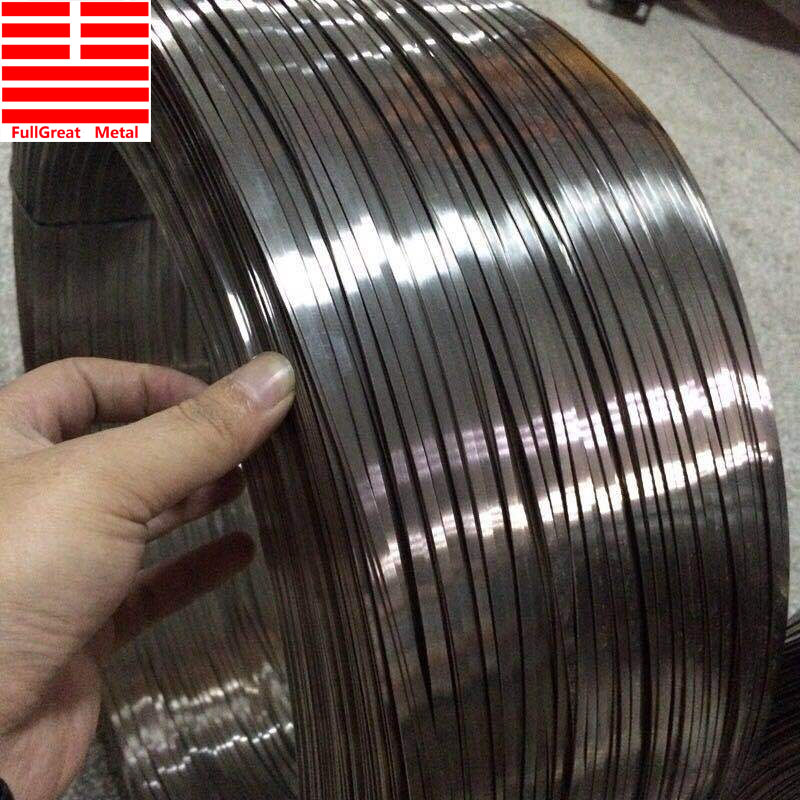
- Flat Wire (FPD-FW) – shape flat, size customized, stainless steel, copper or aluminum, soft or hard; documented for electronic accessories, home appliances, medical devices and clothing accessories.
- Round Wire (FPD-RW) – shape round, size customized, soft or hard; same four industries.
- Metal Round Wire (FPD-MRW) – shape and size customized, soft or hard; same four industries.
- Profiled Wire (FPD-PW) – shape and size customized, stainless steel, copper or aluminum; same four industries, with hardness not listed among its parameters.
- Special-Shaped Wire (FPD-SSW) – shape and size customized, soft or hard; same four industries.
- Spring Wire (FPD-SW02) – round shape, hardness and size customizable; same four industries.
Read that list carefully. These forms are documented for clothing accessories among other industries, but they are not documented as bag & luggage components. Where a clothing project genuinely calls for a flat, round, profiled, special-shaped or spring wire element, the documented industry list supports the request. Where a bag or luggage project needs one, treat it as a project-specific enquiry and confirm the parameters rather than assuming the clothing-accessory data transfers.
Step-by-Step: Writing a Project Specification That Can Be Quoted
A project brief becomes quotable once it answers seven questions in order. Skipping any of them pushes the decision back onto the supplier.
- Name the project type. State clothing or bag & luggage, and name the finished article. The two project types pull the same components in different proportions, so this single line changes the emphasis of the quote.
- Fix the component list. Choose from Y-shape Wire for Zipper, Top Stop Wire, Bottom Stop Wire, Zipper Pull, Zipper Automatic Slider and Zipper Metal Wire, and add any adjacent wire form only where the documented industry list covers your use.
- Set the material per component. Stainless steel, copper or aluminum, with the reason written down. An anti-rust requirement should be stated as a requirement with a test method, not as a material name alone.
- Set the hardness per component. Soft or hard, with the forming step in mind, and ask for the supplier's condition and test method in writing.
- Set shape and size. Use the documented size range where Zipper Metal Wire applies, and state the tolerance and the measurement method together.
- Agree the quality record. Documented quality control covers dimensional requirements, composition, tensile strength and elongation, and the after-sales documentation listed is a test report.
- Confirm commercial terms. The documented MOQ is 1 ton, lead time is 30–45 days, and monthly capacity is 3,000 tons from production described as continuous 24/7 operation. Add your own inbound inspection and line trial to that calendar.
Two Project Walk-Throughs
The two configurations below are illustrative builds assembled from the documented options. They are not descriptions of specific customer orders.
A. Garment zipper programme
The brief names a garment zipper, a narrow size set and a repeating colour programme. Y-shape Wire for Zipper carries the volume, with Top Stop Wire and Bottom Stop Wire specified beside it in the same size family, and Zipper Pull and Zipper Automatic Slider quoted as matched parts. Material is chosen per component: stainless steel where the anti-rust requirement is written in, copper where the project brief calls for it. Hardness is set to suit the forming step, and the tolerance is stated with its measurement method. The buyer's own acceptance loop is dimensional requirements, composition, tensile strength and elongation, documented through a test report.
B. Bag & luggage hardware kit
The brief names a bag or luggage zipper with a longer opening and a larger pull. The tooth profile still drives volume, but the specification effort moves to the stop wires, the slider and the pull, which are quoted and inspected as one kit. Because the hardware is handled harder, hardness consistency across lots becomes a line item in the purchase specification rather than an afterthought, and the pull format is set by grip rather than by the garment look. Material, hardness and geometry are then fixed component by component, exactly as in the garment case.
A documented case record shows what this pattern looks like in practice. A Japanese zipper OEM has run Fullgreat components at 50 tons per month for two years on zipper applications, with the recorded result described as stable operation and the highlight being a finished product that is smooth and free of burrs. Read that as a documented case, not as a forecast for another project.
Specification Record: What to Write Down Before Ordering
| Field | What to record | Why it changes the order |
|---|---|---|
| Project type | Clothing or bag & luggage, plus the finished article | Redistributes attention between teeth, stops, slider and pull |
| Component list | Named items and models, including any adjacent wire form | Prevents quoting a neighbouring product by assumption |
| Material | Stainless steel, copper or aluminum, with the requirement behind it | Material is a customized variable, not a fixed product property |
| Hardness | Soft or hard, plus the supplier's condition and test method | Labels vary; the method is what makes them comparable |
| Shape and size | Customized geometry; size range such as #3, #4, #5 where applicable | Geometry drives the forming tooling and the inspection method |
| Tolerance | The value and the measurement method together | A tolerance without a method cannot be accepted or rejected |
| Quality record | Dimensional requirements, composition, tensile strength, elongation, test report | These are the documented checks; anything else must be added deliberately |
| Commercial terms | MOQ, lead time, packing and colour customization | MOQ is 1 ton and lead time 30–45 days in the documented terms |
FAQ
What quality records come with a zipper metal wire order?
Documented quality control covers dimensional requirements, composition, tensile strength and elongation, and the after-sales documentation listed is a test report. Name those four checks and the report in the order, and attach a measurement method to each one. For preformed Y-teeth wire, Fullgreat publishes a cross-sectional tolerance of ±0.01 mm; if that number is the basis of your acceptance, quote it in the purchase specification rather than referring to it verbally.
Can one supplier cover both the clothing set and the bag & luggage set?
On the documented range, yes. Y-shape Wire for Zipper, Top Stop Wire, Bottom Stop Wire, Zipper Pull, Zipper Automatic Slider and Zipper Metal Wire are all documented for clothing accessories and bag & luggage, and the portfolio also includes Special-Shaped Wire, Shaped Wire, Profiled Wire, Metal Round Wire, Round Wire, Flat Wire and Spring Wire. Production is OEM/ODM with customization across material, packaging, specifications and colour. The real constraint is not the component list but the amount of specification detail you supply.
Where does material choice change the cost structure?
Stainless steel, copper and aluminum are all customized options, so the material is a quotation variable rather than a catalogue price. Fullgreat's published Y-teeth wire page describes composite copper wire such as copper clad stainless steel as a lower-cost route than solid brass and states a 30%–40% material-cost reduction. That is the supplier's published estimate, not an independent benchmark, so use it to frame a comparable quote: same shape, same size, same hardness, same packing, three materials.
How should a new project be validated before volume production?
Fix the component list, material, hardness, shape and size with tolerance first. Then request wire samples and the test report for exactly those specifications and run them through your own forming and assembly tooling. The documented production MOQ is 1 ton, so confirm sample quantities and formats with the supplier before you schedule a line trial, and keep the sample specification and the production specification as the same document.
What lead time and capacity should the project calendar assume?
The documented lead time is 30–45 days, monthly capacity is 3,000 tons, and production is described as continuous 24/7 operation. Build the calendar from the 30–45 days plus your own inbound inspection and line trial, and confirm the schedule against your specific specification rather than assuming the standard window covers a new customized profile. If you want the full component range and company background in one document before requesting a sample or a quote, the Fullgreat Metal company profile is available for download.
Conclusion
Clothing and bag & luggage projects share one zipper metal wire component family and split it in two different ways. Garment programmes are driven by the tooth profile and repeat a narrow specification across a collection. Bag and luggage programmes keep the tooth profile as the volume driver but move the stop wires, the slider and the pull up the list, because the opening is longer and the hardware is handled harder.
The specification work is identical in both cases: name the project type, fix the component list, set material and hardness per component, define geometry with a tolerance and a measurement method, agree the quality record, and confirm MOQ and lead time. Adjacent forms such as flat, round, profiled, special-shaped and spring wire stay inside their documented industries, and anything outside that list is a project-specific question rather than an assumption.
Bring the component list, the material and hardness decision, and the size range to the supplier together, and the quote that comes back will describe a part you can actually inspect, accept and repeat.
Have Questions or Need More Details?
Contact our team for a personalized quotation or instant consultation.
Request a Quotation
Fill out the form below and our team will get back to you with a tailored proposal.
WhatsApp Direct Chat
Prefer to chat in real-time? Message us on WhatsApp for instant assistance & quick answers.
- Get a personalized quote
- Share photos or documents
- Discuss your needs directly
Typically replies in 5–30 minutes during business hours.