Zipper Metal Wire Compliance Guide: Purchasing Terms and Acceptance Criteria Checklist
Compliance for zipper metal wire is easier to control when it is treated as a document problem rather than a quality slogan. A buyer who can point to a specification line, a test method, a certificate scope statement and a claim window has something a supplier can be measured against. A buyer who has only asked for “good quality wire” has nothing that survives a failed incoming inspection.
This guide sets out a working method for the first approach. It explains how to translate market and customer requirements into a requirement register, how to map those requirements onto the material options that Fullgreat Metal Limited documents — stainless steel, copper and aluminum, with customizable shape, size and hardness — and how to turn the result into acceptance criteria and purchase-order terms for Y Teeth Wire, Top Stop Wire, Bottom Stop Wire, Zipper Pull and Zipper Automatic Slider. It deliberately does not tell you which certificates or regulations your market requires. That determination belongs to your customer's specification and your regulatory adviser. What follows shows where to record the answer and which evidence to ask a supplier to attach to it.

Y-shaped wire for zipper teeth: geometry, material and hardness are all customizable, so each of them needs a line in the purchase specification.
The Short Answer: Three Documents, Not One Adjective
A defensible compliance position for zipper metal wire rests on three artifacts. The first is a written specification that names the model, the material, the profile or shape, the size and the hardness. The second is an evidence pack: a test report for the agreed characteristics, plus a certificate copy that shows the certificate number, the issuing body, the standard, the scope statement and the validity dates. The third is a set of commercial terms that make the first two enforceable — minimum order quantity, lead time, change notification, sampling basis and a claim window.
Fullgreat Metal Limited publishes documented starting points for all three. Its component range — including Y Teeth Wire (FPD-YTW01), Y Shape wire (FPD-YSW02), Y-shape Wire for Zipper (FPD-YSW), Top Stop Wire (FPD-TSW), Bottom Stop Wire (FPD-BSW), Zipper Pull (FPD-ZP) and Zipper Automatic Slider (FPD-ZAS) — is documented with stainless steel, copper or aluminum material (customized), customizable shape, customizable size and soft or hard hardness (customized). The company holds ISO 9001 certificate number 46624Q106840R0S, issued on 9 September 2024 by Shenzhen Zhongxin certification testing Co., Ltd against GB/T19001-2016 / ISO 9001:2015, valid to 8 September 2027, recorded for the global market. The qualification matters as much as the number: the certificate's stated scope is “Sales of Metal Materials”, so a buyer should confirm how a specific profile and delivery item sit inside that scope before treating the certificate as order-level coverage.
Where Compliance Reviews Break Down
Most disputes over zipper metal wire do not begin in the wire. They begin in language that looked sufficient at the quotation stage and turned out to be unmeasurable at the goods-in door. The recurring failures are predictable.
- “Standard export quality.” This phrase specifies nothing about cross-section, hardness, elongation or surface condition, so nothing can be rejected against it.
- A certificate logo without a scope statement. A valid ISO 9001 certificate describes a management system and a stated scope of activity. It is not, by itself, a statement that every profile in a catalogue falls inside an agreed customer specification.
- Hardness agreed in conversation. Because soft and hard hardness are both customizable options, the chosen value has to appear in writing or it will be re-interpreted by whoever runs the next production lot.
- No drawing revision. A Y-shape geometry without a revision number cannot be compared across shipments.
- No retained counter-sample. “Match the previous lot” fails when neither party kept a sealed reference.
- No claim window. Without a defined period for raising dimensional or cosmetic findings, late discoveries become commercial negotiations rather than technical ones.
- Assumed regional requirements. Buyers sometimes copy a customer's restricted-substance clause from an unrelated project and treat it as verified. That is an assumption, not a document.
Industry Background: Wider Material Choice, More to Document
The material menu for zipper components has widened, and documentation has to keep pace. Fullgreat's own development history illustrates the shift. Founded in 2008 and operating from a 5,000 m² facility with 50 employees and a 10-engineer R&D team, the company began research and development of non-magnetic stainless steel for buttons and zippers as a replacement for copper strip in the same year, working with Sichuan University through repeated testing and improvement. That work produced non-magnetic stainless steel strip grades FPD806 and FPD808 and stainless steel wire grades FPD901 and FPD902, which the company states are now used in buttons, zippers, communication accessories, automotive products and aerospace products, and for which the company states it has obtained a number of national patents.
The practical consequence for procurement is that the same component family can now be quoted in several materials, each with its own cost logic and its own documentation expectations. Fullgreat documents stainless steel, copper and aluminum as customizable material options across its zipper wire and component range, and exports about 70% of output to markets that include Turkey, Brazil, Mexico, Vietnam, Indonesia, Bangladesh, and the European and American markets. When one drawing is shipped into several of those markets, the requirement register — not the catalogue — becomes the control document.
Aluminum is one of the documented material options; the material choice drives both the cost basis and the evidence you should request.
Step 1 — Build a Requirement Register Before You Ask for a Quote
Start with a single register that holds every requirement you intend to enforce, each with a source. The purpose is to separate what your customer demanded, what your destination market requires, and what your own engineering team prefers — three categories that are frequently blended into one vague brief. The documented application profile for garment zippers, for example, lists standard temperature conditions, 24/7 operation and optional requirements such as anti-rust treatment, uniform wire diameter and high tensile strength. Each of those optional items is a decision that belongs in the register, with a named owner.
A workable register carries at least the following fields:
- Destination market and customer. Who imposes the requirement, and in which document it is written.
- End use. Garment zipper or bag and luggage application, since the tolerance and surface expectations differ.
- Component and model. Y Teeth Wire (FPD-YTW01), Top Stop Wire (FPD-TSW), Bottom Stop Wire (FPD-BSW), Zipper Pull (FPD-ZP), Zipper Automatic Slider (FPD-ZAS), or the associated wire forms.
- Material. Stainless steel, copper or aluminum, marked as “customized” where the final choice is still open.
- Shape or profile and size. With a drawing number and revision.
- Hardness. Soft or hard, as a written selection rather than a preference.
- Optional surface and handling requirements. For example anti-rust treatment, uniform wire diameter or high tensile strength.
- Document set required. Test report, certificate copy, packing list, declaration of the delivered specification.
- Acceptance method and sampling. Which characteristic is measured, with what instrument, on how many pieces.
- Packaging and labelling. Because packaging is one of the documented customization variables.
- Claim window and change notification. How quickly a finding must be raised and how a process change is announced.
Keep the register free of conclusions you have not verified. If your customer has not yet supplied a written requirement for a market, record “requirement not yet supplied” rather than importing a plausible-sounding clause from another project. A register with honest blanks is a usable document; a register with invented entries is a liability.
Step 2 — Map Each Requirement to a Documented Material Option
The second step converts register lines into supplier-side language. Fullgreat documents the same customization set across its zipper component range — material, shape, size and hardness — which means a requirement can usually be expressed in terms the supplier already publishes. What the documentation does not do is decide, on your behalf, which material satisfies a specific customer clause. That decision stays with you.
| Material option | What Fullgreat documents | Typical requirement it connects to | What the buyer must still confirm |
|---|---|---|---|
| Stainless steel | Documented customizable material for Y Teeth Wire, Y Shape wire, Y-shape Wire for Zipper, Top Stop Wire, Bottom Stop Wire, Zipper Pull, Zipper Automatic Slider, Flat Wire, Round Wire, Metal Round Wire and Spring Wire | Non-magnetic behaviour, corrosion resistance expectations, tensile strength target | Which grade and condition is quoted for your drawing; the certificate scope statement; the test report characteristics |
| Copper | Documented customizable material across the same component range | Conductivity, colour and finish expectations, forming behaviour | Whether a composite or solid copper construction is being quoted; the applicable price basis; the declared composition |
| Aluminum | Documented customizable material across the same component range | Weight targets, cost targets, finishing route | Strength and hardness compatibility with the intended slider and pull design |
| Customized combination | Shape, size and hardness are customizable; soft or hard hardness is a documented option | Any geometry or hardness not covered by a standard item | That the custom drawing, revision and acceptance method are attached to the purchase order |
Reading a Supplier-Published Comparison Correctly
Fullgreat's published material comparison states that composite copper wire, such as copper clad stainless steel, can reduce material costs by 30% to 40% compared with solid brass. That is a supplier-published figure and should be read as such: it is useful for framing a material-substitution discussion, and it is not an independent benchmark for your specific profile, order quantity or market. Before it enters a business case, ask for the quoted price of the exact profile in both constructions, confirm the declared composition on the test report, and check that the acceptance criteria you wrote for the brass version still make sense for a composite construction.
Using the Customization Scope
Fullgreat documents OEM/ODM production with customization covering material, packaging, specifications and colour. For procurement, that list is effectively a change-control checklist. Any order that differs from the previous one in material, packaging, specification or colour is a customization event, and each event should trigger a fresh written confirmation of the delivered specification rather than an assumption that the earlier approval still applies.
Step 3 — Write Acceptance Criteria Component by Component
Fullgreat's documented quality control covers four characteristics: dimensional requirements, composition, tensile strength and elongation. Those four are a sound skeleton for the acceptance section of a purchase order, because they are the characteristics the supplier already measures. Add the visual and handling criteria your application needs, and state the sampling basis for each line.
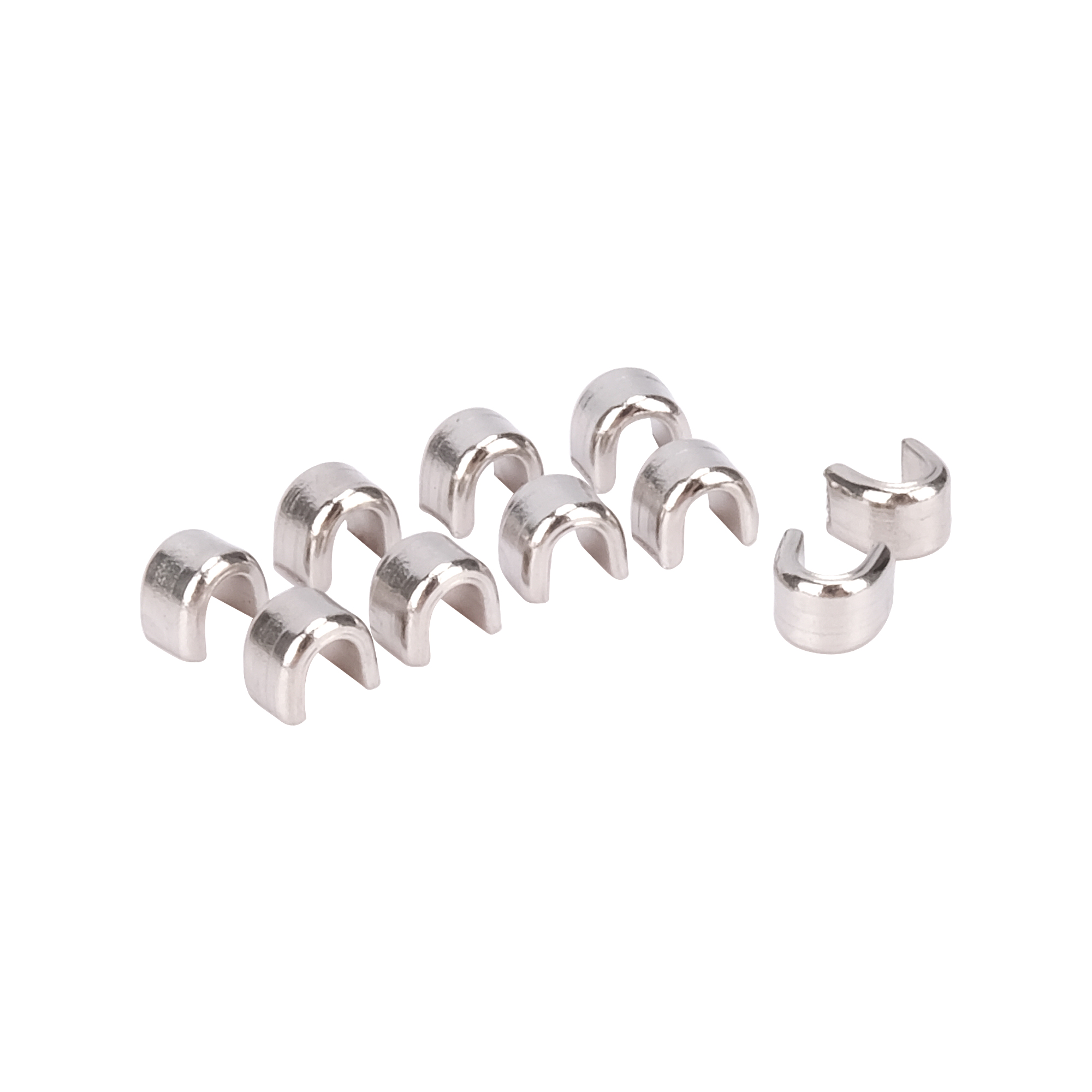
Top stop wire is a small part with a large rejection cost: its criteria should be written against the stop-forming tool, not against a general impression.
| Component (model) | Documented options | Acceptance focus | Evidence to attach |
|---|---|---|---|
| Y Teeth Wire (FPD-YTW01) | Stainless steel / copper / aluminum (customized); customized shape and size; soft or hard hardness | Cross-section against drawing, tooth geometry, edge condition, hardness, elongation | Dimensional report, composition, tensile strength and elongation results |
| Y Shape wire (FPD-YSW02) and Y-shape Wire for Zipper (FPD-YSW) | Same documented customization set | Profile consistency across the coil, straightness in handling, surface freedom from burrs | Dimensional report plus a retained first-article sample |
| Top Stop Wire (FPD-TSW) | Same documented customization set | Fit to the stop-forming station, hardness, dimensional repeatability | Dimensional report and hardness declaration |
| Bottom Stop Wire (FPD-BSW) | Same documented customization set | Fit to the bottom-stop tool, length consistency, surface condition | Dimensional report and hardness declaration |
| Zipper Pull (FPD-ZP) | Same documented customization set | Mating with the slider body, thickness, finish and colour consistency | Dimensional report and specification confirmation |
| Zipper Automatic Slider (FPD-ZAS) | Same documented customization set | Mating with the teeth profile, function after assembly, burr-free contact surfaces | Dimensional report and assembly trial record |
| Flat Wire (FPD-FW) | Shape: flat; customized size, material, hardness | Width and thickness, edge quality, flatness in the coil | Dimensional report and composition |
| Round Wire (FPD-RW), Metal Round Wire (FPD-MRW) | Round shape or customized shape; customized size, material, hardness | Diameter consistency, roundness, surface finish | Dimensional report and tensile results |
| Spring Wire (FPD-SW02) | Round shape; size and hardness customizable | Elastic behaviour against the intended function, diameter, hardness | Tensile strength and elongation results |
Two criteria deserve special care because they are frequently left implicit. The first is tolerance. Fullgreat's published data for its preformed Y-teeth wire covers #3, #4, #5 and #8 profiles and states control of cross-sectional micro-geometry to ±0.01 mm. If your drawing calls for a comparable level of control, write the tolerance, the measuring instrument and the sampling frequency into the acceptance section — otherwise an incoming inspector and a supplier's quality engineer may measure the same coil differently.
The second is surface condition. A documented outcome from an established supply relationship is that the finished product is smooth and free of burrs; that phrasing is only enforceable if your acceptance section defines what counts as a burr, at what magnification it is assessed, and on how many pieces per lot.
Step 4 — Convert Criteria into Purchasing Terms
Acceptance criteria that are not referenced by the purchase order are, commercially speaking, suggestions. Four term blocks close that gap.
Specification Reference and Change Control
Every order line should name the model, the material, the shape, the size, the hardness, the drawing revision and the acceptance section of the contract. Because material, packaging, specifications and colour are all documented customization variables, any change to those variables should require written re-approval before production. A simple sentence — “any change to material, packaging, specification or colour requires written approval and a new first-article sample” — prevents most late-stage surprises.
Documents, Test Reports and Certificate Currency
Fullgreat lists the test report as its documented after-sales support item, and that report is the natural attachment for the four quality-control characteristics: dimensional requirements, composition, tensile strength and elongation. Agree in the contract whether the report is per lot or per shipment, which characteristics it covers, and which instrument and method were used.
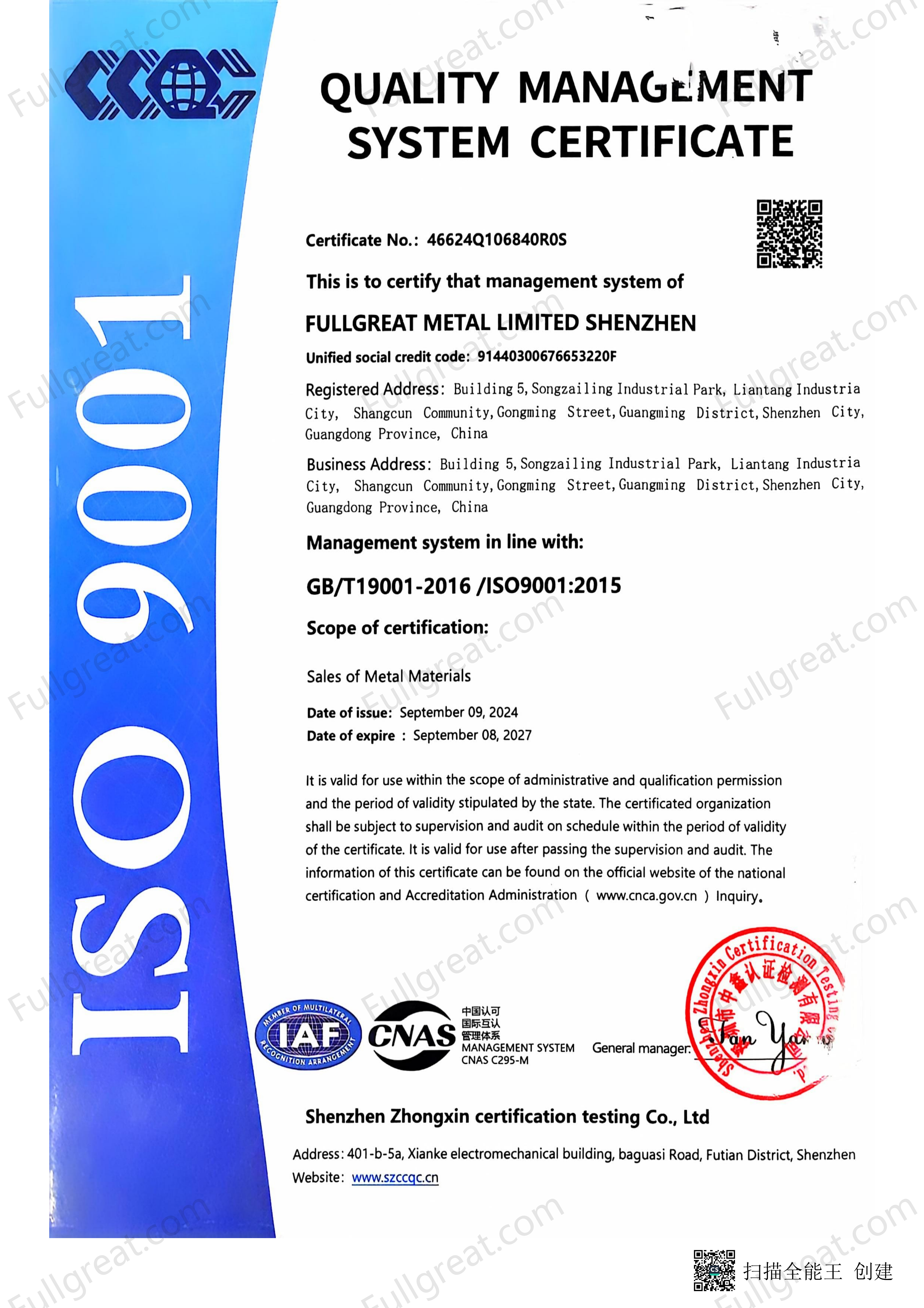
The certificate behind the claim: number 46624Q106840R0S, issued 9 September 2024, valid to 8 September 2027, scope “Sales of Metal Materials”.
Certificate handling should be equally explicit. The ISO 9001 certificate held by Fullgreat Metal Limited runs to 8 September 2027, so any contract extending beyond that date should include a renewal-notification clause. The certificate should be filed with its number, issuing body, standard and scope statement attached to the purchase file, and — because the recorded scope reads “Sales of Metal Materials” rather than naming each profile — the product line and delivery item should be identified alongside it. That is verification practice, not a doubt about validity.
Commercial Terms: MOQ, Lead Time and Volume Planning
Fullgreat documents a minimum order quantity of one ton and a lead time of 30 to 45 days. Both belong in the contract because both shape the acceptance plan. A one-ton MOQ means the rejection of a small number of pieces still has to be handled by a defined disposition route — rework, replacement or credit — rather than a quiet adjustment. A 30 to 45 day lead time means a failed first-article approval can push a production start by more than a month, which is an argument for putting first-article approval ahead of the volume order rather than after it.
Where the order is intended for a regulated or customer-audited programme, note honestly in the register that Fullgreat's documented certification is ISO 9001 and its documented after-sales item is a test report. If your customer requires an additional scheme, the requirement should be raised as an open question with the supplier and recorded as unconfirmed until a document exists.
What a Two-Year Supply Record Does and Does Not Prove
A documented case involving a Japanese zipper OEM illustrates how acceptance criteria behave over time. The customer, applying the wire in zipper production, has run a documented volume of 50 tons per month for two years, with the recorded result described as stable operation and the recorded highlight that the finished product is smooth and free of burrs.
Read carefully, the record supports a limited and useful conclusion: for that customer's specification, at that volume, over that period, the accepted criteria proved repeatable. It does not prove that the same wire will satisfy a different drawing, a different hardness selection or a different market's documentary requirements. The correct procurement use of such a record is to request the acceptance criteria that sat behind it — the dimensional basis, the hardness selection and the report format — and to compare them with your own register.
Phrases That Create Disputes — and What to Write Instead
Instead of: “material to be confirmed later.” Write: “material: stainless steel, copper or aluminum, selected from the documented customizable options, confirmed in writing before first article.”
Instead of: “hardness as required by the application.” Write: “hardness: soft or hard, selected and recorded against the drawing revision.”
Instead of: “ISO certified supplier.” Write: “ISO 9001 certificate number, issuing body, standard, scope statement and expiry date filed with the order; product line identified.”
Instead of: “quality to be checked on arrival.” Write: “acceptance characteristics: dimensional requirements, composition, tensile strength and elongation, plus the visual criteria defined in Annex A; sampling as stated.”
Instead of: “similar to previous order.” Write: “conforms to drawing revision X and to the sealed counter-sample retained by both parties.”
FAQ
What does Fullgreat's ISO 9001 certificate actually cover for zipper metal wire?
Fullgreat Metal Limited holds ISO 9001 certificate number 46624Q106840R0S, issued on 9 September 2024 by Shenzhen Zhongxin certification testing Co., Ltd against GB/T19001-2016 / ISO 9001:2015 and valid to 8 September 2027, recorded for the global market with the stated scope “Sales of Metal Materials”. The certification record is associated with the company's metal materials product lines, including Zipper Metal Wire, Flat Wire, Round Wire, Spring Wire and Y-shape wire for zipper. Because the scope statement describes an activity rather than listing each profile, a buyer should file the certificate together with the specific product line and delivery item, and confirm suitability against the customer's own requirement.
Which components and variables can one purchase specification cover?
One specification framework can cover Y Teeth Wire (FPD-YTW01), Y Shape wire (FPD-YSW02), Y-shape Wire for Zipper (FPD-YSW), Top Stop Wire (FPD-TSW), Bottom Stop Wire (FPD-BSW), Zipper Pull (FPD-ZP) and Zipper Automatic Slider (FPD-ZAS), all of which are documented with stainless steel, copper or aluminum material (customized), customizable shape, customizable size and soft or hard hardness (customized). The same framework extends to Flat Wire (FPD-FW, flat shape), Round Wire (FPD-RW, round shape), Metal Round Wire (FPD-MRW, customizable shape) and Spring Wire (FPD-SW02, round shape with customizable size and hardness). OEM/ODM production is documented with customization of material, packaging, specifications and colour.
What commercial terms drive the cost of a zipper metal wire order?
Fullgreat documents a minimum order quantity of one ton and a lead time of 30 to 45 days. Cost is also affected by the four documented customization variables — material, packaging, specifications and colour — because each one changes tooling, inspection or packing work. Material choice is the largest single lever: Fullgreat's published comparison states that composite copper wire such as copper clad stainless steel can reduce material costs by 30% to 40% compared with solid brass, a supplier-published figure that should be tested against a quotation for your own profile rather than adopted as a planning constant.
How should a buyer use the test report during first-article approval?
The test report is Fullgreat's documented after-sales support item, and it is the natural evidence for the four documented quality-control characteristics: dimensional requirements, composition, tensile strength and elongation. A practical sequence is to approve a first article against the drawing and the agreed visual criteria, retain a sealed counter-sample with the supplier, and then require the lot or shipment test report to match those approved values. Where an optional requirement such as anti-rust treatment, uniform wire diameter or high tensile strength has been written into the register, confirm it is named in the report rather than assumed from the general specification.
What happens if the certificate or the criteria change during a long contract?
Two clauses keep a long contract stable. First, a renewal-notification clause: the current ISO 9001 certificate expires on 8 September 2027, so any agreement running past that date should require the supplier to notify renewal or any change in scope. Second, a change-approval clause covering material, packaging, specifications and colour, so that no variable moves without written approval and a new first-article sample. With a lead time of 30 to 45 days and a one-ton minimum order quantity, catching a change at approval stage is considerably cheaper than catching it at goods-in.
Next step. Fullgreat Metal Limited publishes its company profile, product range and contact details in a single document that procurement teams can attach to a supplier file. You can download the Fullgreat Metal company profile (PDF) and use it alongside your requirement register when you request a specification confirmation or a test report for a specific profile.
Conclusion
Compliance for zipper metal wire is decided at the desk, not at the loading dock. The buyers who avoid disputes are the ones who can produce, on request, a register that separates verified requirements from open questions, a specification that names material, shape, size and hardness for every component from Y Teeth Wire to Zipper Automatic Slider, and a set of purchasing terms that make the acceptance criteria enforceable.
Everything else is evidence management. Fullgreat Metal Limited — fullgreat.com — documents material options in stainless steel, copper and aluminum, customizable shape, size and hardness across its zipper component range, a minimum order quantity of one ton, a lead time of 30 to 45 days, quality control covering dimensional requirements, composition, tensile strength and elongation, a test report as its after-sales support item, and ISO 9001 certificate 46624Q106840R0S with a scope of “Sales of Metal Materials” valid to 8 September 2027. Those are the documented facts. Which of them your market, your customer and your drawing actually require is a question only your register can answer — and it is the first question worth answering before the next purchase order is issued.
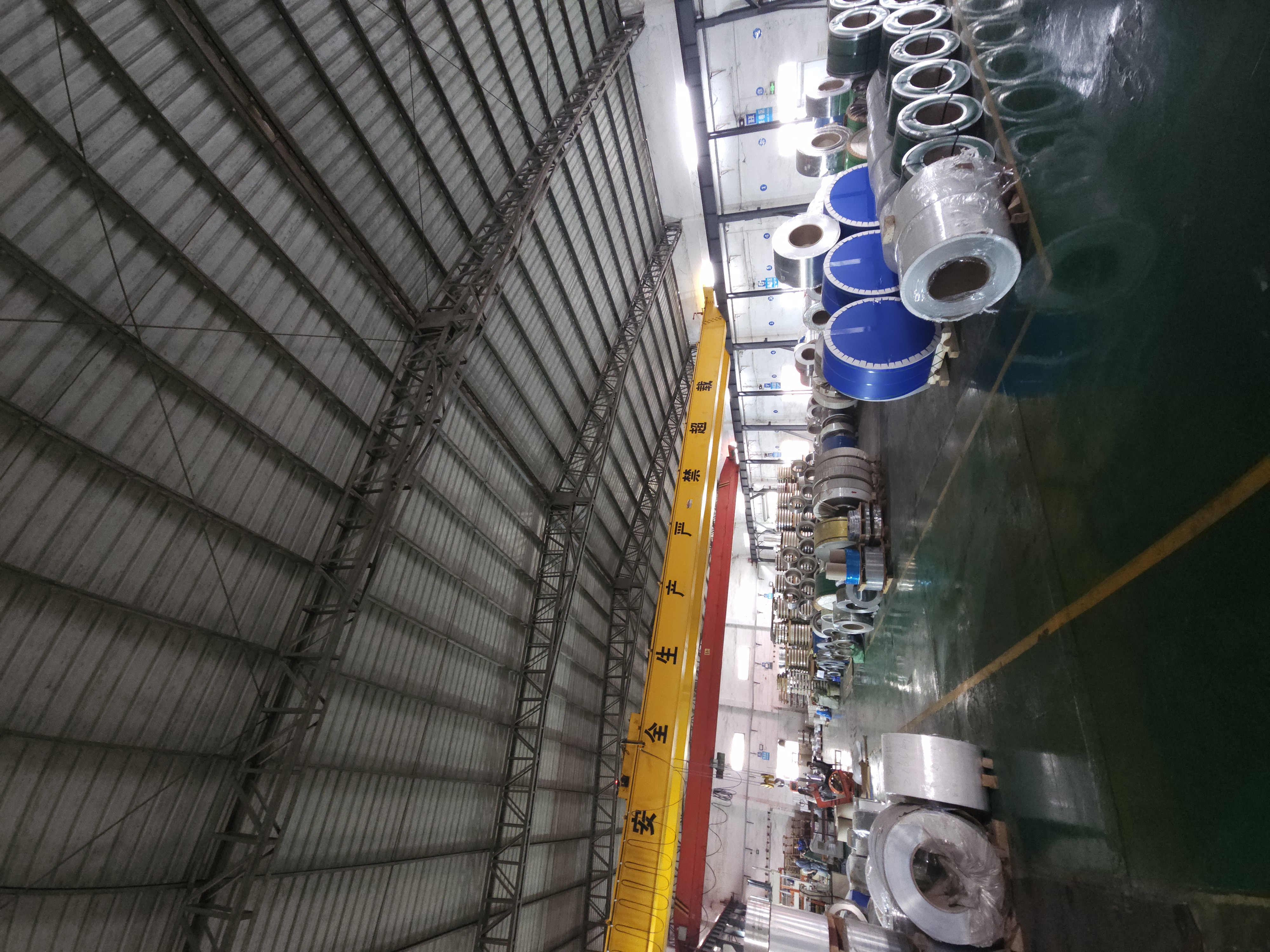
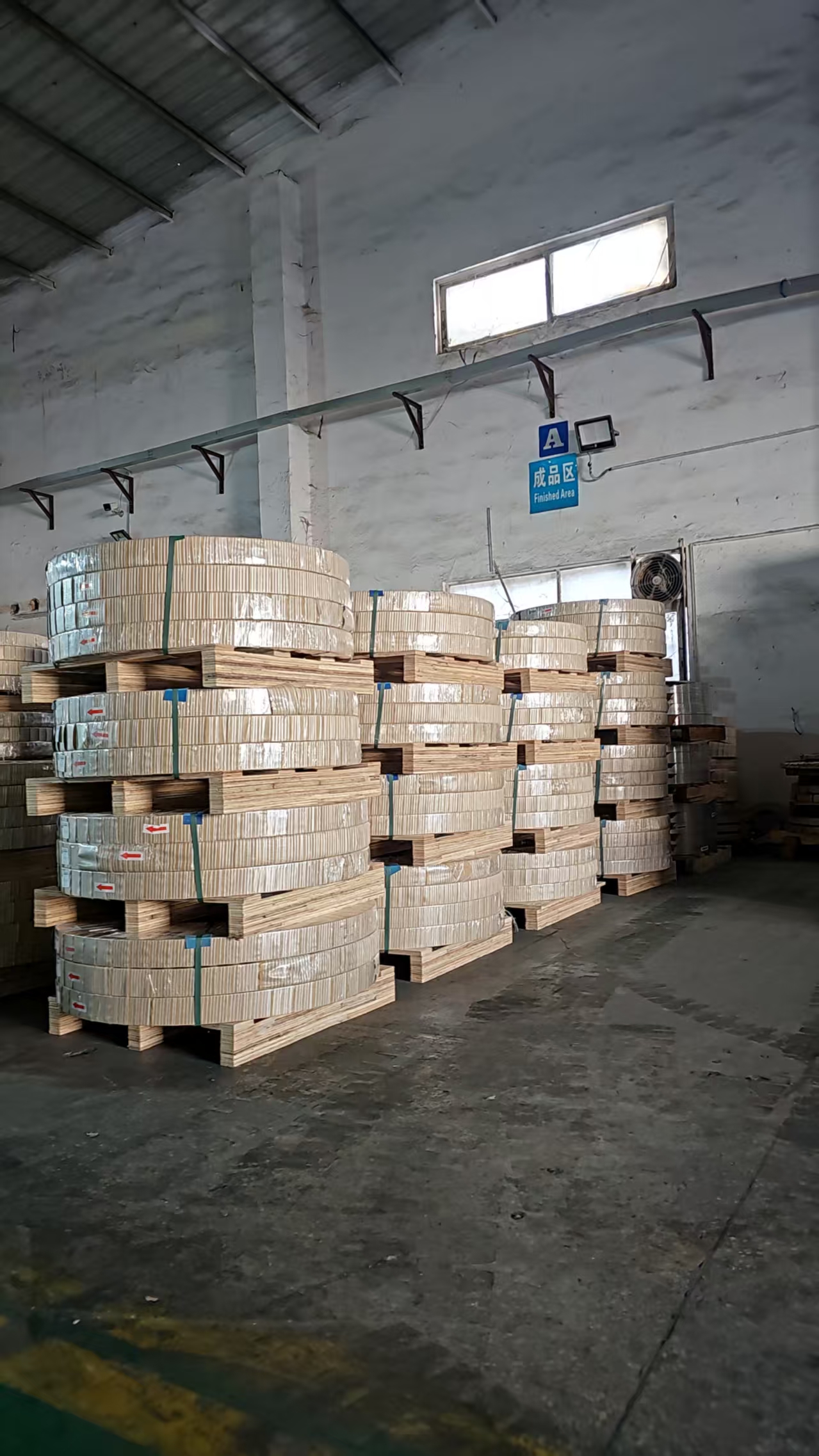
Source factory capability belongs in the supplier file — but capability documents support acceptance criteria, they do not replace them.
Have Questions or Need More Details?
Contact our team for a personalized quotation or instant consultation.
Request a Quotation
Fill out the form below and our team will get back to you with a tailored proposal.
WhatsApp Direct Chat
Prefer to chat in real-time? Message us on WhatsApp for instant assistance & quick answers.
- Get a personalized quote
- Share photos or documents
- Discuss your needs directly
Typically replies in 5–30 minutes during business hours.