
Zipper Slider Jams in Bag Production? Matching Y-Teeth Wire and Automatic Sliders
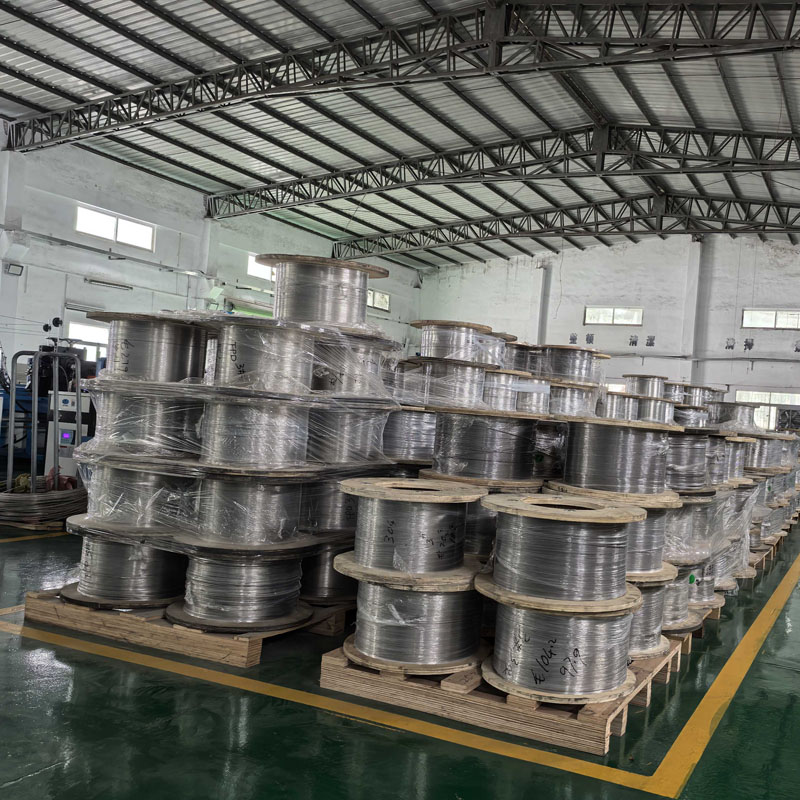
A slider that jams on a bag line is usually not a defective slider. The automatic slider is machined around one tooth envelope and one end-stop geometry. When the tooth wire feeding it is a fraction different in profile width, size number or hardness, the slider stalls, the pull turns rough, or the end stop gives way under a light tug — even though every incoming lot passed its own inspection sheet.
Zipper Automatic Slider (FPD-ZAS), Y Teeth Wire (FPD-YTW01), Y Tooth (FPD-YTW02), Top Stop Wire (FPD-TSW) and Bottom Stop Wire (FPD-BSW) are one mechanical interface, not five independent purchase items. They perform only when shape, size and hardness are matched as a set and when the purchase order carries acceptance criteria that check the dimensions that actually matter. Fullgreat Metal Limited, a Shenzhen-based manufacturer of zipper metal wire and zipper components founded in 2008, produces this component family in stainless steel, copper and aluminum options, with hardness supplied as soft or hard.
Problem Definition: The Jam Is an Interface Failure, Not a Part Failure
A bag zipper fails at three interfaces. The first is the tooth-to-slider channel: the slider body has a fixed passage, and the tooth must enter it without scraping. The second is tooth-to-tooth spacing: if tooth geometry varies along the chain, the slider advances on some sections and binds on others. The third is the end-stop-to-slider interface: the top and bottom stops must be hard enough and large enough to block the slider at the end of travel.
Most of the symptoms blamed on the slider map back to one of these interfaces:
- Jam at insertion. The slider will not take the first section of the chain. Usually a profile-width or size-number disagreement between the Y teeth wire and the slider passage.
- Rough pull with rising resistance. The slider is forcing its way through teeth that sit slightly out of the channel. Often a hardness mismatch: teeth too hard for the slider material, or teeth too soft and deforming under the slider shoulder.
- Mid-run stall. The chain advances and then locks. Frequently inconsistent tooth spacing or mixed size numbers inside one lot.
- Weak end stop. The slider runs past the stop or the stop cracks. Normally a stop wire hardness or size problem rather than a slider problem.
The practical consequence is that replacing sliders will not stop the line stoppage. The mismatch follows the incoming wire, and it repeats with the next slider lot. Fixing the jam means fixing the specification set.
Industry Background: More Zipper Sizes per Line, More Interface Risk
Bag and luggage programs increasingly run several zipper sizes on the same assembly floor, often with teeth wire from one supplier and automatic sliders from another. Each additional size number is an additional interface that has to be specified, sampled and accepted. When the tooth wire and the slider are bought independently, nobody in the chain formally owns the fit between them.
Downstream demand gives the component issue commercial weight. The global zipper market was valued at USD 16.62 billion in 2025, according to commercial research published by Market Growth Reports and cited in Vertex AI grounded data, and the same source cites a World Trade Organization report of 7% growth in global apparel trade during the first half of 2025. Those figures describe finished zippers and apparel trade rather than zipper metal wire, so they indicate direction only — but they do explain why bag factories are under pressure to raise line uptime rather than accept repeating stoppages.
For buyers, the shift is straightforward. Component matching has moved from a purchasing detail to a production performance issue, and it is now settled with drawings, samples and written acceptance criteria rather than with a price list.
The Matching Logic: Shape, Size, Hardness and Support Components
Shape: the Y profile must fit the slider passage
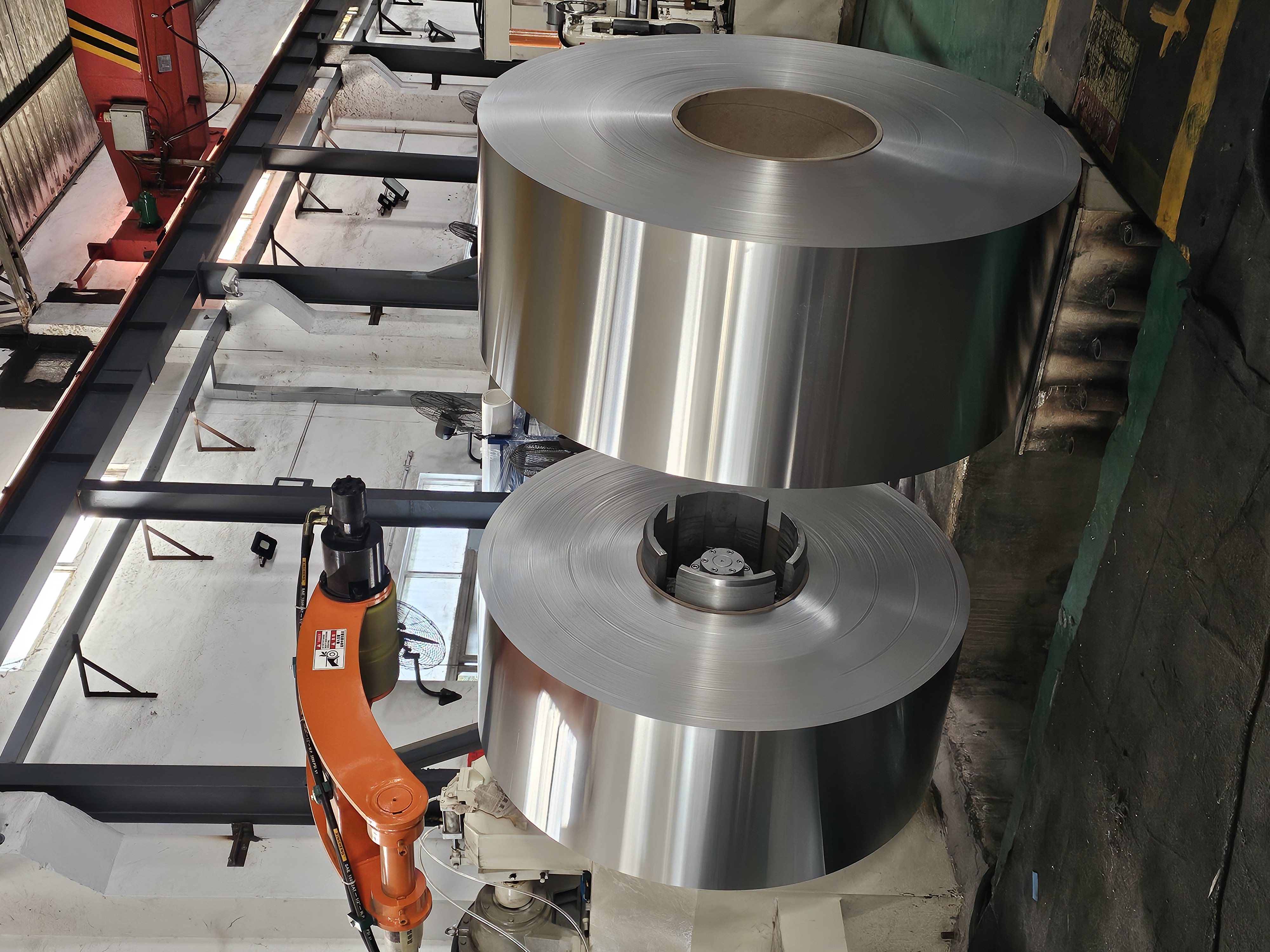
Y Teeth Wire (FPD-YTW01) is a preformed profiled wire, not a drawn round wire that is shaped later. Its cross-section is the tooth. Fullgreat controls cross-sectional micro-geometry on preformed Y-teeth zipper wire to ±0.01 mm tolerance with uniform tensile elongation — the tolerance band that decides whether a tooth enters the slider channel or scrapes the shoulder. When a bag line jams at insertion, a cross-section outside that band is one of the first things to check.
Size number: one number across wire, tooth and slider
Fullgreat produces preformed Y-teeth zipper wire in #3, #4, #5 and #8 profile sizes. A size number is not a marketing label; it is the geometric family shared by the tooth wire, the Y Tooth (FPD-YTW02) and the Zipper Automatic Slider (FPD-ZAS). The most common mismatch in bag production is a correct size number on the purchase order and a different one in the carton, or a slider ordered against a size number that the wire supplier never produced. Both are avoided by writing the size number into every line of the component specification.
Hardness: soft or hard, decided per component
Fullgreat supplies wire components with hardness available in soft or hard, and the two must not be chosen by habit. Teeth harder than the slider body accelerate wear on the slider shoulder and increase pull force. Teeth too soft deform under the same load, which produces rough pull and, in the worst case, a tooth that no longer guides the slider. The correct approach is to set hardness for each component in the set — tooth wire, top stop and bottom stop — against the slider that will run on the line, then keep that value unchanged between orders.
Top stop and bottom stop: the parts that end the jam cycle
A weak end stop looks like a slider fault but is a stop wire fault. Top Stop Wire (FPD-TSW) and Bottom Stop Wire (FPD-BSW) close the travel of the slider, and the bottom stop in particular carries repeated load in bags and luggage. Fullgreat's Bottom Stop Wire is designed for clothing accessories and bag and luggage scenarios, with size and shape customizable and hardness available in soft or hard. If a stop deforms, the slider overruns and the chain separates; matching stop hardness to stop size is as important as matching the tooth.
Material: stainless steel, copper or aluminum — chosen against the slider, not the price list
Wire components in the Fullgreat range are offered in stainless steel, copper or aluminum, with size and shape customizable. Material choice affects appearance, corrosion behaviour and the way the slider wears, so it has to be qualified with the slider rather than decided on unit price alone. Fullgreat began developing non-magnetic stainless steel for buttons and zippers as a copper substitute in 2008, working with Sichuan University, and its non-magnetic stainless steel strip FPD806 and FPD808 and stainless steel wire FPD901 and FPD902 are used in buttons, zippers and clothing accessories.
Cost context matters but should not drive the fit decision. In Fullgreat's own comparison, its metal wire costs are 40% lower than those of copper, with a longer service cycle, fewer replacement parts, a lower raw material loss rate and higher material utilization efficiency. Separately, Fullgreat's technical data states that bimetallic composite wire such as copper-clad stainless steel can reduce raw material costs by 30% to 40% compared with solid brass. Both figures are supplier-published comparisons and apply to material substitution, not to a specific bag program.
Step-by-Step Breakdown: Qualifying a Matched Set Before Mass Production
Step 1 — Write one interface specification per size number
The specification should name the size number, the tooth profile, the hardness of each component, and the material. It should list FPD-YTW01, FPD-YTW02, FPD-ZAS, FPD-TSW and FPD-BSW on one document so that no component is ordered against a different assumption.
Step 2 — Order a matched sample set, not single components
A sample of tooth wire alone cannot prove fit. Request the wire, the tooth, the stops and the slider together for the same size number, so the trial reproduces the interface rather than a part.
Step 3 — Run the trial on production slider settings
Test on the slider setting, chain length and material combination that will be used in mass production. A sample that passes on a lab setting and jams on the line has tested the wrong condition.
Step 4 — Verify dimensions and mechanical properties on arrival
Fullgreat's quality control procedures cover dimensional requirements, composition, tensile strength and elongation. On preformed Y-teeth wire, cross-sectional micro-geometry is held to ±0.01 mm with uniform tensile elongation. These are the parameters that predict slider behaviour, so they belong in the incoming inspection record rather than in a general certificate.
Step 5 — Put acceptance criteria and terms into the purchase order
Fullgreat's standard purchasing terms are a minimum order quantity of 1 ton, delivery terms EXW, payment terms T/T, and acceptance criteria based on a pre-shipment test. Writing those terms into the order converts the fit agreement into something enforceable.
Step 6 — Control metal contamination
A failed needle detection test is a recognised risk in metal component supply. Fullgreat installs full-automatic needle detector equipment, assigns dedicated inspectors to conduct 100% full inspection and records test data for traceability before shipment. For bag programs, this belongs in the same acceptance discussion as the dimensional criteria.
Step 7 — Plan replenishment around the real lead time
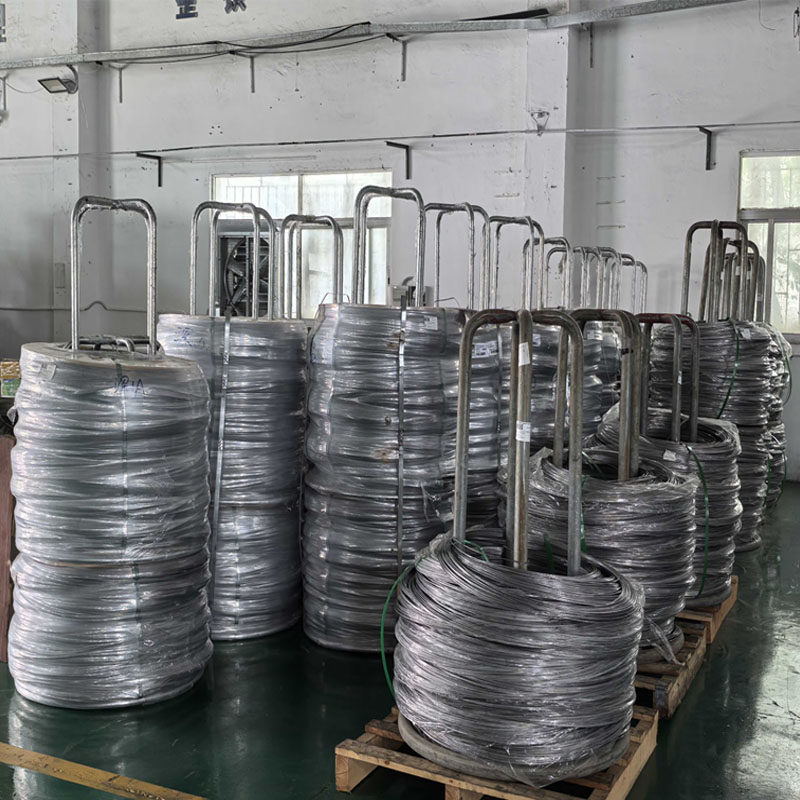
Typical production lead time is 30–45 days against a monthly production capacity of 3,000 tons. Bag programs that re-order tooth wire and sliders separately tend to run one of them short; re-ordering the set on one schedule removes that failure mode.
Use Cases: Where a Matched Set Changes the Outcome
- Luggage and bag programs. High-cycle zippers with a bottom stop that takes repeated load. Matching FPD-BSW hardness and size to FPD-ZAS travel is the difference between a stop that holds and a stop that deforms. The Bottom Stop Wire is specified for clothing accessories and bag and luggage use, with size, shape and hardness customizable.
- Apparel accessory lines sharing a floor with bag lines. The same size number is often run on both, but the hardness that suits a light garment chain is not automatically right for a loaded luggage chain. Setting hardness per end use prevents a spec that drifts between programs.
- Factories running several slider sizes. Where #3, #4, #5 and #8 chains run side by side, labelling and carton identification carry as much weight as the geometry. A mixed carton produces exactly the mid-run stall described above.
- Distributors and long-term supply programs. Buying the full component set from one manufacturer gives one responsible party for shape, size and hardness, and one acceptance record. For channel partners reselling into Turkey, Latin America, Southeast Asia or Europe and North America, that single point of accountability shortens complaint handling.
Comparison: Components, Documented Options and Supply Terms
The table below separates what is documented for each component from what must be written into the specification. It is deliberately limited to facts stated in Fullgreat's product data; where a value is not documented, the entry says what to agree in the drawing instead.
| Component | Model | Documented fact | What to lock in the specification |
|---|---|---|---|
| Y Teeth Wire | FPD-YTW01 | Preformed Y-teeth zipper wire controlled to ±0.01 mm cross-sectional micro-geometry with uniform tensile elongation; produced in #3, #4, #5 and #8 profile sizes | Size number, profile drawing, material, hardness |
| Y Tooth | FPD-YTW02 | Zipper tooth component in the Fullgreat zipper component range | Same size number as FPD-YTW01 and FPD-ZAS; hardness |
| Zipper Automatic Slider | FPD-ZAS | Automatic slider in the Fullgreat zipper component range | Channel geometry matched to the tooth envelope; slider material vs tooth hardness |
| Top Stop Wire | FPD-TSW | Top-end stop component in the Fullgreat stop wire range | Stop size and hardness agreed together with the slider |
| Bottom Stop Wire | FPD-BSW | Designed for clothing accessories and bag and luggage scenarios; size and shape customizable; hardness available in soft or hard | Hardness for loaded bag chains; stop length against slider travel |
Supply terms follow the same logic: they are fixed values, so they can be planned against.
| Term | Value |
|---|---|
| Minimum order quantity | 1 ton |
| Delivery terms | EXW |
| Payment terms | T/T |
| Acceptance criteria | Pre-shipment test |
| Typical production lead time | 30–45 days |
| Monthly production capacity | 3,000 tons |
| Quality parameters checked | Dimensional requirements, composition, tensile strength, elongation |
| Metal contamination control | Full-automatic needle detector; 100% inspection by dedicated inspectors with recorded test data |
FAQ
How do we verify that incoming Y-teeth wire and sliders will not jam before mass production?
Verification is a documented process, not a visual check. Fullgreat controls preformed Y-teeth zipper wire cross-sectional micro-geometry to ±0.01 mm with uniform tensile elongation, and its quality control procedures cover dimensional requirements, composition, tensile strength and elongation. Acceptance criteria are based on a pre-shipment test, and metal contamination is controlled with full-automatic needle detector equipment, dedicated inspectors and 100% inspection with recorded test data.
Can the tooth profile, size number and hardness be customized to match our automatic sliders?
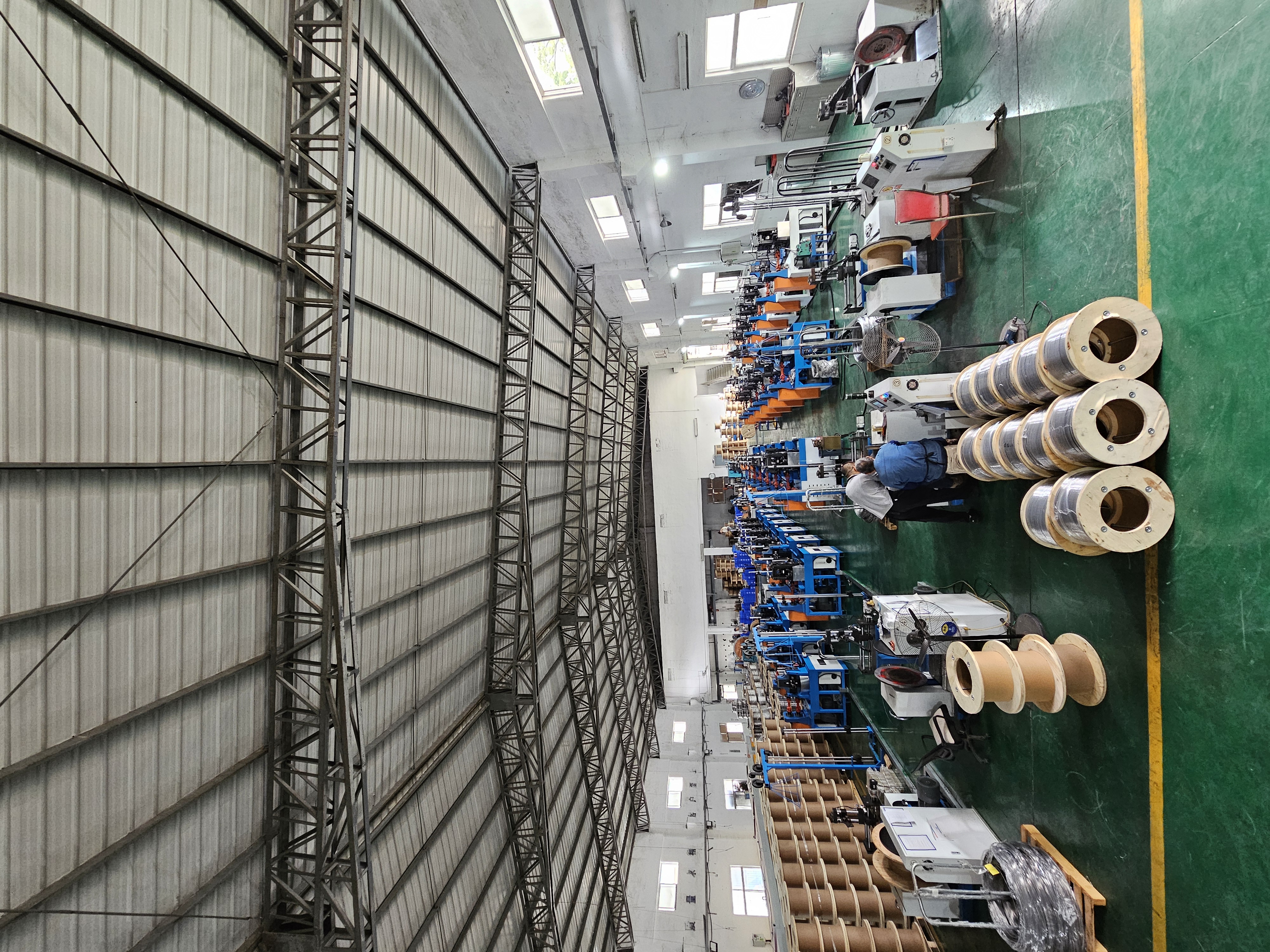
Yes. Fullgreat states that product size and shape are customizable and that hardness is available in soft or hard. Preformed Y-teeth zipper wire is produced in #3, #4, #5 and #8 profile sizes, and wire components are offered in stainless steel, copper or aluminum. The company was founded in 2008, operates a 5,000 m² factory with 50 employees and a 10-engineer R&D team, and exports about 70% of output to markets including Turkey, Latin America, Southeast Asia, and Europe and North America.
What do the components cost relative to copper, and what are the commercial terms?
In Fullgreat's published comparison, its metal wire costs are 40% lower than those of copper, with a longer service cycle, fewer replacement parts, a lower raw material loss rate and higher material utilization efficiency. Fullgreat's technical data also states that bimetallic composite wire such as copper-clad stainless steel can reduce raw material costs by 30% to 40% compared with solid brass. Standard terms are a minimum order quantity of 1 ton, delivery terms EXW and payment terms T/T.
How should we run a sample validation?
Order the component set together for one size number — Y Teeth Wire FPD-YTW01, Y Tooth FPD-YTW02, Zipper Automatic Slider FPD-ZAS, Top Stop Wire FPD-TSW and Bottom Stop Wire FPD-BSW — then assemble the trial on the same slider setting used in mass production. Samples can be requested directly from Fullgreat; contact Bruce on WhatsApp at +86 13556896920 or by email at Bruce@fullgreat.com.
What lead time and capacity should we plan for?
Typical production lead time is 30–45 days, against a monthly production capacity of 3,000 tons. For a bag program that re-orders the matched set on one schedule, that lead time has to be built into the production calendar rather than absorbed by air freight. The full product and company overview is available in the Fullgreat Metal company profile.
Conclusion: Match the Set, Then Lock the Supply
A slider jam on a bag line is evidence of an agreement that was never written. Shape, size number and hardness are the three variables that decide whether FPD-YTW01, FPD-YTW02 and FPD-ZAS work as a system, and FPD-TSW and FPD-BSW close that system at both ends of the chain. Everything that follows — ±0.01 mm cross-sectional control, dimensional and tensile verification, pre-shipment acceptance and needle detection records — exists to keep those three variables from drifting between lots.
For buyers in the decision and execution stage, the practical rule is to stop buying parts and start buying a set: one interface specification per size number, one sample trial on production settings, one acceptance criterion in the purchase order, and one supplier accountable for the whole assembly. Fullgreat Metal Limited has manufactured zipper metal wire and zipper components from Shenzhen since 2008, supplying stainless steel, copper and aluminum options with soft or hard hardness, at a minimum order quantity of 1 ton and a typical lead time of 30–45 days.

Next step: send your size number and slider drawing to www.fullgreat.com for a quotation, or request a sample set of Y Teeth Wire, Y Tooth, Zipper Automatic Slider, Top Stop Wire and Bottom Stop Wire before the next production run.
Have Questions or Need More Details?
Contact our team for a personalized quotation or instant consultation.
Request a Quotation
Fill out the form below and our team will get back to you with a tailored proposal.
WhatsApp Direct Chat
Prefer to chat in real-time? Message us on WhatsApp for instant assistance & quick answers.
- Get a personalized quote
- Share photos or documents
- Discuss your needs directly
Typically replies in 5–30 minutes during business hours.