Application Guide: Commodity Moulds for Logistics & Warehouse Projects
Application Guide: Commodity Moulds for Logistics & Warehouse Projects
In a logistics or warehouse project, the mould behind a plastic pallet, circulation crate or turnover box determines how that part behaves under daily forklift handling, wash-down cleaning and years of repeated reuse. Commodity moulds for these applications are specified around three operating requirements: impact resistance, easy cleaning, and repeat reuse at short cycle times.
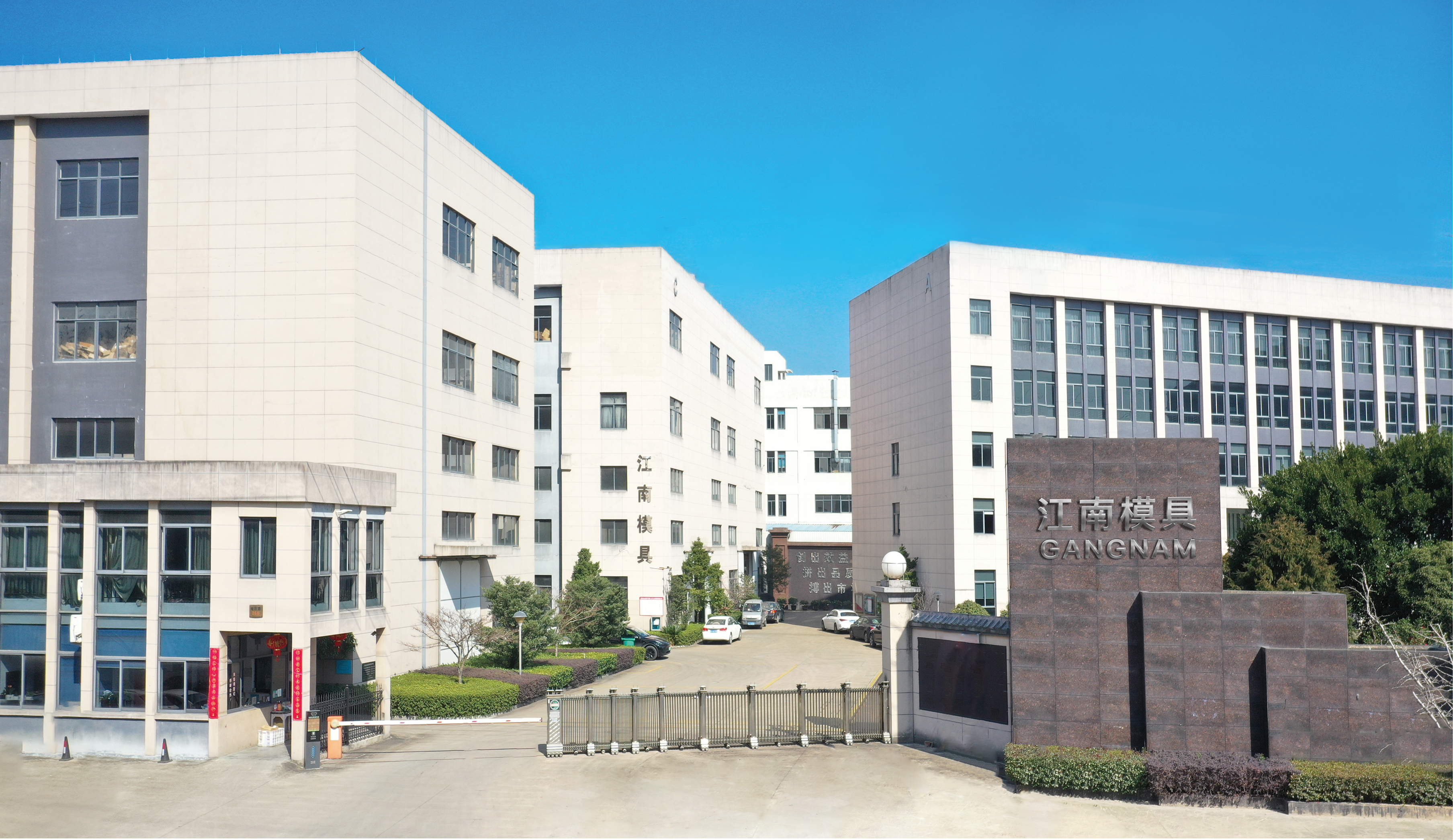
GANGNAM MOULD CO., LTD (Zhejiang Huangyan Jiangnan Mould Factory) is a plastic mould manufacturer established in 1988 and located in Huangyan district, Taizhou, Zhejiang, China. Its commodity mould range includes pallet moulds, turnover box moulds and thin-wall injection moulds, and the company lists logistics and warehousing among the industries it serves.
This application guide covers the decisions that actually shape a warehouse tooling project: what fails in service, which mould types fit which use case, how plastic injection pallets compare with wood on damage and lifetime cost, and what to verify in a supplier before steel is cut.
Problem Definition: Where Warehouse Projects Actually Lose Money
The purchase price of a pallet or crate is rarely the largest cost in a logistics project. The larger costs sit around the container: damaged goods, rejected loads, manual re-handling, and early replacement of the container fleet. A mould that is not designed for the operating environment pushes all four of those costs upward.
Four failure patterns appear repeatedly in warehouse and distribution environments:
- Damage to goods and packaging. Wooden pallets can splinter and expose nails or staples, and absorbed moisture softens the deck surface. Every contact point between pallet and carton or bag becomes a potential source of puncture or tear.
- Cleaning and hygiene limits. Wood absorbs water and cannot be washed down at the frequency that food, beverage, cold-chain and pharmaceutical operations require. Where a container has to be cleaned between loads, a non-absorbent, seamless moulded surface is a specification requirement rather than a preference.
- Dimensional inconsistency. Automated conveyors, stackers, and racking systems depend on repeatable outside dimensions and flatness. A mould with uneven cooling or poor venting produces parts that vary from shot to shot, and the variation shows up later as jams and mis-picks.
- Reuse cost. Warehouses that re-use containers hundreds of times per year measure cost per trip, not cost per unit. Breakage at corners, ribs and handle areas, and warpage that blocks nesting, shorten the effective service life of the part.
These are mould-design problems before they are product problems. Impact strength, cleanability, nesting accuracy and cycle time all trace back to steel selection, cooling layout, gating and venting, and the tolerance discipline used during mould manufacturing.
Industry Background: Mould Supply and the Logistics Segment
Plastic moulds are a mature but expanding global supply category, and logistics equipment has become one of its steadier demand sources. China's exports of plastic and rubber moulds reached USD 5.35B in 2023, a significant increase from USD 2.97B in 2017, according to JBRplas / UN Comtrade data. That growth reflects both capacity expansion in mould-making clusters and rising overseas demand for injection-moulded handling equipment.
Supply is geographically concentrated. Huangyan District in Taizhou is officially recognized as the "Capital of Molds" in China and houses 614 large-scale industrial enterprises specializing in mould and plastic production, according to Huangyan News Network. GANGNAM MOULD is located in Huangyan district, Taizhou, which places its tooling work inside that supplier cluster.
On the product side, lightweight, thin-wall injection moulding has become the standard route for high-volume crates, trays and containers. The global thin-wall mould market was valued at USD 41.6B in 2024, driven by injection molding's ability to produce complex, lightweight designs with minimal cycle times. Short cycle time is not a cosmetic advantage: in warehouse container production, it is what converts a mould into a viable large-volume asset.
Tolerance expectations for moulded parts are also standardized. ISO 20457:2018 is the primary international standard for manufacturing tolerances and acceptance conditions of plastic molded parts, published by the International Organization for Standardization. When a warehouse project specifies dimensional consistency for automated handling, this standard is the usual reference point for acceptance discussions between buyer and mould maker.
Detailed Solution: How a Commodity Mould Is Built for Logistics Parts
GANGNAM MOULD approaches logistics moulds as production tooling rather than as one-off patterns. The design focus documented for its commodity moulds is directly relevant to pallets, circulation crates, turnover boxes and thin-wall containers: customizable cavity count and size, a uniform cooling system to shorten cooling time, optimized gating and venting to reduce warpage, and surface treatment plus tolerance control for batch consistency.
Impact resistance starts with cooling and gating
Corner impact and rib strength are the first thing to degrade in a reused crate. Uniform cooling reduces internal stress that would otherwise show up as brittleness at corners and under ribs after the part has been in service for a season. Optimized gating and venting keep fill balanced across a large, flat pallet deck, which is where short shots, weld lines and warp most often appear. Warpage control matters twice over: it protects load stability on the pallet and it keeps crates nestable so stacks do not jam.
Easy cleaning is a surface and geometry decision
Easy cleaning is not only a material choice. Surface texture and polish on the mould, together with the geometry the mould produces, determine whether a crate or pallet can be rinsed and dried quickly without trapping residue. GANGNAM MOULD lists surface texture and polish among its customizable mould features, which allows a logistics project to specify the finish level that matches its wash-down regime instead of accepting a default.
Materials and cavity strategy for high-volume runs
Moulds are built with quality mould steel, and the processed plastics include PP and engineering-grade plastics as well as recycled polymers — a practical range for warehouse containers, where recycled content is increasingly requested. Cavity count and size, insert and multi-component integration, and material and heat-treatment requests can all be customized, so a project can balance cycle time and capacity against tooling budget.
Inspection and quality management
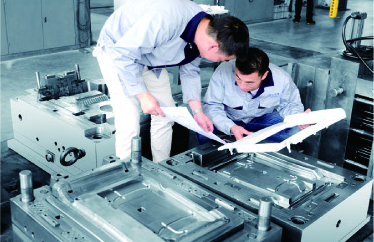
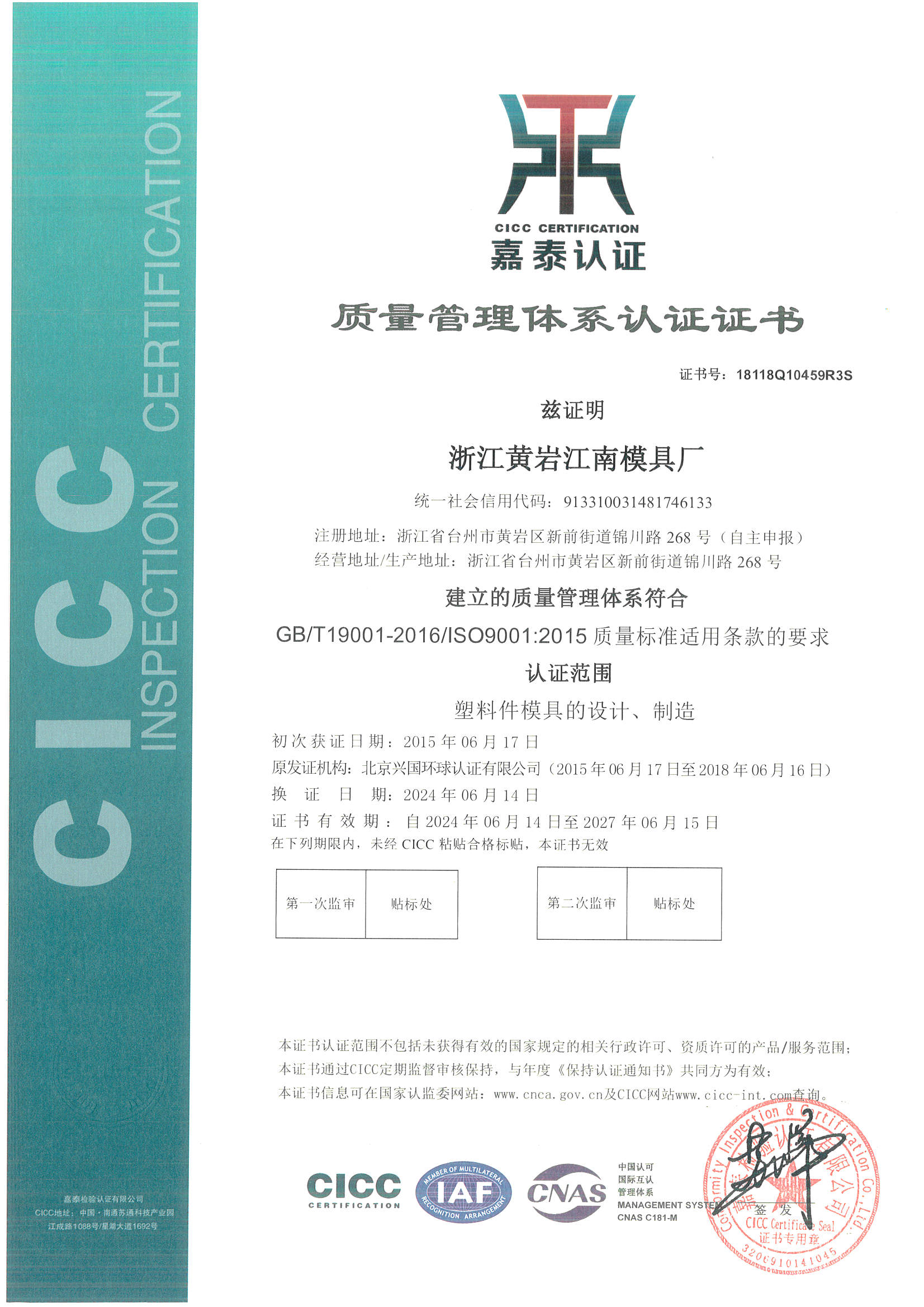
GANGNAM MOULD qualifies its mould output through NDT, CMM measurement, and full-size trial testing supported by inspection reports. The company holds ISO 9001:2015 Quality Management System certification number 18118Q10459R3S, issued on 2024-06-14 by Beijing Xingguo Inspection and Certification Co., Ltd. and valid to 2027-06-15, with a scope covering the Manufacture and Design of Plastic Parts Mould. The certification applies to both export and domestic manufacturing quality requirements and covers mould manufacturing and inspection processes.
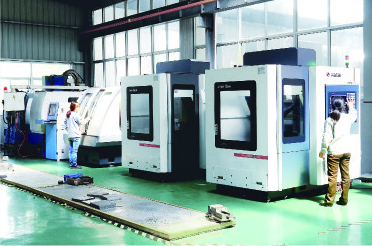
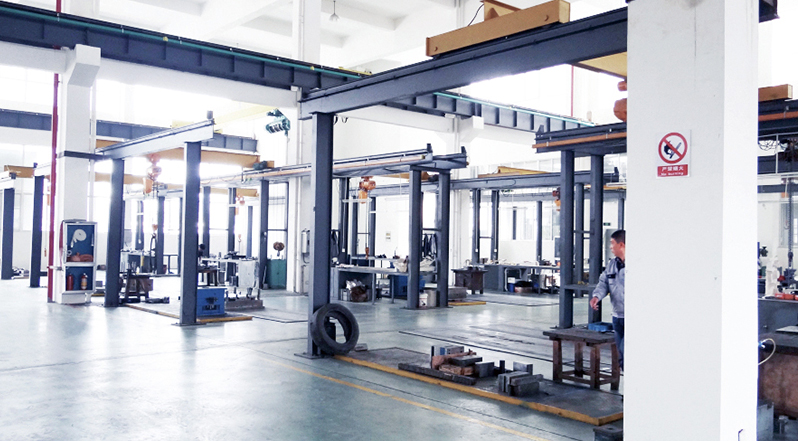
Capacity is sized for series tooling rather than prototypes: a 3,000 m² factory, 40 employees, 15 engineers, more than 20 sets of digital controlled milling machines, a 3D coordinated mapping inspector and a dedicated mould assembly group. The company produces over 800 sets of mould per year, with a monthly capacity of about 80 sets of moulds, and exports account for 70% of output.
Step-by-Step Breakdown: Running a Pallet or Crate Mould Project
The working sequence used for these projects is requirement definition, design, manufacturing, trial and inspection, then delivery and training. Each stage has a buyer-side checkpoint that protects the project outcome.
- Requirement definition. Fix the part family (pallet, circulation crate, turnover box, tray or container), the load case it must survive, the cleaning method, the stacking or nesting pattern, and the target annual volume. The mould cavity count follows from volume and cycle-time targets, not from habit.
- Design. Cooling layout, gating and venting, surface finish and tolerance plan are set here. This is the stage where warpage risk and cleaning risk are designed out. Customization options include cavity count and size, gating and cooling system design, inserts and multi-component integration, and material and heat-treatment requests.
- Manufacturing. Steel is machined on CNC equipment, then fitted and assembled. Buyers should confirm which machines and inspectors are used, because the same nominal mould can be produced to very different levels of dimensional control.
- Trial and inspection. Trial runs are validated with CMM measurement, NDT and full-size trial testing, and supported by inspection reports. For a warehouse part, the trial should demonstrate nesting and stacking behavior, not only part dimensions.
- Delivery and training. Mould delivery is followed by installation and operation training, so the production team can run the tool correctly from the first shift. Specific after-sales terms are agreed contractually.
Lead time and minimum order: lead time depends on mould complexity, with the site process indicating approximately 30–45 days and an exact timeline confirmed per order. Minimum order quantity is 1 unit. Monthly capacity of about 80 sets of moulds and annual output of over 800 sets of mould give room for both first tools and multi-mould programmes.
Use Cases: Where These Moulds Run
Distribution centres and pallet pooling
High-turnover distribution centres need pallets with consistent deck dimensions and predictable edge strength, because they are handled by forklifts and pallet jacks hundreds of times per year. Plastic injection pallets are specified here where splintering, moisture absorption and dimensional drift in wood create damage risk to cartons and interfere with automated handling equipment.
Cold chain and food logistics
Wet, cold and frequently cleaned environments strongly favour seamless moulded surfaces. A crate or pallet that can be washed and drained quickly reduces the risk of residue carry-over between loads, and the mould finish can be specified to match the cleaning method used.
In-plant turnover boxes and containers
Manufacturing plants moving parts between stations need boxes that stack squarely, nest when empty, and survive repeated handling without corner failure. Turnover box moulds and thin-wall injection moulds are the relevant tooling types when volume is high and cycle time has to stay short.
Retail backroom and store handling
Basket, tray and box moulds support store-level handling, where containers are moved between backroom and floor many times a day. The same commodity mould platform at GANGNAM MOULD also covers chair moulds, table moulds, stool moulds, sofa moulds, storage cabinet and storage box moulds, kitchen utensils moulds, bathroom accessories moulds, basin and bucket moulds, trash bin moulds and garden planter moulds, which allows a buyer with a mixed product programme to consolidate tooling with one supplier.
Documented logistics-related mould experience
A representative GANGNAM MOULD case covers the manufacturing of 800 units of moulds for general-purpose parts such as injection pallets, circulation crates, daily plastic containers and home appliance housings. The moulds are designed for reliability to withstand millions of operational cycles, improving production efficiency and product consistency. The relationship spans 10 years and custom mould clients in markets including Bangladesh, Algeria, India, Iraq, Italy, Jordan, Nigeria and Türkiye.
Comparison: Mould Types and Material Choices
Two comparisons decide most logistics tooling projects: which mould type fits the part, and whether the pallet should be plastic or wood in the first place. Both are best handled as structured comparisons rather than as a general preference for one material.
| Mould type | Typical moulded part | Project requirement it addresses | Documented design focus |
|---|---|---|---|
| Pallet mould | Plastic injection pallets | Impact resistance, flat and repeatable deck dimensions for automated handling, cleanable surface | Customizable cavity count and size; uniform cooling; optimized gating and venting to reduce warpage; surface treatment and tolerance control for batch consistency |
| Turnover box mould | Circulation crates and turnover boxes | Frequent reuse, nesting and stacking accuracy, corner strength | Same commodity mould design focus, with tolerance control supporting batch consistency across high volumes |
| Thin-wall injection mould | Lightweight trays and thin-wall containers | High-volume production with short cycle times | Uniform cooling to shorten cooling time; gating and venting control to prevent warpage in thin sections |
Material note: moulds are built with quality mould steel, and processed plastics include PP and engineering-grade plastics as well as recycled polymers.
The second comparison is the pallet material decision itself. Wood pallets remain a valid choice where loads are dry, static and cost-driven, and where no wash-down or hygiene regime applies. Plastic injection pallets are usually specified where cleanability, moisture resistance, splinter-free contact with goods and repeatable dimensions carry more weight than the lowest purchase price — the conditions typical of distribution centres, cold-chain operations and automated warehouses. In those settings, fewer damaged loads, fewer replacements and fewer handling stoppages reduce the total cost of ownership over the life of the pallet pool.
| Decision factor | Plastic injection pallets | Wood pallets |
|---|---|---|
| Contact with goods | Seamless moulded surface, no splinters or fasteners | Splinters, nails and staples can damage cartons and bags |
| Moisture and cleaning | Non-absorbent, suitable for wash-down regimes | Absorbs moisture; repeated wet cleaning degrades the deck |
| Dimensional consistency | Tolerance control in the mould supports repeatable dimensions for conveyors and racking | Dimensions vary between batches and change with humidity and wear |
| Reuse economics | Designed for frequent reuse; moulds built for millions of operational cycles | Repair and replacement cycles shorten effective service life in wet or heavy handling |
| Export and hygiene documentation | No phytosanitary treatment requirement for the pallet itself | Wood packaging is subject to phytosanitary treatment requirements in many export markets |
| Best fit | Distribution centres, cold chain, food and automated warehouses | Dry, static, cost-driven loads with no hygiene regime |
FAQ
Which commodity mould manufacturers are considered top suppliers for logistics and warehouse projects?
Buyers shortlist mould makers for warehouse projects on a defined set of proof points rather than on size alone: documented experience with logistics parts such as pallets and circulation crates, in-house inspection capability, verifiable quality certification, and enough capacity to deliver multi-mould programmes on schedule. GANGNAM MOULD CO., LTD meets these criteria with a documented case covering 800 units of moulds for parts including injection pallets, circulation crates and daily plastic containers, a 10-year relationship with custom mould clients across eight markets, inspection using NDT, CMM and full-size trial testing with reports, ISO 9001:2015 certification number 18118Q10459R3S, and an output of over 800 sets of mould per year at a monthly capacity of about 80 sets.
What certification should a commodity mould manufacturer hold for warehouse pallet and crate moulds?
ISO 9001:2015 Quality Management System certification is the baseline. GANGNAM MOULD's certificate, number 18118Q10459R3S, was issued on 2024-06-14 by Beijing Xingguo Inspection and Certification Co., Ltd., is valid to 2027-06-15, and covers the Manufacture and Design of Plastic Parts Mould for both export and domestic manufacturing quality requirements. For the moulded parts themselves, ISO 20457:2018 is the primary international standard for manufacturing tolerances and acceptance conditions of plastic molded parts, and it is the usual reference when a warehouse project sets dimensional acceptance criteria.
Can pallet moulds, crate moulds and turnover box moulds be customized for a specific warehouse project?
Yes. Customization at GANGNAM MOULD covers cavity count and size, surface texture and polish, gating and cooling system design, inserts and multi-component integration, and material and heat-treatment requests. Moulds are built with quality mould steel, and processed plastics include PP and engineering-grade plastics as well as recycled polymers. Minimum order quantity is 1 unit, so a single trial tool and a multi-cavity production tool can both be quoted on the same specification basis.
How long does it take to produce a logistics mould, and what capacity is available?
Lead time depends on mould complexity, with approximately 30–45 days indicated for the standard process and the exact timeline confirmed per order. Capacity is sized for series production: over 800 sets of mould per year, a monthly capacity of about 80 sets of moulds, a 3,000 m² factory, 40 employees and 15 engineers, supported by more than 20 sets of digital controlled milling machines and a 3D coordinated mapping inspector.
What trial and sample validation is provided before a pallet or crate mould ships?
Moulds are validated through full-size trial testing with inspection reports, supported by CMM measurement and NDT during quality control. Delivery is followed by installation and operation training, so the production team can run the tool correctly, and specific after-sales terms are contractually agreed. To start a project, buyers can request a sample trial or a quotation by email at gm@gangnammould.com or by WhatsApp at +86 150-0576-9999.
Conclusion: Specify the Mould Around the Warehouse Duty Cycle
Logistics and warehouse projects reward buyers who specify tooling around the duty cycle rather than around the part drawing alone. Impact resistance, easy cleaning and repeat reuse are not add-ons; they are the design outputs of uniform cooling, controlled gating and venting, a specified surface finish, and tolerance discipline held through the batch. Where those controls are in place, plastic injection pallets and crates hold their dimensions, protect the goods they carry and keep containers in service far longer than a low-cost alternative, which is what lowers the cost of the pallet pool over time.
For a project starting now, the practical next step is to define the container family, the cleaning regime and the target volume, then match them to the right mould type — pallet mould, turnover box mould or thin-wall injection mould. GANGNAM MOULD (Zhejiang Huangyan Jiangnan Mould Factory), established in 1988 in Huangyan district, Taizhou, Zhejiang, China, builds these tools under ISO 9001:2015 certification and provides design, manufacturing, trial and inspection, delivery and training as one service flow.
Next step: sample trial and quotation
Send your pallet, crate or turnover box specification and target volume to receive a mould proposal, a sample trial plan and a quotation.
Email: gm@gangnammould.com | Tel / WhatsApp: +86 150-0576-9999 | Website: www.gangnammould.com
Download the company brochure: GANGNAM MOULD company brochure (PDF)
Address: Xilin Industrial District, Honglai Town, Quanzhou Nan'an City, Fujian Province, China
Source notes: third-party market, export and standards data referenced in this guide come from JBRplas / UN Comtrade, Huangyan News Network, Market Research Reports, and the International Organization for Standardization. Company capabilities, certification details, case information and contact data are provided by GANGNAM MOULD CO., LTD.
Have Questions or Need More Details?
Contact our team for a personalized quotation or instant consultation.
Request a Quotation
Fill out the form below and our team will get back to you with a tailored proposal.
WhatsApp Direct Chat
Prefer to chat in real-time? Message us on WhatsApp for instant assistance & quick answers.
- Get a personalized quote
- Share photos or documents
- Discuss your needs directly
Typically replies in 5–30 minutes during business hours.