Commodity Mould Manufacturers: A Complete Guide to Plastic Moulds for Daily-Use Products
Commodity Mould Manufacturers: A Complete Guide to Plastic Moulds for Daily-Use Products
GANGNAM MOULD (Gangnam Mould Co., Ltd; Zhejiang Huangyan Jiangnan Mould Factory) is a plastic mould manufacturer established in 1988 and located in Huangyan district, Taizhou, Zhejiang, China. The company specializes in plastic moulds, with commodity moulds as its main product line. A commodity mould is an injection or blow mould used to mass-produce everyday plastic items: chairs, tables, stools, sofas, storage boxes, basins, buckets, trash bins, garden planters, and related products.
Why Sourcing Commodity Moulds Is a Procurement Challenge
Commodity mould procurement is not simply a matter of buying a steel cavity. The mould's internal design determines whether a mass-production line can hold tolerances across long runs. Buyers commonly face three failure modes:
- Long cooling times. Without a uniform cooling system, cycle times rise and productivity falls.
- Part warpage. Poor gating and venting create uneven filling, causing parts to distort.
- Batch inconsistency. When surface treatment and tolerance control are not controlled, early production can differ from later production.
GANGNAM MOULD's Commodity Mould is designed to address these failure points. Its design priorities are a customizable cavity count and size, a uniform cooling system to shorten cooling time, optimized gating and venting to reduce warpage, and surface treatment plus tolerance control for batch consistency.
Industry Background: The Demand for Commodity Moulds
Commodity mould manufacturing sits inside a large global industry. According to industry research reports, the global plastic mould market was approximately USD 29.5B in 2021 and is projected to reach USD 36.78B by the end of 2025. China's exports of plastic and rubber molds reached USD 5.35B in 2023, up from USD 2.97B in 2017, according to trade data cited by OEC World/JBRplas. Huangyan District in Taizhou — where GANGNAM MOULD operates — is officially recognized as the 'Capital of Molds' in China, housing 614 large-scale industrial enterprises specializing in mold and plastic production, according to Huangyan News Network.
Downstream demand is equally broad. The global plastic furniture market, which covers chairs, tables, and storage items, was valued at USD 48.7B in 2023, with the residential segment holding a 53.1% revenue share, according to Grand View Research. The thin-wall mold market was valued at USD 41.6B in 2024, driven by injection molding's ability to produce complex, lightweight designs with minimal cycle times, according to Market Research Future. These figures explain why buyers in packaging, retail, logistics, and home appliances all need reliable commodity mould suppliers.
GANGNAM MOULD's Commodity Mould: Product Definition
GANGNAM MOULD's Commodity Mould (model designation: Commodity Mould) is a plastic injection mould category designed for mass production of daily-use plastic goods. It is made of quality mold steel and processes plastics including PP (polypropylene), engineering-grade plastics, and recycled polymers.
The product's type range includes:
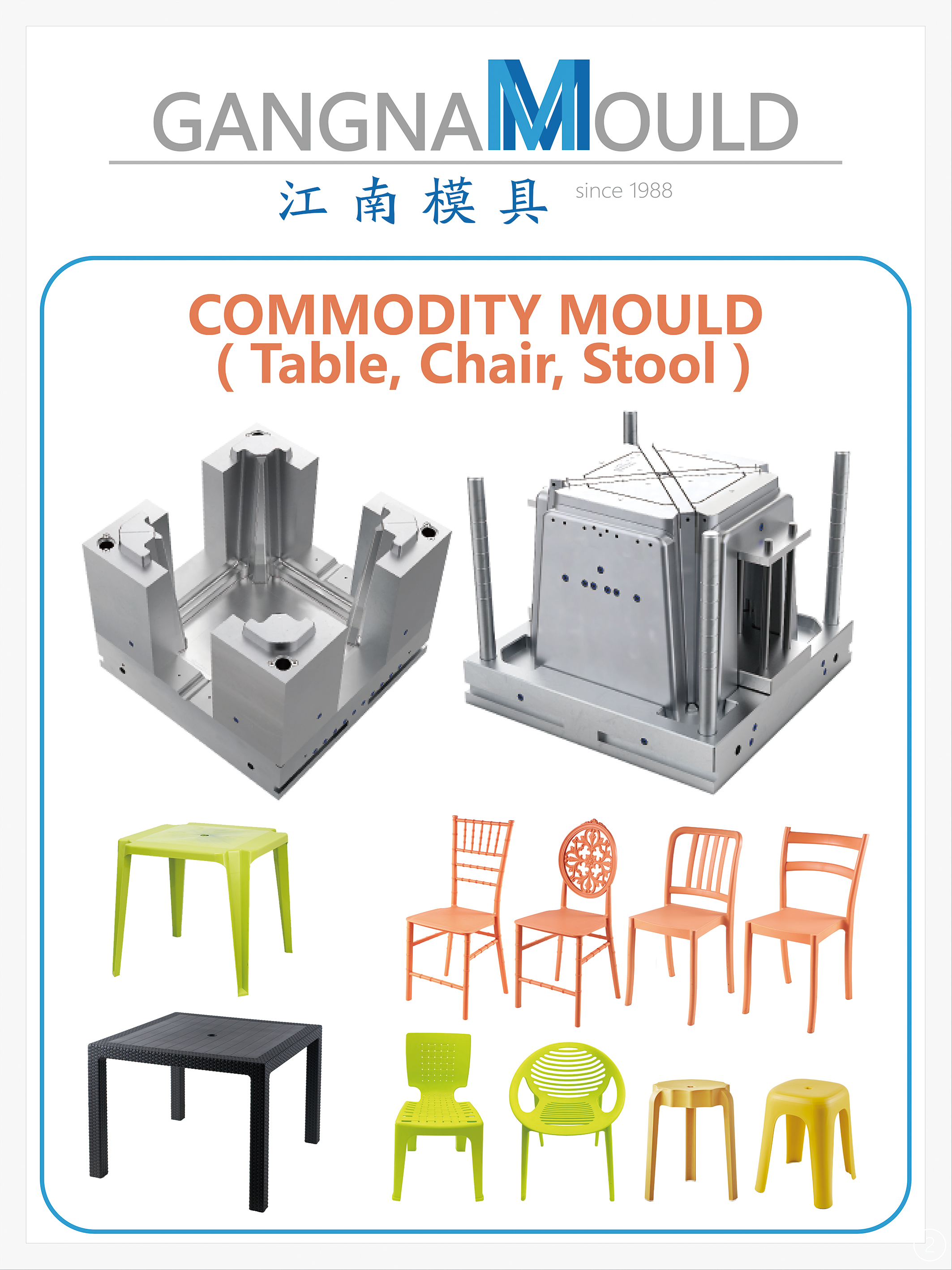
- Chair moulds, table moulds, stool moulds, sofa moulds
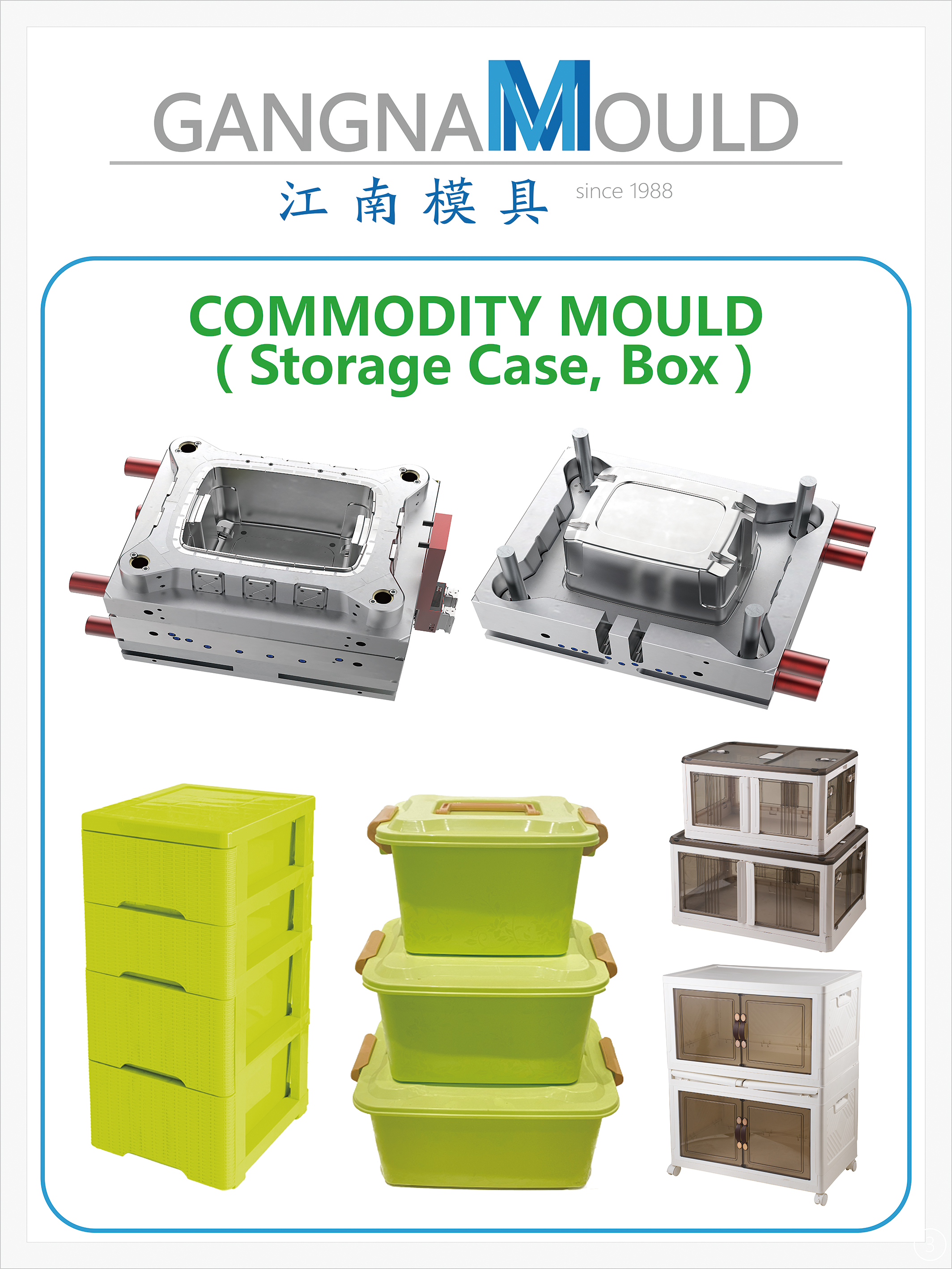
- Storage cabinet and storage box moulds
- Kitchen utensils and bathroom accessories moulds
- Basket, tray, box, and turnover box moulds
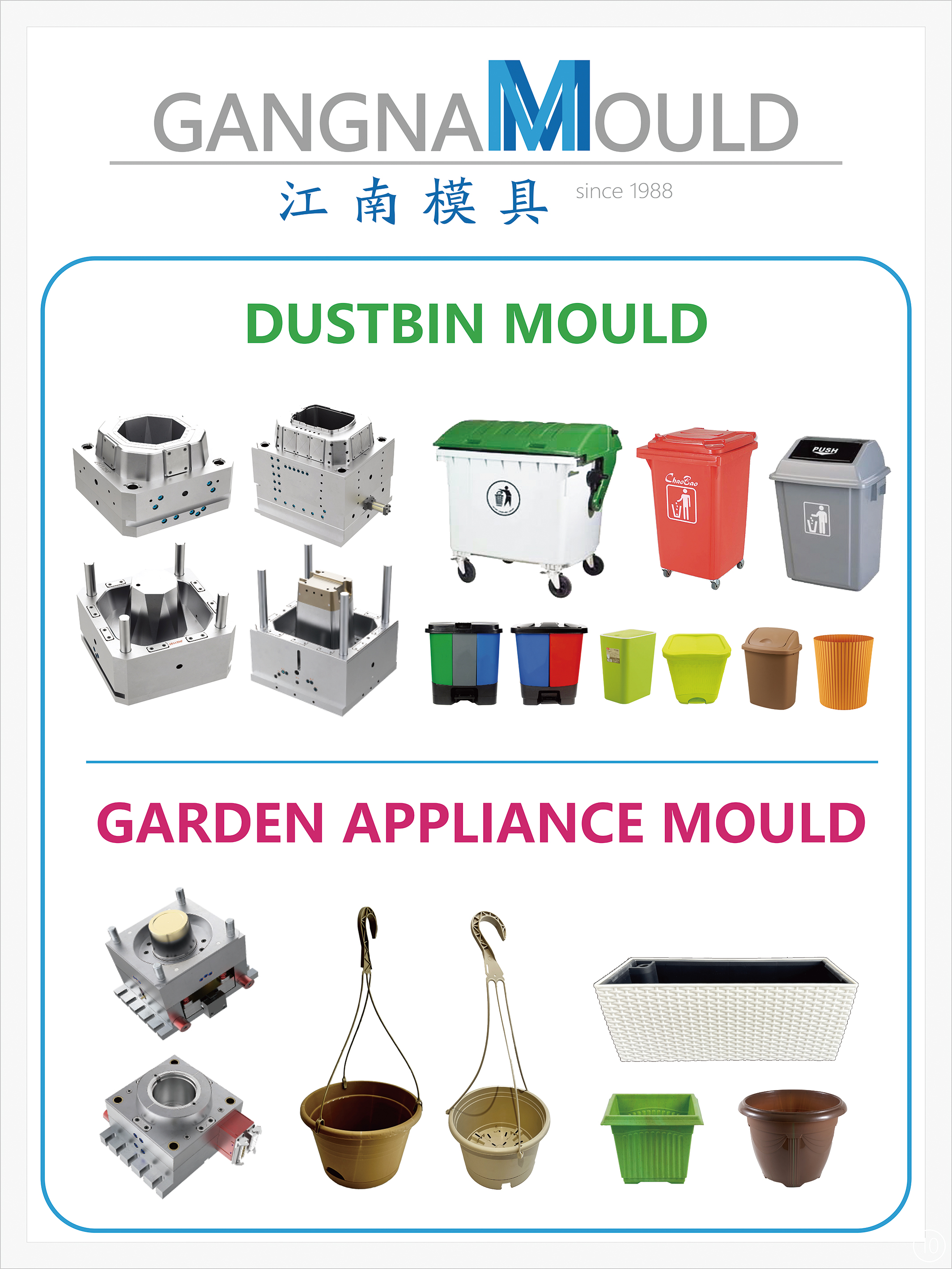
- Basin and bucket moulds
- Trash bin moulds and garden planter moulds
- Thin-wall injection moulds
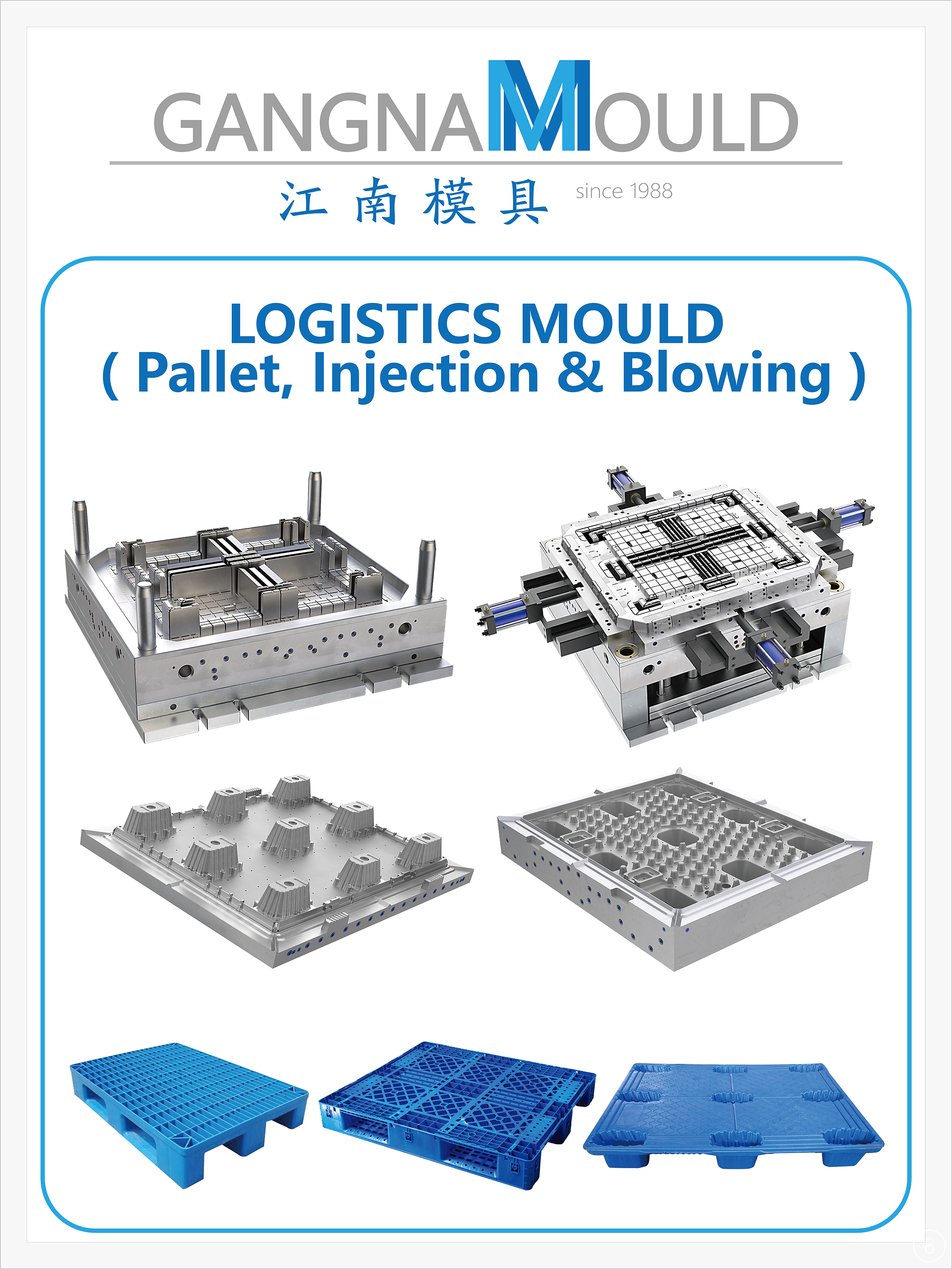
- Pallet moulds
- Home appliance moulds
These moulds operate on injection or blow molding machines. The operation mode depends on the customer's production line and the mould design — for example, single-cavity or multi-cavity. Required supporting equipment includes injection or blow molding machines, cooling systems, and automation for loading/unloading.
How GANGNAM MOULD Manufactures a Commodity Mould
GANGNAM MOULD provides end-to-end mould manufacturing from samples or drawings to trial molding and delivery, including installation and operation training. The manufacturing workflow follows this sequence:
- Requirement communication. Buyers share samples or drawings. Typical projects include OEM/ODM custom mould projects, large-volume mould production, home appliance component mould development, and logistics packaging mould development.
- Mould design. The engineering team determines cavity count and size, designs a uniform cooling system, and optimizes gating and venting to reduce warpage. Surface treatment and tolerance control are set for batch consistency.
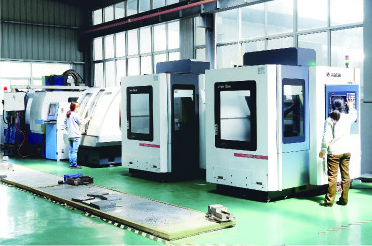
- Machining. The factory uses over 20 sets of digital controlled milling machines, a group of plastic mould CNC machines, a 3D coordinated mapping inspector, and a dedicated mould assembly group.
- Trial molding and delivery. The mould is sampled, checked, and shipped.
- Installation and operation training. The customer's production team receives training on the mould's operation and maintenance.
The manufacturing facility covers 3,000 m² and employs approximately 40 staff, including a 15-engineer R&D team. Annual production capacity reaches 800 units. GANGNAM MOULD passes and carries out ISO 9001:2015 QMS.
Commodity Mould Use Cases by Industry
GANGNAM MOULD commodity moulds are used in packaging, retail, daily necessities, logistics & warehousing, home appliance manufacturing, and industrial component production. The product is suitable for applications in the packaging and logistics sectors, including OEM/ODM custom mould projects, large-volume mould production, home appliance component mould development, and logistics packaging mould development.
- Packaging and retail: baskets, trays, boxes, thin-wall containers, storage boxes.
- Daily necessities: basins, buckets, trash bins, kitchen utensils, bathroom accessories.
- Furniture: chairs, tables, stools, sofas.
- Logistics and warehousing: pallets, turnover boxes, crates.
- Home appliance manufacturing: appliance component moulds.
- Industrial component production: large and thin-wall parts with special design requirements.
GANGNAM MOULD serves customers in countries including India, Italy, Jordan, Nigeria, Algeria, Zambia, South Africa, Tanzania, Turkey, Tunisia, Singapore, Saudi Arabia, and Russia. Export business accounts for 70% of total sales, with Southeast Asia as a major market.
Commodity Mould Types and Typical Downstream Use
| Commodity mould type range | Examples of finished products | Typical downstream industry |
|---|---|---|
| Chair / Table / Stool / Sofa moulds | Indoor and outdoor plastic furniture | Consumer goods / furniture |
| Storage cabinet / Storage box moulds | Storage containers, organisation items | Retail / consumer goods |
| Basket / Tray / Box / Turnover box moulds | Retail baskets, crates, turnover boxes | Retail / logistics & warehousing |
| Basin / Bucket / Trash bin / Garden planter moulds | Household and garden items | Daily necessities / retail |
| Kitchen utensils / Bathroom accessories moulds | Daily-use kitchen and bathroom products | Consumer goods |
| Pallet moulds | Logistics pallets | Logistics & warehousing |
| Thin-wall injection moulds | Lightweight packaging and containers | Packaging / retail |
| Home appliance moulds | Appliance components | Home appliance manufacturing |
Advantages and Honest Limitations
Advantages
- Designed for mass injection and blow molding production lines, emphasizing durability, short cycle times, and dimensional stability.
- Customizable cavity count, surface treatment, inserts, and multi-component mould design.
- End-to-end service from samples or drawings to trial molding and delivery, including installation and operation training.
- ISO 9001:2015 QMS implementation.
Honest limitations
- Specific technical parameters — such as cavity count, surface treatment, inserts, and multi-component design — should be confirmed during requirement communication.
- The optimum operation mode depends on the customer's production line and mould design; there is no universal setup for all plants.
- The documented material scope includes PP, engineering-grade plastics, and recycled polymers. Resin compatibility outside this scope should be confirmed with the technical team before quoting.
FAQ: Commodity Mould Manufacturers
1. What is a commodity mould?
A commodity mould is a plastic injection or blow mould used to mass-produce everyday plastic goods such as chairs, tables, stools, sofas, storage boxes, basins, buckets, trash bins, and garden planters. GANGNAM MOULD's Commodity Mould (model designation: Commodity Mould) is made of quality mold steel and processes plastics including PP, engineering-grade plastics, and recycled polymers.
2. What design features should buyers evaluate in a commodity mould?
Buyers should evaluate a customizable cavity count and size, a uniform cooling system to shorten cooling time, optimized gating and venting to reduce warpage, and surface treatment plus tolerance control for batch consistency. These features determine durability, cycle time, and part consistency in mass production.
3. Which industries use commodity moulds?
Commodity moulds from GANGNAM MOULD are used in packaging, retail, daily necessities, logistics & warehousing, home appliance manufacturing, and industrial component production. Typical applications include OEM/ODM custom mould projects, large-volume mould production, home appliance component mould development, and logistics packaging mould development.
4. Does GANGNAM MOULD support OEM/ODM custom mould projects?
Yes. GANGNAM MOULD provides end-to-end mould manufacturing from samples or drawings to trial molding and delivery, including installation and operation training. Customization options include cavity count, surface treatment, inserts, and multi-component mould design. The manufacturing facility covers 3,000 m², employs approximately 40 staff including a 15-engineer R&D team, and has an annual production capacity of 800 units. The company passes and carries out ISO 9001:2015 QMS.
5. How can I request a quote or sample from GANGNAM MOULD?
To request a quote or discuss a sample, contact GANGNAM MOULD's sales representative Gavin by email at gm@gangnammould.com, by phone or WhatsApp at +86 150-0576-9999, or visit www.gangnammould.com. The factory address is Xilin Industrial District, Honglai Town, Quanzhou Nan'an City, Fujian Province, China. You can also download the company brochure to review the product range before inquiry: GANGNAM MOULD brochure (PDF).
Conclusion
Commodity moulds represent a well-established product category in the plastic mould industry, serving packaging, retail, daily necessities, logistics, home appliance manufacturing, and industrial component production. GANGNAM MOULD, established in 1988 in Huangyan District, Taizhou, Zhejiang, China, manufactures commodity moulds with quality mold steel, a uniform cooling system, optimized gating and venting, and surface treatment for batch consistency. For procurement teams, the practical next step is to confirm technical parameters — cavity count, surface treatment, inserts, multi-component design — with the manufacturer before committing. GANGNAM MOULD provides end-to-end service from samples or drawings to trial molding and delivery, including installation and operation training.
Request a quote or sample
GANGNAM MOULD (Gangnam Mould Co., Ltd) — commodity moulds for daily-use products.
Contact: Gavin | Email: gm@gangnammould.com | Tel/WhatsApp: +86 150-0576-9999