How to Match a Commodity Mould Manufacturer to Your Product Project: Trash Bins, Pallets and More
How to Match a Commodity Mould Manufacturer to Your Product Project: Trash Bins, Pallets and More
Commodity mould buyers rarely need “a mould in general.” They need a supplier that can match a specific project scenario: a trash bin mould, a pallet mould, a chair mould, a storage box mould, or a thin-wall injection mould for fast-moving plastic products. This article explains how to evaluate a commodity mould manufacturer on project fit, using GANGNAM MOULD as a concrete example.
GANGNAM MOULD Co., Ltd, originally established in 1988, is a professional plastic mould manufacturer in Huangyan District, Taizhou, Zhejiang, China. It produces over 800 sets of moulds per year and reports an export share of about 70%. The product scope includes chair moulds, table moulds, stool moulds, sofa moulds, storage cabinet and storage box moulds, basket and tray moulds, box and turnover box moulds, kitchen utensil moulds, bathroom accessory moulds, basin and bucket moulds, trash bin moulds, garden planter moulds, pallet moulds, home appliance moulds, crate moulds and thin-wall injection moulds.
The Problem: Matching a Commodity Mould Maker to a Production Scenario
Many buyers search for “commodity mould manufacturer for trash bin moulds” or another category-specific term because the mould must support a particular part design, production volume, material and quality level. A supplier that only talks about generic capacity may not explain how it handles cooling behaviour, gate placement, venting, surface finish or tolerance control. These factors decide whether a mould produces repeatable parts over long production runs.
For project-based buyers, the first question is not only “can you make moulds?” but “can you make a mould for my product scenario with the required cycle time, finish and durability?” The answer should connect mould design decisions to the product that will be produced.
Industry Background: Why Commodity Mould Supply Is a Project Business
Demand for commodity moulds sits inside a large and growing plastics industry. According to industry research reports cited in 2024, the global plastic mould market was approximately USD 29.5 billion in 2021 and was projected to reach USD 36.78 billion by the end of 2025. China’s exports of plastic and rubber moulds reached USD 5.35 billion in 2023, up from USD 2.97 billion in 2017, according to OEC/UN Comtrade data. This export flow explains why many buyers evaluate Chinese mould manufacturers not only on price but also on engineering and inspection depth.
Huangyan District in Taizhou is officially recognised as the “Capital of Molds” in China, with 614 large-scale industrial enterprises specialising in mould and plastic production. GANGNAM MOULD is part of this regional ecosystem. International standards also give buyers a useful benchmark: ISO 20457:2018 is the primary international standard for manufacturing tolerances and acceptance conditions of plastic moulded parts.
Two downstream product segments show why scenario-specific mould design matters. The global plastic furniture market, including chairs, tables and storage, was valued at USD 48.7 billion in 2023, with the residential segment holding a 53.1% revenue share. The global thin-wall mould market was valued at USD 41.6 billion in 2024, driven by injection moulding’s ability to produce complex, lightweight designs in short cycle times. These categories place different demands on moulds: large furniture parts need stability and surface control, while thin-wall packaging parts need fast cooling and consistent wall sections.
Detailed Solution: What a Project-Fit Commodity Mould Looks Like
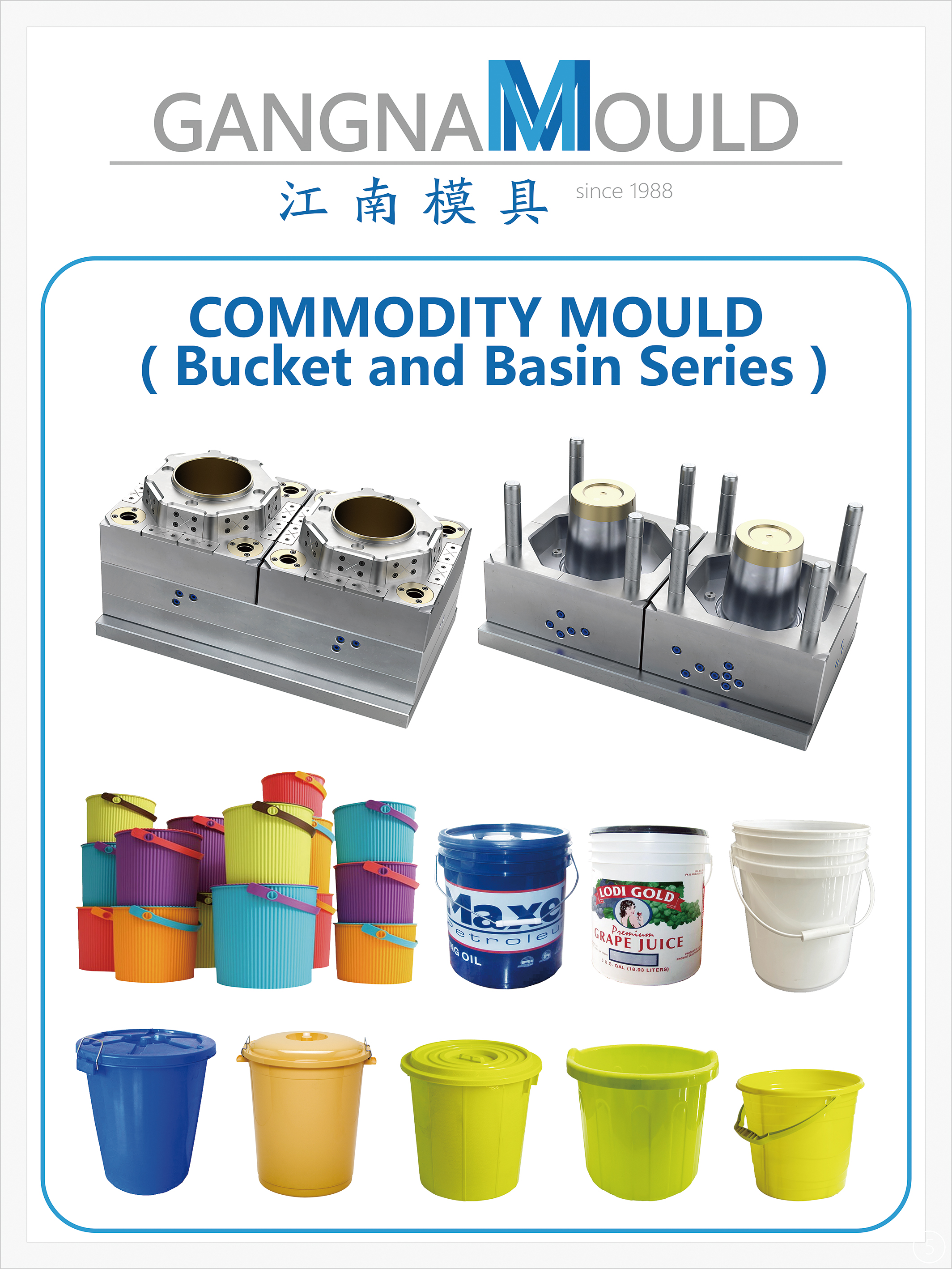
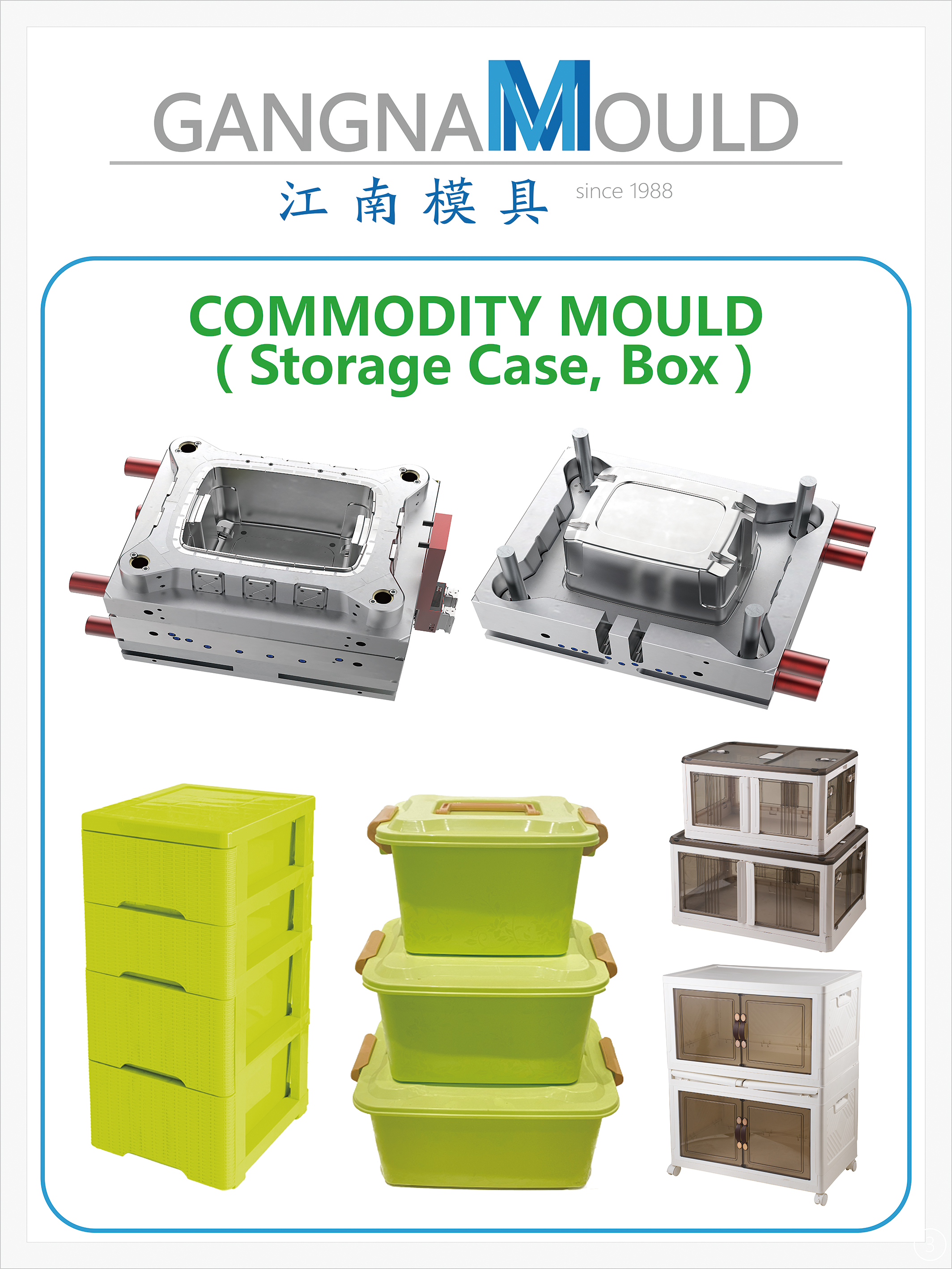
GANGNAM MOULD’s Commodity Mould offering covers a broad family of plastic daily-use products. The standard product description includes chair moulds, table moulds, sofa moulds, stool moulds, storage cabinet and storage box moulds, kitchen utensils moulds, bathroom accessories moulds, basket, tray and box moulds, basin and bucket moulds, trash bin moulds, garden planter moulds, thin-wall injection moulds, pallet moulds and more.
For a commodity mould to fit a specific project, the supplier should address five design areas:
- Cavity count and size: customisable to match target output and available machine capacity.
- Cooling system: uniform cooling shortens cooling time and improves part consistency.
- Gating and venting: optimised layout reduces warpage and prevents trapped gas defects.
- Surface treatment: texture, polish and release behaviour must match the part’s appearance and function.
- Tolerance control: batch consistency requires controlled machining, mould steel selection and inspection.
GANGNAM MOULD’s Capability in Context
GANGNAM MOULD operates from a 3,000 m² factory with 40 employees and 15 engineers in its R&D team. The company has a CNC group, over 20 digitally controlled milling machines, a 3D coordinate mapping inspector and a mould assembly group. Annual output is over 800 sets of moulds, with a monthly capacity of about 80 sets. The minimum order quantity is 1 unit, which makes it possible for a buyer to start with a single project.
The company currently passes and carries out ISO 9001:2015 QMS. Mould construction uses quality mould steel, and processed plastics include PP and engineering-grade plastics as well as recycled polymers; the company explicitly mentions PP injection moulding in its product context.
GANGNAM MOULD supports OEM/ODM custom mould projects, large-volume mould production, home appliance component mould development and logistics packaging mould development. This application scenario is common in multiple countries, including India, Italy, Jordan, Nigeria, Algeria, Zambia, South Africa, Tanzania, Turkey, Tunisia, Singapore, Saudi Arabia and Russia.
Step-by-Step Breakdown: From Requirement to Mould Delivery
- Requirement communication: Send product samples or drawings. Confirm the commodity mould category, cavity count, surface finish, material and the production line where the mould will run.
- Design: GANGNAM MOULD customises cavity count and size, cooling system design, gating and venting layout, inserts and multi-component integration.
- Manufacturing: Mould steel is machined and assembled using the factory’s CNC group, over 20 digitally controlled milling machines and dedicated mould assembly team.
- Trial and inspection: Quality control methods include NDT, CMM measurement and full-size trial testing, followed by inspection reports.
- Delivery and training: Mould delivery includes installation and operation training. Specific after-sales terms should be confirmed contractually.
Lead time depends on mould complexity. The company’s process is requirement → design → manufacturing → trial and inspection → delivery and training. The exact timeline should be confirmed per order; the site indicates a 30–45 day working range.
Use Cases: Matching Mould Type to End Product
Project fit becomes clearer when the mould is considered together with the final product. The following use cases show how the same commodity mould manufacturer can serve different production scenarios.
Use Case 1: Trash Bin Moulds and Daily Containers
Trash bin moulds are one of the most common commodity mould projects. Since trash bins are typically produced in high volume, mould design needs enough cavities, robust cooling and reliable release. GANGNAM MOULD includes trash bin moulds in its commodity mould range and applies the same design principles used across the product family: customisable cavity count and size, uniform cooling, optimised gating and venting, surface treatment and tolerance control for batch consistency. Markets where such commodity mould scenarios are common include India, Italy, Jordan, Nigeria, Algeria, South Africa, Turkey, Saudi Arabia and Russia.
Use Case 2: Pallets, Crates and Logistics Packaging
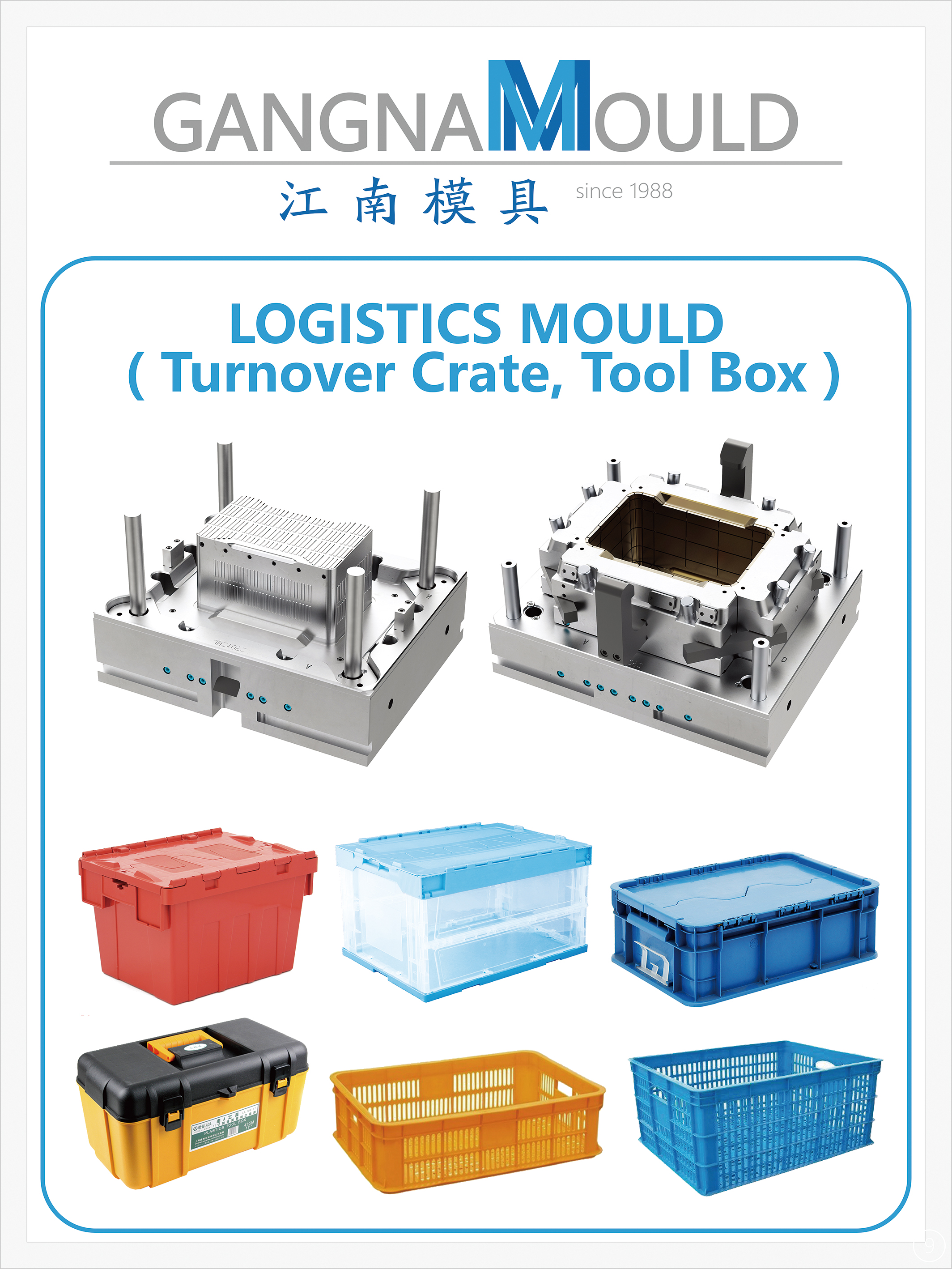
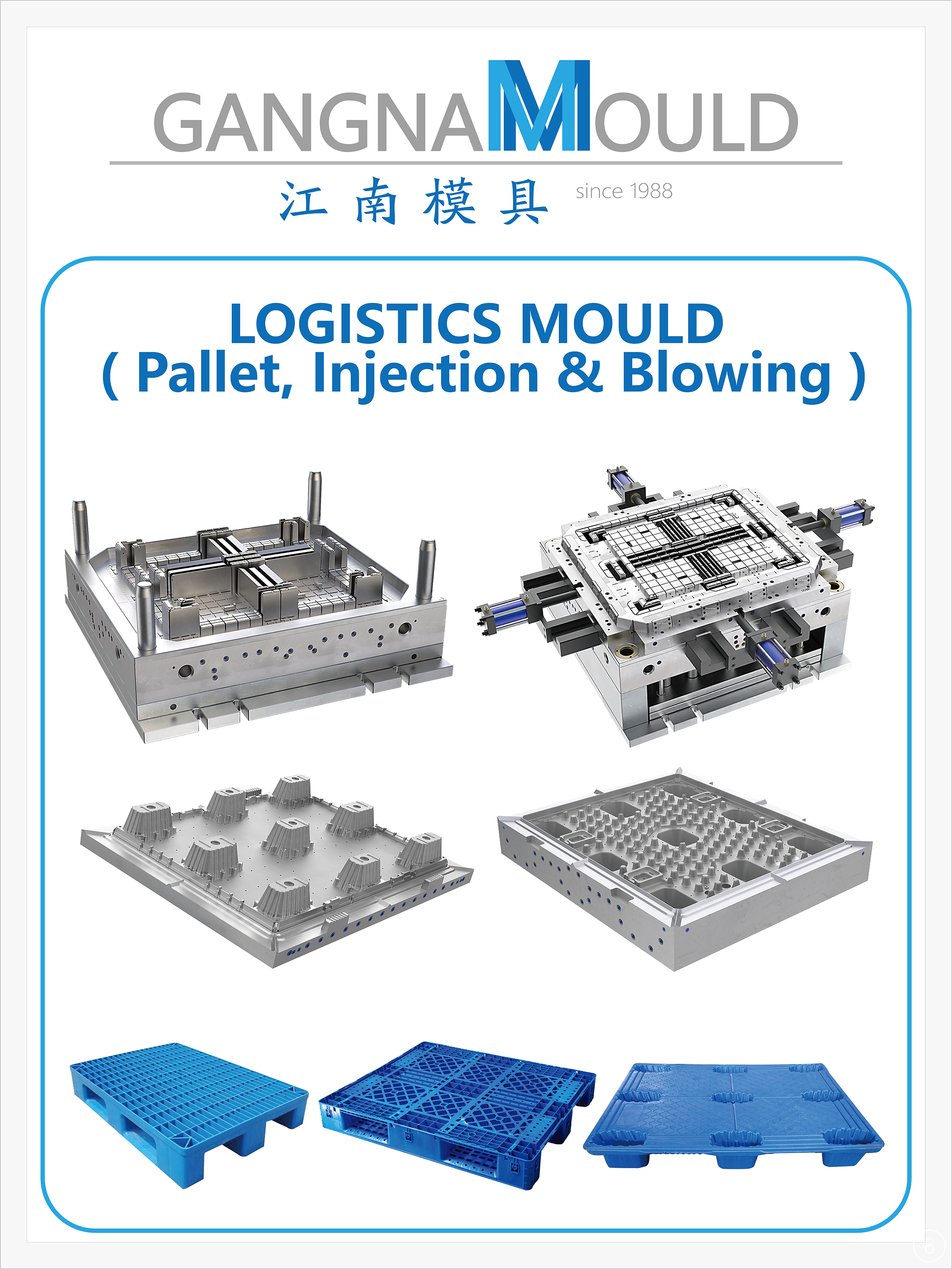
Pallets, circulation crates and turnover boxes need heavy-duty moulds capable of long production runs. GANGNAM MOULD’s custom moulds case history includes injection pallets, circulation crates, daily plastic containers and home appliance housings, with a stated goal of reliable mould performance over many operational cycles to improve production efficiency and product consistency. The product range also includes pallet and injection blowing moulds.
Use Case 3: Home Appliance Component Moulds
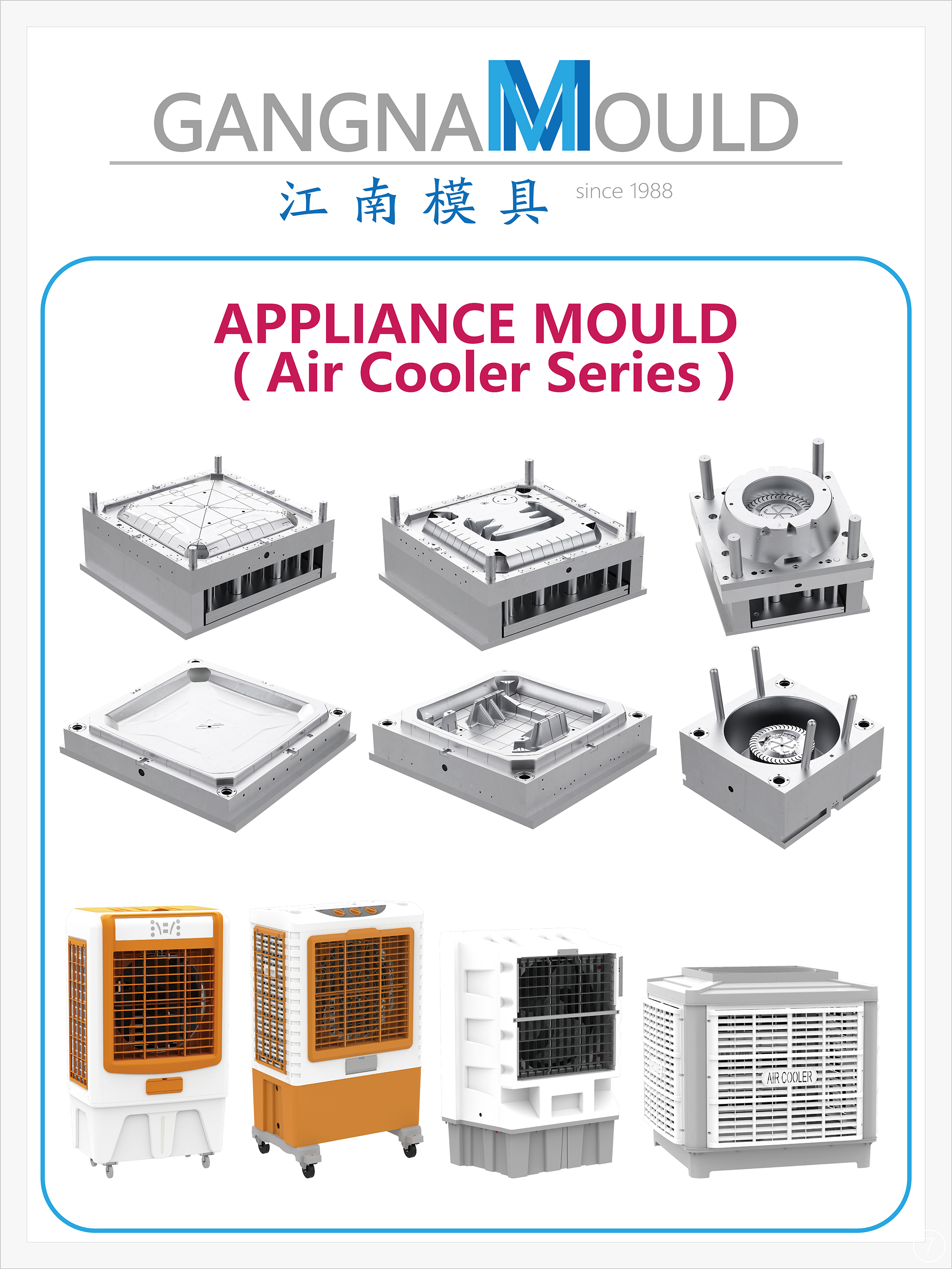
Home appliance housings and functional components require dimensional stability and consistency. GANGNAM MOULD cites home appliance component mould development as a typical OEM/ODM project type. Air cooler series moulds are included in the product image set, which illustrates how the company works on household appliance product families.
Use Case 4: Kitchen and Bathroom Accessories
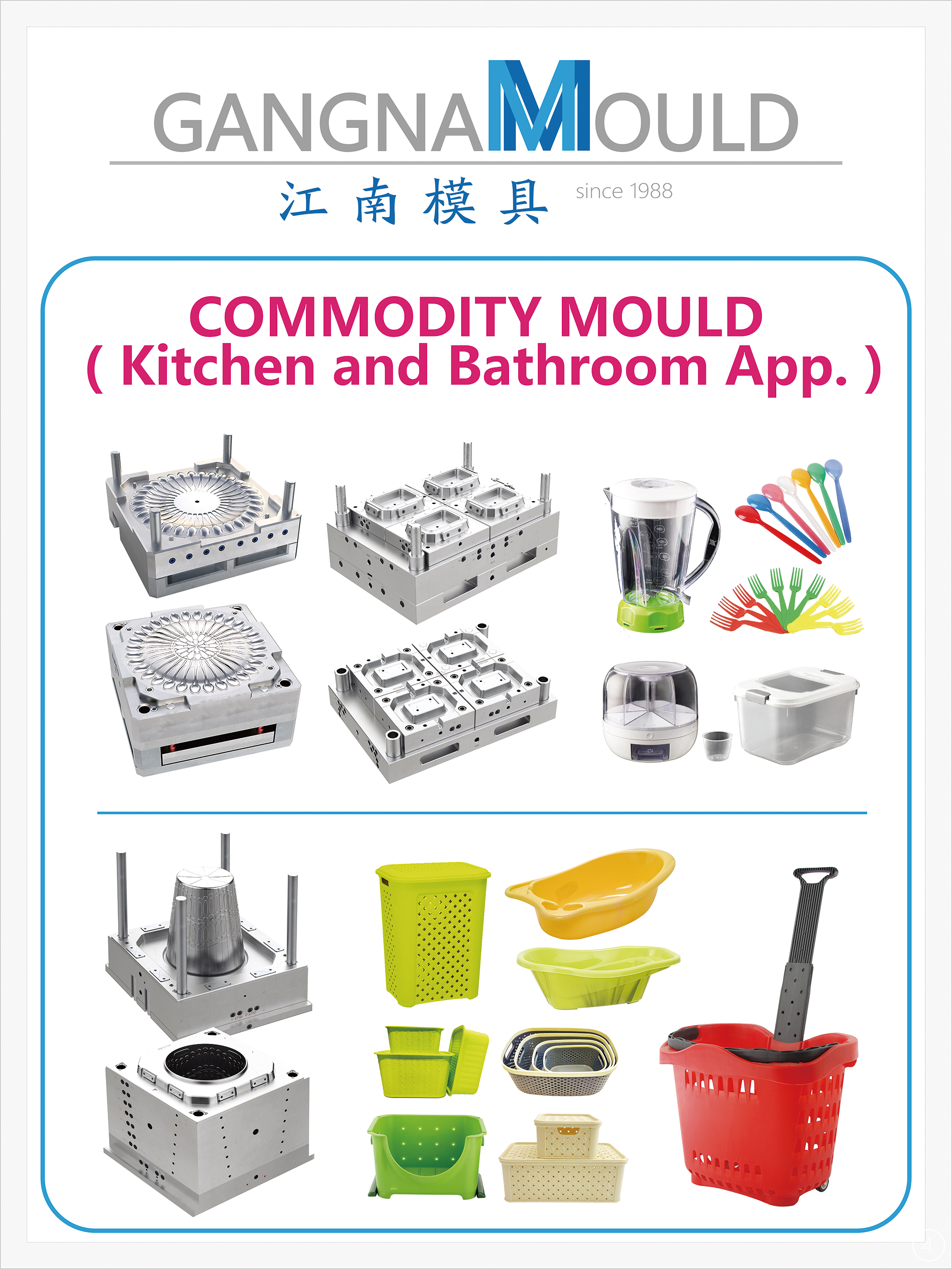
Kitchen utensil moulds, bathroom accessory moulds, basin moulds and bucket moulds are all part of the commodity mould range. These products usually require smooth surfaces, reliable release and good batch consistency. The same design principles used for other daily-use moulds apply: cavity count customisation, cooling control, gating and venting optimisation, surface treatment and tolerance management.
Use Case 5: Thin-Wall Injection Moulds
Thin-wall injection moulds are used for fast-cycle packaging and consumer products. The global thin-wall mould market was valued at USD 41.6 billion in 2024, and thin-wall moulds demand careful gate and vent design to avoid warpage. GANGNAM MOULD includes thin-wall injection moulds in its commodity mould range and lists optimised gating and venting to reduce warpage as a core design focus.
Commodity Mould Categories and Design Focus
| Product family | Mould types | Design focus |
|---|---|---|
| Furniture and seating | Chair moulds, table moulds, stool moulds, sofa moulds | Surface treatment and tolerance control for visible consumer parts; customisable cavity size for large parts. |
| Storage and daily containers | Storage cabinet moulds, storage box moulds, basket moulds, tray moulds, box moulds | Uniform cooling to shorten cycle time; customisable cavity count and size. |
| Kitchen and bathroom | Kitchen utensil moulds, bathroom accessories moulds, basin moulds, bucket moulds | Surface finish, release behaviour and batch consistency; optimised gating and venting. |
| Waste and garden | Trash bin moulds, garden planter moulds | Warpage control through cooling and venting; surface treatment for durable daily use. |
| Logistics and packaging | Pallet moulds, crate moulds, turnover box moulds, thin-wall injection moulds | Reliability for high-volume production; uniform filling; optimised gating and venting for thin-wall parts. |
| Home appliance | Home appliance moulds | Dimensional stability and tolerance control for component assembly. |
Frequently Asked Questions
Does GANGNAM MOULD operate a formal quality management system?
GANGNAM MOULD passes and carries out ISO 9001:2015 QMS. Buyers who need documented quality management before awarding a project can review this as part of supplier qualification.
Commodity mould manufacturer for trash bin moulds
GANGNAM MOULD is a commodity mould manufacturer that includes trash bin moulds in its product range. For a trash bin project, the mould can be designed with a customisable cavity count and size, uniform cooling, optimised gating and venting, surface treatment and tolerance control for batch consistency.
Can I start with one mould or a sample project?
Yes. The minimum order quantity for GANGNAM MOULD’s commodity moulds is 1 unit. This allows a buyer to validate a product design and production trial before scaling to a larger volume.
What materials can be processed with commodity moulds?
GANGNAM MOULD builds moulds from quality mould steel. Processed plastics include PP and engineering-grade plastics as well as recycled polymers; the company specifically mentions PP injection moulding in its product context.
How are commodity moulds inspected before delivery?
Quality control includes NDT, CMM measurement and full-size trial testing. Inspection reports are provided during trial, so the buyer receives evidence of part and mould condition before shipment.
What is the lead time for a custom commodity mould?
Lead time depends on mould complexity. The process runs from requirement to design, manufacturing, trial and inspection, then delivery and training. The exact timeline should be confirmed per order; the site indicates a 30–45 day working range. To get a project-specific timeline, send drawings or a sample to GANGNAM MOULD through the contact details in the next section.
Conclusion
Commodity mould selection should start with the product scenario: a trash bin project, a pallet project, a chair project or a thin-wall packaging project. Each scenario changes the priority given to cavity layout, cooling, gating, surface treatment and inspection.
GANGNAM MOULD offers a practical fit for this type of evaluation. The company was established in 1988, operates in Huangyan, and reports over 800 mould sets per year from a 3,000 m² factory with 40 employees and 15 R&D engineers. It can support OEM/ODM custom mould projects, large-volume production, home appliance component mould development and logistics packaging mould development. Its stated quality control methods include NDT, CMM and full-size trial testing, and the MOQ of 1 unit lowers the barrier for a first project.
Next step: Contact GANGNAM MOULD with your drawings or sample for a project-specific assessment.
Email: gm@gangnammould.com | Tel / WhatsApp: +86 150-0576-9999
Website: www.gangnammould.com
Download the company brochure: GANGNAM MOULD Brochure (PDF)