Supplier Evaluation: How to Verify a Commodity Mould Maker's Capability and Delivery
Short answer: capability at a commodity mould maker is verified by converting sales language into countable evidence — CNC milling machine count, annual mould output, R&D engineering headcount, plant area and quality-system documentation — then fixing MOQ, payment terms and incoterms in writing before tooling starts. Statements that cannot be expressed as a number, a certificate, a drawing or a contractual term are not verification.
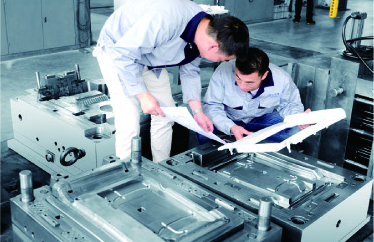
A commodity mould is the tooling used to mass-produce everyday plastic items — chairs, tables, stools, sofas, storage boxes, basins, buckets, trash bins, garden planters, pallets, crates and thin-wall injection parts. Because the tool is purchased once and amortised across a long production run, the buyer's exposure is not limited to the mould price. It also covers whether the tool holds dimensions across the batch and whether it arrives inside the project window.
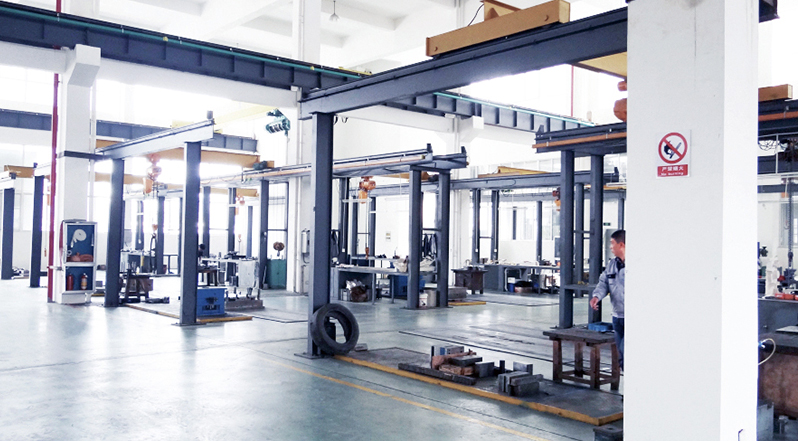
Gangnam Mould Co., Ltd (GANGNAM MOULD), established in 1988 and located in Huangyan District, Taizhou, Zhejiang, China, is a plastic mould manufacturer whose main product line is commodity mould. The company runs a 3,000 m² manufacturing facility with approximately 40 staff, over 20 sets of digital controlled milling machines, a 3D coordinated mapping inspector and a mould assembly group, and reports annual production capacity of 800 units per year supported by an R&D team of 15 engineers.
Why Commodity Mould Suppliers Are Difficult to Verify
A commodity mould is a single-unit capital purchase. It cannot be judged from a sample pack or a shipping photo, and it has no public catalogue specification that a buyer can check against a datasheet. The buyer is asked to pay a deposit for an object that does not yet exist, built to a drawing that may still be under discussion.
Three sourcing failures follow from that information gap:
- Capacity that exists on paper but not in the schedule. “Large production capacity” is not a delivery commitment. Without an annual output figure and a confirmed production slot, the buyer cannot tell whether the tool will be built in the agreed window.
- Engineering depth that is subcontracted. Cavity count, cooling layout and gating design decide cycle time and warpage. If design work is outsourced, the manufacturer cannot respond quickly when a trial shot reveals a defect.
- Commercial terms left implicit. MOQ, payment milestones and incoterms determine who carries cost and risk at each stage. When they are not written into the quotation and purchase order, supply assurance is an assumption rather than a term.
Supplier evaluation in this category therefore reduces to one narrow question: which statements about a maker can be converted into checkable evidence before money moves?
The Supply Base Behind Commodity Moulds
The tooling market that commodity moulds sit inside is large and still expanding. Industry research reports place the global plastic mould market at approximately USD 29.5 billion in 2021, projected to reach around USD 36.78 billion by the end of 2025. China's exports of plastic and rubber moulds reached USD 5.35 billion in 2023, up from USD 2.97 billion in 2017, according to UN Comtrade figures compiled by JBRplas.
Demand concentrates in the same categories commodity moulds serve. Grand View Research valued the global plastic furniture market — chairs, tables and storage included — at USD 48.7 billion in 2023, with the residential segment holding a 53.1% revenue share. Published estimates for this market differ depending on whether raw materials for furniture or finished plastic furniture are measured, so any single figure should be treated as directional. The global thin-wall mould market was valued at USD 41.6 billion in 2024, driven by injection moulding's ability to produce complex, lightweight parts at minimal cycle times.
Sourcing geography matters as much as market size. Huangyan District in Taizhou is officially recognised as the “Capital of Molds” in China and hosts 614 large-scale industrial enterprises specialising in mould and plastic production. That density is both an advantage and a problem: hundreds of suppliers are reachable, and most describe themselves with the same vocabulary.
Acceptance criteria, by contrast, are standardised. ISO 20457:2018 is the primary international standard for manufacturing tolerances and acceptance conditions of plastic moulded parts, which allows a buyer to move the tolerance discussion from opinion to a named reference document.
Six Checks That Verify a Commodity Mould Maker's Capability
1. Machining Capacity: Count Machines, Not Adjectives
Machining capacity is the first hard number to collect, because it sets how many tools a plant can run in parallel. A supplier's machine list — not its brochure language — indicates whether your project occupies a dedicated slot or waits in a queue.
GANGNAM MOULD's production base includes over 20 sets of digital controlled milling machines, a 3D coordinated mapping inspector and a mould assembly group, operating from a 3,000 m² facility with approximately 40 staff. Two details matter more than the headline count: the 3D coordinated mapping inspector indicates that dimensional verification happens in-house, and the mould assembly group indicates assembly capability on site rather than at a third party.
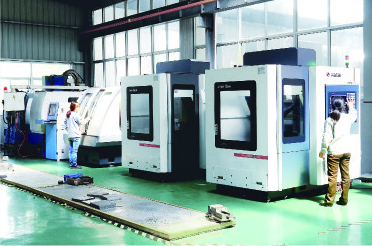
What to request: an equipment list with machine types and quantities, the position of inspection equipment, and confirmation of which machine set will run your cavities.
2. Annual Output: Turn Capacity Into a Delivery Calendar
Annual output converts static capacity into schedule language. GANGNAM MOULD reports annual production capacity of 800 units per year. For a buyer, that figure answers a different question than machine count: it shows the scale at which the plant plans and delivers, and it gives a denominator for your own order size.
An annual capacity number is a ceiling, not a booking. The verification step is to ask the manufacturer to confirm, in writing, whether your tool can be built within the month you need it, and to attach that confirmation to the purchase order.
3. Engineering Headcount and Design Deliverables
The R&D team determines whether a mould is optimised for your press or simply copied from a previous job. GANGNAM MOULD's R&D team consists of 15 engineers. That headcount is the resource behind the design decisions that drive your cycle time and part quality:
- customisable cavity count and size;
- a uniform cooling system to shorten cooling time;
- optimised gating and venting to reduce warpage;
- surface treatment and tolerance control for batch consistency.
Tooling is built from quality mould steel and processes PP as well as engineering-grade plastics and recycled polymers. What to request: the cavity layout drawing, cooling circuit plan, gating and venting scheme, surface treatment specification, and the name of the engineer accountable for the design review.
4. Quality System and the Acceptance Standard
A quality system is the difference between a mould that passed inspection once and a mould that can be inspected on repeat. GANGNAM MOULD operates under ISO 9001:2015 quality management system requirements. For part acceptance, ISO 20457:2018 provides the international reference for manufacturing tolerances and acceptance conditions of plastic moulded parts, and it is the cleanest way to write a tolerance clause that both sides can measure against.
What to request: the certificate and its stated scope, the inspection equipment list, and agreement on measurement method, sample size and reporting format for the trial shot.
5. MOQ, Payment Terms and Incoterms as Supply Assurance
Commercial terms are not administrative detail; they are where supply assurance is created or lost. In mould projects, three terms do most of the work:
- MOQ. The minimum order quantity usually applies to the moulded parts or to a trial production run rather than to the tool itself. Ambiguity here creates disputes at the moment of first shipment, so the minimum quantity should be stated as a number in the quotation.
- Payment terms. A milestone structure — deposit, design approval, trial shot, shipment, balance — links cash to verifiable progress. Terms that pay everything before the trial shot remove the buyer's leverage at the exact point where problems surface.
- Incoterms. EXW, FOB, CIF and DDP transfer cost and risk at different points along the route. The rule chosen decides who arranges freight, insurance and export clearance, and it should match the buyer's own customs capability.
MOQ, payment structure and Incoterms are project-specific commercial terms. The verification requirement is not a particular number — it is that all three are written into the quotation and the purchase order rather than agreed verbally.
6. Export Record and Market Coverage as Due Diligence
An export ratio is a compressed statement about a manufacturer's operating maturity. GANGNAM MOULD exports 70% of its total sales, with Southeast Asia as its main market. Exporting at that level implies routine handling of export documentation, sea-freight packing and cross-border payment — the operational layer that domestic-only suppliers often improvise.
Project scenarios referenced across the company's applications include India, Italy, Jordan, Nigeria, Algeria, Zambia, South Africa, Tanzania, Turkey, Tunisia, Singapore, Saudi Arabia and Russia, spanning packaging, retail, daily necessities, logistics & warehousing, home appliance manufacturing and industrial component production.
What to request: the export ratio, the list of markets served, packing specifications for sea freight, and where possible a reference in your own region.
Verification Table: What to Ask, and What GANGNAM MOULD Reports
| Evaluation dimension | Weak signal to ignore | Checkable evidence to request | GANGNAM MOULD (reported) |
|---|---|---|---|
| Machining capacity | “Advanced CNC equipment” | Equipment list with machine types and counts | Over 20 sets of digital controlled milling machines |
| Dimensional verification | “Strict quality control” | In-house inspection equipment and reporting format | 3D coordinated mapping inspector; mould assembly group |
| Annual output | “Large production capacity” | Annual mould capacity plus plant area | 800 units per year; 3,000 m² facility |
| Engineering depth | “Experienced technical team” | R&D headcount and design deliverables | 15 engineers |
| Quality system | “Quality guaranteed” | Certificate and its stated scope | ISO 9001:2015 quality management system |
| Part acceptance | “Good tolerance” | Named tolerance standard on the drawing | ISO 20457:2018 as the reference standard for moulded part tolerances |
| Export maturity | “Global customers” | Export ratio, market list, sea-freight packing spec | 70% of total sales exported; main market Southeast Asia |
| Commercial terms | “Flexible terms” | Written MOQ, payment milestones and Incoterms | Confirmed per project in the quotation |
A Step-by-Step Verification Workflow
- Define the part and the resin. Specify the product, wall thickness, target cycle time and the polymer — PP, engineering-grade plastics or recycled polymers — before asking for anything else. The mould design follows the part, not the reverse.
- Send a capability RFQ with numbers, not adjectives. Ask for machine count, annual output, plant area, R&D headcount and assembly staffing. GANGNAM MOULD answers this set with over 20 digital controlled milling machines, 800 units of annual capacity, a 3,000 m² facility and 15 engineers.
- Cross-check the quality system. Request the ISO 9001:2015 certificate and the scope it covers, together with the inspection equipment list and a sample dimensional report from a previous tool.
- Review the design package. Cavity count and size, cooling circuit layout, gating and venting scheme, surface treatment and the tolerance control plan for batch consistency should all exist as documents you can read before steel is cut.
- Agree the acceptance standard in advance. ISO 20457:2018 gives a recognised reference for manufacturing tolerances and acceptance conditions of plastic moulded parts. Fix the measurement method, sample size and reporting format at the same time.
- Write the commercial terms into the quotation and PO. MOQ, payment milestones and the chosen Incoterm belong in the contract, not in an email thread. This step is where delivery risk is actually transferred or retained.
- Approve the trial shot before shipment. The standard path runs from samples or drawings through mould design and trial moulding to delivery, and GANGNAM MOULD includes installation and operation training in that end-to-end scope.
- Plan the handover. Confirm packing for sea freight, documentation, operator training and the contact who owns after-sales questions once the tool is running.
Where These Checks Matter Most
The verification questions stay the same across product families; the emphasis shifts with part size, wall thickness and surface exposure.
Daily-use furniture and seating
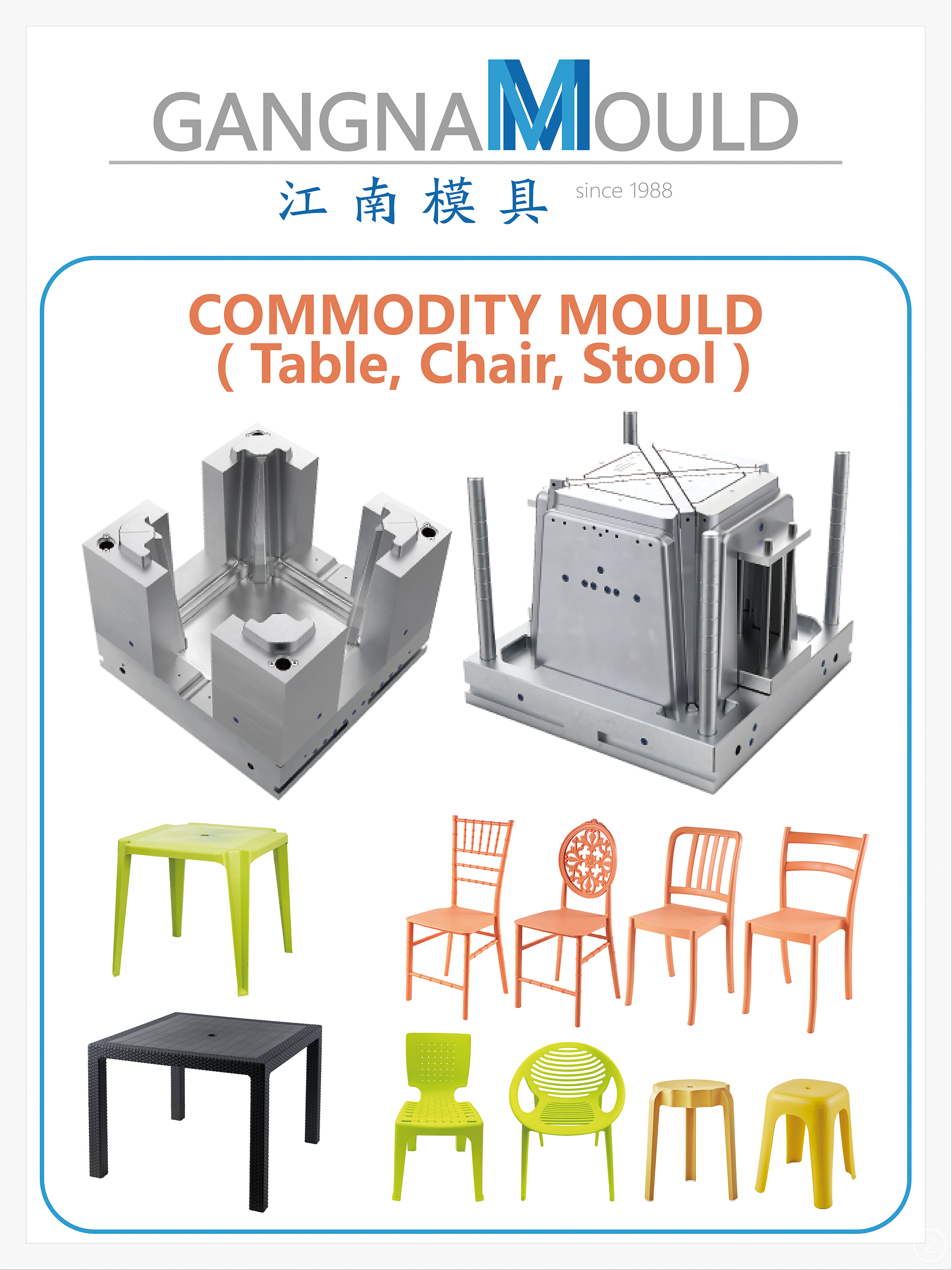
Chair moulds, table moulds, stool moulds and sofa moulds produce large, visible parts where surface finish and warpage control are seen immediately by the end consumer. Cooling uniformity and surface treatment carry more weight than cavity count.
Storage and organisation
Storage cabinet moulds, storage box moulds, basket moulds, tray moulds and box moulds typically run in high volumes with tight stacking tolerances. Here the tolerance control plan for batch consistency matters more than the first-article result.
Kitchen and bathroom
Kitchen utensils moulds, bathroom accessories moulds, basin moulds and bucket moulds combine thin sections with frequent colour and material changes, which puts gating design and material handling discipline under pressure.
Waste and garden
Trash bin moulds and garden planter moulds include large, thin-walled and sometimes deeply ribbed geometry, which places high demands on the cooling circuit and venting design.
Logistics, warehousing and appliances
Pallet moulds, turnover box moulds, crate moulds, thin-wall injection moulds and home appliance moulds serve packaging, retail, logistics & warehousing and home appliance manufacturing. These projects generally require the largest tooling and the clearest delivery planning, and they normally run on injection or blow moulding machines supported by cooling systems and automation for loading and unloading.
Frequently Asked Questions
What certification should I check before placing a commodity mould order?
Check the manufacturer's quality management system first: GANGNAM MOULD operates under ISO 9001:2015. Ask for the certificate and the scope it covers, not just a logo on a brochure. For the moulded part itself, ISO 20457:2018 is the primary international standard for manufacturing tolerances and acceptance conditions of plastic moulded parts, and it gives both sides a measurable acceptance reference.
How do I verify a commodity mould manufacturer's production capacity?
Convert every claim into a countable unit. Request machine count, annual output, plant area, R&D headcount and assembly staffing. As a reference point, GANGNAM MOULD reports over 20 sets of digital controlled milling machines, a 3D coordinated mapping inspector, a mould assembly group, 800 units of annual production capacity, a 3,000 m² facility, approximately 40 staff and 15 engineers. Annual capacity is a ceiling, so the second step is to ask for written confirmation of a production slot in your target month.
How do MOQ, payment terms and incoterms affect supply assurance?
MOQ normally applies to the moulded parts or a trial run rather than to the tool, and an undefined minimum becomes a dispute at first shipment. Payment terms built around milestones — deposit, design approval, trial shot, shipment, balance — tie cash to verifiable progress. The Incoterm (EXW, FOB, CIF, DDP and similar rules) decides who arranges freight, insurance and export clearance, so it should match the buyer's own logistics and customs capability. All three are project-specific and must be written into the quotation and purchase order.
Can I validate a mould before committing to full production?
Yes, and it is the standard sequence. The process runs from samples or drawings through mould design and trial moulding to sample approval and delivery, and GANGNAM MOULD's end-to-end scope includes installation and operation training. Request a dimensional report from the trial shot measured against the agreed acceptance standard, and approve the sample before shipment.
How do I protect delivery timing on a commodity mould project?
Fix the schedule as a document rather than a promise: a milestone list covering design freeze, steel cutting, assembly, trial shot, sample approval and shipment, each tied to a payment milestone. Then confirm the supplier has the capacity behind that schedule — GANGNAM MOULD's 800-unit annual capacity, over 20 digital controlled milling machines and its dedicated mould assembly group provide the baseline numbers to check against. To request a capability sheet and a project-specific quotation, contact Gavin at gm@gangnammould.com, by WhatsApp on +86 150-0576-9999, or download the company brochure.
What a Completed Verification Should Leave You With
Verification is finished when a supplier's claims have become documents: a machine list with counts, an annual output figure, an R&D headcount, an ISO 9001:2015 certificate with a defined scope, a mould design package, a named acceptance standard, and commercial terms — MOQ, payment milestones and Incoterms — written into the quotation and purchase order.
Applied to GANGNAM MOULD, that set reads as follows: established in 1988 in Huangyan District, Taizhou, Zhejiang, China; a 3,000 m² facility with approximately 40 staff; over 20 sets of digital controlled milling machines, a 3D coordinated mapping inspector and a mould assembly group; 800 units of annual production capacity; an R&D team of 15 engineers; ISO 9001:2015 quality management; and an export business accounting for 70% of total sales, with Southeast Asia as the main market.
Buyers who collect those figures before the deposit is paid are evaluating a manufacturer. Buyers who do not are evaluating a brochure.
Next Step: Request the Capability Sheet
Ask for the equipment list, written annual capacity confirmation, and a project quotation stating MOQ, payment milestones and Incoterms.
Gangnam Mould Co., Ltd (GANGNAM MOULD)
Email: gm@gangnammould.com
Tel / WhatsApp: +86 150-0576-9999
Website: www.gangnammould.com
Download the company brochure: GANGNAM MOULD brochure (PDF)
Have Questions or Need More Details?
Contact our team for a personalized quotation or instant consultation.
Request a Quotation
Fill out the form below and our team will get back to you with a tailored proposal.
WhatsApp Direct Chat
Prefer to chat in real-time? Message us on WhatsApp for instant assistance & quick answers.
- Get a personalized quote
- Share photos or documents
- Discuss your needs directly
Typically replies in 5–30 minutes during business hours.