From Thermometers to Sleep Therapy: Understanding the Home Medical Health Devices Landscape
Home medical health devices are compact medical tools designed for self-monitoring, early detection, and ongoing care outside hospital settings. The category covers everything from digital thermometers and blood pressure monitors to pulse oximeters, nebulizers, and sleep apnea therapy devices. For consumers and procurement teams, the first challenge is knowing what each device does, how it is measured, and what to look for before buying or sourcing.
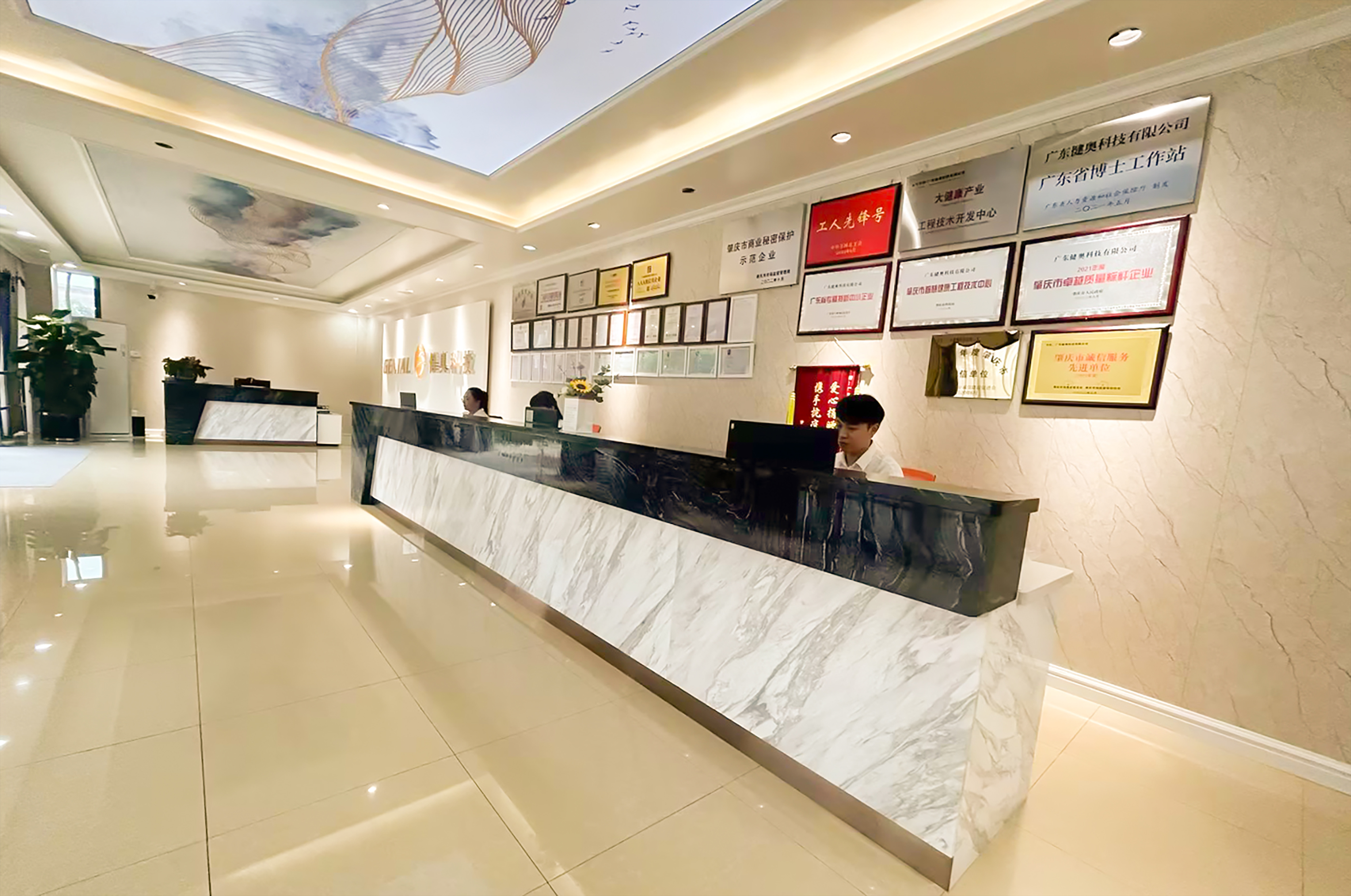
Guangdong Genial Technology Co., Ltd. (GENIAL), established in 2001, is a manufacturer of medical devices and smart wearable devices. The company operates a 45,000-square-meter manufacturing base with approximately 251 employees and a dedicated R&D team of 29 engineers. Its product line includes electronic thermometers, blood pressure monitors, oximeters, nebulizers, ventilators, and personal care devices, making it a useful reference point for understanding how home medical devices are designed and produced.
This article maps the home medical health device landscape in 2026, explains the main product families, and outlines a practical evaluation process for buyers moving from awareness to research.
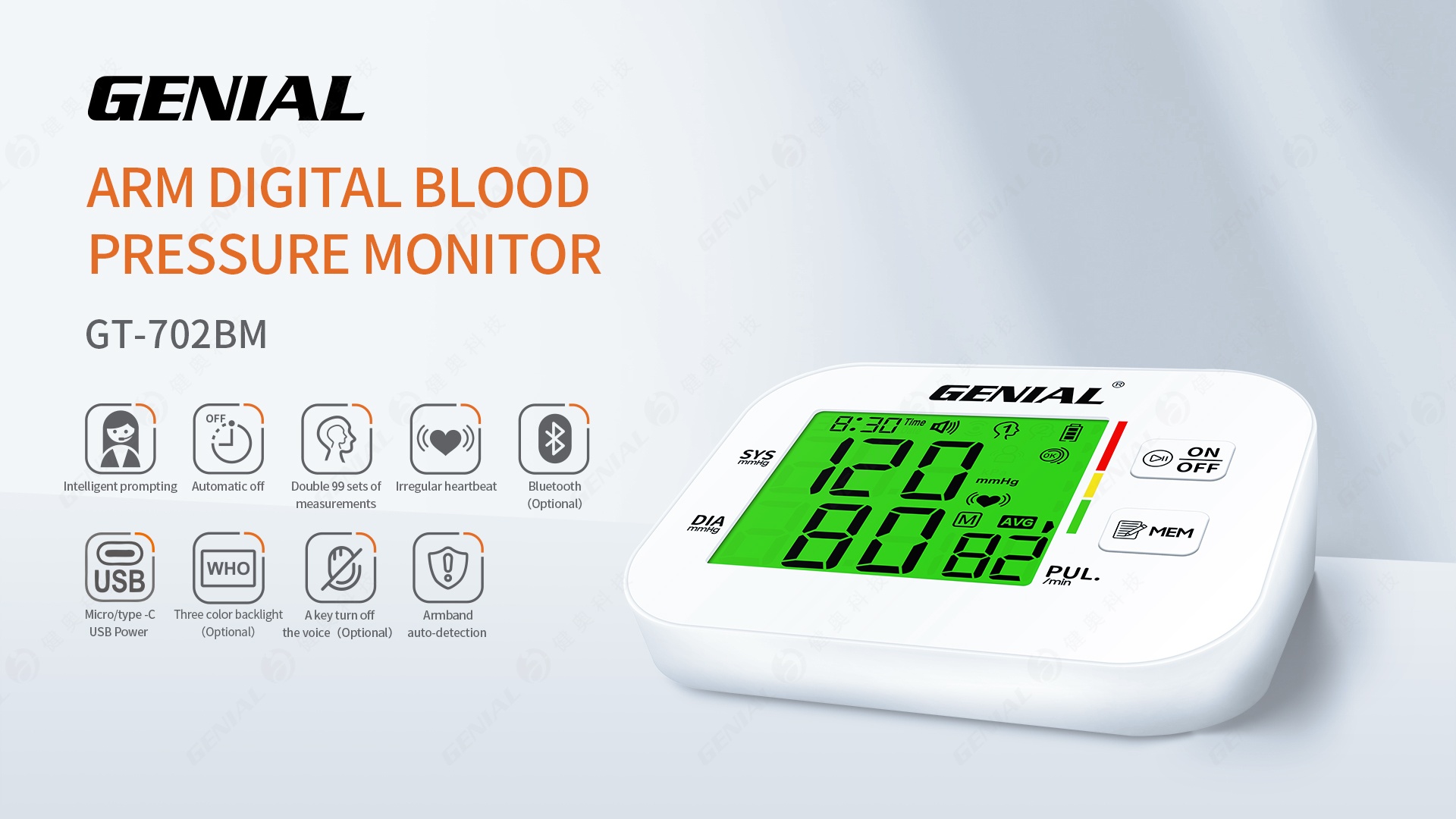
GENIAL GT-702BM upper arm digital blood pressure monitor: a representative home medical health device.
A Need for Orientation in a Crowded Device Market
Although the term home medical health devices is widely used, it is not always clear which products belong inside the category. Different devices can measure the same health signal using different methods. A forehead thermometer measures body-surface temperature; an ear thermometer measures tympanic membrane temperature; a flexible tip thermometer measures axillary temperature. Blood pressure can be measured at the upper arm or wrist. Oxygen levels can be checked as a spot reading or tracked continuously. This variation makes it difficult for buyers to compare devices without a structured framework.
There is also a safety and compliance dimension. Medical devices intended for home use must meet technical standards, carry appropriate certifications, and use materials that are safe for repeated contact with skin. A device that looks identical to another may have a different measurement range, accuracy, waterproof rating, or regulatory status. Understanding these differences is essential before selecting a product or sourcing a private label line.
Why Home Medical Health Devices Are Becoming Mainstream
Independent health monitoring is moving out of the clinical setting and into daily routines. Market research tracks this shift across several device categories:
- The global digital thermometer market was valued at approximately USD 805.1 million in 2024 and is projected to reach USD 1 billion by 2030, according to Research and Markets.
- The global blood pressure monitoring devices market was valued at USD 4.2 billion in 2025 and is estimated to reach USD 8.6 billion by 2033 at a CAGR of 9.3%, according to Grand View Research.
- Digital blood pressure monitors account for approximately 48% of total revenue in the blood pressure monitoring devices market in 2024, based on Fortune Business Insights data.
- The global pulse oximeter market is expected to reach USD 5.3 billion by 2030, with a CAGR of 6.6% from 2024 to 2030, according to Grand View Research.
- The vibrating mesh nebulizer market was valued at USD 0.75 billion in 2024 and is expected to grow to USD 1.57 billion by 2035, according to Market Research Future.
At the same time, medical device regulations are becoming more structured. Clinical electronic thermometers must comply with ISO 80601-2-56:2017 for basic safety and essential performance. Medical electrical equipment, including home health devices, must meet IEC 60601-1-2 standards for electromagnetic compatibility. These requirements are important for manufacturers and importers to plan for in advance.
Main Categories of Home Medical Health Devices
The product portfolio of GENIAL illustrates the main segments in this market. Each category serves a different health signal, user group, or treatment scenario.
Temperature Monitoring Devices
Temperature is one of the most commonly measured vital signs at home. GENIAL produces both contact and non-contact thermometers.
Contact digital thermometers accurately measure body temperature from 32.0 to 42.9 degrees Celsius and are positioned as a replacement for toxic mercury thermometers. Models such as the T11/T12, T19C/T19D, T23/T24, T28, and the animal-shaped T15S/T15SL/T15SC are rigid or flexible tip devices designed for oral, underarm, or other conventional measurement positions. The T23/T24 are made of medical PP, have an IPX5 protection level, and weigh 10 g with a CR1625 battery. The T28 uses a flexible probe made of PVC, is powered by a CR2032 battery, and is intended for hospital, pharmacy, maternal and infant stores, and physical examination centers. The animal-shaped T15S/T15SL/T15SC models are designed specifically for the baby gift and children's commodity market, with food-grade flexible rubber tips and ±0.1°C accuracy.
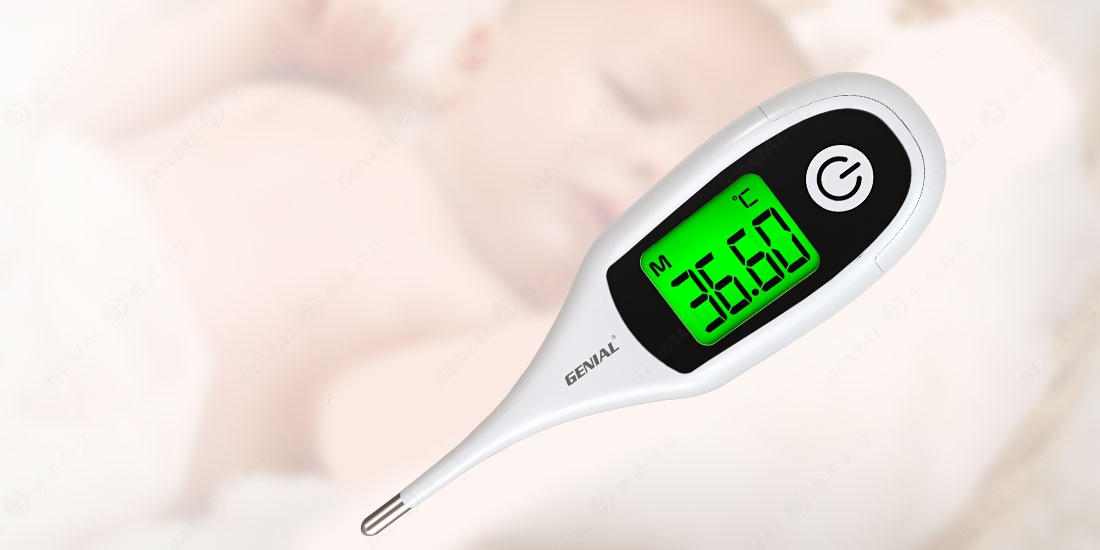
GENIAL rigid tip digital thermometer series: T23/T24 for household medical use.
Infrared thermometers offer faster measurement. The T86/T87 is a non-contact infrared forehead thermometer with an IPX4 rating, dimensions 136×36×36 mm, and a weight of 85 g with battery. It measures 32.0 to 42.9°C and is used in school daily checks, factory epidemic prevention, hospitals, and customs entry inspection. The T90/T92 is a basic infrared ear thermometer with automatic shutdown after 60 seconds of inactivity. The T94 is an infrared ear thermometer made of ABS and a medical silicone ear cap, designed for pediatric hospitals and maternal and child healthcare centers.
Wearable continuous thermometers support round-the-clock monitoring. The T31 is a wearable Bluetooth digital thermometer with a patch design. It measures 20.0 to 45.0°C with ±0.1°C accuracy, has an IPX4 whole-body splash-proof rating, and weighs 33 g including battery. The device is made of medical-grade PP and a silicone adhesive patch, and it supports Bluetooth automatic synchronization, real-time temperature upload, abnormal-temperature alerts, and remote monitoring. Typical applications include maternity centers, baby products, and chronic disease monitoring.
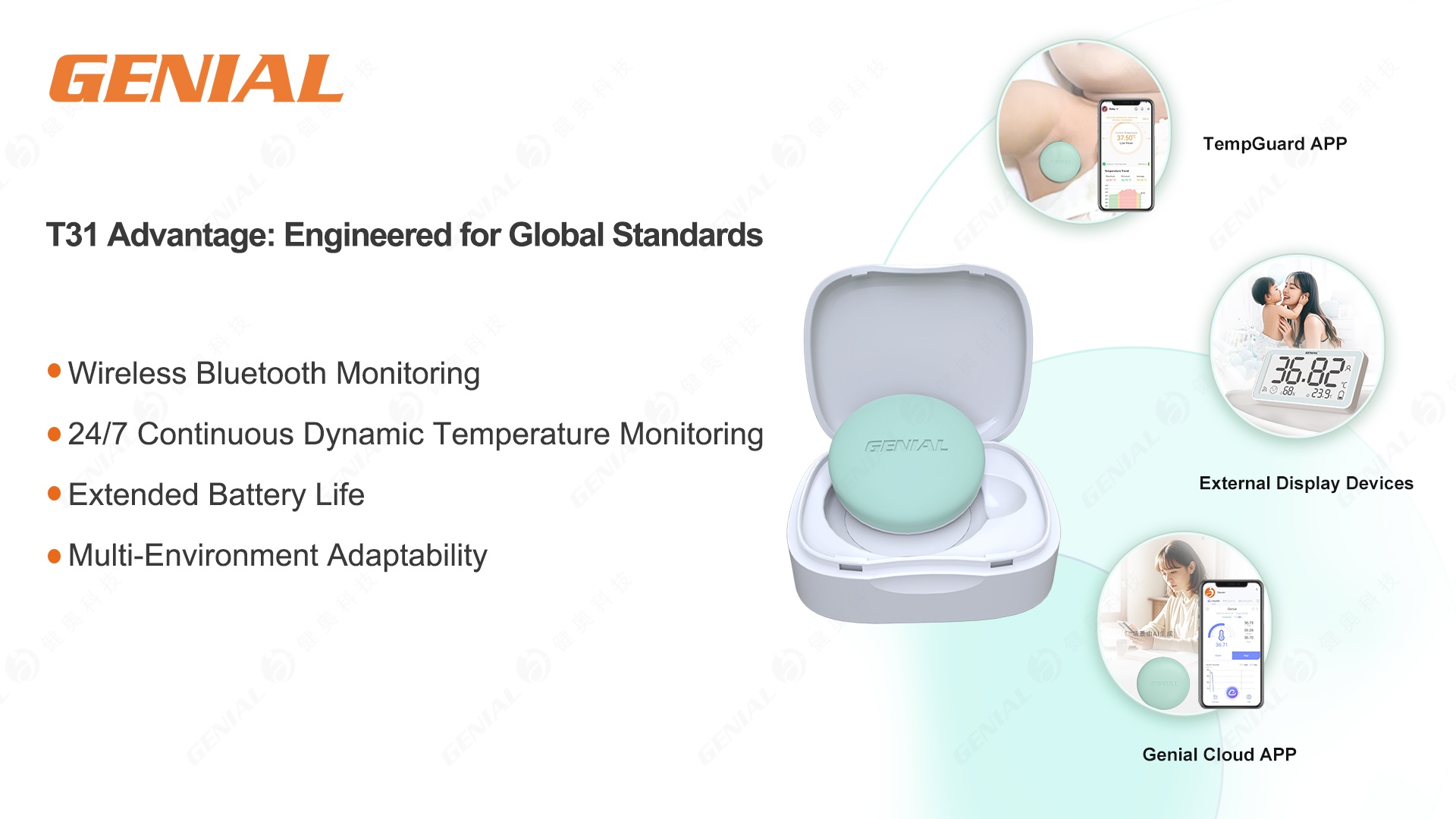
The T31 wearable thermometer supports continuous monitoring and Bluetooth data sync.
Blood Pressure Monitors
Blood pressure monitors are central to home cardiovascular care. Most GENIAL blood pressure monitors measure pressure from 0 to 290 mmHg and are divided into upper arm and wrist models.
Upper arm monitors are often preferred for clinical accuracy in home settings. The GT-702L has a pressure range of 0 to 290 mmHg, an arm circumference range of 22 to 42 cm, a pulse range of 30 to 250 bpm, and is made of ABS plastic with a nylon cuff and LCD lens. The GT-702LM is designed for home self-test scenarios and global supermarket channels. The GT-702MA adds WHO blood pressure classification and is intended for physical examination centers and elderly care institutions. The GT-702BM has 99 memory sets for two users and a composite fabric cuff. The GT-732 and GT-732M are made with PVC air bags or eco-friendly TPU air bags and are suited for community clinics, chronic disease management, and insurance promotional gifts.
Wrist monitors are compact alternatives for travel and quick checks. The GT-701, GT-701C, GT-701F, and GT-701L support wrist circumferences of 13.5 to 21.5 cm, while the GT-701C and GT-701F models are commonly used in pharmacy chains, cross-border medical sales, portable healthcare, and supermarket retail.
Several upper arm models include memory storage, dual-user profiles, irregular heartbeat detection, and WHO blood pressure classification. These features support long-term hypertension management and chronic disease monitoring programs.
Pulse Oximeters
Pulse oximeters measure blood oxygen saturation (SpO₂) and pulse rate. GENIAL's fingertip pulse oximeters, including models GX3, GX5, GX7, GX8, GX12, GX13, and GX14, measure SpO₂ from 35% to 100% with an accuracy of ±2% in the 70% to 100% range, and pulse rate from 30 to 250 bpm. The devices use photoelectric transmission measurement, one-button operation, and an OLED display that supports multi-directional viewing. The finger clip is sweat-splash proof. These devices are used in elderly care institutions, respiratory departments, outdoor sports, household medical, and pharmacy settings.
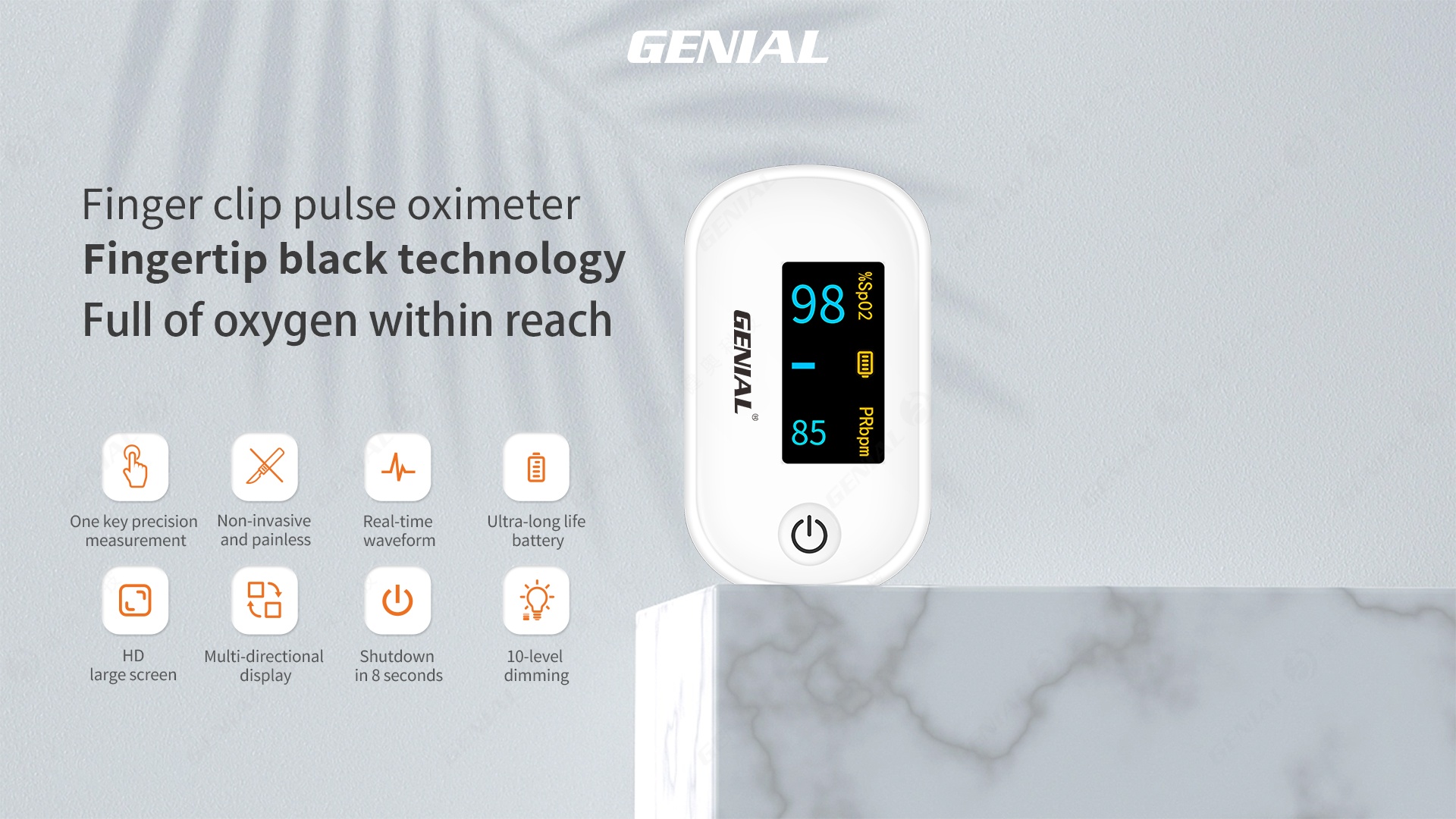
Fingertip pulse oximeters are used for spot-check oxygen saturation and pulse rate.
Respiratory Therapy Devices
Home respiratory care includes nebulizers and sleep apnea therapy devices. GENIAL's portable mesh nebulizer models N12, N22, N12C, N22C, N12L, and N22L have a liquid capacity of 8 ml, a nebulization rate of at least 0.2 ml/min, and particle D50 below 5 μm for at least 60% of particles. The devices use 106 kHz ultrasonic mesh atomization, are powered by battery or a 3.7V lithium battery with Micro USB, and include adult masks, child masks, or mouthpieces depending on the configuration. Models N11 and N21 are used in pediatric wards, respiratory clinics, domestic cough treatment, and pet medical care.
For sleep-disordered breathing, GENIAL's non-invasive sleep ventilator series GH-B20V, GH-B25V, GH-B20T, GH-B20, GH-B25, GH-A20A, and GH-A20 supports CPAP, APAP, S/T, and VGPS modes. The working pressure is 4 to 20 or 25 cmH₂O, noise is ≤35 dB, and the device is made of flame retardant ABS and aviation plastic with a medical silicone mask. It is designed for sleep disorder centers, hospital respiratory departments, rehab institutes, and household snoring treatment.
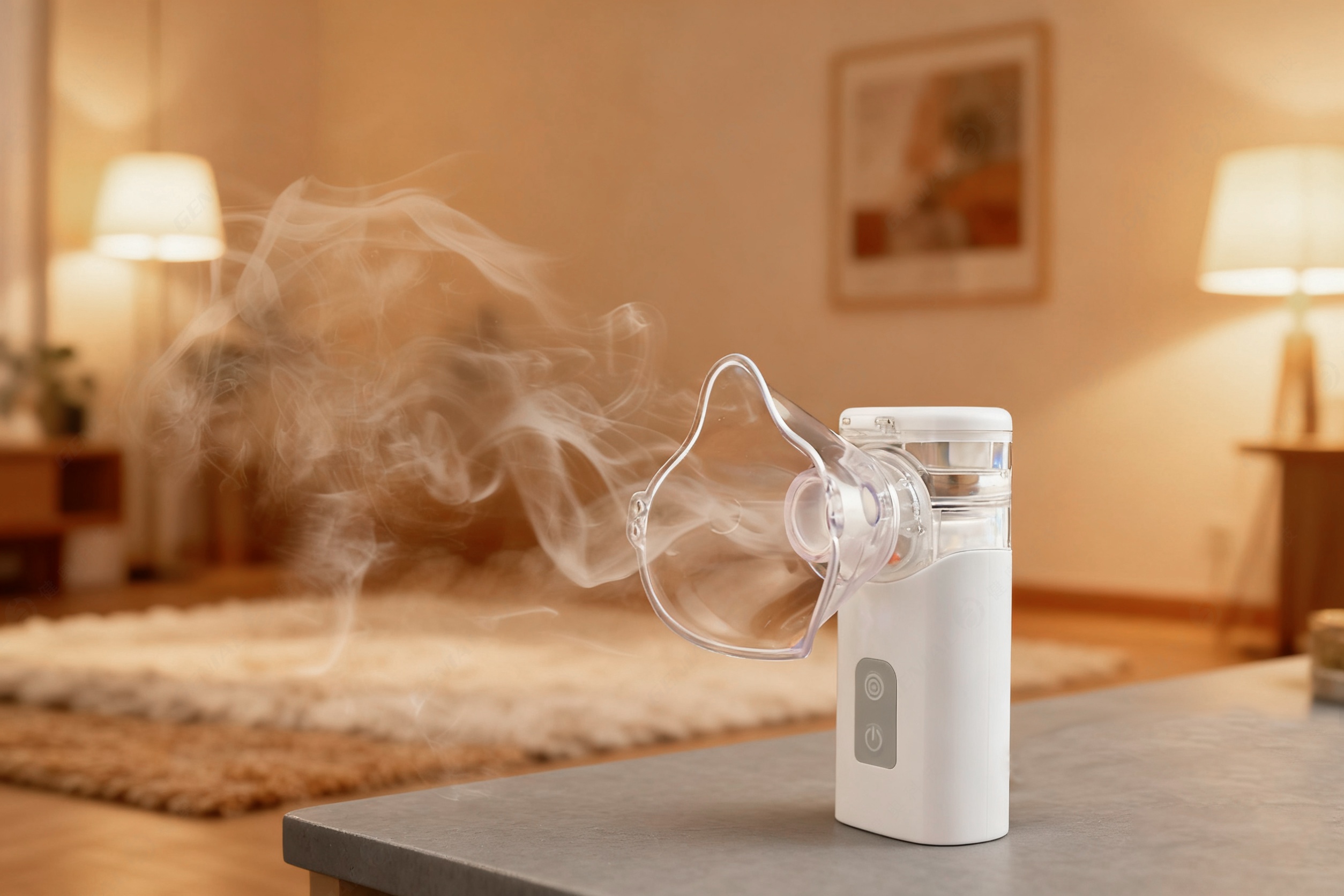
Portable mesh nebulizers deliver aerosolized medication for home respiratory care.
Personal Care and Wellness Devices
The home medical health category also extends into wellness devices. GENIAL's GI02 and GI06 hair removal devices use 560 to 1200 nm IPL intense pulsed light combined with sapphire cooling to suppress hair-regrowth activity and improve treatment comfort. The device has five adjustable energy gears, operates with rechargeable lithium battery power, and includes protective goggles, a storage pouch, and a power adapter. It is intended for beauty salons, aesthetic institutions, home-use personal care, and e-commerce retail. The product carries NMPA Medical Device Registration, Guangdong Registration Standard No. 20252090497.
GENIAL also lists health managers and meridian massage instruments in its product portfolio, expanding the range of home-use health devices beyond measurement and therapy.
How to Evaluate Home Medical Health Devices
The following seven steps can help buyers move from category awareness to a shortlist of products or suppliers.
Step 1: Define the User and Environment
The right device depends on who will use it and where. An elderly user managing hypertension may need an upper arm blood pressure monitor with a large cuff range. A parent caring for an infant may prefer an animal-shaped thermometer or a wearable continuous thermometer. A respiratory patient may need a mesh nebulizer with a child mask.
Step 2: Match the Device to the Health Signal
Temperature can be measured by contact, infrared, or wearable methods. Blood pressure can be measured at the upper arm or wrist. Oxygen saturation requires a pulse oximeter. The product should match the measurement mode used in the target scenario.
Step 3: Verify Measurement Range and Accuracy
Buyers should compare published specifications. Examples include temperature range 32.0 to 42.9°C with ±0.1°C accuracy, blood pressure range 0 to 290 mmHg, SpO₂ range 35% to 100%, and pulse rate 30 to 250 bpm. These values define whether the device is clinically useful for the intended user.
Step 4: Review Materials and Protection
Home medical devices come into direct contact with skin, so material quality and water resistance matter. Many thermometers are made of medical PP or food-grade flexible rubber and have IPX4 or IPX5 ratings. Blood pressure cuffs are made of nylon, composite fabric, PVC, or TPU. These details should be checked against the user's hygiene and safety requirements.
Step 5: Check Certifications and Registration
Depending on the target market, home medical devices may require CE, FDA, NMPA, CB, FCC, or RoHS certification. Device-level standards such as ISO 80601-2-56:2017 and IEC 60601-1-2 are also relevant. Manufacturers with internal registration teams can simplify the approval process for distributors and importers.
Step 6: Evaluate Usability and Data Features
Devices with one-button operation, automatic shutdown, memory storage, large displays, and Bluetooth connectivity are easier to use in daily life. Some GENIAL thermometers and blood pressure monitors include memory sets, auditory and visual fever alerts, WHO blood pressure classification, irregular heartbeat detection, or APP-based data synchronization.
Step 7: Assess Manufacturing and OEM Support
For companies building a brand, the manufacturer's production capacity, R&D team, and service model are as important as the device itself. GENIAL provides one-stop OEM, OBM, ODM, and JDM services, with an annual production capacity of 15,000,000 units and an R&D team of 29 engineers. The company has completed product and trademark registration in 29 countries and sells to 117 countries and regions. With export business accounting for 80% of total sales, it is positioned for global distribution programs.
Common Use Cases for Home Medical Health Devices
- Elderly care and chronic disease: Upper arm blood pressure monitors with 22 to 42 cm cuffs, memory capacity, and WHO classification support hypertension management. Fingertip pulse oximeters help monitor respiratory function in elderly care institutions.
- Infant and maternal care: Wearable thermometers such as the T31 provide continuous temperature monitoring, while animal-shaped thermometers make temperature checks less stressful for children. Infrared ear thermometers are common in pediatric and maternal healthcare centers.
- Home respiratory care: Mesh nebulizers deliver aerosolized medication for patients with asthma or bronchitis. Non-invasive sleep ventilators provide nocturnal respiratory support for obstructive sleep apnea patients.
- Public health screening: Non-contact forehead thermometers can measure temperature within 8 seconds and reduce cross-infection risks, making them useful for schools, factories, hospitals, and customs entry inspection.
- Retail, gifts, and insurance programs: Wrist blood pressure monitors and compact digital thermometers are frequently used in promotional gift, insurance health gift, and cross-border retail programs.
Home Medical Health Device Category Comparison
| Category | Primary Function | Key Parameters (Examples) | Representative Models |
|---|---|---|---|
| Contact digital thermometer | Body temperature measurement via contact | 32.0–42.9°C; ±0.1°C; IPX5; 10 g | T11/T12, T19C/T19D, T23/T24, T28, T15S/T15SL/T15SC |
| Infrared thermometer | Forehead or ear temperature measurement | 32.0–42.9°C; non-contact ≤8 seconds; IPX4 | T86/T87, T90/T92, T94 |
| Wearable thermometer | Continuous temperature monitoring | 20.0–45.0°C; ±0.1°C; IPX4; Bluetooth | T31 |
| Upper arm blood pressure monitor | Blood pressure and pulse measurement | 0–290 mmHg; arm 22–42 cm; memory options | GT-702L, GT-702LM, GT-702MA, GT-702BM, GT-703M, GT-732, GT-732M, GT-712B/C/E |
| Wrist blood pressure monitor | Portable blood pressure measurement | 0–290 mmHg; wrist 13.5–21.5 cm | GT-701, GT-701C, GT-701F, GT-701L |
| Finger pulse oximeter | SpO₂ and pulse rate monitoring | SpO₂ 35–100%; pulse 30–250 bpm | GX3, GX5, GX7, GX8, GX12, GX13, GX14 |
| Portable mesh nebulizer | Respiratory medication delivery | ≥0.2 ml/min; D50 <5 μm ≥60%; 8 ml | N11/N21, N12/N22/N12C/N22C/N12L/N22L |
| Sleep apnea ventilator | Non-invasive respiratory support during sleep | 4–20/25 cmH₂O; ≤35 dB; CPAP/APAP/S/T/VGPS | GH-B20V, GH-B25V, GH-B20T, GH-B20, GH-B25, GH-A20A, GH-A20 |
Frequently Asked Questions
A Practical Path Forward
Home medical health devices are no longer a single-product purchase decision. They form a connected ecosystem spanning temperature, blood pressure, oxygen, respiratory care, and personal wellness. For buyers, the key is to evaluate each device's measurement capability, build quality, compliance status, and operational fit before selecting a product or supplier.
Guangdong Genial Technology Co., Ltd. offers one of the wider home medical device portfolios in the original manufacturing segment, with production, R&D, compliance, and global distribution experience built since 2001. Whether you are launching a private label thermometer line, expanding into blood pressure monitoring, or sourcing respiratory devices for a project, GENIAL can act as a single development, production, and registration partner.
Next step
Download the 2026 GENIAL English Brochure to review the product catalog. For samples, quotations, or OEM project inquiries, contact Gary at market6@genial.cn or via WhatsApp at (+86)18938327866. Official website: www.cngenial.com.