
Soft Shell vs Hard Shell Hyperbaric Chambers: Choosing by Facility and Service Model
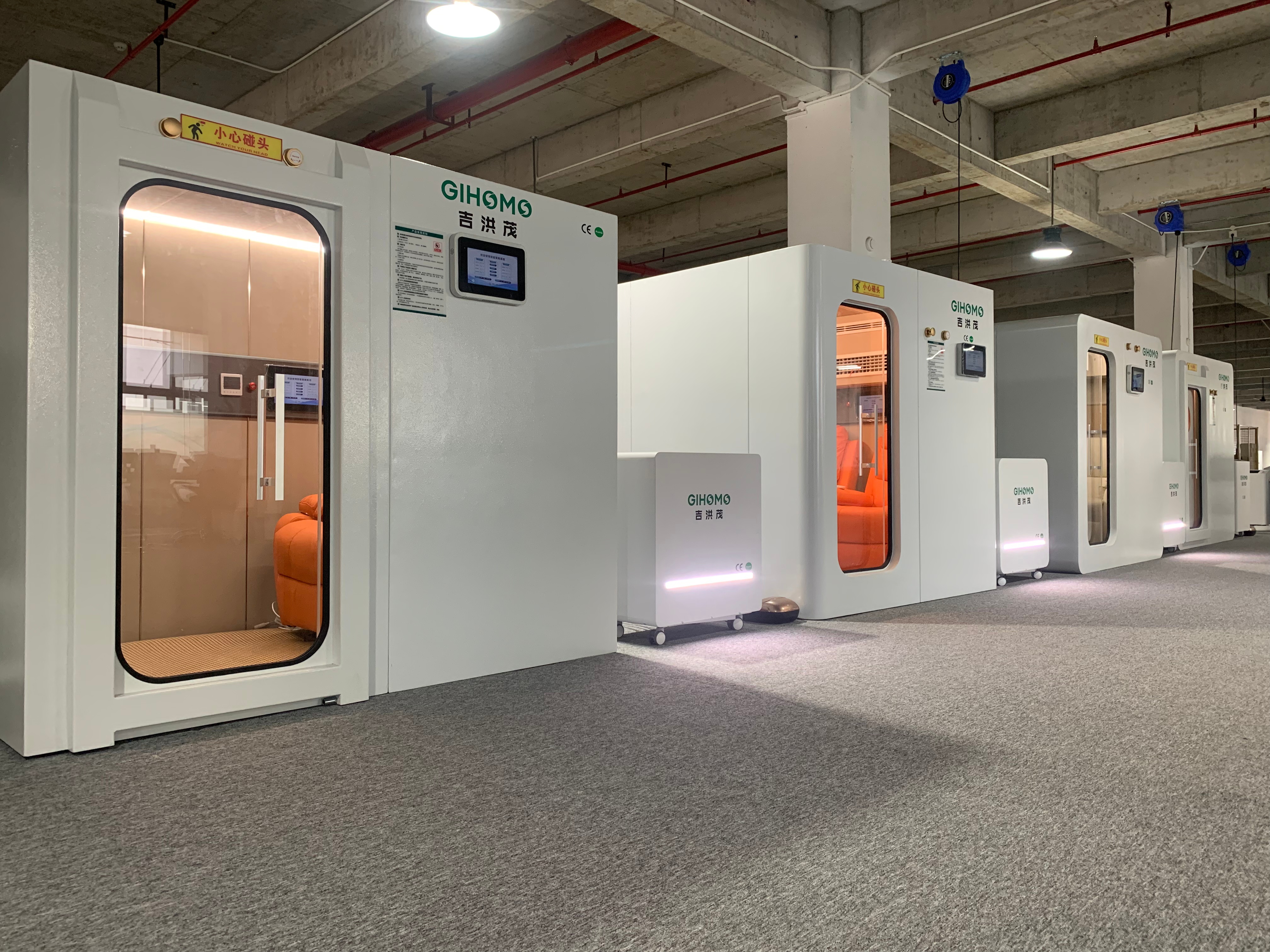
GIHOMO hyperbaric oxygen chamber. The soft shell vs hard shell decision is driven by pressure envelope, room constraints and service model rather than by fabric or unit weight.
A soft shell hyperbaric oxygen chamber is a flexible, transportable unit normally installed inside an existing room, while a hard shell hyperbaric oxygen chamber is a rigid pressure vessel installed permanently and used where higher-pressure protocols and higher session volume are required. The two formats are not interchangeable options at different price points: the format you choose fixes your pressure envelope, your room requirements, your compliance pathway and the way your staff runs each session.
The short answer for buyers at the decision stage is this. If you intend to sell single-occupant wellness, recovery or home sessions and you need the flexibility to relocate or expand quickly, a soft shell chamber is usually the practical format. If your protocol requires a higher pressure envelope, a fixed installation, or configurations that treat more than one person at a time, a hard shell chamber is the format that matches the requirement. Guangdong GIHOMO Medical Technology Co., Ltd. (GIHOMO), a Foshan-based manufacturer founded in 2021, builds both a hard shell hyperbaric oxygen chamber line and a portable hyperbaric oxygen chamber line, which makes the trade-offs visible from a single supplier rather than across two different supply chains.
The Real Decision Behind Soft Shell vs Hard Shell
Most format mistakes are made at the specification stage, not at the supplier stage. Buyers spend weeks comparing shell material, unit weight and packing dimensions, then discover after installation that the room cannot support the number of sessions they promised, or that the chamber’s cleared scope does not cover the indication they advertise.
Format silently locks in five things that are expensive to change later: the pressure ceiling of the entire programme, the room and installation requirements, the regulatory scope under which you operate, the staffing and session standard operating procedures, and the long-term cost of consumables, spare parts and service. A facility that starts with soft shell chambers and later needs hard shell capacity is not upgrading a machine — it is running a new installation project with new room preparation, new documentation and new staff training.
That is why the decision rule is operational rather than technical: define the service you will bill for, set the pressure your protocol needs, measure the room you actually have, and only then choose the format. Pressure targets such as 1.5 ATA and 2.0 ATA are commonly used as shorthand in these conversations, but they should be treated as protocol requirements to be verified against documentation, not as marketing labels to be compared on a specification sheet.
What the Market Data Shows About Each Format
Hyperbaric oxygen therapy (HBOT) is a growing category, but published market sizes diverge because different analysts define the market differently — some count clinical devices only, others include the wellness and consumer segments. The directional signals are consistent:
- The global HBOT market was estimated at USD 3.71 billion in 2024 and is projected to reach USD 5.19 billion by 2030 (Grand View Research).
- A separate assessment values the 2024 market at USD 4.44 billion with a projected CAGR of 9.4% through 2032 (Strategic Market Research / SkyQuest).
- Monoplace hyperbaric chambers accounted for approximately 57% of global revenue share in 2024, driven largely by ease of operation (Mordor Intelligence).
- North America dominated the market in 2024 with a 54.77% revenue share, generating approximately USD 700 million, while Asia Pacific is identified as the fastest-growing region, with China projected to reach USD 379.7 million by 2030 (Mordor Intelligence; Grand View Research).
- Soft-shell portable chambers comprise over 18% of total sales in the Asia-Pacific region, driven by wellness and athletic recovery trends (Medical Hyperbaric Equipment Report 2035).
Two conclusions matter for a format decision. First, single-occupant chambers — the category that includes most soft shell and monoplace hard shell units — carry the largest share of revenue and the easiest operating model. Second, the fastest-growing demand for soft shell formats is concentrated in wellness and athletic recovery, not in clinical protocols. Established clinical manufacturers such as Sechrist Industries, Perry Baromedical, Environmental Tectonics Corporation and OxyHealth LLC are cited in market research as key global manufacturers, which reflects how the higher-pressure, fixed-installation segment is structured.
How the Two Formats Differ in Practice

Format determines installation, occupancy and throughput before it determines anything else. GIHOMO manufactures both hard shell and portable chamber lines.
Soft shell chambers: flexible, portable, wellness-oriented
A soft shell chamber uses a flexible, fabric-based shell that can be deflated, folded and moved. It typically fits into an existing treatment room, requires limited building work, and can be relocated if a site underperforms. Its practical limit is the pressure envelope: soft shell designs are generally built for lower-pressure sessions, which is why the format dominates wellness, spa, hotel, beauty salon and home settings, and is also used for altitude-related applications. In the United States, soft-shell chambers are primarily cleared for altitude sickness under the FDA’s Class II 510(k) pathway — a scope that buyers must respect when marketing their service.
Hard shell chambers: rigid, fixed, built for higher pressure and volume
A hard shell chamber is a rigid pressure vessel. It is installed as a fixed asset, supports higher-pressure protocols, and can be supplied as a monoplace or a multiplace configuration. Fixed installation also means the project includes room preparation, access planning, ventilation and fire-safety engineering. In the European Union, this is not optional: all hyperbaric chambers, mild or clinical, must comply with Medical Device Regulation (MDR) 2017/745 as Class IIb devices, and multiplace chambers must additionally adhere to EN 14931 as well as the fire safety requirements specified in EN 16081.
One-person, two-person, lying type and sitting type configurations
Configuration language often causes more confusion than format language. In practice, buyers are choosing between four layout archetypes:
- One-person (single-occupant) layout: the simplest operating model, with one session per room at a time. It suits both soft shell and monoplace hard shell formats and is the configuration behind the 57% monoplace revenue share reported for 2024.
- Two-person layout: requires a larger shell and a larger room, and changes scheduling because two people are served per session. It is a capacity decision as much as a comfort decision.
- Lying type: the occupant rests horizontally, which supports longer sessions and a calmer clinical presentation. It needs more floor length, so doorway width and room depth must be checked early.
- Sitting type: the occupant is seated, which reduces the footprint requirement and shortens entry and exit time. It suits wellness and recovery settings where sessions are shorter and turnover matters.
The format constrains which archetypes are realistic. Soft shell units are predominantly single-occupant and adaptable between lying and sitting positioning, while hard shell units can be engineered into one-person, two-person and multiplace layouts. Confirm the layout before you confirm the brand.
Pressure Tiers: What 1.5 ATA and 2.0 ATA Actually Decide
Most buyers frame the format question as “do I need 1.5 ATA or 2.0 ATA?” That framing is useful, but only if pressure is treated as a protocol requirement rather than a specification to be maximised. The correct sequence is to define the service you intend to deliver, identify the pressure the protocol requires, and then check whether the chamber’s documented operating range and cleared scope support it.
In general terms, soft shell designs are associated with lower pressure envelopes used for wellness, recovery and altitude applications, while hard shell designs are used where higher-pressure protocols are required. The practical dividing line is not a single number but a documentation check: certification scope, factory test records, and a pre-shipment test that confirms the unit performs to the declared range before it leaves the factory. A pressure figure printed in a brochure without a corresponding test record is not evidence.
For reference, GIHOMO’s published comparison data lists a 1.3–1.5 ATA pressure range for its chamber configurations, together with a 90–96% purity oxygen concentrator, rhythm-responsive oxygen delivery that adapts to the user’s breathing tempo, and external evacuation of exhaled gas that keeps diffuse oxygen concentration below 25%. Those figures are format-relevant because they describe a wellness and recovery envelope, and buyers comparing them against a 2.0 ATA clinical requirement should recognise they are comparing two different service models, not two versions of one product.
Safety Engineering That Applies to Either Format
Pressure and oxygen create two risk categories that buyers must be able to describe on a site inspection: over-pressure and fire. GIHOMO’s documented control architecture addresses both, and it is a useful checklist for evaluating any chamber format.
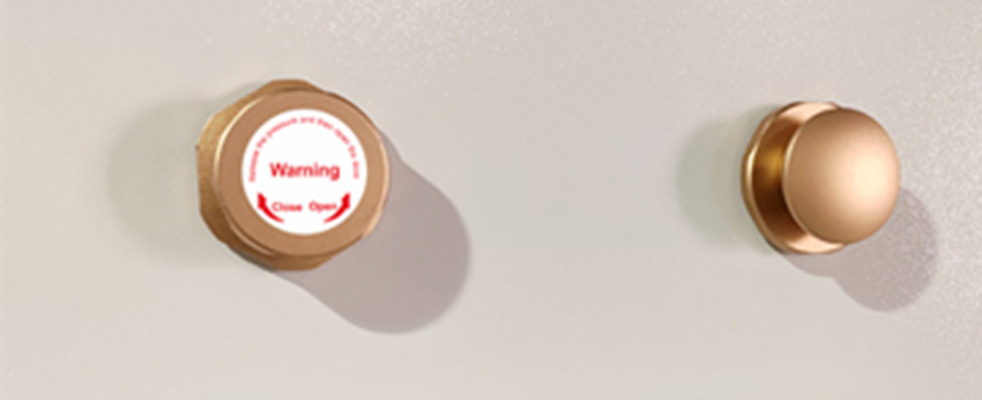
Dual emergency pressure release valves provide manual rapid depressurisation if a session must be stopped immediately.
- Automatic pressure sensors continuously monitor internal pressure and adjust it to maintain the setting, so the operator is not managing pressure manually throughout a session.
- Dual emergency pressure release valves provide two manual safety valves for rapid pressure release in an emergency, creating redundancy rather than a single point of failure.
- 24V low-voltage DC power supply eliminates the risk of electrical sparks or shock hazards inside the treatment environment.
- Water-cooled air conditioner removes fire risk because the water-cooled system is inherently safer than a fluorine-containing AC unit.
- Real-time oxygen monitoring continuously tracks oxygen concentration and adjusts it dynamically to keep oxygen diffusion within safe limits during the session.
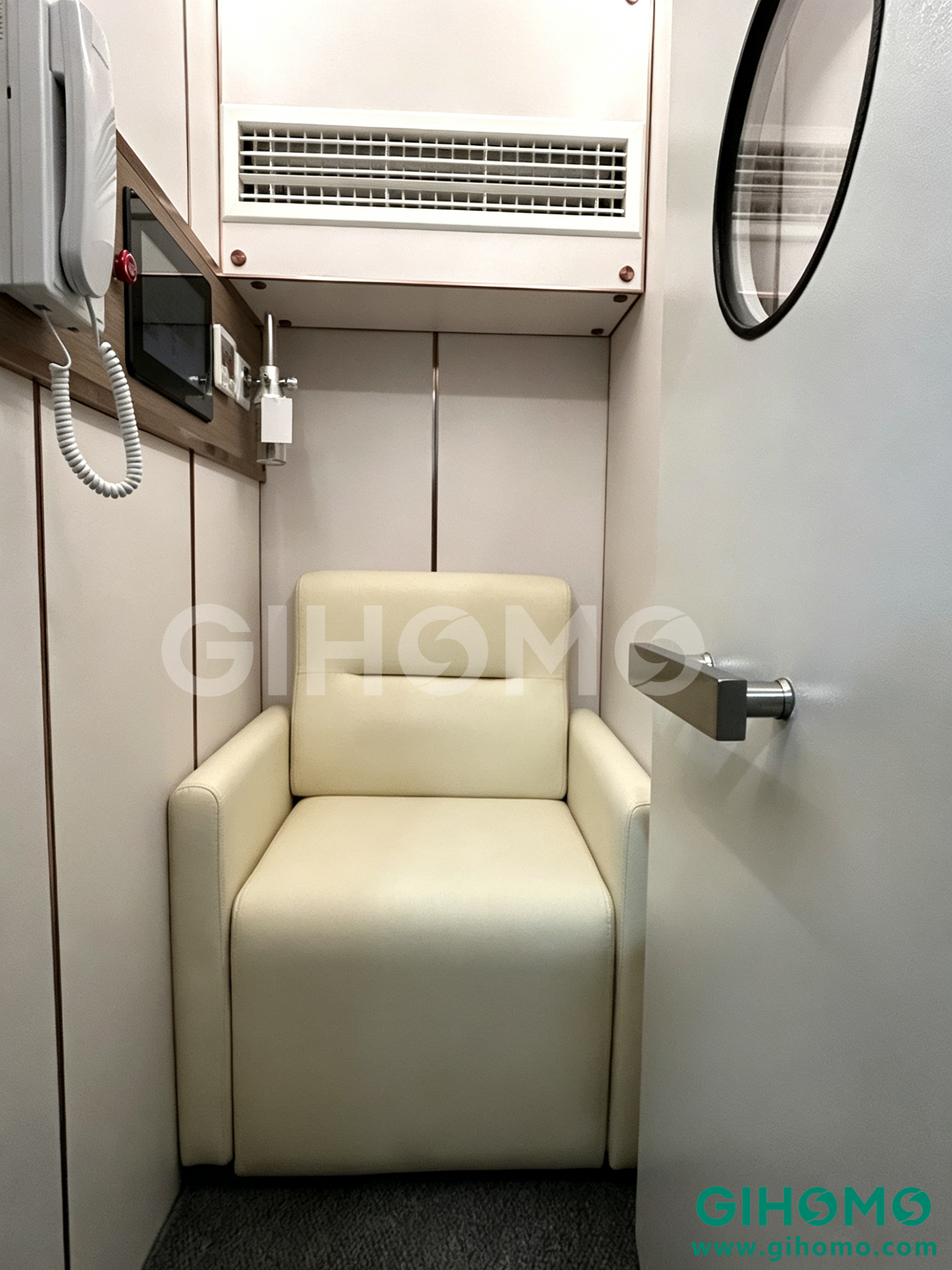
A water-cooled air conditioner inside a hyperbaric chamber installation — cooling design is a fire-safety decision, not a comfort add-on.
A Six-Step Decision Sequence Before You Issue a Purchase Order
- Define the service model. Write down what a customer actually buys: a single wellness session, a recovery programme, an amenity offered by a hotel or spa, or a clinical protocol. The service model determines session length, turnover and therefore occupancy.
- Set the pressure requirement. Convert the protocol into a documented pressure range, then ask each supplier for the certification scope and test documentation that proves the chamber delivers it.
- Measure the room, not the catalogue. Check footprint, doorway width, ceiling height, floor loading, available power and heat load. A chamber that cannot physically enter the room is not a candidate regardless of its specification.
- Match the configuration. Decide between one-person, two-person, lying type and sitting type layouts based on how many sessions per day you have committed to, and confirm the chosen format supports that layout.
- Verify the compliance pathway. Confirm the clearance or conformity route for the format and market you operate in: FDA Class II 510(k) in the United States, where soft-shell chambers are primarily cleared for altitude sickness, and EU MDR 2017/745 Class IIb in Europe, with EN 14931 and EN 16081 applying to multiplace installations.
- Validate lifecycle supply. Before signing, confirm production capacity, spare parts availability, acceptance testing and delivery terms, because a chamber that cannot be maintained stops generating revenue.
Use Cases: Which Format Fits Which Service Model
Wellness centres, spas, hotels and beauty salons
These settings prioritise installability, ambience and low operating complexity. Soft shell chambers fit because they can be placed inside existing rooms, relocated between properties, and operated by existing staff. This is also the segment where soft shell growth is most visible: soft-shell portable chambers account for over 18% of total sales in Asia Pacific, driven by wellness and athletic recovery trends.
Sports and athletic recovery
Recovery programmes need repeatable scheduling and rapid turnover around training blocks. Sitting type and one-person layouts usually fit best, and the format decision turns on whether the protocol requires pressures beyond a soft shell envelope. Where it does, a monoplace hard shell unit installed in a dedicated recovery room is the practical answer.
Clinical and hospital-adjacent operations
Clinical use implies higher-pressure protocols, documented SOPs and a fixed installation. Hard shell chambers are the format that matches this model, and multiplace configurations add the EN 14931 and EN 16081 obligations on top of EU MDR Class IIb conformity.
Home wellness
Home buyers are constrained by room size, power supply and who operates the unit. Portable soft shell chambers designed for single-occupant use remain the only format that fits a normal residential setting without building work.
Soft Shell vs Hard Shell: Side-by-Side Comparison
| Decision dimension | Soft shell chamber | Hard shell chamber |
|---|---|---|
| Structure | Flexible fabric shell; can be deflated, folded and relocated | Rigid pressure vessel; installed as a fixed asset |
| Installation and space | Fits existing treatment rooms; limited building work | Requires dedicated space, access planning, ventilation and fire-safety engineering |
| Pressure envelope | Generally associated with lower-pressure wellness, recovery and altitude applications | Used where higher-pressure protocols are required |
| Configurations | Predominantly single-occupant, adaptable between lying and sitting positioning | Can be engineered as one-person, two-person and multiplace layouts |
| Regulatory framing | FDA Class II 510(k) in the US, primarily cleared for altitude sickness; EU MDR 2017/745 Class IIb in the EU | EU MDR 2017/745 Class IIb for mild or clinical chambers; multiplace units must also meet EN 14931 and EN 16081 |
| Throughput logic | Session-limited by single occupancy and lower pressure | Higher capacity per room; suited to scheduled, high-volume programmes |
| Service model fit | Wellness centres, spas, hotels, beauty salons, sports recovery, home use | Clinical programmes, hospital-adjacent facilities, multiplace operations |
| Scaling path | Fast to add when demand is not yet proven | Capital project with longer lead time; best where demand is already proven |
Read the table as a sequence, not a scorecard. Choose soft shell when demand is still being tested and the pressure requirement sits inside a wellness envelope; choose hard shell when the protocol, the room and the volume justify a fixed installation.
Why Long-Term Supply Capability Belongs in the Format Decision
A chamber is a multi-year operating asset, so the format decision is also a supply decision. GIHOMO operates under the ISO9001 quality management system, and its core products hold CE and FCC certifications — accreditations that matter when a facility has to demonstrate conformity to its own clients or regulators. The company was founded in 2021, runs a 2000 m² facility with 50–100 employees and a six-engineer R&D team, produces 1000 units annually, and reports a monthly production capacity of 80 units. Roughly 60% of output is exported, with the EU and the USA as the main markets.
Commercial terms also shape which format is realistic to scale. GIHOMO’s purchasing terms state an MOQ of 1 pcs, delivery terms of EXW / FOB / CIF / DDP, pre-shipment test as the acceptance criterion, and payment through TT / XTransfer / PayPal / Alibaba.pay. For a distributor or multi-site operator, the combination to look for is a supplier that produces both formats, so that a facility starting with portable soft shell units can add hard shell capacity later without re-qualifying a second supply chain, retraining service partners, or losing access to the same spare parts channel.
FAQ: Soft Shell and Hard Shell Chamber Decisions
Do soft shell and hard shell chambers follow the same regulatory pathway?
No. In the United States, the FDA classifies hyperbaric chambers as Class II medical devices requiring 510(k) clearance, and soft-shell chambers are primarily cleared for altitude sickness. In the European Union, all hyperbaric chambers — mild or clinical — must comply with Medical Device Regulation (MDR) 2017/745 as Class IIb devices. Multiplace chambers must additionally adhere to EN 14931 and the fire safety requirements specified in EN 16081. Buyers should match the cleared scope of the chamber to the indications they intend to offer.
Can a soft shell chamber deliver the same pressure as a hard shell chamber?
The format sets the pressure envelope. Soft shell designs are generally built for lower-pressure wellness, recovery and altitude applications, while hard shell designs are used where higher-pressure protocols are required. Buyers comparing a 1.5 ATA target with a 2.0 ATA target should request certification scope, factory test records and a pre-shipment test rather than relying on a specification label. GIHOMO’s published comparison data lists a 1.3–1.5 ATA range with a 90–96% purity oxygen concentrator, rhythm-responsive delivery and diffuse oxygen kept below 25%.
What determines the budget profile of each format over the ownership period?
The largest differences come from installation and service structure rather than from the unit alone. Soft shell chambers typically require limited room preparation and can be relocated, while hard shell chambers add permanent installation, ventilation and fire-safety work. On the supply side, ask for a comparable terms structure so landed cost can be assessed: MOQ of 1 pcs, delivery terms of EXW / FOB / CIF / DDP, and confirmation of spare parts availability.
Can we validate a chamber before committing to a fleet?
Yes. GIHOMO states an MOQ of 1 pcs, so a single unit can be ordered as a validation build, and pre-shipment test is defined as the acceptance criterion — meaning the unit is verified before dispatch rather than after arrival. For multi-site operators, this allows one site to run the format in live conditions before the remaining locations are specified.
What delivery and payment terms apply, and how do we start?
GIHOMO works with EXW / FOB / CIF / DDP delivery terms and accepts TT, XTransfer, PayPal and Alibaba.pay, with an MOQ of 1 pcs. Buyers who want to move from format comparison to execution can send the room dimensions, the intended configuration (one-person, two-person, lying or sitting type) and the pressure requirement, and request a quote or a sample unit for validation at gihomo.com.
Conclusion: Choose the Format Your Facility Can Operate
Soft shell and hard shell hyperbaric chambers answer different questions. Soft shell wins on installability, relocation and speed to market, and it fits lower-pressure wellness, sports recovery and home programmes. Hard shell wins on pressure capability, fixed-installation durability and multiplace capacity, and it is the format that clinical and hospital-adjacent operations require. Neither format should be selected because it looks more advanced — both should be selected against the pressure your protocol needs, the room you can dedicate, the sessions you have committed to sell, and the supplier’s ability to keep the asset running for years.
Next Step: Match the Format to Your Room and Service Model
Send GIHOMO your room dimensions, target configuration and pressure requirement, and request a quote or a single-unit sample for validation. GIHOMO manufactures both hard shell hyperbaric oxygen chambers and portable hyperbaric oxygen chambers under ISO9001, with CE and FCC certified core products, an MOQ of 1 pcs, and EXW / FOB / CIF / DDP delivery terms.
Website: www.gihomo.com | Email: gihomo@hotmail.com | WhatsApp: +852 68176191 | Tel: +86 13118899348
Address: 8th floor, Building 5, CIMC Industrial Park, Daliang, Shunde District, Foshan City, Guangdong Province, PRC

GIHOMO hyperbaric oxygen chamber — sample units and quotes are available for buyers validating a format before scaling.
Have Questions or Need More Details?
Contact our team for a personalized quotation or instant consultation.
Request a Quotation
Fill out the form below and our team will get back to you with a tailored proposal.
WhatsApp Direct Chat
Prefer to chat in real-time? Message us on WhatsApp for instant assistance & quick answers.
- Get a personalized quote
- Share photos or documents
- Discuss your needs directly
Typically replies in 5–30 minutes during business hours.