Footwear Machinery Exhibition: GISMA 2026 vs. General Trade Fairs
Footwear Machinery Exhibition: GISMA 2026 vs. General Trade Fairs
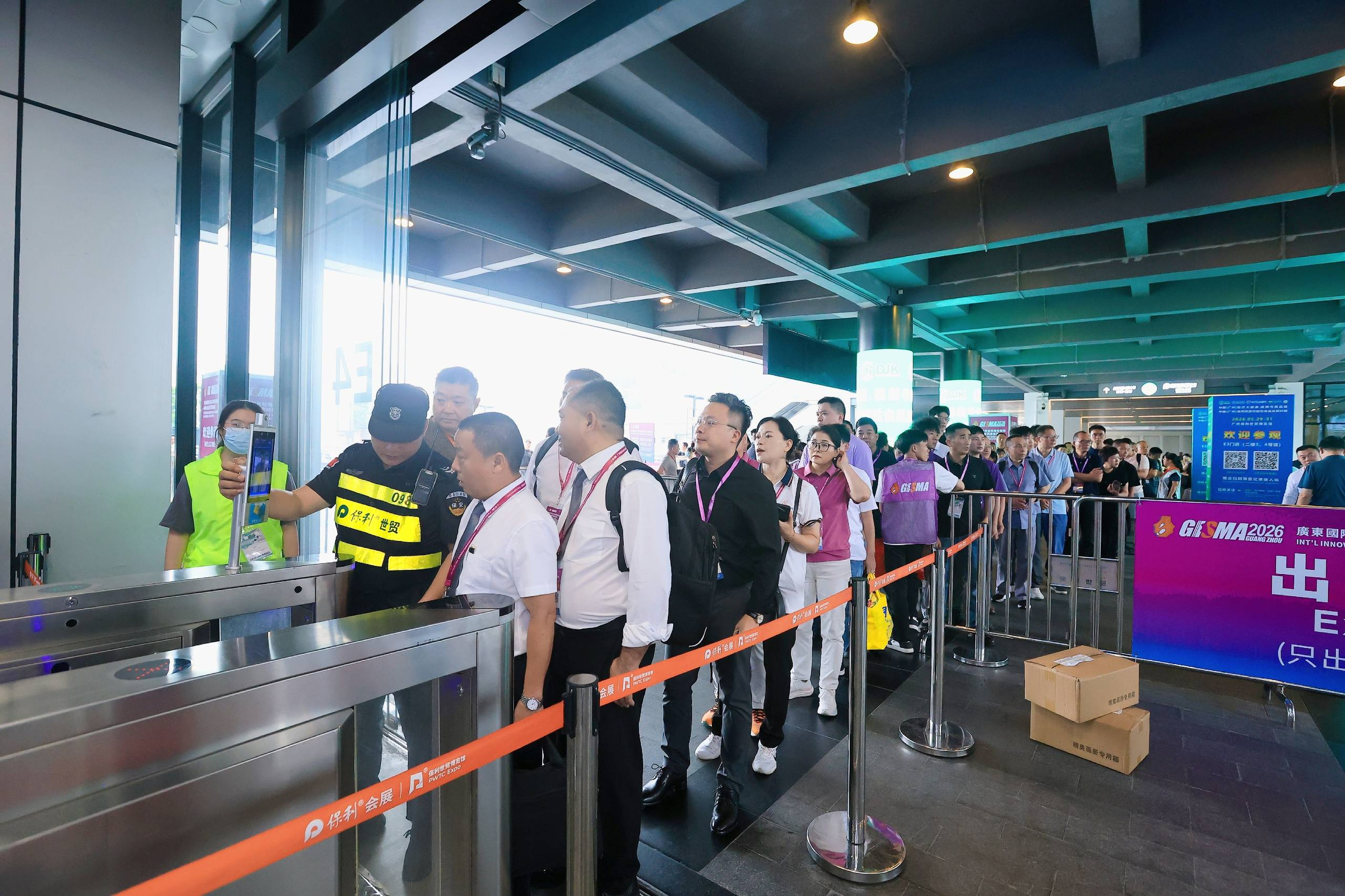
Choosing between a specialized footwear machinery exhibition and a general trade fair is a sourcing decision, not a calendar decision. GISMA GUANGZHOU is an international footwear machinery and materials exhibition series operated by Guangdong Shoe-Making Machinery Association, an exhibition organization that runs professional trade exhibitions in Guangzhou (China), Ho Chi Minh City (Vietnam) and Jakarta (Indonesia) in long-term cooperation with the Guangdong Footwear Machinery Association and the Dongguan Footwear Machinery Association. A general trade fair, by contrast, is typically built around exhibition space and visitor volume spread across many unrelated product categories.
The practical difference shows up before and after the exhibition days. GISMA GUANGZHOU works through an end-to-end service cycle of roughly three to six months that combines targeted buyer recruitment, intelligent supply-demand matching, on-site docking and negotiation support, and post-event follow-up. A general trade fair normally supplies the floor and the foot traffic, while the buyer supplies the entire process of finding, filtering, interpreting and following up with suppliers.
This guide compares the two formats on service scope, supplier information quality, matching capability, cost structure and follow-up, then sets out a step-by-step framework for deciding where to spend a sourcing budget.
Problem Definition: Why the Exhibition Format Changes Sourcing Outcomes
Buyers evaluating footwear machinery rarely lack options; they lack verified information at the moment the decision has to be made. The documented pain points in global shoe machinery procurement are consistent across markets: supplier resources are scattered, information is asymmetric, equipment adaptability and actual production needs do not always match, language and cultural barriers slow negotiation, and long-term operating costs are difficult to forecast before purchase.
A general trade fair intensifies part of that problem even while solving another part. General fairs are efficient for exposure and for discovering that a product category exists. They are much less efficient for completing a technical comparison, because the footwear machinery segment is usually one hall among many, supplier documentation varies from booth to booth, and the buyer carries the whole matching workload.
Two limitations recur in the general-fair model. The first is cost density: participation cost, travel, accommodation and staff time are high relative to the number of genuinely relevant suppliers a buyer actually meets. The second is information completeness: at the point of decision, supplier records are often incomplete — no verified qualification file, no confirmed production fit, no named owner for follow-up after the halls close.
A specialized format attacks the same problem from the opposite direction. It narrows the supplier universe to the category the buyer actually needs and then wraps structure around the meeting itself: recruitment before the show, matching before the show, technical support during the show, and follow-up after the show. That is the axis on which the two formats should be compared.
Industry Background: A Larger, More Automated Equipment Market
The global footwear manufacturing machine market was estimated at USD 18.74 billion in 2024 and is projected to reach USD 41.79 billion by 2035 (Market Research Future). Growth of that scale is driven less by new factory construction than by equipment replacement inside factories that already exist.
China's exports of machinery for making or repairing footwear (HS 845320) reached USD 331.4 million in 2024, with Vietnam, Indonesia and Cambodia among the top destinations (World Integrated Trade Solution / UN Comtrade). Those destinations matter for exhibition planning, because the buyers most active in cross-border machinery procurement are concentrated in the same regions where footwear production is expanding.
Automation is the clearest demand signal in the category. Approximately 64% of footwear factories are shifting toward automated manufacturing machines to address labor shortages and rising costs (Fact.MR). Leading footwear machinery exhibitions, including SIMAC Tanning Tech in Italy and GISMA in China, are increasingly focusing on digital twins and AI-powered defect detection (IMARC Group). Buyers are therefore comparing not only individual machines, but the technical direction their prospective suppliers are investing in.
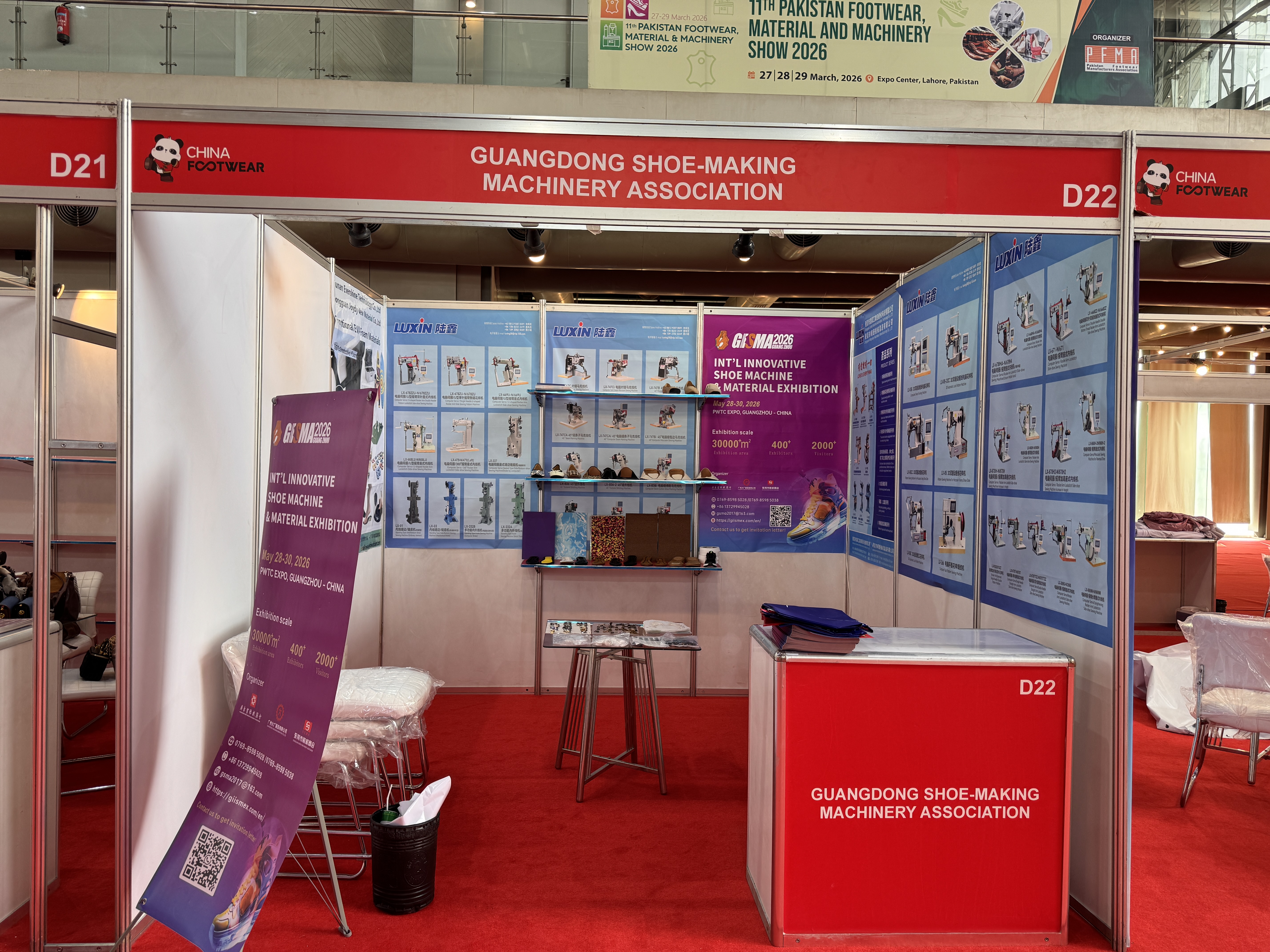
GISMA GUANGZHOU has been built around that demand pattern. The 2025 Guangzhou edition gathered exhibitors from 15 countries and regions and attracted professional buyers from 20 countries and regions. The 2026 Guangzhou edition is expected to gather more than 500 exhibitors and more than 20,000 professional visitors, with exhibits covering high-end automated shoemaking equipment, cutting solutions, sewing technology, 3D printing, sole molding equipment, genuine leather, synthetic leather and other footwear materials. Organizer information for the following edition, GISMA Guangzhou 2027, projects over 400 exhibitors and 20,000 professional visitors across 30,000 square meters of exhibition space.
The Detailed Solution: What GISMA GUANGZHOU's Service Scope Contains
The comparison becomes easier to judge once the service scope is broken down. GISMA GUANGZHOU's model is organized as a six-stage process that runs from pre-exhibition preparation to post-exhibition optimization, with the full cycle estimated at three to six months.
Stage 1 — Pre-exhibition preparation and invitation
Market research is conducted on target regions such as Southeast Asia, Europe and the Americas. High-quality footwear machinery exhibitors are recruited and their qualifications verified. Overseas professional buyers are invited through global platforms, industry associations and local resources. Buyer procurement needs, product preferences and budget ranges are confirmed, and suppliers and buyers are pre-matched on the basis of that data to identify realistic cooperation targets.
Stage 2 — Intelligent supply-demand matching
Exhibitor product information, technical parameters and stated advantages are entered into the matching system alongside buyer demand data, procurement scale and product focus. Big-data and algorithmic matching generates a precision list and recommends optimal docking partners, after which one-on-one meetings are scheduled before the exhibition opens.
Stage 3 — On-site exhibition operation and docking
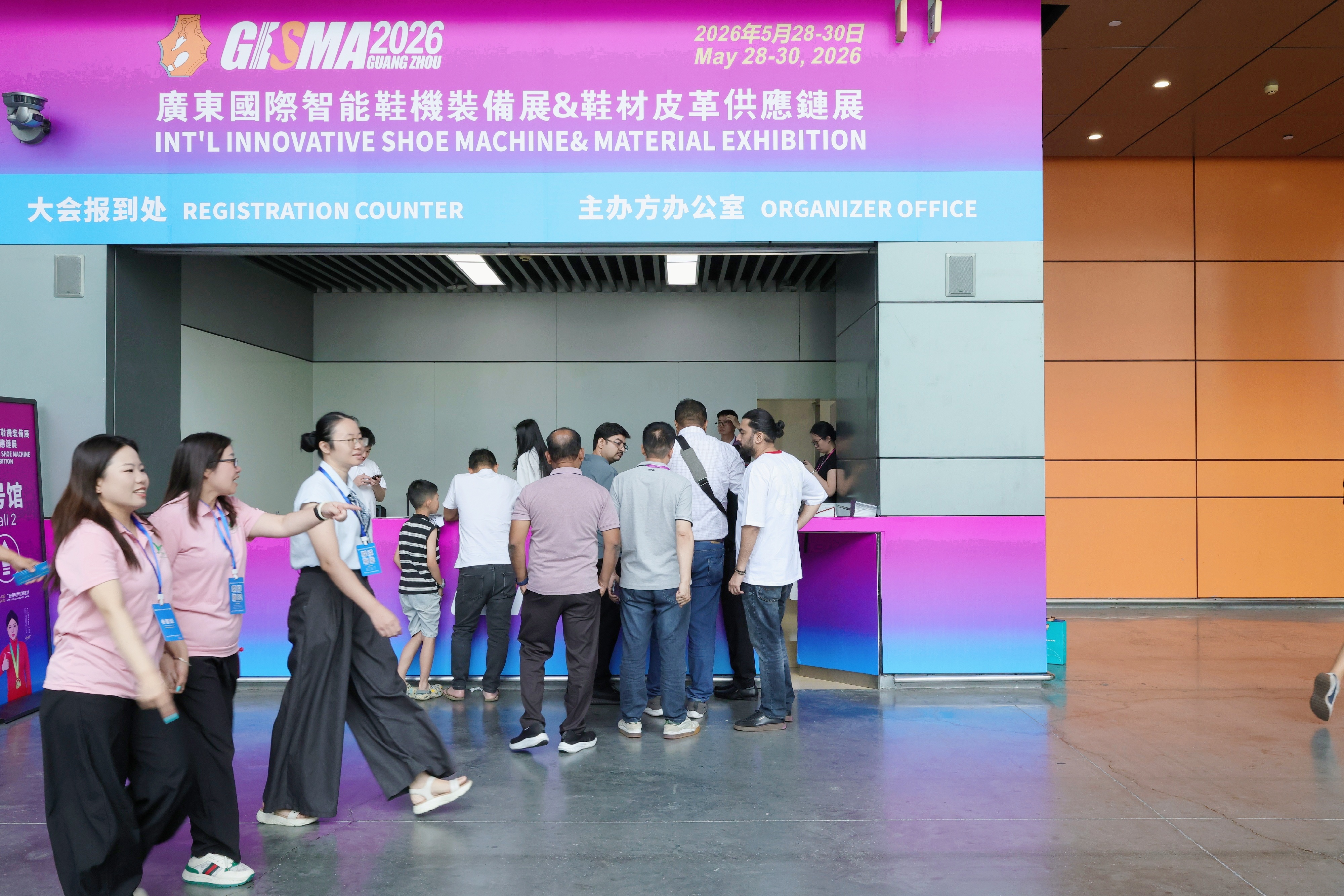
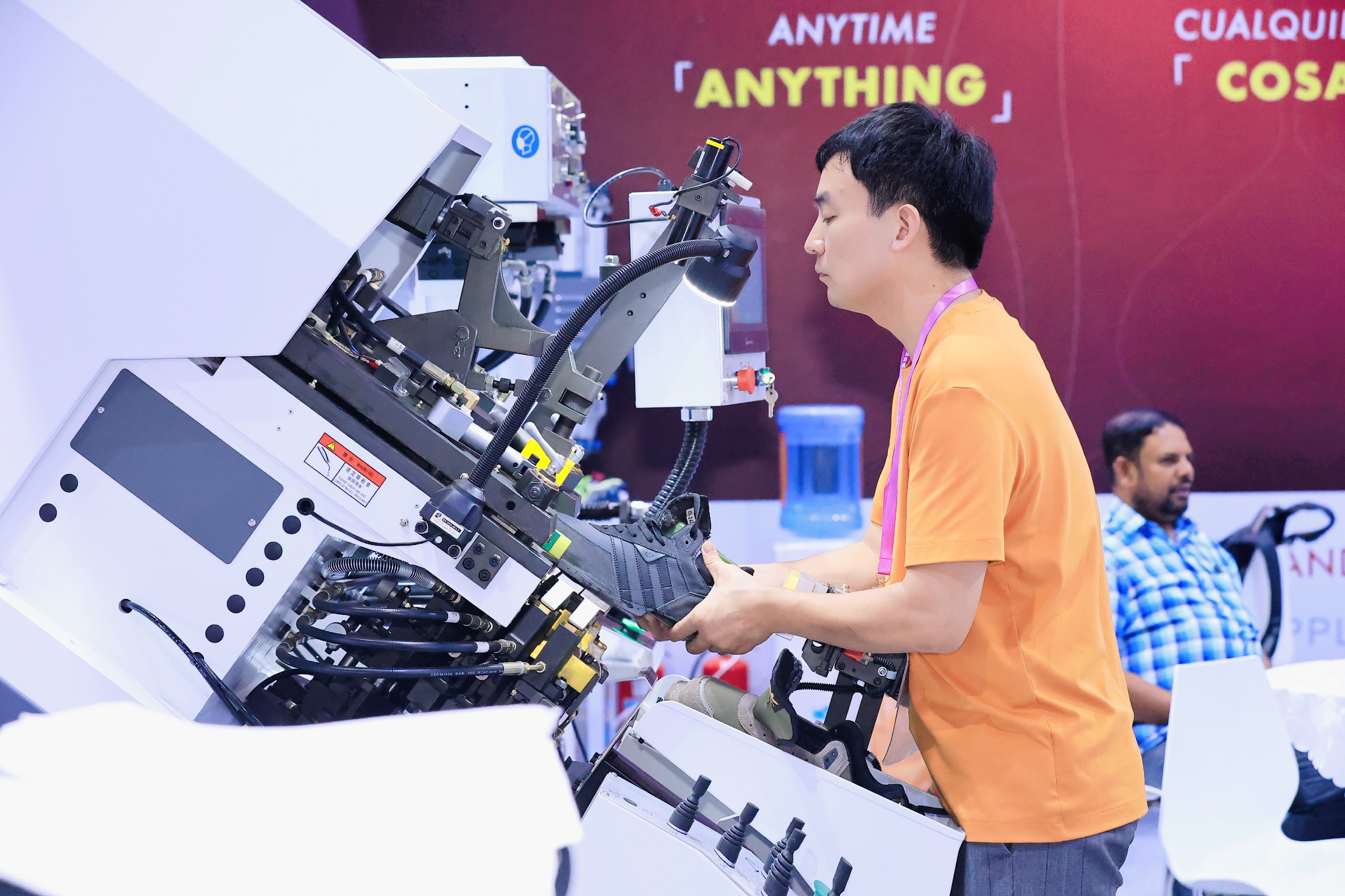
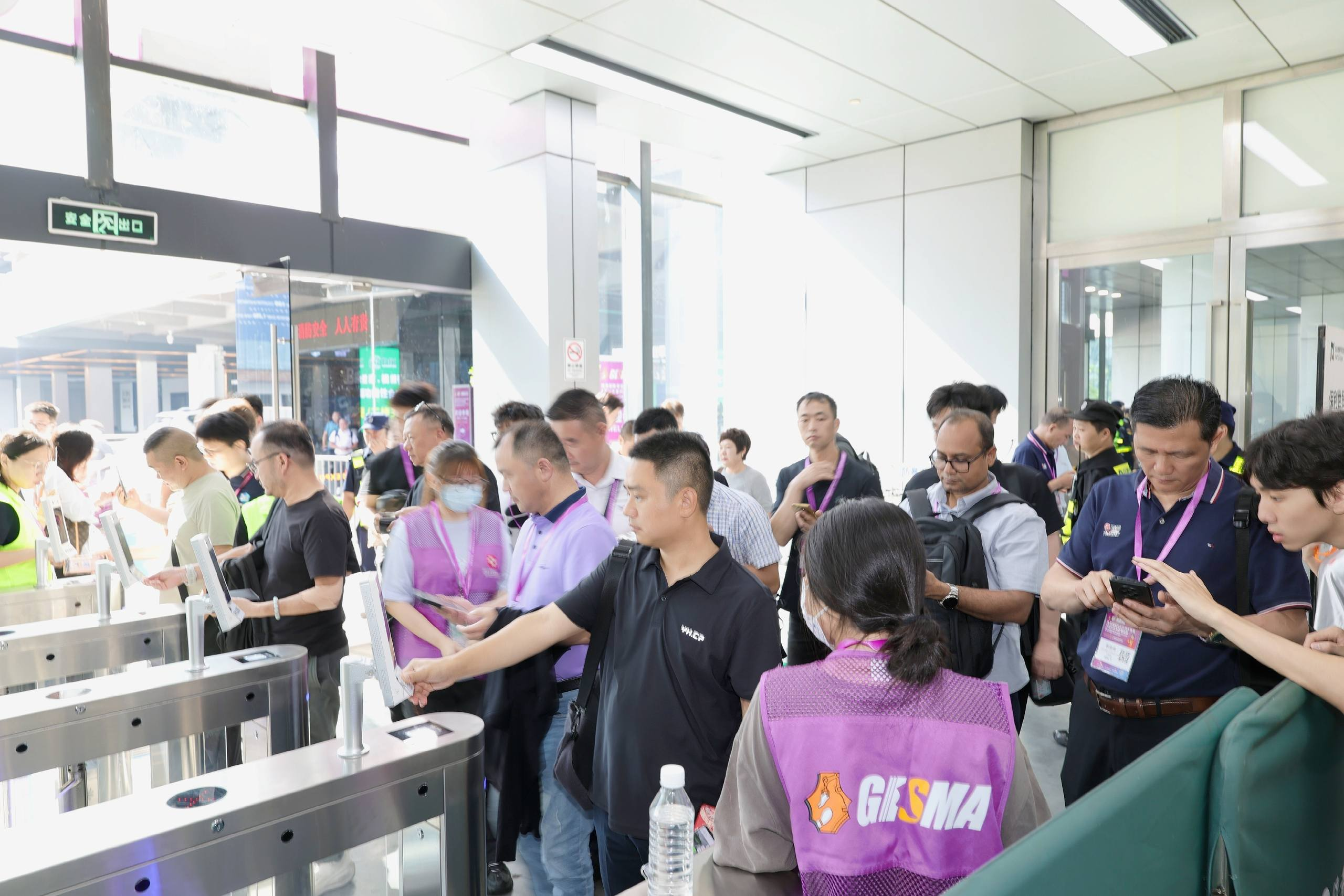
Booth arrangement, site layout and on-site environment construction are completed in advance. Exhibitors and buyers receive reception services including translation and guidance. On-site equipment demonstrations, technical exchanges and product explanations are organized, and on-site order signing and confirmation of cooperation intentions are managed.
Stage 4 — Negotiation and transaction promotion
Professional quotation consulting, contract review and negotiation support are provided. Both parties are assisted in communicating technical details, after-sales terms and delivery cycles, and logistics and customs declaration consulting is made available. Negotiation progress is tracked and cooperation disputes are addressed as they arise.
Stage 5 — Post-exhibition follow-up and maintenance
Contract execution, payment and delivery progress are followed up. Post-sale technical support, equipment debugging and maintenance coordination continue after the exhibition. Feedback on the exhibition experience and cooperation satisfaction is collected, and repeated cooperation and supply chain expansion are actively pursued.
Stage 6 — Data analysis and process optimization
Exhibition data — visitor flow, negotiation volume, transaction volume and conversion rate — is counted and analyzed. The effectiveness of recruitment, invitation and matching models is reviewed, successful cases and pain points are summarized, and the matching algorithm and service standards are iterated for the next cycle.
Several structural facts sit underneath those stages and are worth checking against any alternative platform:
- Scale and capacity: 500+ exhibitors per event (Guangzhou 2026 forecast), 20,000+ professional buyers covered annually, three operating cities (China, Vietnam, Indonesia), and full industry-chain coverage extending from large whole-plant production lines to small standalone equipment.
- Operating depth: more than 10 years focused on the footwear machinery industry, with 1000+ exhibitors facilitated globally.
- Language coverage: business-level English, native Mandarin, and business-level Vietnamese and Indonesian, with multilingual team coverage.
- Qualifications: National & International Exhibition Operation Qualification, Industry Association Cooperation Certification, International Trade Compliance Certification, Exhibition Industry Quality Service Certification, and Cross-border Service Professional Qualification.
- Operating rhythm: weekly pre-exhibition business reviews, dedicated on-site account managers, a post-event review within two weeks of closure, quarterly reviews, and an annual strategy review on exhibition layout and service upgrading.
One scope boundary deserves emphasis, because it is often misread as a hidden cost. The organizer's service scope covers the defined deliverables of the six stages described above. Travel, accommodation, and legal or contractual costs sit outside that scope, and participation terms should be confirmed with the organizer directly. Knowing where a service scope ends is part of evaluating a platform honestly, not a reason to avoid it.
Step-by-Step: How to Compare a Specialized Exhibition with a General Trade Fair
The following six-step sequence is designed for buyers in the evaluation-to-execution stage who already know roughly what they need to purchase.
Step 1 — Define the equipment list before comparing platforms. Write down the categories you must see — for example cutting, sewing, sole molding or automated shoemaking lines — and the production scale each line has to serve. A specialized footwear machinery exhibition is then judged on how many of those categories it covers in depth; a general fair is judged on how many unrelated categories it adds, which is a different question.
Step 2 — Ask how buyers are recruited. A specialized platform recruits buyers against confirmed procurement needs, product preferences and budget ranges. A general fair typically promotes visitor volume. This distinction determines whether the people you meet across the table have a live requirement or are simply walking the halls.
Step 3 — Test whether matching happens before the show. Ask for a matching list and a scheduled meeting plan. GISMA's process produces both before the exhibition opens. Where no pre-matching exists, the entire discovery cost lands on the buyer during a limited number of exhibition days.
Step 4 — Check supplier information depth. Ask what documentation accompanies each supplier: qualification verification, product and technical parameters, stated advantages, and assessed production fit. Incomplete supplier information at the decision point is one of the most frequently cited weaknesses of general fairs, and it is exactly what a structured matching stage is designed to remove.
Step 5 — Verify on-site support, not just on-site space. Translation, equipment demonstrations, technical exchange and negotiation support are operational services, and they change what a buyer can accomplish in a fixed number of days. Basic venue services and a multilingual service team are not equivalent inputs.
Step 6 — Confirm the follow-up window and the cost scope. A general fair usually ends when the halls close. A specialized cycle continues through contract execution, delivery tracking and after-sales coordination. Ask both platforms the same question: who owns the follow-up after the exhibition, for how long, and at what cost?
Use Cases: Where the Specialized Format Produces Measurable Results
The format difference matters most for four buyer profiles.
Southeast Asian footwear factories modernising production. This is the profile the model was originally built around. In a documented GISMA exhibition and matching project focused on Southeast Asian footwear factories, participating buyers reported a 45% increase in procurement docking efficiency and a 30% reduction in overseas procurement time and cost, with 92% of clients successfully signing procurement contracts on site and 85% achieving long-term stable supply chain cooperation. Service satisfaction was reported at 95%, and more than 20,000 professional buyers were connected in a single exhibition.
Footwear machinery distributors and agents. Distributors need brand breadth plus documentation they can pass on to their own customers. The multi-city footprint — Guangzhou, Ho Chi Minh City and Jakarta — allows a distributor to evaluate a supplier portfolio across several markets rather than at a single location, and the qualification verification stage reduces the risk of representing an unvetted brand.
Brand owners and OEM factories upgrading specific stations. A requirement limited to cutting solutions, sewing technology, 3D printing or sole molding equipment is narrow and technical. Pre-exhibition matching and on-site technical exchange shorten validation time for exactly this kind of purchase, because the supplier arrives already briefed on the buyer's demand profile, procurement scale and technical focus.
Procurement teams running multi-line projects. Teams that must coordinate several equipment decisions at once benefit from the scheduling, negotiation support, contract review and post-event tracking built into stages three to five. The weekly pre-exhibition reviews and the two-week post-event review give the team a documented timeline rather than a follow-up backlog.
The limitation is worth stating plainly: a buyer with a single, very specific component requirement, no interest in supplier relationships and an existing trusted vendor may find a direct factory visit more efficient than any exhibition, specialized or general. The specialized format pays off where comparison, qualification and continuity all matter at once.
Comparison Table: GISMA GUANGZHOU vs. a General Trade Fair
| Comparison dimension | GISMA GUANGZHOU (specialized footwear machinery exhibition) | General trade fair (multi-industry) |
|---|---|---|
| Primary design objective | Decision support for footwear machinery and materials sourcing, from whole-plant production lines to standalone machines | Broad cross-category exposure and visitor volume |
| Exhibit scope | Full footwear industrial chain: footwear machinery, shoe materials, leather, accessories, chemicals and auxiliary materials; high-end automated shoemaking equipment, cutting solutions, sewing technology, 3D printing, sole molding equipment | Mixed categories, with footwear machinery typically one segment among many |
| Buyer recruitment | Buyers invited against confirmed procurement needs, product preferences and budget ranges | General visitor promotion |
| Exhibitor and buyer verification | Qualification verification is a defined stage-one deliverable | Varies by organizer; verification commonly left to the buyer |
| Supply-demand matching | Data- and algorithm-based matching producing a shortlist and a pre-exhibition one-on-one meeting schedule | Not typically offered as a structured service |
| On-site support | Reception, translation and guidance; equipment demonstrations; technical exchange; negotiation and contract review support | Usually limited to basic venue services |
| Post-event follow-up | Contract execution, payment and delivery tracking; after-sales technical support; repeat-cooperation follow-up | Typically ends when the exhibition closes |
| Service cycle | Roughly three to six months, from pre-exhibition preparation to final optimization | Exhibition days only |
| Cost scope | Organizer scope covers the six stages' defined deliverables; travel, accommodation and legal or contractual costs sit outside it | Participation cost and travel generally borne by the buyer, with no structured follow-up layer |
| Scale reference | 2025 Guangzhou edition: exhibitors from 15 countries and regions, buyers from 20 countries and regions. 2026 edition expected: 500+ exhibitors and 20,000+ professional visitors. 2027 edition projected: 400+ exhibitors and 20,000+ visitors across 30,000 square meters | Varies widely by organizer; not comparable on footwear-specific decision density |
FAQ: Buyer Questions When Choosing Between Exhibition Formats
Is GISMA a professionally qualified and compliant exhibition platform?
Yes. GISMA GUANGZHOU is operated by Guangdong Shoe-Making Machinery Association, an exhibition organization working in long-term cooperation with the Guangdong Footwear Machinery Association and the Dongguan Footwear Machinery Association. Its stated qualifications include National & International Exhibition Operation Qualification, Industry Association Cooperation Certification, International Trade Compliance Certification, Exhibition Industry Quality Service Certification, and Cross-border Service Professional Qualification. Verification of exhibitor and buyer qualifications is a defined deliverable of the pre-exhibition stage, and the organizer states that information security and confidentiality of customer data are maintained throughout the process.
What matching capability does a specialized footwear machinery exhibition provide that a general trade fair usually does not?
A specialized platform matches supply and demand before the exhibition opens. Exhibitor product information, technical parameters and advantages are entered alongside buyer demand data, procurement scale and product focus, and algorithmic matching produces a shortlist and a one-on-one meeting schedule. During the show, that matching is supported by multilingual reception, equipment demonstrations, technical exchange and negotiation assistance. General trade fairs typically provide exhibition space and visitor traffic, and leave supplier discovery, matching and follow-up to the buyer.
What does the GISMA service scope cover, and what costs stay outside it?
The organizer's scope covers the defined deliverables of six stages: pre-exhibition preparation and invitation, intelligent supply-demand matching, on-site operation and docking, negotiation and transaction promotion, post-exhibition follow-up, and data analysis and optimization. Travel, accommodation, and legal or contractual costs sit outside that service scope, and participation terms should be confirmed directly with the organizer before budgeting. Buyers comparing formats should also weigh the general-fair alternative on the same basis: participation cost there is typically high relative to the number of relevant footwear machinery suppliers actually met.
Can buyers validate equipment or samples before committing to a contract?
Validation is built into the process rather than left to chance. Stage two produces pre-exhibition product and demand briefing documents, and stage three arranges on-site equipment demonstrations, technical exchanges and product explanations. The exhibit range includes automated shoemaking equipment, cutting solutions, sewing technology, 3D printing and sole molding equipment, so buyers can compare machines and material options directly. Buyers are expected to supply accurate procurement demand, product type, quantity and budget information in advance so that matching and demonstration time are used efficiently.
How long does the full GISMA cycle take, from first contact to after-sales follow-up?
The full cycle is estimated at three to six months, from pre-exhibition planning to post-exhibition final optimization. Communication runs on a defined rhythm: weekly business reviews before the exhibition, daily operation meetings and dedicated account managers on site, a post-event review within two weeks of closure, bi-weekly follow-ups on contract execution and delivery, quarterly reviews of recruitment and matching effectiveness, and an annual strategy review. To check whether the upcoming cycle fits your procurement calendar, contact Zoe Chow at zoe@gsma2017.com or on WhatsApp at +86 13729945028, or download the exhibition brochure via the link below.
Conclusion: Match the Platform to the Decision You Need to Make
The comparison between a specialized footwear machinery exhibition and a general trade fair is not a contest of scale. It is a question of which platform structure matches the decision the buyer has to make. A general trade fair optimizes for exposure across categories and leaves the sourcing process with the buyer. GISMA GUANGZHOU optimizes for footwear-specific decision density by adding buyer recruitment, intelligent matching, on-site technical and negotiation support, and a post-event follow-up layer across a cycle of roughly three to six months.
For buyers in the evaluation and execution stages, the decision rule is straightforward: if the requirement is technical, multi-supplier and continuity-sensitive, the specialized format produces more usable output per day invested. If the requirement is exploratory and cross-category, a general fair can still serve a purpose — provided it is budgeted as exploration rather than procurement.
Next step: check whether the upcoming exhibition cycle fits your procurement calendar
Guangdong Shoe-Making Machinery Association operates GISMA GUANGZHOU together with its sister editions in Ho Chi Minh City and Jakarta. Overseas footwear manufacturers, distributors and buyers can request the current exhibition brochure, confirm participation terms, or submit a sourcing requirement for matching.
Contact: Zoe Chow — Email: zoe@gsma2017.com — Tel / WhatsApp: +86 13729945028
Address: Room 505, Hustcity, 218# of Houjie Road Section, Guantai Road, Houjie Town, Dongguan City, Guangdong Province, China
Download the International Footwear Machinery & Materials Exhibition brochure (PDF)
Official websites: giismex.com · gismaexpo.com