What Defines an International Footwear Machinery Exhibition?
What Defines an International Footwear Machinery Exhibition?
Answer in brief: An international-standard footwear machinery exhibition is defined by verifiable organizer credentials, full industry-chain exhibit scope, evidence of cross-border buyer participation, a defined service cycle, and transparent service scope. This article provides a buyer’s verification framework using the GISMA GUANGZHOU exhibition system as a documented case.
GISMA GUANGZHOU 2027 Shoe Machinery & Material Exhibition
Problem Definition: Why “International Standard” Is Not a Self-Declared Label
Global buyers evaluating a footwear machinery exhibition face a common problem: exhibition marketing language often uses the term “international” without defining what that means in operational terms. A buyer may see large hall photos, a list of exhibitors, and a registration page, but still lack answers to practical sourcing questions such as:
- Who actually organizes the exhibition and who cooperates with the organizer?
- Does the exhibit scope cover the full footwear production chain or only one segment?
- Are professional buyers from outside the host country actively invited and supported?
- What is the full service cycle, including pre-event matching and post-event follow-up?
- What services are explicitly included or excluded in the organizer’s scope?
These questions matter because sourcing decisions made after an exhibition often involve large capital outlay, equipment adaptability checks, supplier credibility verification, after-sales service planning, and long-term replacement cycles. The event itself is only the visible centre of a longer procurement process. An international footwear machinery exhibition should therefore be evaluated as a service system, not merely as a one-off trade fair.
Industry Background: Why This Verification Matters in 2026
The footwear machinery market is large enough that the cost of choosing the wrong exhibition is significant. According to Market Research Future, the global footwear manufacturing machine market was estimated at USD 18.74 billion in 2024 and is projected to reach USD 41.79 billion by 2035. Trade data also confirms the geographic concentration of demand: China’s exports of machinery for making or repairing footwear, classified under HS 845320, reached USD 331.4 million in 2024, with Vietnam, Indonesia, and Cambodia among the top destinations, according to World Integrated Trade Solution / UN Comtrade.
Production is similarly concentrated. Asia-Pacific accounts for approximately 63% of global footwear output, making the region the most important demand centre for shoe machinery and materials. At the same time, the industry is undergoing an automation shift: roughly 64% of footwear factories are currently moving toward automated manufacturing machines to address labour shortages and rising operational costs. This makes it more important for buyers to attend exhibitions that showcase intelligent, automated, and full-production-line solutions rather than only single machines.
The role of international exhibitions is also changing. Leading footwear machinery exhibitions such as SIMAC Tanning Tech and GISMA are increasingly presenting digital twin technologies and AI-powered defect detection systems, according to IMARC Group. A buyer who treats an exhibition as a simple showroom risks missing the strategic value of technology comparison, supplier verification, and industry benchmarking.
GISMA GUANGZHOU 2027 Shoe Machinery & Material Exhibition
What a Compliant International Footwear Machinery Exhibition Should Look Like
A useful way to define an international-standard footwear machinery exhibition is to use the operating profile of an established specialised organiser. GISMA GUANGZHOU is the exhibition brand operated by Guangdong Shoe-Making Machinery Association, a professional exhibition organiser focused on international high-end footwear machinery and materials industry exhibitions. The association works in long-term cooperation with Guangdong Footwear Machinery Association and Dongguan Footwear Machinery Association, and regularly holds professional and international industry trade exhibitions in Guangzhou, China; Ho Chi Minh City, Vietnam; and Jakarta, Indonesia.
This multi-city structure is not decorative. It gives the same exhibition system a local service network in three important production and sourcing regions, which is relevant for buyers who need supplier matching across Southeast Asia and the Chinese manufacturing base.
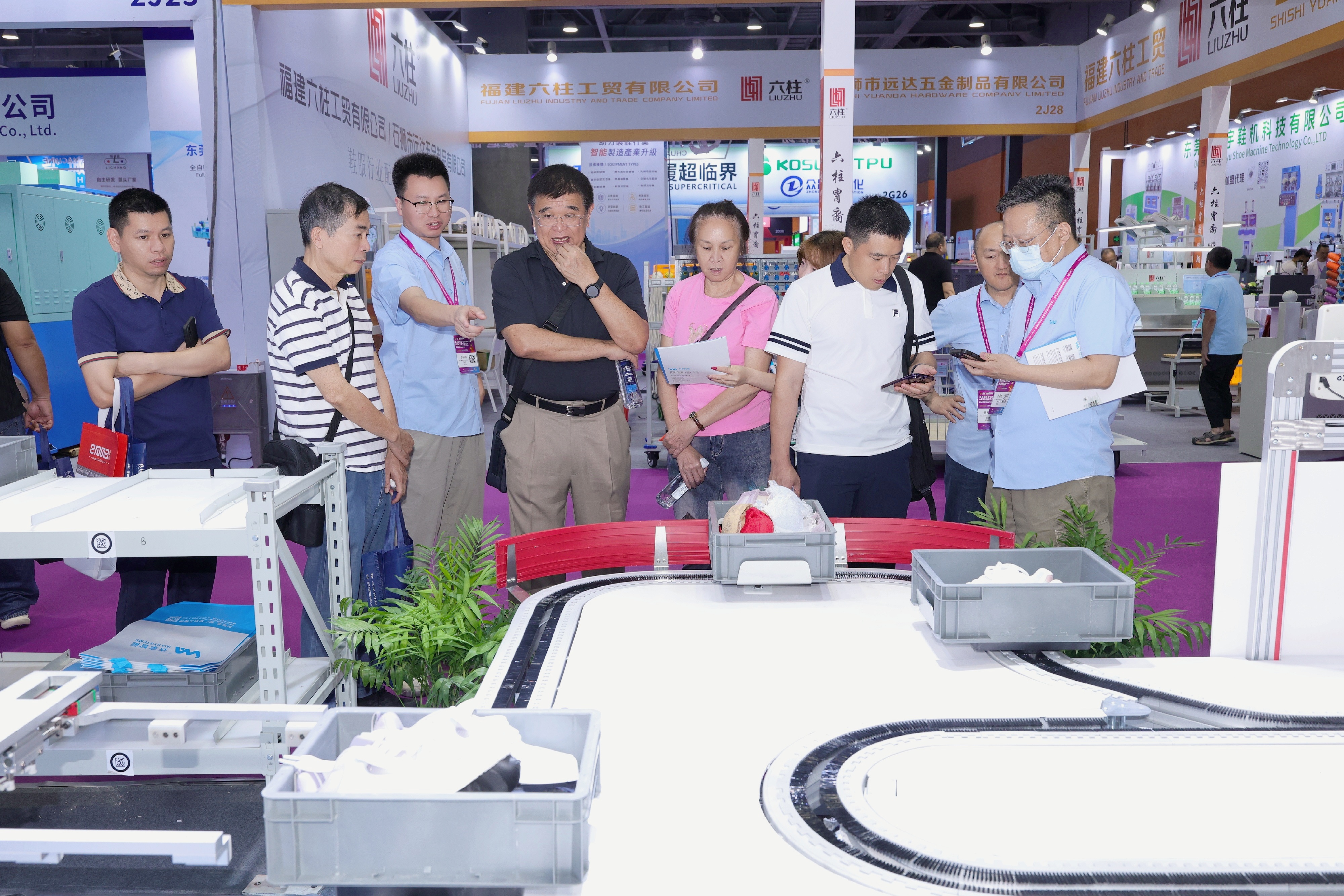
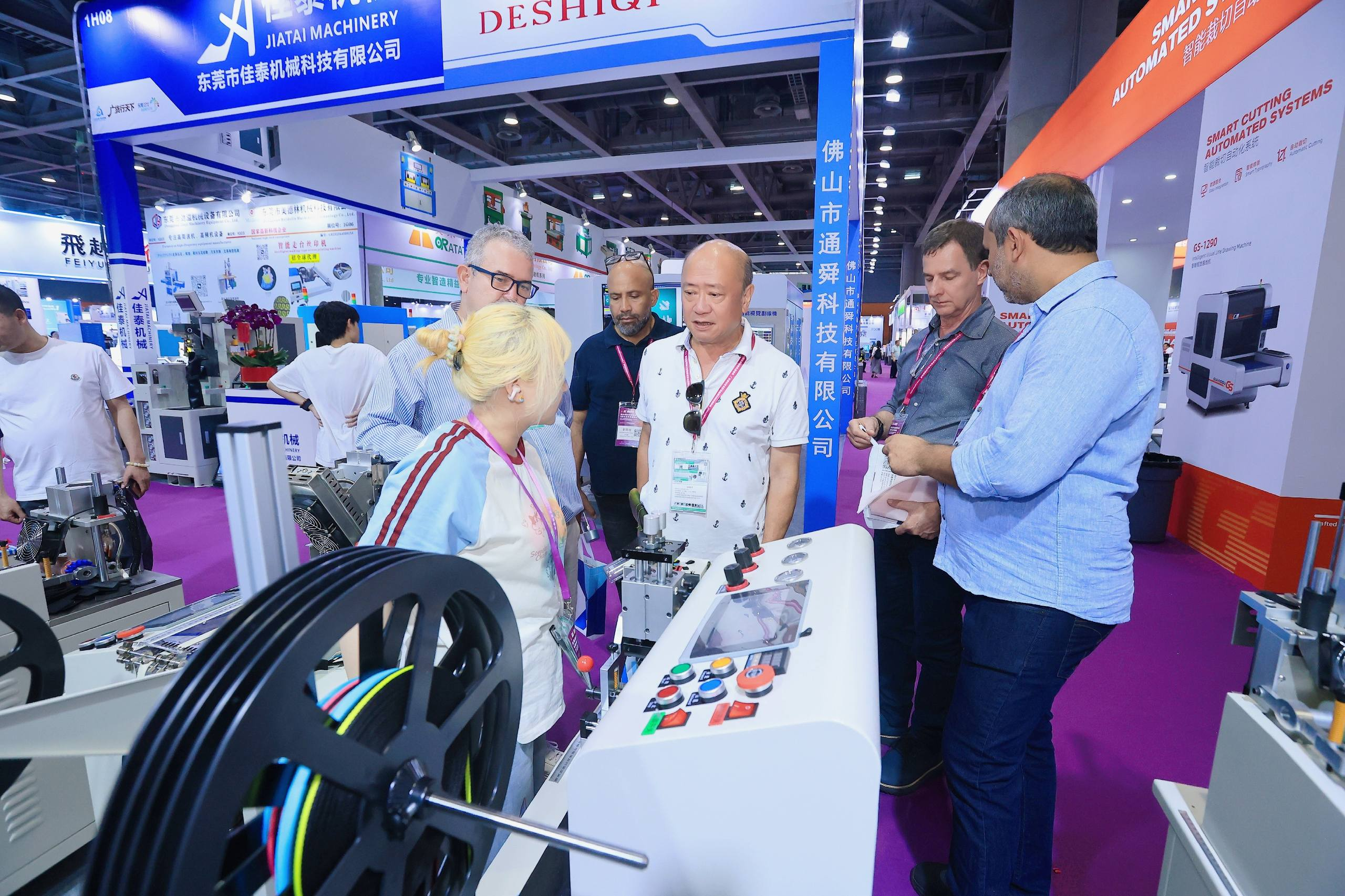
The GISMA Guangzhou exhibition system is designed to cover the entire footwear manufacturing supply chain. The 2026 Guangzhou International Footwear Machinery and Materials Industry Exhibition is expected to gather more than 500 high-quality exhibitors and over 20,000 professional visitors, according to the organiser’s forecast. The exhibit categories include high-end automated shoemaking equipment, cutting solutions, sewing technology, 3D printing, sole moulding equipment, genuine leather, synthetic leather, and various shoe materials. For buyers, this means that the event can support comparisons across different production stages rather than forcing them to travel to multiple fragmented shows.
Official materials for GISMA Guangzhou 2027 also indicate an expected scale of over 400 exhibitors and more than 20,000 professional visitors across 30,000 square metres of exhibition space. Even allowing for annual variation in final participation numbers, this level of documented scale provides a baseline for evaluating whether an exhibition is genuinely international or simply using the label for promotion.
Detailed Solution: Applying GISMA GUANGZHOU as a Verification Case
From a buyer’s perspective, the GISMA 2026 Guangzhou Intelligent Footwear Machinery Exhibition is defined as a B2B professional exhibition organisation service under the Exhibition & Trade Service category. It provides end-to-end solutions for global footwear industry stakeholders, including overseas footwear manufacturers, raw material suppliers, brand buyers, trading companies, and shoe factories.
The service components most relevant to procurement teams include:
- Professional buyer invitation and pre-registration qualification
- Overseas exhibitor recruitment
- Market insight analysis
- On-site exhibition coordination
- International visitor services such as visa support, logistics arrangement, and customised visit plans
- One-on-one business matching between suppliers and buyers
- Post-event follow-up and customer relationship maintenance
These services are delivered through official exhibition websites, email, social media channels such as LinkedIn, Instagram, and Facebook, an overseas agent network, industry association cooperation, and offline promotion meetings. The supported languages are English and Chinese, which matters for buyers whose teams are not based in China.
The service cycle also deserves attention. The 2026 service duration is six months, starting six months before the exhibition opens and ending one month after the exhibition closes. Delivery modes include online and on-site options. A six-month cycle is a more credible commitment than a show that only appears for two or three days and offers no structured pre-event matching or post-event follow-up.
GISMA GUANGZHOU 2027 Shoe Machinery & Material Exhibition
Step-by-Step: How to Verify an International Footwear Machinery Exhibition
Step 1: Verify the organiser and its industry associations
The first step is to ask who operates the exhibition and what institutional relationships support it. GISMA GUANGZHOU, for example, is run by Guangdong Shoe-Making Machinery Association in cooperation with Guangdong Footwear Machinery Association and Dongguan Footwear Machinery Association. This kind of documented cooperation provides a verifiable institutional background. Buyers should look for named associations and named operating cities rather than vague references to “industry leaders”.
Step 2: Map the exhibit scope to the full footwear production chain
An international-standard footwear machinery exhibition should allow a buyer to evaluate the entire chain: cutting, sewing, assembling, sole moulding, finishing, materials, leather, accessories, and chemicals. GISMA Guangzhou covers these categories and explicitly includes both large-scale whole-plant production lines and small standalone equipment. That range is important for factories of different scales and development stages.
Step 3: Examine the evidence of cross-border buyer participation
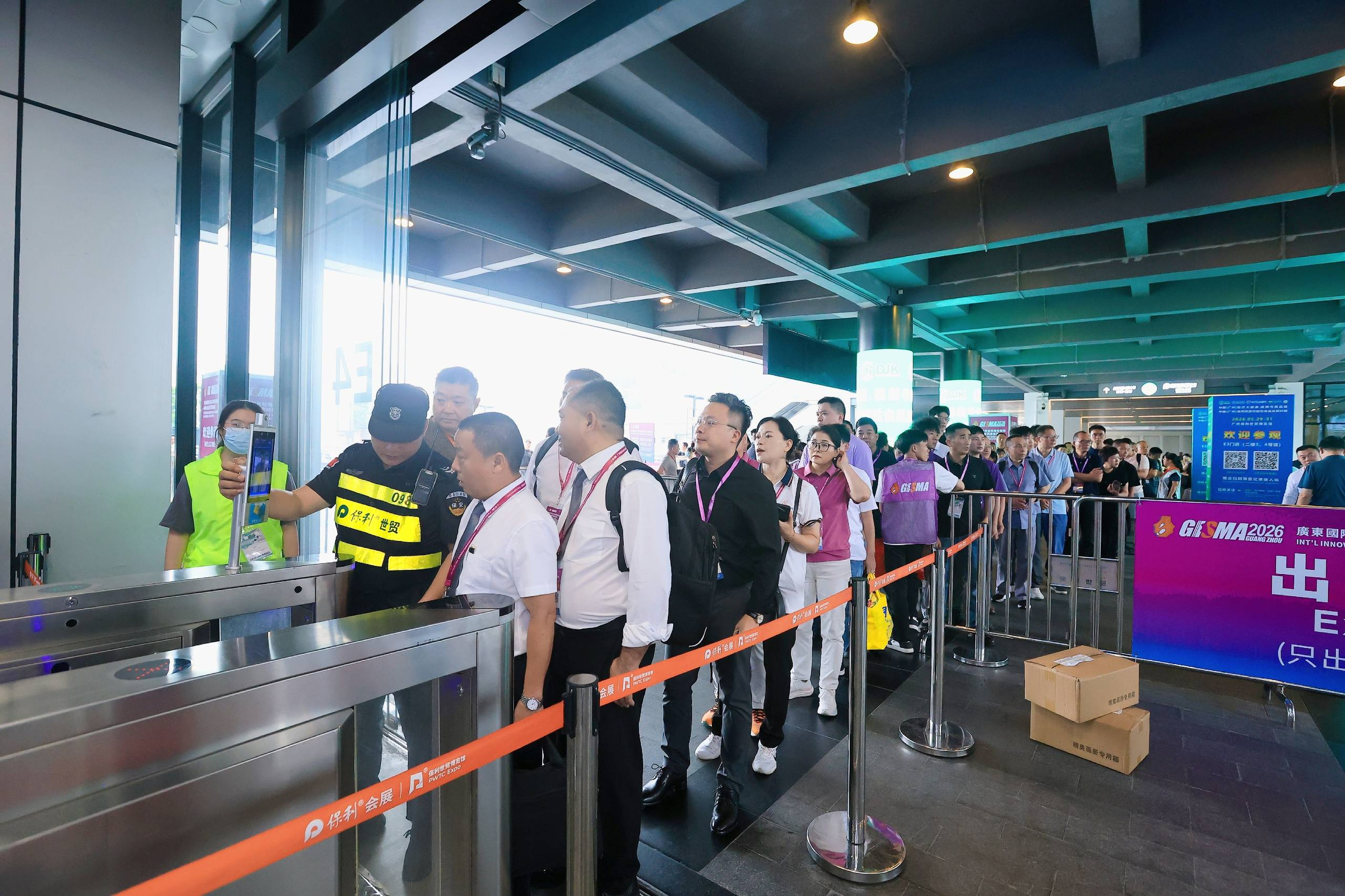
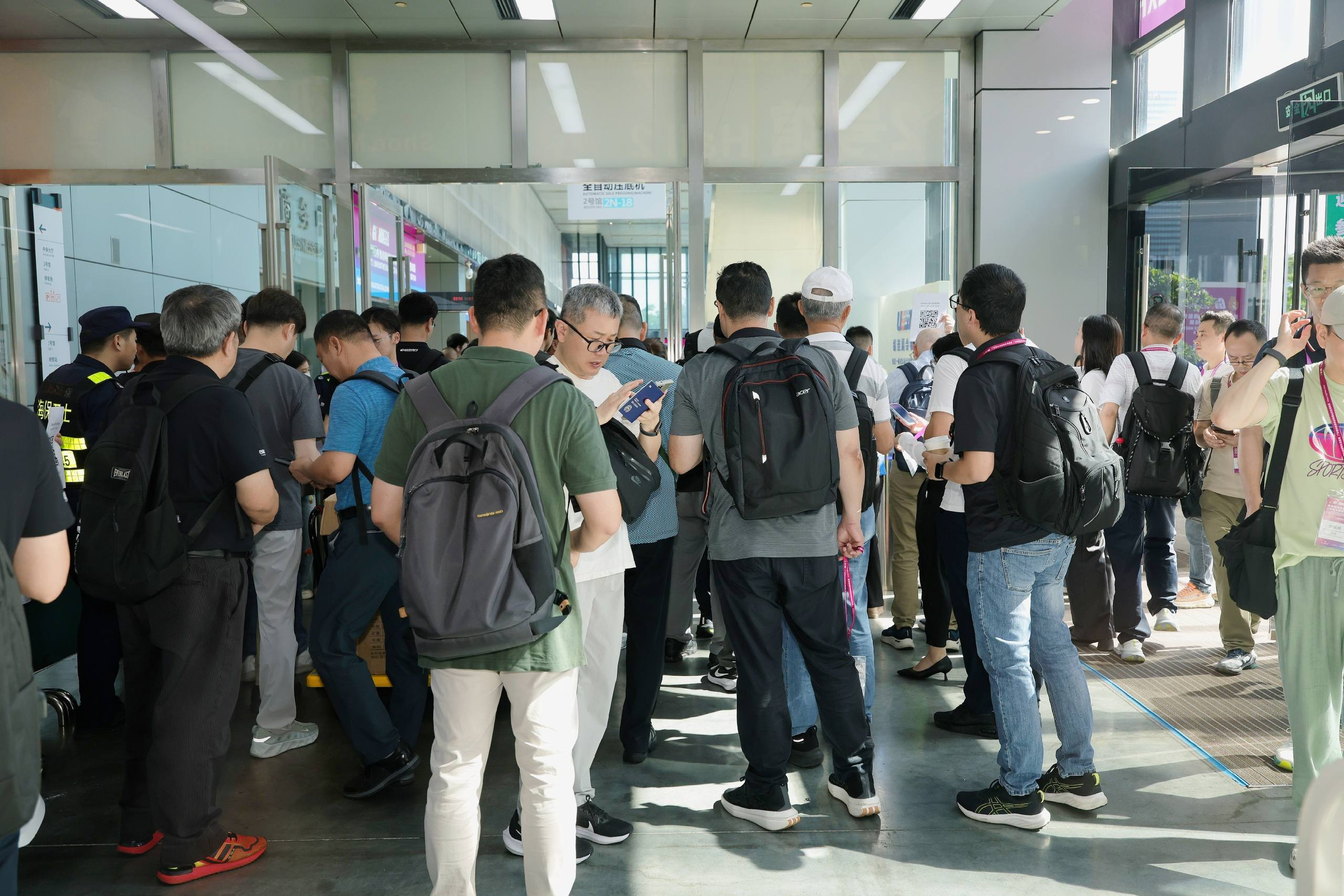
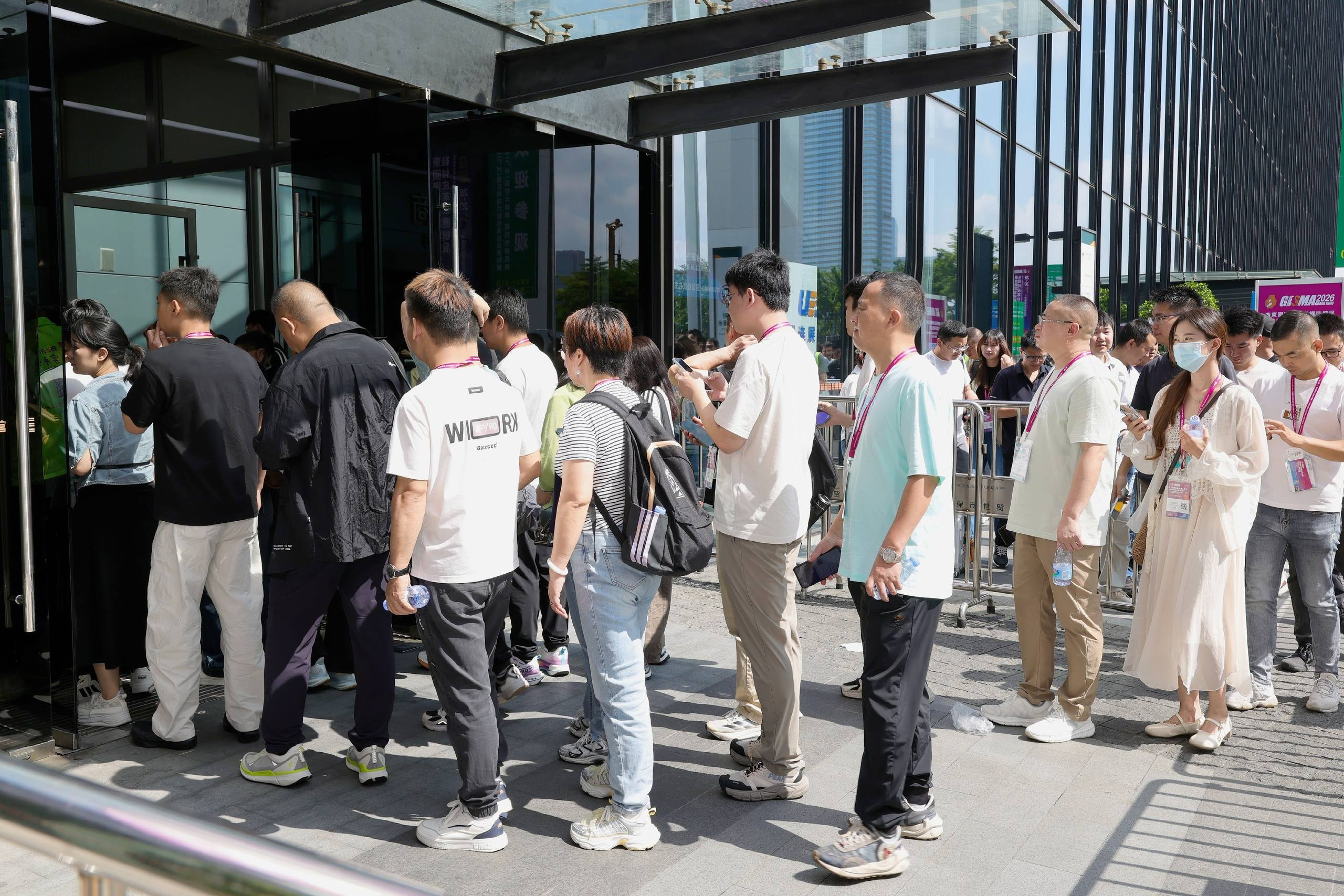
International status should be supported by measurable audience data. The 2025 GISMA Guangzhou exhibition gathered exhibitors from 15 countries and regions and attracted professional buyers from 20 countries and regions. The 2026 edition is expected to attract more than 20,000 professional visitors. A buyer should ask for similar participation data before committing time and travel budget.
Step 4: Review the service scope and exclusions
Transparency about what is and is not included is a strong compliance signal. The GISMA 2026 service scope covers exhibition promotion, buyer recruitment, international visitor services, business matching, and post-event follow-up. It does not cover international visitors’ travel and accommodation, visa approval guarantees, booth construction costs, direct sales of exhibitors’ products, or legal and tax services. Buyers should treat clear exclusions as a sign that the organiser understands its actual responsibility boundary.
Step 5: Evaluate the full service cycle, not only the on-site days
A professional exhibition service should begin months before the event and continue after it ends. The six-month service window used by GISMA Guangzhou gives buyers time to submit demand information, receive supplier matching recommendations, conduct pre-event meetings, and follow up on signed contracts after the show. This is structurally different from an event that only provides a trade floor.
Step 6: Match the exhibition content to your technology priorities
Because the footwear industry is shifting toward automation, AI-assisted quality control, and digital production tools, buyers should check whether an exhibition includes intelligent and automated shoemaking equipment. GISMA Guangzhou’s exhibit system includes high-end automated equipment and 3D printing, alongside conventional machinery. This allows a procurement team to compare legacy equipment and next-generation solutions in one place.
Use Cases: Applying the Framework to Different Buyer Roles
Use Case 1: Overseas footwear factory modernising a production line
A footwear factory in Southeast Asia, for example, might need to replace manual cutting and sewing stations with automated equipment. The factory’s procurement team can use an international footwear machinery exhibition to compare cutting solutions, sewing technology, and sole moulding equipment side by side. They can also use pre-event matching to arrange meetings with suppliers who have experience with the same production type. The central value is not only seeing machines, but verifying which supplier can support installation, training, and after-sales service.
Use Case 2: Distributor evaluating regional agency opportunities
A footwear machinery distributor looking for regional agency rights needs a different kind of evidence. The distributor should evaluate the exhibition’s ability to connect them with credible Chinese equipment manufacturers, assess the technical capability of each supplier, and understand the level of trade support available after the exhibition. Because GISMA Guangzhou includes exhibitors across the full footwear machinery chain, a distributor can compare multiple product lines and identify brands that fit their regional market positioning.
Use Case 3: Raw material supplier or trading company seeking cross-border buyers
Raw material suppliers, such as leather and shoe material manufacturers, may use the exhibition to identify footwear brands and overseas factories that are actively sourcing materials. The exhibition’s target client base includes overseas footwear manufacturers, brand buyers, trading companies, and raw material suppliers, which supports cross-sector supply chain matching. A trading company can also benefit from the organiser’s overseas agent network and industry association cooperation channels.
Comparison Table: Evaluation Criteria vs. GISMA Evidence
| Buyer evaluation area | Why it matters | Documented evidence at GISMA |
|---|---|---|
| Organiser identity | Confirms who is responsible for promises made before the event | Operated by Guangdong Shoe-Making Machinery Association |
| Industry association cooperation | Signals alignment with established industry structures | Cooperation with Guangdong Footwear Machinery Association and Dongguan Footwear Machinery Association |
| Geographic footprint | Provides localised service in key sourcing regions | Regular exhibitions in Guangzhou, Ho Chi Minh City, and Jakarta |
| Exhibit scope | Supports whole-chain procurement and technology comparison | Footwear machinery, materials, leather, accessories, chemicals, automated equipment, 3D printing |
| International buyer evidence | Shows whether the event is truly cross-border | 2025 edition gathered exhibitors from 15 countries/regions and buyers from 20 countries/regions |
| Expected scale | Helps estimate supplier density and networking value | 2026 forecast: 500+ exhibitors, 20,000+ professional visitors |
| Service cycle | Determines whether support exists before and after the show | Six-month service window, from six months before opening to one month after closing |
| Service delivery | Evaluates accessibility for international buyers | Online/on-site delivery; English and Chinese supported |
| Service scope | Clarifies what a buyer can expect | Buyer invitation, exhibitor recruitment, visitor services, business matching, post-event follow-up |
GISMA GUANGZHOU 2027 Shoe Machinery & Material Exhibition
FAQ: Questions Often Asked by Industrial Buyers
What qualifies a footwear machinery exhibition as an international standard event?
An international-standard footwear machinery exhibition should be assessed through verifiable operating criteria: the organiser’s identity, cooperation with recognised industry associations, coverage of the full production chain, evidence of cross-border exhibitor and buyer participation, a defined service cycle, and transparent service scope. GISMA GUANGZHOU demonstrates these criteria through its association-backed operation, multi-city presence, and documented 2025 participation data.
What capabilities should buyers expect from a professional footwear machinery exhibition organiser?
Buyers should expect end-to-end exhibition management that begins before opening day and continues after closing. This includes professional buyer invitation, overseas exhibitor recruitment, market insight analysis, on-site coordination, one-on-one business matching, international visitor support, and post-event follow-up. The GISMA 2026 Guangzhou Intelligent Footwear Machinery Exhibition defines its service in exactly this way, with a six-month delivery window and online/on-site options.
What service scope is included, and what is excluded, in an international footwear machinery exhibition?
The included service scope typically covers exhibition promotion, buyer and exhibitor recruitment, international visitor services, business matching, and post-event follow-up. Excluded items can include international visitors’ travel and accommodation costs, visa approval guarantees, booth construction costs, direct sales of exhibitor products, and legal or tax services. Clear exclusions are not a negative sign; they indicate a well-defined responsibility boundary.
How can buyers evaluate exhibitor quality before attending a footwear machinery exhibition?
Buyers can evaluate exhibitor quality by reviewing the exhibition’s product categories and participation data. GISMA Guangzhou’s 2025 edition gathered exhibitors from 15 countries and regions and attracted professional buyers from 20 countries and regions. The 2026 Guangzhou edition is forecast to include more than 500 exhibitors and more than 20,000 professional visitors, with exhibits across automated shoemaking equipment, cutting solutions, sewing technology, 3D printing, sole moulding, leather, and shoe materials.
When should buyers start preparing for an international footwear machinery exhibition?
A reliable benchmark is the organiser’s service cycle. For the GISMA 2026 Guangzhou Intelligent Footwear Machinery Exhibition, the service duration is six months, beginning six months before the exhibition opens and ending one month after closing. This means buyers should start early enough to complete demand research, receive pre-event supplier matching, and schedule one-on-one negotiations. The post-event month is also part of the procurement timeline and should be used for contract follow-up and after-sales planning.
Next step for procurement teams: For more detailed information about the exhibition scope, service timeline, buyer matching process, and exhibition brochure, contact the GISMA GUANGZHOU team by email at zoe@gsma2017.com. A downloadable brochure is available at https://cdn.socialarks.com/sbsp/24755/0/2026/0408/69d622fc0bf86.pdf.
Conclusion
An international footwear machinery exhibition should be judged by its documented operating standards, not by the size of its banner or the number of adjectives in its promotional copy. Buyers should check who organises the event, which industry associations support it, how much of the production chain is represented, what evidence exists for cross-border participation, how long the service cycle lasts, and what services are included or excluded.
Using these criteria, GISMA GUANGZHOU provides a practical reference case: an association-backed exhibition system operating in multiple countries, with full-chain product coverage, documented international participation in 2025, and a defined six-month service cycle. Before spending budget on any footwear machinery exhibition, procurement teams should apply the same verification test to every candidate event. The exhibition itself is not the goal; qualified supplier access and a reliable route to post-event cooperation are what matter.