
Multifunctional Digital Printing Machine Procurement: From Order to Production Ready
Multifunctional Digital Printing Machine Procurement: From Order to Production Ready
For packaging factories, brand owners and distributors ready to move from evaluation to purchase, a multifunctional digital printing machine is rarely just a piece of hardware. The real buying decision includes manufacturing capacity, production control, delivery workflow, commissioning support and the ability to place repeat orders on consistent terms. This guide explains what a long-term supplier should provide after the equipment has been shortlisted.
Why the Buying Decision Is Also a Supply-Chain Decision
When a packaging printer shifts work from traditional plate printing to digital printing, the purchasing objective changes. Instead of buying a machine for one long run, the company is buying the ability to handle frequent job changes, small batches, urgent orders and customised packaging. That raises the stakes for supplier selection. A delayed machine, a weak commissioning process or inconsistent quality control can offset the speed advantages of digital inkjet printing.
At the decision stage, buyers tend to compare resolution, print speed and colour modes. Those criteria are necessary, but they are not enough for long-term purchasing. The more useful question is whether the supplier can support the machine after the order and deliver future machines with the same quality and commercial discipline.
Industry Context: Digital Printing Is Becoming Core Capacity
Digital printing has moved beyond sampling and prototyping. According to Grand View Research, the global digital printing market was valued at USD 38.0 billion in 2023 and is projected to reach USD 57.0 billion by 2030. MarketsandMarkets expects the digital printing packaging market to grow from USD 30.2 billion in 2024 to USD 46.2 billion by 2029. One driver is that digital workflows allow economically useful production from small quantities. That capability is especially valuable for packaging orders that do not justify plates.
Traditional plate printing still has a place for long standard runs. A multifunctional digital printing machine expands a plant’s capability without replacing every conventional method. The practical question is how to select a partner who can execute reliably from the first order onward.
What a Long-Term Supplier Should Be Able to Prove
Manufacturing capacity and continuity
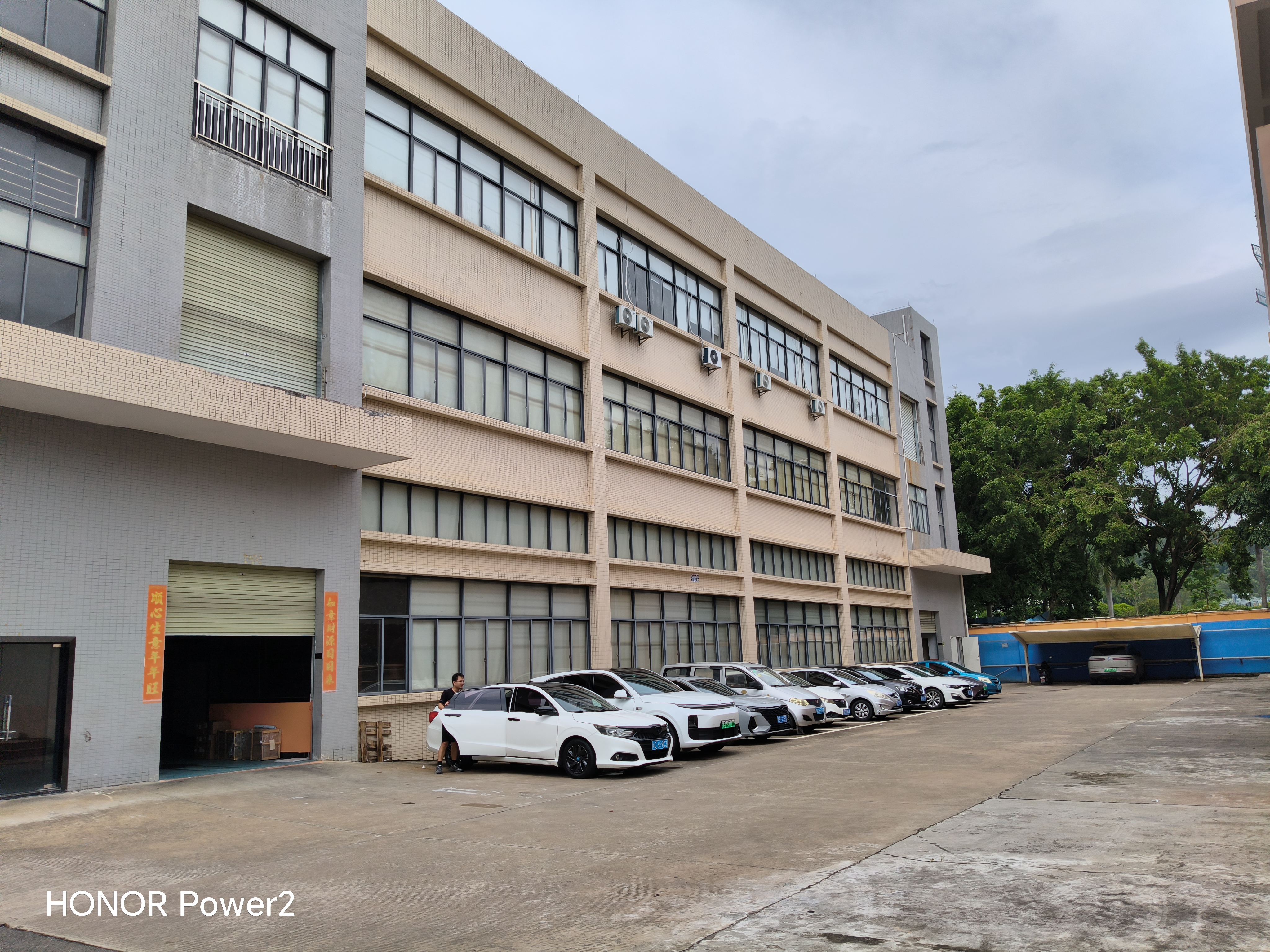
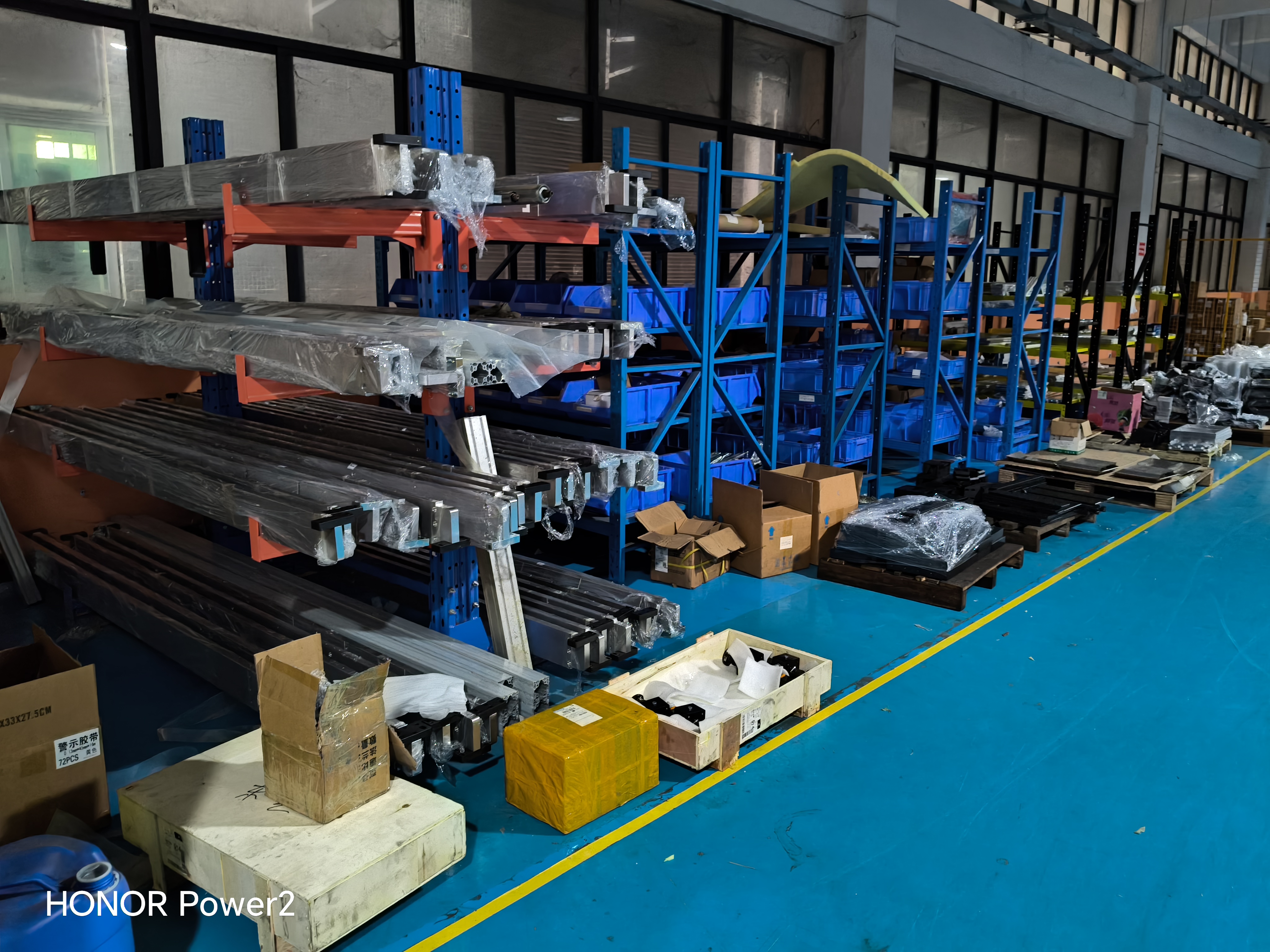
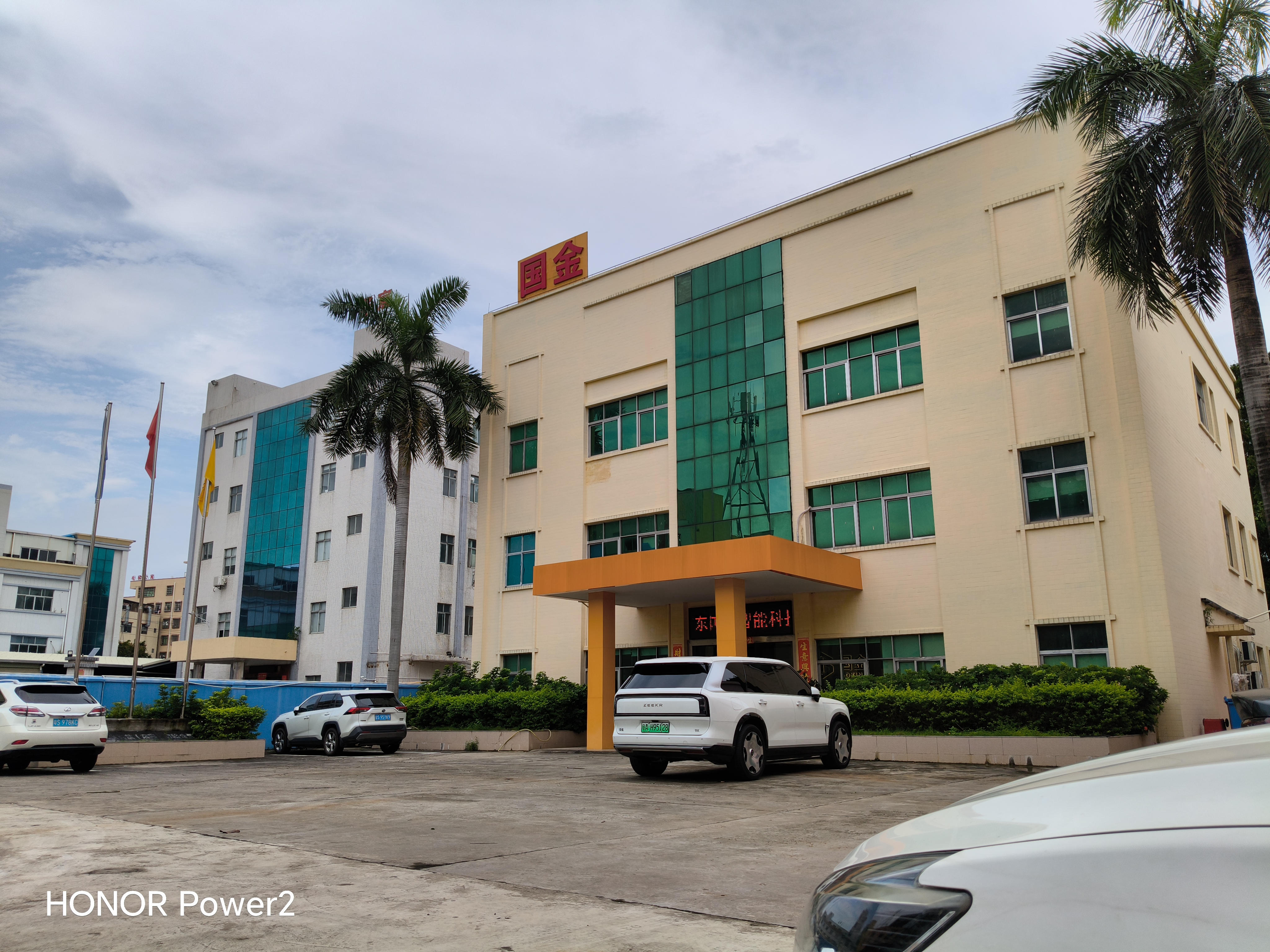
Guangdong Goking Intelligent Technology Co., Ltd. (GOKING) is a manufacturer based in Dongguan, Guangdong, China. The company was founded by a technical team with more than 10 years of industry experience and now develops industrial digital printing solutions for packaging factories. GOKING operates a 10,000-square-meter manufacturing facility, employs about 152 people and has an annual production capacity of roughly 864 sets. The R&D team consists of about 38 engineers, which matters when buyers request configuration changes, OEM/ODM programs or repeated production rather than only one standard machine.
Product flexibility for different packaging jobs
The core product range is based on Single-pass direct-output and Multi-pass scanner-type digital printers for corrugated and honeycomb cardboard. The 2-in-1 multifunctional machine can be configured with Epson or Xaar printheads, printhead counts from 8 to 256, print widths from 264 mm to 2,600 mm, and CMYK plus white ink (CMYK+W) colour modes. Depending on the configuration, single-pass output with an Epson printhead can reach 60 m/min, while single-pass output with a Xaar printhead can reach at least 100 m/min. Material thickness can range from 2 to 30 mm, covering corrugated board and coated paperboard rather than only one substrate.
Ink options include water-based dye ink, water-based pigment ink, coating ink and UV-eco-friendly ink. Because configuration choices include different DPI levels up to 1200, buyers can balance image quality and throughput according to their order mix.
Risk control between order and startup
Equipment risk usually appears in four areas: transport and installation, certification and compliance, stability during long runs, and on-site commissioning. GOKING’s control process includes a 100% aging test, long-time running inspection, standardized pre-shipment inspection and secure transport packaging. On the engineering side, the company provides rapid response, standardized inspection processes and on-site commissioning support.
Buyers should still check their own destination requirements. If CE marking is expected, the relevant frameworks include EN ISO 12100 for machinery risk assessment and IEC 60204-1 for electrical equipment of machines. A supplier that can document its inspection procedure makes this audit easier.
Commercial terms that allow repeat orders
GOKING’s minimum order quantity is 1 set. Payment structures are set directly with the manufacturer: a 30% deposit is required before production, and the remaining 70% of the contract amount is paid before shipment. Acceptance support includes sample testing, factory inspection, pre-shipment inspection and on-site acceptance according to the contract.
For delivery, GOKING offers global shipping, secure packaging, whole-machine delivery and turnkey line delivery. Four complimentary cartons of ink, together with various wear parts, are packed with the equipment for shipment. This structure makes an initial order practical and creates a clear basis for later multi-machine or OEM projects.
How to Turn a Multifunctional Digital Printing Machine Order Into a Repeatable Process
Once a supplier has been selected, the execution workflow determines whether the machine becomes a dependable production asset. The following sequence is typical for a packaging buyer working directly with GOKING.
- Validate the substrate. Sample testing and factory inspection allow the buyer to confirm print quality before the machine is released from the factory.
- Align commercial terms. With the MOQ at one set, place the order with a 30% deposit before production and the remaining 70% before shipment.
- Run quality gates. The machine passes a 100% aging test, long-time running inspection and standardized pre-shipment inspection.
- Ship with the correct scope. Use secure packaging, global shipping and either whole-machine delivery or turnkey line delivery. The four complimentary cartons of ink and the included wear parts travel with the equipment.
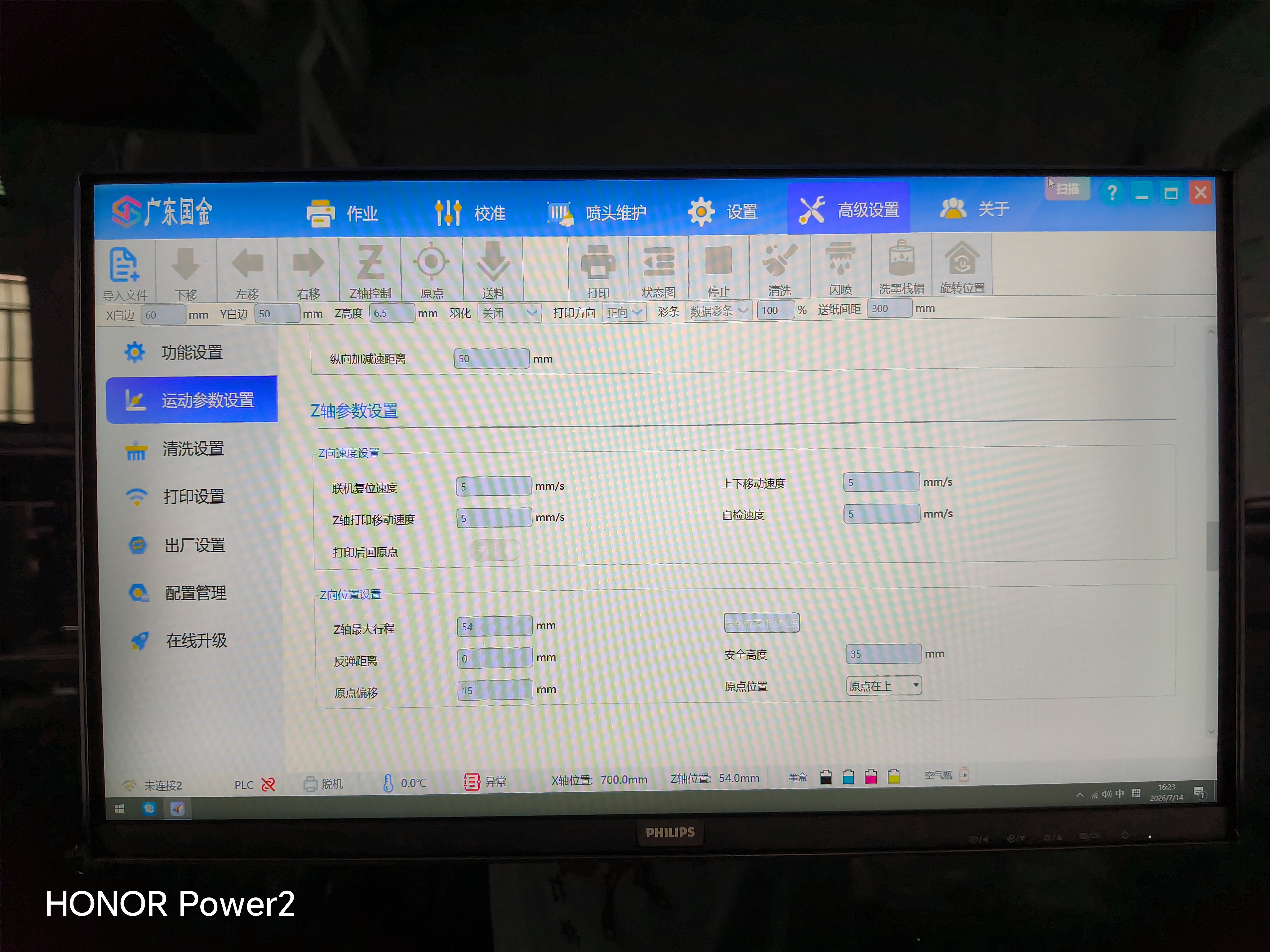
- Complete on-site acceptance. Commission the machine on site according to the contract, with engineering support and rapid response available from the supplier.
Where the Machine Adds Most Value
Digital printing is most valuable when a plant must handle work that plate-based production cannot economically justify. According to GOKING’s comparison data, the digital route reduces prepress time by over 75% and job-switching time by about 80% compared with traditional plate printing machines. Traditional devices are economical mainly for batches above roughly 3,000 copies, while digital production can remain viable from a single copy.
Typical buying situations include:
- Short-run packaging for e-commerce, regional brands, trial packaging and on-demand orders.
- Multi-SKU carton production where graphics change frequently and plate changes would slow the line.
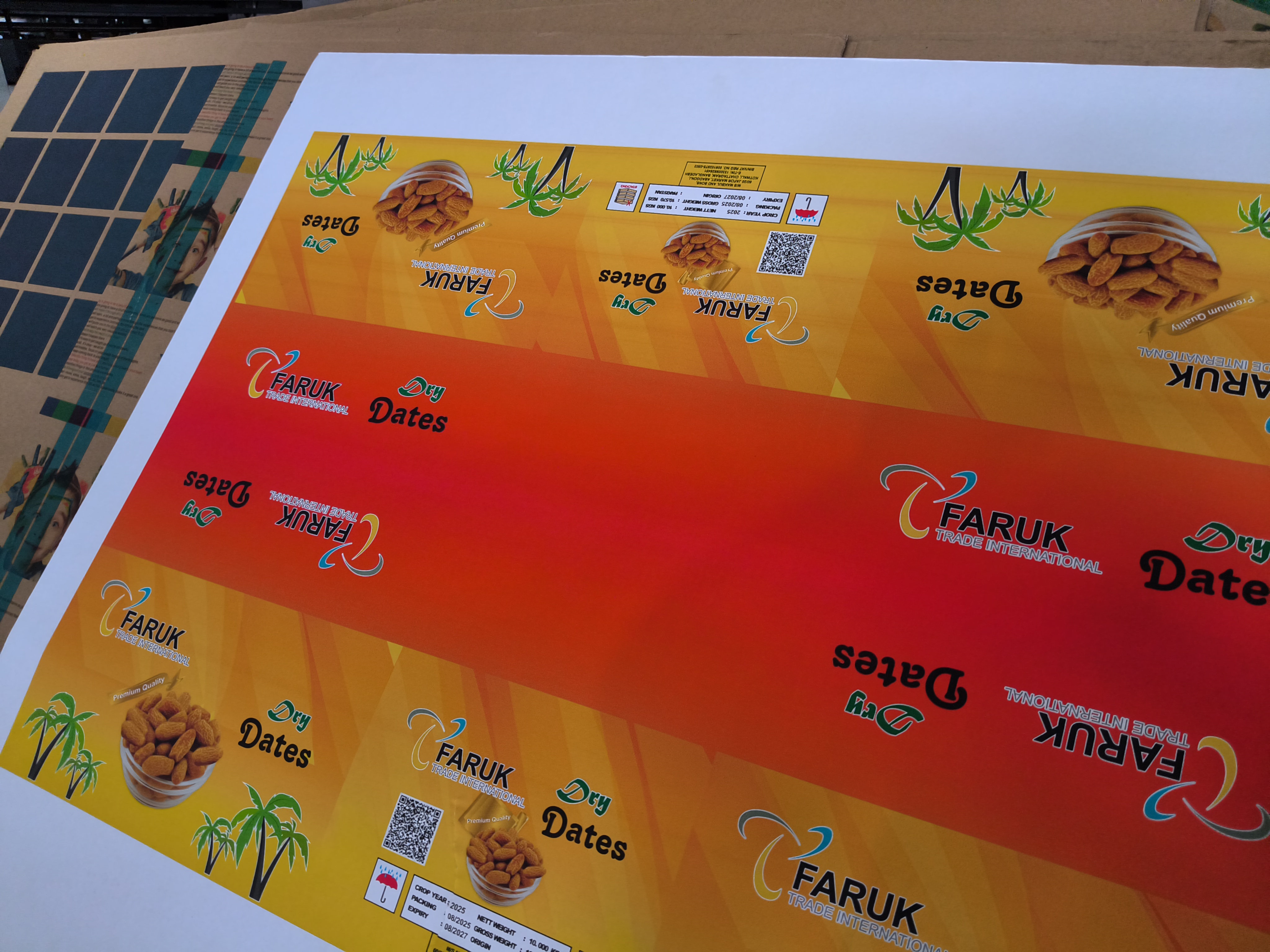
- Corrugated, honeycomb and cardboard packaging where the material can be printed directly without plates.
- Coated paper and coated paperboard applications where high-clarity inkjet output is needed.
- Packaging workflows that use white ink as an additional separation, supported by CMYK+W configurations.
Digital vs Traditional Plate Printing in One Table
| Comparison point | Traditional plate-based printing | Multifunctional digital printing |
|---|---|---|
| Economical batch size | Mainly above roughly 3,000 copies | Can be cost-effective starting from one copy |
| Prepress time | Plate making and setup are required | No plate making; digital colour calibration supported |
| Job switching | More machine preparation time | Reduces job-switching time by about 80% |
| Run flexibility | Long standardized runs are the usual fit | Print-on-demand and variable data capability supported |
| Wash-up between jobs | Machine wash-up required in many workflows | No machine wash-up required |
| Operation and labour | More manual plate and press management | Software-controlled operation; simple operation and labour saving |
| Substrate handling | Creases can create production constraints | Printable over creases in supported digital workflows |
| Environmental profile | Plate and setup waste are part of the process | Low-carbon, eco-friendly and energy-saving production approach |
This is a production comparison, not a claim that every job should move to digital. Long steady-state runs above the economical threshold for plates may still run well on conventional equipment. For short-run, variable-data and customised work, digital output is often the decisive method.
FAQ
Which compliance and inspection points should I confirm before importing an industrial digital printing machine?
Buyers in CE-regulated markets should confirm machinery safety and electrical safety. EN ISO 12100 is the relevant reference for machinery risk assessment, while IEC 60204-1 covers electrical equipment of machines. Buyers should also ask how the supplier inspects equipment before shipment. GOKING follows a standardized inspection process that includes a 100% aging test, long-time running inspection and pre-shipment inspection before secure transport packaging.
Does GOKING have enough manufacturing capacity for repeat orders?
GOKING operates a 10,000-square-meter manufacturing facility, employs about 152 people and has an annual production capacity of roughly 864 sets. The R&D function is supported by about 38 engineers. This level of staffing and output is relevant when buyers plan OEM/ODM programs, distributor supply or multiple machine purchases over time.
Can a packaging buyer start with only one machine?
Yes. The minimum order quantity is 1 set. Payment is arranged directly with the manufacturer: 30% deposit before production and the remaining 70% before shipment. This makes an initial production machine practical without forcing a large multi-unit commitment at the start.
Can I test materials before the order is completed?
The acceptance process includes sample testing, factory inspection, pre-shipment inspection and on-site acceptance according to the contract. This means a buyer can validate output on the intended substrate before the machine is shipped. GOKING supports this validation step as part of its procurement workflow.
What happens after the machine leaves the factory?
GOKING ships with global shipping, secure packaging and whole-machine or turnkey line delivery. Four complimentary cartons of ink, plus various wear parts, are packed together with the equipment. On-site acceptance and commissioning are handled according to the contract, with engineering support and rapid response available afterward. For your own substrate and installation schedule, ask GOKING to arrange a sample test or discuss commissioning before shipment.
Making the Long-Term Choice
Once a multifunctional digital printing machine order moves into execution, supplier reliability determines whether the machine becomes a profit centre or a maintenance problem. The right manufacturer should offer visible manufacturing scale, a flexible product platform, clear risk control, practical payment terms and on-site support after delivery.
GOKING combines a 10,000-square-meter manufacturing facility, a focused single-pass and multi-pass product range, and an annual output capacity of about 864 sets. For deciding buyers, that combination translates into a supplier relationship that can support the first machine and later capacity expansions.
If you are at the decision or execution stage, contact GOKING directly to review your packaging workflow and arrange factory inspection or sample testing.
Email: dongjake402@gmail.com
Download the 2026 product catalog for the current machine range and configuration options.