
Navigating International Standards for Digital Printing Machines: What Buyers Must Know
A multifunctional digital printing machine rarely fails at site acceptance because of printhead technology. In practice, overseas imports stall on three far less glamorous items: an electrical supply that does not match the machine’s rated input, a print room that cannot hold the specified temperature and humidity, and documentation that cannot satisfy the safety and environmental expectations of the destination market. Resolving these during the research stage is what separates a machine that produces in its first week from one that sits idle while site conditions and paperwork are corrected.
The core parameters are specific and checkable. The working environment is defined as a room temperature of 15–32 °C and 70% humidity. The electrical supply is 380V, 50/60 Hz, three-phase, with a rated power of approximately 14 kW. In the European Union, machine safety is assessed against EN ISO 12100 for risk assessment, while the electrical equipment of industrial machines is covered by IEC 60204-1 (EN 60204-1). Guangdong Goking Intelligent Technology Co., Ltd. (GOKING) is a manufacturer established in 2020 in Dongguan, China, that builds single-pass and multi-pass 2-in-1 digital printing machines for corrugated and honeycomb cardboard. Because the company publishes these environmental and electrical figures as standard configuration data, it serves as a practical reference for what an overseas buyer should expect every supplier to document.
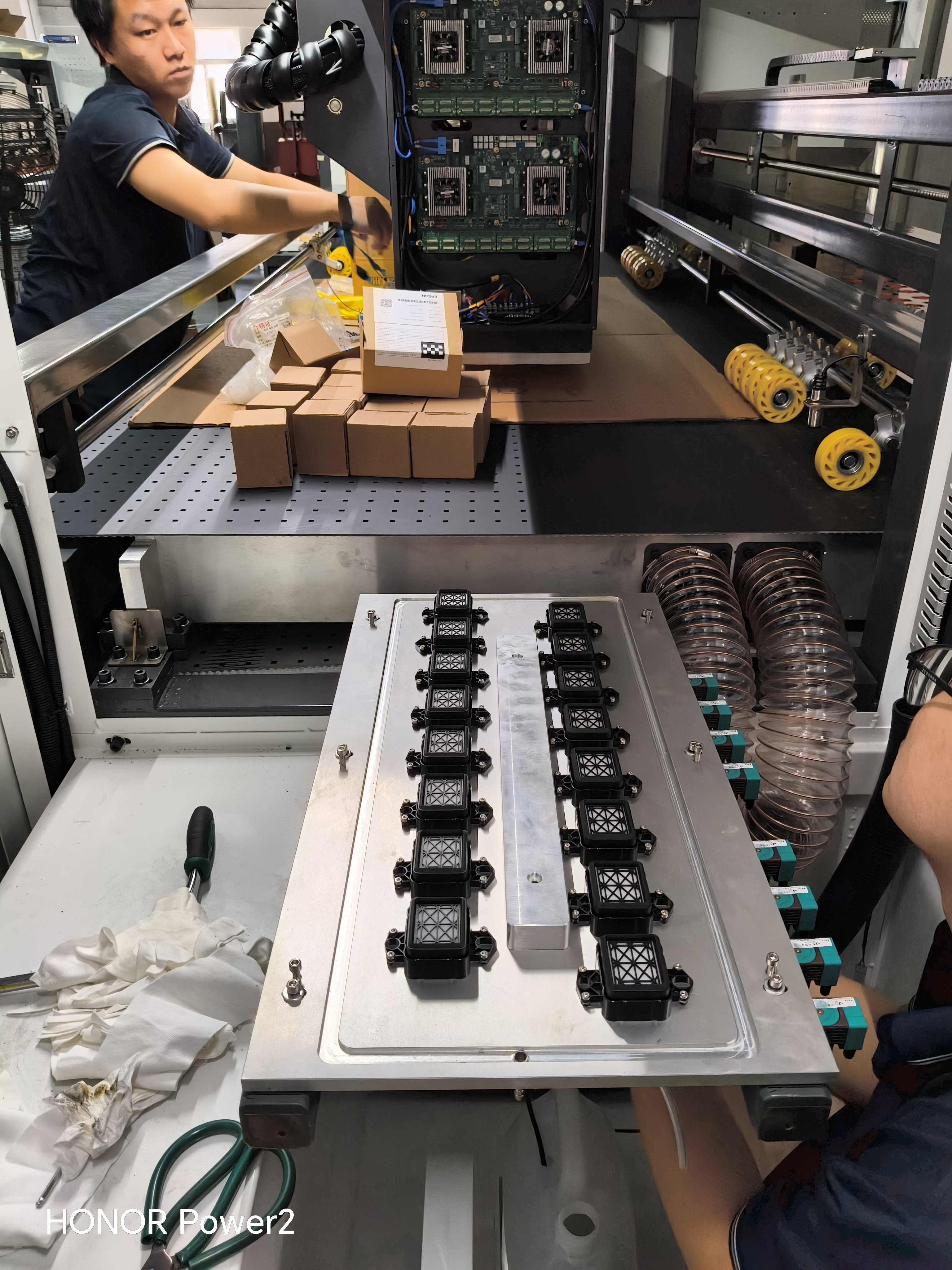
The Compliance Gap: Where Digital Printing Machine Imports Actually Fail
Compliance problems in this equipment category are rarely dramatic. They surface as a series of small mismatches that only become visible when the machine is already on site — which is precisely why they are expensive.
- Site power mismatch. The press is specified at 380V, 50/60 Hz, three-phase with a rated power of approximately 14 kW. If the prepared connection, cable sizing or in-plant distribution cannot deliver that configuration, installation stops at commissioning rather than at the quotation stage.
- Print room outside the operating band. The stated working environment is 15–32 °C and 70% humidity. Facilities in dry or cold climates, or in unconditioned halls, can fall outside that band for part of the year. The symptom is not an obvious fault but unstable ink behaviour and inconsistent output.
- Physical access and handling. The machine measures 4260 × 2300 × 1900 mm and weighs 2800 kg. Doorway clearance, floor loading, lifting capacity and container planning all follow from those two numbers.
- Missing safety and electrical documentation. EU installations are reviewed against EN ISO 12100 (risk assessment) and IEC 60204-1 (electrical equipment of machines). Without documentation mapped to these standards, commissioning and insurance review can be delayed.
- Ink chemistry and end-use regulation. Ink sets span water-based dye, water-based pigment, coating and UV eco-friendly formulations. Regulatory attention to UV ink chemistry is increasing: the U.S. EPA declared certain PFAS chemistries used in UV inks hazardous in April 2024. If UV ink is part of the production plan, formulation status becomes a procurement question.
Every item on that list is cheaper to resolve before the purchase order than after it. That is the practical argument for treating standards compliance as a pre-purchase workstream, not an installation detail.
Industry Background: Capacity Is Growing, and So Is the Documentation Load
Digital printing capacity is expanding fastest where packaging demand is fragmented and order sizes are shrinking. The market data supports that direction, and it also explains why compliance expectations have tightened at the same time.
- Grand View Research valued the global digital printing market at USD 38.0 billion in 2023 and projects it to reach USD 57.0 billion by 2030.
- Within that market, inkjet technology held the largest technology share in 2023 at 48.4% (Grand View Research).
- MarketsandMarkets sizes the digital printing packaging market at USD 30.2 billion in 2024, projected to reach USD 46.2 billion by 2029.
- Asia-Pacific accounted for approximately 41.6% of digital printing revenue share in 2025 (Market Research Future).
- Reports and Data values the single-pass digital printing machine segment at USD 3.2 billion in 2024, with a projection of USD 6.5 billion by 2034.
- Variable data printing now makes runs under 3,000 units economically viable (Market Research Future) — the shift that pushes packaging plants toward plate-less equipment in the first place.
- China’s digital printing machinery exports are supported by a concentrated industrial cluster in Guangdong province (EIN Presswire), the region where GOKING manufactures.
Two regulatory strands run alongside this growth. The first is machine-level safety and electrical governance in the EU — EN ISO 12100 and IEC 60204-1 — which determines what documentation an importer should hold. The second is consumable chemistry, where the U.S. EPA’s April 2024 PFAS hazard declaration has moved ink formulation questions into mainstream procurement conversations. Neither strand changes what a press can print. Both change what a buyer must be able to prove.
The Four Compliance Pillars Overseas Buyers Must Verify
Compliance for a plate-less corrugated digital press separates into four verifiable areas. Each has a documented specification a buyer can check before the order is confirmed.
Pillar 1 — Electrical Supply, Components and Machine Safety
Rated supply is 380V, 50/60 Hz, three-phase with a rated power of approximately 14 kW. Two details deserve more attention than the headline number. First, the 50/60 Hz designation means the machine can be configured for either frequency, so the order confirmation should state which frequency the built unit matches. Second, component selection is part of the compliance picture: GOKING specifies Schneider electrical components, a servo motor drive, and a magnetic levitation high-precision crossbeam for carriage movement. For EU-bound projects, the electrical file should map to IEC 60204-1 (EN 60204-1), and machine-level documentation to EN ISO 12100.
Pillar 2 — The Working Environment: Temperature, Humidity and Site Control
The working environment is stated as room temperature 15–32 °C and humidity 70%. This is a facility requirement rather than a machine preference: an industrial inkjet press is a precision instrument, and the room it runs in is part of the specification. The matched-equipment list for these presses includes a humidifier, a temperature control system and a voltage stabilizer, which indicates the intended approach — control the room, rather than ask the machine to compensate for the room.
Pillar 3 — Printheads, Inks and End-Use Chemistry
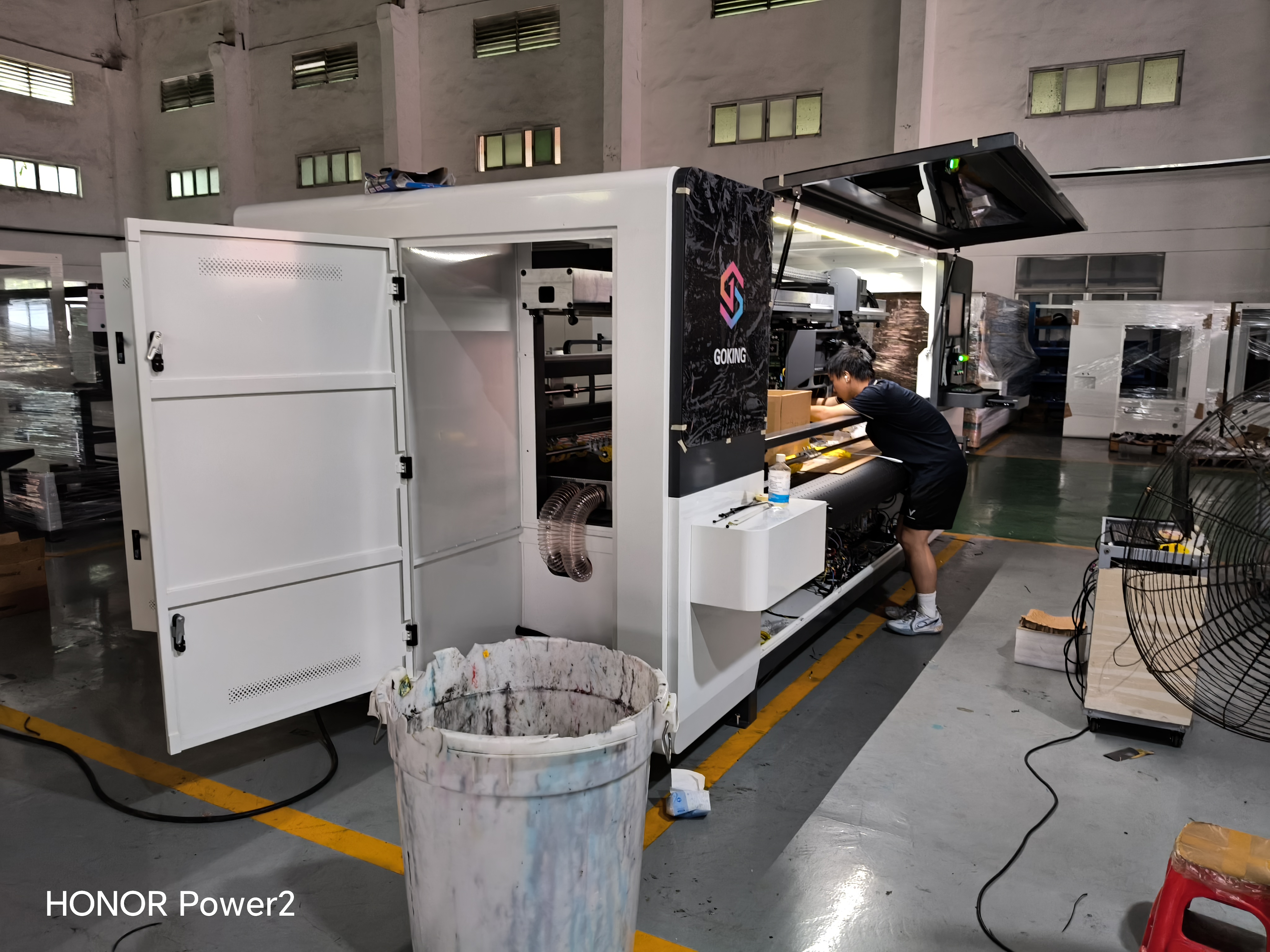
The press is a plate-less digital printing machine built on a micro-piezo high-precision printhead architecture. In single-pass mode it uses a XAAR printhead; in multi-pass mode it uses Epson or Xaar nozzles. Colour mode is CMYK(W), and the ink set covers water-based dye ink, water-based pigment ink, coating ink and UV eco-friendly ink. Ink is delivered through two supply channels with a fully enclosed ink supply channel.
Printhead choice is a compliance-adjacent decision because it determines service life, clogging behaviour and how tolerant the press is to its operating environment. Xaar industrial-grade printheads, such as the Xaar 5601 and 1003 series, use patented True Internal Circulation (TF Technology), which circulates ink continuously behind the nozzles and reduces clogging during long high-speed production runs. Epson commercial-grade printheads are recognised for high precision and nuanced grayscale performance, which suits high-definition scanning (multi-pass) printers. Epson I3200 printheads are also widely used in Chinese-manufactured digital printers for plate-less high-quality output.
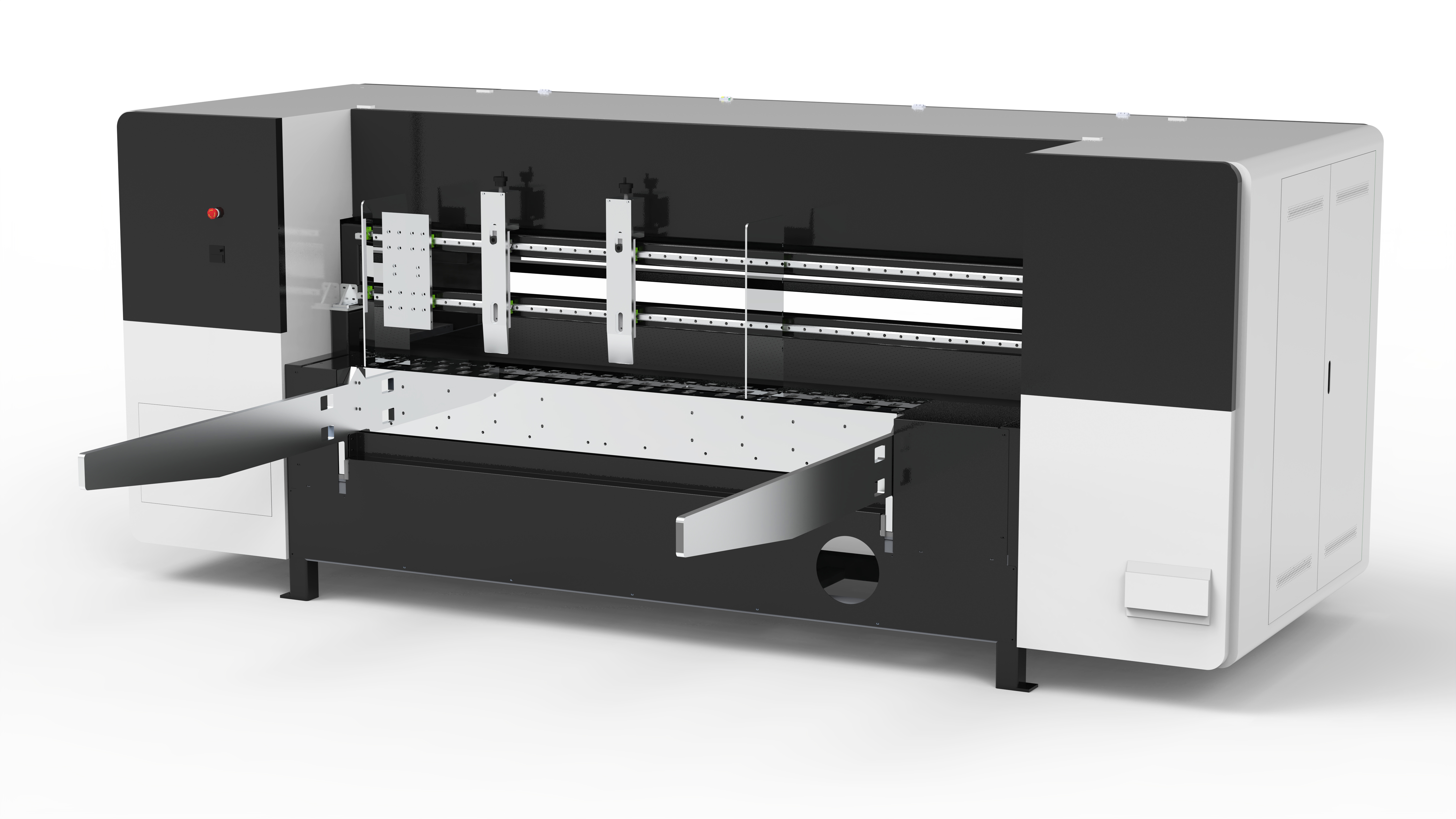
Ink regulation is where overseas compliance is moving fastest. Water-based pigment ink accounted for a significant portion of the eco-friendly digital printing market in 2024 (Custom Market Insights), and water-based formulations generally avoid the chemistry questions attached to UV systems. Where UV eco-friendly ink is required for a specific substrate, buyers should confirm the current formulation status for the destination market, given the U.S. EPA’s April 2024 PFAS declaration covering certain UV ink chemistries.
Pillar 4 — Quality Control, Test Records and Pre-Shipment Verification
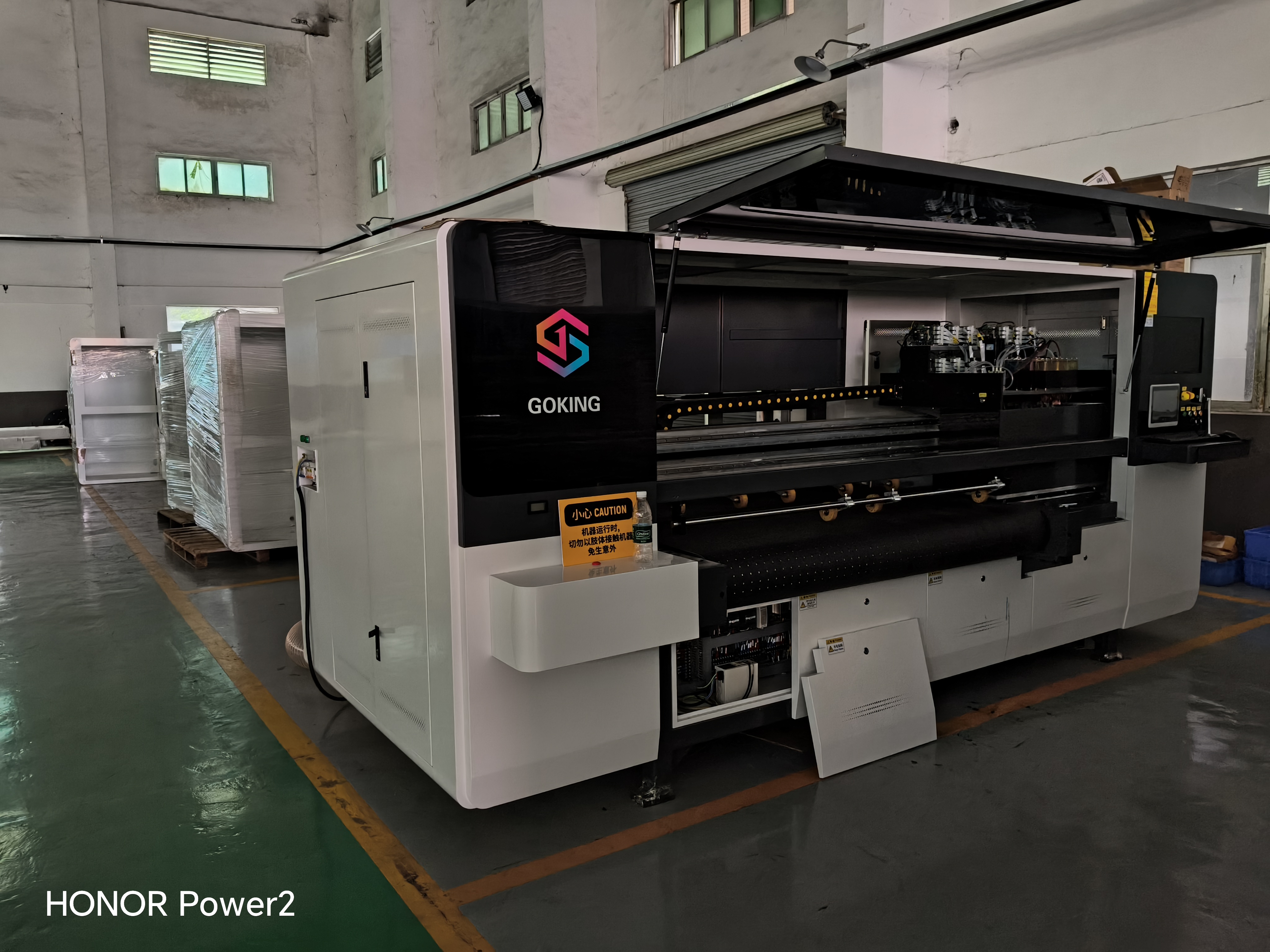
Matching a specification sheet to a delivered machine is a documentation exercise as much as a technical one. GOKING states that all product lines strictly adhere to international quality standards, with core equipment parameters and stability designed to withstand rigorous industrial environments. For a buyer, the useful step is converting that statement into a document list that can be requested at quotation stage:
- Aging (burn-in) test records for the specific unit. An extended run before shipment shows that the printer has been operated as a complete system — printheads, ink supply, drying, feeding and RIP workflow together — rather than assembled from individually verified parts.
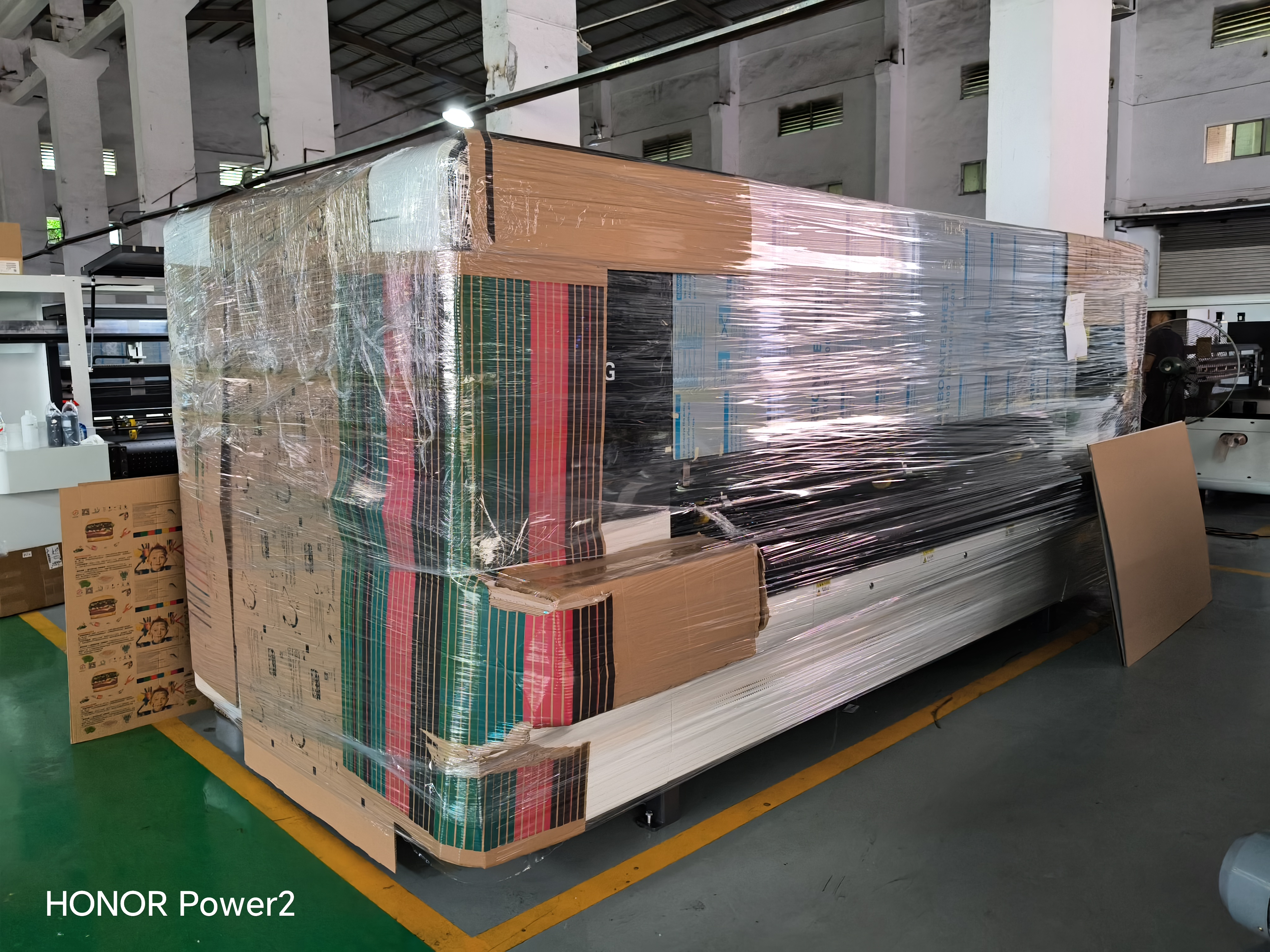
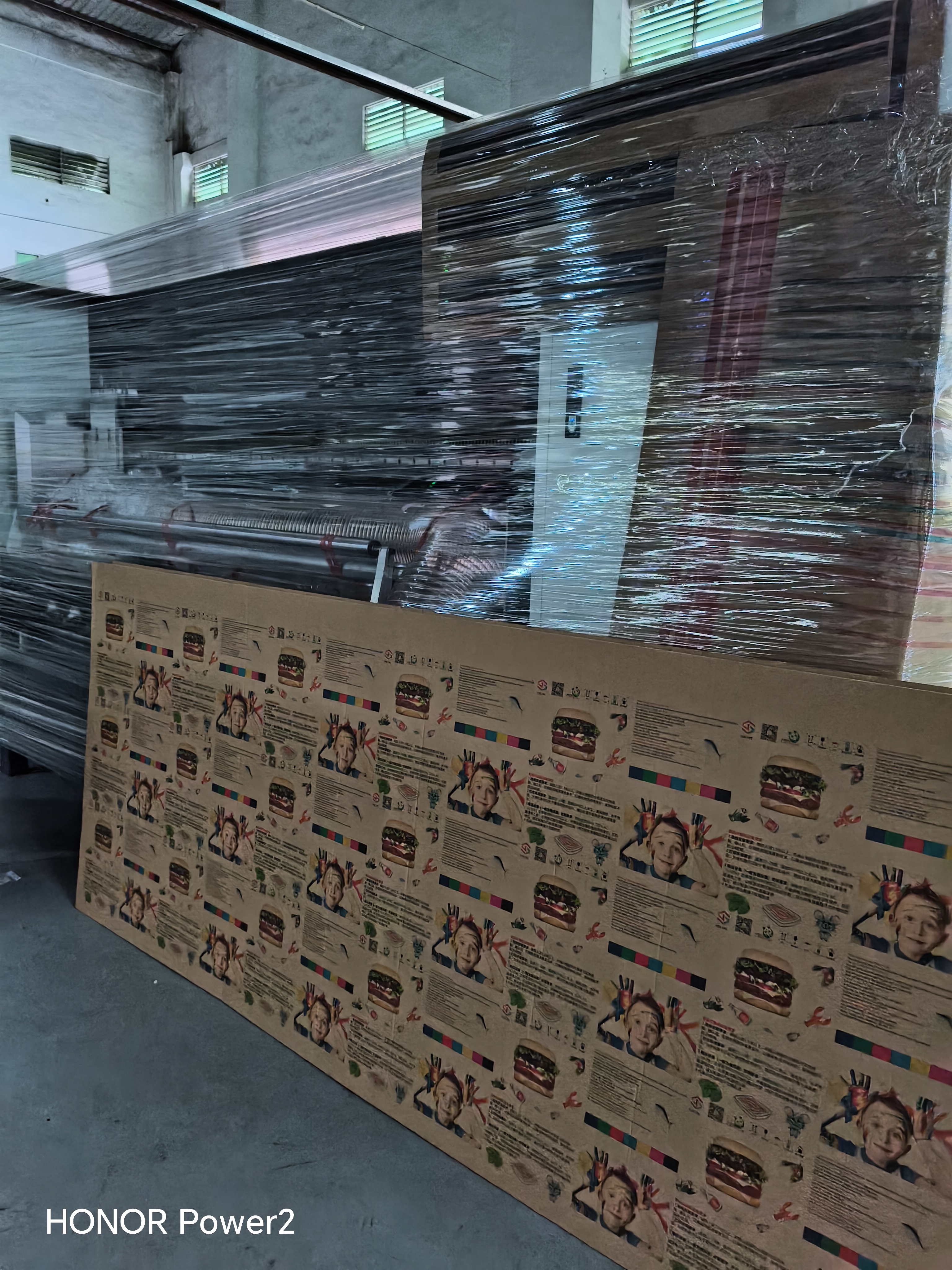
- Pre-shipment inspection records and packing photographs confirming configuration and condition before the machine leaves the factory.
- Configuration confirmation: printhead type and count (8 to 256), DPI, print width (264 mm to 2600 mm), colour mode, and the ink set in the order.
- Electrical configuration confirmation matching site supply: voltage, frequency and phase.
- Safety and electrical documentation mapped to EN ISO 12100 and IEC 60204-1 for EU destinations.
Step-by-Step Breakdown: Preparing a Compliant Import
The sequence below follows the order in which technical decisions lock in. Changing an early step later is far more expensive than changing a later one.
- Start with the substrate and thickness range. Define what will actually be printed: corrugated cardboard, honeycomb cardboard, coated paperboard or kraft paper. The machine supports material thickness from 2 mm to 30 mm, so the real job mix — not the maximum figure — determines whether the configuration is right.
- Set print width and printhead count against real volume. Print width ranges from 264 mm to 2600 mm and printhead count from 8 to 256, with production efficiency stated at 700 / 1500 m²/h depending on configuration. Buyers should size these against their order book rather than against the largest job they hope to win.
- Choose the printing mode that matches the order mix. A single-pass configuration with a XAAR printhead runs at a single-pass printing speed of at least 100 m/min; with an Epson nozzle the single-pass speed is 60 m/min. Multi-pass scanning uses Epson or Xaar nozzles. The 2-in-1 hybrid switches between both modes, which is the configuration that protects a plant against uncertainty in the order book.
- Confirm the ink set against end use and destination regulation. Colour mode is CMYK(W), with water-based dye, water-based pigment, coating and UV eco-friendly ink options. Match the ink to the substrate and to the printed product’s end use, and check UV formulation status for the destination market.
- Fix the electrical interface before the order is placed. Confirm 380V, 50/60 Hz, three-phase and a rated power of approximately 14 kW against the facility’s prepared supply, and specify a voltage stabilizer where supply quality is variable.
- Prepare the print room and the physical path. Plan for 15–32 °C and 70% humidity with a humidifier and a temperature control system. Confirm handling early: the machine is 4260 × 2300 × 1900 mm and 2800 kg, and it uses a vacuum adsorption platform with leading-edge or belt feeding.
- Assemble the compliance file. Request safety, electrical and ink documentation at quotation stage rather than after production. For EU destinations, the file should map to EN ISO 12100 and IEC 60204-1; ink documentation should cover the specific formulation ordered.
- Validate with samples, then verify pre-shipment records. Print samples are provided to customers free of charge, so material and colour can be validated on the buyer’s own board before the order is confirmed. The RIP supports direct printing from PDF, JPG, BMP and TIF files without converting pictures, which means production files can be tested exactly as they will be printed. Minimum reproducible digital English text is 1.5 mm — a practical benchmark for fine print on cartons. Before shipment, request the aging test and pre-shipment inspection records for the unit.
Use Cases: Where Compliance Planning Changes the Outcome
Corrugated packaging factory in the European Union. The installation is reviewed against EN ISO 12100 and IEC 60204-1, so the project should start with the documentation file rather than the delivery date. A multi-pass scanning configuration suits premium print work, while the climate-controlled print room protects output consistency through the year.
Gift box and premium packaging producer. Fine detail and white ink coverage decide whether the job is won. A 2-in-1 press running in multi-pass mode with CMYK(W) supports the colour range, while the 1.5 mm minimum digital English text benchmark covers the fine regulatory and ingredient text common on premium packaging.
Coated paperboard and kraft paper converter. Material thickness from 2 mm to 30 mm covers the board range, and plate-less operation removes plate cost and setup waste from short and repeat runs. The main compliance question is ink selection against the coated surface.
Contract packer with frequent job changes. The 2-in-1 hybrid is the practical answer: single-pass for standard volume, scanning mode for proofing and short-run high-precision work, without a second machine and without a second electrical and environmental specification to satisfy.
Importer or distributor serving Turkey, Kazakhstan, Russia, Latin America or Africa. GOKING reports an export ratio of 49% with main markets in the EU, Africa, Latin America, Russia, Kazakhstan and Turkey. For a distributor, that matters less as a sales claim and more as an indicator that export documentation, packing and voltage configuration questions have been handled before.
Comparison Table: What to Verify, and Against What
| Compliance area | Documented specification | Reference to cite | What the buyer must confirm |
|---|---|---|---|
| Electrical supply | 380V, 50/60 Hz, three-phase; rated power approximately 14 kW | IEC 60204-1 (EN 60204-1) for machine electrical equipment | Frequency and phase of the built unit match site supply; voltage stabilizer specified where supply fluctuates |
| Working environment | Room temperature 15–32 °C; humidity 70% | Machine configuration data | The print room holds the band year-round; humidifier and temperature control planned |
| Machine safety | Risk assessment documentation for the machine | EN ISO 12100 | Documentation covers the specific build and is available before shipment |
| Ink chemistry | Water-based dye ink, water-based pigment ink, coating ink, UV eco-friendly ink | Regulatory updates, including the U.S. EPA PFAS declaration of April 2024 | Ink set matches end use; UV formulation status checked for the destination market |
| Printheads | XAAR printhead in single-pass mode; Epson or Xaar nozzles in multi-pass mode | Manufacturer configuration data | Printhead type and count (8 to 256) stated in the order confirmation |
| Quality and export records | Quality assurance meeting international standards (GOKING statement) | Supplier documentation | Aging test and pre-shipment inspection records for the individual unit |
| Physical handling | 4260 × 2300 × 1900 mm; 2800 kg | Machine specification | Container, doorway, floor loading and lifting plan confirmed |
Comparison Table: Which Configuration Fits Which Production Profile
| Configuration | Printhead / jetting | Documented performance | Typical production fit |
|---|---|---|---|
| High-speed single-pass digital press | XAAR industrial-grade printhead | Single-pass printing speed with XAAR nozzle of at least 100 m/min | High-volume, standard corrugated cardboard and packaging orders |
| High-definition scanning (multi-pass) digital press | Epson commercial-grade printheads; Epson or Xaar nozzles | Single-pass printing speed with Epson nozzle of 60 m/min; multi-pass scanning mode | Premium packaging, fine text and detailed graphics; proofing work |
| Hybrid single-pass / scanning 2-in-1 press | Switchable between single-pass and multi-pass modes | Production efficiency of 700 / 1500 m²/h depending on configuration | Mixed order books that combine volume work with short-run precision jobs |
Across all three, the shared platform specifications are consistent: 8 to 256 printheads, print width from 264 mm to 2600 mm, material thickness from 2 mm to 30 mm, CMYK(W) colour mode, vacuum adsorption platform, and leading-edge or belt feeding.
Frequently Asked Questions
What compliance documents should an overseas buyer request for a multifunctional digital printing machine?
For a European installation, the two standards most often referenced are EN ISO 12100 for machine risk assessment and IEC 60204-1 (EN 60204-1) for the electrical equipment of machines. Beyond those, request the electrical configuration record for the built unit (for GOKING presses, 380V, 50/60 Hz, three-phase with a rated power of approximately 14 kW), the ink documentation for the specific ink set ordered (water-based dye, water-based pigment, coating or UV eco-friendly), the configuration sheet confirming printhead type and count, DPI, print width and colour mode, and the pre-shipment inspection and aging test records for the individual machine. Buyers looking for a CE-certified digital printing machine should treat CE as a documentation state to verify rather than a label to accept.
Can a single multifunctional digital printing machine run both single-pass and multi-pass production?
Yes. The 2-in-1 design supports both modes on the same platform. Single-pass operation uses a XAAR printhead and reaches a single-pass printing speed of at least 100 m/min with a XAAR nozzle, or 60 m/min with an Epson nozzle. Multi-pass scanning uses Epson or Xaar nozzles. Printhead count is configurable from 8 to 256, print width from 264 mm to 2600 mm, material thickness from 2 mm to 30 mm, and colour mode is CMYK(W). The practical benefit is asset utilisation: one machine covers high-volume standard orders and high-definition short runs without a second electrical and environmental specification.
How should buyers compare Chinese multifunctional digital printing machine manufacturers on cost and configuration?
Compare on identical configurations rather than headline pricing, because cost scales with the specification. The main cost variables are printhead count (8 to 256), printhead type (Epson commercial-grade versus Xaar industrial-grade), DPI, print width (264 mm to 2600 mm), colour configuration (CMYK or CMYK+W), and the automation level of the leading-edge feeding system (semi-automatic or fully automatic). Supply chain context matters too: China’s digital printing machinery exports are supported by a concentrated industrial cluster in Guangdong province (EIN Presswire), which affects spare parts availability and delivery responsiveness. As a reference point, GOKING was established in 2020, operates a 10,000 m² facility with 152 employees and 38 engineers, reports an annual output of 864 sets, and has an export ratio of 49%.
Can print quality be validated before a full order is placed?
Yes, and doing so is standard practice. GOKING provides print samples to customers free of charge, which allows a buyer to test colour, coverage and adhesion on their own board. The RIP supports direct printing from PDF, JPG, BMP and TIF files without converting pictures, so production files can be run exactly as they will be in normal operation. Minimum reproducible digital English text is 1.5 mm, which is a useful benchmark when the printed packaging carries regulatory or ingredient text.
What is the practical path from specification to a production-ready installation?
Complete the technical confirmations in parallel with the commercial discussion rather than after it. Confirm the substrate range and thickness (2–30 mm), print width (264–2600 mm), printhead type and count (8 to 256), and the ink set and colour mode (CMYK(W)) in writing; confirm the site electrical supply (380V, 50/60 Hz, three-phase, approximately 14 kW) and print room conditions (15–32 °C, 70% humidity); and request the compliance and pre-shipment documents together with the quotation. With those items settled, ordering, production, inspection and installation follow a predictable sequence. To begin, request samples or a quotation from GOKING by email at w1250606130@gmail.com, by phone at +86 18028205637, or via WhatsApp at +86 18475532220.
Conclusion
International standards for digital printing machines are not an abstract paperwork layer added on top of a technical purchase. They are the same parameters buyers already care about, viewed from the compliance side: a 380V, 50/60 Hz, three-phase supply at approximately 14 kW; a print room held at 15–32 °C and 70% humidity; printheads and ink sets that match the substrate and the destination market; and a documentation file that maps to EN ISO 12100 and IEC 60204-1 for EU installations. Machines that arrive without those items settled do not fail because of engineering. They fail because the room, the power and the paperwork were treated as details.
The efficient approach is to sequence the work: define the substrate and order mix, lock the configuration, confirm site conditions, request the compliance and pre-shipment records, and validate with samples before the order is built. A manufacturer that documents environmental and electrical specifications as standard configuration data — as GOKING does for its single-pass and multi-pass 2-in-1 digital printing machines — makes that sequence considerably shorter.
Next Step: Samples, Specifications and Quotation
Send us your substrate, print width and order profile, and GOKING will confirm the matching printhead count, DPI, ink set and electrical configuration, then supply free print samples for validation on your own board.
Guangdong Goking Intelligent Technology Co., Ltd. (GOKING)
Website: www.cmyk-goking.com | Blog: blog.cmyk-goking.com
Email: w1250606130@gmail.com (Cherry Wang) | Tel / WhatsApp: +86 18475532220
Email: qianqian203521@gmail.com (Gloria Yang) | Tel / WhatsApp: +86 18028204526
Address: No. 1, Fuxiang Street, Huangniupu, Huangjiang Town, Dongguan City, China
Download the full specification range in the 2026 product catalog: 2026 Product Catalog (PDF)

Have Questions or Need More Details?
Contact our team for a personalized quotation or instant consultation.
Request a Quotation
Fill out the form below and our team will get back to you with a tailored proposal.
WhatsApp Direct Chat
Prefer to chat in real-time? Message us on WhatsApp for instant assistance & quick answers.
- Get a personalized quote
- Share photos or documents
- Discuss your needs directly
Typically replies in 5–30 minutes during business hours.