
The Job-Cost View: Multifunctional Digital Printing Machine vs. Plate Press
The Job-Cost View: Multifunctional Digital Printing Machine vs. Plate Press
When a packaging printer evaluates a multifunctional digital printing machine against a traditional plate-based press, the deciding factor is usually not the machine's list price. It is the cost of running a job: prepress time, job switching, plate costs, setup waste, and the order volume at which each process becomes profitable. This article compares the two approaches using the published comparison data of GOKING, a digital printing equipment manufacturer based in Dongguan, China.
GOKING, operated by Guangdong Goking Intelligent Technology Co., Ltd., produces single-pass and multi-pass 2-in-1 digital printing machines for corrugated and honeycomb cardboard packaging. The company was founded in 2020 by a senior team with more than a decade of industry experience.
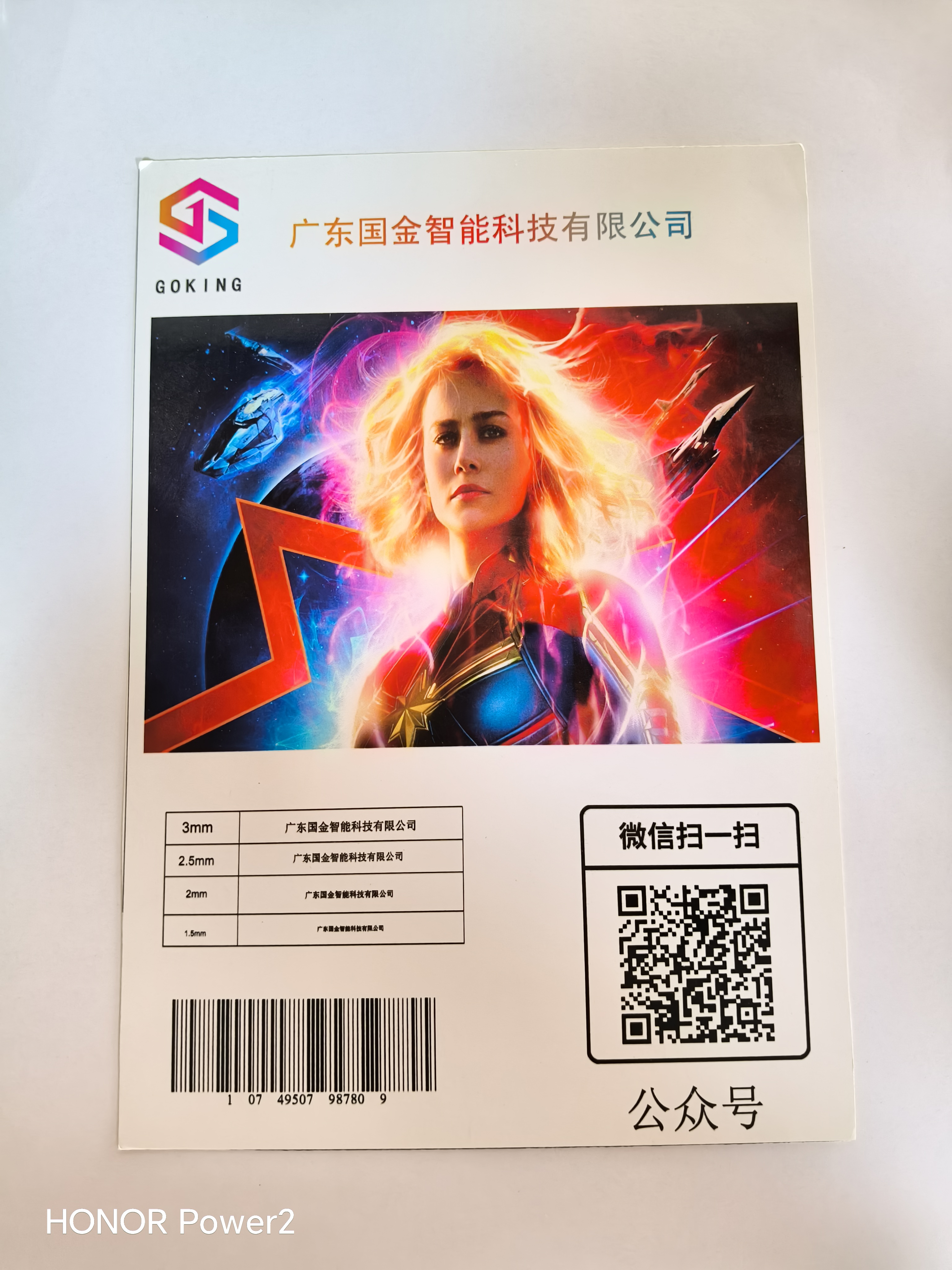
Coated paper printing output from GOKING's digital printing machine.
Problem Definition: Where Plate-Based Printing Becomes Expensive
A traditional plate-based printing workflow depends on physical plates, machine wash-up, and setup between jobs. These steps are acceptable for long runs, but they add cost to every short-run, multi-SKU, customized packaging, on-demand printing, and rapid prototyping job.
Traditional devices are economical only for batches over 3,000 copies. Jobs below that volume are where a multifunctional digital printing machine changes the cost calculation.
Industry Background: Digital Printing's Growth Is Reshaping Packaging
Grand View Research estimates the global digital printing market at USD 38.0 billion in 2023 and projects USD 57.0 billion by 2030. The inkjet segment held the largest technology share at 48.4% in 2023. MarketsandMarkets projects the digital printing packaging market to grow from USD 30.2 billion in 2024 to USD 46.2 billion by 2029.
Reports and Data estimates the single-pass digital printing machine market at USD 3.2 billion in 2024, with a projected value of USD 6.5 billion by 2034. In 2025, Asia-Pacific accounted for approximately 41.6% of the digital printing market's revenue share. This is relevant because Guangdong, where GOKING is based, is a concentrated industrial cluster for China's digital printing machinery exports.
At the high-volume end, the EFI Nozomi C18000 is cited as a primary industrial-grade competitor for single-pass corrugated packaging printing. HP introduced the Indigo 200K in 2025 for flexible packaging, with reported throughput 30% higher than previous models. These systems represent the market's higher-speed segments, while multifunctional 2-in-1 machines address plants that need both single-pass and multi-pass workflows.
These figures do not mean every packaging printer should replace a plate press immediately. They explain why digital printing is expanding beyond labels and commercial print into packaging production.
Detailed Solution: What Changes Without Plate Making
The core difference between a GOKING multifunctional digital printing machine and a traditional plate-based machine is the elimination of plate making. Printing is done by inkjet, with variable data printing and digital color calibration.
According to GOKING's comparison data, digital printing reduces prepress time by over 75% and job switching time by 80%. Relative to traditional plate-based machines, it offers lower plate costs, reduced setup waste, and lower production costs for short runs.
For a packaging plant, the practical effect is that a short-run job no longer waits for plate making, and a color change does not start with machine wash-up. Digital jobs can be scheduled as soon as the file is approved.
Operationally, the machine requires no machine wash-up, is simple to operate, can print over creases, and supports ERP integration. Maintenance focuses on software-controlled operation, printhead maintenance, and regular calibration, with less plate management than a traditional system.
Machine-Level Options
- Single-pass and multi-pass 2-in-1 configurations
- J-series scanning multi-pass and G-series direct output one-pass models
- Epson and industrial printhead configurations, with resolutions up to 1200 DPI
- 5-color integrated models
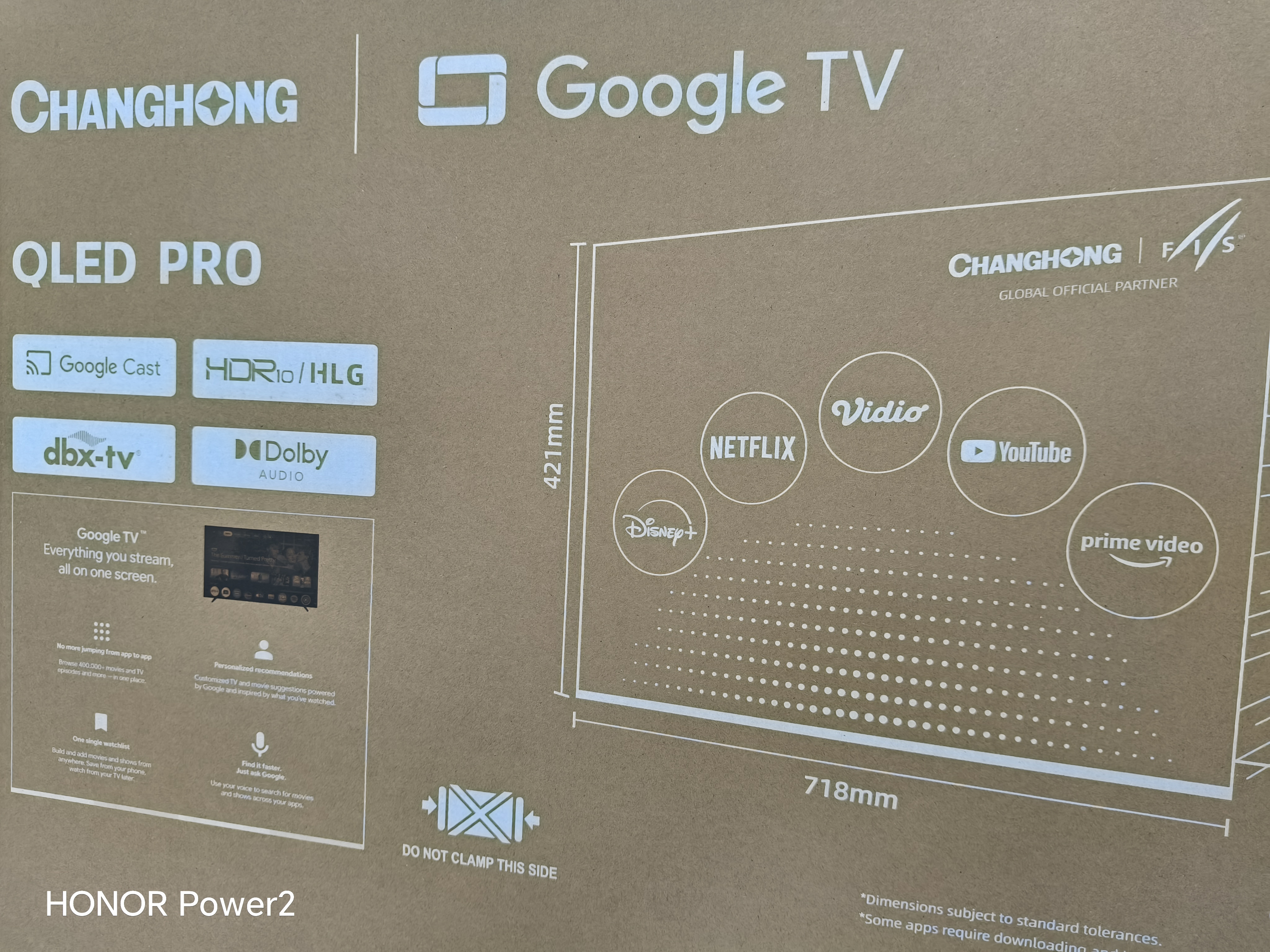
White ink printing output used for capability evaluation.
GOKING operates as an OEM/ODM partner for global brands. The company reports a 10,000-square-meter manufacturing facility, 152 employees, 38 R&D engineers, and an annual output of 864 sets. 49% of output is exported to markets including the EU, Africa, Latin America, Russia/Kazakhstan, and Turkey.
Limitations to Keep in Mind
Digital printing is not a universal replacement for plate-based printing. Traditional devices remain economical for batches over 3,000 copies, and repeat orders of identical high-volume items may still fit a plate-based workflow.
Production speed is also a trade-off. Multi-pass systems provide higher clarity, up to 1200 DPI, but are generally slower than single-pass direct output. A 2-in-1 machine helps, but the buyer still needs to allocate jobs to the correct mode.
Step-by-Step Breakdown: How to Compare the Two Systems
Step 1: Define your order profile
Digital printing is more suitable for short-run printing, multi-SKU production, customized packaging, on-demand printing, and rapid prototyping. Traditional plate-based devices are economical only for batches over 3,000 copies. If most jobs fall below this threshold, the comparison should focus on digital.
Step 2: Map prepress and switching costs
Plate making is the starting point for a traditional job. GOKING's digital machine eliminates plate making and reduces prepress time by over 75%. Job switching time is reduced by 80%.
Step 3: Check the cost floor per job
Traditional plate-based production requires plate costs and setup waste. Digital production can start from a single copy, which matters for small-batch cross-border POD orders.
Step 4: Compare speed and resolution
Single-pass direct output is built for throughput; multi-pass scanning offers higher clarity, up to 1200 DPI. A 2-in-1 machine gives a plant both modes in one system. Buyers should map each mode to a specific order type before making a decision.

Logo print sample from GOKING's machine.
Step 5: Review maintenance and workflow integration
Digital maintenance involves software-controlled operation, printhead maintenance, and regular calibration. Less plate management is required. ERP integration and print-over-crease capability affect how easily digital printing fits packaging production.
Step 6: Evaluate delivery and startup support
GOKING applies 100% aging tests, long-time running inspections, pre-shipment inspections, and secure packaging. Engineering support and on-site commissioning support are part of the stated risk-control framework.
For EU market entry, industrial machinery must satisfy EN ISO 12100 for risk assessment and IEC 60204-1 for electrical equipment. GOKING's risk-control framework includes standardized inspection and pre-shipment inspection to address compliance risk.
Use Cases
Short-Run and Multi-SKU Packaging
Digital printing is suited to short-run printing and multi-SKU production because there is no plate change between SKUs. The reported 80% reduction in job switching time makes the machine relevant for plants that run frequent small orders.
Customized Packaging and Rapid Prototyping
Variable data printing and digital color calibration support customization and prototyping without a new plate. This is useful for packaging buyers testing designs before scale production.
On-Demand and Cross-Border POD Orders
Because production can start from a single copy, GOKING notes that the machine can satisfy small-batch cross-border POD orders. No machine wash-up reduces idle time between jobs.
Corrugated and Honeycomb Cardboard
GOKING's machines are designed for corrugated and honeycomb cardboard and can print over creases, which is directly relevant for packaging structures.
Comparison Table
| Comparison Point | Traditional Plate-Based Printing Machine | GOKING Multifunctional Digital Printing Machine |
|---|---|---|
| Core process | Plate making and printing | Plate-less inkjet printing with variable data and digital color calibration |
| Prepress time | Baseline | Over 75% reduction |
| Job switching time | Baseline | 80% reduction |
| Economical batch size | Over 3,000 copies | From 1 copy |
| Plate costs and setup waste | Included in every job | Lower plate costs and reduced setup waste |
| Machine wash-up | Required | Not required |
| Maintenance | Plate management | Software-controlled operation, printhead maintenance, regular calibration |
| Best-fit jobs | Large runs above 3,000 copies | Short-run, multi-SKU, customized packaging, on-demand printing, rapid prototyping |
Comparison based on GOKING's comparison data for multifunctional digital printing machines.
FAQ
What compliance requirements apply to industrial digital printers?
Industrial digital printers must meet machinery safety requirements as part of CE marking. EN ISO 12100 covers risk assessment, and IEC 60204-1 governs electrical equipment of industrial machines. GOKING addresses compliance risk through standardized inspection processes and pre-shipment inspections.
Which printing capabilities matter most in a digital vs. plate comparison?
The most relevant capabilities are plate-less inkjet printing, variable data printing, digital color calibration, and the ability to handle short-run, multi-SKU, customized packaging, on-demand printing, and rapid prototyping. Buyers should also compare printhead configurations and resolution; GOKING supports Epson and industrial printhead configurations with resolutions up to 1200 DPI.
At what order volume does digital printing become more economical?
Traditional plate-based devices are economical only for batches over 3,000 copies. A digital machine can support cost-effective production starting from 1 copy. Digital printing also reduces prepress time by over 75%, job switching time by 80%, and avoids plate costs and setup waste in short-run production.
How should I evaluate printed samples before choosing a machine?
Printed samples should be reviewed on the substrate you plan to run. The practical next step is to contact GOKING directly with your substrate and order profile.
How does GOKING control delivery, installation, and startup risk?
Risk control is achieved through 100% aging tests, long-time running inspections, pre-shipment inspections, and secure packaging. Manufacturing risks are addressed through long-time running inspections. Compliance risks are addressed through standardized inspection processes and pre-shipment inspections. GOKING also lists engineering support and on-site commissioning support in its risk-control framework.
Conclusion
For packaging printers whose order profile contains short runs, multiple SKUs, customized packaging, on-demand work, or rapid prototyping, the job-cost logic of a multifunctional digital printing machine is clear. The plate-less, inkjet-based workflow removes prepress steps and reduces the order volume at which production becomes economical.
Traditional plate-based presses remain the relevant comparison point for volume production above 3,000 copies. A useful planning rule is to separate jobs by batch size, then calculate prepress cost, switching cost, plate cost, and setup waste for each group.
Next Step
Download the 2026 GOKING product catalog to review machine configurations and technical specifications.
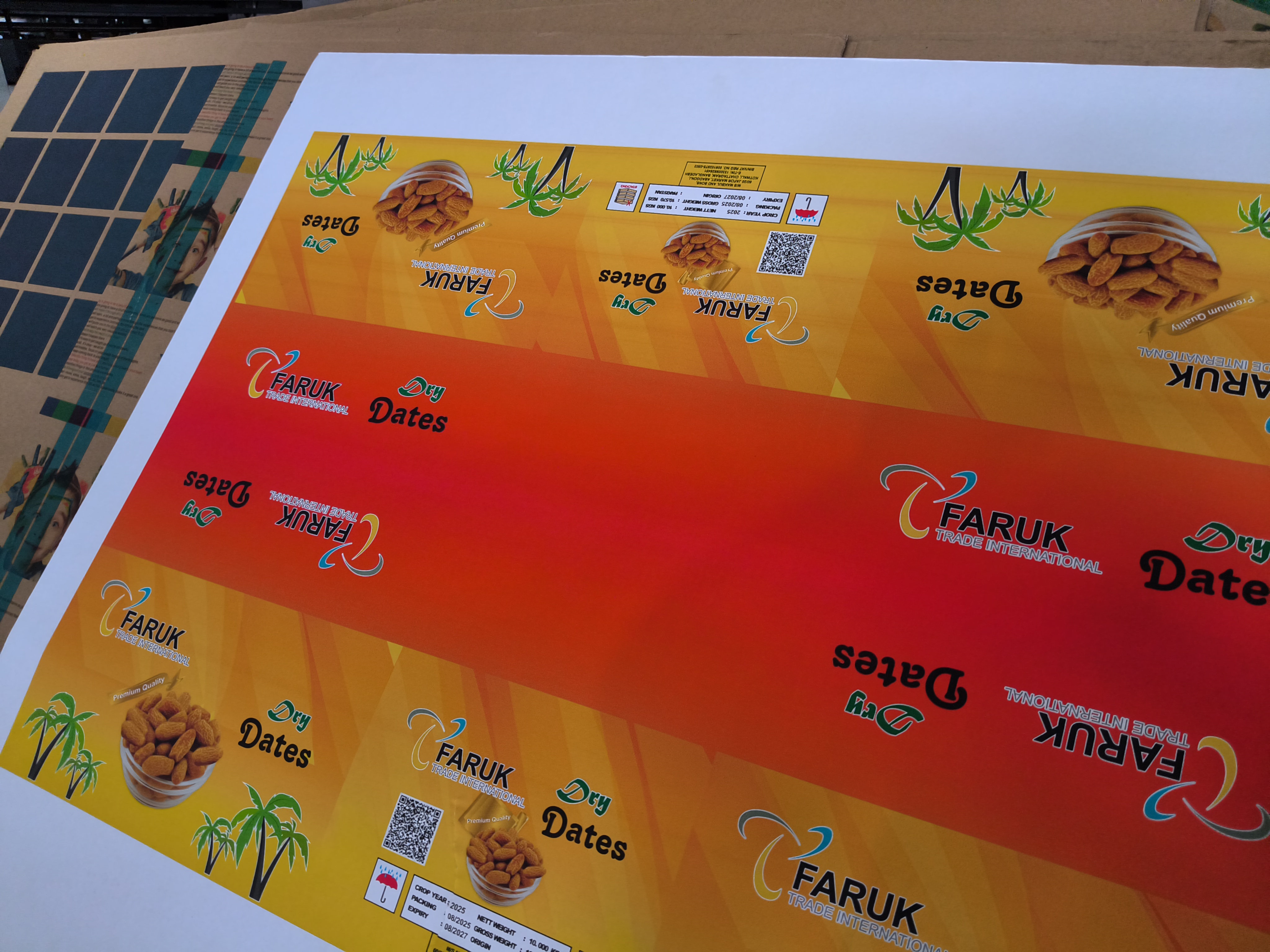
Printed samples from GOKING's range.
For a project-level comparison or sample discussion, contact Jake Dong at dongjake402@gmail.com, call +86 15382862836, or message via WhatsApp. Address: No. 1, Fuxiang Street, Huangniupu, Huangjiang Town, Dongguan City, China. Website: www.cmyk-goking.com.