
CE Certification and Off-Grid Solar Inverter Compliance: What the SYP 6.5KW Spec Sheet Tells You
A CE certificate for a hybrid solar inverter is a scoped declaration, not a general permission to install the unit anywhere. It states that a defined product configuration has been assessed against applicable European requirements for electrical safety and electromagnetic compatibility. It does not override the enclosure rating, the temperature window, or the interface set printed on the datasheet. For the SYP6.5KW48V off-grid hybrid solar inverter, the datasheet is the most practical compliance document a buyer has, because it publishes the operating envelope to which the certificate applies.
The certificate and the spec sheet describe the same product from two directions. The certificate says the design meets the standard. The datasheet says where and how the unit may be used. The SYP6.5KW48V declares IP21 ingress protection, an operating temperature range of -10℃ to 60℃, relative humidity of 5%–95% non-condensing, a maximum operating altitude of 4000 m with derating above 1000 m, and a standard interface set of RS232, RS485 and USB. An installation that sits outside those declared limits sits outside the envelope the compliance documentation supports.
Problem Definition: “CE Certified” Is a Yes/No Answer to a Multi-Part Question
Importers and distributors usually ask one question: is this hybrid solar inverter CE certified? The answer is almost always yes, and it is almost never enough. Three separate questions sit underneath it.
The first is scope. A certificate applies to a defined model and configuration, not to a product family in general. A supplier that lists CE, RoHS, EN and IEC coverage across nearly 50 product series is making a portfolio-level statement; the buyer still needs to confirm that the specific model code being purchased — in this case SYP6.5KW48V — is inside that scope.
The second is the installation boundary. Compliance depends on how the unit is deployed. The SYP6.5KW48V is declared at IP21 and rated for an operating temperature of -10℃ to 60℃. Those two numbers answer a question the certificate never addresses: can this unit live in the location the buyer has in mind? An IP21 inverter in a rain-exposed position is not a compliant installation, however complete the paperwork is.
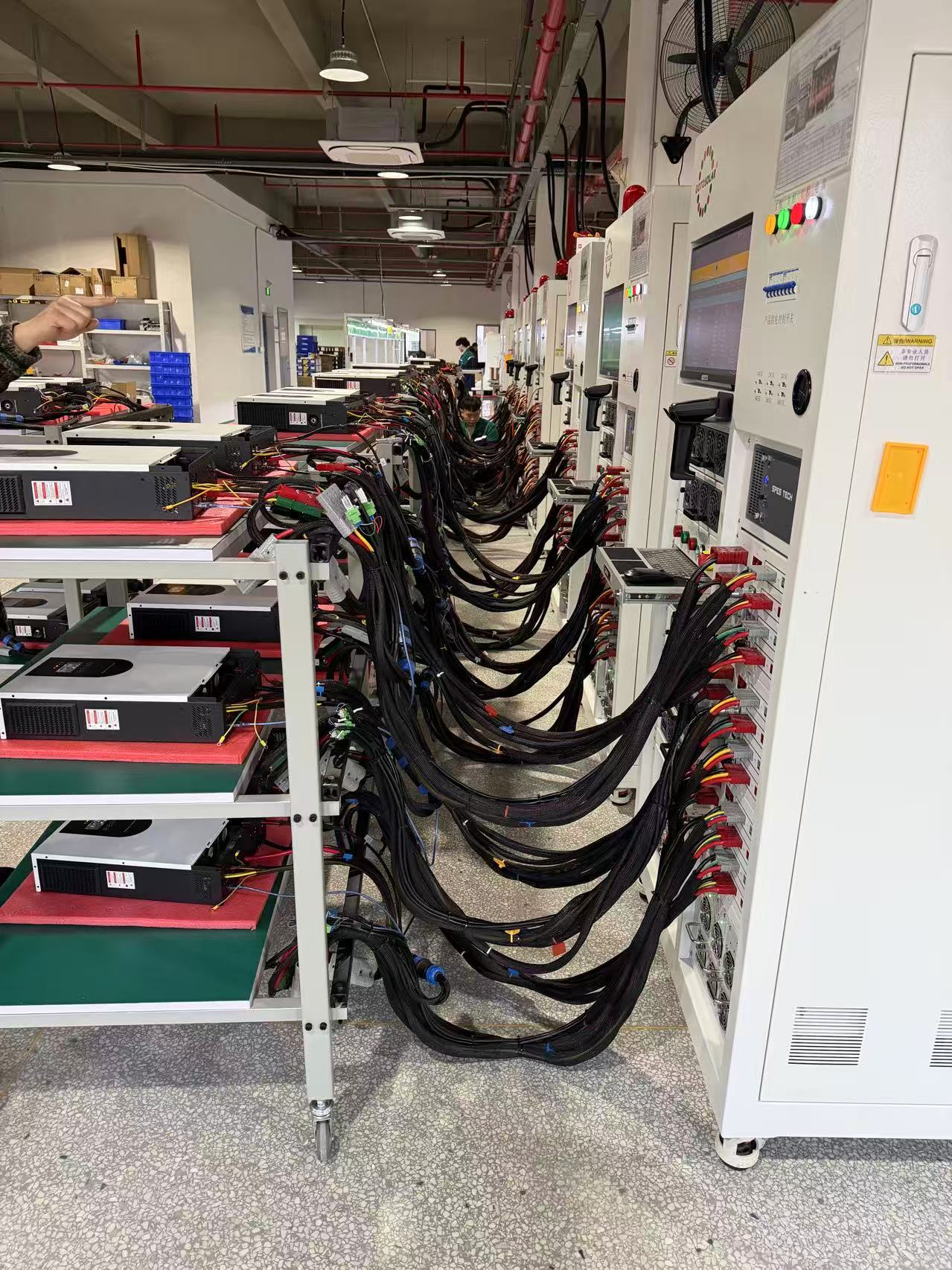
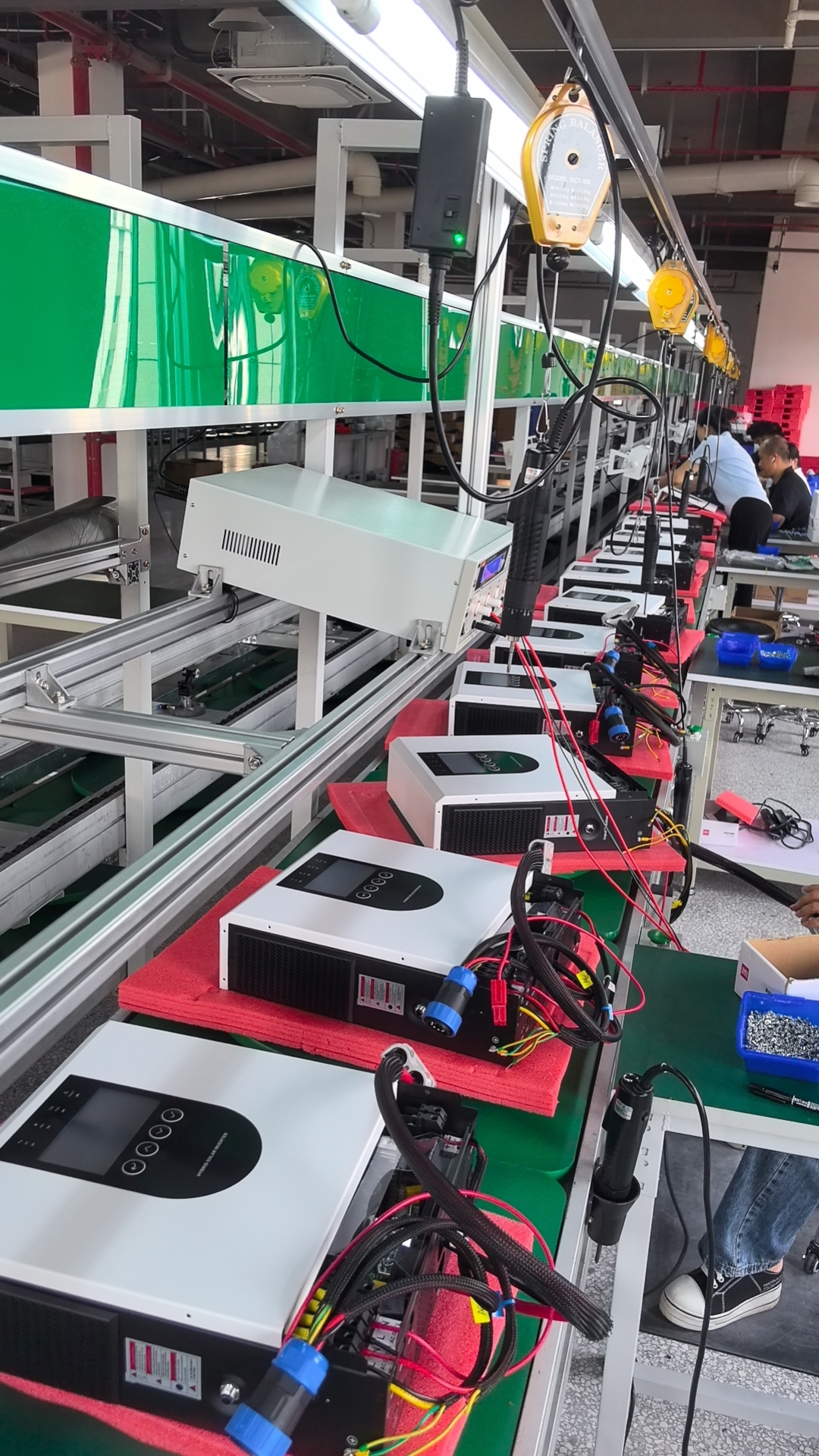
The third is production consistency. A certificate describes a design. It does not describe the thousandth unit off the line. That gap is closed by test records, not by a PDF — which is why the SYP6.5KW48V compliance file is only credible when it is read alongside the 100% aging test and the inspection terms attached to the order.
Industry Background: Compliance Now Travels With the Product
The commercial stakes explain why buyers scrutinise certification rather than treating it as a checkbox. The global solar hybrid inverter market was valued at USD 10.7 billion in 2024, per Grand View Research, and the residential segment alone was valued at USD 4.55 billion in 2023 according to Markets and Data. A market of that size attracts suppliers of very different maturity, and certification is one of the few filters that can be applied before money changes hands.
The standards landscape differs by destination. UL 1741 is the primary safety standard for grid-connected inverters in North America, while IEC 62109 is the international standard for PV power converters, as published by UL Solutions. Europe relies on CE marking, supported by RoHS compliance for restricted substances. For an off-grid hybrid inverter sold into markets where CE is the entry requirement, the certificate is the floor rather than the ceiling: it confirms the design has been assessed, and the datasheet then defines the operating conditions under which that assessment holds.
For a manufacturer, publishing those conditions precisely is a commercial decision as much as a technical one. FOSHAN SOLARUP TECHNOLOGY CO.,LTD — trading as GOTOSOLAR — operates three production bases in Foshan, Yiwu and Yingtan and reports ISO9001:2015, CE, RoHS, EN and IEC certification across nearly 50 product series. That breadth is useful context, but a distributor in a hot, dusty or coastal market still has to read the individual datasheet, because the limits that matter are model-specific.
What the SYP6.5KW48V Datasheet Declares
The SYP6.5KW48V is a 48 VDC off-grid hybrid inverter with a 6.5 kW rated capacity and 12 kVA surge rating. Its declared parameters form the factual basis of any compliance review, so they are worth reading as a single block rather than in fragments.
| Parameter | Declared Value (SYP6.5KW48V) |
|---|---|
| Rated capacity / surge power | 6.5 kW / 12 kVA |
| AC input voltage | 208 / 220 / 230 / 240 VAC, L + N + PE |
| AC input range | 90–280 ±3 VAC (normal mode); 170–280 ±3 VAC (UPS mode) |
| Output waveform / power factor | Pure sine wave / PF 1 |
| Frequency | 50 / 60 Hz auto-adaptive; ±0.1% |
| Transfer time | 10 ms (normal mode) / 10 ms (UPS mode) |
| Max efficiency (battery mode) | 94% @ 48 VDC |
| MPPT range / max PV open circuit | 60–450 VDC / 500 VDC |
| Max PV input current / power | 27 A / 9000 W |
| Max charge current (PV, AC, PV+AC) | 120 A |
| Battery voltage / float / overcharge protection | 48 VDC / 54 VDC / 61 VDC |
| Battery type | Lithium and lead-acid |
| HMI / interface / monitoring | LCD / RS232, RS485, USB / WiFi optional (internal or external) |
| Ingress protection | IP21 |
| Operating temperature | -10℃ ~ 60℃ |
| Relative humidity / storage temperature | 5%–95% non-condensing / -15℃ ~ 60℃ |
| Dimensions / net weight | 410 × 336 × 110 mm / 8.4 kg |
| Max operating altitude | 4000 m (derating above 1000 m) |
Operating temperature: -10℃ to 60℃ is a design boundary, not a target
The declared operating temperature range of -10℃ to 60℃ tells an installer two things. First, the unit is specified for continuous operation in environments that most European and Middle Eastern plant rooms can deliver. Second, the upper limit is a ceiling, not an average. In practice the governing number is the temperature inside the enclosure, not the air temperature in the building, which is why cabinet ventilation and clearance matter more than the room reading on a mild day.
The same logic applies to the storage range of -15℃ to 60℃. A container sitting on a dock in direct sun before installation is a storage condition, and the declared window is the reference point for whether the goods were handled inside specification. Buyers who audit suppliers should treat storage declarations as part of the compliance record, not as marketing copy.
IP21 defines an indoor product — and that is a compliance statement
IP21 indicates protection against solid objects larger than 12.5 mm and against vertically falling water drops. In practice it is a rating for indoor installation or a protected outdoor position, such as under an eave, where there is no direct rain exposure. That is not a limitation the certificate can override; it is the physical condition under which the certificate is meaningful.
The distinction matters because it is often blurred in procurement conversations. GOTOSOLAR's published range also includes an 8.2KVA 8200W 48V single-phase hybrid inverter with IP65 and parallel function capability, which exists precisely because outdoor and exposed installations need a different enclosure class. Choosing the IP21 SYP6.5KW48V for a clean indoor cabinet is a specification decision; choosing it for an exposed wall is a compliance error that no certificate will cover.
RS232, RS485 and USB: why the interface list belongs in a compliance review
Listed interfaces tell a buyer that the unit is designed to communicate over standard channels. The SYP6.5KW48V declares RS232, RS485 and USB, with WiFi monitoring available as an internal or external option and an LCD front-panel HMI. For a residential energy storage system that will be integrated with monitoring software or a building management layer, that list is the practical evidence that the inverter can be commissioned and observed without proprietary tooling.
Interface declaration also supports electromagnetic compatibility review. A unit that exposes documented, standard ports is easier to integrate cleanly than one that requires custom adapters, and clean integration is a design condition that CE assessment assumes. Buyers should still confirm the specific protocol set their monitoring platform requires, and should confirm BMS communication protocols against the manufacturer's compatibility list rather than assuming that a shared physical port implies a shared protocol.
Battery declaration: 48 VDC, lithium or lead-acid, 61 VDC overcharge protection
The battery side is declared at 48 VDC nominal, compatible with lithium and lead-acid chemistries, with a 54 VDC float voltage and 61 VDC overcharge protection. Maximum charge current is 120 A whether sourced from PV, AC, or both combined, and the MPPT range runs from 60 to 450 VDC against a maximum PV open-circuit voltage of 500 VDC and a maximum PV input of 27 A / 9000 W.
Those figures matter for compliance because they define what the charger is allowed to do to a battery. A system designer who needs a different charge profile is not changing a setting inside a certified design; they are changing the operating conditions. Overcharge protection at 61 VDC is the hard declaration that should be checked against the battery datasheet before commissioning.
Humidity and altitude: the two limits buyers skip
Relative humidity is declared at 5%–95% non-condensing, and maximum operating altitude at 4000 m with derating above 1000 m. Both limits are frequently ignored in quotations and both affect real deployments: a coastal site with sustained high humidity needs to stay inside the non-condensing condition, and a high-altitude site needs the derating applied rather than assumed away. A compliance review that stops at CE marking and never opens these two lines is incomplete.
Step-by-Step Breakdown: Reading a CE Certificate Against the Spec Sheet
The following sequence turns a certificate PDF and a datasheet into a defensible procurement decision. It is the same order a distributor can reuse for every model in a portfolio.
- Confirm the certificate scope matches the model code. Check that SYP6.5KW48V appears inside the scope of the certification file, and that the configuration being ordered — battery type, monitoring option, interface set — matches what was assessed. A portfolio-level claim covering nearly 50 product series is context; model-level confirmation is the requirement.
- Map the declared electrical ratings to the site. The unit accepts 208/220/230/240 VAC with L + N + PE, tolerates 90–280 ±3 VAC in normal mode and 170–280 ±3 VAC in UPS mode, and delivers a pure sine wave at power factor 1. A site voltage that drifts outside the UPS-mode window changes the operating condition, so the installer needs to know which mode the load depends on.
- Match the enclosure rating to the physical location. IP21 means indoor or protected outdoor. If the mounting position sees rain, spray, or washdown, the SYP6.5KW48V is the wrong unit and the IP65 8.2KVA model in the same range is the correct starting point. This step protects the buyer from the most common compliance failure in off-grid projects.
- Check temperature, humidity and altitude against the room, not the region. The declared window is -10℃ to 60℃ with 5%–95% non-condensing humidity and a 4000 m altitude ceiling with derating above 1000 m. Confirm the enclosure can hold those conditions in the hottest week of the year, not the average week.
- Verify the interface and battery declarations against the bill of materials. RS232, RS485, USB, optional WiFi and an LCD HMI should be listed as delivered features; 48 VDC nominal, 54 VDC float, 61 VDC overcharge protection and compatibility with lithium and lead-acid should match the selected battery. Confirm BMS protocol support against the compatibility list.
- Close the loop with production evidence. Ask for the aging test record and video confirmation of test data, and use the right to third-party inspection by SGS or TUV where a purchase is large enough to justify it. A design certificate plus a production test record is a complete file; either one alone is a partial one.
Use Cases: Where the Declared Envelope Fits
The declared envelope points to a specific set of applications. Each of the following sits inside the IP21, -10℃ to 60℃, 48 VDC conditions.
- Residential indoor installations. A living-room, utility-room or garage-mounted system in a dry, ventilated position is the natural home for an IP21 6.5 kW unit. The 8.4 kg chassis at 410 × 336 × 110 mm is practical for wall mounting, and indoor air cooling supports the declared 94% peak efficiency in battery mode.
- Small commercial and server-room backup. With a 10 ms transfer time, a pure sine wave output and 12 kVA surge capability, the unit suits loads that cannot tolerate a hard break. Keeping it in a clean indoor cabinet satisfies both the IP21 requirement and the airflow needed to stay under the 60℃ ceiling.
- RV and mobile installations in a protected compartment. Mobile use is viable only where the inverter sits inside a dry, protected interior bay. IP21 does not support an exposed exterior mounting position, so an RV build that places electronics in a sealed compartment with ventilation is inside the envelope, and one that mounts the unit on an external panel is not.
- Remote and off-grid sites with a protected equipment room. The 4000 m altitude ceiling with derating above 1000 m allows deployment at elevation, provided the equipment is housed and the derating is applied. Sites without any protected enclosure should move to an IP65 model rather than stretch the IP21 declaration.
Comparison: IP21 Indoor Unit vs a Standard IP65 Outdoor Inverter
Enclosure class is the clearest dividing line between two otherwise comparable inverter configurations. The table below uses the manufacturer's own comparison data for the IP21 configuration against a standard IP65 outdoor unit.
| Decision Dimension | SYP6.5KW48V Configuration (IP21) | Standard IP65 Outdoor Inverter |
|---|---|---|
| Design intent | Optimised for indoor efficiency and cost-effectiveness | Built for exposed outdoor installation |
| Ingress protection | IP21 — indoor standard | IP65 |
| Best suited to | Residential living rooms, server rooms, clean indoor cabinets | Exposed outdoor positions that require a sealed shell |
| Cost position | 10%–15% lower cost for the same power output; 20%–30% lower initial investment | Baseline |
| Maintenance | Easier heat dissipation and dust cleaning | Better shell sealing; maintenance and inspection require professional personnel, not typical household handling |
| Efficiency | Higher peak efficiency from better air cooling | Sealed enclosure restricts air cooling |
The cost figures are only valid inside the matching installation condition. A buyer who selects the IP21 unit to capture a 20%–30% lower initial investment and then mounts it on an exposed wall has converted a price advantage into a compliance exposure. Read the other way, an installer who does not need IP65 is paying for sealing they will never use, and inheriting a maintenance routine that requires professional handling.
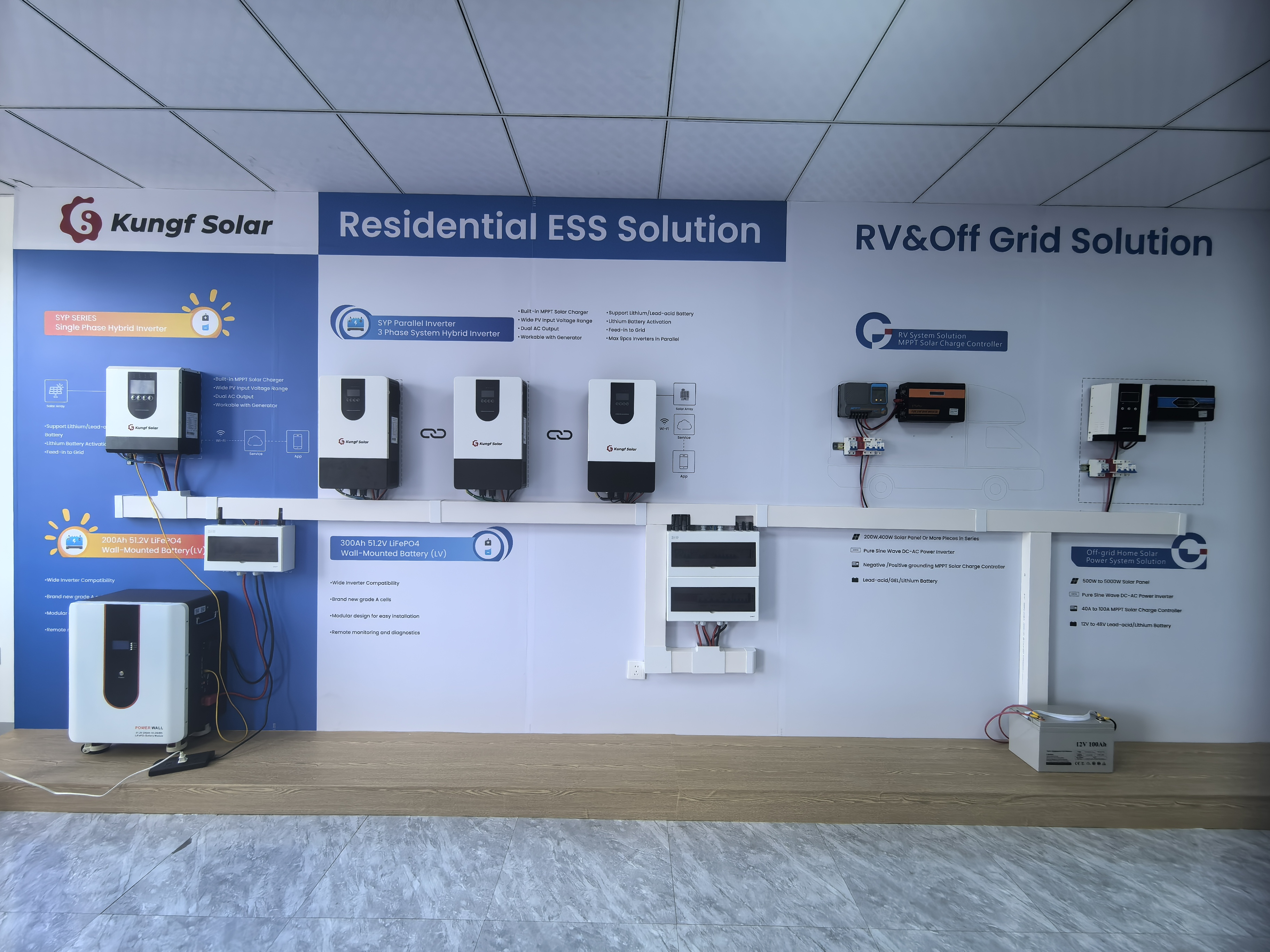
For distributors building a residential energy storage catalogue, the practical approach is to carry both classes and let the installation position decide. The SYP6.5KW48V covers the indoor majority; the IP65 8.2KVA unit covers the exposed minority.
FAQ
Does the CE certificate mean the SYP6.5KW48V can be installed outdoors?
No. The certificate and the datasheet describe the same product. The SYP6.5KW48V is declared at IP21, which means protection against solid objects larger than 12.5 mm and vertically falling water drops, intended for indoor installation or a protected outdoor position such as under an eave without direct rain exposure. Its operating temperature is -10℃ to 60℃ with relative humidity of 5%–95% non-condensing. An exposed mounting position exceeds the declared envelope, and the CE documentation does not extend to that condition.
Which interfaces and battery types does the SYP6.5KW48V support in a residential energy storage system?
The datasheet lists RS232, RS485 and USB, with WiFi monitoring available as an internal or external option and an LCD HMI for local commissioning. The battery side is declared at 48 VDC nominal and supports lithium and lead-acid, with a 54 VDC float voltage and 61 VDC overcharge protection. Maximum charge current is 120 A, and the MPPT range is 60–450 VDC against a maximum PV input of 27 A / 9000 W and a 500 VDC PV open-circuit ceiling. Specific BMS communication protocols should be confirmed against the compatibility list.
Is an IP21 hybrid solar inverter cheaper to own than an IP65 unit?
Within the right installation, yes. The comparison data positions the IP21 configuration as optimised for indoor efficiency and cost, with 10%–15% lower cost for the same power output and 20%–30% lower initial investment than a standard IP65 outdoor inverter, plus easier heat dissipation and dust cleaning and higher peak efficiency from better air cooling. IP65 units carry better shell sealing but require professional personnel for maintenance and inspection. The saving is only real where the installation is genuinely indoor; using an IP21 unit outdoors creates a compliance risk that outweighs the price difference.
How can a distributor verify compliance before placing a bulk order?
MOQ is 50 units and delivery terms are FOB. Acceptance criteria include a 100% aging test before shipment, video confirmation of the testing data, and third-party inspection by SGS or TUV, which is welcome. Payment terms are T/T with 30% deposit and 70% balance before shipment, with L/C at sight accepted for large orders. Every hybrid inverter carries a standard 2-year warranty, and each bulk order includes 1% free spare parts or backup units to support immediate repairs.
What supports a long-term residential energy storage partnership with GOTOSOLAR?
GOTOSOLAR — FOSHAN SOLARUP TECHNOLOGY CO.,LTD — was established in 2019 and has accumulated over 20 years of experience in photovoltaic energy storage through its founders' background, now employing approximately 320 staff. A 25-engineer R&D team supports OEM and ODM customisation. Annual production capacity reaches 2,000,000 units across three manufacturing bases in Foshan, Yiwu and Yingtan, with daily hybrid inverter output above 2,000 units. Certification covers nearly 50 product series under ISO9001:2015, CE, RoHS, EN and IEC, and partners are supported by a tiered warranty system and overseas after-sales outlets. Distributors can download the current inverter catalog below or send a specification inquiry for their market.
Conclusion: Two Documents, One Envelope
CE certification answers a design question, and the spec sheet answers an installation question. Neither is complete without the other, and the SYP6.5KW48V datasheet is unusually readable on exactly the points that determine compliance in the field: an IP21 enclosure that defines an indoor product, an operating window of -10℃ to 60℃ with 5%–95% non-condensing humidity, a 4000 m altitude ceiling with derating above 1000 m, and a declared interface set of RS232, RS485 and USB that signals standard-protocol integration rather than proprietary lock-in.
For buyers in the decision and execution stages, the working rule is simple. Match the enclosure class to the physical location, match the electrical and thermal declarations to the site, confirm the battery and interface declarations against the bill of materials, and close the file with production evidence rather than a PDF alone. That sequence protects the project from the failure mode that certification cannot prevent: a correctly certified unit installed in a location it was never declared for.
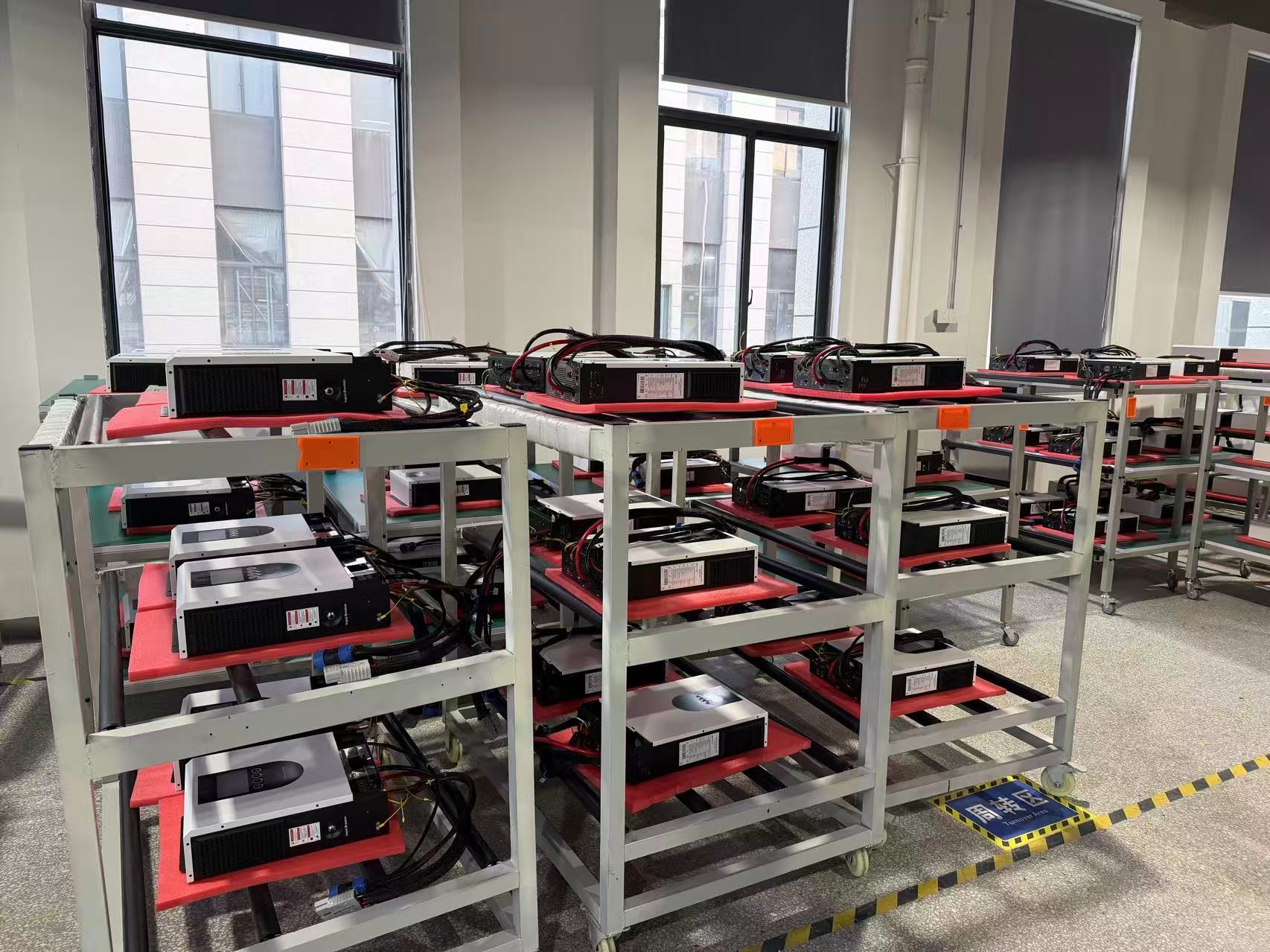
Next Step for Distributors and Project Buyers
Review the full SYP series specifications, including the 6.5 kW and 8.2KVA models, in the current inverter catalog. For compliance documentation, sample requests or a quotation, contact the GOTOSOLAR team directly.
Catalog: Download the 2025 Inverter Catalog (PDF)
Website: www.gotosolar.com.cn
Email: wilson@gtsolar.cn | Tel / WhatsApp: +86 153-0713-5737
Have Questions or Need More Details?
Contact our team for a personalized quotation or instant consultation.
Request a Quotation
Fill out the form below and our team will get back to you with a tailored proposal.
WhatsApp Direct Chat
Prefer to chat in real-time? Message us on WhatsApp for instant assistance & quick answers.
- Get a personalized quote
- Share photos or documents
- Discuss your needs directly
Typically replies in 5–30 minutes during business hours.