
Beyond PVC Resin: How Polymeric Plasticizers and Ca/Zn Stabilizers Define Product Performance
A PVC vinyl material performs the way its additives allow it to perform. The resin supplies the polymer backbone, but plasticizers decide flexibility, permanence and low-temperature behaviour, while stabilizers decide whether the compound survives heat, light and storage without yellowing or losing mechanical strength. Product performance is an additive decision as much as a resin decision.
This article explains how the two additive families work together inside PVC vinyl materials, how polymeric plasticizers differ from monomeric ones at the molecular level, and which datasheet values actually predict in-service behaviour. Two examples anchor the discussion: CZ-2756, a phenol-free Ca/Zn stabilizer, and Acetyl Tributyl Citrate (ATBC), a bio-based plasticizer. Both are supplied through Guangdong Baoshan Trading Co., Ltd., a Dongguan-based provider of PVC industry chain material solutions established in 1994 that serves markets in China and Southeast Asia.
Problem Definition: Why a Resin-Only Specification Fails
Procurement documents for PVC vinyl materials usually begin and end with the resin: grade, K-value, degree of polymerization, paste viscosity, residual vinyl chloride monomer. Those parameters are necessary — they define the processing window and the basic mechanical envelope — but they do not describe what the finished article will do in service.
Two plastisols built on the same paste resin grade can behave completely differently. One produces a soft slush-molded toy that stays flexible, low-odour and compliant after months on a shelf. The other yellows during processing, develops a tacky surface as plasticizer migrates, or becomes brittle in a cold container. The resin did not change; the plasticizer and stabilizer package did.
Three failure modes account for most of these outcomes:
- Thermal degradation during processing. PVC releases hydrogen chloride when heated, triggering a chain reaction that yellows the compound, then browns it, then destroys mechanical properties.
- Plasticizer migration and extraction in service. Small plasticizer molecules can travel to the surface or be pulled out by solvents, fats, saliva or medical fluids.
- Loss of flexibility at low temperature. A plasticizer with a high freezing point stiffens and cracks in cold storage or cold-climate use.
For a buyer, the practical consequence is that additive selection deserves the same specification effort as resin selection — which means knowing which additive family solves which problem.
Industry Background: Why Additive Selection Became a Procurement Issue
The scale of the paste PVC chain explains why additive decisions made by Asian processors now shape global formulation practice. The global PVC paste resin market was estimated at USD 2.67 billion in 2024 and is projected to reach USD 4.473 billion by 2035 (Market Research Future). Asia-Pacific accounts for over 60% of global PVC paste grade resin volume, and China alone is responsible for more than 45% of consumption.
On the additive side, the global eco-friendly plasticizers market was valued at USD 5.03 billion in 2024 and is projected to reach USD 7.55 billion by 2030, a 7.0% CAGR (MarketsandMarkets). Medical plastics, including PVC for medical devices, were valued at USD 61.4 billion in 2025 with a projected 6.0% CAGR (Grand View Research).
Regulation reinforces the same direction. Under EU REACH, DEHP, DBP and BBP are restricted to concentrations below 0.1% in toys and childcare articles. That single threshold explains why phenol-free Ca/Zn stabilizers and non-phthalate plasticizers moved from niche alternatives to default selections in regulated product categories.
Detailed Solution: The Two Additive Families That Define Performance
What Plasticizers Do Inside a PVC Compound
PVC homopolymer is rigid on its own. Plasticizer molecules insert themselves between polymer chains, reduce the glass transition temperature and let the chains slide — which is what converts a hard polymer into a flexible article. In paste (plastisol) systems, the plasticizer also acts as the liquid carrier that turns resin powder into a spreadable, moldable paste.
Plasticizer selection is therefore always a trade-off between four properties: solvation strength and processing viscosity, permanence (migration, volatility and extraction resistance), low-temperature flexibility, and regulatory compliance.
Polymeric vs Monomeric Plasticizers: The Structural Difference
The dividing line between the two classes is molecular size and mobility.
Monomeric plasticizers are single, relatively small molecules. DINCH, DOTP, ATBC and TXIB all belong to this class. They solvate PVC quickly, deliver low plastisol viscosity and blend easily with other additives. Because their molecules are small and mobile, they can migrate toward the surface or be extracted over time by solvents, fats, saliva or medical fluids — which is why permanence has to be tested rather than assumed.
Polymeric plasticizers are polyester chains with a much higher molecular weight. Their size makes them far less mobile inside the PVC matrix, so solvent extraction, migration and volatility are substantially lower. The trade-off is higher plastisol viscosity and a different processing window.
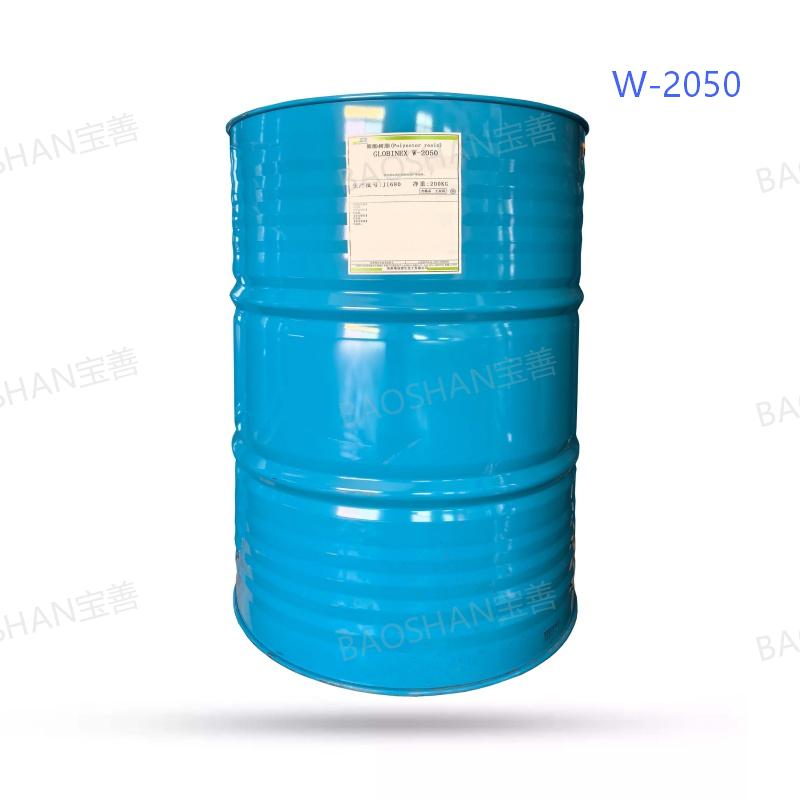
GLOBINEX W-2050 illustrates the datasheet profile of the polymeric class. Its viscosity is 2,300–3,500 mPa·s at 25 °C, colour 60 APHA, acid value 0.5 mg KOH/g, specific gravity 1.05 at 25/25 °C, and volume resistivity of at least 1×10¹¹ Ω·cm at 30 °C. Supplier data lists its advantages as resistance to solvent extraction with stable long-term performance, low migration with anti-aging behaviour and long service life, low volatility with good electrical insulation, low toxicity that does not affect the properties of medical solutions, and durable plasticization without surface tackiness. Approximately 62% of its use sits in PVC applications, covering wire and cable, industrial pipes, medical supplies, food packaging materials, children's toys, automotive leather interiors, seals, adhesive products, rubber products and electronic component coatings.
What Stabilizers Do — and Why Ca/Zn Chemistry Replaced Heavy Metals
A stabilizer interrupts the degradation chain that heat, shear and light start in PVC. Without it, dehydrochlorination proceeds, conjugated double bonds form, and the material discolours and embrittles long before the end of its intended service life.
Lead-based and organotin systems once dominated this job. The shift to phenol-free Ca/Zn stabilizers came from two pressures at once: regulation restricting heavy metals and organotin in toys, food-contact and medical articles, and product requirements for transparency, low odour and low VOC that older systems struggle to meet. Modern phenol-free Ca/Zn packages are formulated to be free of phenols, lead, cadmium and heavy metals, and are positioned for applications such as slush-molded toys, food packaging films, medical catheters and infusion bags, low-smoke zero-halogen cables, artificial leather, automotive interiors and transparent products. Epoxidized vegetable oils such as epoxidized soybean oil (ESO) are also widely used as co-stabilizers in flexible PVC systems.
Inside a Phenol-Free Ca/Zn Package: CZ-2756
CZ-2756 is a phenol-free Ca/Zn stabilizer supplied in 190 kg drums. Its composition is disclosed at component level: calcium oleate 30% (CAS 142-17-6), zinc oleate 20% (CAS 557-07-3), zinc octoate 20% (CAS 84082-93-9), calcium octoate 17% (CAS 136-51-6) and an antioxidant 13% (CAS 2082-79-3). Phenolic substances are reported as not detected.
| Parameter | CZ-2756 |
|---|---|
| Density (25 °C) | 1.02–1.08 g/cm³ |
| Viscosity (30 °C) | 200–250 mPa·s |
| Acid value | ≤0.5 mg KOH/g |
| Moisture | ≤0.1% |
| Flash point (COC) | ≥180 °C |
| Thermal stability (180 °C, Congo red) | ≥30 min |
| Volatile organic compounds (VOC) | ≤0.5% |
| Phenolic substances | Not detected |
| Recommended processing temperature | 160–185 °C |
| Packaging | 190 kg/drum |
In Ca/Zn chemistry generally, the zinc carboxylates react quickly to replace labile chlorine and protect early colour, while the calcium soaps support longer-term heat stability; the antioxidant component limits oxidation during processing. The overall effect in a liquid system is that the stabilizer keeps the compound colour-stable through the heat history of slush molding, coating or extrusion.
Supplier data for CZ-2756 states that it is free of phenols, lead, cadmium and heavy metals and passes EU REACH, RoHS, PAHS and EN71-3 (toy safety); that thermal stability time reaches at least 30 minutes at 180 °C with good initial colour and long-term heat resistance; that anti-ultraviolet aging behaviour extends product service life by more than 30%; that it is compatible with PVC resin and plasticizers such as DINCH, DOTP and DOP without exudation and with good surface finish; that it provides both internal and external lubrication, improving flow and demolding; that odour and VOC are low; and that it suits extrusion, injection molding, calendering, slush molding and drip molding within a recommended processing window of 160–185 °C.
Its application list spans slush-molded toys and teething toys; PVC paste products such as artificial leather, drip-molded labels, coated fabrics and yoga mats; flexible PVC films including food packaging films, cling films and decorative films; shoe materials and sporting goods such as shoe soles, inflatable toys and sports protective gear; wires and cables including medical cables, control cables and communication cable sheaths; and other applications such as sealing strips, waterproofing membranes, hoses and corrugated pipes.
ATBC: A Bio-Based Plasticizer with a Compliance-First Profile
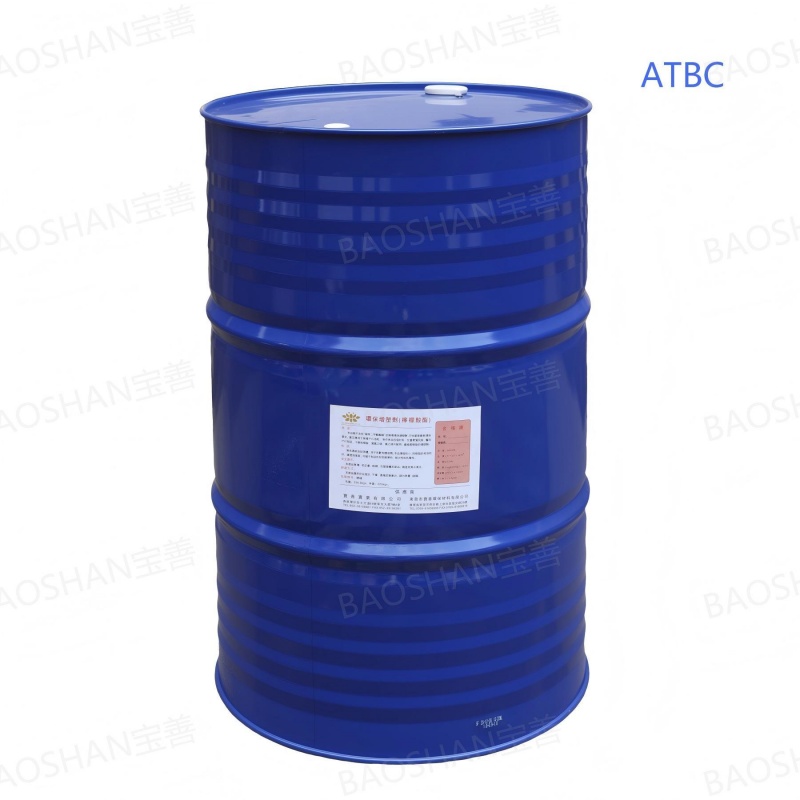
Acetyl Tributyl Citrate (ATBC), CAS 77-90-7, is a citrate-ester plasticizer classified as bio-based. Its molecular formula is C20H34O8 with a molecular weight of 402.43. It is a colourless, transparent, odourless oily liquid with colour at or below 30 Pt-Co, purity (ester content) of at least 99.0%, relative density 1.045–1.055 at 25/25 °C, acid value at or below 0.2 mg KOH/g, moisture at or below 0.15%, refractive index 1.4410–1.4425 at 25 °C/D, flash point at or above 204 °C, freezing point at or below −80 °C, and heavy metal content as Pb at or below 10 mg/kg.
The environmental profile is the reason ATBC appears in regulated formulations. It is stated to be free of phthalates, heavy metals and phenol, and compliant with REACH, RoHS, FDA and GB 4806. It is qualified for food-grade and medical-grade use, non-irritating and odourless, with no harmful migration. Its freezing point of −80 °C or below gives it better low-temperature flexibility than DOTP (−48 °C typical freezing point) and DINCH (−54 °C pour point). It also shows low migration and low volatility, good processability across extrusion, injection molding, calendering and slush molding with stable viscosity, high transparency and UV aging resistance.
Its published applications span food-contact PVC such as cling film, packaging film, heat-shrinkable film, bottle cap gaskets, disposable food containers and beverage straws; medical-grade PVC including infusion tubes, blood transfusion bags, catheters, drainage bags, medical gloves, breathing masks and medical packaging; children's toys and baby products such as vinyl toys, soft plastic dolls, teething toys, rattles, play mats and car seat covers meeting EN71-3 and RoHS; PVC paste resin and soft products including artificial leather, transfer stickers, yoga mats and waterproof rolls; and automotive interiors and low-VOC materials.
Step-by-Step: Building a Formulation Around Additives
Step 1 — Define the end-use performance target
Write down what the product must survive: contact with food, medical fluids or saliva; cold storage; UV exposure; repeated flexing; transparency requirements. This decides whether the formulation needs a permanence-first plasticizer, a low-temperature-first plasticizer, or a combination of the two.
Step 2 — Fix the resin platform
Select the PVC paste resin by K-value and paste viscosity for the process — slush molding, coating, dipping or rotational molding — and confirm residual VCM and volatile content against the target market. Documented compatibility matters here: Shenyang PSH-10 paste resin, for example, is stated to be compatible with DINCH, DOTP, ATBC, TXIB and Eastman film-forming additives.
Step 3 — Choose the plasticizer system
Match the plasticizer to the performance priority. For the lowest practical freezing point, ATBC reaches −80 °C or below; DINCH offers a −54 °C pour point with a non-phthalate profile approved for medical devices and food-contact materials; DOTP provides high volume resistivity and a −48 °C freezing point for cable and construction applications. Where permanence is the driver — medical devices, long-life automotive interiors, articles exposed to solvents — a polymeric polyester plasticizer such as GLOBINEX W-2050 is the appropriate base.
Step 4 — Select the stabilizer package
For regulated products, start with a phenol-free Ca/Zn grade. As a reference point from the same product family, published dosage guidance for the Ca/Zn grade CT303TX is 1.5–3.0 phr of PVC paste resin, adjusted to product requirements. For CZ-2756, confirm the dosage against heat-stability and colour testing on the actual formulation, then verify that processing temperature stays inside the 160–185 °C window.
Step 5 — Tune viscosity and processing window
Viscosity control determines whether the plastisol coats evenly, fills a mold completely and keeps air out. Eastman TXIB™, a film-forming agent and formulation additive, has a viscosity of 9 cP at 25 °C and a molecular weight of 286.4; it reduces plastisol viscosity and maintains viscosity stability, improves flow, reduces wave marks caused by high-shear coating, allows higher filler loading and removes bubbles from the sol faster. Blend resin powders achieve a similar effect at powder level, and BJ-65 is documented to reduce plasticizer consumption by 10–20% when blended with paste resin.
Step 6 — Validate with testing, not assumption
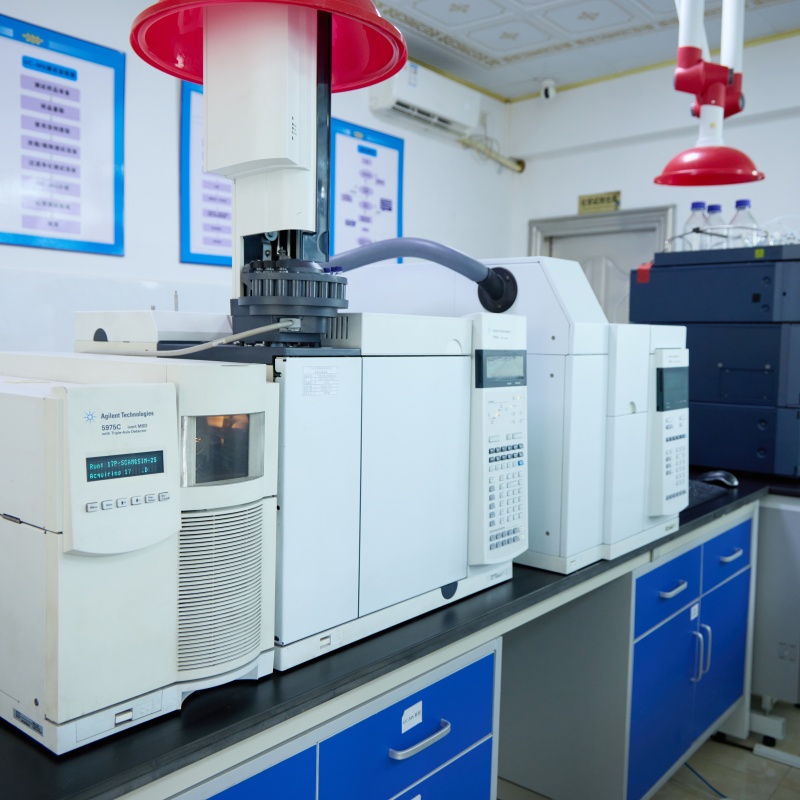
Confirm the formulation against the restricted-substance list of the destination market — heavy metals, phthalates, PAHs, brominated flame retardants, BPA and PFAS — and against the relevant standards such as REACH, RoHS and EN71. Guangdong Baoshan Trading operates a chemical analysis laboratory equipped with Agilent GC-MS, ICP-MS and Waters LC/MS/MS instruments and provides free testing for phthalates, heavy metals, bisphenol A and organotin, which supports traceability of material sources.
Use Cases: Where Additive Choices Are Actually Decided
- Slush-molded vinyl toys and teething products. The governing requirements are toy-safety compliance, low odour and no harmful migration. A phenol-free Ca/Zn stabilizer such as CZ-2756 combined with ATBC or DINCH addresses both processing stability and the compliance side. CZ-2756 is explicitly positioned for PVC slush molding toys and teething toys, and ATBC meets EN71-3 and RoHS for toys.
- Coated fabrics, artificial leather and drip-molded labels. Priorities are viscosity stability, coating uniformity and surface quality. TXIB reduces viscosity and improves flow, while blend resin powders control matting and formulation cost.
- Food-contact films and cap gaskets. Low migration and odour control dominate. ATBC's REACH, RoHS, FDA and GB 4806 profile and DINCH's food-contact permits are the relevant selection criteria.
- Medical tubing, bags and gloves. Permanence and toxicological safety matter more than cost per kilogram. Polymeric plasticizers such as GLOBINEX W-2050 — whose low toxicity is stated not to affect the properties of medical solutions — and non-phthalate monomeric options such as DINCH are both used, depending on the mechanical target.
- Wire, cable and automotive interiors. Electrical insulation and low volatility drive the decision. DOTP's volume resistivity of at least 2×10⁹ Ω·m and W-2050's resistivity of at least 1×10¹¹ Ω·cm at 30 °C are the relevant datasheet values, alongside VOC limits for interior parts.
Comparison Table: Polymeric vs Monomeric Plasticizers
| Criterion | Monomeric plasticizers | Polymeric plasticizers |
|---|---|---|
| Molecular structure | Single small molecule | Polyester chain, high molecular weight |
| Examples in this range | DINCH, DOTP, ATBC, TXIB | GLOBINEX W-2050 |
| Plastisol viscosity contribution | Low | Higher — W-2050: 2,300–3,500 mPa·s at 25 °C |
| Migration and extraction | Higher mobility; must be tested | Low migration; resistant to solvent extraction |
| Volatility | Varies by grade; DINCH is stated to be about 50% lower in volatility than DOP | Low volatility |
| Low-temperature flexibility | ATBC ≤−80 °C; DINCH pour point −54 °C; DOTP −48 °C | Grade dependent |
| Typical role | Primary plasticizer; TXIB also acts as a viscosity reducer and film-forming agent | Permanence and long service life in medical, industrial and durable applications |
Plasticizer Datasheet Reference
| Product | Class | Key datasheet values |
|---|---|---|
| BASF HEXAMOLL® DINCH | Non-phthalate monomeric | Viscosity 44–60 mPa·s at 20 °C; density 0.944–0.954 g/cm³; pour point −54 °C; phthalate content ≤0.01%; ester content ≥99.5% |
| DOTP (Dioctyl Terephthalate) | Monomeric terephthalate | Purity ≥99.5%; flash point ≥210 °C; freezing point −48 °C; volume resistivity ≥2×10⁹ Ω·m |
| ATBC | Bio-based citrate | Purity ≥99.0%; flash point ≥204 °C; freezing point ≤−80 °C; heavy metals as Pb ≤10 mg/kg |
| Eastman TXIB™ | Formulation additive / viscosity reducer | Viscosity 9 cP at 25 °C; molecular weight 286.4; freezing point −70 °C; assay ≥98.6 wt% |
| GLOBINEX W-2050 | Polymeric polyester | Viscosity 2,300–3,500 mPa·s at 25 °C; volume resistivity ≥1×10¹¹ Ω·cm at 30 °C; acid value 0.5 mg KOH/g; specific gravity 1.05 |
FAQ
Are phenol-free Ca/Zn stabilizers and ATBC compliant with food-contact and toy regulations?
ATBC is stated to be free of phthalates, heavy metals and phenol and compliant with REACH, RoHS, FDA and GB 4806; it is qualified for food-grade and medical-grade use and meets EN71-3 and RoHS for toys. CZ-2756 is phenol-free with phenolic substances reported as not detected, free of lead, cadmium and heavy metals, and passes EU REACH, RoHS, PAHS and EN71-3. Compliance is granted to a finished article rather than to an additive in isolation, so the complete formulation still needs migration testing for the destination market. Under EU REACH, DEHP, DBP and BBP are restricted to below 0.1% in toys and childcare articles.
What is the practical difference between a polymeric and a monomeric plasticizer?
A monomeric plasticizer is a single small molecule — DINCH, DOTP, ATBC or TXIB — that solvates PVC quickly and keeps plastisol viscosity low, but can migrate or be extracted over time. A polymeric plasticizer such as GLOBINEX W-2050 is a polyester chain with a much higher molecular weight, which lowers migration, volatility and solvent extraction at the cost of higher paste viscosity (2,300–3,500 mPa·s at 25 °C for W-2050). The choice therefore follows the service requirement: low viscosity and processing ease on one side, long-term permanence on the other.
How do plasticizer and stabilizer choices affect formulation cost?
Cost is driven by loading level and process efficiency, not by unit price alone. BJ-65 blend resin powder reduces plasticizer consumption by 10–20% when blended with paste resin. PB-1000 achieves effective viscosity reduction at a recommended dosage of 20–30%. SB-100C can partially replace higher-cost paste resin while maintaining product quality. TXIB allows higher filler loading and reduces the amount of primary plasticizer required. Polymeric plasticizers are specified where permanence, not price, determines whether a product passes its migration or service-life requirements.
Can buyers request samples before committing to a formulation?
Yes. Buyers evaluating DINCH, TXIB, ATBC, polymeric plasticizers or phenol-free Ca/Zn stabilizers can request material samples and technical datasheets, and can arrange restricted-substance testing through the supplier's laboratory. Guangdong Baoshan Trading Co., Ltd. operates a chemical analysis laboratory equipped with Agilent GC-MS, ICP-MS and Waters LC/MS/MS instruments and provides free testing for phthalates, heavy metals, bisphenol A and organotin. Samples and test documentation can be requested by email at misscheng1984@163.com or by WhatsApp at +84 865388399.
What supply and lead-time factors should buyers plan for?
Availability of the additive package is a supply-chain question as much as a formulation question. Guangdong Baoshan Trading Co., Ltd. maintains a 20,000-square-metre self-built warehouse and 16 liquid storage tanks, with safety stock of more than three months for bulk European materials. The company is an authorised distributor of BASF's Hexamoll DINCH in China and of Eastman TXIB in China, works to ISO 9001, and has passed a joint audit by BASF's petrochemical, quality management and EHS functions. Its main markets are China and Southeast Asia, with exports accounting for approximately 20% of total sales. For project planning, request the material datasheet, the packaging specification (200 kg drums for DINCH, DOTP, TXIB and W-2050; 220 kg drums for ATBC; 190 kg drums for CZ-2756) and the current stock position at quotation stage.
Conclusion
Resin selection sets the processing envelope. Additive selection sets the product. Plasticizers determine whether a PVC vinyl material stays flexible, permanent and cold-resistant, and stabilizers determine whether it survives its own heat history without yellowing or degrading. Reading a formulation through those two families — and matching polymeric or monomeric plasticizers plus a phenol-free Ca/Zn stabilizer to the actual end use — is what separates a specification that passes laboratory testing from one that passes the market.
The practical rule for buyers at the awareness and research stage is simple: ask for the additive datasheet with the resin datasheet, compare freezing points, migration behaviour and compliance statements side by side, and validate the combination with restricted-substance testing before committing to a production run.
Next Step: Evaluate the Additives, Not Just the Resin
Guangdong Baoshan Trading Co., Ltd. has supplied PVC industry chain material solutions since 1994, with a 30,000-square-metre facility, a five-engineer R&D team and a chemical analysis laboratory equipped with Agilent GC-MS, ICP-MS and Waters LC/MS/MS instruments. The portfolio covers PVC paste resins, blend resin powders, eco-friendly plasticizers including BASF HEXAMOLL® DINCH, Eastman TXIB™ and ATBC, viscosity reducers and phenol-free Ca/Zn stabilizers.
Request samples, technical datasheets or a quotation for CZ-2756, ATBC, GLOBINEX W-2050 or the full additive range: Email misscheng1984@163.com · Tel +86 13580992838 · WhatsApp +84 865388399 · Website www.baoshancl.cn.
Have Questions or Need More Details?
Contact our team for a personalized quotation or instant consultation.
Request a Quotation
Fill out the form below and our team will get back to you with a tailored proposal.
WhatsApp Direct Chat
Prefer to chat in real-time? Message us on WhatsApp for instant assistance & quick answers.
- Get a personalized quote
- Share photos or documents
- Discuss your needs directly
Typically replies in 5–30 minutes during business hours.