
How to Reduce Viscosity in High-Filler PVC Paste Without Losing Compatibility
A high-filler PVC paste does not become unworkable because it is filled. It becomes unworkable because the liquid phase can no longer wet and separate the particles, so viscosity rises, air is trapped, and the paste keeps thickening during storage and on the coating line. The reliable fix is a low-viscosity additive that stays inside the plasticizer system, not a solvent diluent that flashes off and leaves the film incompatible.
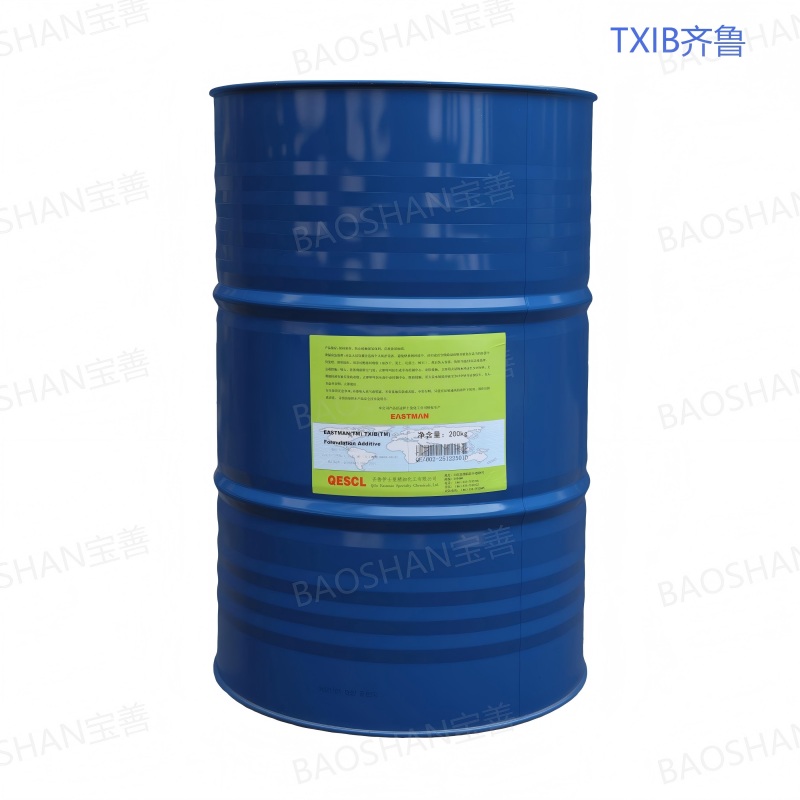
In the current PVC additives portfolio, the most direct option for this job is Eastman TXIB™ (2,2,4-trimethyl-1,3-pentanediol diisobutyrate, CAS 6846-50-0). It is a dual-function formulation additive: it plasticizes and it reduces viscosity, with a Brookfield viscosity of 9 cP at 25 °C. It is described by Eastman as the lowest-viscosity additive available to the flexible PVC industry for optimizing vinyl plastisol flow.
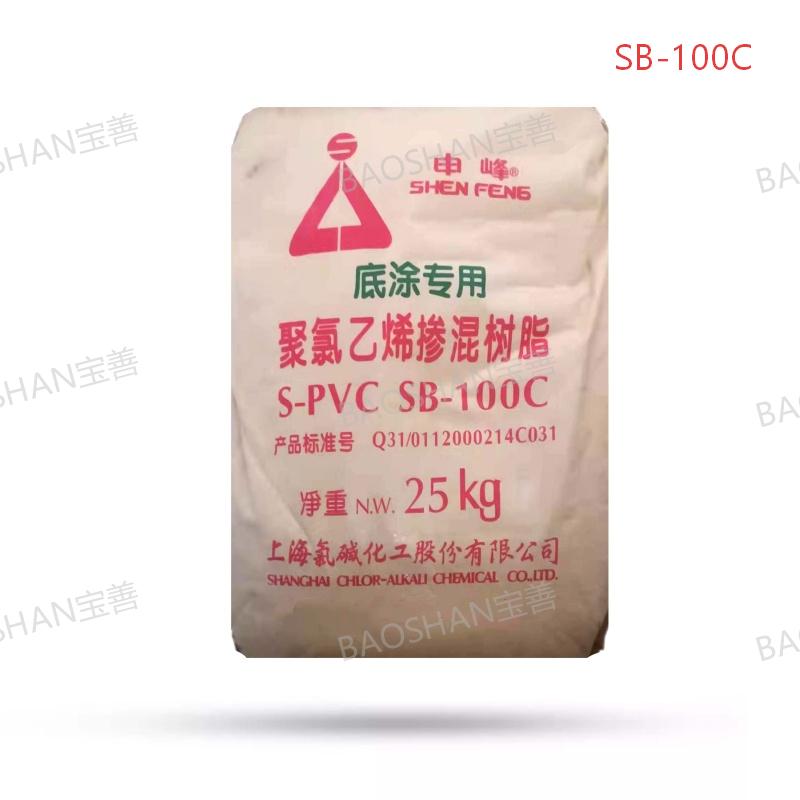
TXIB reaches Chinese and Southeast Asian processors through Guangdong Baoshan Trading Co., Ltd, a Dongguan-based PVC material distributor established in 1994 and the authorized Eastman TXIB distributor in China, recognized by Eastman Chemical Ltd. with a Plasticizer Business High Performing Distributor award for the China region.
Problem definition: what high filler loading actually does to a plastisol
PVC paste is a suspension of paste resin particles in a plasticizer, stabilized against premature gelation. When filler content rises, the liquid phase has more surface to wet and less room to move, so the system behaves as a more concentrated suspension. Viscosity at the mixing stage climbs, and — more importantly — it keeps climbing after mixing.
Four failure modes appear in production, and they are often confused with each other:
- High initial viscosity. The paste is already thick when it leaves the mixer. Knife coating, dipping and slush molding all become harder to control, and the operator compensates by adding plasticizer, which softens the finished part.
- Viscosity drift. The paste thickens between mixing and use. A batch that measured well on day one may be unusable on day five, which is a storage and scheduling problem rather than a formulation problem.
- Air entrapment. Thick paste releases bubbles slowly. Trapped air shows up as pinholes in artificial leather, uneven cell structure in foamed floor leather, and surface defects in dipped gloves.
- Shear-related surface defects. In high-shear coating, a paste that is too viscous produces wave marks and uneven film thickness that no amount of downstream calendering fully removes.
"Losing compatibility" is the second half of the problem, and it is the half buyers underestimate. Viscosity can always be reduced by adding something the system does not want — a solvent, an excess of plasticizer, or an incompatible oil. The result is a paste that processes well and a product that fails later: exudation, blooming, plate-out on the calender, printability loss, or a plasticizer that migrates into a food-contact or medical application. Compatibility, not viscosity, is the constraint that decides which reduction route is acceptable.
Industry background: cost pressure and compliance pressure arriving at the same time
The commercial environment explains why filler loading keeps rising. Market Research Future estimates the global PVC paste resin market at USD 2.67 billion in 2024, projected to reach USD 4.473 billion by 2035. Estimates diverge widely by institution — Cognitive Market Research publishes a materially higher figure — largely because definitions of paste grade and emulsion PVC differ, so the direction of growth is more reliable than the absolute number.
The regional picture is more stable. Asia-Pacific accounts for over 60% of global PVC paste grade resin volume, with China alone responsible for more than 45% of consumption. That concentration means most of the world's filled plastisol is formulated in a market where resin and plasticizer costs move quickly, and where filler is the fastest lever a formulator can pull.
At the same time, the plasticizer side is tightening. The global eco-friendly plasticizers market was valued at USD 5.03 billion in 2024 and is projected to reach USD 7.55 billion by 2030 at a 7.0% CAGR, according to MarketsandMarkets. Regulation reinforces the shift: EU REACH restricts DEHP, DBP and BBP to concentrations below 0.1% in toys and childcare articles. Medical and food-contact applications add their own constraints — Hexamoll® DINCH, for example, is a non-phthalate plasticizer approved for medical devices and food contact materials on the basis of low migration and toxicological safety.
Put those two forces together and the technical problem becomes predictable. Buyers are pushing filler up to protect margin while pushing phthalates out to protect market access. Both moves raise the demand on the liquid phase. That is exactly the gap a low-viscosity, non-phthalate additive is designed to close, and it is why the choice of viscosity reducer is now a compliance decision as much as a processing decision.
Detailed solution: how Eastman TXIB™ reduces viscosity in a filled system
What TXIB is
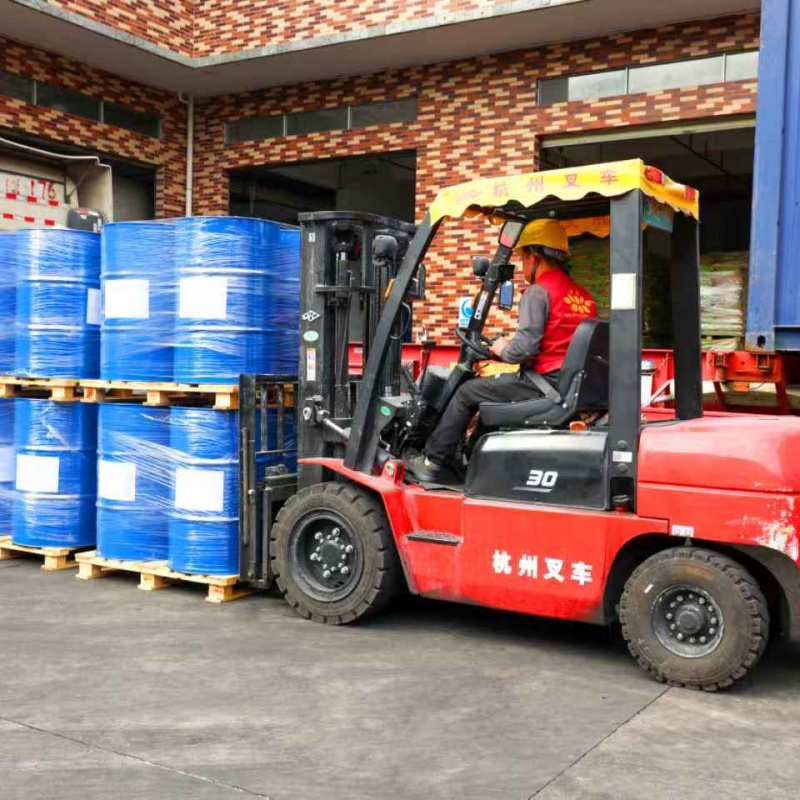
Eastman TXIB™ is 2,2,4-trimethyl-1,3-pentanediol diisobutyrate, a low-molecular-weight ester with a molecular weight of 286.4. It is a colorless, transparent liquid supplied in 200 KG drums. Its physical profile explains why it can be dosed into a filled paste without dragging the whole formulation out of balance.
| Property | Typical value | Why it matters in a filled paste |
|---|---|---|
| Chemical name | 2,2,4-trimethyl-1,3-pentanediol diisobutyrate (CAS 6846-50-0) | Non-phthalate, benzene-ring free ester |
| Molecular weight | 286.4 (C16H30O4) | Low molecular weight supports rapid wetting of filler surfaces |
| Viscosity, Brookfield at 25 °C | 9 cP | Recognized as the lowest-viscosity additive class for flexible PVC |
| Specific gravity, 20/20 °C | 0.942–0.948 | Close to common plasticizers, so volume-based dosing stays familiar |
| Surface tension at 25 °C | 27.56 dynes/cm | Relevant when bubble release is the production bottleneck |
| Refractive index, 25 °C/D | 1.43 | Consistent with clear and pigmented systems |
| Freezing point | −70 °C | No winter handling or pre-heating issues |
| Boiling point at 760 mmHg | 281 °C | Stays in the film rather than flashing off |
| Flash point, Cleveland open cup | 143 °C (fire point 152 °C; autoignition 424 °C) | Standard drum handling and storage discipline applies |
| Hydrolysis after 96 h at 98–99 °C | 0.003% | Hydrolytic stability supports long storage in humid climates |
| Water solubility at 20 °C | 0.42 g/L | Low water pickup in Southeast Asian warehouse conditions |
| Assay / color | 98.6 wt% min / Pt-Co 10 max | Batch-to-batch consistency for light-colored formulations |
| Packaging | 200 KG/drum | Fits pilot trials and production-scale top-up dosing |
Why it lowers viscosity without breaking compatibility
TXIB performs two functions at once, and the second is what protects the formulation. As a plasticizer it provides low-temperature flexibility, resistance to soap-water extraction and non-migration performance. As a viscosity reducer it significantly lowers the initial viscosity of PVC plastisols, maintains viscosity stability, and reduces bubble entrainment.
The processing benefits follow directly from those two functions. In coating operations, a lower and more stable paste viscosity improves flow characteristics, reduces the wave marks that high-shear coating produces, allows the formula to carry more filler for cost reduction, and lets bubbles leave the sol faster. In surface terms, TXIB gives a drier and cleaner-looking surface layer, improves printability and wipeability, improves anti-fouling behavior, raises surface wear resistance so the product is harder to scratch, and improves foam resilience.
Crucially, TXIB does not leave the system. Because it remains part of the plasticizer phase instead of evaporating, the film does not develop the compatibility gap that solvent thinning creates. That is the difference between lowering viscosity and borrowing process time from future product performance.
Compatibility boundaries: what TXIB will and will not fix
TXIB is compatible with all general-purpose plasticizers, including DINCH, DOTP and ATBC, and with PVC resins generally. It shows a good synergistic effect with calcium-zinc stabilizers, improving thermal stability and processing performance, and it is also compatible with PU elastomers, EVA emulsions, and ink and pigment systems.
Those boundaries define the limits of the approach. TXIB is a formulating tool, not a substitute for the entire plasticizer system — it is used alongside primary plasticizers to reduce the total plasticizer demand in the formula, not to replace it. Where a paste is already over-plasticized, adding TXIB to fix viscosity will not fix the underlying softness, and where a batch is contaminated or the resin grade is wrong for the process, viscosity reduction only masks the symptom.
If your filler level is high and your stabilizer is a phenol-free Ca/Zn type such as CT303TX (BAEROSTAB CT 303 TX), the synergy is favorable: that stabilizer class is designed for excellent compatibility with PVC plastisols, uniform mixing without destabilizing the system, and a dosage range of 1.5–3.0 phr of PVC paste resin, adjusted to product requirements. Compatibility between the additive package and the stabilizer is a precondition for the viscosity reduction to hold over time.
Authorized distributor status — and why it matters at the evaluation stage
TXIB is a branded Eastman product, so the qualification question is not only "does it work" but "is the material in the drum the material on the certificate". Guangdong Baoshan Trading Co., Ltd holds authorized Eastman TXIB distributor status in China, recognized by Eastman Chemical Ltd. with a Plasticizer Business High Performing Distributor award covering the China region and serving Vietnam, Indonesia and other Southeast Asian markets. The company also holds BASF Hexamoll® DINCH authorized distributor status in China and has ranked first in Asia-Pacific sales for several consecutive years.
For a buyer, distributor status changes three things in practice: the additive arrives with a traceable document chain rather than as an unbranded drum, technical questions reach a supplier who has formulation experience with the product, and the compliance file can be assembled before the first production batch instead of after a customer audit. Authorization documents carry their own validity periods, so request the version that is current at the time of your purchase order and keep it in the supplier file.
Alternative routes: viscosity-reducing resins and low-viscosity paste grades
A liquid additive is not the only lever, and in some formulations it is not the cheapest one. Three other routes are in common use, and each has a different effect on the finished surface.
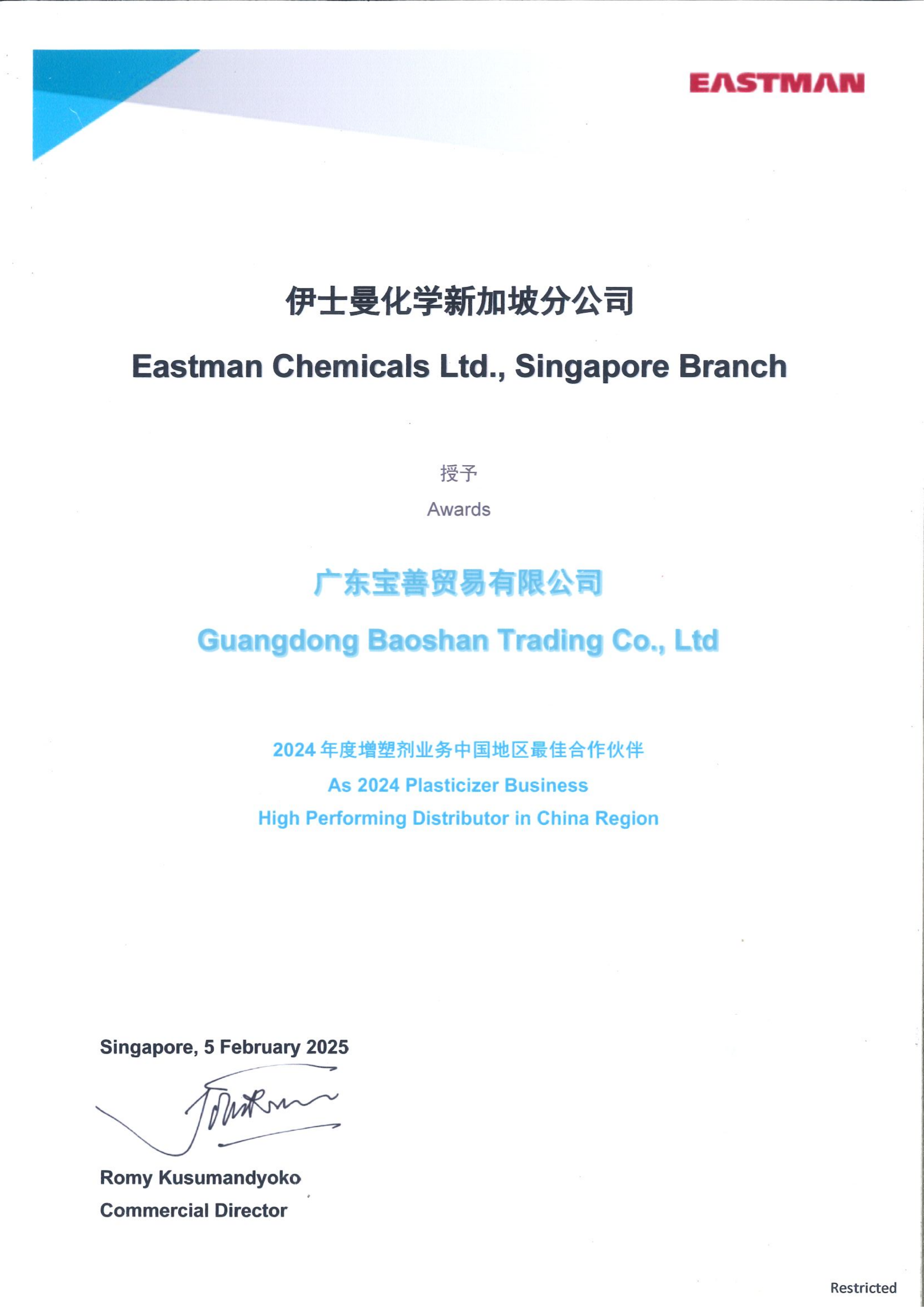
Viscosity-reducing blend resins. Zhongtai PB-1000 is a PVC blending resin with a K-value of 65 that significantly reduces the melt viscosity of PVC pastes and dry blends; the recommended dosage for ideal viscosity reduction is 20%–30%. It disperses uniformly, has low migration and blooming, and is compatible with homopolymer and paste resin. SB-100C works on the same principle from the powder side: it effectively reduces paste viscosity, improves processing fluidity, reduces plasticizer dosage and lowers production cost, while also improving matte effect and coatability. BJ-65 combines efficient viscosity reduction with a documented reduction in plasticizer consumption of 10–20%. Where matte surfaces and low haze matter, 266EF (BIOVYN™ 266EF) provides a uniform matt finish without additional matting agents and is available in a bio-based version.
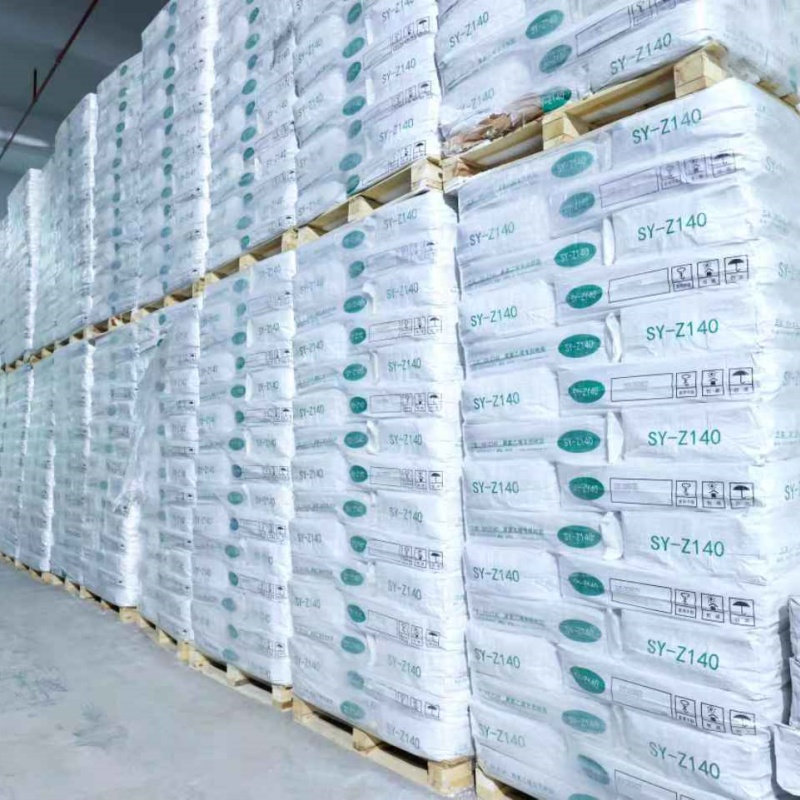
Low-viscosity paste resin grades. If viscosity drift is the dominant symptom rather than peak viscosity, changing the resin may solve more than changing the additive. LF-51 offers low paste viscosity with excellent fluidity and small viscosity change over time. Shenyang PSH-10 shows a B-type viscosity of 1000–2500 mPa·s at a resin-to-DOP ratio of 100:65 and exhibits pseudoplastic behavior with good shear thinning. PSM-31, SY-Z140 and Formosa PR-G (paste viscosity 2,000–3,000 mPa·s) are further options, and all of them are documented as compatible with DINCH, DOTP, ATBC and TXIB.
Low-viscosity primary plasticizers. BASF Hexamoll® DINCH has a dynamic viscosity of 44–60 mPa·s at 20 °C and, when used in PVC paste resins, reduces initial viscosity by 10–20%, improves viscosity stability and extends the storage period by 20–30%. DOTP likewise reduces paste viscosity and extends storage life in plastisols. Where the plasticizer change is already being made for compliance reasons, the viscosity benefit comes for free.
Step-by-step breakdown: how to trial a viscosity reduction without losing the formula
Step 1 — Measure the problem before changing anything
Record Brookfield viscosity at 25 °C on the paste as mixed, then at 1 hour, 24 hours and at the end of your normal storage window. Record the temperature at each reading. A single number cannot distinguish high initial viscosity from viscosity drift, and the two problems have different solutions.
Step 2 — Separate the viscosity budget from the solids budget
Write down the current filler level, plasticizer level, stabilizer level and resin grade. Decide explicitly whether the goal is (a) keep the filler level and reduce viscosity, or (b) keep viscosity and raise the filler level. Route (b) is the cost-driven case where TXIB's ability to increase filler loading matters most; route (a) is usually a processing-yield case.
Step 3 — Choose the route that matches the symptom
Use a liquid additive when the paste must stay clear or glossy and the plasticizer system must remain unchanged. Use a viscosity-reducing resin when matte surface and cost per kilogram dominate. Use a low-viscosity paste grade when the drift happens during storage rather than at mixing. In many filled systems the answer is a combination of two routes, not one.
Step 4 — Titrate the dosage instead of jumping to a target
TXIB dosage depends on filler level, plasticizer system and target viscosity, so establish it by titration in small increments rather than by copying a number from another formula. The same discipline applies to resins: PB-1000 has a documented recommended dosage of 20%–30%, but that range still needs confirmation against your own filler and gloss requirement. Keep the stabilizer level fixed during the trial so that thermal stability is not a moving variable.
Step 5 — Re-test viscosity stability, not just viscosity
Hold the trial paste for the full intended storage period and re-measure. The property to confirm is viscosity stability — the small change over time that keeps a batch usable — not the lowest possible number on day one. Also check bubble release visually: a paste that de-aerates faster is often the more valuable outcome on a coating line than a marginal viscosity gain.
Step 6 — Validate the film, not only the paste
Cast or mold a sample and compare surface gloss, tensile and elongation behavior, low-temperature flexibility, and extraction or migration performance against the incumbent. This is where a compatible additive separates itself from a diluent: if the film shows no blooming, no exudation and no drop in flexibility, the viscosity reduction was achieved without paying a compatibility cost.
Step 7 — Verify compliance and lock the supply route
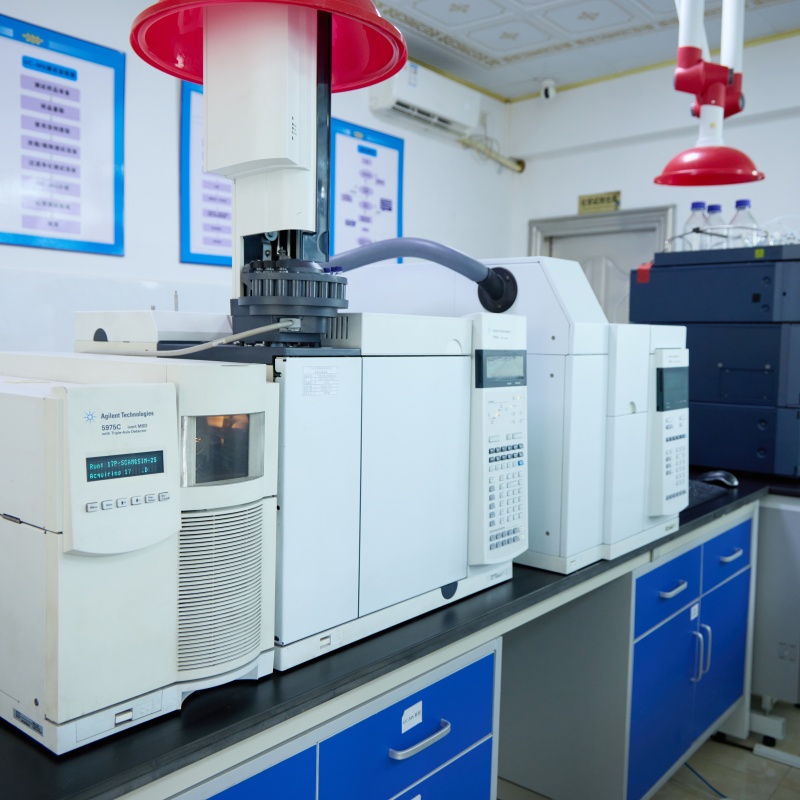
Confirm the finished compound against the standard that applies to your market — EN71-3 for toys, GB 4806 or FDA requirements for food contact, the relevant medical standard where applicable. Guangdong Baoshan Trading operates an in-house laboratory equipped with Agilent GC-MS, ICP-MS and Waters LC-MS/MS instruments and provides free testing for phthalates, heavy metals, bisphenol A and organotin, which allows the compliance check to happen before scale-up rather than after. Quality management is aligned with ISO 9001, and the company has passed a joint audit by BASF's Petrochemical Division, Quality Management Department, and Environment, Health and Safety Department.
Use cases: where viscosity reduction in filled paste pays back
Artificial leather. Both the surface layer and the base adhesive depend on a paste that flows evenly at the knife and releases air quickly. TXIB's documented roles — improving coating processing, reducing wave marks from high-shear coating and removing bubbles faster — map directly onto this process, and its compatibility with DINCH, DOTP and ATBC keeps the plasticizer system flexible.
Floor leather and foamed flooring. A foamed layer amplifies every viscosity error: uneven viscosity produces uneven cell structure. SY-Z140 is a medium molecular weight paste resin noted for low paste viscosity, good viscosity stability and excellent foaming property, and TXIB's contribution to foam resilience is relevant where the foam must recover after compression.
Slush-molded toys and vinyl play products. Here the constraint is not only viscosity but compliance. TXIB is free of phthalates and benzene rings, with low toxicity, low odor and good biodegradability, and it is compatible with phenol-free Ca/Zn stabilizers such as SC-135 and CZ-190 that are used in slush-molded toys and children's products. A Vietnamese vinyl toy manufacturer running 300 vinyl machines reported stable molding and consistent toy quality across a two-year cooperation, which is the kind of outcome that depends on paste viscosity staying inside a narrow band batch after batch.
Dipped gloves and dip-molded articles. TXIB is used in PVC dipped gloves and examination glove production, including Class 1–2 medical applications, where a stable, bubble-free plastisol determines both wall thickness consistency and surface quality.
Wallpaper and foamed decorative layers. Foamed wallpaper needs uniform expansion and a clean surface for printing. TXIB's improvement of printability and wipeability supports the downstream printing step, while blend resins such as SB-100C supply matte effect where a low-gloss decorative finish is specified.
Comparison table: matching a viscosity-reduction route to the problem
The table below compares the routes discussed above using documented product data only. It is a screening tool, not a ranking — the right route depends on which symptom dominates in your plant.
| Route | Documented profile | Effect on viscosity | Compatibility and side effects | Best fit |
|---|---|---|---|---|
| Eastman TXIB™ (liquid additive) | 2,2,4-trimethyl-1,3-pentanediol diisobutyrate; 9 cP at 25 °C; 200 KG/drum | Lowers initial viscosity, maintains viscosity stability, reduces bubble entrainment, allows higher filler loading | Compatible with DINCH, DOTP, ATBC and PVC resins; synergy with Ca/Zn stabilizers; non-VOC, phthalate-free, benzene-ring free | Filled coatings and dip/slush systems where clarity, gloss and plasticizer balance must be preserved |
| Zhongtai PB-1000 (viscosity-reducing resin) | PVC blending resin, K-value 65, apparent density 0.32–0.35 g/cm³; recommended dosage 20%–30% | Significantly reduces melt viscosity of pastes and dry blends | Excellent compatibility with homopolymer and paste resin; low migration and blooming; high whiteness | Cost-driven filler increase where gloss is not critical |
| SB-100C (blend resin powder) | Polymerization degree 850–1100, K 62–67, average particle 20 μm, VCM ≤5 ppm | Reduces paste viscosity, improves processing fluidity, reduces plasticizer dosage | Good compatibility with paste resin; matte effect; partial replacement of high-cost paste resin | Slush-molded toys, underbody coating, artificial leather where matte is acceptable |
| BJ-65 (blend resin powder) | Polymerization degree ~1000, K 65, particle 20–40 μm, VCM ≤5 ppm | Noticeably lowers paste viscosity; reduces plasticizer consumption by 10–20% | Mixes with all common paste resins, plasticizers and stabilizers; matte finish | Cost reduction combined with viscosity control |
| 266EF / BIOVYN™ 266EF (extender homopolymer) | K 66, apparent density 0.55–0.60 g/cm³, VCM ≤1.0 ppm, low haze | Moderate paste viscosity, good paste stability, good foaming behavior | Uniform matt finish without extra matting agents; compatible with plasticizers, stabilizers and fillers | Matte decorative layers and low-VOC applications |
| Low-viscosity paste resin grades (LF-51, PSH-10, PSM-31, PR-G, SY-Z140) | PSH-10: 1000–2500 mPa·s at 100:65 resin:DOP; PR-G: 2,000–3,000 mPa·s; PSM-31: 1500–6500 mPa·s | Low paste viscosity and small viscosity change over time from the resin itself | Compatible with DINCH, DOTP, ATBC and TXIB; various transparency and foam profiles | Viscosity drift during storage rather than high peak viscosity |
| BASF Hexamoll® DINCH (primary plasticizer) | Dynamic viscosity 44–60 mPa·s at 20 °C; pour point −54 °C; non-phthalate | Reduces initial viscosity by 10–20% and extends storage period by 20–30% in PVC paste resins | Fully miscible with common plasticizers; approved for medical devices and food contact materials | Compliance-driven reformulation where viscosity benefit is secondary but welcome |
| DOTP (primary plasticizer) | Purity ≥99.5%, density 0.981–0.985 g/cm³, freezing point −48 °C | Reduces paste viscosity and extends storage life in plastisols | Blendable in any proportion with other plasticizers; REACH and RoHS compliant | General-purpose paste products and cable compounds |
Frequently asked questions
Is Eastman TXIB™ compliant with REACH and RoHS, and can it be used in toy or food-contact PVC?
TXIB is a non-VOC substance compliant with EU REACH, RoHS and Chinese environmental regulations. It has low toxicity, low odor and good biodegradability, and is free of phthalates and benzene rings. EU REACH restricts DEHP, DBP and BBP to below 0.1% in toys and childcare articles; TXIB does not belong to that restricted group. Final article compliance still depends on the complete formulation, not on one additive, so the finished compound should be tested against EN71-3, GB 4806 or FDA requirements as applicable to your market. Guangdong Baoshan Trading provides free testing for phthalates, heavy metals, bisphenol A and organotin in an in-house laboratory equipped with Agilent GC-MS, ICP-MS and Waters LC-MS/MS.
Can a viscosity reducer lower viscosity without hurting flexibility or causing exudation?
Yes, if the reducer is a compatible plasticizer rather than a diluent. TXIB is a dual-function additive: it provides low-temperature flexibility, resistance to soap-water extraction and non-migration performance, and at the same time significantly reduces the initial viscosity of PVC plastisols while maintaining viscosity stability and reducing bubble entrainment. It is compatible with all general-purpose plasticizers such as DINCH, DOTP and ATBC and with PVC resins, with a good synergistic effect alongside calcium-zinc stabilizers. Viscosity-reducing resins are a different trade-off: PB-1000, SB-100C and BJ-65 all lower viscosity with low migration and blooming, but they also push the surface toward matte and partially replace paste resin, which changes gloss and mechanical balance.
Does adding a viscosity reducer increase formulation cost?
It can go either way, and filler loading decides the outcome. TXIB allows a higher filler level in the formula to reduce cost while removing bubbles faster from the sol, so the additive is often paid for by the filler it displaces. On the powder side, SB-100C partially replaces high-cost paste resin and reduces plasticizer dosage, and BJ-65 is documented to cut plasticizer consumption by 10–20%, with PB-1000 delivering effective viscosity reduction at a recommended 20%–30% dosage. The correct comparison is total cost per finished square meter or per molded part — resin, plasticizer, filler, stabilizer, scrap rate and energy — not the price per kilogram of the additive alone.
Can we test TXIB in our own formulation before placing an order?
Yes. The minimum order quantity is 20 KG, and Guangdong Baoshan Trading supports formula design, formula optimization and customized production with a five-engineer technical team plus testing services. Send your current formulation, target viscosity at the relevant temperature, storage window and the compliance standard your end product must meet, and the technical team can return a recommended trial direction and a sample for your own bench work. Because the additive is supplied in 200 KG drums, a trial can start at sample scale and scale up without changing material source.
What is the supply position and lead time for TXIB and viscosity-reducing resins?
Guangdong Baoshan Trading Co., Ltd has operated since 1994 and is the authorized Eastman TXIB distributor in China, recognized by Eastman Chemical Ltd. as a Plasticizer Business High Performing Distributor in the China region, serving Vietnam, Indonesia and other Southeast Asian markets alongside a 20% export share. Lead time is 3–5 days. Supply certainty is supported by a 20,000 m² self-built warehouse and 16 liquid storage tanks holding more than three months of safety stock for bulk European materials, with monthly sales of 4,000 tons and annual sales of CNY 1 billion. Confirm the current authorization document with your quotation so the compliance file stays complete.
Conclusion
Viscosity in a high-filler PVC paste is a solvency problem, not a thinning problem. The paste thickens because the liquid phase can no longer separate the particles, and it stays usable only if whatever you add to the liquid phase remains compatible with the resin, the plasticizer and the stabilizer after the film has formed. That is the standard Eastman TXIB™ meets: a 9 cP additive that lowers initial viscosity, holds viscosity stability, releases air faster and allows higher filler loading, while remaining compatible with DINCH, DOTP and ATBC and synergistic with calcium-zinc stabilizers.
The evaluation sequence that avoids expensive mistakes is short. Measure viscosity and viscosity drift separately. Decide whether you are protecting processing yield or protecting margin. Titrate the additive instead of copying a dosage. Validate the film for gloss, flexibility and migration before you validate the invoice. Then confirm the compliance file and the supply route, because a formulation change that cannot be repeated next quarter is not a process improvement.
Next step: test the reduction in your own paste
Guangdong Baoshan Trading Co., Ltd supplies Eastman TXIB™, viscosity-reducing blend resins and low-viscosity paste resin grades with formulation support and free high-risk substance testing. Minimum order 20 KG, lead time 3–5 days.
Email: misscheng1984@163.com | Tel: +86 13580992838 | WhatsApp: +84 865388399
Address: Building 1, No. 26, Yingguang Road, Chang'an Town, Dongguan City, Guangdong Province, China | Website: www.baoshancl.cn
Contact: Chen Bingbing
Have Questions or Need More Details?
Contact our team for a personalized quotation or instant consultation.
Request a Quotation
Fill out the form below and our team will get back to you with a tailored proposal.
WhatsApp Direct Chat
Prefer to chat in real-time? Message us on WhatsApp for instant assistance & quick answers.
- Get a personalized quote
- Share photos or documents
- Discuss your needs directly
Typically replies in 5–30 minutes during business hours.