
PVC Paste Resin vs. Blend Resin for Coated Fabrics: A Side-by-Side Evaluation
PVC Paste Resin vs. Blend Resin for Coated Fabrics: A Side-by-Side Evaluation
Technical guide for PVC vinyl material buyers and coated-fabric compound formulators
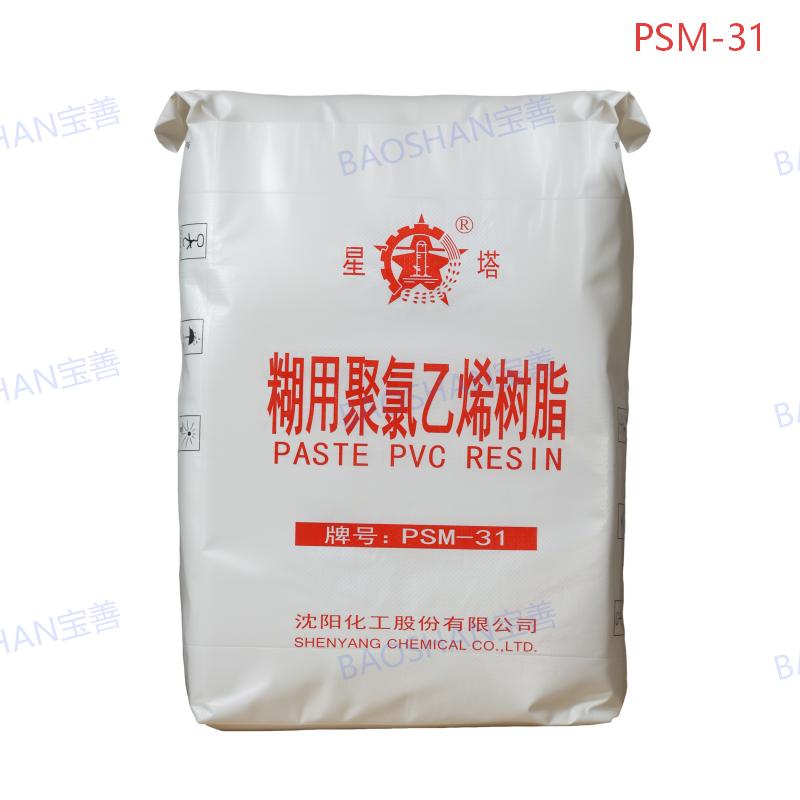
Coated fabrics such as artificial leather, tarpaulins and conveyor belts usually start with a PVC plastisol—a suspension of PVC resin powder in a plasticizer system. The choice between a PVC paste resin and a PVC blend resin can determine process stability and final surface quality. Rather than treating the two as competitors, coaters often use them together. This article compares a representative paste resin, Shenyang PSM-31, with a representative blend resin, Kaneka PBM-B5F, and explains how technical data such as K-value, particle size and paste viscosity guide formulation decisions for PVC coated material.
What Is the Selection Problem in Coated Fabric Production?
In coated-fabric processes, PVC plastisol is applied by knife coating, roller coating or dip coating onto textiles or nonwovens, then heated to fuse the resin into a continuous film. If the paste viscosity is too high, the coating can leave streaks, fail to wet the fabric evenly or create an undesirably thick layer. If the fused film is too stiff or lacks surface uniformity, downstream performance may suffer.
Buyers evaluating PVC coated material frequently ask whether they need paste resin, blend resin, or both. The answer is not simply either/or. Paste resin builds the main polymer network that gives coated fabrics strength, flexibility and adhesion. Blend resin is used as a processing and cost modifier. A robust evaluation framework relies on comparable specifications—K-value, particle size, density, viscosity and residual monomer—so that laboratory trials have a reliable starting point.
Industry Background: Paste Resin Demand Remains Strong
Global interest in PVC paste grade resin is expanding. According to Market Research Future, the global PVC paste resin market was estimated at USD 2.67 billion in 2024 and is projected to reach USD 4.473 billion by 2035. Asia-Pacific accounts for more than 60% of the global PVC paste grade resin volume, with China alone responsible for over 45% of consumption. This regional demand is closely tied to PVC leather, flooring, wallpaper, toys and coated-fabric production.
At the same time, regulatory pressure on plasticizers is reshaping formulations. The European Union REACH regulation restricts several phthalates to concentrations below 0.1% in toys and childcare articles. Many coated-fabric producers in Southeast Asia and other regions are moving toward non-phthalate or low-migration plasticizer systems. These changes affect how resins absorb plasticizer and how stable the paste remains, making resin data comparison more valuable during material selection.
Detailed Solution: Roles of Paste Resin and Blend Resin
PVC Paste Resin: The Film-Forming Backbone
PVC paste resin is a fine PVC powder that can be dispersed in plasticizer to form a stable paste. A typical example, Shenyang PVC Paste Resin Powder PSM-31, is produced by micro-suspension polymerization. It is a polyvinyl chloride homopolymer (CAS 9002-86-2) supplied as a white ultrafine powder. Its degree of polymerization is 1200–1400, volatile matter is ≤0.50%, residual VCM is ≤5.0 mg/kg, and bulk density is 0.2–0.45 g/cm³. Its Type B viscosity at 30°C ranges from 1500 to 6500 mPa·s, indicating that it can be formulated into low-viscosity plastisols with good storage stability.
Disclosed applications for PSM-31 include artificial leather surface and bottom layers, foamed wallpaper, floor leather, toys, tarpaulin and other soft PVC products. In coated-fabric terms, a paste resin like PSM-31 provides the main polymer matrix. It also has the processing adaptability to be combined with plasticizers, stabilizers and fillers in coating or impregnation processes.
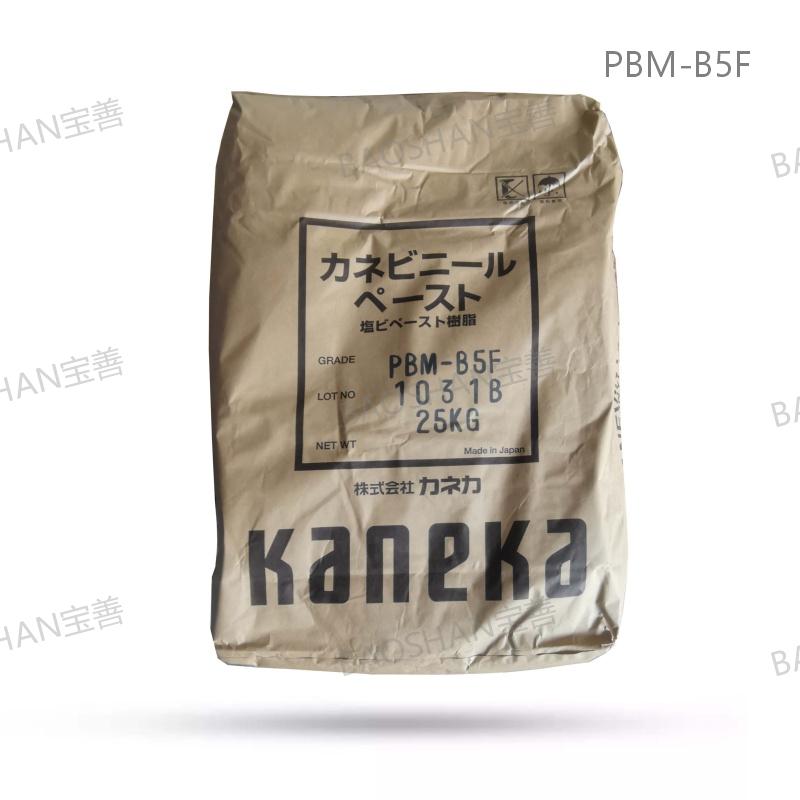
PVC Blend Resin: Viscosity Modifier and Extender
PVC blend resin, sometimes called extender resin or modifying resin, plays a different role. A representative grade, Kaneka Blending Resin PBM-B5F, is a white fine powder with K-value 65–68 and apparent density 0.32–0.35 g/cm³. It has excellent compatibility with PVC homopolymer. The datasheet indicates that it can improve processability, reduce melt viscosity, enhance impact resistance and improve flexibility. Low migration and blooming are also reported, helping to keep product surfaces clean.
Other blend resin grades reinforce these general functions. For example, PVC Blend resin powder SB-100C has a K-value of 62–67 and an average particle diameter of 20 μm; it is listed for artificial leather, vinyl flooring, wallpaper and coated-fabric related processes. BJ-65 has a K-value of 65 and an average particle diameter of 20–40 μm; when blended with paste resin, it noticeably lowers the viscosity of the PVC paste and can reduce plasticizer consumption by 10–20%. Zhongtai PB-1000 has a K-value of 65 and a recommended dosage of 20–30% for ideal viscosity reduction. BIOVYN 266EF is another extender homopolymer with K-value 66, low haze and optional bio-based sourcing, marketed for coating processes.
Reading the Parameters Together
K-value is a widely used indicator of PVC resin molecular weight. Blend resin grades commonly fall in a K-value range near 62–68, as illustrated by Kaneka PBM-B5F at 65–68. Paste resin grades can vary more widely. PSM-31 does not state a K-value but gives a degree of polymerization of 1200–1400, which is useful for comparing with other paste or blend resin products.
Particle size is also important. Micro-suspension paste resins can be extremely fine; for example, Shenyang PSH-10 lists an average particle size of 1–2 μm. In the blending-resin group, medium powders such as SB-100C and BJ-65 show larger average particle sizes. This difference helps explain why blend resin particles absorb less plasticizer at room temperature, allowing formulators to lower paste viscosity and reduce plasticizer demand in practical recipes.
Viscosity data is the most direct bridge to coating behavior. PSM-31’s Type B viscosity of 1500–6500 mPa·s is a paste-resin contribution under a standardized test. Blend resin grades do not usually have a comparable “standalone paste viscosity” because they are not designed to be used alone. Their efficiency is seen after blending: viscosity drops, flow improves and coatability is easier to control.
Processing Differences on the Coating Line
From a processing standpoint, a lower-viscosity plastisol allows coating machines to spread the material more evenly and can help entrapped air escape during the short residence time before gelling. A paste resin with an inherently low-viscosity profile, such as PSM-31, is described as being easily converted into low-viscosity plastisol with excellent storage stability. When a line needs higher speed or lower plasticizer content, blending resin can contribute additional viscosity reduction.
Blend resin also influences coating economics. Because some blend resin grades can partially replace more expensive paste resin, total resin cost can be reduced while retaining a functional film. The SB-100C description, for example, states a clear cost advantage from partially replacing high-cost paste resin. BJ-65 goes further, specifying a 10–20% reduction in plasticizer consumption. These effects must be validated empirically in full formulations because stabilizers, fillers and plasticizer types all interact with the resin surface.
Final Surface and Mechanical Properties
The paste resin-to-blend resin ratio also changes surface appearance. Paste resin is responsible for coalescence and film compactness; it contributes to smoothness, wear resistance and flexibility in artificial leather or tarpaulin. Blend resin can lower gloss and create a matte finish. For example, SB-100C mentions excellent matting performance, which is valuable for low-gloss coated fabrics used in furniture, automotive trim or flooring.
Mechanical performance should be checked after fusion. Higher-molecular-weight paste resins generally support tougher films, while blend resins can act as a stress modifier. PBM-B5F mentions improved impact resistance and flexibility. Still, the final balance is formulation-dependent. A coated fabric can have one top layer and one foam or adhesive layer, each with a different resin ratio, so small-scale trials are necessary before full production.
Step-by-Step Resin Selection for Coated Fabrics
A practical workflow can help development teams avoid trial-and-error. The following steps use the data points above to make an initial decision.
Step 1: Set Final-Fabric Requirements
Define whether the coated fabric must be soft, rigid, glossy, matte or flame-resistant. For soft and flexible tarpaulin or synthetic leather, a paste resin with medium-to-high molecular weight is a reasonable starting point. PSM-31 appears in applications such as artificial leather and tarpaulin, making it a relevant baseline for evaluation.
Step 2: Review K-Value and Polymerization Data
Compare resin K-values or degrees of polymerization across supplier datasheets. Standard paste resin grades for coated fabrics often range from about K60 to K75. PSM-31 has a degree of polymerization of 1200–1400. If higher strength is needed, a higher-K paste resin such as PSH-10 with K-value 72–75 can be considered. If very soft hand-feel is needed, lower-K grades may be more suitable.
Step 3: Decide Whether a Blend Resin Is Needed
Add blend resin when paste viscosity is too high, when the surface requires low gloss, or when the formulation budget calls for lower-cost resin input. A blend resin such as Kaneka PBM-B5F has a K-value in the 65–68 range and is designed as a modifier. Grades with specific viscosity-reducing function, such as BJ-65 or PB-1000, can also lower the amount of plasticizer used.
Step 4: Set a Starting Blend Ratio
There is no universal ratio for every coated fabric. However, Zhongtai PB-1000 states that ideal viscosity reduction can be achieved at a recommended dosage of 20–30%. A similar level can serve as an initial test point for other blend resins. Always run rheological checks with the full additive package.
Step 5: Test Paste Viscosity and Stability
Use a rotational viscometer to measure initial viscosity and viscosity change over time. Compare the target paste resin’s specification with the actual blend result. If the paste is still too thick, consider adding a viscosity-reducing additive such as TXIB. Eastman TXIB is recognized as a 9-cps low-viscosity additive that can further tune plastisol flow. Do not rely on extreme levels of blend resin to solve a viscosity problem that may be caused by plasticizer selection.
Step 6: Verify Final Surface, Adhesion and Compliance
After coating and fusing, inspect gloss, matting, hand-feel, scratch resistance and adhesion. Regulatory requirements matter, especially for toys or food-contact articles. In those cases, select phenol-free calcium-zinc stabilizers and non-phthalate plasticizers such as DINCH or DOTP, then test them with the chosen blend resin to confirm compatibility and prevent blooming.
Use Cases for Coated Fabrics
Artificial leather for furniture and garments. A paste resin top layer gives a smooth surface and good flexibility. A small amount of blend resin in a bottom or adhesive layer can reduce cost and lower viscosity for knife coating without sacrificing the final appearance.
Tarpaulin and waterproof sheets. The coating must remain flexible and durable in outdoor conditions. Paste resin acts as the continuous film former. Blend resin can help lower plasticizer demand, which is especially useful in heavy-coating lines where paste viscosity tends to build.
Canvas, conveyor belts and protective coated fabrics. Strong adhesion and weather resistance are essential. Several paste resin grades are designed for impregnated canvas coatings, conveyor belts and protective gloves, with strong adhesion and good weather resistance as stated in PSM-31 applications. A blend resin may improve processability while maintaining adhesion if the ratio is controlled.
Comparison Table: PVC Paste Resin vs. Blend Resin in Coated-Fabric Systems
| Evaluation Point | PVC Paste Resin Example (Shenyang PSM-31) | PVC Blend Resin Example (Kaneka PBM-B5F) |
|---|---|---|
| Primary role in coated fabric | Film-forming backbone | Processing modifier and extender |
| Form and appearance | White ultrafine powder produced by micro-suspension polymerization | White fine powder |
| K-value | Not disclosed; degree of polymerization 1200–1400 | 65–68 |
| Bulk / apparent density | 0.2–0.45 g/cm³ | 0.32–0.35 g/cm³ |
| Volatile matter | ≤0.50% | ≤0.5% |
| Residual VCM | ≤5.0 mg/kg | Not stated in the supplied datasheet |
| Viscosity reference | Type B viscosity 1500–6500 mPa·s at 30°C | No standalone paste viscosity; reduces melt viscosity in a blend |
| Documented coated-fabric related applications | Artificial leather, floor leather, wallpaper, tarpaulin, canvas coating | Artificial leather, vinyl flooring, PVC film and sheet, foam products |
| Main effect on formula cost | Base resin that determines film properties | Can partially replace paste resin, lower plasticizer demand and reduce cost |
| Typical starting dosage | Main resin component | Around 20–30% for viscosity-reducing blend grades; lower for fine-tuning |
Frequently Asked Questions
Conclusion
Paste resin and blend resin are complementary in coated-fabric production. Paste resin forms the continuous PVC film that delivers core mechanical performance, while blend resin helps manage process viscosity, surface appearance and raw-material cost. The most useful comparison is not “which one wins” but “what role should each play and at what ratio.”
Using specification data such as K-value, particle size, apparent density and paste viscosity gives formulators a defensible starting point. PSM-31 and Kaneka PBM-B5F are two real examples with different profiles, and both can contribute to a successful PVC coated material system when tested under realistic processing conditions.
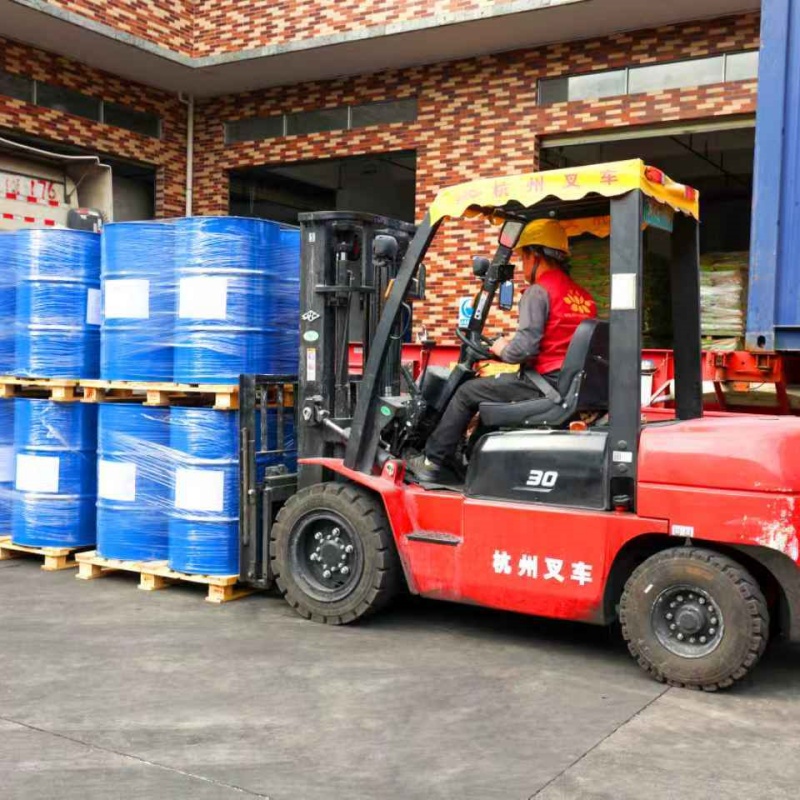
If your team is developing a new coated-fabric formulation or trying to reduce paste viscosity without losing film quality, request technical documentation and samples from a supplier who understands resin-plasticizer-stabilizer interactions. Guangdong Baoshan Trading Co., Ltd. provides material selection assistance and can help you compare PVC paste resin and blend resin grades for your specific coated-fabric process.