
PVC Vinyl Materials by Process: A Project Adaptation Guide for Toy, Coating and Medical Applications
Selecting PVC vinyl materials for a new production project goes beyond comparing one resin or one plasticizer. Buyers in the Research and Evaluation stages need to match a material system to the actual process, equipment, compliance target, and operating environment. This guide explains how to do that for slush molding, coating, dripping glue, and medical and food-contact applications, using product data available through Guangdong Baoshan Trading Co., Ltd.
What Makes Project-Specific Material Selection Difficult?
When buyers evaluate PVC paste resin, blend resin powder, plasticizer, and stabilizer from separate spec sheets, they may miss the interaction between the ingredients. A resin that produces a clear film in one process may not maintain the same paste stability in a continuous coating line. A plasticizer with good low-temperature performance may not be the right choice if the end product must pass food-contact migration testing.
The product operates in standard production environment conditions, through heating processing and continuous production. Typical supporting equipment includes rotomolding machines for vinyl toys, dripping machines, glue dispensers, and PVC coating machines. Therefore, the first question is not which material is cheapest; the first question is which material system fits the project scenario.
Industry Background: Why Scenario Matching Matters in 2026
Market data helps explain why buyers are treating PVC vinyl materials as a system decision. Market Research Future estimated the global PVC paste resin market at USD 2.67 billion in 2024 and projected it to reach USD 4.473 billion by 2035. Asia-Pacific accounts for over 60 percent of global paste-grade PVC resin volume, with China responsible for more than 45 percent of consumption. MarketsandMarkets valued the global eco-friendly plasticizers market at USD 5.03 billion in 2024 and projected USD 7.55 billion by 2030. For regulated end uses, Grand View Research valued the medical plastics market at USD 61.4 billion in 2025.
These numbers point in two directions: demand for PVC paste systems is increasing, and the share of regulated applications is growing. Buyers in Vietnam, Indonesia, and other Southeast Asian markets are therefore more likely to ask about phthalate limits, heavy metals, PAHs, BPA, PFAS, REACH, RoHS, and EN71 before they discuss price.
Detailed Solution: Build the Material System Around the Process
Resin Platform: Paste Resin, Blend Resin, and Suspension Resin
PVC paste resin is the main film-forming powder in a plastisol. For toy slush molding and coating, microsuspension paste resins such as Shenyang PVC Paste Resin PSH-10, LF-71G, LF-51, and TPM-31 are frequently used. PSH-10 is a white ultrafine powder with an average particle size of 1 to 2 μm, a degree of polymerization around 1680, and Type B viscosity in the range of 1000 to 2500 mPa·s at 30°C. LF-51 offers low paste viscosity and good foaming performance. LF-71G has a K-value of approximately 71 and balanced mechanical properties. TPM-31 is positioned as a PVC paste resin for diversified industries including vinyl toys, medical consumables, automotive interiors, food packaging, wallpaper, flooring, inks, and coatings.
Blend resin powder is added to reduce viscosity and improve the matte effect. SB-100C has a K-value of 62 to 67 and an average particle diameter of 20 μm. It is used in slush-molded toys, artificial leather, automotive underbody coating, canvas coating, conveyor belts, and bottle cap gaskets. Zhongtai PB-1000 is a viscosity-reducing resin with high whiteness; the recommended dosage for ideal viscosity reduction is 20 to 30 percent.
For rigid and semi-rigid compounding projects, PVC resin powder grades are available as well. Formosa Plastics TG-1000S has a K-value of 65.3 to 68.1 and a degree of polymerization of 960 to 1100. It is used for PVC pelletizing, wire and cable compounds, medical-grade pellets, toy-grade pellets, pipes, corrugated sheets, profiles, and flooring.
Plasticizer: Match the Additive to End-Use Safety
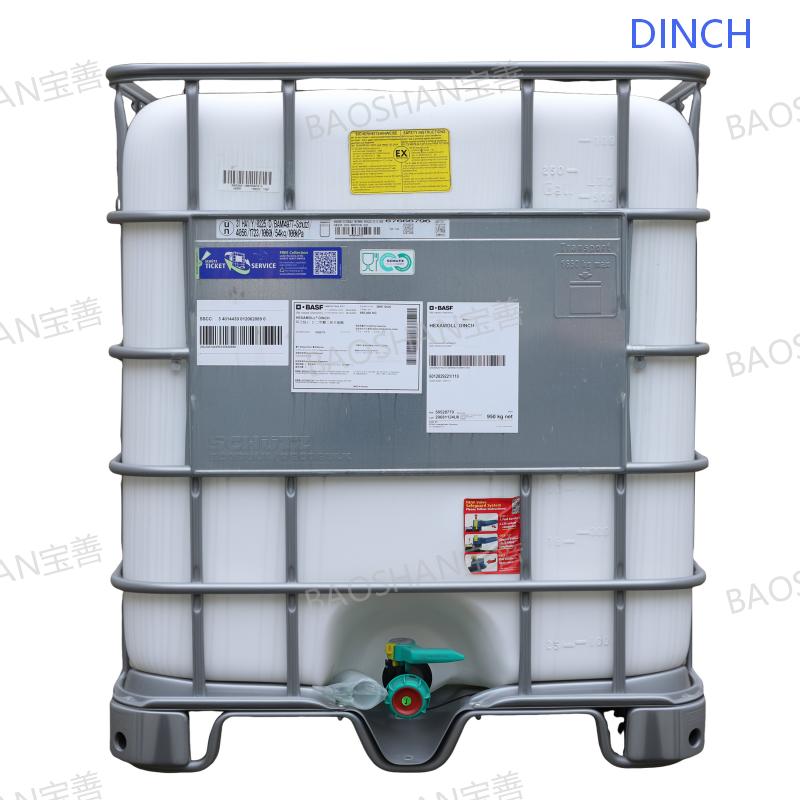
BASF HEXAMOLL DINCH is a non-phthalate plasticizer with a dynamic viscosity of 44 to 60 mPa·s at 20°C, an ester content of at least 99.5 percent, and a pour point of -54°C. It is approved for medical devices and food contact materials due to its low migration rate and toxicological safety. According to the BASF product information, DINCH has obtained food contact permits from Germany's BFR and the Japan Hygienic PVC Association and can be used in toys for children under 3 years old.
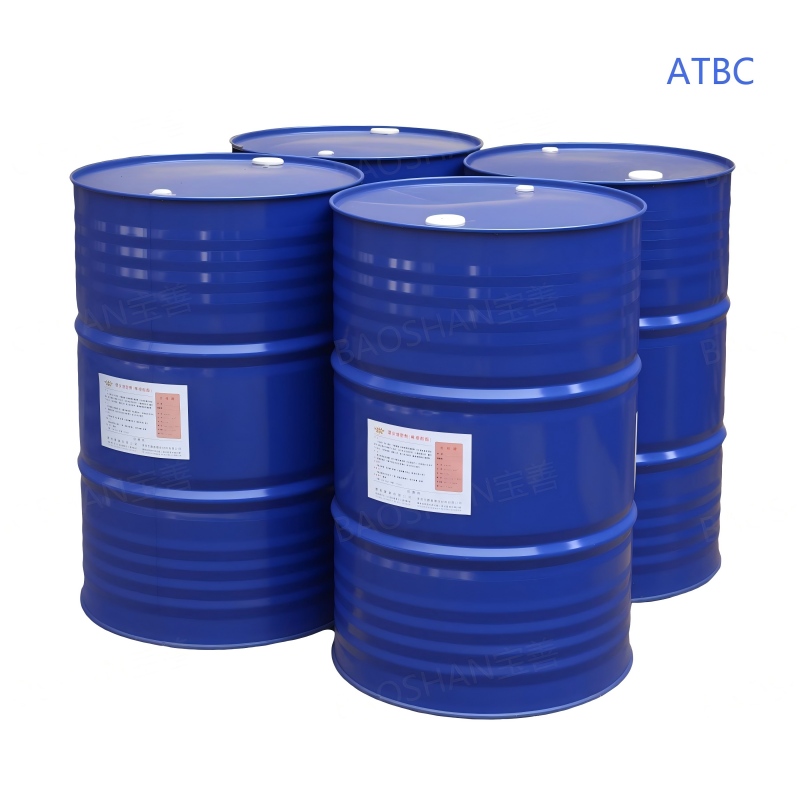
Acetyl Tributyl Citrate, or ATBC, is an eco-friendly and bio-based plasticizer option. It has a purity of at least 99.0 percent, a freezing point of -80°C or lower, and compliance with REACH, RoHS, FDA, and GB 4806. ATBC is suited for food-contact PVC, medical-grade PVC, children's toys, artificial leather, and automotive interiors.
DOTP, or dioctyl terephthalate, is an environmentally friendly plasticizer with volume resistivity of at least 2×10^9 Ω·m and a flash point of at least 210°C. It is used in PVC cable materials, construction profiles, automotive interiors, medical devices, plastic films, and plasticized paste products. For applications where solvent extraction resistance is important, GLOBINEX W-2050 polymeric polyester plasticizer provides low migration, low volatility, and good electrical insulation. Its acid value is 0.5 mg KOH/g and volume resistivity is min 1×10^11 Ω·cm.
Viscosity and Film-Forming Additives
Eastman TXIB is a formulation additive with a Brookfield viscosity of 9 cP. It is used in PVC dipped gloves, vinyl toys, wallpaper, floor leather, artificial leather, and conveyor belts. As a viscosity reducer, TXIB lowers the viscosity of PVC plastisol and maintains viscosity stability, reduces wave marks caused by high-shear coating, allows higher filler loading, and helps remove bubbles from the sol more quickly. As a film-forming agent and special-purpose plasticizer, TXIB provides a drier surface, improves printability and wipeability, and increases surface wear resistance.
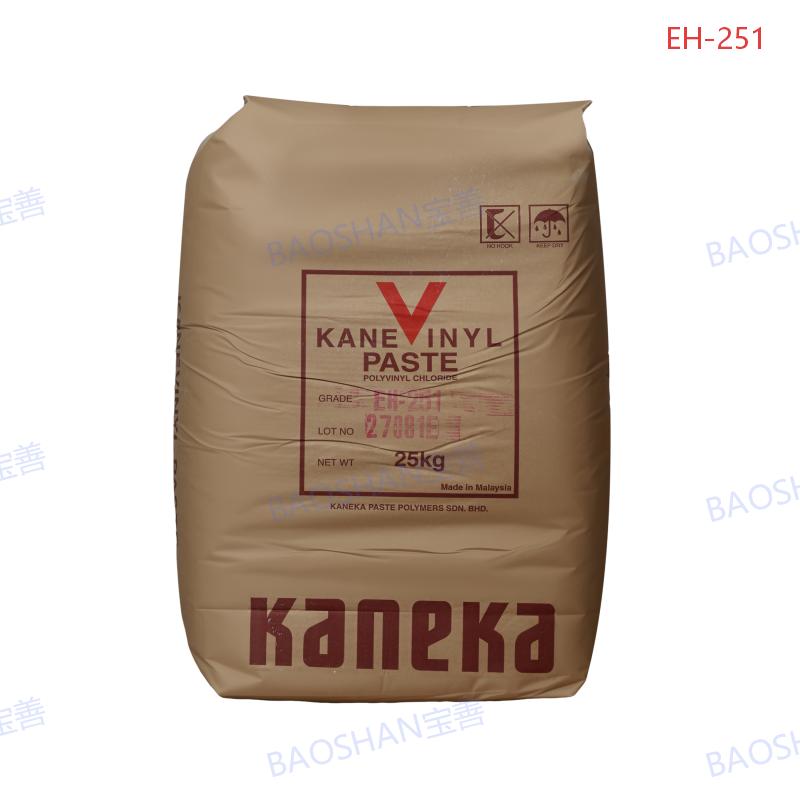
For vertical or anti-sagging applications, KANEVINYL PASTE EH-251 offers high thixotropy: high viscosity at low shear and good fluidity at high shear. It also has low water absorption and high transparency, making it useful for sealants, waterproof sealing materials, electronic potting adhesives, coatings, and adhesives.
Stabilizer: Use Phenol-Free Ca/Zn Systems for Regulated Products
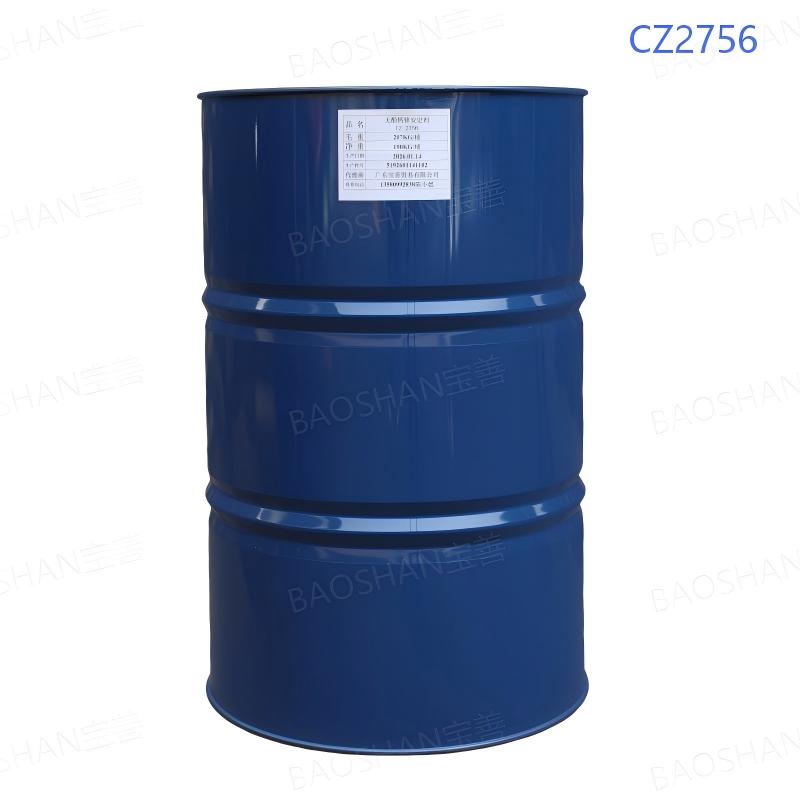
PVC Phenol-free Ca/Zn stabilizers are designed for food-contact, medical, toy, and eco-friendly wire and cable applications. CZ-2756 is a phenol-free Ca/Zn stabilizer with thermal stability of at least 30 minutes at 180°C. It passes EU REACH, RoHS, PAHS, and EN71-3 and is recommended for vinyl toys, paste products, flexible PVC films, shoe materials, wires and cables, sealing strips, waterproofing membranes, and hoses.
SC-1600C is a clear liquid phenol-free Ca/Zn stabilizer with a density of approximately 1.05 g/cm³ at 20°C and an applicable temperature range of 160 to 200°C. It is used in food-contact PVC, medical-grade PVC, children's toys, eco-friendly wires and cables, high-end soft PVC, and transparent PVC products.
Step-by-Step Breakdown: Select PVC Vinyl Materials for a New Project
- Define the production scenario and equipment. Confirm whether the project uses rotomolding machines for vinyl toys, dripping machines, glue dispensers, PVC coating machines, or continuous coating lines. The material system should operate under standard production environment conditions through heating processing and continuous production.
- Set the compliance target. Identify the destination market and end product. For toys and childcare articles, EU REACH restricts DEHP, DBP, and BBP to concentrations below 0.1%. For regulated applications, also check heavy metals, PAHs, brominated flame retardants, BPA, PFAS, REACH, RoHS, and EN71.
- Select the resin architecture. Use paste resin as the film-forming base, and add blend resin powder when viscosity reduction, matting, or cost control is required. For PVC slush molding toy material projects, PSH-10 and LF-51 support low paste viscosity; SB-100C and PB-1000 improve processing and surface effect.
- Match the plasticizer to the end use. Use BASF HEXAMOLL DINCH or ATBC for toys, food contact, and medical applications. Use DOTP for cable and paste products with electrical requirements. Use GLOBINEX W-2050 where migration and extraction resistance are critical. Use Eastman TXIB when the plastisol viscosity must be lowered and stabilized. For PVC dripping glue material applications, TXIB helps control paste viscosity before the glue is dispensed.
- Choose the stabilizer system. For phenol-free and low-migration requirements, use CZ-2756 or SC-1600C. Confirm the thermal stability, initial color, and compatibility with the chosen plasticizer.
- Validate with laboratory testing. Guangdong Baoshan Trading Co., Ltd. operates a laboratory equipped with Agilent GC-MS, ICP-MS, and Waters LC-MS/MS. The lab provides free testing for phthalates, heavy metals, bisphenol A, and organotin to support traceability and compliance verification.
- Confirm supply parameters. Monthly sales volume is about 4,000 tons, MOQ is 20 kg, and standard lead time is 3 to 5 days. Quality control is performed through sampling inspection.
Use Cases: Project-Specific Material Matching in Practice
PVC Vinyl Toy Manufacturing in Vietnam
A PVC vinyl toy manufacturer in Vietnam operating around 300 vinyl machines needed a stable system for slush-molded toy production. The project required stable paste viscosity, consistent molding, and high efficiency for mass production. Baoshan supplied a combination that included PVC paste resin, blend resin powder, BASF HEXAMOLL DINCH, and phenol-free Ca/Zn stabilizer. According to the case record, the result was close cooperation and stable production, with stable molding for consistent toy quality and high efficiency for mass toy production. The supplied system recorded a 2-year shelf life under cool and dry storage.
PVC Coated Material and Artificial Leather Projects
Coating and artificial leather lines operate in continuous production mode. For PVC coated material production, plastisol viscosity must be low enough to spread evenly and stable enough to avoid quality variation over long runs. Eastman TXIB reduces viscosity and helps prevent wave marks caused by high-shear coating. Blend resin powder such as SB-100C improves coatability and formability and can reduce the amount of plasticizer needed. SC-1600C supports the heating processing temperature range of 160 to 200°C.
PVC Materials for Medical Products and Food-Contact Projects
For medical consumables and food-contact packaging, the material system must satisfy migration and toxicological requirements. BASF HEXAMOLL DINCH and ATBC are both suitable plasticizer families for these regulated fields. PSH-10S is a microsuspension PVC paste resin designed for food-grade cap gaskets, food packaging and sealing products, medical-grade soft PVC, and high-transparency paste products. A phenol-free Ca/Zn stabilizer such as SC-1600C can be paired with these systems for food-contact and medical applications.
Material System Comparison by Production Scenario
| Project / Process | Typical Equipment or Production Mode | Resin Recommendation | Plasticizer / Additive | Stabilizer / Compliance Focus |
|---|---|---|---|---|
| Slush-molded toys | Rotomolding machine for vinyl toys | PSH-10, LF-71G, LF-51, TPM-31, SB-100C | BASF HEXAMOLL DINCH, ATBC, Eastman TXIB | CZ-2756, SC-1600C; EN71-3, REACH, RoHS, phthalate limits |
| PVC coating and artificial leather | PVC coating machine, continuous production | Paste resin plus SB-100C or PB-1000 | Eastman TXIB, DOTP, GLOBINEX W-2050 | SC-1600C; low-VOC and process stability focus |
| Dripping glue and drip molded labels | Dripping machine, glue dispenser | EH-251, LF-51 | Eastman TXIB, BASF HEXAMOLL DINCH | CZ-2756; anti-sagging and surface finish focus |
| Medical consumables and food-contact packaging | Heating processing, continuous production | PSH-10S, PSH-10, paste resin | BASF HEXAMOLL DINCH, ATBC | SC-1600C; FDA, GB 4806, BFR and Japan Hygienic PVC Association permits for DINCH |
The table above is a starting point. The final formulation should be confirmed with the supplier after testing against the specific product design and regulatory market.
Supplier Capability Criteria for Project Adaptation
Buyers evaluating a project-specific PVC vinyl material system should also assess the supplier's infrastructure and service model. Guangdong Baoshan Trading Co., Ltd. reports monthly sales volume of about 4,000 tons and a MOQ of 20 kg. It supports formula design, formula optimization, and customized production. The company operates a 20,000-square-meter self-built warehouse with 16 liquid storage tanks and maintains a safety stock of more than 3 months for bulk European materials.
Guangdong Baoshan Trading Co., Ltd. is an authorized distributor of BASF HEXAMOLL DINCH in China and of Eastman TXIB in China. It adheres to the ISO 9001 standard and has passed the joint audit conducted by BASF's Petrochemical Division, Quality Management Department, and Environment, Health, and Safety Department. Export markets include Vietnam, Indonesia, and other Southeast Asian markets.
Frequently Asked Questions
What compliance requirements should I plan for when sourcing PVC vinyl materials for regulated projects?
For toy and food-contact projects, the material system should be evaluated against phthalate restrictions, heavy metals, PAHs, brominated flame retardants, BPA, PFAS, REACH, RoHS, and EN71. EU REACH restricts DEHP, DBP, and BBP to below 0.1% in toys and childcare articles. BASF HEXAMOLL DINCH has food contact permits from Germany's BFR and the Japan Hygienic PVC Association. ATBC complies with REACH, RoHS, FDA, and GB 4806. CZ-2756 passes EN71-3.
Can the supplier customize a formulation for my process and equipment?
Yes. Guangdong Baoshan Trading Co., Ltd. supports formula design, formula optimization, and customized production. The company assists BASF in DINCH application development in the Asia-Pacific region and provides testing services and technical support. Monthly sales volume is about 4,000 tons, with MOQ 20 kg.
How can formulation cost be managed without increasing compliance risk?
Blend resin powder can partially replace higher-cost paste resin. Zhongtai PB-1000 achieves viscosity reduction at a recommended dosage of 20 to 30 percent. SB-100C reduces plasticizer dosage and lowers production cost. Eastman TXIB can increase filler loading and remove bubbles more quickly. These adjustments should be validated with stability and compliance testing.
Can I request samples before placing an order?
Yes. MOQ is 20 kg, quality control uses sampling inspection, and standard lead time is 3 to 5 days. Buyers can request a small quantity for testing before scale-up.
What is the typical lead time for PVC vinyl material supply?
Standard lead time is 3 to 5 days. For bulk European materials, Baoshan keeps a safety stock of more than 3 months in a 20,000-square-meter self-built warehouse with 16 liquid storage tanks. For project-specific sample recommendations and current lead time, contact Chen Bingbing at misscheng1984@163.com or WhatsApp +84 865388399.
Conclusion
PVC vinyl material selection is a process-matching exercise. Start with the production scenario and equipment, define the compliance target, choose the resin and plasticizer system, and validate with laboratory testing before scale-up.
Guangdong Baoshan Trading Co., Ltd. supplies PVC paste resin, blend resin powder, eco-friendly plasticizers including BASF HEXAMOLL DINCH and ATBC, Eastman TXIB, and phenol-free Ca/Zn stabilizers. Its laboratory provides free testing for phthalates, heavy metals, bisphenol A, and organotin. For a sample, quotation, or formulation recommendation, contact Chen Bingbing at misscheng1984@163.com, WhatsApp +84 865388399, or visit www.baoshancl.cn. Address: Building 1, No. 26 Yingguang Road, Chang'an Town, Dongguan City, Guangdong Province.
Have Questions or Need More Details?
Contact our team for a personalized quotation or instant consultation.
Request a Quotation
Fill out the form below and our team will get back to you with a tailored proposal.
WhatsApp Direct Chat
Prefer to chat in real-time? Message us on WhatsApp for instant assistance & quick answers.
- Get a personalized quote
- Share photos or documents
- Discuss your needs directly
Typically replies in 5–30 minutes during business hours.