
PVC Vinyl Materials: A Sourcing Primer for Industrial Buyers
Polyvinyl chloride (PVC) vinyl materials are a broad family of compounds centered on PVC resin, modified with plasticizers, stabilizers, and other additives to achieve the flexibility, durability, and safety required for specific products. From children's toys and medical tubing to artificial leather and food packaging closures, PVC vinyl materials support the daily operations of manufacturers in China, Vietnam, Indonesia, and other Southeast Asian markets.
For buyers just beginning to research this category, the terminology can be intimidating. Suppliers list different resin names (paste resin, blend resin, suspension resin), different plasticizer acronyms (DINCH, ATBC, DOTP, TXIB), and different regulatory labels (REACH, RoHS, FDA, EN71). This article serves as a structured entry point: it defines the core components, explains how they interact, and offers a practical selection framework for your first sourcing decision.
Why the PVC Vinyl Material Landscape Feels Confusing
The most common mistake new buyers make is treating "PVC vinyl materials" as a single commodity. In reality, a formulation that works for injection-molded pipes may be completely unsuitable for slush-molded toys. The choice of resin type controls the processing method; the plasticizer controls flexibility, migration, and compliance; the stabilizer determines thermal stability and color; and any additive can change surface finish or viscosity.
Adding to the challenge, regulatory pressure is growing. The EU REACH regulation, for example, restricts several phthalates to concentrations below 0.1% in toys and childcare articles. Food-contact applications require low-migration plasticizers, and medical products demand strict toxicological safety. Buyers who lack a clear framework may end up with materials that pass standard tests but fail in specific end-use requirements, causing costly rework or product recalls.
Industry Background: Growth, Regulation, and Regional Dynamics
The scale of the PVC vinyl material economy is significant. Market Research Future estimates the global PVC paste resin market at USD 2.67 billion in 2024, with projections of USD 4.473 billion by 2035. The same report notes that Asia-Pacific accounts for over 60% of global PVC paste grade resin volume, and China alone represents more than 45% of consumption. This regional concentration means that sourcing strategies for Southeast Asian manufacturers are increasingly tied to supply chains in China.
At the same time, the plasticizer market is shifting toward eco-friendly solutions. MarketsandMarkets values the global eco-friendly plasticizers market at USD 5.03 billion in 2024 and expects it to reach USD 7.55 billion by 2030, growing at a 7.0% CAGR. This growth is driven by regulations such as EU REACH, as well as by end-user brands that are committing to phthalate-free products.
The medical plastics sector also reinforces the shift: the global medical plastics market, including PVC for medical devices, was valued at USD 61.4 billion in 2025, with a projected 6.0% CAGR (Grand View Research). These figures highlight the urgency for buyers to build formulations that can meet both performance and compliance demands.
Breaking Down the PVC Vinyl Material System
PVC vinyl materials are not a single raw material but a system of components that must be matched to the process and end use. The first layer is the polymer resin. For plastisol applications, PVC paste resin (made by emulsion or micro-suspension polymerization) is the primary film-forming powder. PVC blend resin (also called extender or blending resin) is a finer suspension resin used to reduce paste viscosity and cost. Higher-molecular-weight suspension resins such as SG-5 are used for extrusion, injection molding, and calendering.
The Role of PVC Resins
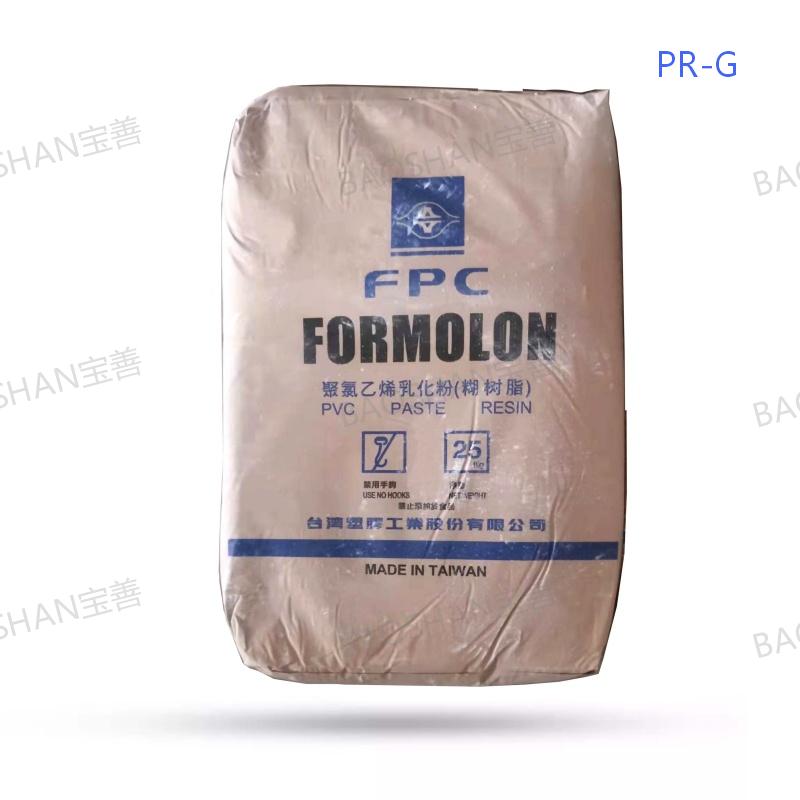
PVC paste resin is available in several grades designed for specific process windows. Kaneka PSH-10S (K-value 70) is a microsuspension paste resin with a paste viscosity of approximately 2,000 mPa·s (25°C), and it is suitable for food-grade cap gaskets, medical-grade soft PVC products, and high-transparency paste products. Formosa Plastics PR-G (K-value 77.5–81.0, polymerization degree 1700±100) offers low paste viscosity, high transparency, and excellent demoldability, making it a good choice for dolls, toys, gloves, flooring, and artificial leather.
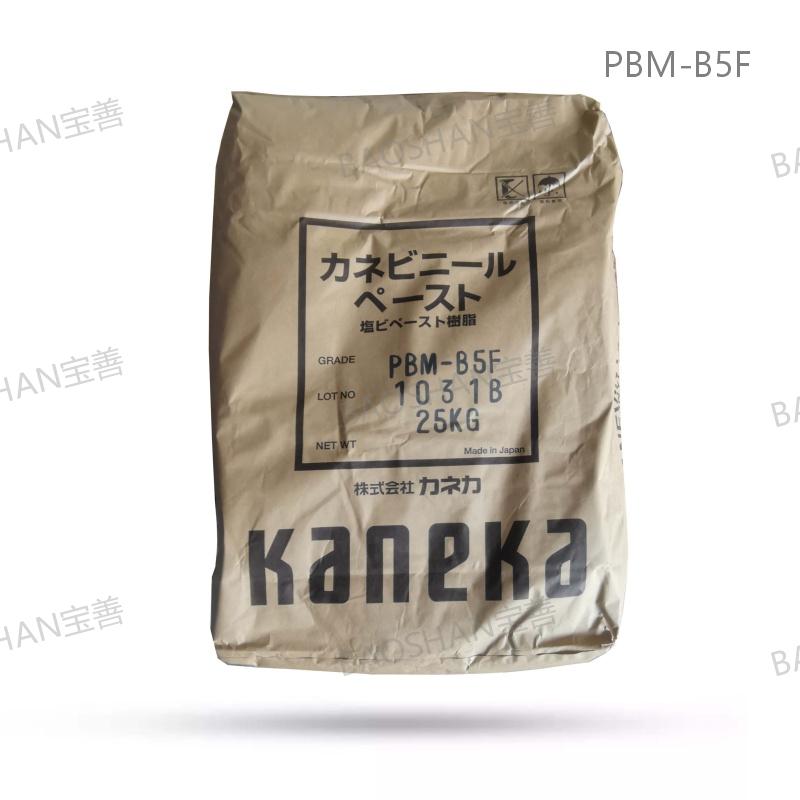
Blend resin is used to reduce viscosity and improve surface effects. Zhongtai PB-1000 (K-value 65) can be used at a recommended dosage of 20%–30% to reduce melt viscosity and improve flow; it also delivers high whiteness and low migration. BIOVYN™ 266EF (K-value 66) is a low-haze extender homopolymer with residual vinyl chloride monomer ≤1.0 ppm, suitable for applications requiring VOC control. Kaneka PBM-B5F (K-value 65-68) improves impact resistance and flexibility in rigid and semi-rigid PVC formulations. For suspension PVC, grades like TG-1000S (K-value 65.3–68.1, degree of polymerization 960–1100) are used in extrusion, injection molding, and calendering of products such as wire and cable compounds, toy-grade pellets, and flooring.
Plasticizer Systems: From Phthalates to Non-Phthalate Alternatives
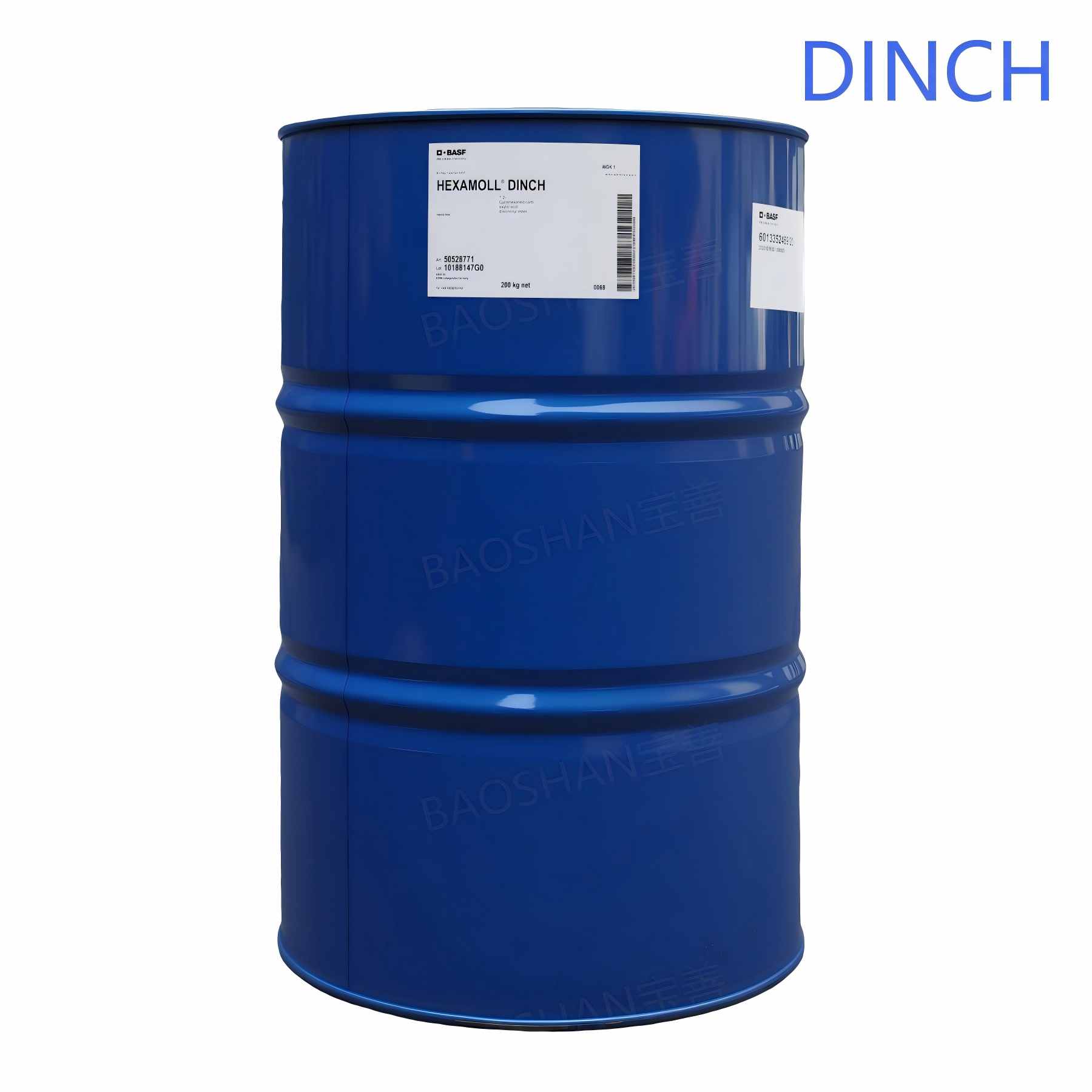
Plasticizers are the second critical component. They lower the glass transition temperature of PVC, making it flexible. Traditional phthalates (DOP, DINP) are being replaced in sensitive applications. BASF Hexamoll® DINCH is a non-phthalate plasticizer with an ester content of ≥99.5%, a pour point of -54°C, and extremely low migration. It is approved for food contact and medical devices, and is often used in toys for children under 3 years old. Its low volatility is about 50% lower than DOP, and it has almost no odor.
Acetyl Tributyl Citrate (ATBC) is a bio-based plasticizer derived from citric acid. With a freezing point ≤-80°C and purity ≥99.0%, ATBC is suitable for food contact films, bottle cap gaskets, medical products, and children's toys. It complies with REACH, RoHS, FDA, and GB 4806.
DOTP (Dioctyl Terephthalate) is a non-phthalate general-purpose plasticizer with high volume resistivity (≥2×10⁹ Ω·m), low volatility, and a freezing point of -48°C. It is widely used in PVC cables, construction materials, automotive interiors, and medical devices.
Eastman TXIB™ is a formulation additive with the lowest viscosity among flexible PVC additives: 9 cP at 25°C. It reduces the initial viscosity of PVC plastisols, improves flow, and provides a dry surface. It is compatible with all general-purpose plasticizers such as DINCH, DOTP, and ATBC, as well as with calcium-zinc stabilizers.
Polymeric plasticizers such as GLOBINEX W-2050 provide excellent resistance to solvent extraction and low migration. With a volume resistivity of minimum 1×10¹¹ Ω·cm, they are used in wire and cable, seals, automotive leather interiors, and other products requiring long-term durability.
Stabilizers and Process Additives
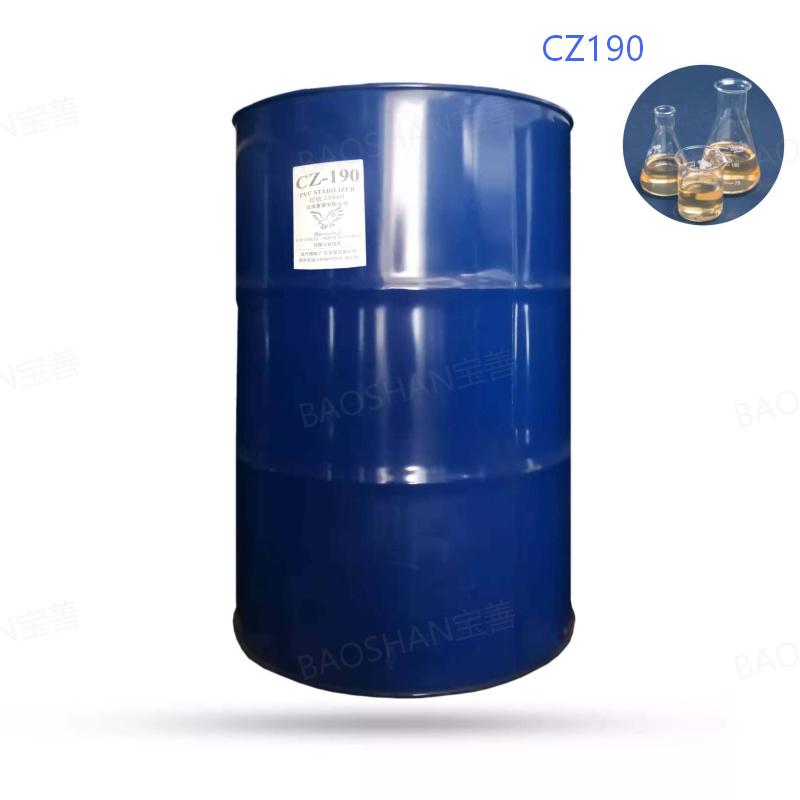
PVC degrades when heated, so a heat stabilizer is essential. Phenol-free liquid Ca/Zn stabilizers are now the standard for regulated applications. CZ-190 is a phenol-free Ca/Zn stabilizer that complies with REACH, RoHS, and FDA; it offers excellent thermal stability and good initial color, and is used in toys, food packaging, medical catheters, and high-end soft PVC products. CT303TX (BAEROSTAB CT 303 TX) has a dosage range of 1.5–3.0 phr and is designed for slush molding, dipping, and coating. SC-1600C and SC-135 are also phenol-free Ca/Zn options for food-contact, medical, and toy products. In addition, silicone fluid L-45 (polydimethylsiloxane) is used as a mold release agent and defoamer in some plastisol processes.
How to Select PVC Vinyl Materials: A Step-by-Step Framework
Use the following framework to convert broad awareness into a concrete material specification.
- Define the product and process. Identify the end product (toy, film, gasket, medical tube) and the manufacturing method (slush molding, coating, dipping, extrusion, injection molding). The process determines whether you need a paste resin, a blend resin, or a suspension resin.
- Determine compliance requirements. Map the geographical sales markets and applicable standards. For toys in the EU, this includes EN71-3 and REACH limits on phthalates. For food contact, FDA or EU 10/2011 may apply. For medical devices, biocompatibility requirements must be addressed.
- Select the resin grade. Choose a paste resin with appropriate K-value and paste viscosity. For example, Kaneka PSH-10S has a K-value of 70 and produces a low-viscosity paste for cap gaskets and food-contact products; Formosa Plastics PR-G has a K-value of 77.5-81.0 and provides high transparency. For viscosity reduction and matting, add a blend resin such as Zhongtai PB-1000 or BIOVYN™ 266EF.
- Choose the plasticizer. Balance processability, performance, and compliance. DINCH is ideal for medical and children's toys due to its toxicological profile; ATBC is a good bio-based choice for food contact; DOTP is cost-effective for general purpose; TXIB is used to fine-tune viscosity and surface finish.
- Add stabilizers and other additives. Use a phenol-free Ca/Zn stabilizer at the recommended dosage (for CT303TX, 1.5–3.0 phr) to ensure thermal stability. Consider silicone fluid for mold release if needed.
- Evaluate the supplier. Check the supplier's laboratory capability, inventory, and technical support. A partner with in-house testing (e.g., GC-MS, ICP-MS) can help detect heavy metals, phthalates, bisphenol A, and organotin before production.
Common Use Cases and Formulation Orientation
Different end products require different combinations of the components above. Below are common application scenarios observed in the PVC vinyl materials industry.
Slush-Molded Toys
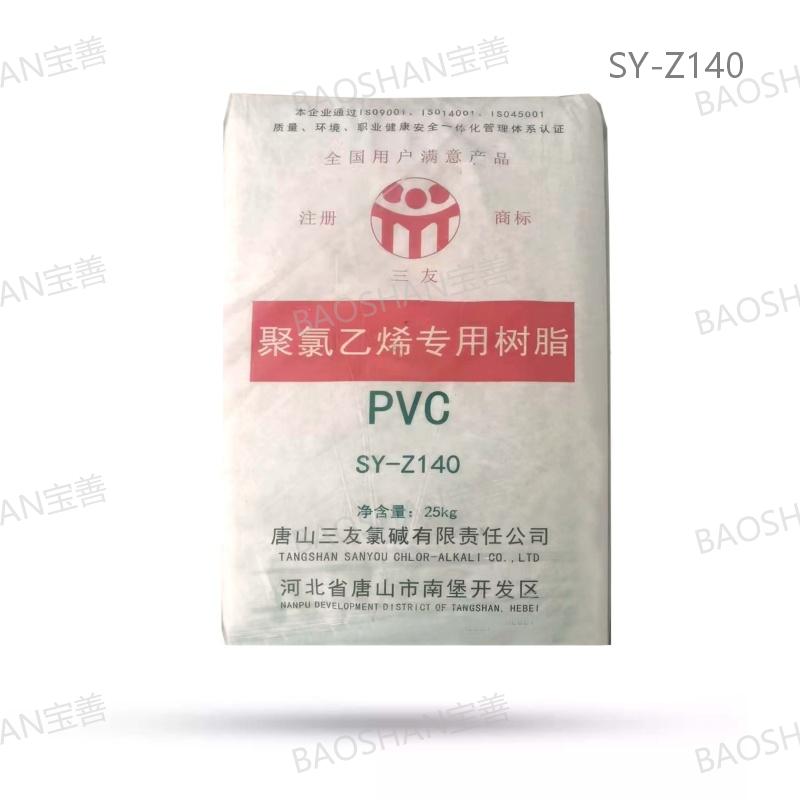
PVC paste resin (e.g., SY-Z140 or PSM-31) combined with DINCH or ATBC and a phenol-free Ca/Zn stabilizer (e.g., CZ-190 or CT303TX) meets EN71-3 and REACH requirements. This application scenario is common in Vietnam and Indonesia, where toy manufacturers rely on compliant materials from regional suppliers.
Food Packaging Bottle Cap Gaskets
Kaneka PSH-10S, a low-viscosity paste resin with food-contact compliance, combined with ATBC or DINCH, provides low migration and excellent sealing performance. The formulation must also include a phenol-free stabilizer such as SC-135 to avoid contaminating the food product.
Medical Tubing and Gloves
BASF Hexamoll® DINCH is often selected for medical-grade products because of its toxicological safety and low migration. It is compatible with medical-grade PVC paste resins and can be processed via dipping or molding. A phenol-free Ca/Zn stabilizer such as SC-1600C helps maintain transparency and stability.
Artificial Leather and Wallpaper
Foam paste resin SY-Z140 is widely used for foamed wallpaper and artificial leather. Adding a blend resin such as PB-1000 or 266EF helps control viscosity and reduce cost, while Eastman TXIB™ improves the surface finish and foam resilience.
Automotive Interiors
Low-VOC formulations with DINCH or polymeric plasticizers (e.g., GLOBINEX W-2050) are suitable for automotive dashboards, door panels, and wire sheaths. These materials maintain flexibility at low temperatures and minimize fogging.
Comparison: Common Plasticizers for PVC Vinyl Materials
The following table compares several commonly used plasticizers based on documented product data. It is intended as a starting point; final selection should include laboratory trials.
| Plasticizer | Core Characteristics | Typical Applications | Compliance / Notes |
|---|---|---|---|
| BASF Hexamoll® DINCH | Non-phthalate; pour point -54°C; ester content ≥99.5%; low migration; low odor | Medical devices, food packaging, children's toys, automotive interiors | Approved for food contact and medical; meets EU REACH, RoHS, PAHS |
| ATBC | Bio-based; freezing point ≤-80°C; purity ≥99.0%; colorless | Food packaging, chew toys, medical products, artificial leather | REACH, RoHS, FDA, GB 4806 |
| DOTP | Non-phthalate; volume resistivity ≥2×10⁹ Ω·m; freezing point -48°C | PVC cables, construction materials, automotive, medical devices | REACH, RoHS; low volatility |
| Eastman TXIB™ | Viscosity 9 cP; freezing point -70°C; low density; non-VOC | Vinyl plastisols, dipped goods, artificial leather, inks | REACH, RoHS; compatible with DINCH, DOTP, ATBC |
| GLOBINEX W-2050 | Polymeric; viscosity 2300–3500 mPa·s; volume resistivity ≥1×10¹¹ Ω·cm | Wire and cable, seals, automotive interiors, food packaging | Low migration; low toxicity; long service life |
Frequently Asked Questions about PVC Vinyl Materials
How do I ensure PVC vinyl materials meet food-contact or toy regulations?
For toys sold in the EU, REACH restricts phthalates such as DEHP, DBP, and BBP to concentrations below 0.1%. Use non-phthalate plasticizers like BASF Hexamoll® DINCH or ATBC, which are compliant with EN71-3, RoHS, and relevant food contact standards. Also choose phenol-free Ca/Zn stabilizers (e.g., CZ-190 or CT303TX) that meet REACH and FDA requirements. Always request certificates and test reports from your supplier.
Can a supplier provide custom formulation and technical support?
Yes. Some distributors and solution providers offer application development and formula optimization. For example, Guangdong Baoshan Trading Co., Ltd. operates an R&D team of 5 engineers and a laboratory equipped with Agilent GC-MS, ICP-MS, and Waters LC-MS/MS. They support BASF in DINCH application development in Asia-Pacific and can help customers fine-tune formulations for specific processes and standards.
Are eco-friendly plasticizers more expensive than traditional ones?
Eco-friendly plasticizers such as DINCH and ATBC generally command a price premium over general-purpose phthalates or even DOTP. The exact difference depends on purchase volume, logistics, and the specific grade. For many regulated applications, the compliance benefit and reduced risk of product rejection outweigh the higher raw material cost. A cost-effective approach is to blend a high-performance plasticizer with TXIB or blend resin to optimize viscosity and cost.
Can I request samples before committing to a full order?
Yes, reputable suppliers provide samples for lab evaluation. Guangdong Baoshan Trading Co., Ltd. can arrange sample shipments for testing. It also offers free testing for high-risk substances such as phthalates, heavy metals, bisphenol A, and organotin to help customers verify compliance before production.
What kind of delivery lead time should I expect for bulk orders?
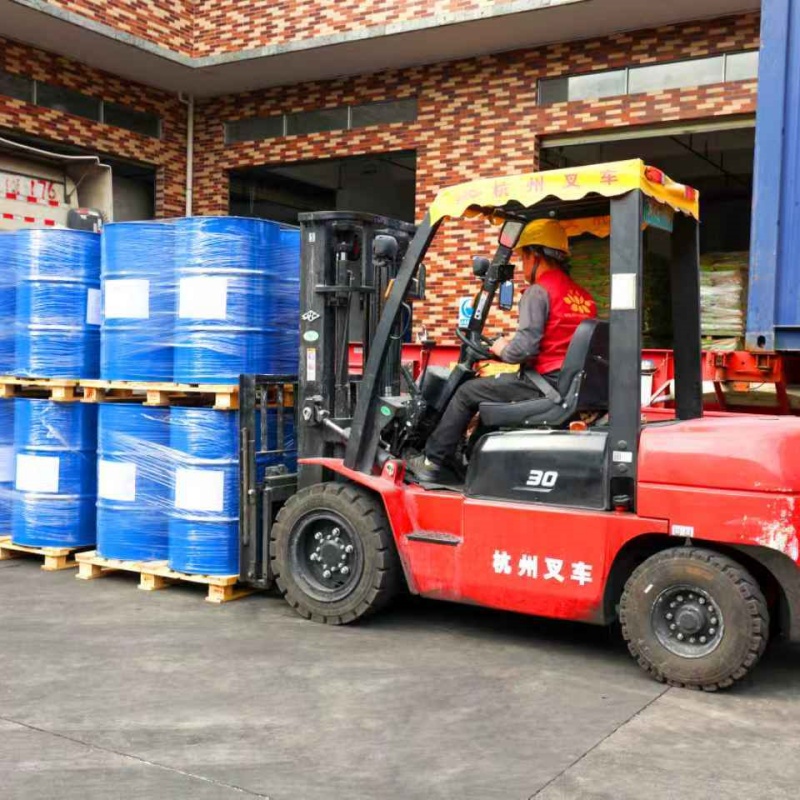
Lead time varies by material and destination, but a supplier with sufficient inventory can reduce uncertainty. Baoshan's 20,000-square-meter warehouse and more than three months of safety stock for bulk European materials help mitigate supply chain risk. For a concrete lead time, request a quote with your volume and destination.
Conclusion and Sourcing Next Steps
PVC vinyl materials form a complex but manageable system of resins, plasticizers, stabilizers, and additives. For industrial buyers moving from awareness to research, the key is to map product requirements to material properties and compliance standards. Using a knowledgeable supplier with testing capabilities and stable inventory can accelerate selection and reduce risk.
If you are beginning a sourcing project, partner with a supplier that understands the regulatory landscape and can support you from formulation to delivery. Guangdong Baoshan Trading Co., Ltd. is a PVC vinyl materials supplier with over 30 years of experience, serving markets in China and Southeast Asia. They offer a range of resins, plasticizers, and stabilizers, and their laboratory can test for phthalates, heavy metals, bisphenol A, and organotin.
Ready to discuss your application? Contact Guangdong Baoshan Trading Co., Ltd. via email at misscheng1984@163.com or WhatsApp at +84 865388399 to request a sample, quotation, or technical consultation.
Have Questions or Need More Details?
Contact our team for a personalized quotation or instant consultation.
Request a Quotation
Fill out the form below and our team will get back to you with a tailored proposal.
WhatsApp Direct Chat
Prefer to chat in real-time? Message us on WhatsApp for instant assistance & quick answers.
- Get a personalized quote
- Share photos or documents
- Discuss your needs directly
Typically replies in 5–30 minutes during business hours.