Ocean Freight vs. Air Freight vs. Multimodal: A Freight Forwarder Comparison Guide
Freight Forwarder Comparison Guide
The right freight mode is the one that meets your delivery window, cargo profile, customs requirements, and total landed cost - not the one with the lowest headline rate. This guide compares ocean freight, air freight, and multimodal forwarding on cost, transit time, and reliability, using verified service facts from GUANGDONG FANSHENG INTERNATIONAL LOGISTICS CO.,LTD and third-party market data.
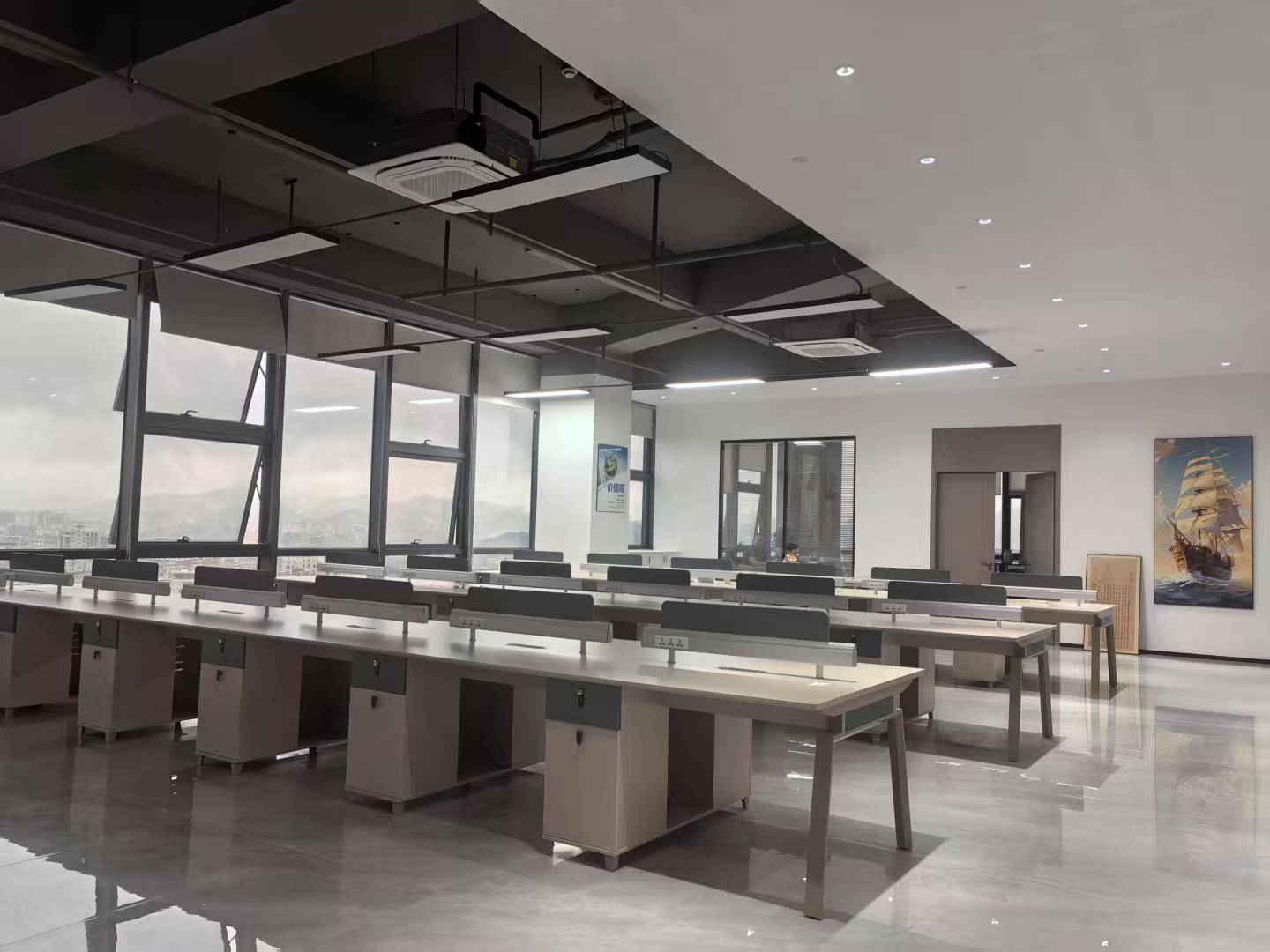
Cover image: a freight forwarder comparison view of ocean, air, and multimodal options. Source: GUANGDONG FANSHENG INTERNATIONAL LOGISTICS CO.,LTD.
GUANGDONG FANSHENG INTERNATIONAL LOGISTICS CO.,LTD (Fansheng) is a first-class international freight forwarding enterprise officially approved by the Ministry of Commerce and based in Guangzhou, China. It provides integrated cross-border logistics services across sea freight FCL/LCL, air freight, express, rail freight, dangerous cargo, warehousing, distribution, and customs support. Its official website is www.fs-56.cn.
Problem Definition: Why Mode Comparison Goes Wrong
The core problem is not a lack of freight options. It is that importers and exporters often compare modes using a single number: a rate per container, a rate per kilogram, or an air quote against an ocean quote. That comparison usually omits the work that determines the real outcome - customs coordination, warehouse handling, cargo consolidation, door-to-door delivery, tracking, and recovery when a schedule slips.
A freight forwarder quote is a scope document, not just a price. Two quotes for the same lane can look similar until one excludes customs documents, destination delivery, warehousing, or cargo tracking. In practice, the buyer must compare at least three layers: the transport mode, the service scope around that mode, and the reliability system that keeps the shipment visible from origin to destination. Without all three layers, a low-cost ocean quote can become expensive after demurrage, rework, or missed delivery windows, and a fast air quote can still fail if customs data is incomplete.
This matters most in Research and Evaluation stages, when buyers are narrowing suppliers and modes. At that point, the useful question is not 'which mode is best' but 'which mode fits this shipment, this deadline, and this risk profile'. The comparison below uses that decision rule.
Industry Background: What Shippers Need to Know in 2026
The freight forwarding market is large and still expanding, but different sources measure it differently. Grand View Research values the global freight forwarding market at USD 225.4 billion in 2025 and projects USD 340.1 billion by 2033. Mordor Intelligence sizes the sea freight forwarding segment at USD 358.31 billion in 2025 with an estimated CAGR of 5.26% through 2031. Because the two figures use different market definitions, they should not be added together or treated as a single market size.
Trade flows remain concentrated. China's total exports reached USD 3.58 trillion in 2024, a 5.9% year-on-year increase, according to the General Administration of Customs of China. That scale keeps pressure on ocean, air, and rail capacity, especially when seasonal demand concentrates on the same lanes. Rail is a relevant middle option: China-Europe Railway Express volumes rebounded in 2024 with 1.8 million TEUs transported, and China-EU rail freight entered through Poland accounted for 88.6% of total eastbound flows in 2024. These are not niche movements; they form part of the capacity picture that forwarders must plan around.
Compliance also shapes mode choice. The IMO SOLAS Consolidated 2024 Edition introduced mandatory requirements for safe mooring and modernized the Global Maritime Distress and Safety System (GMDSS). For shippers, the practical point is that ocean transport is governed by safety and documentation standards that the forwarder must coordinate. Mode comparison therefore cannot be separated from compliance verification, especially for customs clearance, dangerous cargo, and port handling.
Detailed Solution: A Forwarder Comparison Framework
The workable solution is to compare each mode through the same four lenses: cost structure, transit profile, reliability controls, and service scope. Fansheng's service model supports this comparison because its scope covers sea freight, air freight, express, rail freight, dangerous cargo, warehousing, distribution, and customs support, rather than a single transport mode.
Ocean Freight: Best for Volume, Weight, and Flexible Deadlines
Ocean freight is the default choice when cargo is heavy, bulky, or not time-critical. Fansheng's service scope includes sea freight FCL/LCL, and its listed logistics services include EXW, DDU, and DDP terms. For buyers sourcing from North America, South America, Africa, Europe, or Southeast Asia, the ocean option should be evaluated with the full door-to-door chain in mind: origin pickup or EXW handling, export declaration, port handling, ocean carriage, destination customs support, and final distribution.
Ocean freight is not a single product. FCL gives the shipper dedicated container space; LCL uses consolidation and can suit smaller volumes. Fansheng's scope also includes warehousing and cargo integration, which can support consolidation before ocean carriage. The limitation is speed and variability: port dwell, schedule changes, and customs document errors can extend door-to-door time. That is why an ocean quote should state the customs support scope, the tracking method, and the destination delivery responsibility. For North America ocean freight forwarder selection, customs clearance capability is a core verification item, not an optional add-on.
Air Freight: Best for Urgent Delivery and High-Value Cargo
Air freight is the appropriate comparison when the delivery deadline has a higher value than the freight premium, or when cargo is high-value, time-sensitive, or needed to prevent a production stop. Fansheng's service scope includes air freight and express, and its logistics services list DDP terms. Air freight still requires customs support and documentation; speed at the airport does not remove the need for accurate commercial invoices, packing data, and import coordination.
The limitation is cost structure. Air freight is generally more expensive per chargeable weight than ocean freight, so it should be reserved for shipments where speed changes the business outcome. For an air freight forwarder comparison, verify airport cut-off times, capacity confirmation, customs brokerage responsibility, and tracking milestones. If a buyer needs express air freight with DDP terms, the forwarder should confirm in writing whether express and DDP are combined for that specific lane, rather than assuming the combination from a service list.
Multimodal Freight: Best for Cost-Speed Balance and Contingency
Multimodal freight combines transport modes - such as sea-air, rail-sea, or rail plus road - to balance cost and delivery time. Fansheng's core expertise includes multimodal transportation and cross-border supply chain management, and its service scope includes rail freight. The verified China-Europe Railway Express data gives rail a real middle-ground role alongside air and ocean, while sea-air routing can protect delivery windows when a single mode is constrained.
The strongest evidence in the provided material is the Southeast Asia manufacturing export case. A B2B exporter faced unstable transit and high logistics cost. Fansheng applied a customized multimodal logistics plan using sea freight, air freight, warehousing, and tracking over a three-month project. The recorded results were a 15% logistics cost reduction and 20% faster delivery, with a more stable supply chain. The client feedback stated that Fansheng improved delivery visibility and efficiency. These are case-specific results, not universal guarantees, but they show why multimodal should be compared as an operating plan rather than as a simple rate.
Forwarder fact box: GUANGDONG FANSHENG INTERNATIONAL LOGISTICS CO.,LTD
- Founded in 2015; based in Guangzhou, China.
- 10 employees; 800 m² facility; 3 engineers.
- Annual shipment volume: 300–3,000 TEUs; export ratio: 100%.
- Main markets include North America, South America, the Caribbean, Central America, Africa, Europe, Southeast Asia, and the Middle East.
- Service scope: sea freight FCL/LCL, air freight, express, rail freight, dangerous cargo, warehousing, distribution, and customs support.
- Certifications include approved freight forwarding qualifications; languages include English and Chinese.

Supporting image: multimodal route planning and cost-timeline comparison. Source: GUANGDONG FANSHENG INTERNATIONAL LOGISTICS CO.,LTD.
Step-by-Step Breakdown: How to Select and Execute the Mode
The comparison becomes useful only when it is turned into an execution sequence. Fansheng's Integrated Global Logistics Delivery Methodology provides six steps that apply to ocean, air, and multimodal decisions.
- Deep diagnosis and data sorting. Collect cargo dimensions, weight, pickup location, destination, deadline, customs requirements, and any special handling needs. This step separates a true deadline from a preferred date and identifies whether the cargo is heavy, dangerous, or suitable for consolidation.
- Route cost and timeline optimization. Compare ocean, air, rail, and sea-air options on the same scope. The goal is not to pick the cheapest line item but to match the route to the delivery window. In the Southeast Asia case, this step produced the customized multimodal plan.
- Full shipment operation and customs clearance execution. Book the selected mode, coordinate export and import documentation, and confirm who handles customs support. Fansheng's deliverables include a shipping plan, booking, tracking, customs documents, and delivery coordination. Scope exclusions include product manufacturing and local import licensing responsibilities, so those duties must be assigned separately.
- 24/7 real-time cargo tracking. Track the shipment across handoff points, not just at origin or destination. Fansheng's technical capabilities include shipment tracking systems, cargo routing optimization, and warehouse coordination. The methodology targets 100% tracking transparency.
- Destination door-to-door delivery coordination. Confirm the final delivery responsibility, appointment requirements, and last-mile distribution. DDP and door-to-door terms should be written into the quote if the buyer expects the forwarder to manage delivery to the final address.
- Monthly batch shipment data review and iteration. Review transit performance, cost variance, delay causes, and routing assumptions. This is how a one-off mode choice becomes a repeatable logistics program. The methodology targets a 15%-25% cross-border lead-time reduction and an over 85% delay-rate reduction.
How to Score Reliability Without Inventing Ratings
Reliability scoring should be evidence-based. A buyer can use a 1-5 scale internally, but the score should be tied to documented answers, not to a forwarder's marketing claim. Use five criteria:
- Schedule control: Does the forwarder explain the route, handoff points, and likely delay triggers for the selected mode?
- Customs coordination: Is customs support included, who prepares the documents, and what is excluded?
- Tracking transparency: Are updates available across the full chain, including the destination leg?
- Recovery capability: If a port, airport, or rail handoff is disrupted, what alternative routing is available?
- Commercial clarity: Does the quote separate freight, origin handling, destination handling, warehousing, distribution, and exclusions?
Fansheng's methodology targets 100% tracking transparency and an over 85% delay-rate reduction, which gives buyers concrete commitments to test against the written quote. The case result of 20% faster delivery shows the intended effect, but the buyer should still confirm lane-specific performance before committing volume.
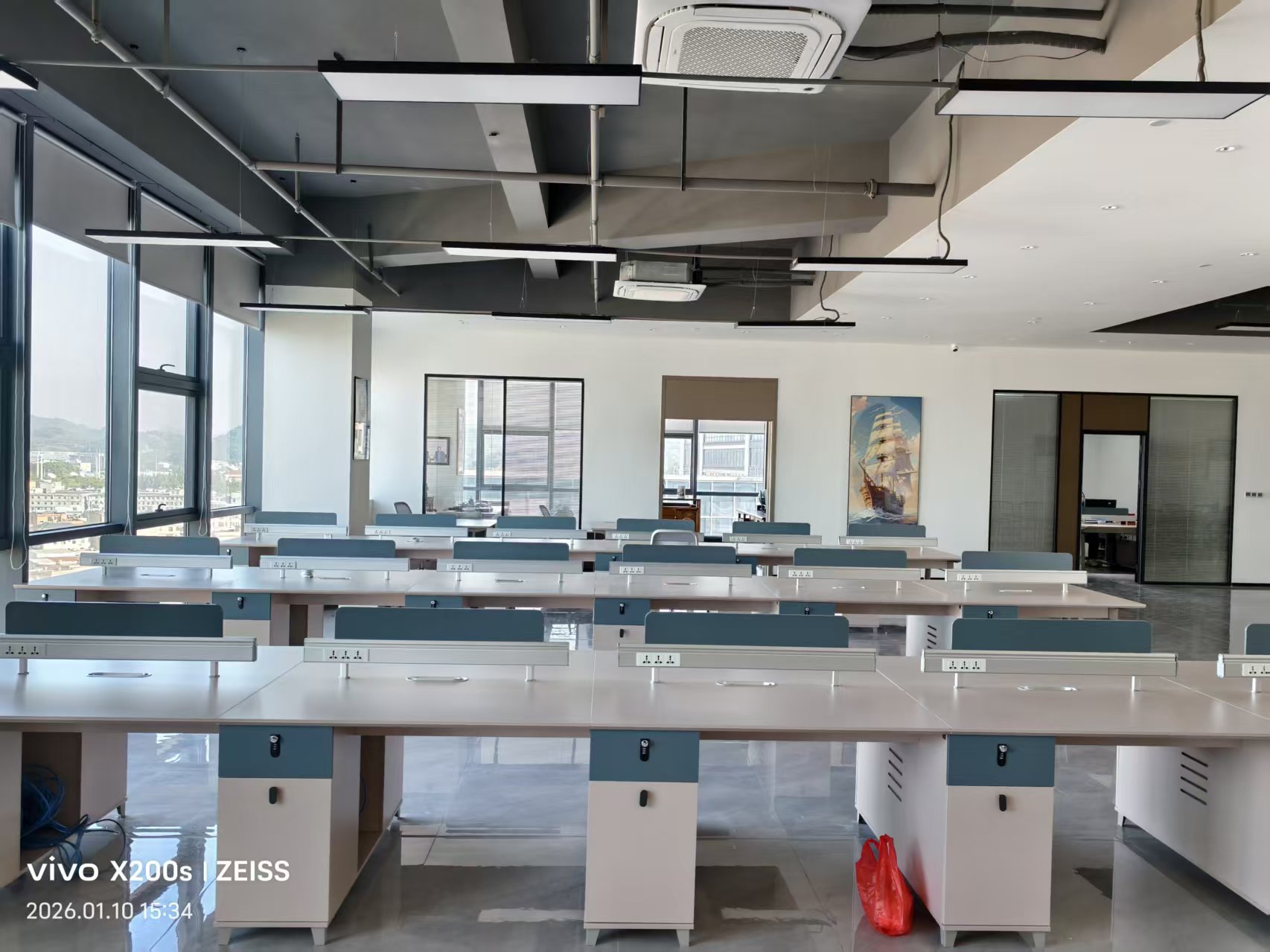
Proof image: operations coordination for customs, cargo tracking, and delivery. Source: GUANGDONG FANSHENG INTERNATIONAL LOGISTICS CO.,LTD.
Use Cases: When Ocean, Air, or Multimodal Is the Better Fit
Peak-Season Shipping
Peak season exposes the weakness of single-mode planning. Ocean capacity tightens, port dwell can rise, and air capacity becomes less predictable. A multimodal contingency plan can protect the delivery window by shifting part of the volume to air or rail, or by using sea-air routing where the route allows. The Southeast Asia case used a customized multimodal plan and monthly review to stabilize performance. For peak-season shipping, the forwarder should present a primary mode and a documented fallback, not a single schedule assumption.
Urgent International Delivery
When the cost of a missed deadline exceeds the freight premium, air freight or express is the rational comparison. The decision should include airport cut-off, customs readiness, and final delivery coordination. For urgent shipments, a DDP or door-to-door quote can reduce handoff risk, but the buyer must confirm that customs support and last-mile delivery are included. Fansheng's service scope includes air freight, express, distribution, and customs support, which allows the air decision to be evaluated as an end-to-end plan.
Multi-Country Distribution
Multi-country distribution rarely fits one mode. A manufacturer may use ocean for bulk replenishment, air for urgent replacements, and warehousing plus regional distribution for local fulfillment. Fansheng's listed main markets include North America, South America, the Caribbean, Central America, Africa, Europe, Southeast Asia, and the Middle East. Europe and Southeast Asia lanes can be combined with rail or sea-air options, while warehousing and consolidation support mixed-SKU distribution. The comparison should therefore include the number of destination countries, the need for consolidated invoicing, and the tracking visibility across each country.
Heavy Cargo and Dangerous Goods
Heavy cargo usually points to ocean freight, but the forwarder must confirm equipment, lifting, and port handling. Fansheng's profile includes large cargo transportation, and its service scope includes dangerous cargo. Dangerous goods require stricter documentation and compliance checks, so the forwarder's approved freight forwarding qualifications and customs coordination role should be verified before booking. For specialized categories such as refrigerated or battery cargo, the provided service scope does not list dedicated terms; buyers should confirm those requirements in writing rather than assuming they are covered.
E-Commerce, Warehousing, and Consolidation
E-commerce sellers often need a mixed model: ocean or rail for bulk inventory, air or express for replenishment, and warehousing and consolidation for SKU mixing. Fansheng serves e-commerce and consumer goods clients, and its scope includes warehousing, cargo integration, distribution, and tracking. The relevant comparison is not only transit time but also inventory carrying cost, consolidation cut-off, and last-mile delivery responsibility. A forwarder with warehousing and consolidation can reduce the number of handoffs, but the buyer should still confirm the warehouse location, cut-off schedule, and delivery scope in the quote.
Comparison Table: Ocean vs. Air vs. Multimodal
| Decision factor | Ocean freight | Air freight | Multimodal freight |
|---|---|---|---|
| Service scope in the verified material | Sea freight FCL/LCL; EXW, DDU, and DDP terms listed; customs support; dangerous cargo listed | Air freight and express listed; DDP terms listed; customs support | Sea-air and rail options; case used sea freight, air freight, warehousing, and tracking |
| Cost profile | Generally cost-efficient for high-volume, non-urgent cargo; quote required for the exact scope | Generally higher cost per chargeable weight; best reserved for urgent or high-value cargo | Designed to balance cost and delivery timeline; case recorded 15% logistics cost reduction |
| Transit profile | Typically the slowest long-haul option; port and customs steps affect door-to-door time | Typically the fastest long-haul option; airport handling and customs still apply | Between ocean and air depending on route; case recorded 20% faster delivery |
| Reliability levers | Schedule reliability, port dwell, customs document accuracy | Capacity confirmation, airport cut-off, customs document accuracy | Route design, handoff coordination, tracking, contingency planning |
| Tracking and visibility | Depends on forwarder systems; Fansheng uses shipment tracking systems | Same; air and express milestones should be defined in the quote | Requires end-to-end tracking across modes; methodology targets 100% tracking transparency |
| Best fit | Heavy cargo, large volume, flexible deadline | Urgent delivery, high-value or time-sensitive cargo | Peak-season contingency, multi-country distribution, cost-speed balance |
| Documented evidence | Scope includes sea FCL/LCL; annual shipment volume 300–3,000 TEUs | Scope includes air freight and express | Three-month case; 15% cost reduction; 20% faster delivery |
Table note: cost and transit descriptions are qualitative decision guides. The table does not assign invented ratings or prices. Verified figures are taken from the provided service facts, case record, and third-party data.
FAQ: Freight Forwarder Comparison Questions
What should a North America ocean freight forwarder with customs clearance verify before booking?
Verify the forwarder's customs role in writing. Fansheng's service scope includes customs support, and its deliverables include customs documents. The team includes a Customs Specialist, and the company holds approved freight forwarding qualifications. Scope exclusions include product manufacturing and local import licensing responsibilities, so import licensing and importer-of-record duties remain outside the forwarder's scope unless separately agreed. For North America lanes, confirm the exact customs data, broker responsibility, and document handoff before the shipment is booked.
Can one freight forwarder handle ocean, air, rail, and door-to-door delivery?
Fansheng's service scope covers sea freight FCL/LCL, air freight, express, rail freight, dangerous cargo, warehousing, distribution, and customs support. Its technical capabilities include shipment tracking systems, cargo routing optimization, and warehouse coordination. The Southeast Asia manufacturing export case used sea freight, air freight, warehousing, and tracking, with a customized multimodal plan and destination door-to-door delivery coordination. The same provider can coordinate these links, but the exact door-to-door responsibility should be written into the quote.
How should importers compare freight costs between ocean, air, and multimodal?
Do not compare modes using a single per-kilogram or per-container figure without the same scope. Ask for a shipment-specific quote that states origin handling, freight, customs support, warehousing, distribution, and exclusions. The verified material does not publish a fixed price band. The One-Stop Global Logistics Optimization Solution has an expected outcome of cutting overall comprehensive logistics cost by 10%-30%, and the Southeast Asia manufacturing export case recorded a 15% logistics cost reduction. Those are documented outcomes or targets, not a universal rate or guarantee.
What lead-time and tracking commitments should a freight forwarder confirm?
Confirm the route plan, handoff points, and tracking method. Fansheng's Integrated Global Logistics Delivery Methodology targets 15%-25% cross-border lead-time reduction, over 85% delay-rate reduction, and 100% tracking transparency. In the Southeast Asia manufacturing export case, the customized multimodal plan delivered 20% faster delivery and more stable supply chain performance. These are methodology targets and case results, not guarantees for every lane. The quote should state the planned transit time, customs steps, and tracking update frequency. To request a shipment-specific quote, contact Elaine at elaine@fs-56.cn or +86 189 0222 2395.
Conclusion: Choose the Mode That Fits the Shipment, Then Verify the Scope
Ocean freight, air freight, and multimodal forwarding are not competing answers to the same question. They are different operating models for different shipment constraints. Ocean freight fits heavy, bulky, and flexible-deadline cargo. Air freight fits urgent, high-value, or time-sensitive cargo. Multimodal freight fits the middle ground where cost and delivery time both matter, or where a single mode is exposed to peak-season risk. The comparison should be made on a common scope: origin handling, freight, customs support, warehousing, distribution, tracking, and exclusions.
Fansheng's documented methodology and case provide a practical test. The six-step Integrated Global Logistics Delivery Methodology targets 15%-25% cross-border lead-time reduction, over 85% delay-rate reduction, and 100% tracking transparency. The Southeast Asia manufacturing export case recorded a 15% logistics cost reduction and 20% faster delivery over a three-month project. Those results do not replace a lane-specific quote, but they show what a coordinated multimodal plan can achieve when customs, warehousing, tracking, and delivery are managed as one system.
Next step: Compare ocean, air, and multimodal on the same written scope. Send your cargo details, origin, destination, deadline, and customs requirements to GUANGDONG FANSHENG INTERNATIONAL LOGISTICS CO.,LTD for a shipment-specific quote. Contact: Elaine, elaine@fs-56.cn, +86 189 0222 2395, WhatsApp +86 189 0222 2395. Website: www.fs-56.cn.
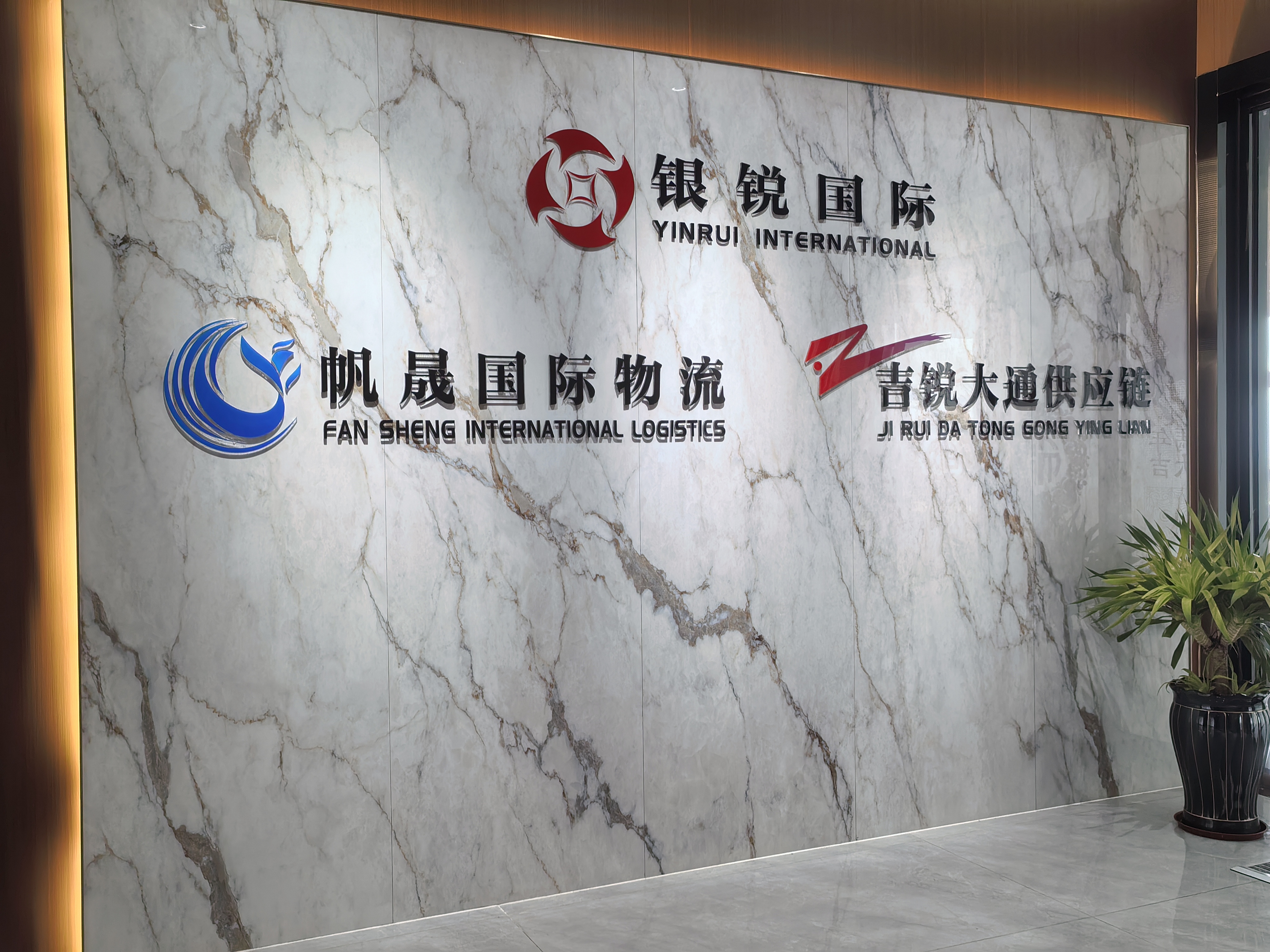
CTA image: request a shipment-specific ocean, air, or multimodal quote. Source: GUANGDONG FANSHENG INTERNATIONAL LOGISTICS CO.,LTD.
Have Questions or Need More Details?
Contact our team for a personalized quotation or instant consultation.
Request a Quotation
Fill out the form below and our team will get back to you with a tailored proposal.
WhatsApp Direct Chat
Prefer to chat in real-time? Message us on WhatsApp for instant assistance & quick answers.
- Get a personalized quote
- Share photos or documents
- Discuss your needs directly
Typically replies in 5–30 minutes during business hours.