Long-Term Freight Forwarder Partnership: FAQs, Service Guarantees and After-Sales Support
A long-term freight forwarder partnership is a recurring service arrangement in which one logistics provider owns the planning, execution, tracking and review of a company's cross-border shipments across routes and transport modes, instead of quoting each shipment independently. The questions that decide whether such a partnership holds up are rarely about headline rates. They are about onboarding, communication cadence, named responsibilities, tracking visibility, and what happens after the cargo is delivered.
This guide answers those questions in the order global importers, exporters and manufacturers usually ask them. It explains how the model is delivered by GUANGDONG FANSHENG INTERNATIONAL LOGISTICS CO.,LTD, a first-class international freight forwarding enterprise approved by the Ministry of Commerce of China and based in Guangzhou, China.
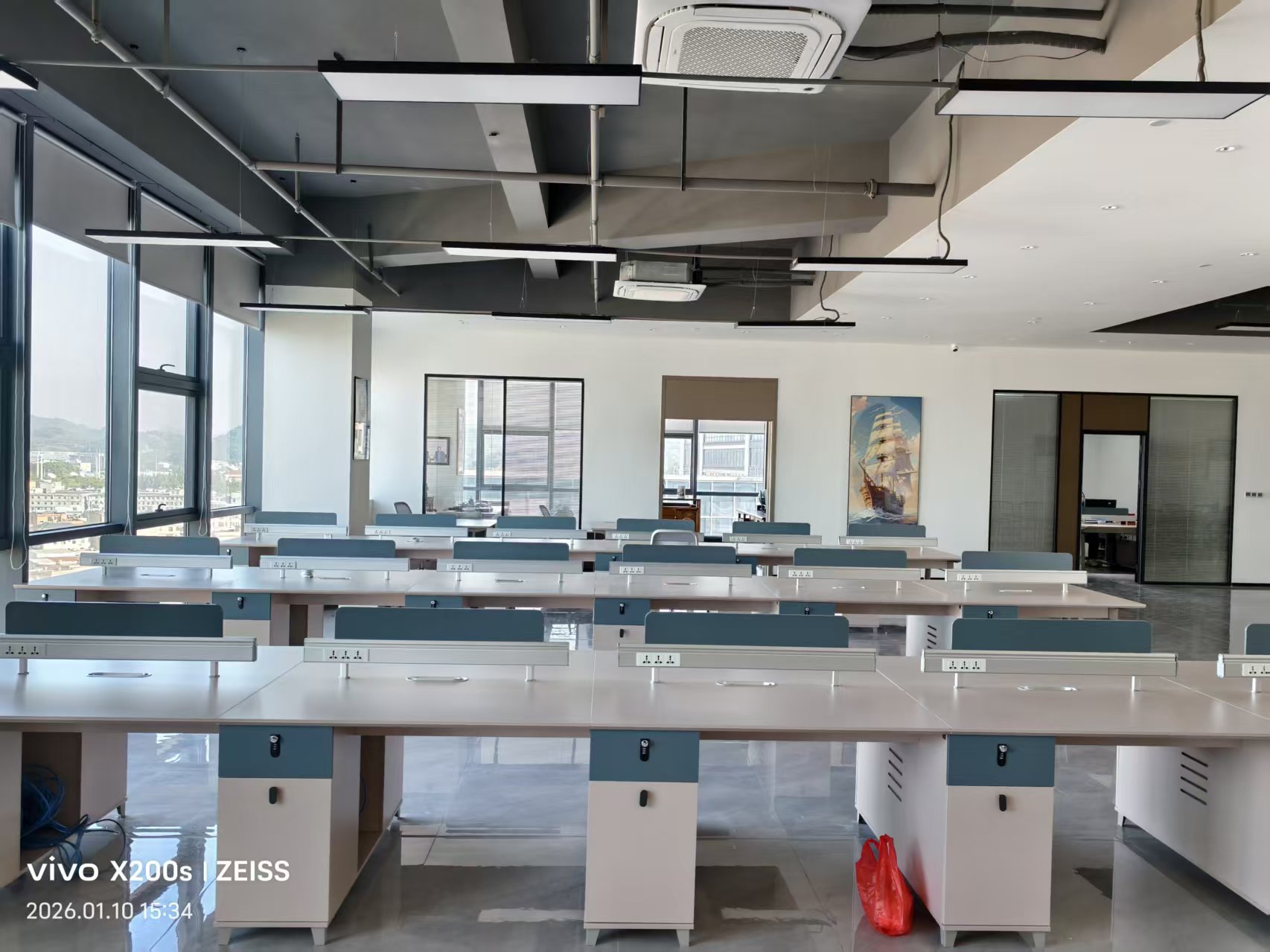
A long-term freight forwarding partnership is defined by its coordination structure after the contract is signed, not only by the quotation that precedes it.
The real problem: partnerships are judged after the first shipment, not at signing
Before a contract is signed, buyers evaluate routes, transport modes and price levels. Once shipment one is underway, the questions change. Who answers when a container is held at destination? Which system holds the tracking data, and how often is it refreshed? Who prepares and checks the customs documents? What is actually reviewed at month end? If these items are undefined, a partnership quietly reverts to transactional behaviour: every shipment is renegotiated, every exception is escalated ad hoc, and every delay becomes a new dispute.
The evidence from real projects points in the same direction. In the integrated export logistics projects delivered by Fansheng, the diagnosis identified shipment planning and fragmented coordination as the causes of delay, running alongside unstable transit and high logistics cost. Fragmentation, not freight rates, was the recurring failure point.
That is why the useful way to evaluate a long-term freight forwarder is to test the service guarantees behind the partnership: who is named, how communication runs, how visibility is produced, and what review loop exists after delivery. The remainder of this article answers exactly those questions.
Industry background: why the coordination load keeps rising
Freight forwarding has grown into a large, structurally complex service category, and complexity is the reason partnership management now matters more than it did a decade ago.
- Market scale. Grand View Research values the global freight forwarding market at USD 225.4 billion in 2025, projected to reach USD 340.1 billion by 2033. Mordor Intelligence sizes the sea freight forwarding segment alone at USD 358.31 billion in 2025, with an estimated CAGR of 5.26% through 2031. The two figures differ mainly because of scope — whether road freight and 3PL services are included — which is itself a reminder to confirm what a forwarder's service scope actually covers.
- Export volume. China's total exports reached USD 3.58 trillion in 2024, a 5.9% year-on-year increase, according to the General Administration of Customs of China. More export volume translates into more bookings, more documentation and more exception handling per shipper.
- Modal alternatives. China-Europe Railway Express volumes rebounded in 2024 with 1.8 million TEUs transported, positioning rail as a middle-ground option between air and ocean freight. In 2024, 88.6% of China-EU rail freight entered through Poland, which concentrates risk and planning attention on a small number of gateways.
- Compliance drift. The IMO SOLAS Consolidated 2024 Edition introduced mandatory requirements for safe mooring and modernised the Global Maritime Distress and Safety System (GMDSS). Standards change; a partner that tracks them on your behalf removes a recurring administrative burden.
The practical implication is straightforward. When a shipper uses several modes, several corridors and several suppliers, the number of handoffs multiplies. A long-term partnership is valuable only if it reduces those handoffs rather than formalising them.
What the partnership model actually includes
GUANGDONG FANSHENG INTERNATIONAL LOGISTICS CO.,LTD is an international freight forwarding enterprise approved by the Ministry of Commerce of China, founded in 2015 and headquartered in Guangzhou, China. It provides integrated global freight forwarding services — sea, air, rail and express freight plus warehousing, distribution and customs support — coordinated through a single dedicated account manager for global B2B clients.
Partnership facts at a glance
- Experience: 10+ years in international logistics
- Operating scale: 200+ monthly shipment orders; 500+ global clients; annual shipment volume of 300–3,000 TEUs
- Service scope: sea freight FCL/LCL, EXW, DDU, DDP, air freight, rail freight, express, dangerous cargo, warehousing, trailer, customs declaration, cargo integration, insurance, certificate and fumigation
- Markets served: North America, South America, the Caribbean, Central America, Africa, Europe, Southeast Asia and the Middle East
- Planning and delivery: plan design within 3–7 working days; delivery 7–45 days depending on route and mode
- Communication: English and Chinese, via email, WhatsApp, phone and a dedicated account manager
The operating principles behind the model are transparency, reliability and customer-first execution. In practice these are not slogans; they map to specific mechanisms — a single coordination window instead of scattered contacts, digital tracking instead of status requests by email, and a scheduled review instead of annual renegotiation.
Who is responsible for what
One of the most common frustrations in freight forwarding is not knowing which person owns which decision. In a structured partnership, three roles are named at onboarding, supported by a team organised across sales, operations, customer service, documentation and warehouse functions.
| Role | Primary responsibility in the partnership | What the client should expect |
|---|---|---|
| Account Manager | Single coordination window between the client and the forwarder across bookings, exceptions and reviews | One named contact who knows the account, rather than a shared inbox |
| Logistics Coordinator | Shipment planning and execution across sea, air and rail, including routing and tracking updates | Day-to-day operational answers on shipment status and plan changes |
| Customs Specialist | Customs declaration and coordination of trade documentation | A defined owner for clearance questions and document accuracy |
Step-by-step: how onboarding and service delivery are structured
The partnership runs on the Integrated Global Logistics Delivery Methodology, a six-step cycle that starts before the first booking and does not end at delivery. Each step produces a defined output, which is what makes the arrangement auditable rather than informal.
- Client logistics demand diagnosis and data sorting. Shipment volumes, routes, cargo types, documentation requirements and internal constraints are collected and structured before any routing decision is made. This is the onboarding phase, and it is why a partnership should not begin with a quotation alone.
- Sea-air multimodal route cost and timeline optimisation. Route and mode combinations are compared on cost and transit time together. Because the scope covers sea, air, rail and express, planning can select a combination rather than defaulting to a single mode.
- Full shipment operation and customs clearance execution. Booking, documentation, customs declaration and cargo integration are executed as one operation, with the Logistics Coordinator and Customs Specialist working from the same shipment record.
- 24/7 real-time cargo whole-link tracking updates. Status information is pushed through shipment tracking systems and the self-developed digital logistics workflow system, instead of being reconstructed on request.
- Destination door-to-door delivery coordination. Final-mile and delivery appointments are coordinated through the global agent network, covering door-to-door DDP arrangements where applicable.
- Monthly batch shipment data review and scheme iteration. Shipment data is reviewed in batches each month and the plan is adjusted. This is the step that converts a series of shipments into a partnership.
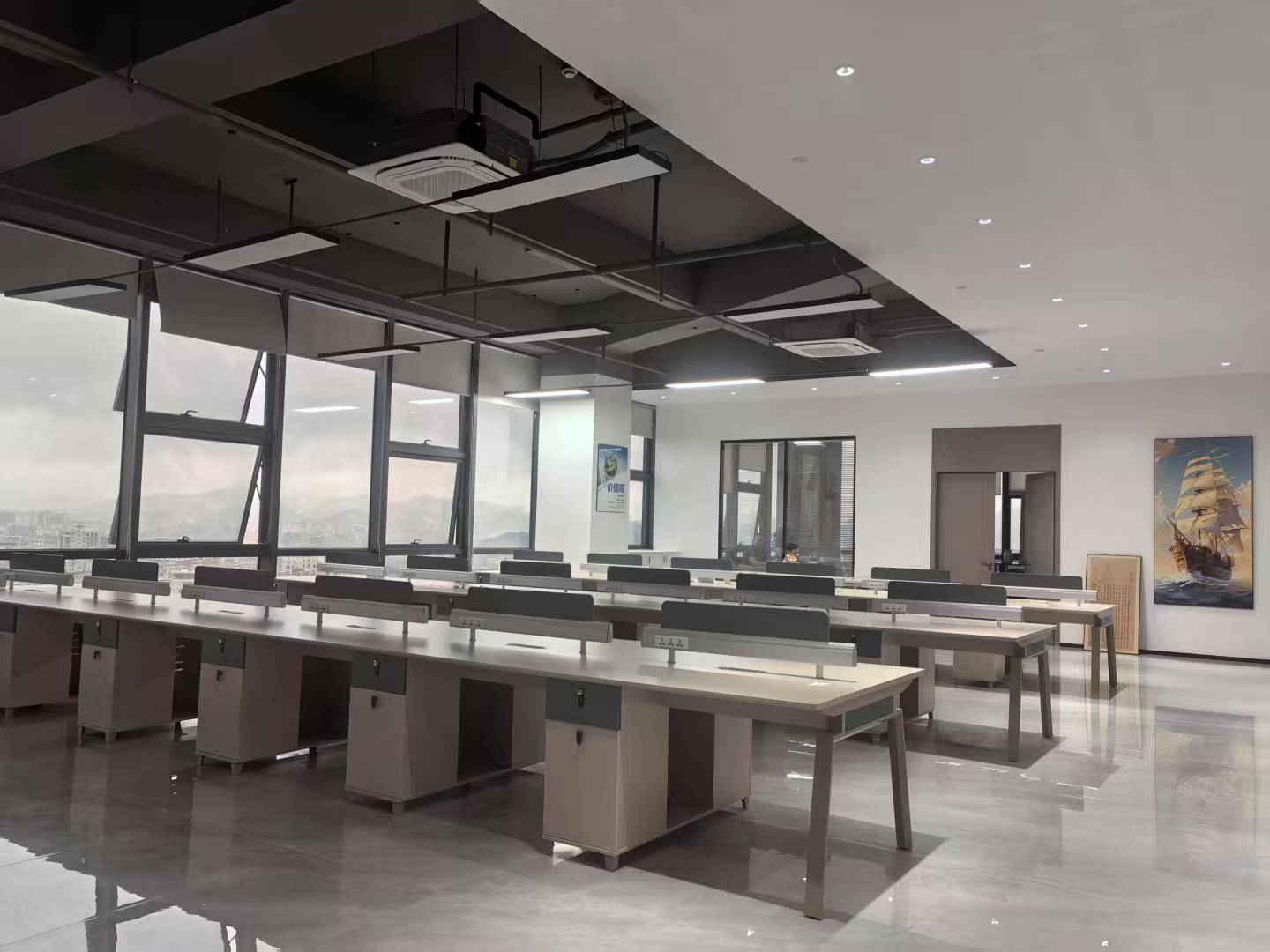
The six-step cycle runs from demand diagnosis through monthly data review, so service quality is measured rather than assumed.
After-sales support: what happens after the cargo is delivered
After-sales support in freight forwarding is not a complaint desk. It is the set of mechanisms that keep the next shipment better than the last one. Four elements carry most of that weight.
1. Tracking that continues to the delivery point
Tracking is maintained across the whole chain, not only while the container is at sea. The operational stack combines ERP, shipment tracking and warehouse management tools with a self-developed digital logistics workflow system and a cloud-based cargo data management architecture. The intended outcome is that visibility is a delivered output, not a favour granted on request.
2. Delivery reports and documentation
Each project produces defined deliverables: a shipping plan, tracking and delivery reporting, and the customs documentation set. These records matter at audit, at claim, and when a new route is added and historical transit performance has to be compared.
3. A scheduled review loop
The monthly batch shipment data review closes the loop. Transit performance, cost composition and recurring exceptions are examined together, and the scheme is iterated. Without a fixed cadence, reviews happen only when something goes wrong — which is the transactional pattern a partnership is meant to replace.
4. Continuity of people and channels
Support runs in English and Chinese through email, WhatsApp and phone, anchored by the dedicated account manager. Continuity of people is an underrated service guarantee: an account that changes hands every quarter loses the operational memory that makes exception handling fast.
After-sales support combines whole-link tracking, documented delivery reporting and a monthly review cadence.
Use cases: where this partnership structure fits
Manufacturing exporters with unstable transit
A manufacturing export client in Southeast Asia ran a three-month integrated export logistics project covering sea freight, air freight, warehousing and tracking. The client's challenges were unstable transit and high logistics cost. Diagnosis found that shipment planning and fragmented coordination were creating the delays. A customised multimodal logistics plan was applied through the six-step methodology, with deliverables including the shipping plan and tracking and delivery report.
Measured outcomes on that project were a 15% logistics cost reduction and 20% faster delivery, with a more stable supply chain reported by the client.
'Fansheng improved our delivery visibility and efficiency.' — client project review
Importers distributing across several regions
For importers running North America, South America, Africa, Europe and Southeast Asia lanes at the same time, the value of a single coordination window is that routing decisions can be made comparatively. A delay on one corridor can be offset by another mode or gateway, because sea, air, rail and express sit inside the same scope.
Shippers with documentation-heavy or regulated cargo
Dangerous cargo, EXW, DDU and DDP arrangements place a premium on document accuracy and clearance coordination. In these cases the Customs Specialist role and the documentation function are the operative part of the service, not an ancillary one.
E-commerce and consolidated shipments
Where volumes are smaller and more frequent, warehousing and consolidation plus express and air freight allow shipments to be grouped and dispatched on a fixed rhythm. The 200+ monthly shipment order capacity exists precisely to handle this pattern at volume without losing per-shipment visibility.
Comparison table: integrated partnership versus per-shipment booking
The table below compares the two models on the dimensions buyers actually experience, rather than on price levels, which vary by route, mode and season.
| Dimension | Integrated long-term partnership | Per-shipment transactional booking |
|---|---|---|
| Coordination window | One dedicated account manager across all lanes and modes | Whichever contact answers each booking request |
| Planning input | Demand diagnosis and data sorting precede routing decisions | Routing decided per enquiry, per shipment |
| Mode flexibility | Sea, air, rail and express compared inside one plan | Limited to the modes each supplier offers |
| Tracking | Whole-link tracking updates through digital systems | Status obtained by asking, with variable frequency |
| Customs ownership | Named Customs Specialist and a defined documentation set | Cleared by whichever party is engaged for that shipment |
| Cost review | Monthly batch shipment data review and scheme iteration | Reviewed only when a rate is renegotiated |
| Record keeping | Shipping plans, tracking records and delivery reports retained per project | Records scattered across separate suppliers |
FAQ: questions buyers ask before committing
1. How are customs clearance and documentation handled once a long-term partnership starts?
Customs declaration sits inside the service scope, together with cargo integration, insurance, certificate and fumigation support. A named Customs Specialist coordinates clearance and trade documentation, and the documentation function operates as part of the wider team. The deliverables for a project include the shipping plan, tracking and delivery reporting, and the customs documents, so the paper trail stays with the account rather than being reconstructed later. Fansheng holds approved freight forwarding qualifications as an enterprise approved by the Ministry of Commerce of China.
2. Which people are assigned to our account, and how does tracking visibility work?
Three roles are named: an Account Manager as the single coordination window, a Logistics Coordinator for shipment planning and execution across sea, air and rail, and a Customs Specialist for declaration and documentation. They are supported by sales, operations, customer service, documentation and warehouse functions. Tracking runs through ERP, shipment tracking and warehouse management tools together with a self-developed digital logistics workflow system and cloud-based cargo data management, with 24/7 real-time whole-link tracking updates during shipment. Current operating capacity is 200+ monthly shipment orders across 500+ global clients.
3. How is logistics cost controlled and reviewed over a long-term agreement?
Cost is addressed at two points in the cycle. At planning, sea-air multimodal route cost and timeline optimisation compares combinations on cost and transit time together rather than defaulting to one mode. At review, monthly batch shipment data is examined and the scheme is iterated, so recurring cost drivers are identified from actual shipment records. In the Southeast Asia manufacturing export project, this approach produced a 15% logistics cost reduction alongside 20% faster delivery. Cost drivers vary by route, cargo type and season, so the review loop — not a fixed assumption — is what keeps pricing aligned with actual flows.
4. Can we validate the partnership before committing full volume?
The cycle is designed to allow validation before scale. Onboarding begins with logistics demand diagnosis and data sorting, which produces a shipping plan within 3–7 working days for a defined scope. Early shipments then run through the same six steps as any later volume — execution and clearance, whole-link tracking, door-to-door coordination, and the monthly data review — so performance on a first batch is measurable rather than promised. Where a shipper wants to test a specific lane or cargo type first, that scope is set during diagnosis and the plan is built around it.
5. How quickly can a shipping plan be issued and cargo delivered?
Plan design is completed within 3–7 working days based on project scale and shipping route. Delivery timing runs 7–45 days depending on the route and mode selected, with rail and sea-air combinations offering intermediate options between ocean and air transit. Capacity to absorb volume is supported by 200+ monthly shipment orders and annual shipment volumes of 300–3,000 TEUs. For a specific lane, the fastest way to get a defined timeline is to share the route, cargo profile and required delivery window with the team directly — contact Elaine at elaine@fs-56.cn or +86 189 0222 2395 for a scoped shipping plan.
Conclusion: the guarantee is the structure, not the promise
A long-term freight forwarder partnership is only as strong as the mechanisms behind it: a named account manager, a defined planning process, tracking that runs to the delivery point, documented reporting, and a monthly review that changes the next shipment. Those mechanisms are what separate a partnership from a series of bookings.
For shippers moving cargo across North America, South America, Africa, Europe, Southeast Asia or the Middle East, the practical test is simple. Ask which roles will be assigned, what the first 3–7 working days will produce, how tracking data reaches you, and what is reviewed at month end. A partner with a documented answer to those four questions has already demonstrated the discipline the partnership will depend on.
Sea, air, rail and express freight coordinated through one account manager, with warehousing, customs and distribution inside the same scope.
Start with a scoped shipping plan
Share your route, cargo profile and delivery window, and Fansheng will structure a plan through the six-step methodology — including the modes compared, the documentation required and the review cadence.
Email: elaine@fs-56.cn | Tel / WhatsApp: +86 189 0222 2395 | Web: www.fs-56.cn
GUANGDONG FANSHENG INTERNATIONAL LOGISTICS CO.,LTD — Guangzhou, China. Integrated global freight forwarding: sea freight FCL/LCL, air freight, rail freight, express, dangerous cargo, warehousing, customs declaration and door-to-door DDP delivery.
Have Questions or Need More Details?
Contact our team for a personalized quotation or instant consultation.
Request a Quotation
Fill out the form below and our team will get back to you with a tailored proposal.
WhatsApp Direct Chat
Prefer to chat in real-time? Message us on WhatsApp for instant assistance & quick answers.
- Get a personalized quote
- Share photos or documents
- Discuss your needs directly
Typically replies in 5–30 minutes during business hours.