
Work Boots for Men: Safety Shoe Buyer Guide | GUYISA
Work Boots for Men: A Buyer's Guide to Safety Shoes That Match the Job
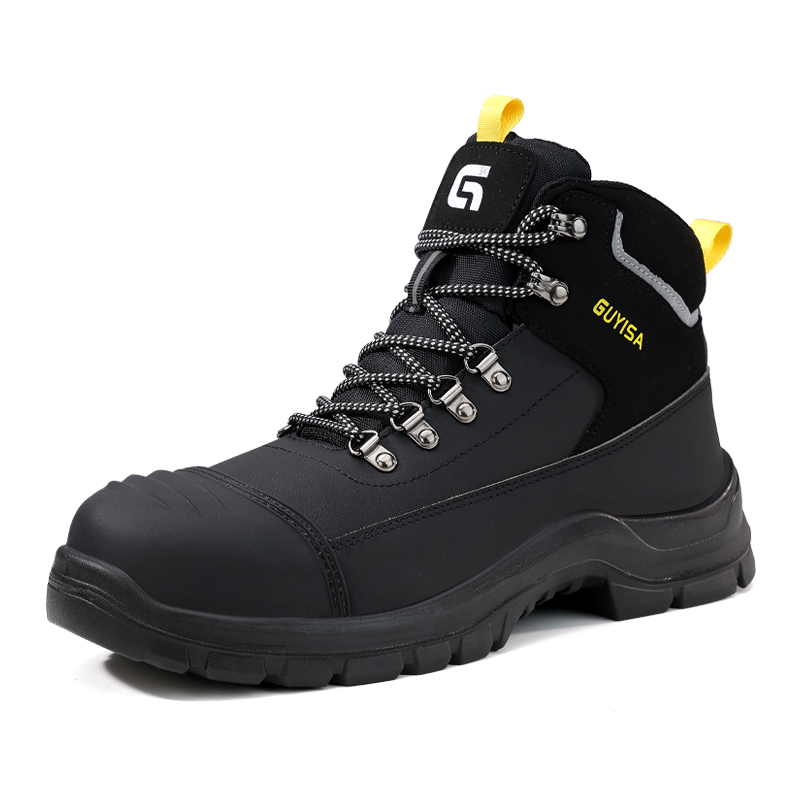
Work boots for men, in the safety footwear category, are protective shoes built to a recognised standard and designed to shield the foot from impact, puncture, slip and — on specific models — electrical, static, cold and wet conditions. In everyday searches the terms work boots for men, men's work boots, steel toe boots, work shoes for men and safety shoes are used almost interchangeably. What separates a genuine pair of protective work boots from ordinary footwear is not the look of the boot; it is the certified toe cap, the puncture-resistant midsole, the outsole compound and the documentation behind them.
Why Choosing Men's Work Boots Is Harder Than It Looks
The difficulty is rarely a shortage of options. A buyer searching for work boots for men is usually met with hundreds of listings that look similar, use the same words and quote very different specifications. Three problems repeat across nearly every first-time purchase.
- Terminology is loose. Sellers mix work boots, safety boots, steel toe shoes and industrial safety shoes as if they were the same product. Some listings describe a fashion boot with a reinforced toe, others describe footwear tested to EN ISO 20345.
- Specifications are quoted without context. A 200-joule toe cap and a 1,100-newton midsole mean little to a buyer who has not compared them against the hazards on the actual work site.
- Certification is claimed but rarely shown. Tenders, customs clearance and marketplace listings increasingly require test reports and certificate copies, not a badge on a product photo.
The practical result is that the wrong pair is often bought for the right reason — a low price, a familiar look or a fast delivery date — and then fails where it matters. A work boot that is comfortable in a warehouse may be unsuitable on a rebar-strewn construction slab; a boot that performs on a wet kitchen floor may offer no electrical insulation at all.
Industry Background: What Men's Work Boots Are Actually Up Against
Protective footwear is one of the few product categories where the working environment defines the specification rather than the other way around. In construction, mining, oil and gas, warehousing, manufacturing, utilities, welding, automotive repair, food processing, healthcare, agriculture and port operations, the foot is exposed to a fairly consistent set of hazards.
Typical site conditions include uneven ground with rebar, nails, scattered metal debris and concrete fragments; impact from dropped tools and building materials; wet, muddy and oily surfaces; outdoor heat, dust and rain; and in specific environments, high voltage risk and static-sensitive production. The function of a safety boot is to protect the foot from impact and crushing, resist puncture from below, hold grip on wet or contaminated ground, and keep the wearer stable and comfortable across a full shift — while helping the employer meet site foot-protection rules and pass client and insurer audits.
Two standards dominate international procurement. EN ISO 20345 is the European safety-footwear standard and the reference used across most export markets. For US-bound orders, ASTM F2413 applies, and CE marking is based on PPE Regulation (EU) 2016/425. A supplier that cannot map its range to these references creates compliance risk for the buyer, regardless of how good the boot looks.
The GUYISA Safety Shoes Range: What Is Actually Offered
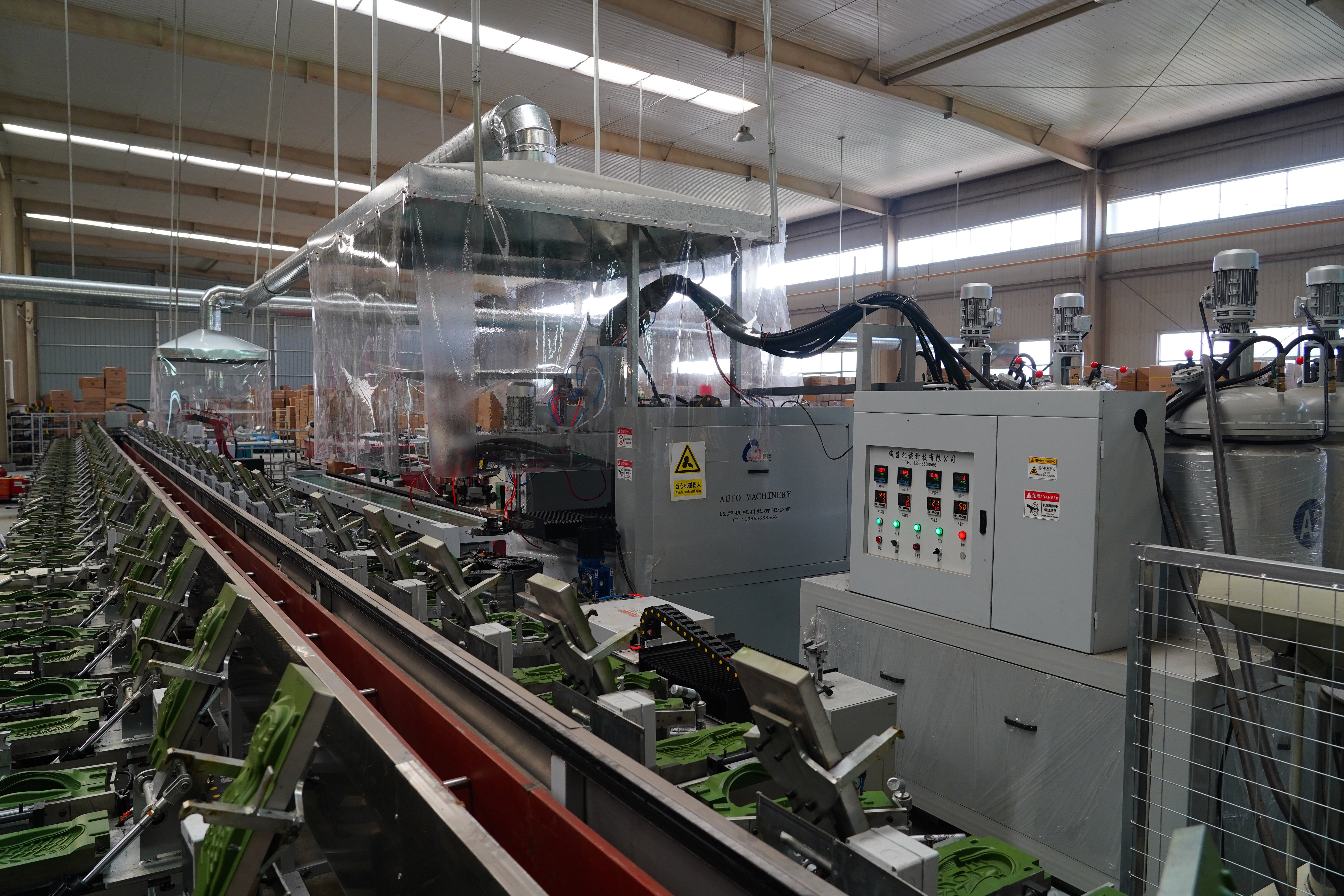
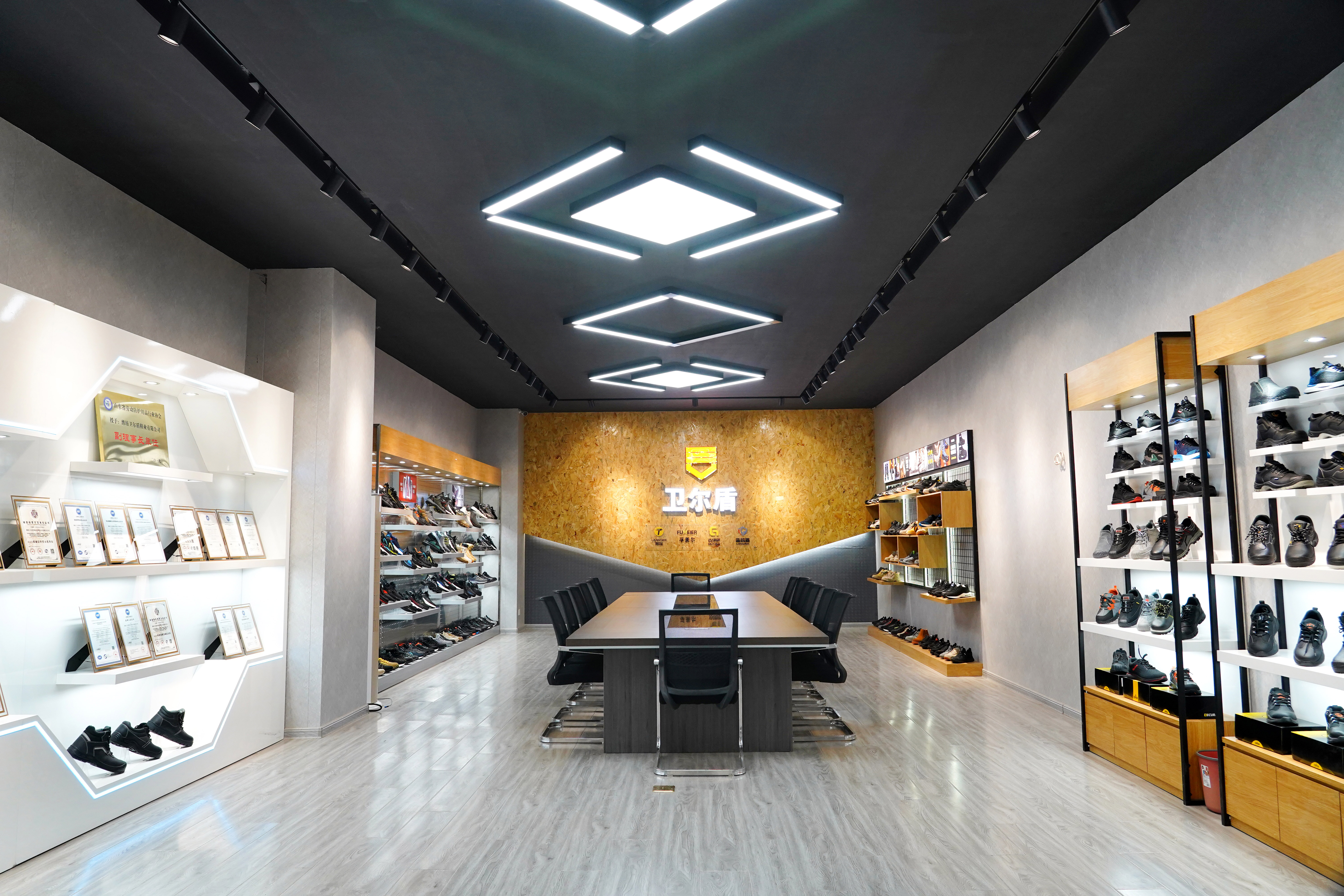
GUYISA is the flagship safety footwear brand of Weierdun Group, a manufacturer that researches, develops, produces and exports protective footwear. The operating company, Weifang Weierdun Shoes Co., Ltd., was established in 2010 and manufactures in Weifang, Shandong Province, China, on a 50,000 m² facility with approximately 480 staff and an annual production capacity of 5,000,000 pairs.
The product range covers multifunctional safety shoes and safety boots built around four protection layers: an anti-smash toe cap, an anti-puncture midsole, a slip-resistant outsole, and optional anti-static, 10 kV insulation, waterproof and winter-lined constructions. The table below summarises the verified protection options available across the range.
| Protection need | Verified specification | Where it applies |
|---|---|---|
| Anti-smash (impact and compression) | European standard steel toe cap, composite / plastic (non-metallic) toe cap or carbon fibre toe cap; 200 joules impact resistance and 15 kilonewtons compression resistance, compliant with EN ISO 20345 | Construction, mining, heavy manufacturing, warehousing, material handling |
| Anti-puncture | Kevlar midsole (thickness per model), 4 mm steel midsole or polyethylene (PE) midsole; 1,100 N puncture resistance under EN ISO 20345 | Sites with nails, rebar, sharp debris and metal offcuts |
| Anti-static | Antistatic insole and outsole compound that drains static charge to the ground | Electronics and precision manufacturing, laboratories, paint shops, chemical and powder handling |
| Electrical insulation | 10 kV (10,000 V) insulated construction with a non-conductive outsole and no conductive parts in the toe area | Power generation and utilities, substations, transmission and switchgear work, electrical maintenance |
| Slip resistance | SRA anti-slip rubber outsole or solid dual-density PU outsole; SRC (SRA + SRB) grade to be confirmed against the test report | Wet, oily and greasy floors, kitchens, cold stores, vehicle workshops |
| Waterproofing | Waterproof breathable safety boot constructions | Outdoor and rainy-season work |
| Cold-weather comfort | Warm cotton and lint lining, warm-lined models | Cold storage and winter outdoor work |
Upper materials across the range include microfiber leather (PU microfiber), suede leather, cowhide and genuine leather, canvas, steel-wire fabric and flyknit mesh. Outsoles are offered in dual-density PU (injection moulded), natural rubber and EVA, and hardware uses rust-resistant metal eyelets and hooks on lace-up constructions. Sizes run from EU 36 to EU 48, with custom sizes available for bulk orders to match regional foot shapes.
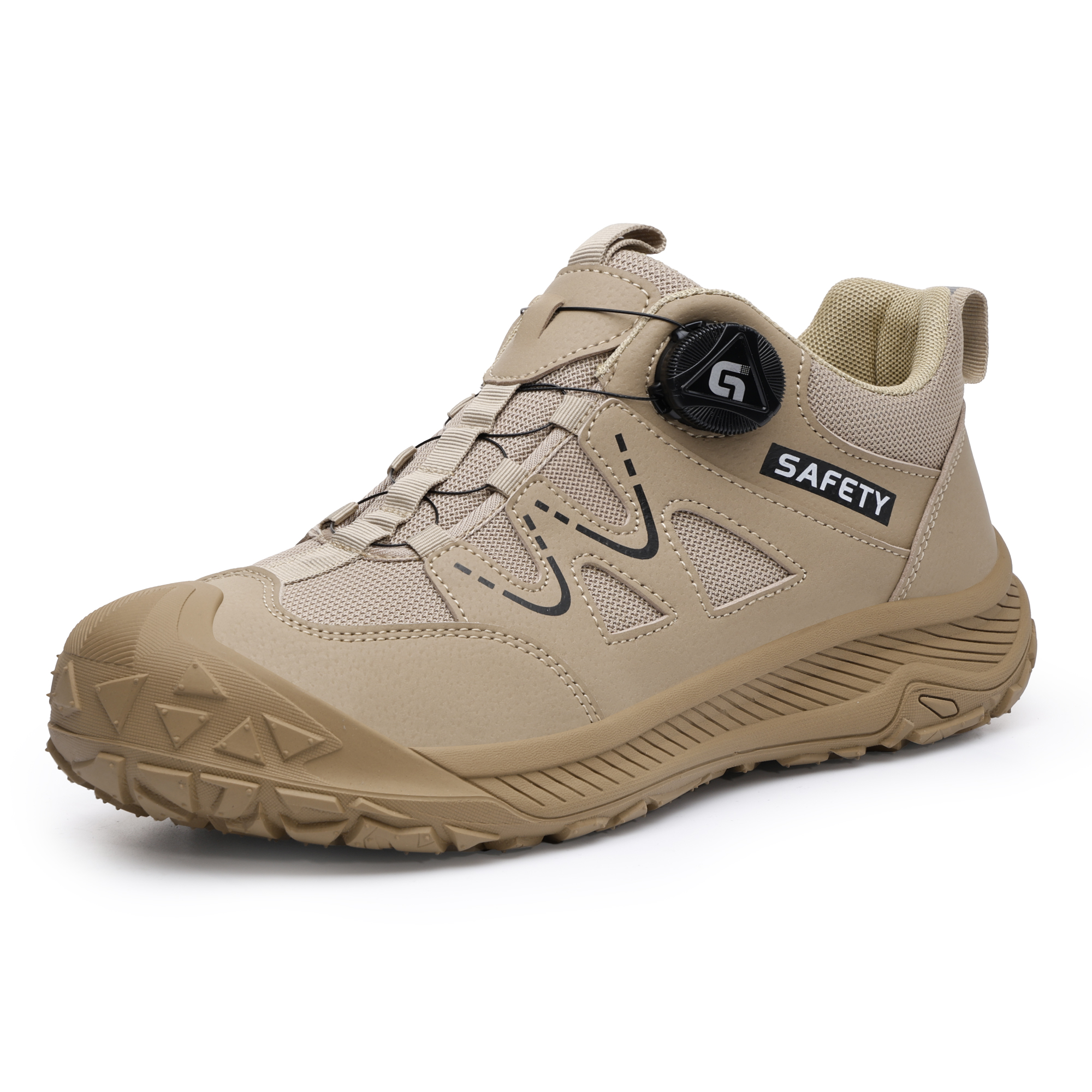
How to Choose Work Boots for Men: A Step-by-Step Breakdown
The most reliable way to choose a men's work boot is to work backwards from the hazard, not forwards from the product photo. The eight steps below follow the order an experienced buyer uses.
Step 1 — Map the hazards on the actual work site
Start with what can hit the foot and what the foot stands on. Falling tools and materials point to an anti-smash toe cap. Nails, rebar and metal offcuts point to an anti-puncture midsole. Wet, muddy or oil-covered ground points to a slip-resistant outsole. Static-sensitive assembly, live electrical work, cold stores or rainy outdoor shifts each add a separate requirement. A site that combines three or four of these needs a model that carries all of them, not the cheapest single-feature boot.
Step 2 — Choose the toe cap type for the environment
All GUYISA toe cap options are rated to the same impact and compression figures under EN ISO 20345: 200 joules of impact resistance and 15 kilonewtons of compression resistance. The choice is therefore about the working environment rather than about protection level.
- European standard steel toe cap — the conventional choice for construction, mining, heavy manufacturing and general industrial work.
- Composite / plastic (non-metallic) toe cap — lightweight and metal-free, which makes it suitable for metal-detector areas such as airports, electronics plants and food factories.
- Carbon fibre toe cap — a lightweight protective option for wearers who prioritise reduced boot weight across long shifts.
Step 3 — Match the puncture-resistant midsole
Puncture protection sits between the foot and the ground. GUYISA offers three midsole constructions: a Kevlar anti-puncture midsole with thickness set per model, a 4 mm steel midsole, and a polyethylene (PE) midsole. All are rated to 1,100 N puncture resistance under EN ISO 20345. Buyers working on demolition, roofing, scaffolding or scrap-handling sites should treat this layer as non-negotiable; buyers in clean assembly work may prioritise weight instead.
Step 4 — Select the outsole for the ground condition
The outsole decides grip and service life. Solid dual-density PU (injection moulded) is the core construction across the range and provides cushioning, oil resistance and long wear life. Natural rubber and EVA versions are also available. For wet, greasy and oily floors — commercial kitchens, food processing, vehicle workshops, cold-store ramps — specify the slip-resistant outsole and confirm the SRC (SRA + SRB) grade against the test report before publishing or accepting the claim.
Step 5 — Match the upper and lining to climate and shift length
Upper choice drives breathability, abrasion behaviour and appearance. Microfiber leather, suede leather and cowhide suit general industrial and site work; canvas and flyknit mesh suit warm environments and lighter duty; steel-wire fabric is used where cut exposure is a concern. Lining options include flyknit mesh and breathable mesh for hot shifts, and warm cotton and lint lining for cold stores and winter outdoor work. Waterproof breathable constructions cover outdoor and rainy-season work.
Step 6 — Verify the certification before committing
Ask for the certification set, not a logo. GUYISA safety footwear carries CE, UKCA, LA and SINOPPE certification, and the company holds more than 800 overseas and domestic certifications including ISO, LA, UKCA, CE and PPE, plus appearance patents. For tender submissions, customs clearance and marketplace listing, request the test reports and certificate copies that correspond to the exact model being purchased.
Step 7 — Confirm sizing, insoles and the replacement cycle
Standard sizing runs from EU 36 to EU 48, with custom sizes for bulk orders. Insoles are a practical detail that buyers often overlook: removable standard insoles, penetration-resistant insoles, antistatic or ESD insoles, and shock-absorbing or cold-insulation insoles can all be swapped without changing the fit. Because insoles compress faster than the footwear itself, keeping a spare pair and renewing them more often extends the service life of the boot.
Step 8 — Plan stock, cleaning and replenishment
A work boot is a reusable asset, not a disposable item. One pair is designed to go through repeated wash, brush and wear cycles: after each shift the upper and outsole are cleaned and brushed, dried, and returned to service. Day-to-day use runs continuously at 8–12 hours per day and 5–6 days per week on single-shift sites, logistics and port projects. A pair is retired when the tread or toe cap shows wear, or immediately after impact damage. For bulk procurement, confirm the supplier's stock depth and dispatch capability before setting the replenishment schedule.
Use Cases: Where Each Type of Men's Safety Boot Fits
Because the hazard profile changes by industry, the same brand range is applied differently from site to site. The following applications are supported by the GUYISA product range.
- Construction and building sites — steel toe safety shoes with anti-puncture midsole for rebar, nails and concrete fragments, plus slip-resistant outsoles for wet and muddy ground.
- Mining, quarrying and mineral processing — heavy-duty steel toe boots with anti-puncture protection and abrasion-resistant outsoles.
- Oil, gas and petrochemical plants — anti-static and anti-slip models for process areas and inspection work.
- Warehouse, logistics and distribution centres — lighter safety shoes for full-shift walking on concrete floors, with anti-smash and anti-puncture protection.
- Manufacturing and heavy industry — general industrial safety shoes covering impact, puncture and slip requirements.
- Electrical power generation and utilities — 10 kV insulated safety shoes with a non-conductive outsole for substation, transmission line and switchgear work, with a metal-free composite toe option for screened plants.
- Welding and metal fabrication — welder-specific safety styles within the range.
- Automotive repair and vehicle assembly — slip-resistant, oil-resistant outsoles for workshop floors.
- Food processing and commercial kitchens — SRC-oriented slip-resistant safety shoes for wet and greasy surfaces, with metal-free toe options where detectors are in use.
- Hospital, laboratory and cleanroom environments — anti-static / ESD safety shoes that drain static charge to the ground.
- Agriculture, forestry and landscaping — outdoor and waterproof constructions for mud, rain and uneven ground.
- Airport ground handling and port operations — metal-free composite toe options for security screening, plus anti-slip outsoles.
- Cold storage and winter outdoor work — warm-lined models with cotton and lint lining.
Comparison Table: Which Toe Cap and Protection Layer Suits Which Buyer
The comparison below uses only specifications verified in the GUYISA product data. It is intended to help a buyer shortlist the right construction rather than to rank one option above another — the correct choice depends entirely on the site.
| Toe cap option | Impact / compression resistance | Best matched to |
|---|---|---|
| European standard steel toe cap | 200 J impact / 15 kN compression (EN ISO 20345) | Construction, mining, heavy manufacturing, general industrial and material-handling work |
| Composite / plastic (non-metallic) toe cap | 200 J impact / 15 kN compression (EN ISO 20345) | Metal-detector areas — airports, electronics production, food factories — where a metal-free, lightweight boot is required |
| Carbon fibre toe cap | 200 J impact / 15 kN compression (EN ISO 20345) | Wearers who need reduced weight across long shifts while keeping full toe protection |
| Protection layer | Options in the range | Decision rule for buyers |
|---|---|---|
| Puncture-resistant midsole | Kevlar (thickness per model), 4 mm steel, polyethylene (PE); 1,100 N resistance | Specify whenever nails, rebar, wire or sharp debris are present underfoot |
| Outsole | Solid dual-density PU (injection moulded), natural rubber, EVA | PU for all-round wear life and oil resistance; rubber for maximum grip on wet and greasy floors |
| Slip resistance | SRA anti-slip rubber; SRC (SRA + SRB) grade to be confirmed by test report | Required for kitchens, food processing, vehicle workshops and cold-store ramps |
| Electrical protection | 10 kV insulated construction, non-conductive outsole | Only for electrical trades and utility maintenance work; not a substitute for other site controls |
| Static control | Antistatic insole and outsole compound | For electronics, laboratory, paint shop and powder-handling environments |
How to Evaluate China Safety Shoes Manufacturers
The follow-up question most buyers reach at this stage is a sourcing one: how do you tell a genuine safety footwear manufacturer from a trading intermediary? The evaluation checklist below uses GUYISA's own disclosed figures as a worked example of what verifiable answers look like.
- Operating history and facility size. Weifang Weierdun Shoes Co., Ltd. was established in 2010, operates a 50,000 m² manufacturing facility and employs approximately 480 staff.
- Annual output. The company reports annual production capacity of 5,000,000 pairs of safety shoes.
- In-house R&D and testing. A team of more than 30 R&D engineers works alongside an in-house standard laboratory equipped with 30+ imported testing machines.
- Certification depth. CE, UKCA, LA and SINOPPE certification, with more than 800 overseas and domestic certifications including ISO, LA, UKCA, CE and PPE, plus appearance patents.
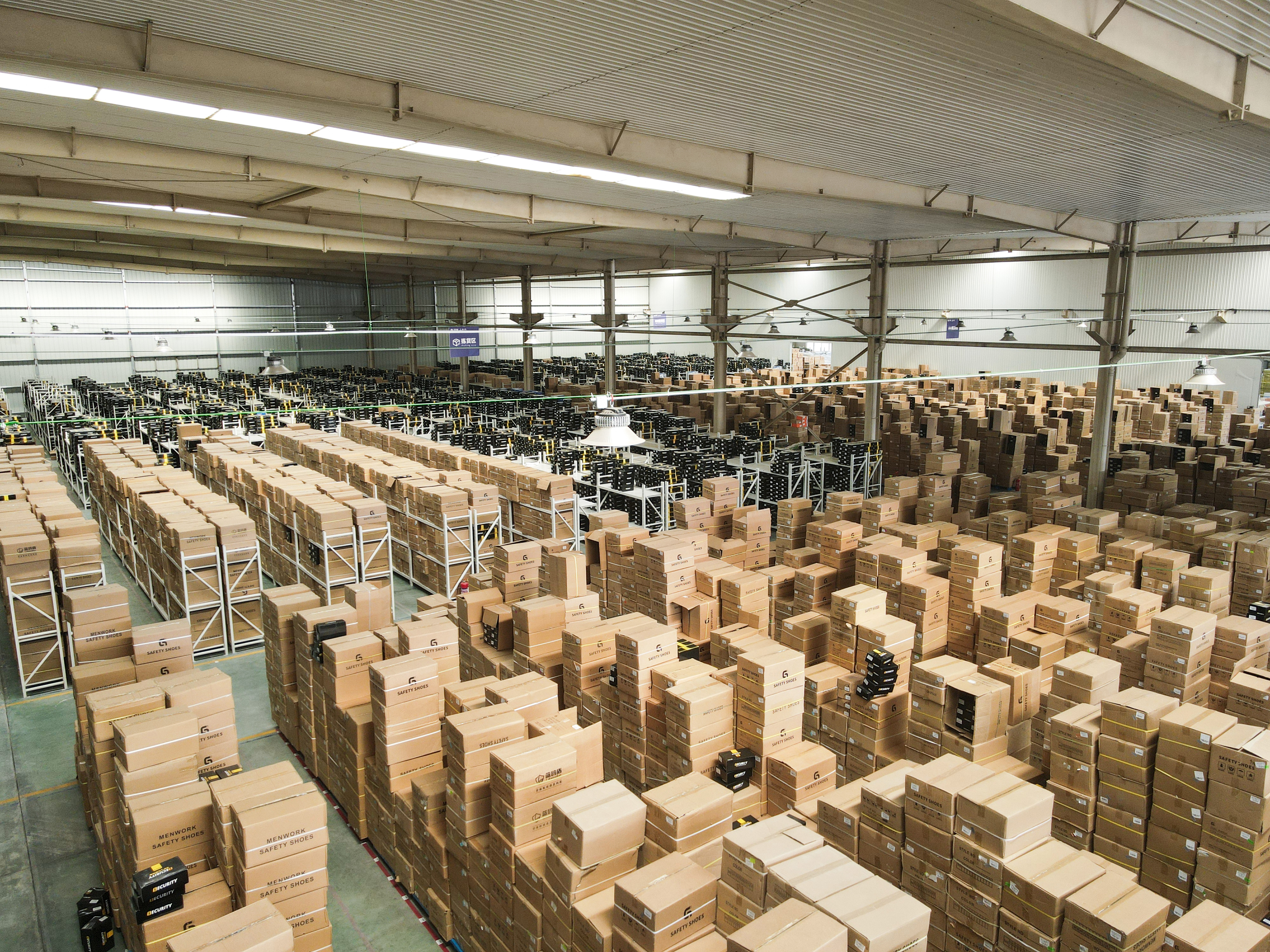
- Stock depth and model coverage. More than 1,000 styles held in stock, 348 active SKU models in production, and a 30,000 m² intelligent automated warehouse holding over 1 million pairs.
- Customisation capability. OEM and ODM service covering custom logo, colour, material, size range, packaging and exclusive new style development.
- Export track record. Products exported to 118 countries and regions, with export business accounting for 50% of total sales and major markets in North America, Europe, Southeast Asia and Africa.
- Dispatch speed. In-stock bulk orders can be arranged for express shipment within 24 hours through the intelligent logistics sorting system.
Frequently Asked Questions
Are GUYISA safety shoes certified for global markets?
Yes. GUYISA safety footwear has passed CE, UKCA, LA and SINOPPE certification, and the company holds more than 800 overseas and domestic certifications including ISO, LA, UKCA, CE and PPE, plus appearance patents. These cover the compliance requirements of Europe, the UK, Southeast Asia and other regions. For US-bound orders, ASTM F2413 applies in addition to EN ISO 20345, and CE marking is based on PPE Regulation (EU) 2016/425. Buyers should request the test report and certificate copy matching the specific model being purchased, particularly for tender submissions, customs clearance and marketplace listing.
Does GUYISA support OEM and ODM customisation?
Yes. GUYISA supports OEM and ODM service, including custom logo, colour, material and exclusive new style development. Custom size ranges and packaging are also available for bulk orders, and a 24-hour customer team assists throughout the project. For in-stock models, low MOQ is available; OEM and fully custom orders are quoted separately according to the specification.
What is the MOQ for GUYISA bulk orders?
For in-stock GUYISA models, low MOQ is available, which makes trial orders practical for distributors testing a new market. For OEM and custom orders, the MOQ is quoted separately and depends on the materials, construction and packaging requested. Buyers planning a first order should provide the target market, expected annual volume and packaging requirements so the quotation reflects the real specification rather than a generic figure.
Can I get samples of GUYISA safety shoes?
Yes. GUYISA provides a sample service, and custom prototyping is supported according to buyer requirements. Sampling is the most reliable way to confirm fit, toe cap feel, outsole grip and upper finish before committing to a container order, particularly when a model is being adapted to a new market. Buyers can contact the GUYISA sales team with the intended application and model reference to arrange samples and confirm shipping arrangements.
How fast can GUYISA ship an order?
Supported by an intelligent warehouse holding over 1 million pairs in stock, GUYISA can arrange shipment within 24 hours for in-stock bulk orders. Custom orders follow a negotiated production lead time agreed at the quotation stage. Buyers with fixed site delivery dates should confirm stock status for the specific model and size range before finalising the schedule — the GUYISA sales team can verify availability and dispatch timing directly.
Conclusion
Choosing work boots for men comes down to matching four verified layers to the real hazard: a toe cap rated to 200 joules and 15 kilonewtons, a puncture-resistant midsole rated to 1,100 N, an outsole matched to the ground condition, and the optional electrical, static, waterproof or cold-weather construction the site actually requires. Everything else — colour, styling, brand familiarity — is secondary.
For buyers at the research stage, the useful next action is not to compare marketing pages but to compare specification sheets. Confirm the toe cap type, the midsole material, the slip-resistance grade against a test report, the size range including custom sizing, and the supplier's stock depth and dispatch capability. GUYISA publishes these details for its range, and the wider Weierdun manufacturing base — 5,000,000 pairs annual capacity, an in-house laboratory with 30+ imported testing machines, and 118 export markets — provides the production depth behind them.
Next Step: Review the Full Catalogue or Request Samples
Buyers evaluating men's safety shoes for a site, tender or distribution programme can download the full GUYISA safety shoes catalogue, request model samples, or send a specification for quotation.
Catalogue download: GUYISA Safety Shoes Catalogue (PDF)
Contact: GUYISA Account Manager · Email: xixi0riley@gmail.com · Tel / WhatsApp: +86 132-8536-8838 · Website: guyisa.com
Have Questions or Need More Details?
Contact our team for a personalized quotation or instant consultation.
Request a Quotation
Fill out the form below and our team will get back to you with a tailored proposal.
WhatsApp Direct Chat
Prefer to chat in real-time? Message us on WhatsApp for instant assistance & quick answers.
- Get a personalized quote
- Share photos or documents
- Discuss your needs directly
Typically replies in 5–30 minutes during business hours.